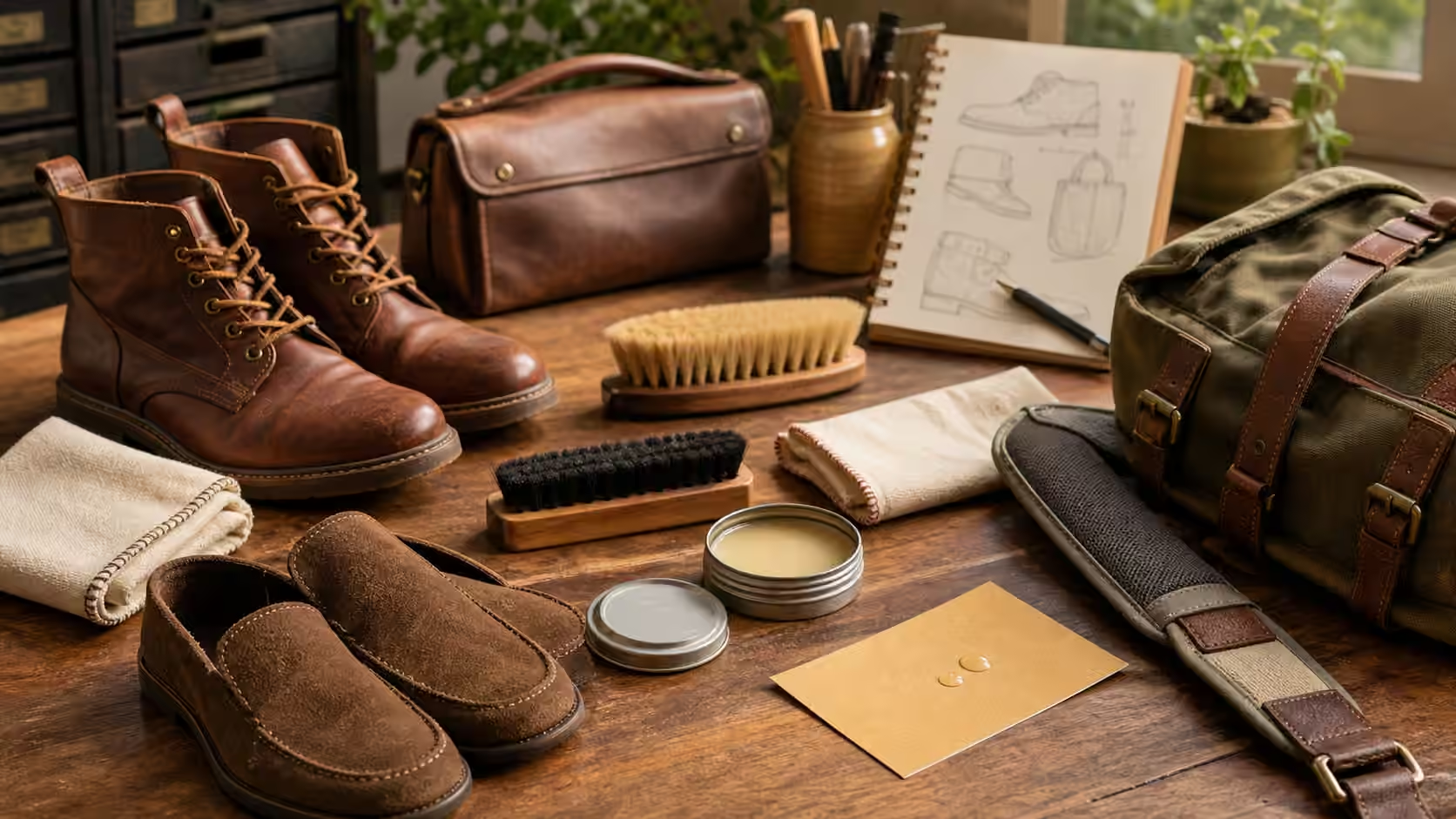
The leather-care aisle sells the idea that one tin does everything, and that is where most leather gets loved to death. Conditioner, polish, wax, and waterproofing are four different jobs, and using the wrong one, or piling them on top of each other, is what leaves a good pair of boots greasy, darkened, and no better protected than before. Once you can say plainly what each product is for, leather care becomes almost boringly simple: clean first, feed the leather when it is hungry, add color and shine only where you want them, and add water resistance only when the weather demands it. This guide untangles the four jobs so you can reach for the right tin instead of the nearest one.

First, identify the leather you have
Everything downstream depends on what you are actually holding. Smooth full-grain and top-grain leather takes conditioner and polish readily. Suede and nubuck have a raised nap and must never be treated with smooth-leather conditioner or polish, which mats the fibers and turns them shiny and dark; they get brushes and their own dedicated sprays instead, covered in suede cleaning . Patent leather is a coated plastic surface that wants only a wipe, not feeding. Bonded, coated, or “vegan” synthetic leathers do not absorb conditioner at all and can be harmed by it. If you cannot tell what you have, that uncertainty is itself the signal to go slow, test in a hidden spot, and start with nothing more aggressive than a cloth.
Conditioner feeds, polish colors, wax shines
Conditioner is food, not finish. Leather is a skin, and over time it loses the oils that keep it supple; conditioner replaces them so the leather bends instead of cracking. You apply it when the leather feels dry, stiff, or looks thirsty and flat, not on a fixed weekly schedule, because over-conditioning oversaturates the fibers, makes them limp, and darkens the surface. A thin coat, worked in and given time to absorb, does more than a thick one.
Polish is mainly about color and small cosmetic scuffs. Cream polish carries pigment that blends light scuffs back into the surface and refreshes a faded color; it conditions a little as it goes but its real job is appearance. Wax polish sits on top as a harder film that builds shine and adds a thin layer of surface protection, which is why a high shine is wax over cream, not cream alone. The trade-off is flexibility: heavy wax on a high-flex area like the vamp of a shoe or the fold of a bag will crack and flake, so wax belongs where you want gloss and structure, not where the leather bends hardest.
Waterproofing is a separate, occasional job
Water resistance is the fourth job and the one people most often confuse with conditioning. Waterproofing products, sprays, greases, and dubbin-style waxes, add a barrier against rain and salt, and they must be matched to the leather type and applied only to clean, dry leather. Sealing dirt in under a waterproof layer traps grime and moisture against the surface and can stain or rot it. Waterproofing is also directional: heavy greases and dubbins deeply protect rugged work leather but noticeably darken and dull it, which is fine on hiking boots and wrong on dress shoes. Use it sparingly, ahead of wet seasons rather than constantly, and accept that real water protection usually costs you a little of the leather’s original look.
The order that keeps leather healthy
The sequence matters as much as the products. Clean first, always, with a barely damp cloth or a proper leather cleaner, and let it dry. Condition only if the leather feels dry. Let the conditioner absorb. Then, if you want color or shine, apply cream and then wax, thin coats, buffing between them. Waterproof last, on the finished, dry surface, and only when you need it. Skipping the cleaning step is the single most common mistake, because every product you apply over dirt drives that dirt in. The second most common is doing all four steps every time out of habit, when most well-kept leather needs only a brush most weeks and the deeper steps a few times a year.
What quietly ruins good leather
The failure patterns are consistent. Treating suede or nubuck with smooth-leather products flattens the nap permanently. Waterproofing over dirt locks in stains. Piling conditioner on weekly leaves the leather oversaturated and slack. Mixing several products without testing produces blotchy, uneven darkening you cannot easily undo, which is why a hidden test patch before any new product is worth the two minutes. And no amount of polish repairs leather that has genuinely cracked; polish hides a crack for a day and the crack returns, because the fiber structure at the base of the crack is what failed, not the color on top. Recognizing that limit early saves you from burying a structural problem under cosmetics.
When to hand it to a professional
Take valuable bags, vintage pieces, deep or spreading cracks, dye transfer, and unknown finishes to a leather specialist rather than experimenting. Recoloring, refinishing, and repairing structural leather are real trades, and a good leather worker can restore a piece that a well-meaning home treatment would only push further. Sentiment and value both justify that call; a treasured jacket or a well-made bag is worth a professional’s judgment over a hopeful guess. For footwear specifically, a cobbler is often the right stop, and the etiquette of that conversation lives in how to find and talk to a cobbler .
A rhythm you can actually keep
Sustainable leather care is light and infrequent, not a weekly ritual. Brush and wipe often to keep grit off the surface, condition occasionally when the leather tells you it is dry, polish when scuffs appear, and waterproof ahead of the wet season. One good conditioner, one brush, and a cloth will handle most of a household’s leather far better than a cabinet of half-used tins. When you do treat a piece, note the date and what you used, because leather rewards knowing when you last fed it, and a short Save Log line saves you from over-treating out of forgetfulness. The broader routine for footwear ties in with the shoe care quickstart , and when soles start to let go, the decision tree in sneaker sole separation picks up where care leaves off.