Four things go wrong with fabric, and they look similar enough that people reach for the same fix and make three of them worse. Pilling, a snag, a hole, and a fraying edge are genuinely different failures, and each one wants a different response. Shave a pill and you rescue a sweater; shave a snag and you cut a hole; cut a snag flush on a knit and you start an unraveling that runs. The single most useful skill in fabric repair is not stitching at all, it is diagnosis: naming which of the four you are looking at before your scissors or comb touch the cloth. This guide walks through the four, what each one needs, and where the honest limit of a home repair sits.

Tell the four apart first
Look closely before you decide. Pilling is loose fibers balled up on the surface; the fabric underneath is intact, and the pills are sitting on top of it. A snag is a single loop or thread pulled out of the weave or knit, so the fabric is displaced but not broken, and there is usually a puckered spot where the pulled thread came from. A hole is missing material, fibers gone rather than moved, whether a small worn opening in a knit or a torn gap in a woven fabric. Fraying is an edge coming undone, threads working loose from a hem, seam, or cut edge and unraveling outward. The tests that separate them are simple: does the surface fiber lift off while the base stays whole (pill), is there a loop you could in principle coax back (snag), is there daylight through missing threads (hole), or is an edge shedding threads (fray)? Knowing which one you have decides everything that follows.
Pilling wants shaving, gently and knowing when to stop
Pills form where fabric rubs, cuffs, underarms, the seat, bag-strap lines, and they are cosmetic, not structural, until you attack them wrong. A fabric shaver or a sweater comb lifts them off, but the danger is treating the tool like sandpaper. Ground too hard or too long into one spot, a shaver thins the fabric and can chew straight through a knit, converting a cosmetic problem into a hole. Work over a flat, supported surface, take light passes, and stop the moment the surface is clear rather than chasing a perfectly smooth finish. Delicate and open constructions, lace, loose knits, embroidery, and fragile wool, should be de-pilled cautiously or by hand, because a powered shaver is far too aggressive for them. The mindset is removal of what is loose on top, never abrasion of the fabric itself.
Snags get coaxed inward, never cut
A snag is the failure most often made permanent by an impatient fix. The pulled loop is displaced fabric, not extra fabric, so cutting it flush removes a thread the garment needs and, on a knit, opens a run that keeps growing. The right move is to pull the snag through to the inside. Use a blunt needle, a crochet hook, or a purpose-made snag tool to draw the loop to the wrong side of the fabric, then gently stretch the fabric around the puckered area so the displaced thread eases back into the weave and the pucker relaxes. On a knit especially, this is the whole repair, and it is nearly invisible when done patiently. The rule that saves the most garments is the simplest: never cut a snag flush on knit fabric.
Holes want darning or patching to match the fabric
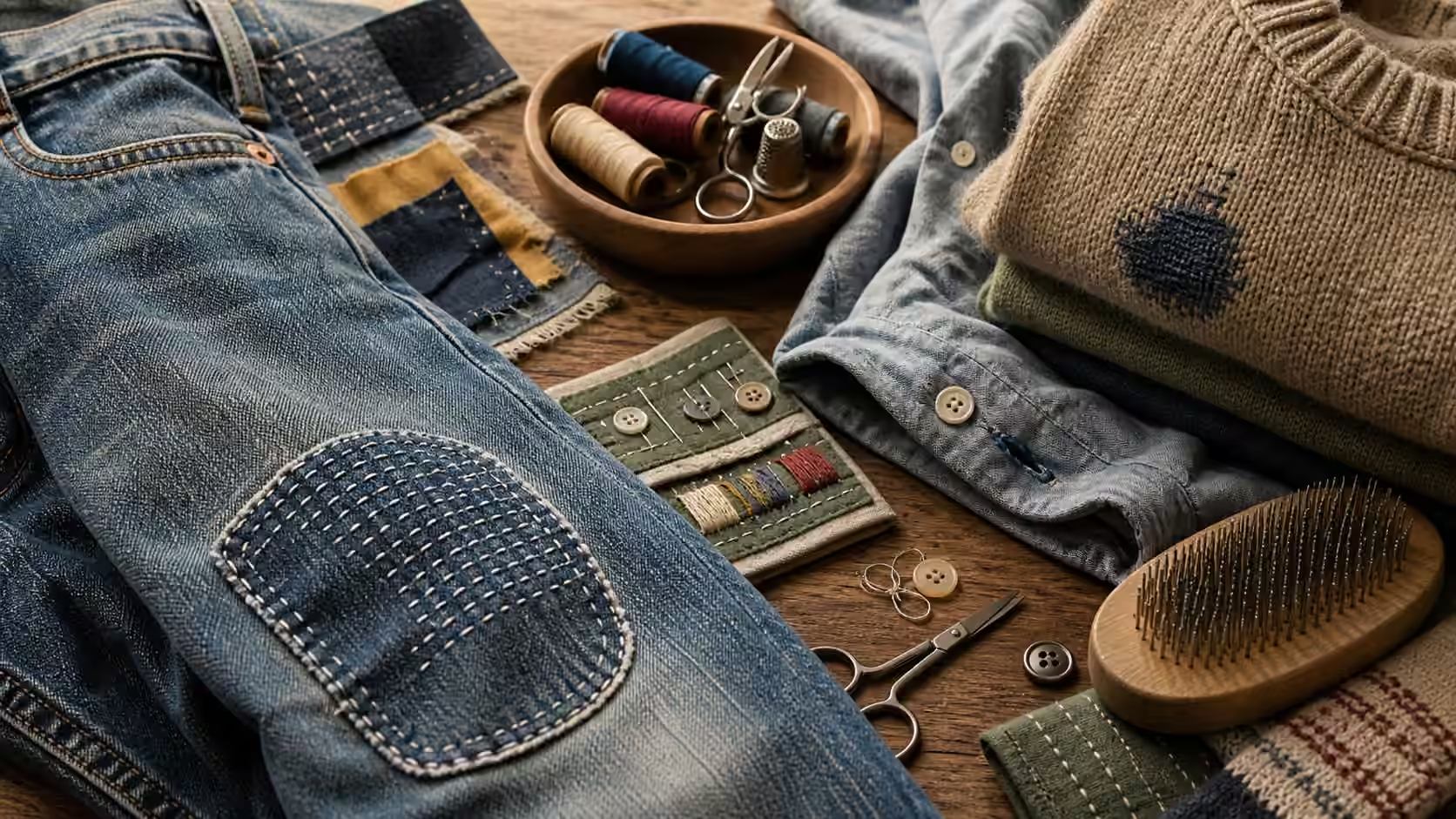
A hole is missing material, so the fix has to add structure back, and the method depends on how the fabric is built. Small holes in knits, sock heels, sweater elbows, are darned: you rebuild the missing grid with rows of thread, ideally before the hole widens, because a small darn is easy and a large one is a project. Woven fabrics with holes under continuing stress, knees, pockets, seats, want a patch placed from behind so the surrounding intact fabric shares the load rather than the thin torn edges. Patching only the visible hole and ignoring the weakened fabric around it is a common mistake; the patch holds and the fabric tears again right beside it. Match the thread and patch to the fabric in daylight, since colors that look identical under a lamp often clash in sunlight, and give a patch enough overlap onto sound fabric to actually anchor. The stitching fundamentals behind both live in basic hand-stitching , and denim’s particular wear zones get their own treatment in denim repair .
Fraying wants a finished edge before it spreads
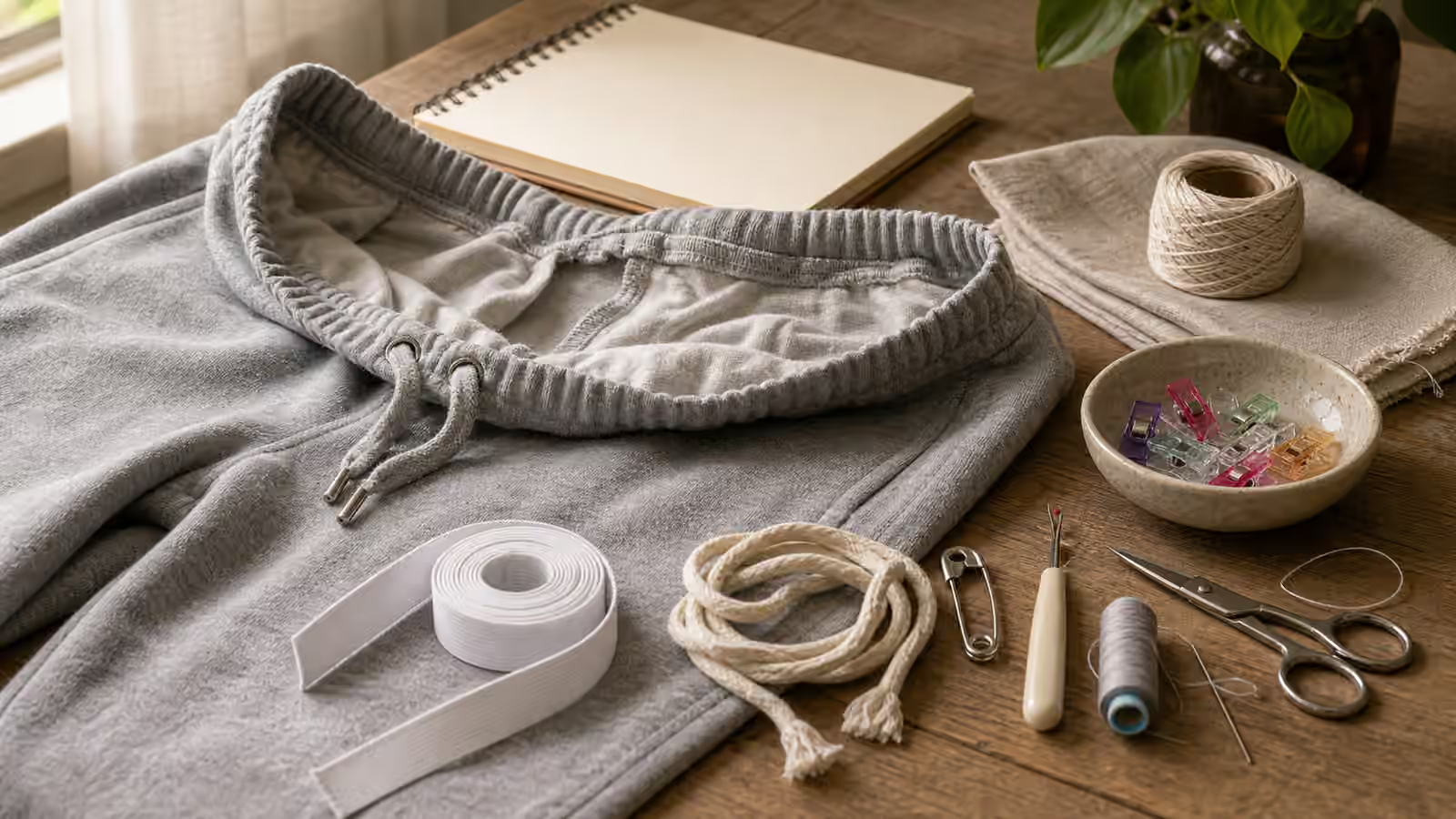
Fraying is an edge unraveling, and left alone it simply keeps going until a seam opens or a hem disappears. The fix is to give the edge a proper finish so the threads have nothing to unravel from: restitch the seam, bind the edge with bias tape, turn and stitch a real hem, or otherwise lock the loose threads down. The key is to act while the fray is small and localized, because a frayed edge at a stress point, an inseam, a strap join, a pocket mouth, is under load and will fail faster than a fray in a calm area. Ignoring fraying at stress points is how a minor loose thread becomes a burst seam on a busy morning.
Where the home repair stops
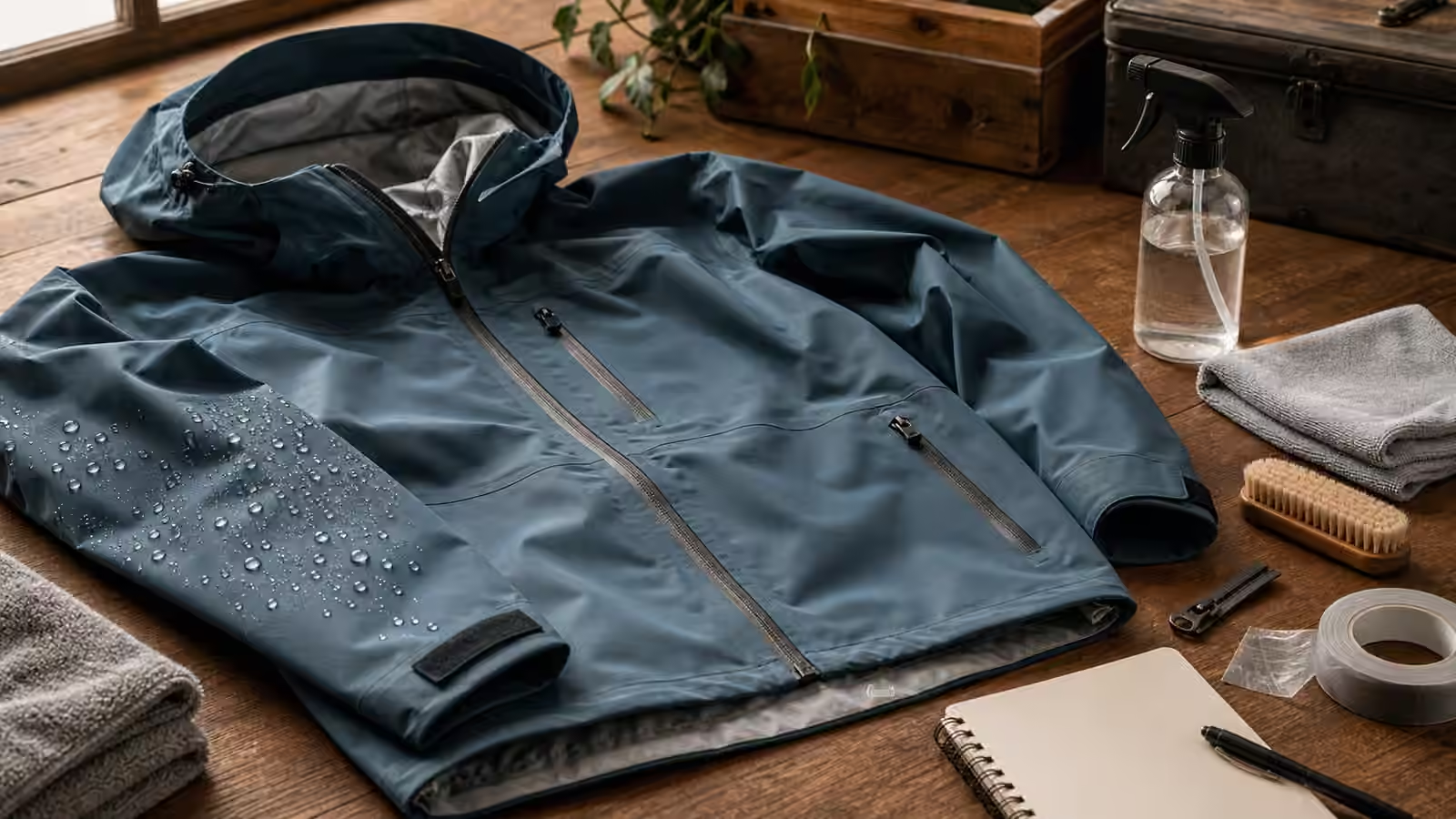
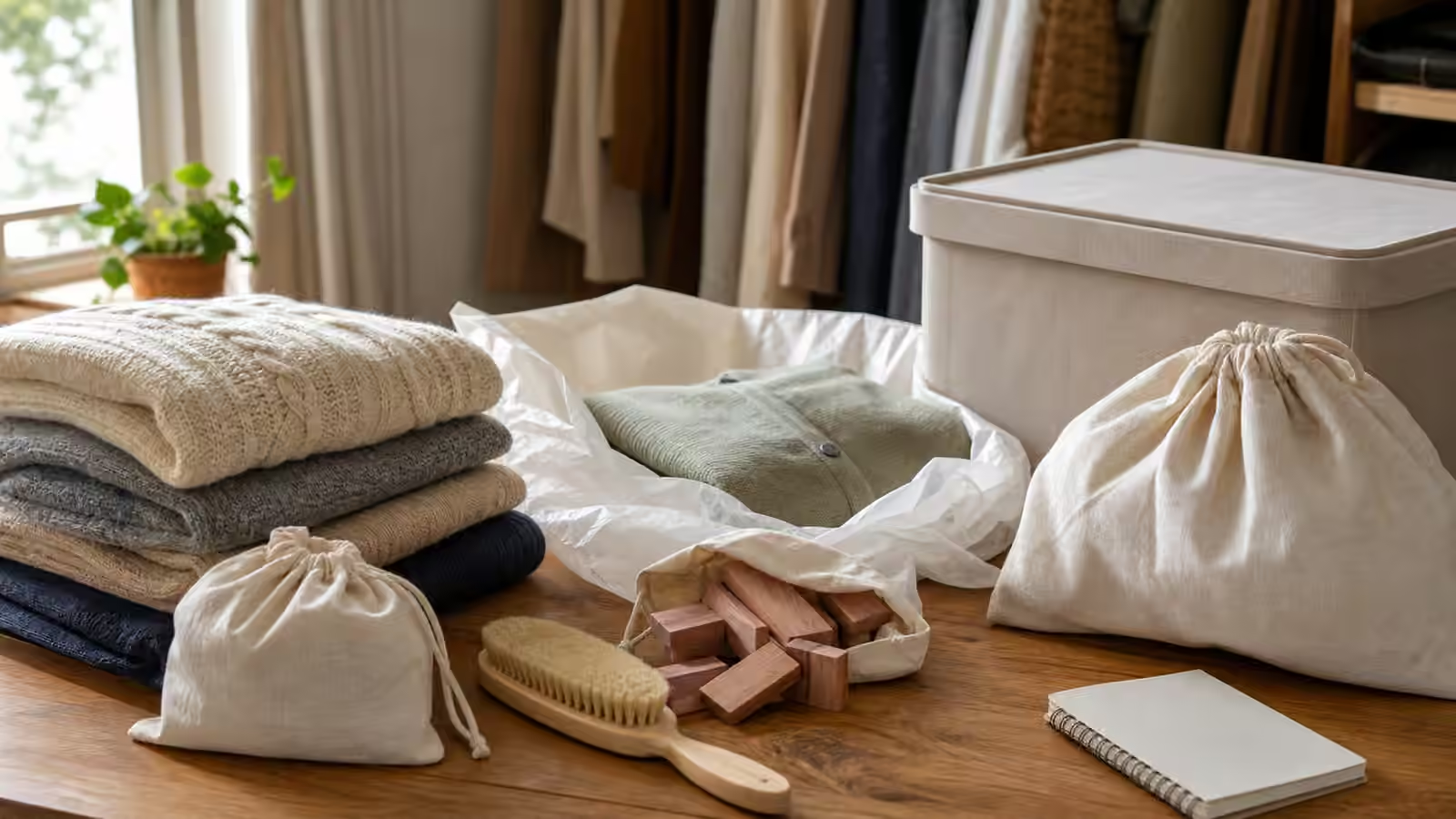
Some textiles deserve a specialist, and recognizing that is part of the craft, not a retreat from it. Delicate wool and silk, heirloom and vintage pieces, waterproof technical shells whose membranes a needle would compromise, and garments with real structural tailoring are all worth handing to someone who repairs them for a living. Practice your duplicate stitch, darning, and edge binding on scrap first so your hands are steady before you touch a garment you care about. Most damage, though, is prevented rather than repaired: wash inside out to cut abrasion, reduce the rubbing that makes pills and snags, store knits folded rather than hung so they hold their shape, and deal with a small snag before it goes through the wash and becomes a run. When you do make a repair, a short Save Log note, the garment, the fault, and what worked, teaches you which fabrics keep failing and steers your next purchase. The wash-side habits that cause most of this trouble are worth reading alongside, in laundry mistakes and sweater care , and for repairs you would rather show off than hide, visible mending turns a fix into a feature.