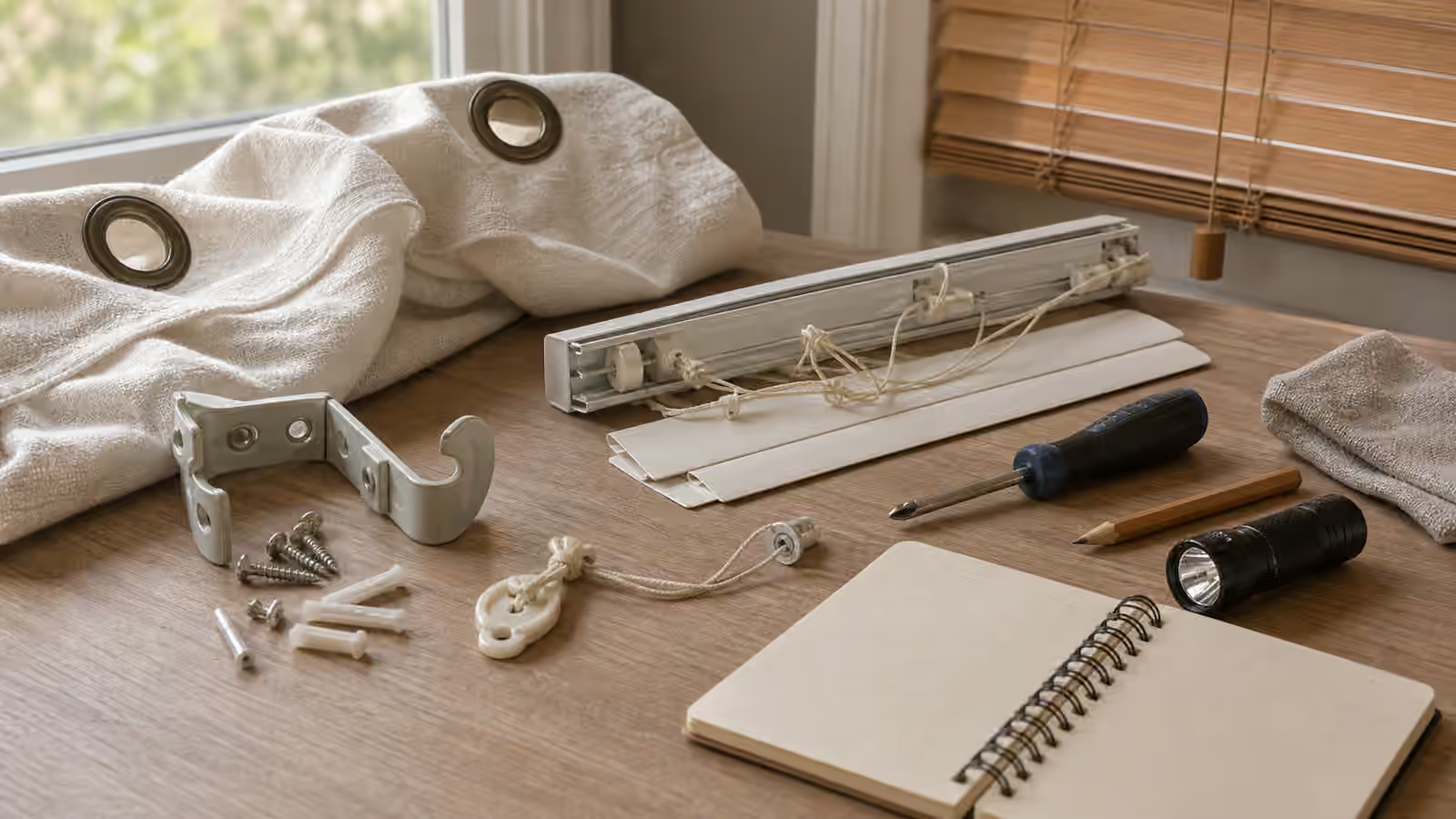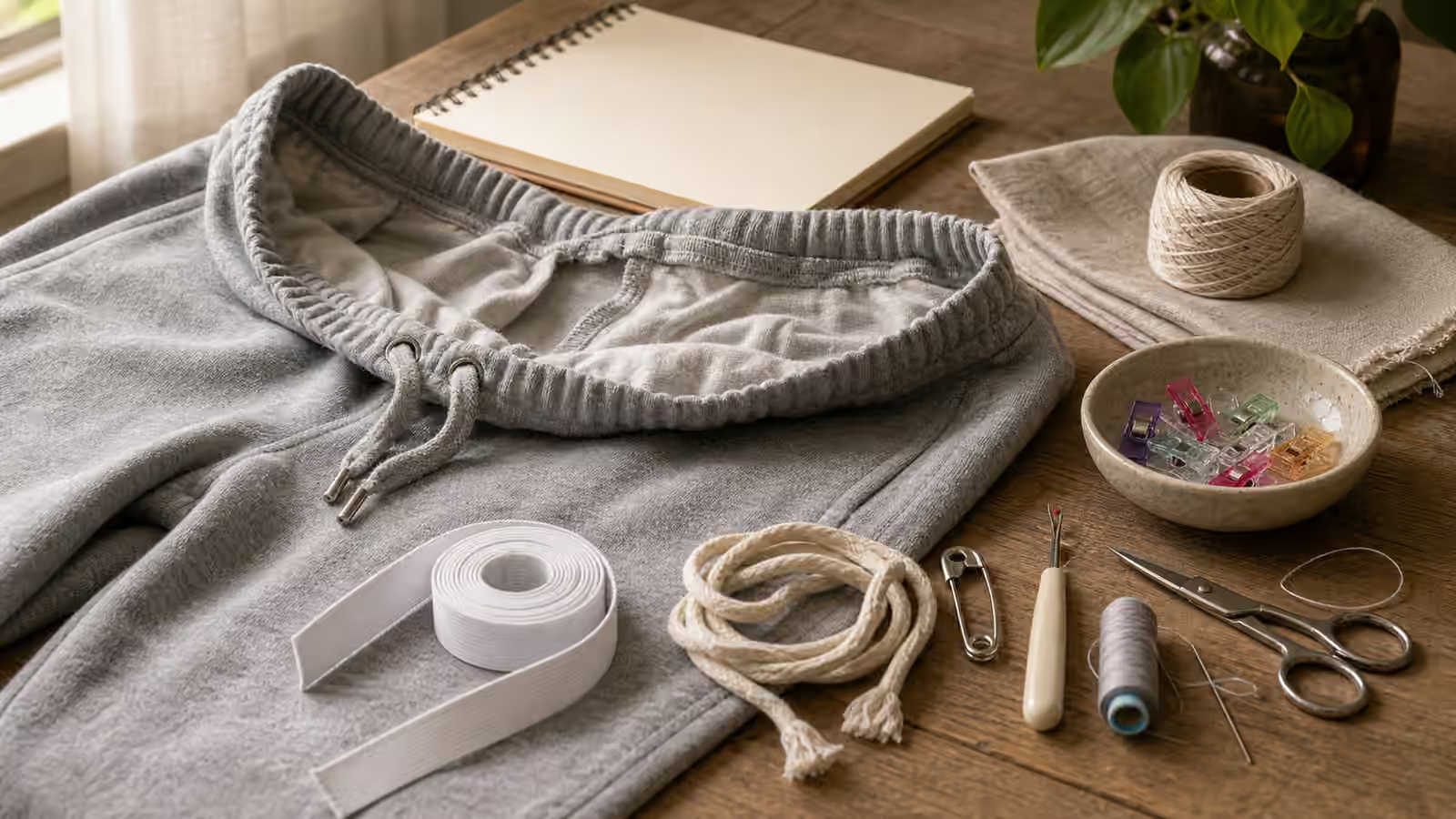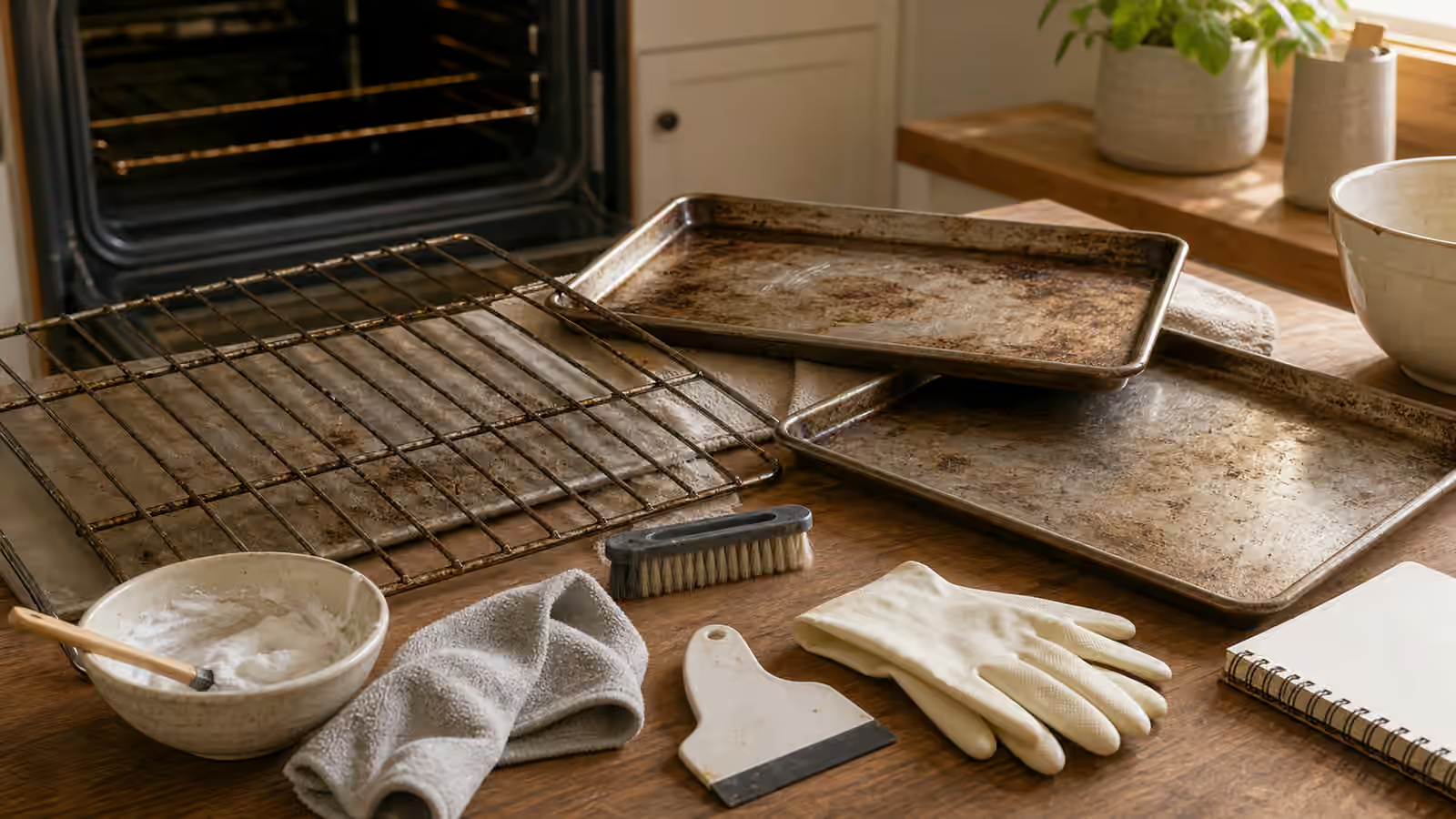

Almost every repair decision arrives dressed up as a money question, and almost none of them are only about money. When a coat zipper jams for the third time or a blender starts smelling faintly of hot plastic, the reflex is to ask whether fixing it is “worth it,” as if worth were a single number you could look up. The repair cost rule exists to slow that reflex down. It is less a formula than a habit of laying five things side by side before you commit: whether the object is safe to keep using, what replacing it would honestly cost, what sentiment or history is tangled up in it, how repairable it actually is, and what you might learn by trying. A keeper who weighs all five makes fewer regretful decisions in both directions, keeping some things longer than the internet would advise and letting others go without the low hum of guilt.
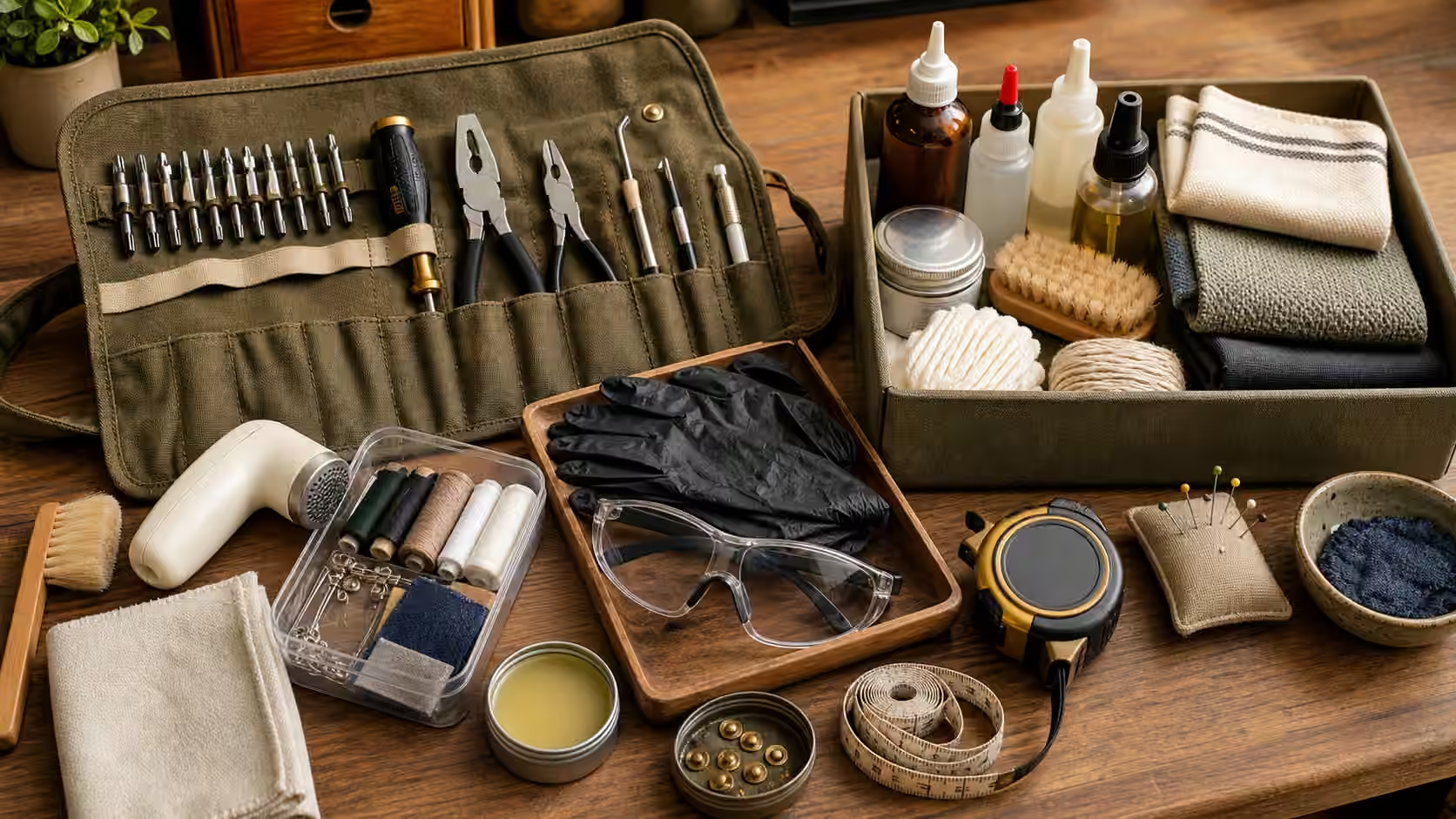
Safety is not a variable you get to trade
The first thing the rule does is quietly remove one option from the table. Safety-critical objects do not enter the cost comparison at all, because no amount of savings offsets the risk of a repair that hides a hazard. A frayed charging cable, a helmet that took a hard knock, a car seat past its shelf life, a space heater with a scorched cord: these are not thrift puzzles. If the honest answer to “what would make this unsafe to use?” is anything real, the decision is already made, and it is usually replacement or professional service. Everything that follows in this guide assumes you have already set that boundary and are working with an object whose worst-case failure is inconvenience, not injury.
What replacement actually costs
The single most common error in repair math is comparing the repair to the wrong number. People measure against what they originally paid, or against the cheapest possible substitute, and both distort the decision. The number that matters is the current cost of the closest genuine equivalent, and it is almost always higher than it first appears. A replacement kettle is not just the shelf price; it is the delivery, the afternoon spent choosing, the descaling routine you will relearn, the old one hauled to disposal, and the small tax of living without one until it arrives. When you count all of that, a fifteen-minute fix on a decent existing object often wins comparisons that looked lost on price alone. The reverse is also true: a cheap object with an expensive proprietary part can be false economy to save.
Naming the repair before pricing it
A repair is not one kind of thing, and knowing which kind you are facing changes the whole calculation. Some repairs are a single part swap where the part exists, is affordable, and installs without special tools. Some are a service you will hand to a professional, priced by their time rather than yours. Some are a skill lesson disguised as a chore, where the real return is that you will be able to do it again for free next time. And some are a gamble, an attempt with a real chance of making the object worse and the eventual repair harder. Before you compare costs, name which of these you are dealing with, because a low-risk skill lesson can be worth doing even when the money saved is modest, while a gamble on a fragile object rarely is. Write one plain sentence first: what changed, when, what still works, and what would make it unsafe. Most bad repairs begin the moment someone names a solution before naming the failure.
The rough arithmetic, held loosely
A widely repeated rule of thumb says repair when the cost is under half of replacement, and it is a reasonable starting anchor, but it is only an anchor. Adjust it upward when the object is high quality, when parts are genuinely available, when the design is meant to be serviced, or when sentiment earns the object extra patience. Adjust it downward when the material has failed beyond the local damage, when the same fault keeps returning, or when the repair would only postpone a larger failure. And count time as its own currency, honestly. A relaxing half hour at the bench is a different expense from a stressful three-hour ordeal that eats an evening you needed for something else. Saving things is supposed to make daily life better, not convert every possession into unfinished homework.
When sentiment tips the scale
Sentimental value is real and belongs in the calculation, but it changes the numerator, not the safety boundary. A grandmother’s chair or a well-loved bag can justify more time, a professional quote, and a repair that would be absurd on a commodity item, because you are buying continuity, not just function. What sentiment never does is turn an unsafe object safe or make a hidden structural failure acceptable. For heirlooms and genuinely valuable pieces, the most respectful move is often to stop, document carefully, and find the right specialist rather than risk a fast home fix on something irreplaceable.
Retiring things well is part of the skill
The keeper mindset is sometimes misread as an obligation to save everything, and it is not. Knowing when to let an object go, cleanly and without guilt, is as much a part of the craft as any repair. Replacement is the better choice when the object is unsafe, when parts have simply stopped existing, when the repair would conceal risk, when the material is worn out rather than locally damaged, or when the time and money involved would not buy a reliable result. Letting go is not surrender. It is the same judgment that keeps you from wasting an afternoon propping up something that was ready to be recycled.
Turning each decision into the next one
What makes the repair cost rule compound over time is the record you leave behind. Note the object, the date, the symptom, the first safe action you took, any part numbers, the repairer if you hired one, the cost, the time, and one honest sentence about whether you would do it again. Over a year this quiet log stops being a diary and becomes a map: it shows you which categories reward learning and which are better hired out, which brands stayed repairable and which fought you, and where your own patience runs thin. That is how one small save becomes a smarter decision the next time, which is the entire point.
If you want to work through the surrounding skills, Basic Hand-Stitching for People Who Don’t Sew and Visible Mending: When to Hide the Fix and When to Celebrate It are good companions when the object in question is textile rather than hardware.