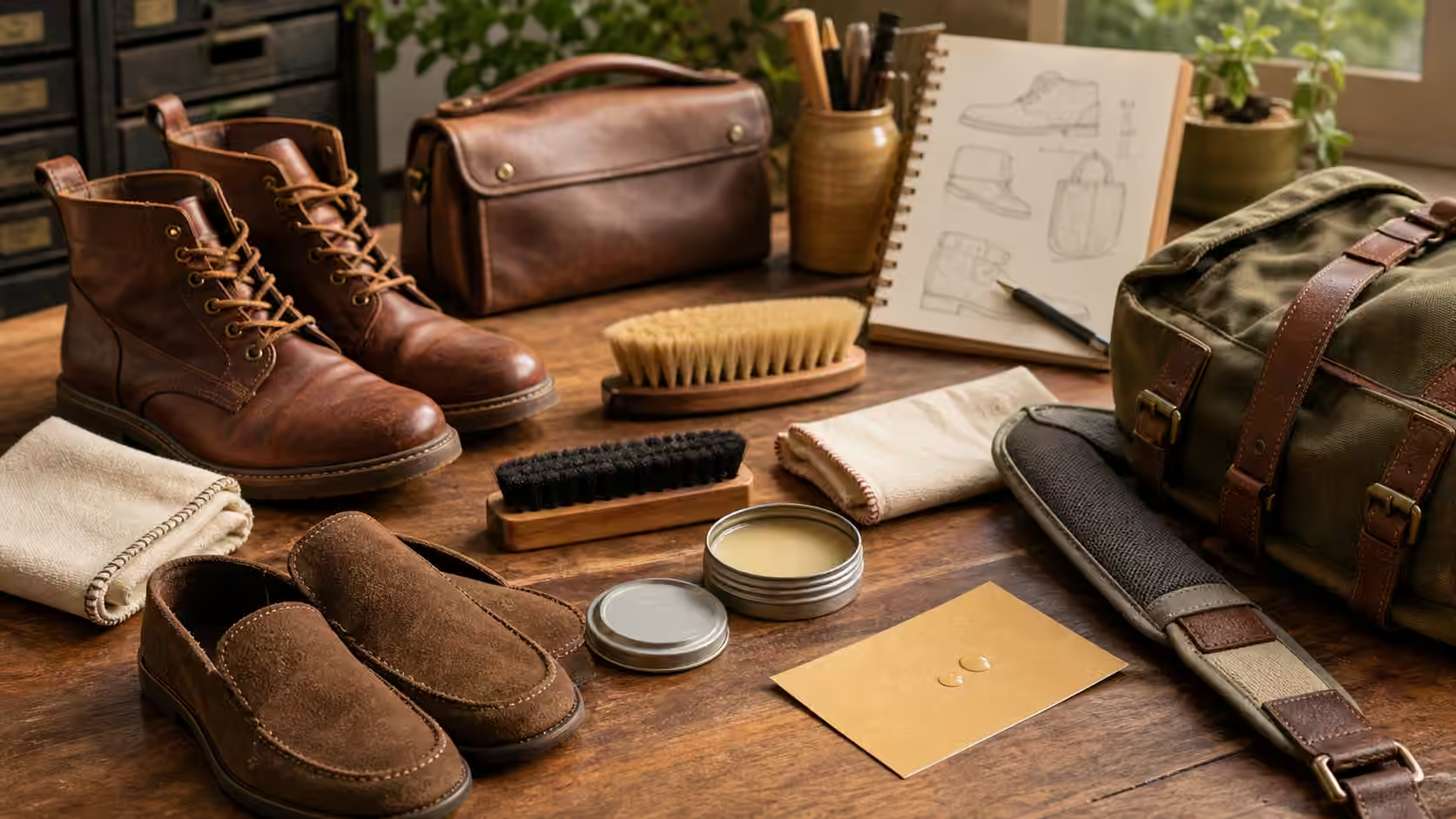
Shoes wear out from neglect far more often than from use, and the neglect is rarely dramatic. It is the salt line left on all winter, the pair worn soaked and then worn soaked again the next day, the leather that dries out quietly until a crease becomes a crack. The good news is that keeping shoes in service does not require a shelf of products or a devotional routine you will abandon by February. It requires a short sequence you can actually sustain: get the dirt off, let them dry properly, brush them, feed the leather when it is thirsty, and protect them before the weather that will attack them. Do that with a light touch and most footwear lasts years longer than it otherwise would.
Start by knowing what you are holding
Almost every shoe-care mistake comes from treating one material like another. Smooth leather, suede and nubuck, canvas, and technical synthetic uppers each want different things, and a routine that helps one can ruin the next. Smooth leather likes to be cleaned, occasionally fed, and kept from drying out. Suede and nubuck have a raised nap that water spots and that a cream will flatten into a shiny patch. Canvas is forgiving and washable but slow to dry. So the first move is not to reach for a product but to identify the upper, then to name the actual problem: ordinary dirt, odor, dryness, salt, a specific stain, worn tread, or a sole beginning to separate. A pair that is merely dusty needs almost nothing; a pair with a lifting sole needs a decision, not a cream.
Dirt comes off dry, before any water
The instinct to attack a dirty shoe with a wet cloth is the instinct to grind grit into the surface and drive mud into the seams. Loose dirt should come off dry first. A soft brush knocks dust and dried mud out of the grain and the welt while the shoe is still dry, and only then does a barely damp cloth come out for what remains. For suede, this dry brushing is most of the job on its own, lifting surface soil and standing the nap back up without ever wetting it. Working dry-first is the single habit that separates cleaning that helps from cleaning that slowly wears a shoe down, and it costs nothing but the order you do things in.
Wet shoes dry slowly, and never by the heater
When shoes are genuinely wet, how you dry them matters more than anything you do afterward. Direct heat, a radiator, a hair dryer, a sunny windowsill, is what cracks leather and warps soles, because it drives moisture out far faster than the material can tolerate and bakes the leather stiff. Instead, dry them slowly at room temperature, away from any heat source. Loosely stuff the insides with plain paper or fit shoe trees to hold the shape and pull moisture from within, changing damp paper for dry as needed. Give a soaked pair a full day or more, and never put wet leather back on the next morning. This patience is unglamorous and it is the difference between leather that ages and leather that fails.
Condition only clean, dry leather, and only when it asks
Conditioning is the step people most often overdo. A conditioner replaces oils that leather loses over time, but leather that is not actually dry does not need it, and a shoe that is dirty or damp should never be fed, because you will only seal grime and moisture in. Condition smooth leather when it looks or feels dry, a few times a year for typical wear rather than on a schedule, and apply a thin coat, letting it absorb before buffing off the excess. More is not better; over-conditioning leaves leather soft, dull, and prone to holding dirt. Suede is the clear exception and takes no smooth-leather cream at all, only its own brush and, when needed, products made for nap. The distinctions between feeding, shining, and weatherproofing leather are worth understanding in full, which is what Leather Conditioner vs Polish vs Waterproofing is for.
Protect a clean shoe, then let the routine be small
Protection is the last step, not the first, because any waterproofing spray or wax applied over dirt simply locks the dirt in place. Protect shoes when they are clean and dry, seasonally rather than obsessively, ahead of the wet or salted months that will test them. After that, the ongoing routine is genuinely modest: brush the shoes after a dirty wear, let them dry overnight, and rotate pairs so no single one is worn wet day after day. That rotation, giving shoes a rest between wears, does as much for their lifespan as any product, because the material gets time to dry out and recover its shape. A useful starter kit of a brush, a cloth, a conditioner, and a suede brush is a modest one-time outlay that pays for itself the first winter it saves a pair.
Know where care ends and a cobbler begins
Cleaning, drying, brushing, and conditioning are all comfortably within home care, and they are also where home care stops. A sole that is separating, a heel worn down to the structure, deep cracks in the leather, or stitching coming apart are jobs for a cobbler, not a home fix, and they are exactly the interventions that keep a good pair alive for another several years. There is no failure in handing a valuable or beloved shoe to a professional; it is often the most keeper-like decision available, because it protects an object that a home repair might quietly ruin. For the specific and common case of a lifting sole, Sneaker Sole Separation: Glue, Cobbler, or Replace? walks through when glue is reasonable and when the shoe is genuinely done, and Suede Cleaning Without Turning It Shiny covers the one material that punishes a heavy hand most quickly.
Let the log carry the memory
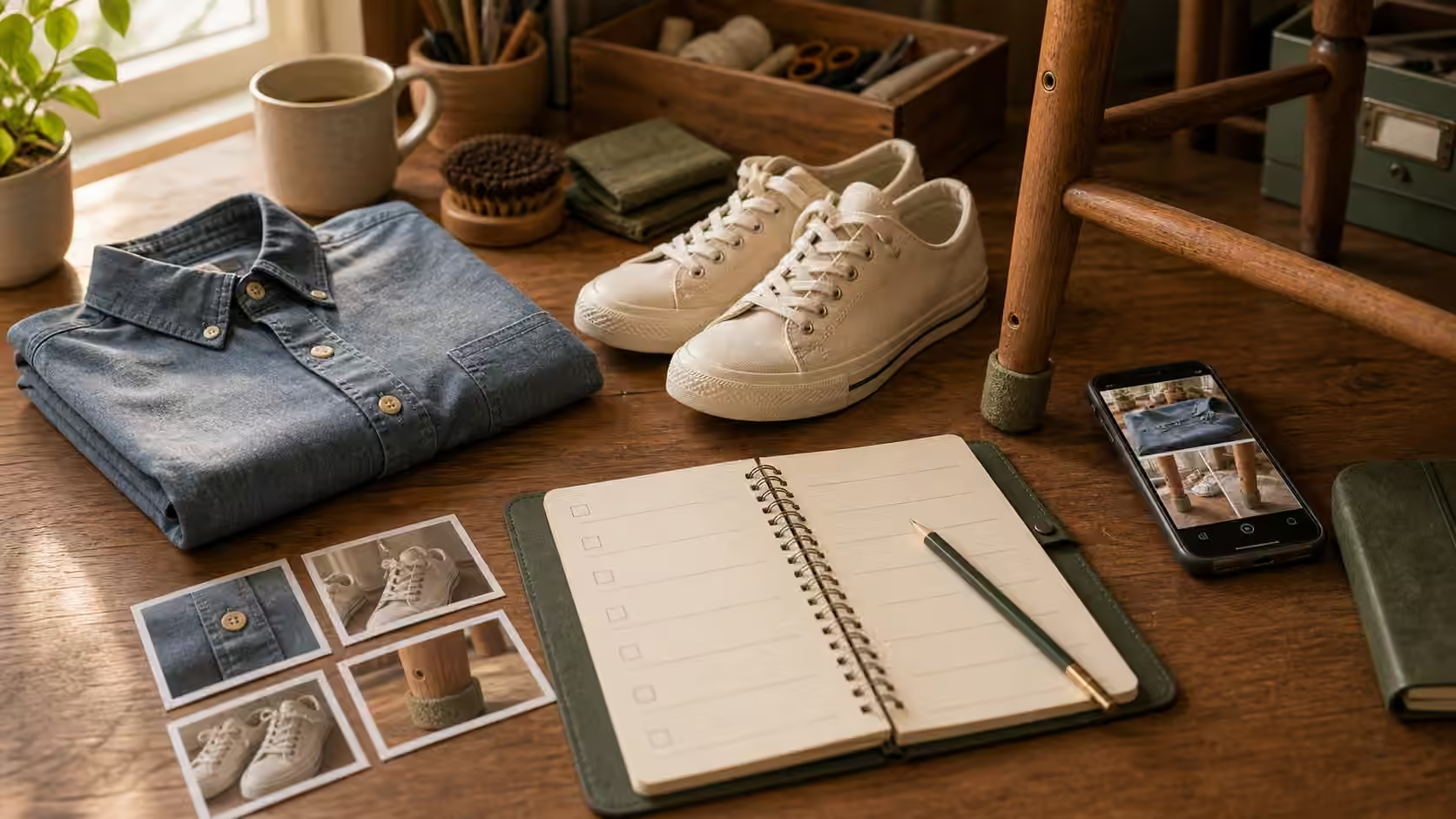
Because shoe care is seasonal and easy to forget, it benefits from a note more than most routines. A short Save Log entry, the pair, what you did, when you last conditioned or waterproofed them, keeps the rhythm from vanishing during busy weeks, when maintenance that lives only in memory reliably does. Over a couple of years those notes tell you which shoes reward care and which were never going to last, which is its own quiet buying lesson for the next pair.