Suede is not a difficult material. It is a misunderstood one. What people call ruined suede is almost always suede that met water, oil, or a scrubbing sponge before anyone stopped to look at what the surface actually is. Learn to read the nap and treat it patiently, and most of the marks that make a shoe or bag look retired come off with nothing more than a brush and a dry afternoon.
What suede actually is, and why it goes shiny
Suede is leather turned inside out and sanded so that thousands of tiny fibers stand up off the surface. That upright pile is the whole effect. It catches light softly, feels velvety, and reads as matte because the raised fibers scatter light in every direction. Everything that goes wrong with suede is a version of the same event: the pile gets flattened, matted, or coated. When you press a shiny patch into worn suede, you are not adding dirt so much as laying those fibers down flat and packing them with skin oil, wax, or ground-in grime. Light that used to scatter now bounces straight back, and a soft nap suddenly looks like plastic.
Once you hold that picture in your head, the right moves become obvious and the wrong ones become alarming. A smooth-leather conditioner, which is designed to soak into a sealed hide, will drown the pile and glue it down. A wet cloth rubbed hard does the same thing while adding a water ring. Heat from a radiator or hair dryer cooks the fibers stiff. The entire craft of suede cleaning is really the craft of lifting the nap back up and keeping it standing, which is why a brush does more work than any bottle.
Look before you touch
Give yourself one honest minute before the first action. Is the suede dry, or is it still holding water from rain or a spill? Is the mark loose surface dust, dried mud, a greasy fingerprint, a pale salt tide line, or a spot where the color itself looks thin and burnished? Is this a robust work boot or a delicate unlined bag that might bleed dye if it gets damp? Write the answer in a plain sentence, because the treatment for salt is nearly the opposite of the treatment for oil, and guessing wrong is how a small mark becomes a permanent one. Most suede that people give up on was rushed at exactly this step.
The order that keeps nap standing
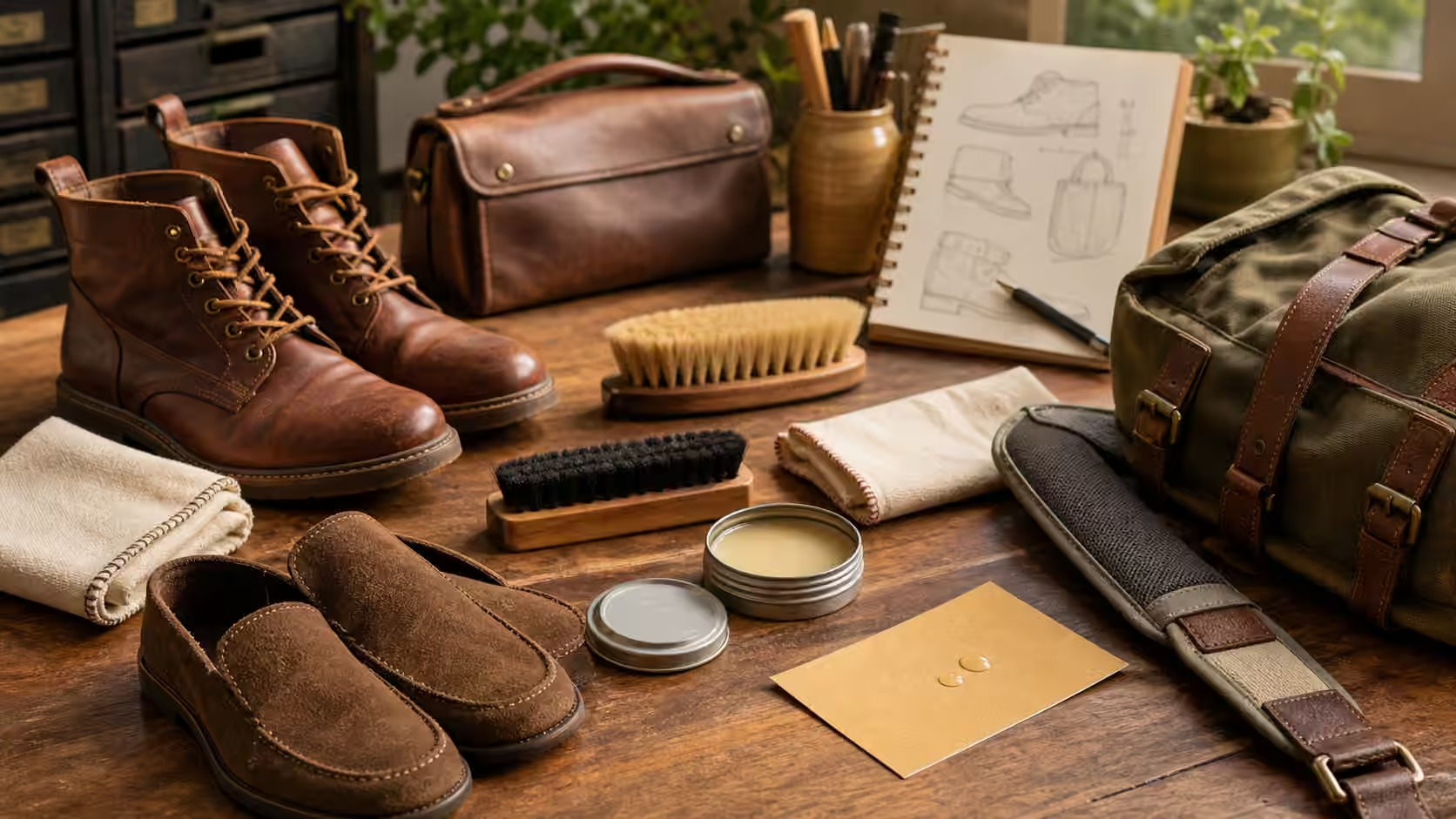
Start with nothing but a dedicated suede brush, the kind with stiff brass or nylon bristles on one side and softer rubber crepe on the other. Work over a stable surface in good light, and stuff a shoe or the corners of a bag with paper so you brush against a firm shape rather than a collapsing one. Brush first in the direction the nap naturally lies, sweeping loose dust and grit clear. Then, only where the surface looks flat or matted, brush back against the grain to coax the fibers upright again, alternating directions until the pile looks even. A great deal of everyday dinginess is simply resolved here, before any water or product enters the picture.
Dried mud gets left completely alone until it is bone dry, then knocked off with the brush and lifted with the crepe side. Never smear wet mud; you are only pushing it deeper into the pile. Dry scuffs and grey traffic marks come off with a suede eraser, a firm block you rub across the mark the way a pencil eraser lifts graphite, following with a light brush to reset the nap. Fresh grease is the one emergency that rewards speed, but not with water. Blot, do not rub, then dust the spot with cornstarch or talc and leave it overnight so the powder draws the oil up out of the fibers. Brush the powder away in the morning and repeat if a shadow remains.
Water marks and salt, handled gently
The counterintuitive rule for a water ring is to make the whole panel evenly damp rather than trying to dry one patch, because a hard edge is what your eye reads as a stain. A suede-safe approach is to mist the area very lightly, blot with a clean towel, stuff the item to hold its shape, and let it dry slowly at room temperature away from any heat source, brushing the nap up once it is fully dry. Winter salt lines are alkaline and set hard, so a whisper of white vinegar diluted in water on a cloth, dabbed and then blotted, dissolves the crust before a final dry and brush. Test any liquid on a hidden seam first, since some dyes lift more easily than others. When the item is clean and completely dry, and only then, a suede-specific protector spray can be reapplied to buy time against the next rainstorm; applied over dirt, it merely seals the dirt in.
Where the keeper stops
Some suede is beyond a home brush, and knowing that is part of the skill rather than a defeat. Deep set-in oil that has spread across a whole toe, dye transfer from denim onto a pale bag, cigarette-burn stiffness, or a beloved and expensive piece all justify a trip to a specialist leather cleaner rather than a bolder experiment on the kitchen table. A cobbler or leather-care shop can re-nap, re-dye, and clean with solvents and equipment that simply do not belong in casual hands, and handing over a sentimental jacket is often the most keeper-like choice available.
Keeping it from getting bad again
Suede stays alive on a light rhythm rather than a heavy rescue. A quick brush after each wear keeps the pile from packing down, a protector refreshed before the wet season shrugs off most spills, and storing the item stuffed and out of direct sun keeps color and shape honest. A relaxing ten-minute brush now and then costs almost nothing, while the brush and eraser together usually run only ten to twenty dollars, which is trivial against replacing a pair of boots. Count the time you spend as time enjoyed, not homework; suede that is cared for a little and often almost never needs the anxious deep clean at all.
When you do intervene, add a line to your Save Log noting the item, the type of mark, what lifted it, and whether you would do the same again. That one sentence is what turns a lucky save into a repeatable habit, and it is worth more than any single bottle of product.
For neighboring materials and the repairs that pair with suede care, the Shoe Care Quickstart covers the wider clean-dry-condition routine, Sneaker Sole Separation handles the structural side, Leather Conditioner vs Polish vs Waterproofing explains why smooth-leather products behave so differently, and How to Find and Talk to a Cobbler helps when the job outgrows the brush.