A vacuum that has “died” is, nine times out of ten, a vacuum that cannot breathe. Suction is nothing more than airflow, and airflow is a chain of open passages from the floor head all the way to the exhaust. Block the chain anywhere, with a packed filter, a sock in the hose, a full bin, or a roller wound solid with hair, and the whole machine goes weak even though the motor is spinning perfectly. The good news is that almost every part of that airflow chain is a cleaning job, not an electrical one, which means you can restore a machine that felt ready for the curb.

Unplug first, then think about airflow as a chain
Before anything else, pull the plug from the wall. A vacuum roller can start turning if a switch is bumped, and even a modest brush bar can catch a finger. With the machine safely dead, picture the path air takes: in through the floor head, up the hose or wand, through the bin or bag, across one or more filters, and out the exhaust. Any restriction along that line reads as “lost suction” at your hand, so the diagnostic trick is simply to find where the chain is choked. A quick test tells you a lot. Turn the machine on with the head lifted off the floor and feel the suction at the end of the hose with the wand detached. Strong at the hose but weak at the head points to a clog or roller problem downstream near the floor. Weak everywhere points upstream at the filters or a full bin. That single comparison saves you from taking apart the wrong end.
Empty the bin and clean the seals
Start where it is easiest. A bagless bin that is fuller than the max line kills suction long before it looks alarming, because the incoming air has nowhere to spread out and drop its dust. Empty it, and while it is open, look at the rubber seals and gaskets around the lid and the bin’s mating surfaces. These are the quiet culprits behind mysterious weakness. A gasket clogged with fine dust, twisted out of its groove, or cracked with age lets the machine pull air through the gap instead of through the floor, and the loss is invisible until you wipe the seal clean and press it back into place. Bagged machines are the same story in a different shape: a bag two-thirds full can already be strangling airflow, and a bag seated crookedly leaks. Replace or empty on the generous side rather than waiting for total failure.
Filters are the most common cause, and the easiest to get wrong
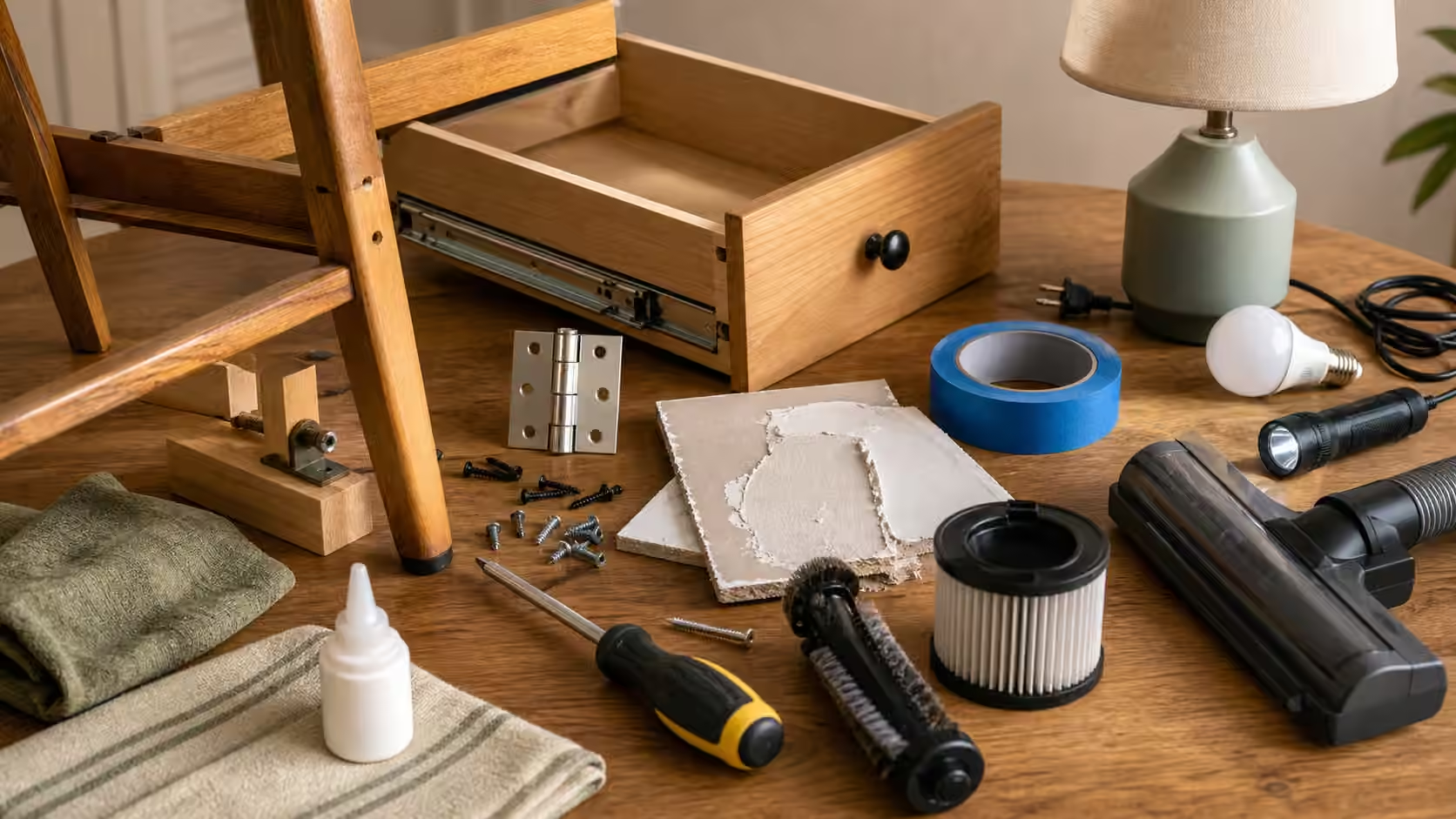
Most vacuums have more than one filter, and forgetting the hidden ones is the classic mistake. There is usually a pre-motor filter that catches dust before it reaches the motor and a post-motor or exhaust filter, often a pleated HEPA element, that cleans the air on the way out. Both clog, and a clogged pre-motor filter in particular chokes suction hard. Check the manual to find every filter your model hides and, just as importantly, to learn which ones are washable and which are not. This is where good intentions ruin machines. Washing a filter that was never designed to get wet, or running the vacuum before a washed filter is bone dry, drives moisture into the motor and can destroy it. Rinse only the washable filters in cool water until the water runs clear, then let them dry completely, a full day or more, before they go back in. Non-washable filters get tapped out gently or replaced on the schedule the maker recommends. When in doubt, dry longer.
Trace clogs through hose, wand, and head
If the bin and filters are clean and suction is still weak, something is physically stuck in the airway. Detach the hose and wand and look straight through each section toward a light; a blockage shows as a dark spot or a total wall. A long, blunt object like a broom handle or a plumber’s drain snake, pushed gently, will clear most hose clogs, and a coin, a small toy, or a wad of paper often drops right out. Check the elbows and the connection points at the floor head, where debris likes to jam at the bends. Work patiently and never force a sharp tool through, since you can puncture a hose and create a permanent leak that mimics the very problem you are chasing.
Rollers and belts, within the manual’s limits
The brush roller at the floor head is a hair magnet, and a roller wrapped solid stops agitating the carpet and can bog down or overheat the belt that drives it. Clean it by cutting the wound hair along the roller’s channel with scissors or a seam ripper and peeling it off, taking care not to slice the roller’s own bristles, which do the actual sweeping. If your model lets you remove the roller and inspect the belt without tools, look for a belt that is loose, glazed, cracked, or stretched, since a worn belt turns the roller weakly or not at all. Belts and rollers are cheap and model-specific, so replace them by the exact part number from the manual rather than a lookalike. Where the head or roller is sealed behind screws and clips you are not confident about, stop; that is the point where a cleaning job risks becoming a repair job you did not plan for.
When to stop, and how to keep it healthy
Some symptoms are not airflow problems and are your signal to stop and service or replace: a burning smell, visible sparks, a cord that is nicked, cracked, or hot, a motor housing that rattles or screeches, or a dry-only vacuum that has sucked up water. Motor housings and mains-powered internals are not casual DIY, and pushing a machine that smells hot risks a fire. Handing it to a repair shop, or retiring it, is the keeper-like choice there. For everything short of that, a light rhythm keeps suction strong: empty the bin often, wash or replace filters on the maker’s schedule, and clear the roller monthly in a home with pets or long hair. Filters and belts usually run only ten to forty dollars and routinely revive a machine that felt finished, which is a fraction of a replacement.
Whenever you restore a vacuum, log the model, the part numbers you used, and what actually fixed it, along with a note on whether you would repeat the repair. That record turns the next lost-suction scare into a five-minute job. For related household diagnosis, see Lamp Won’t Turn On for the reversible-electrical mindset, Power Cords, Chargers, and Inspection for the cord you should be checking, How to Find a Manual Without Downloading Malware for tracking down filter and belt numbers, and The Warranty Folder for keeping those numbers on hand.