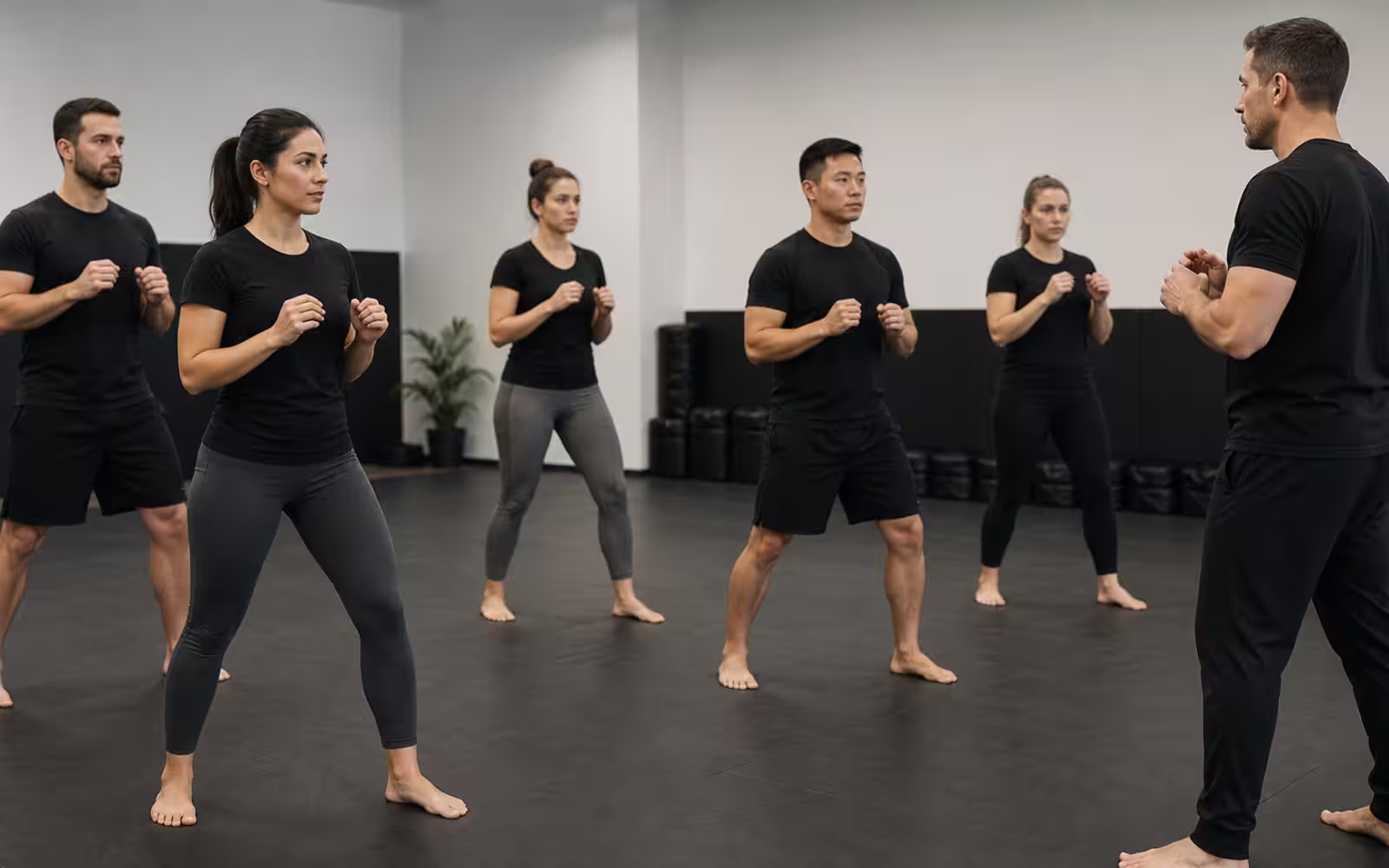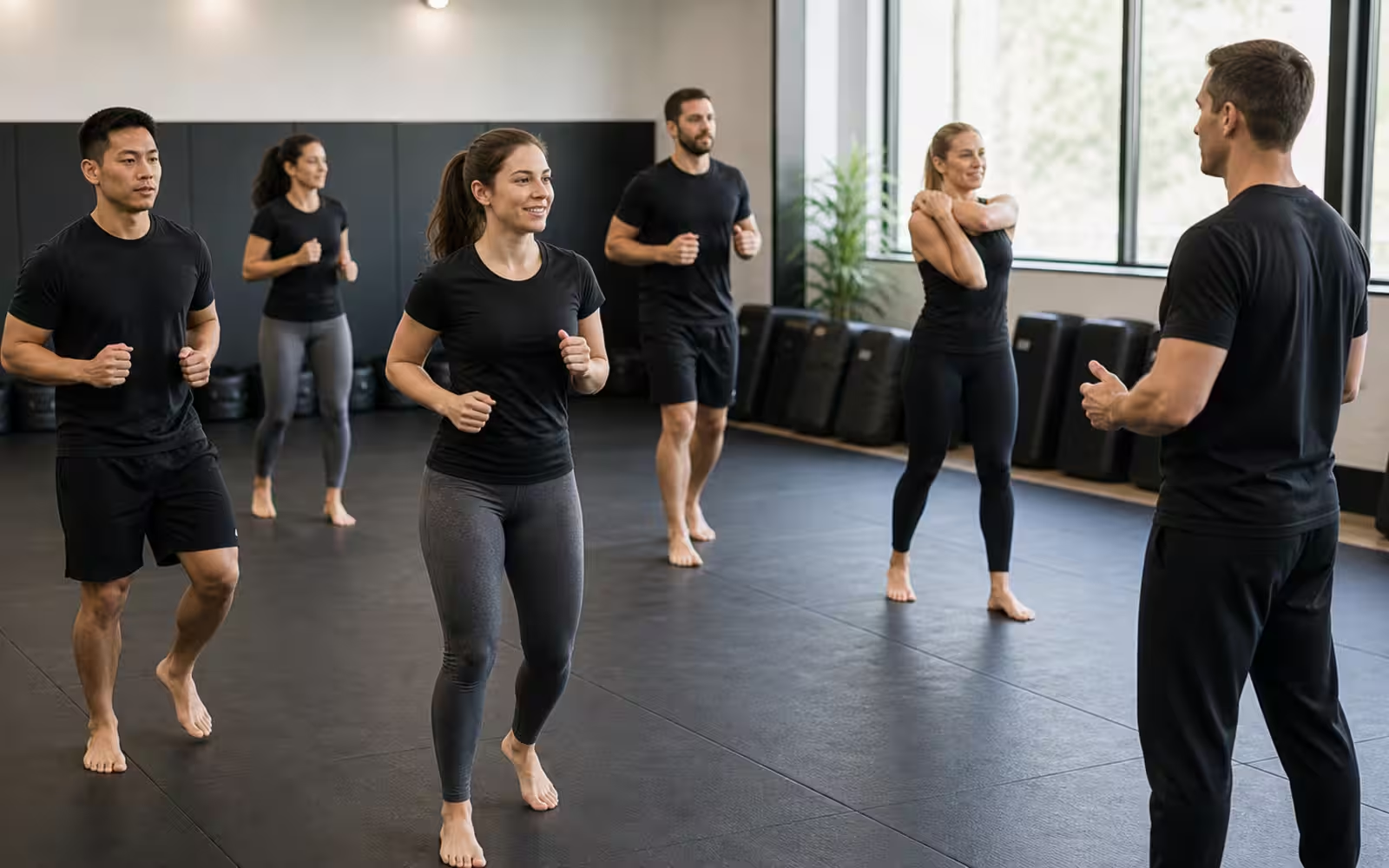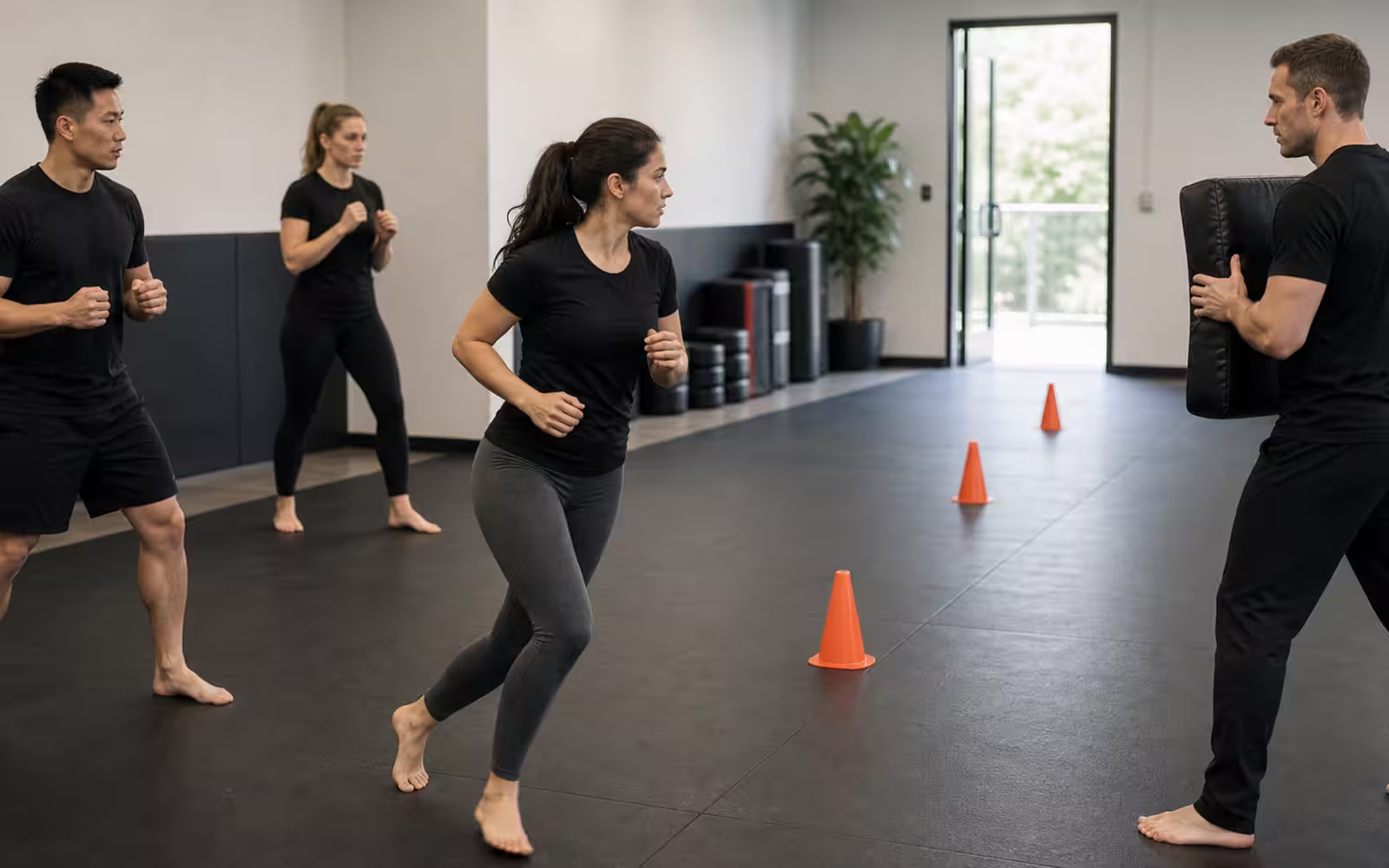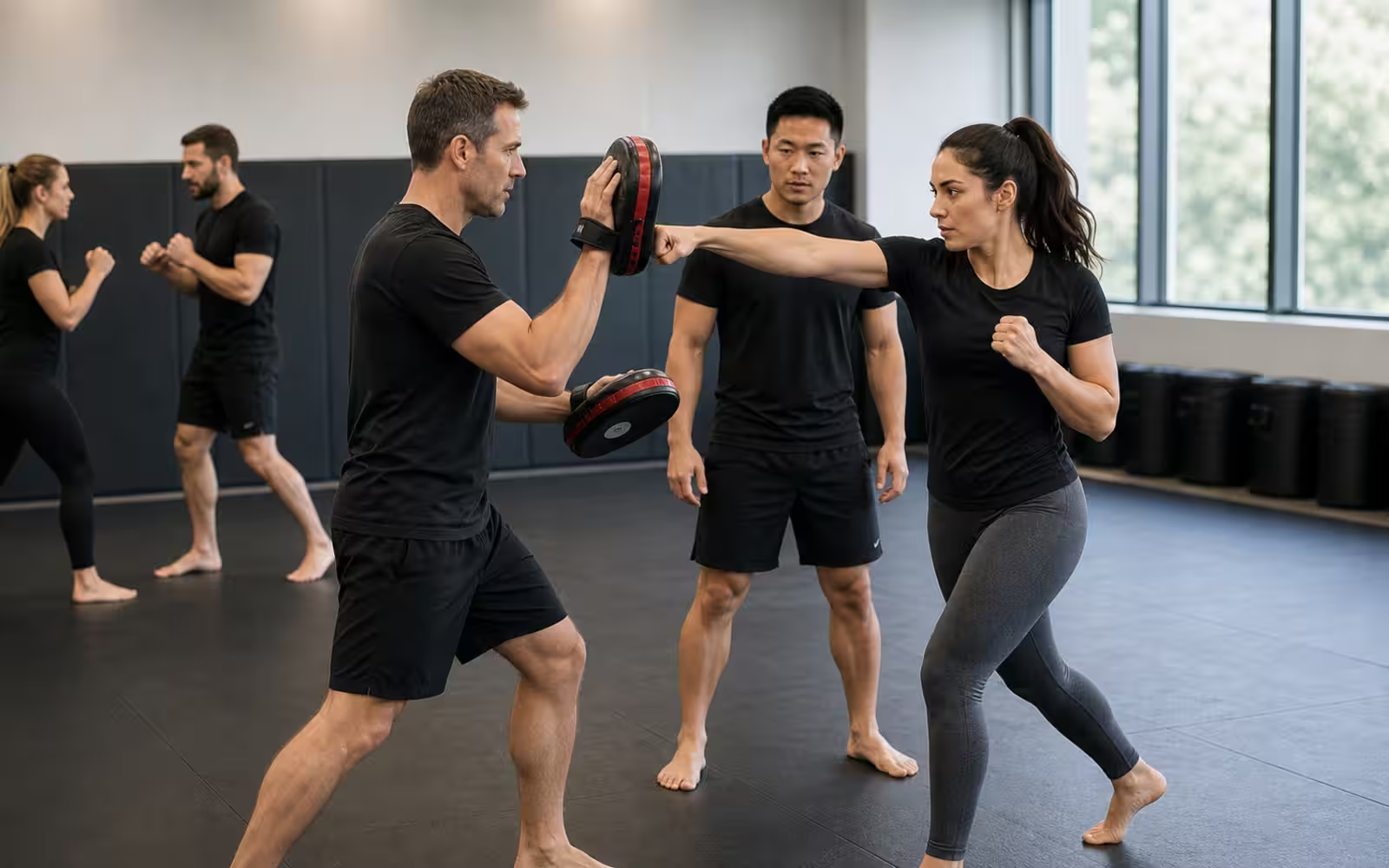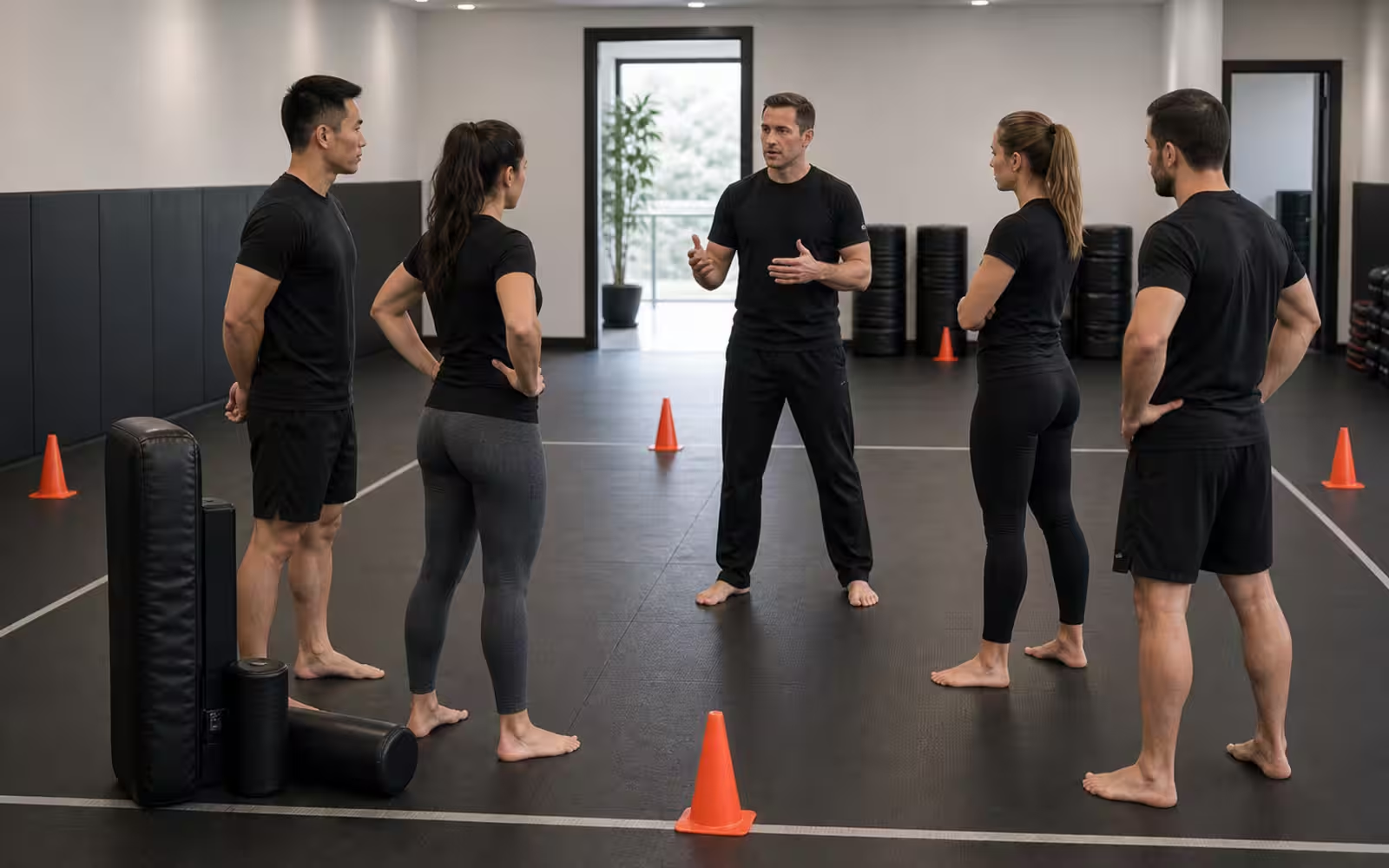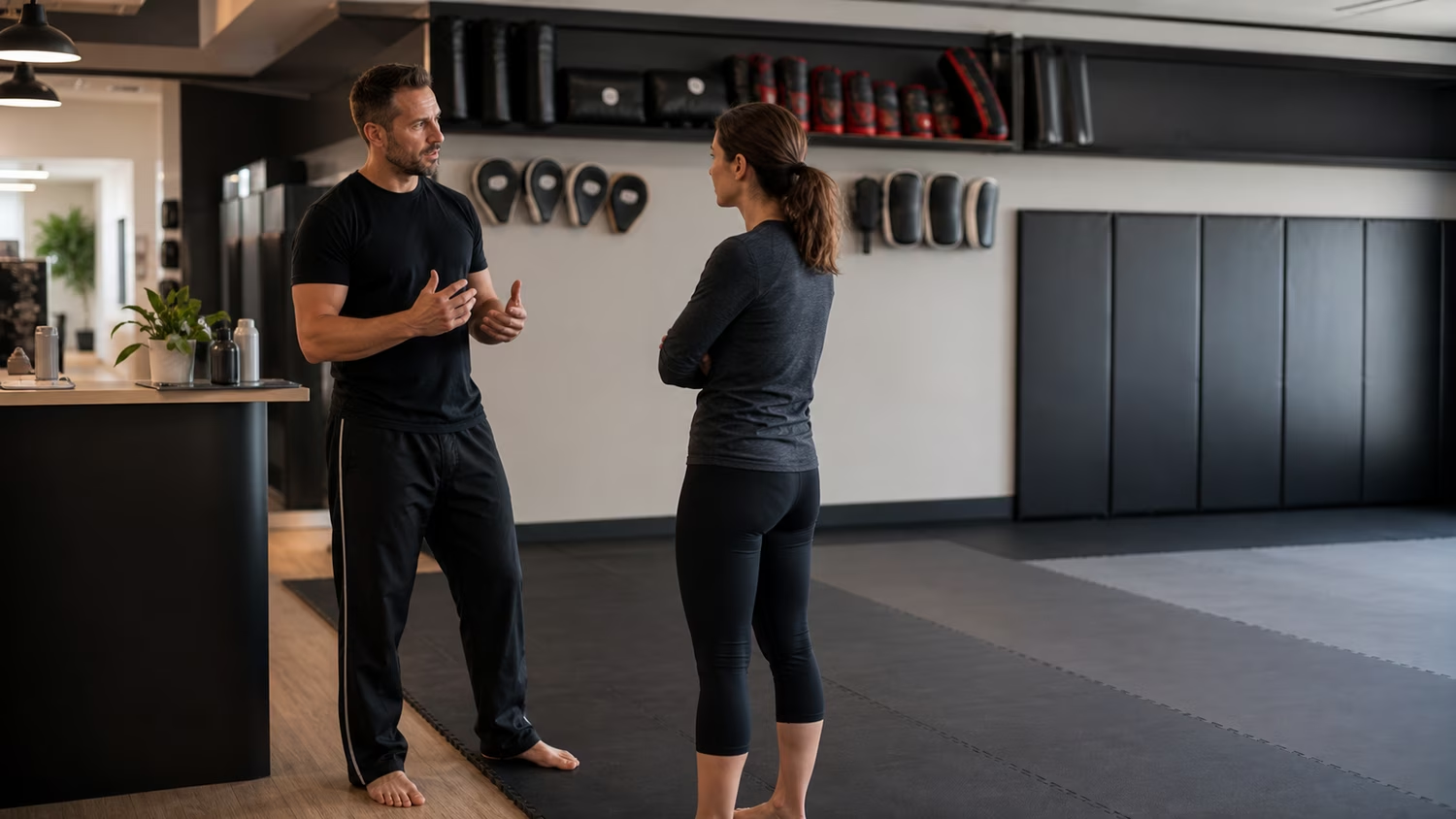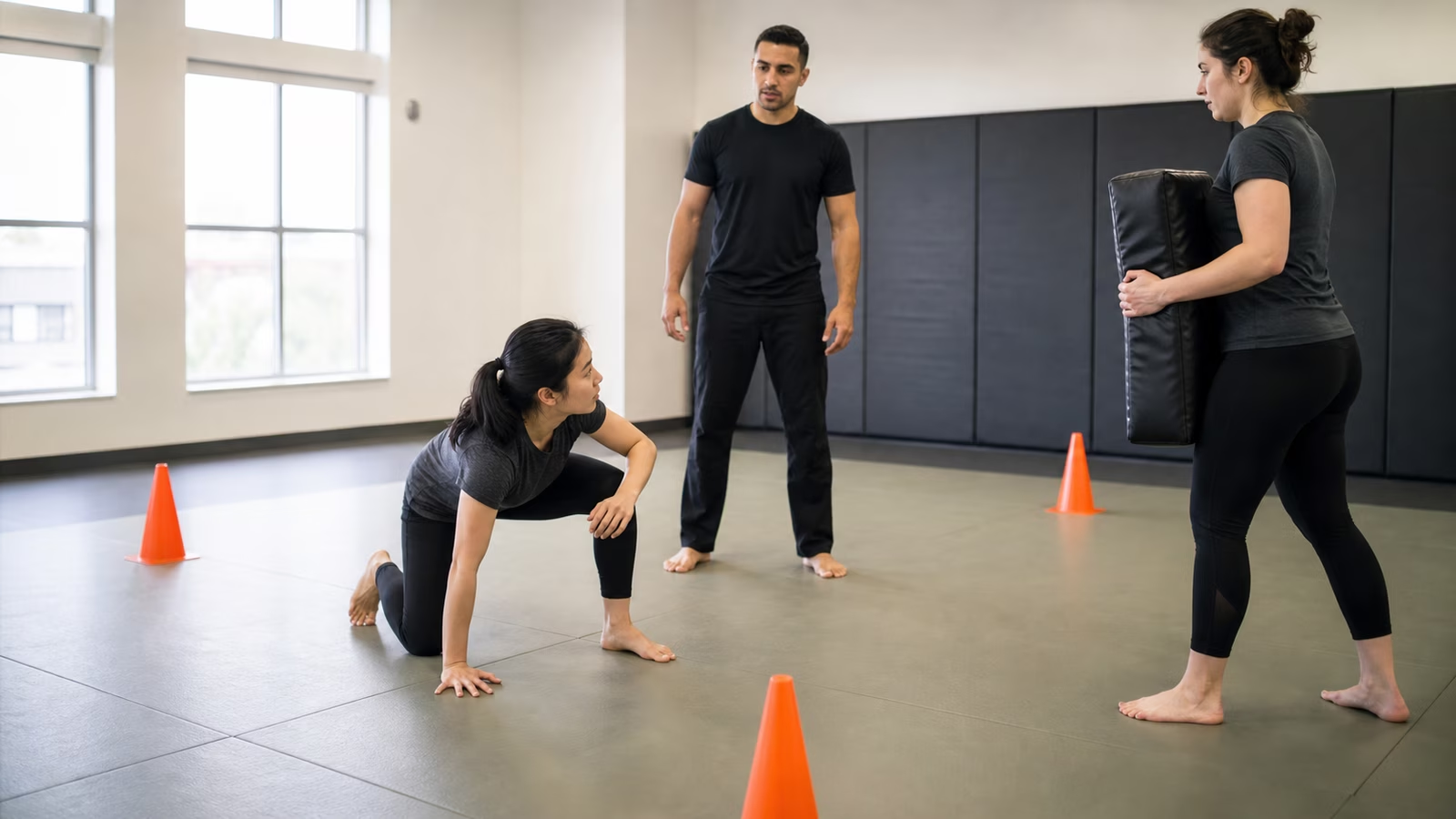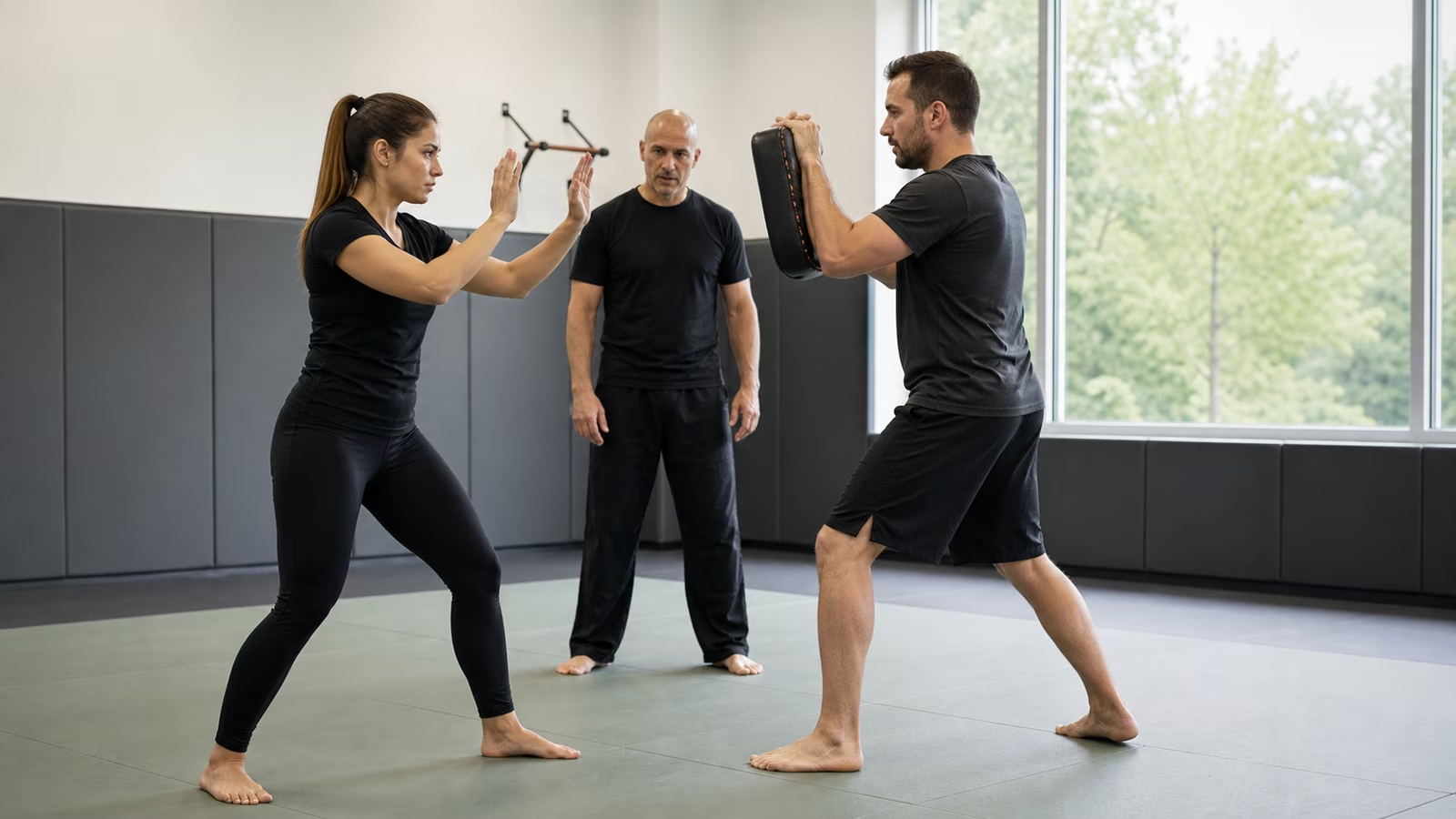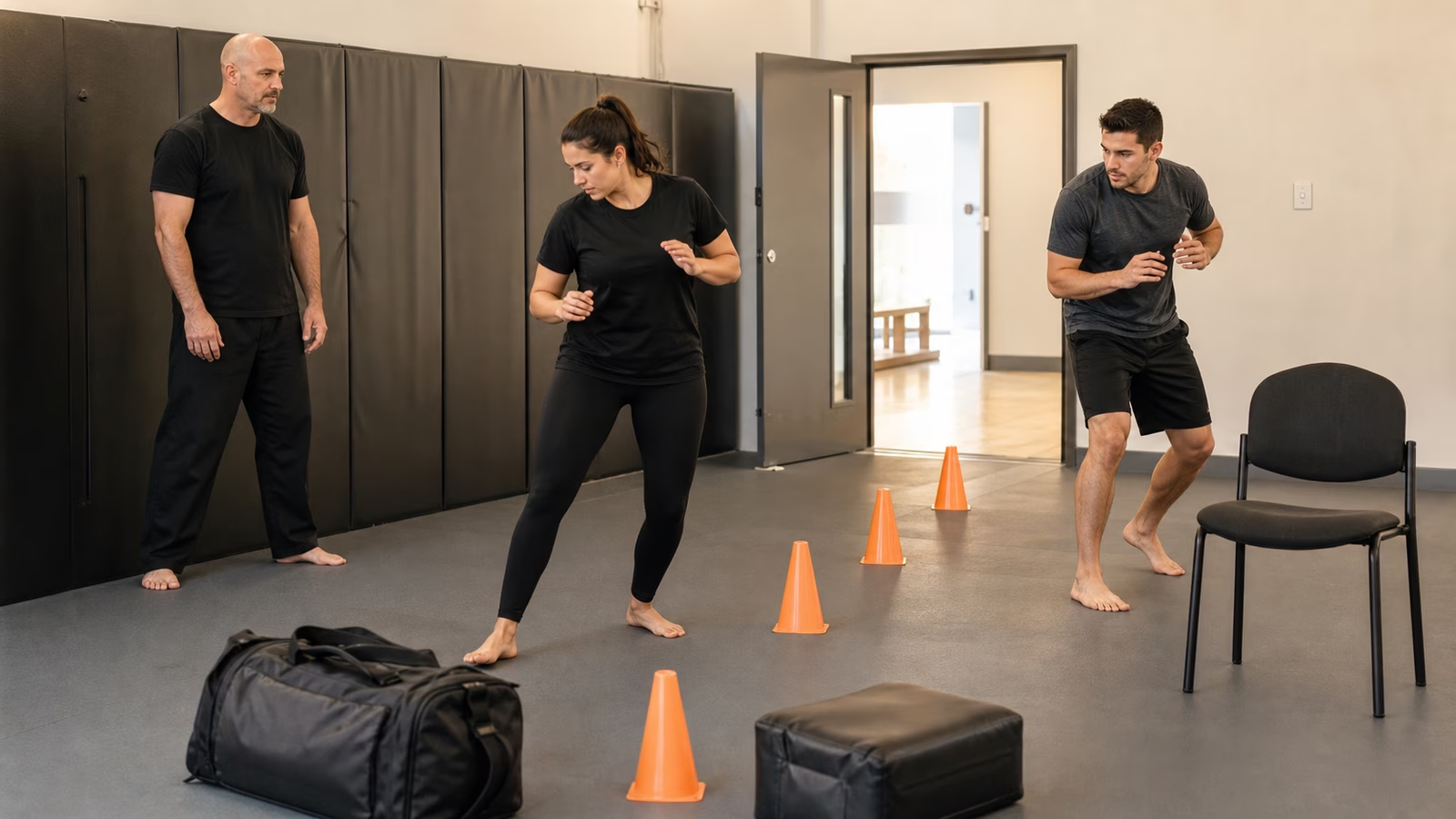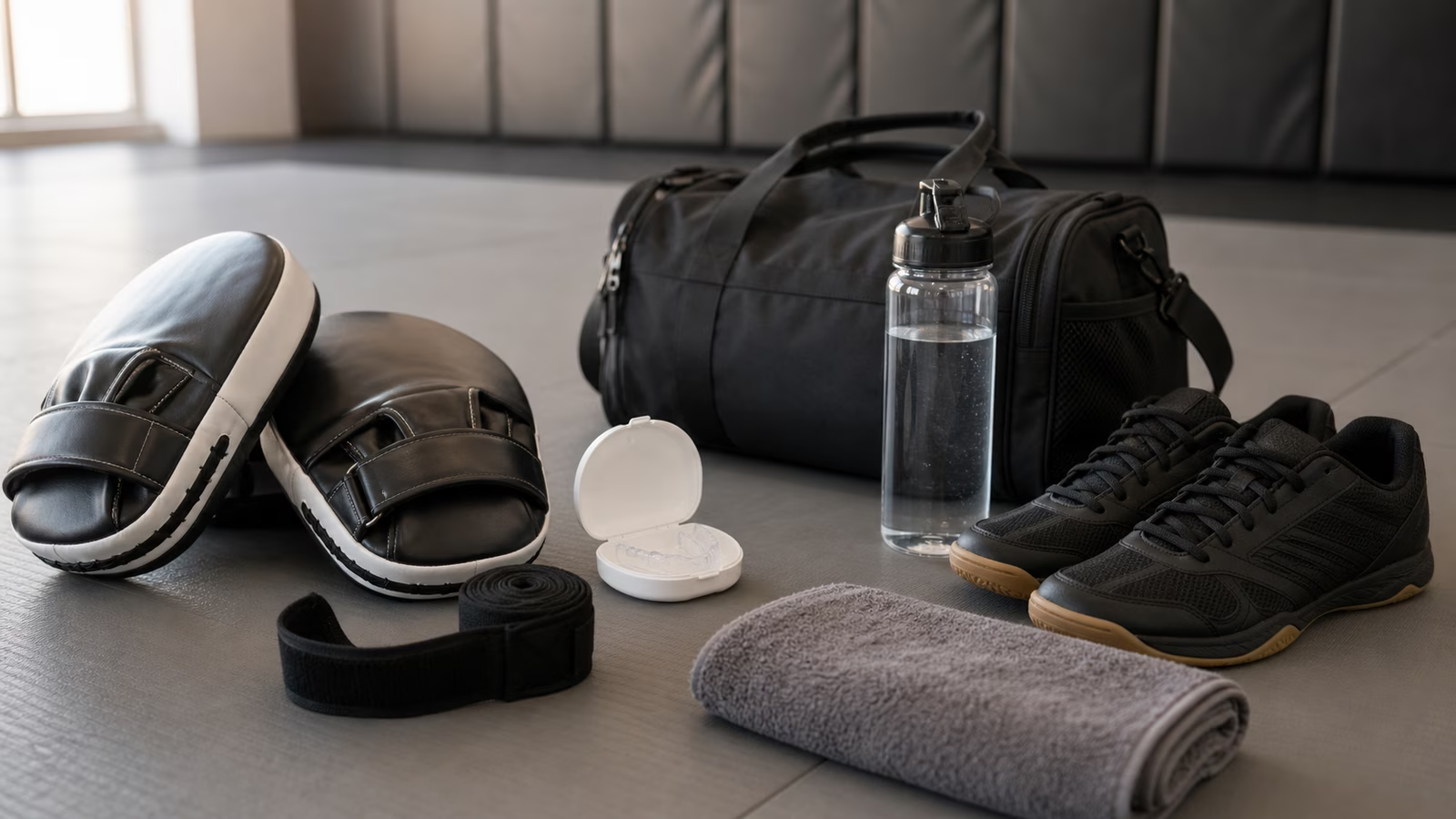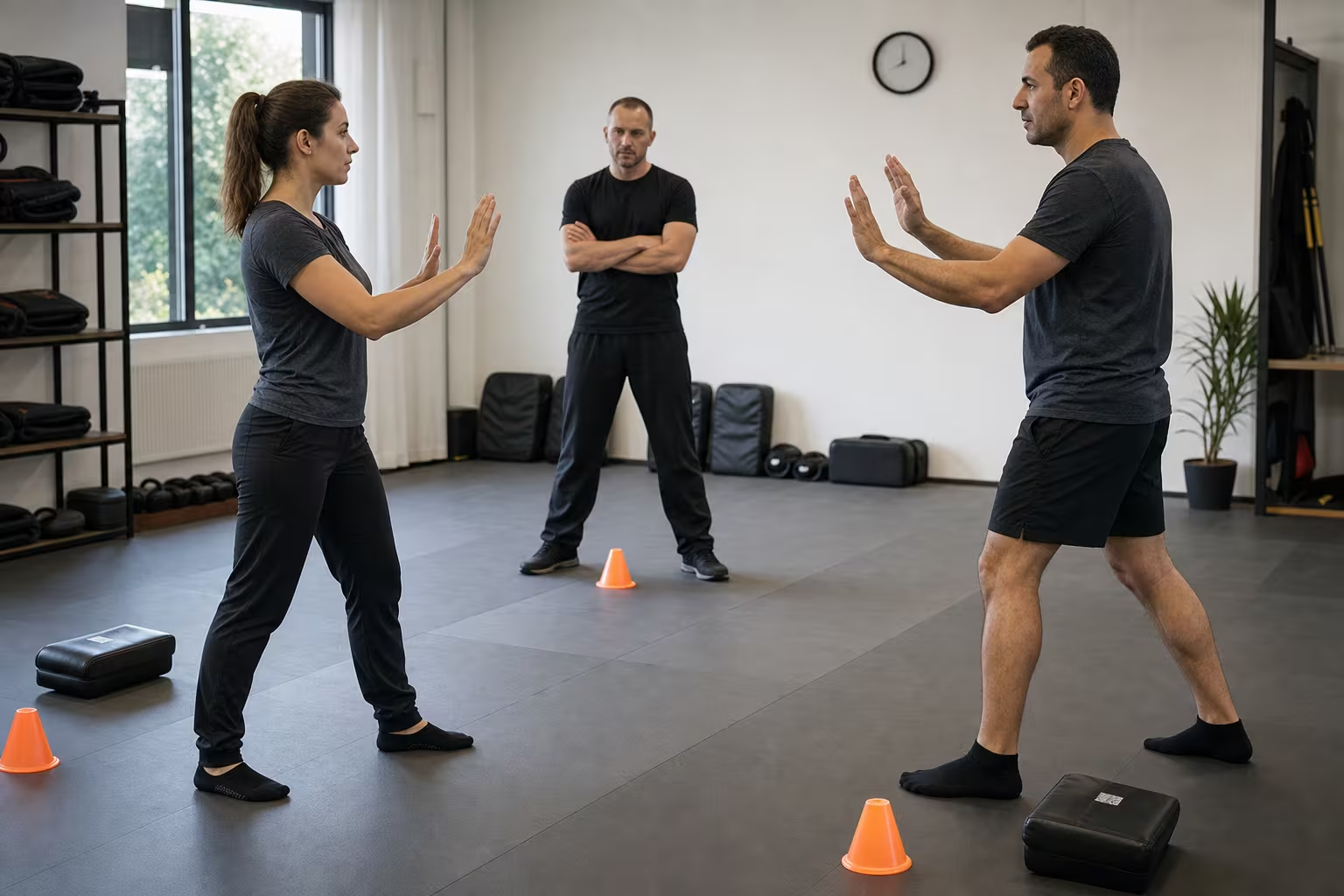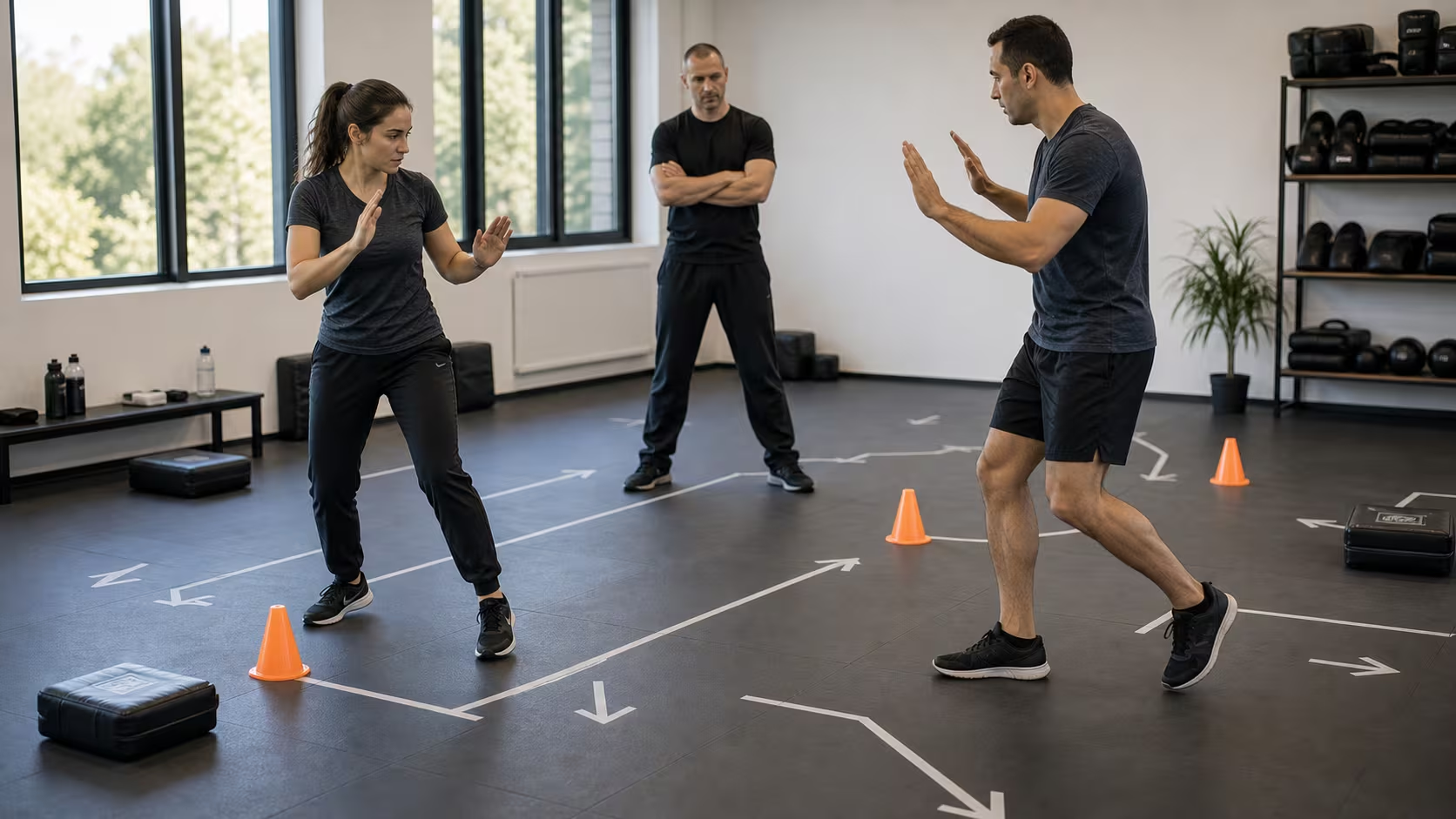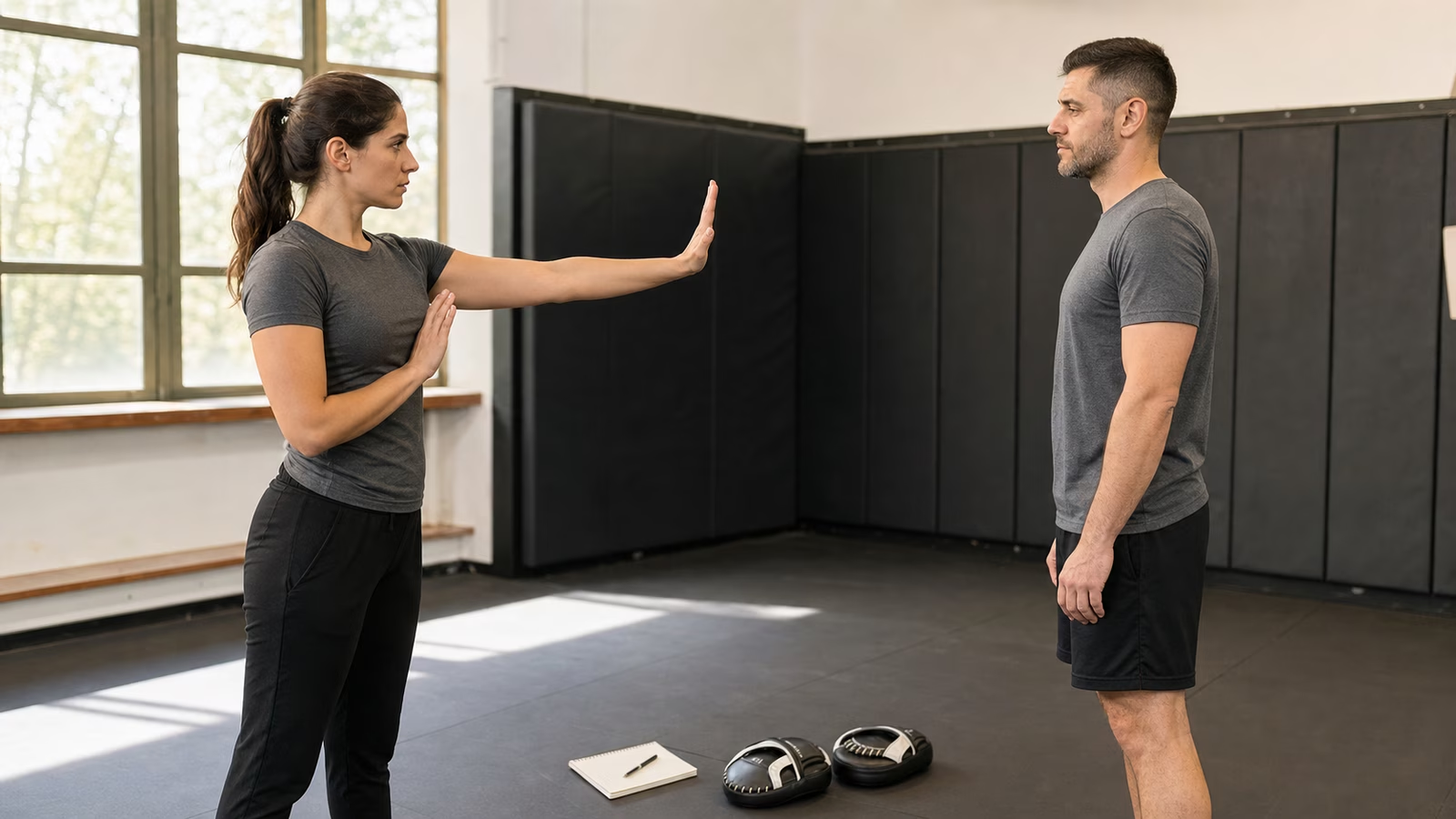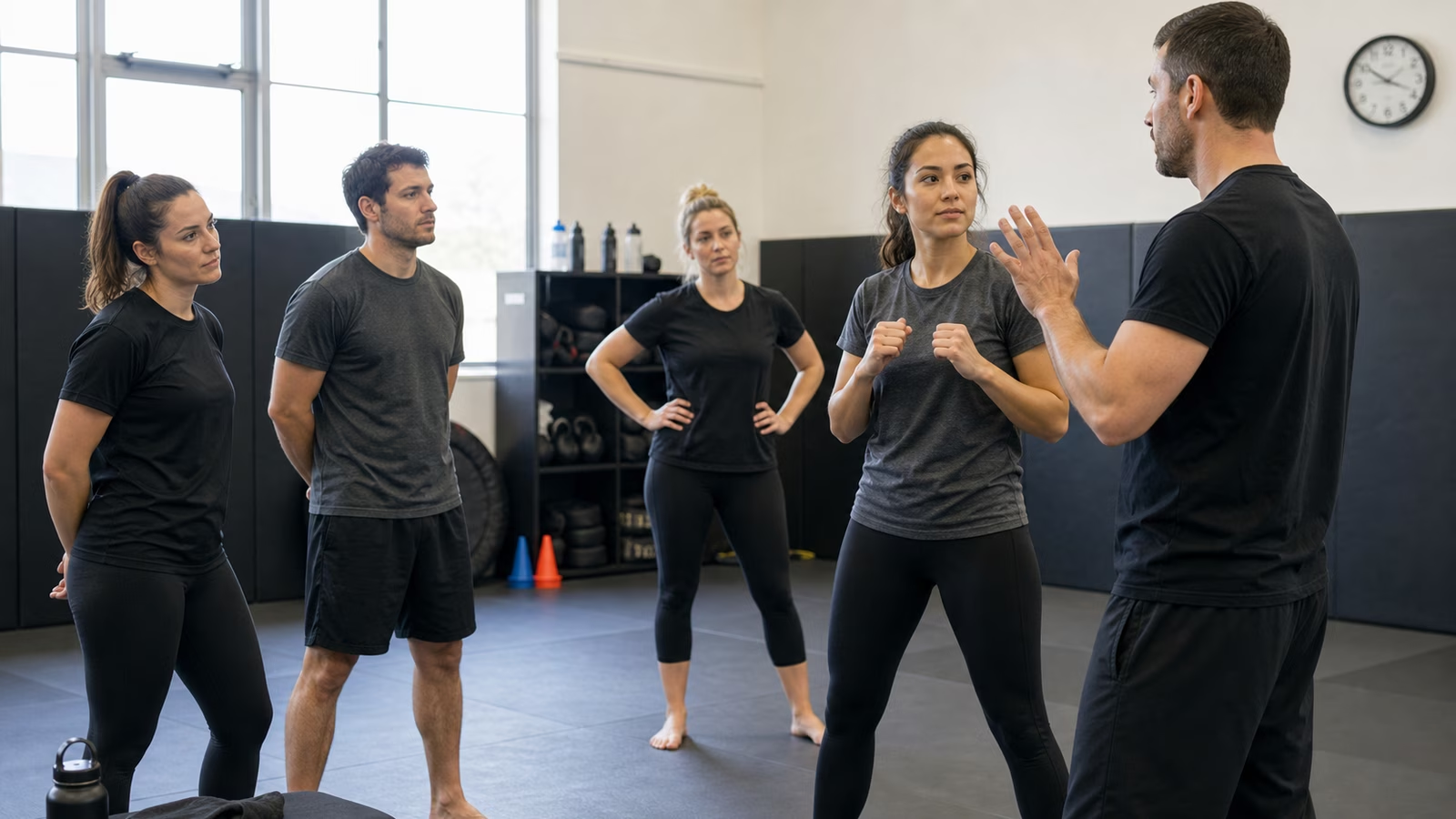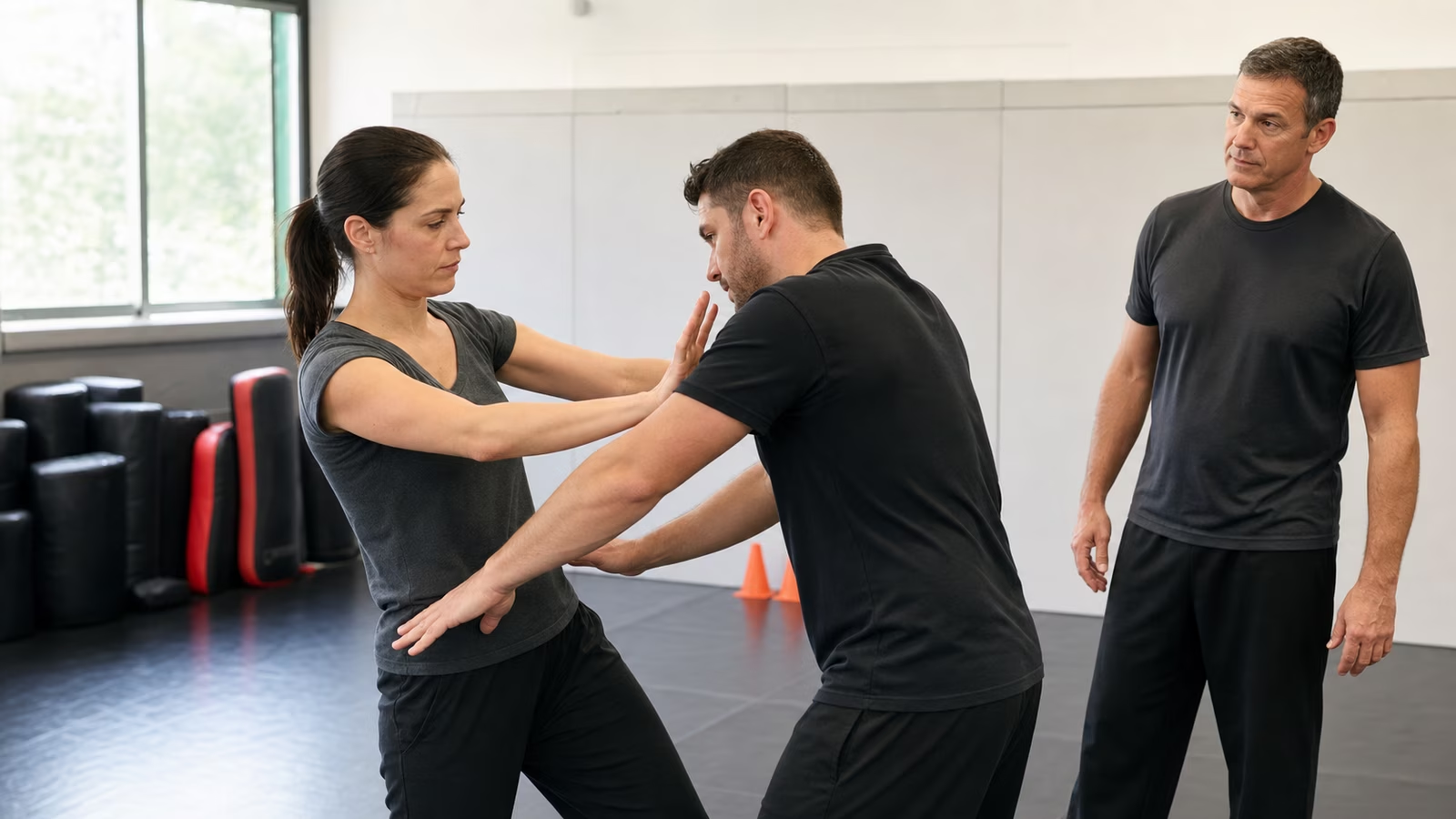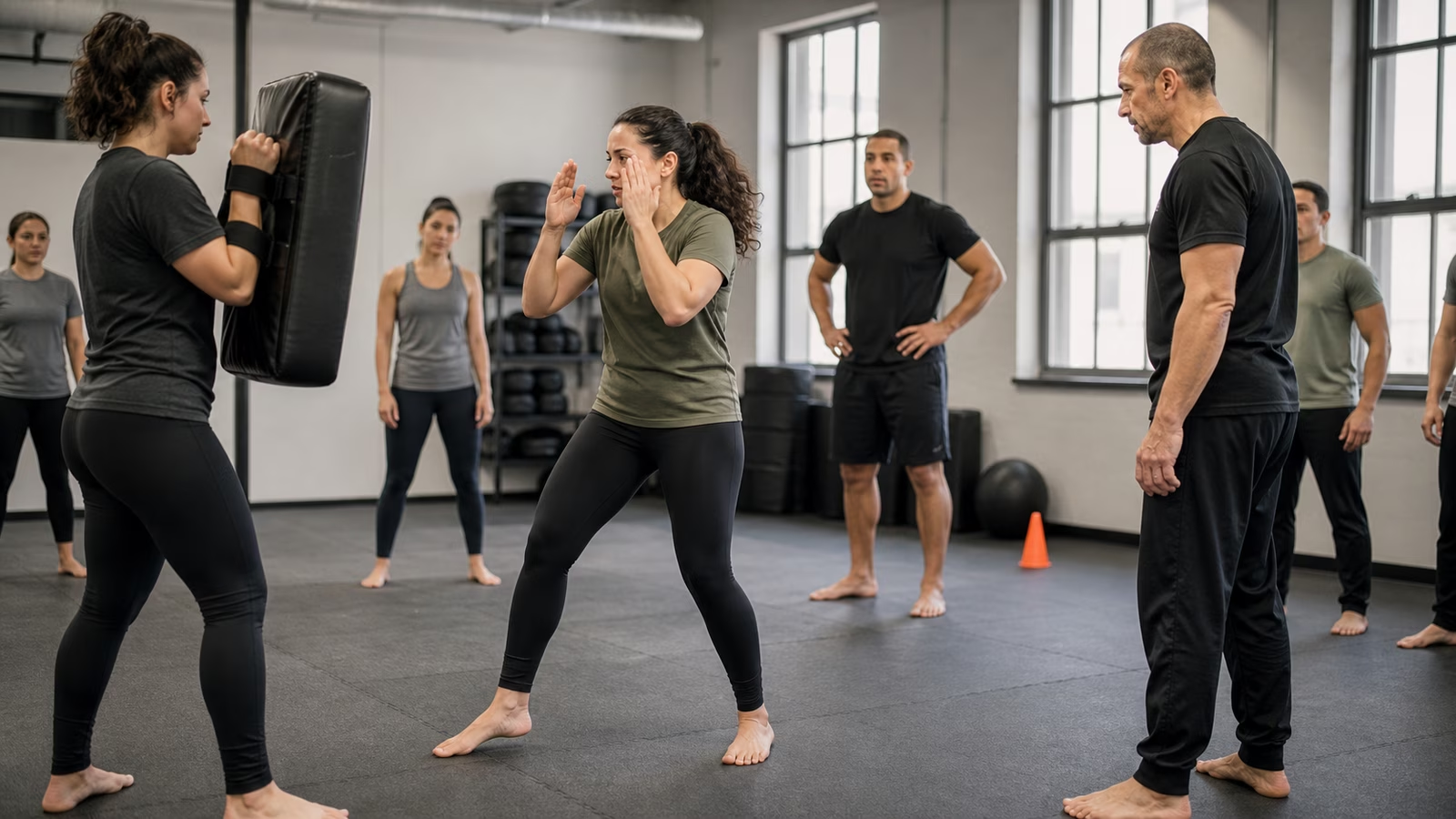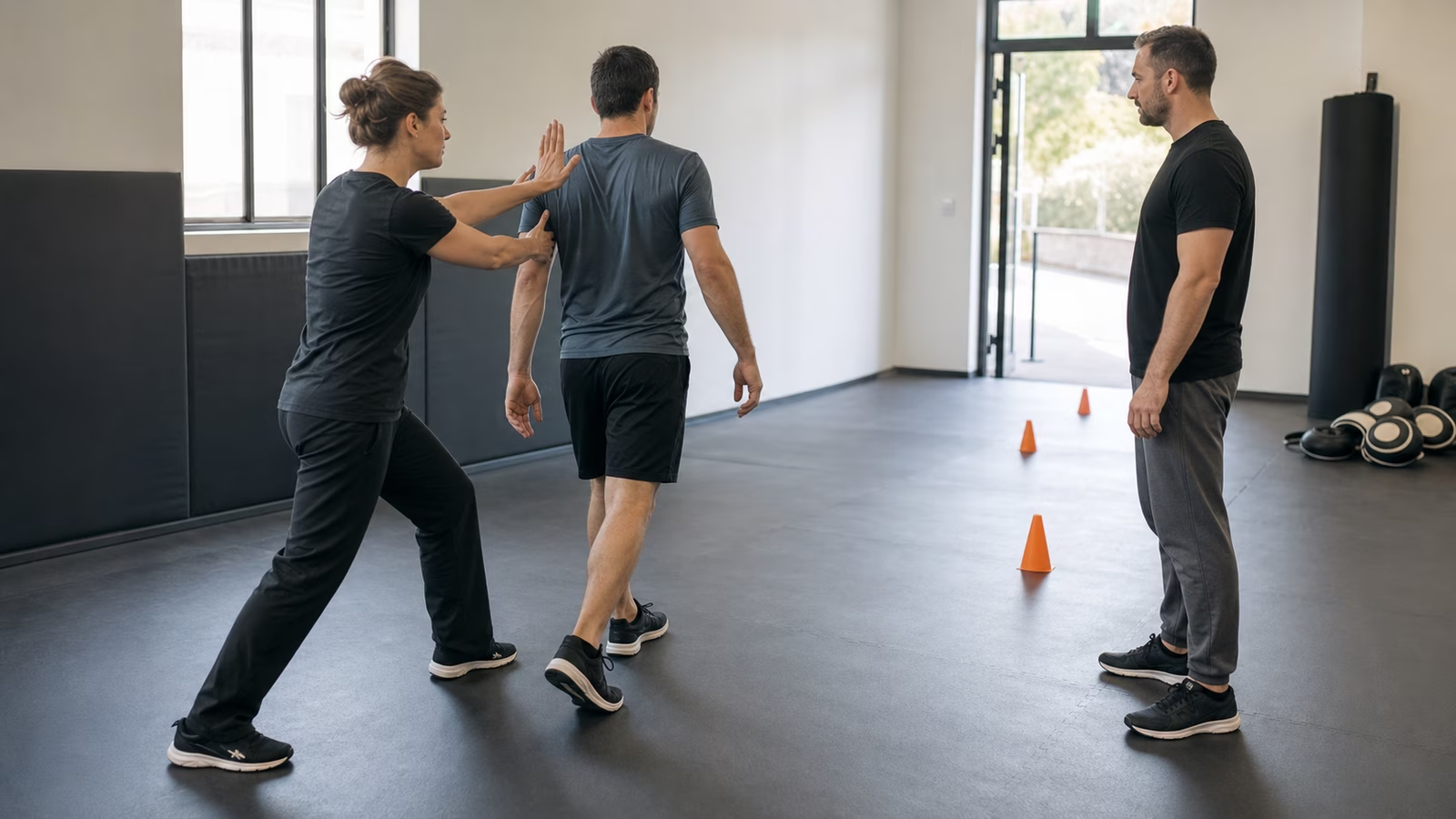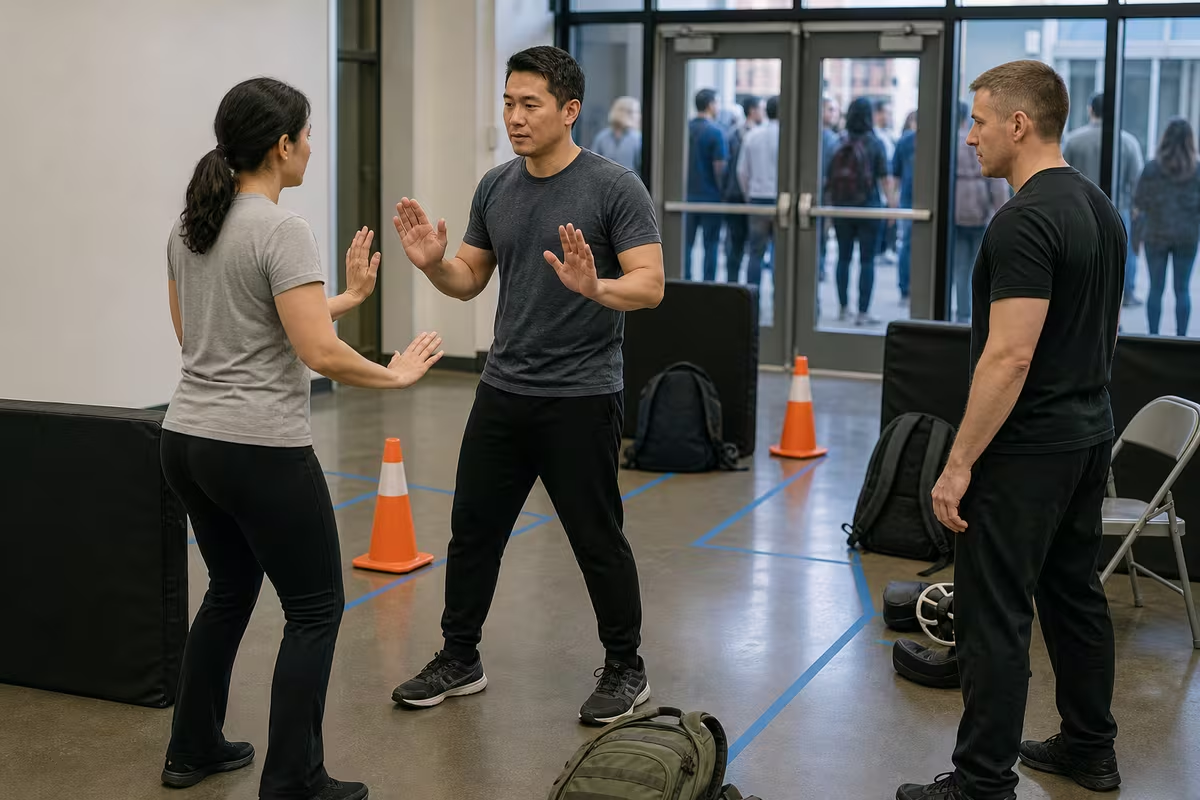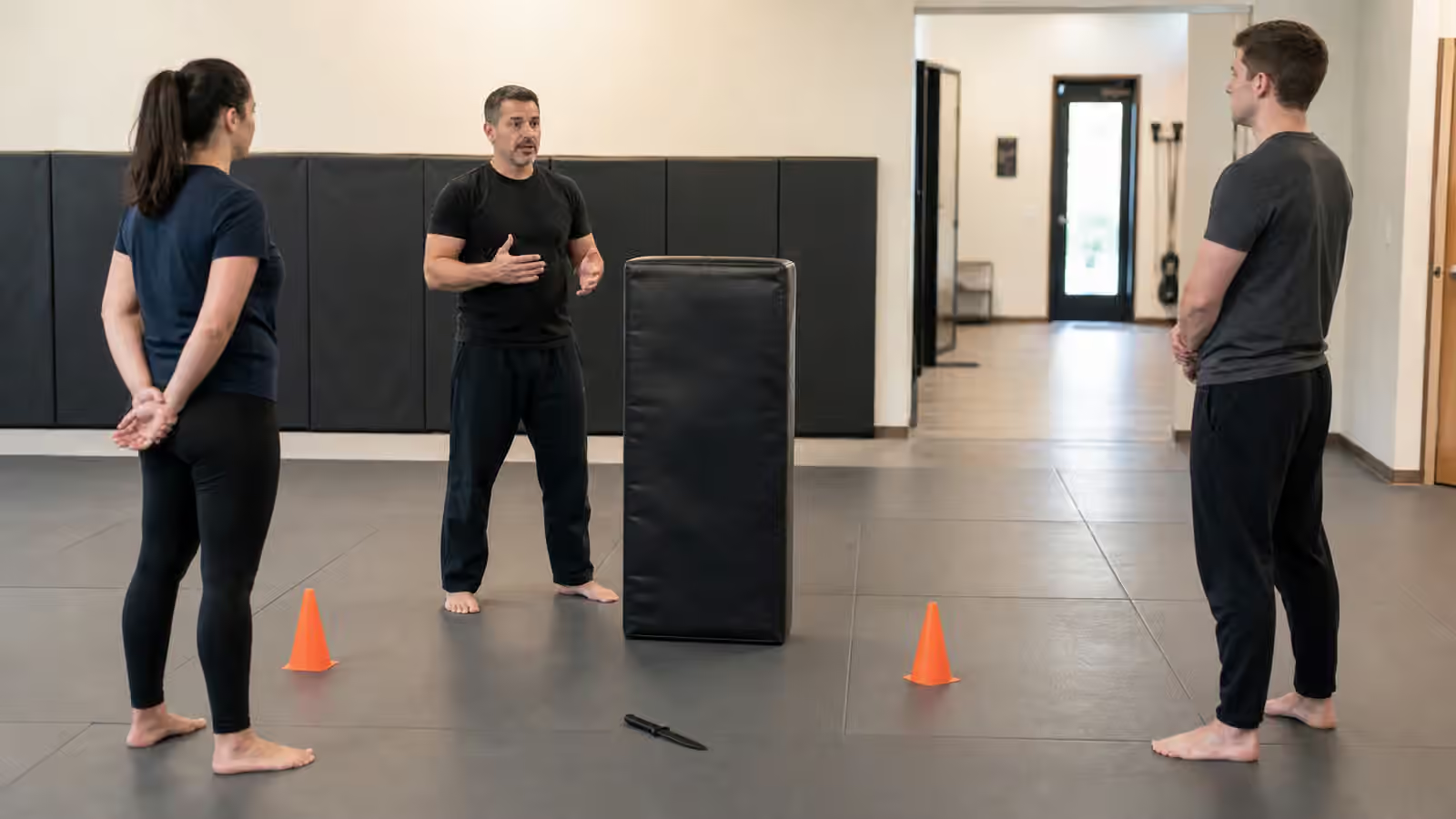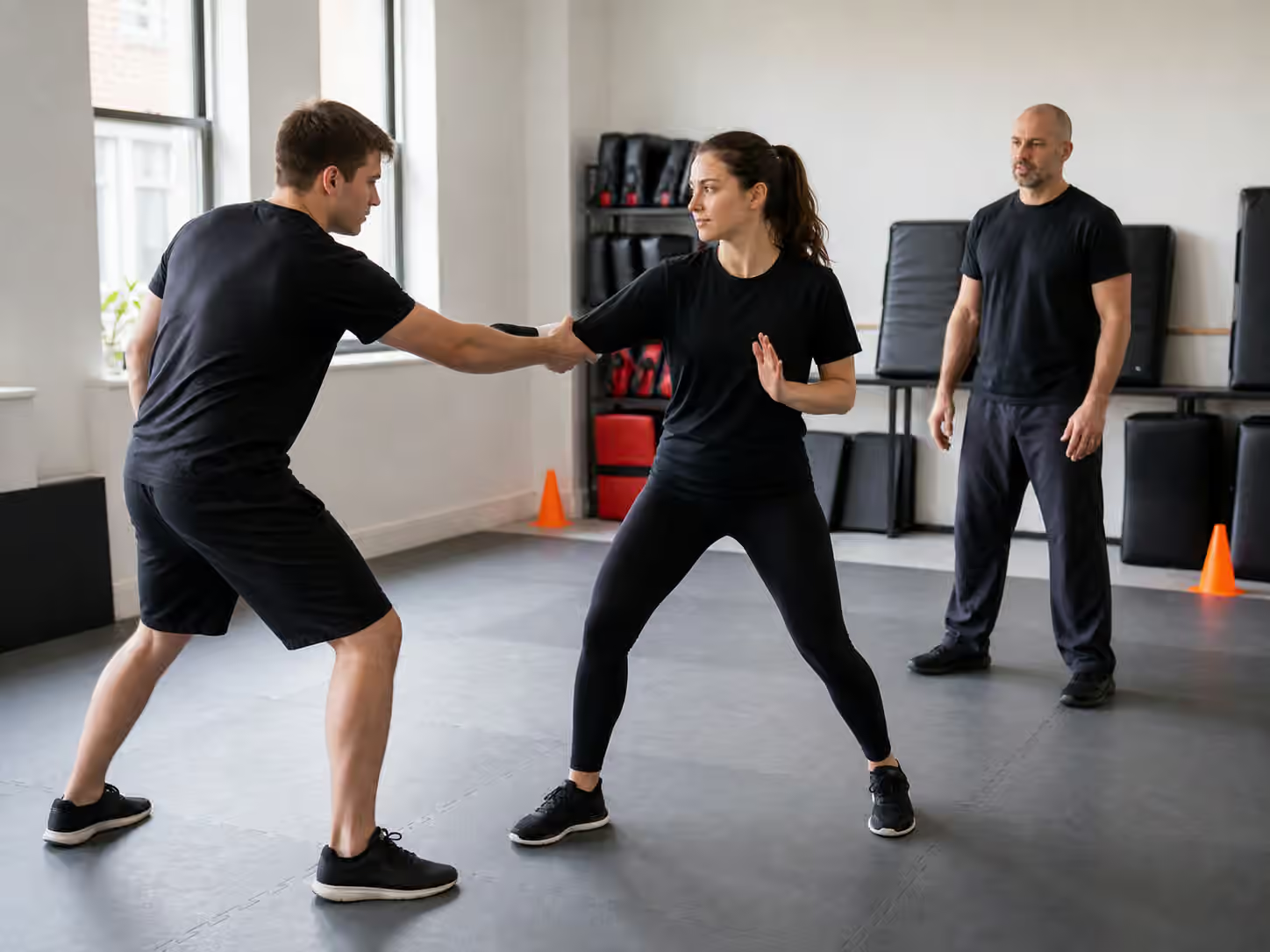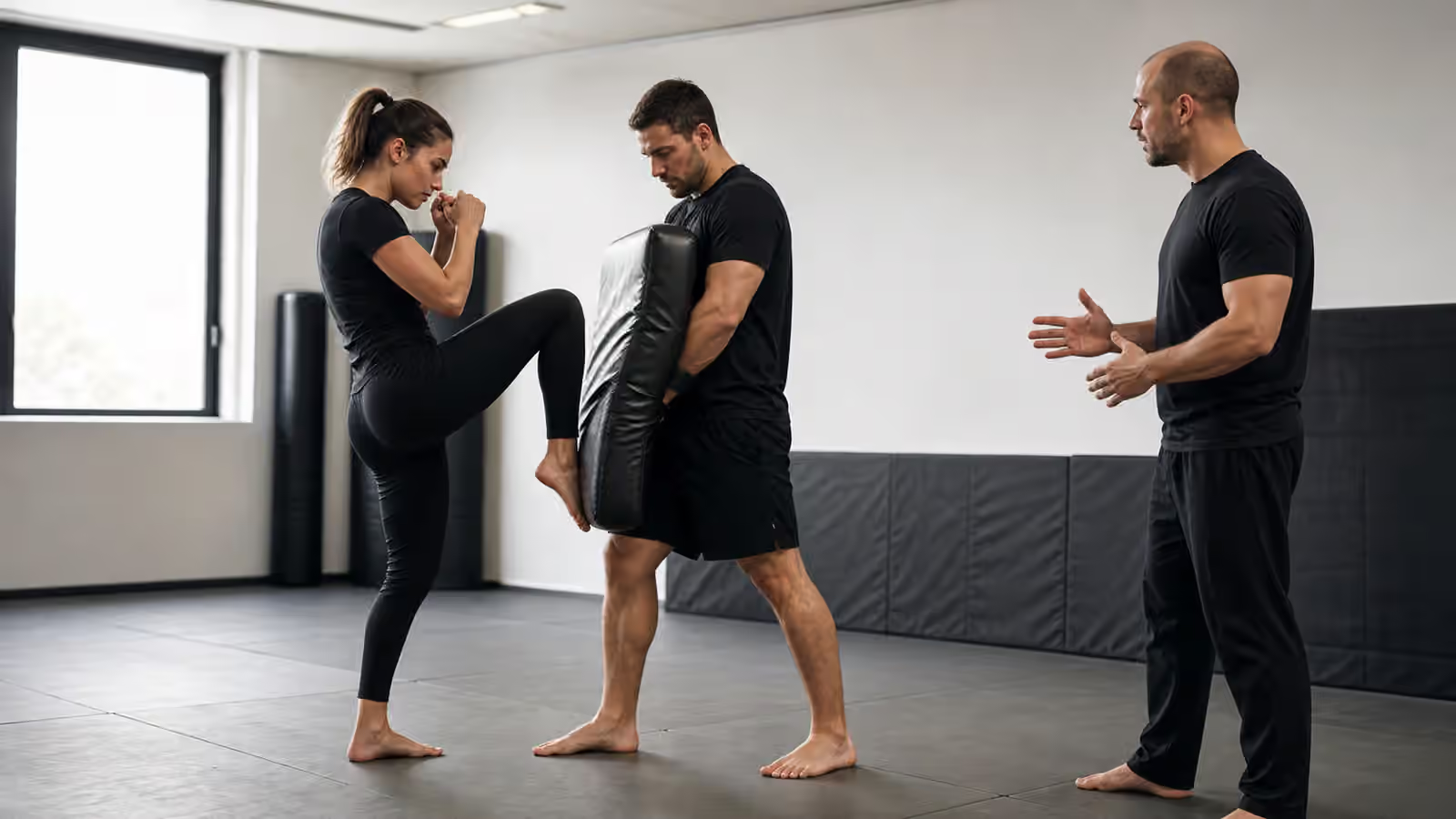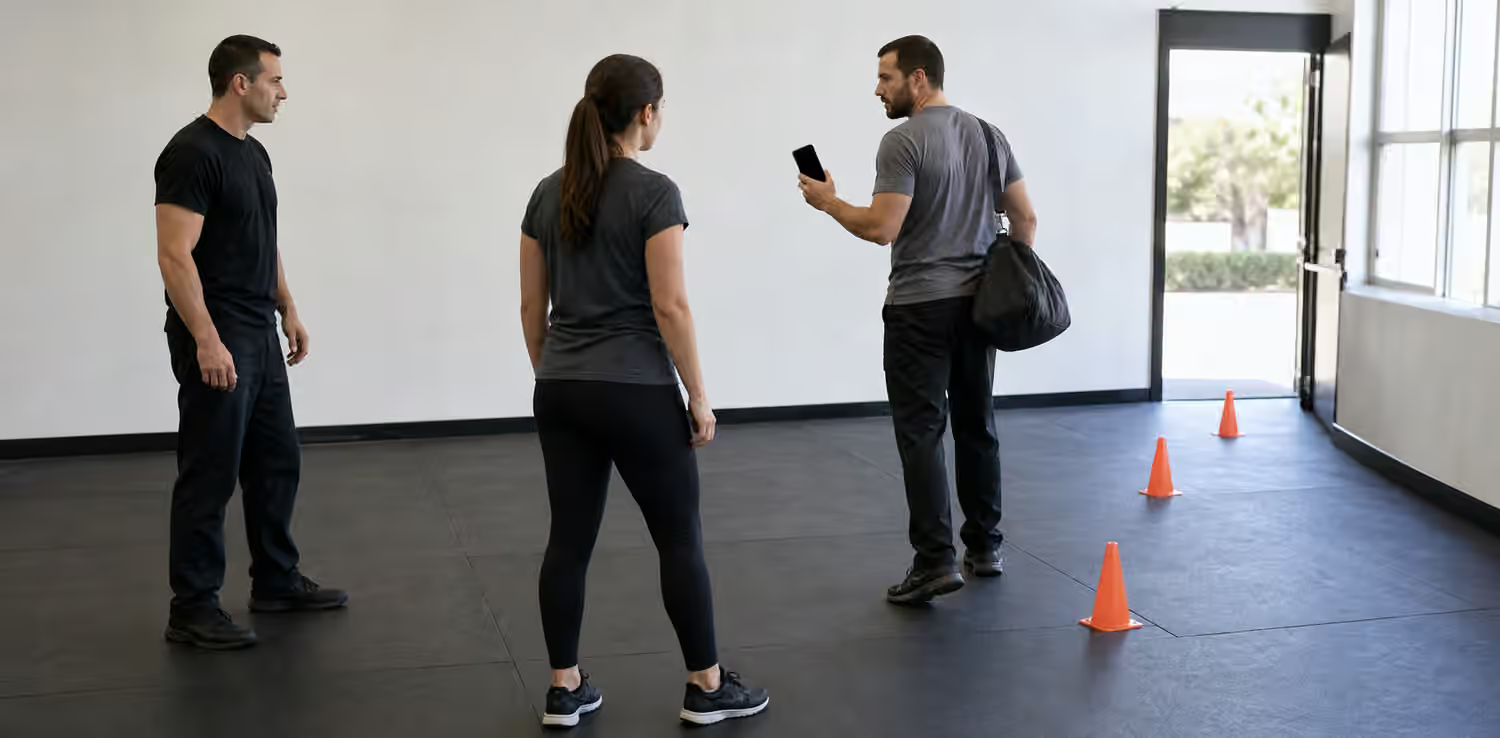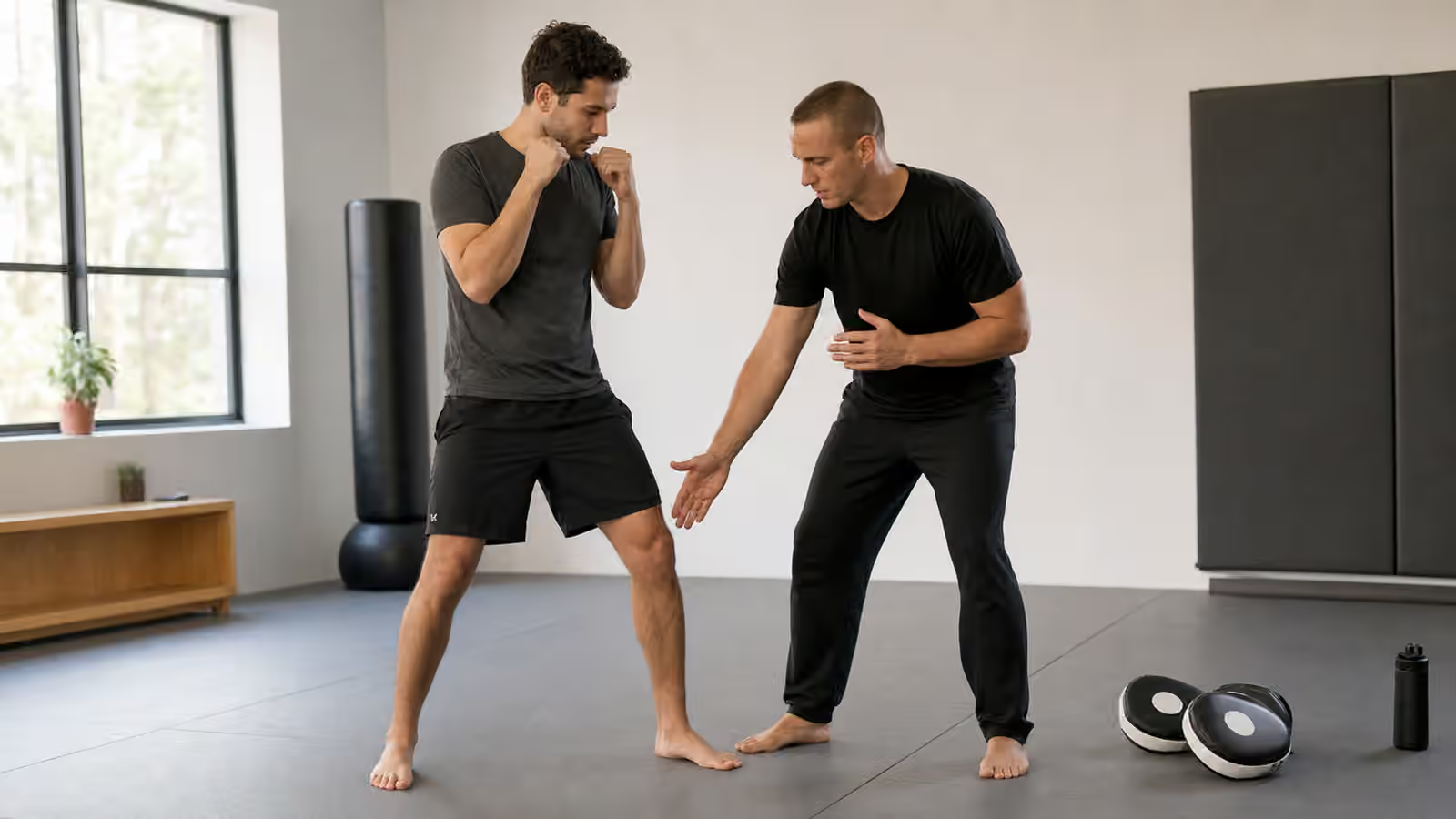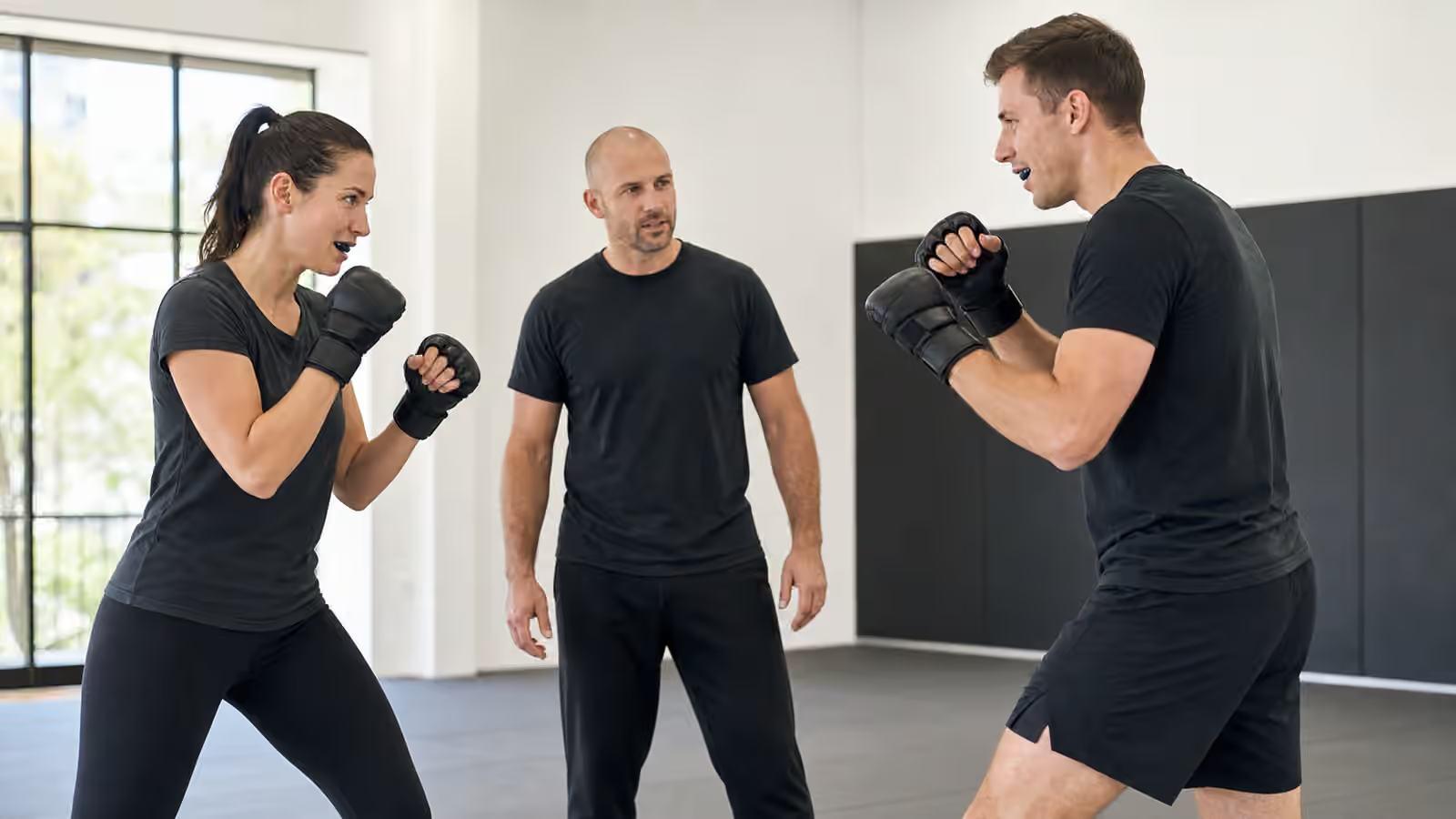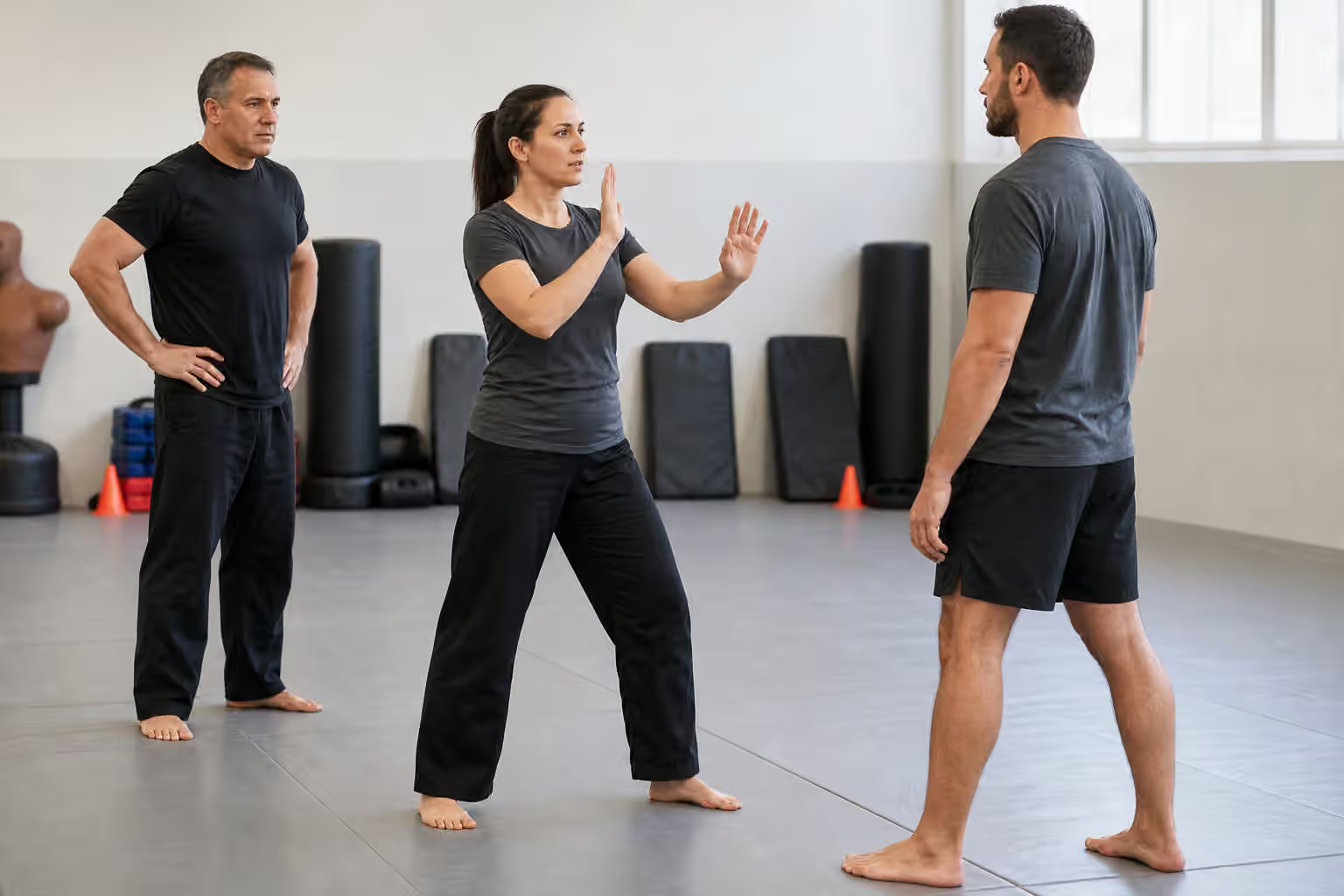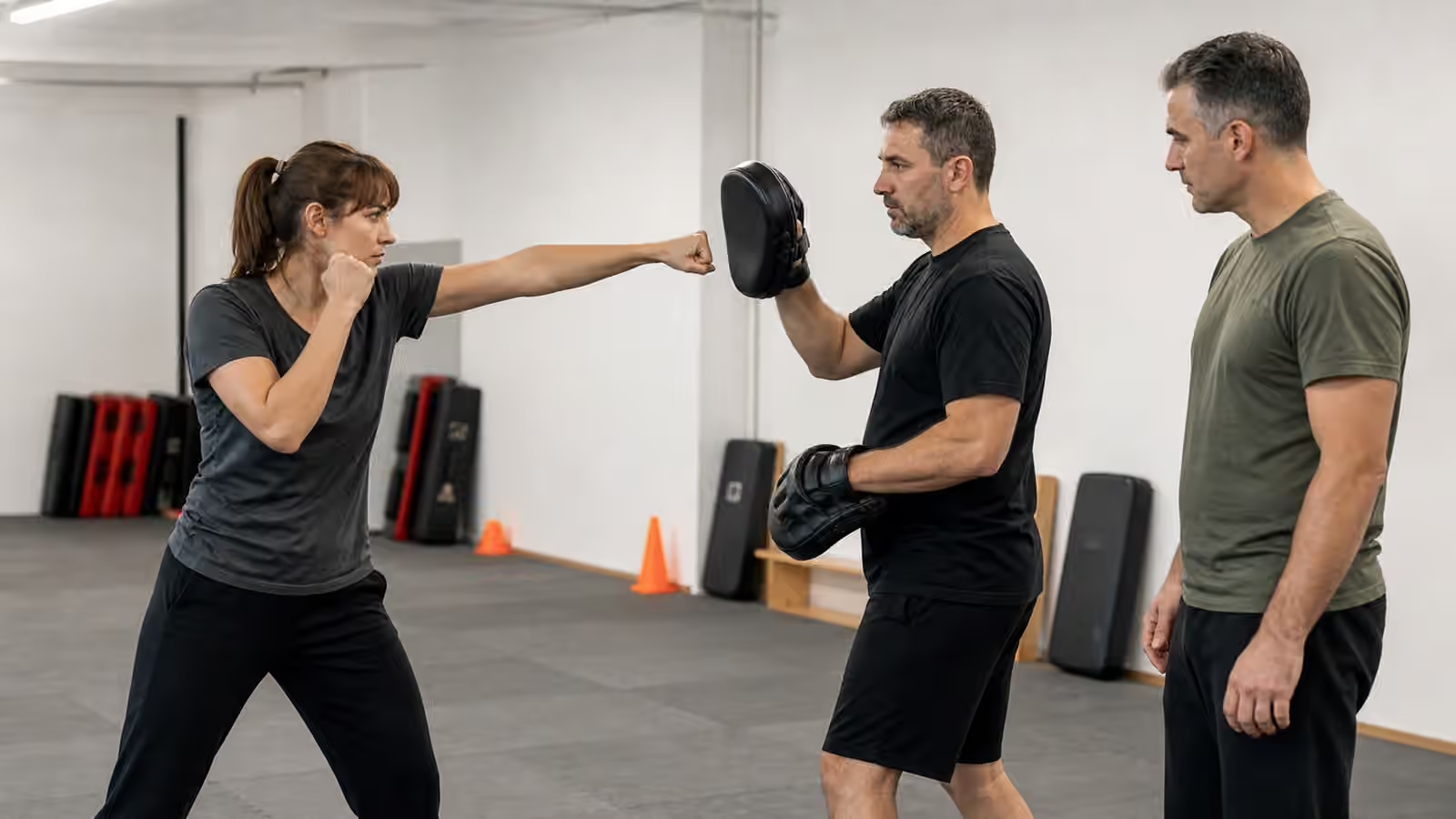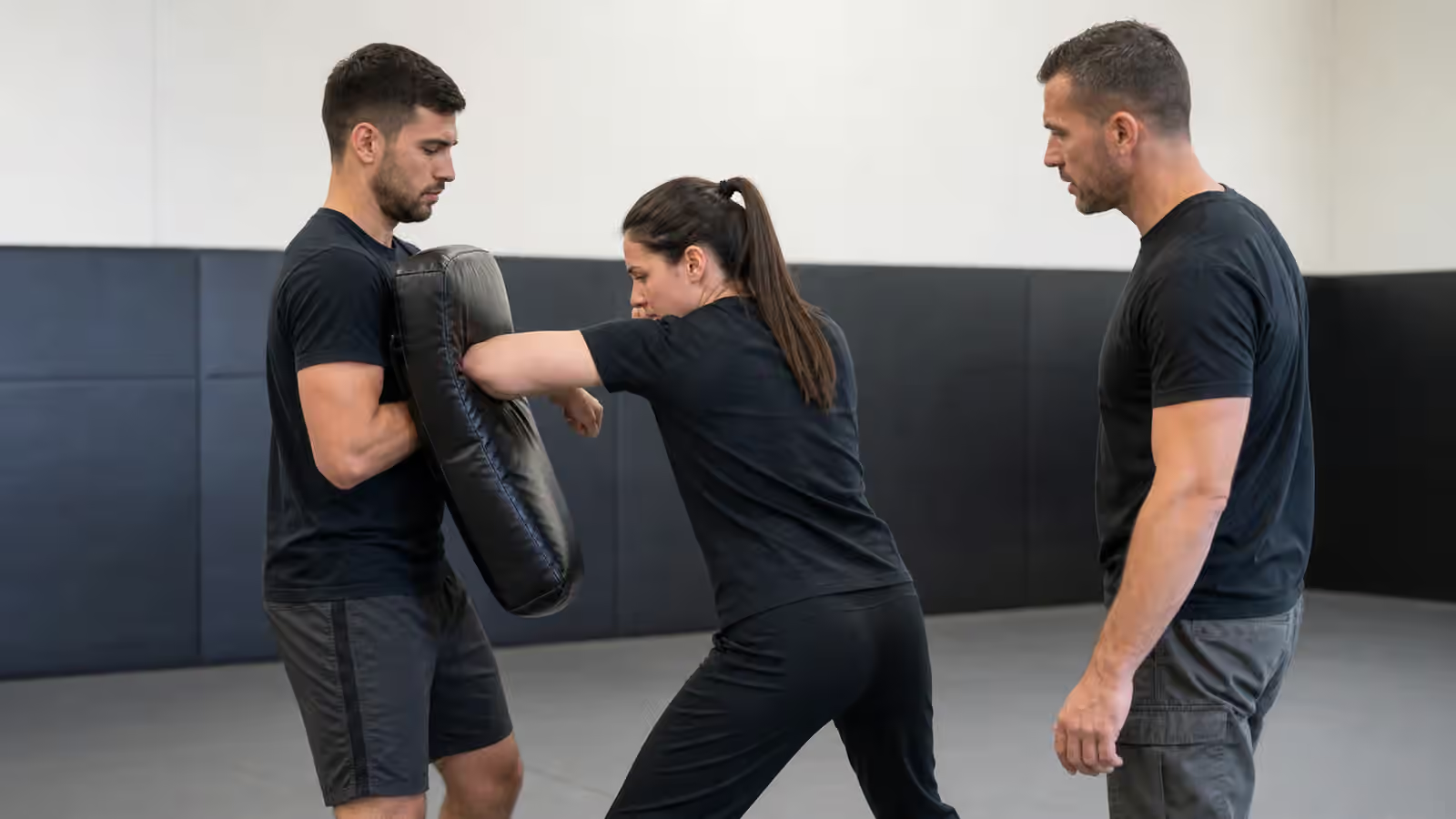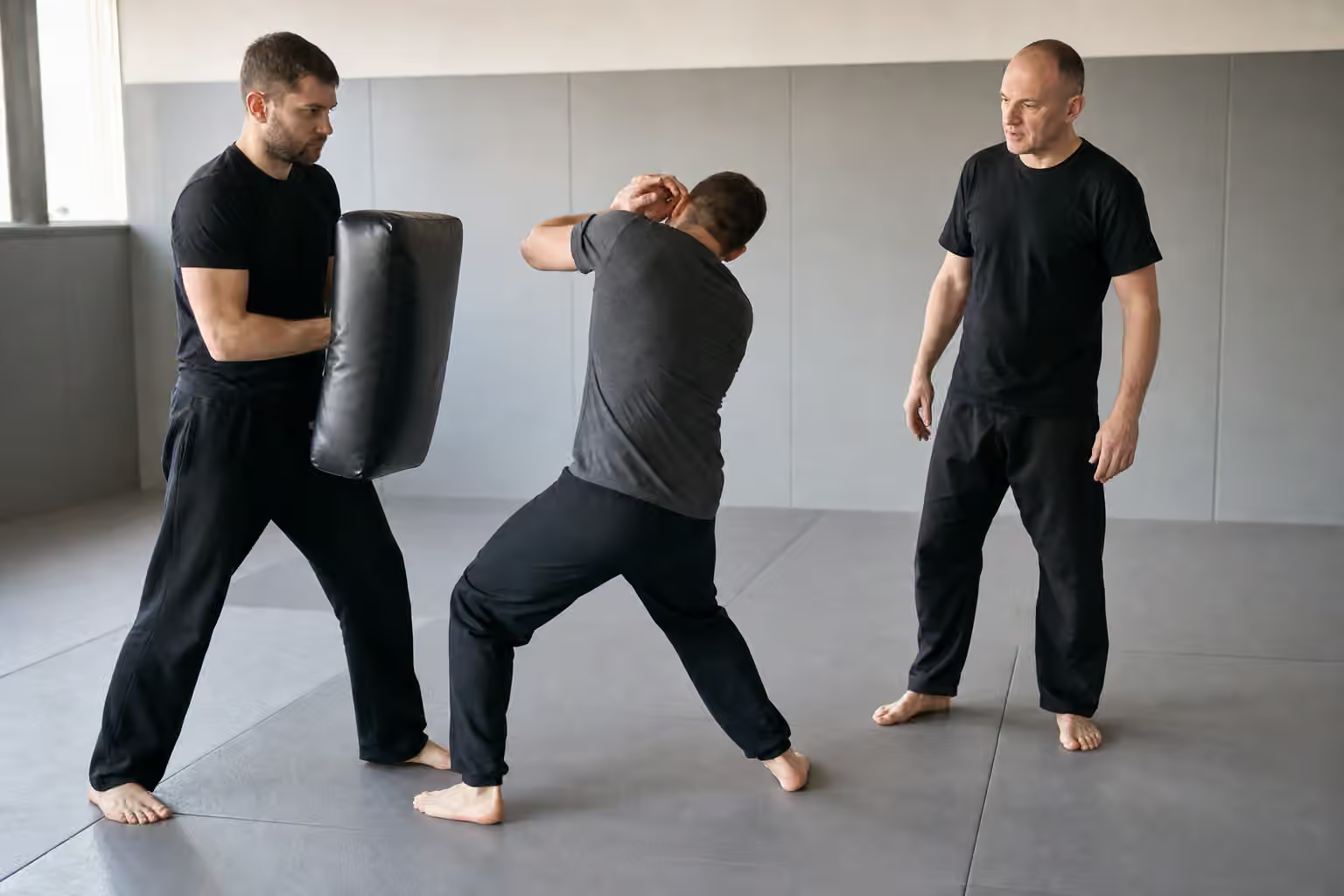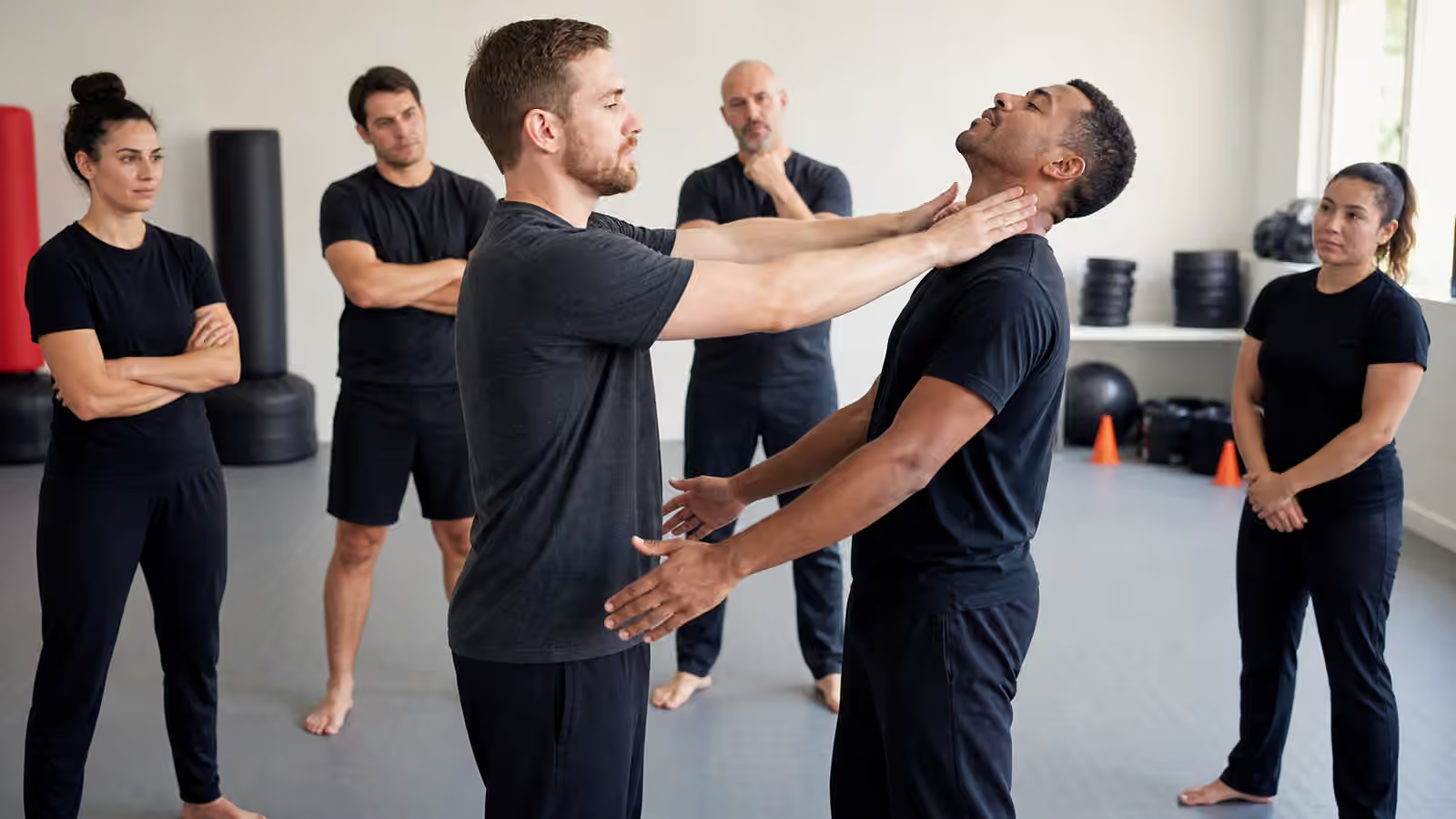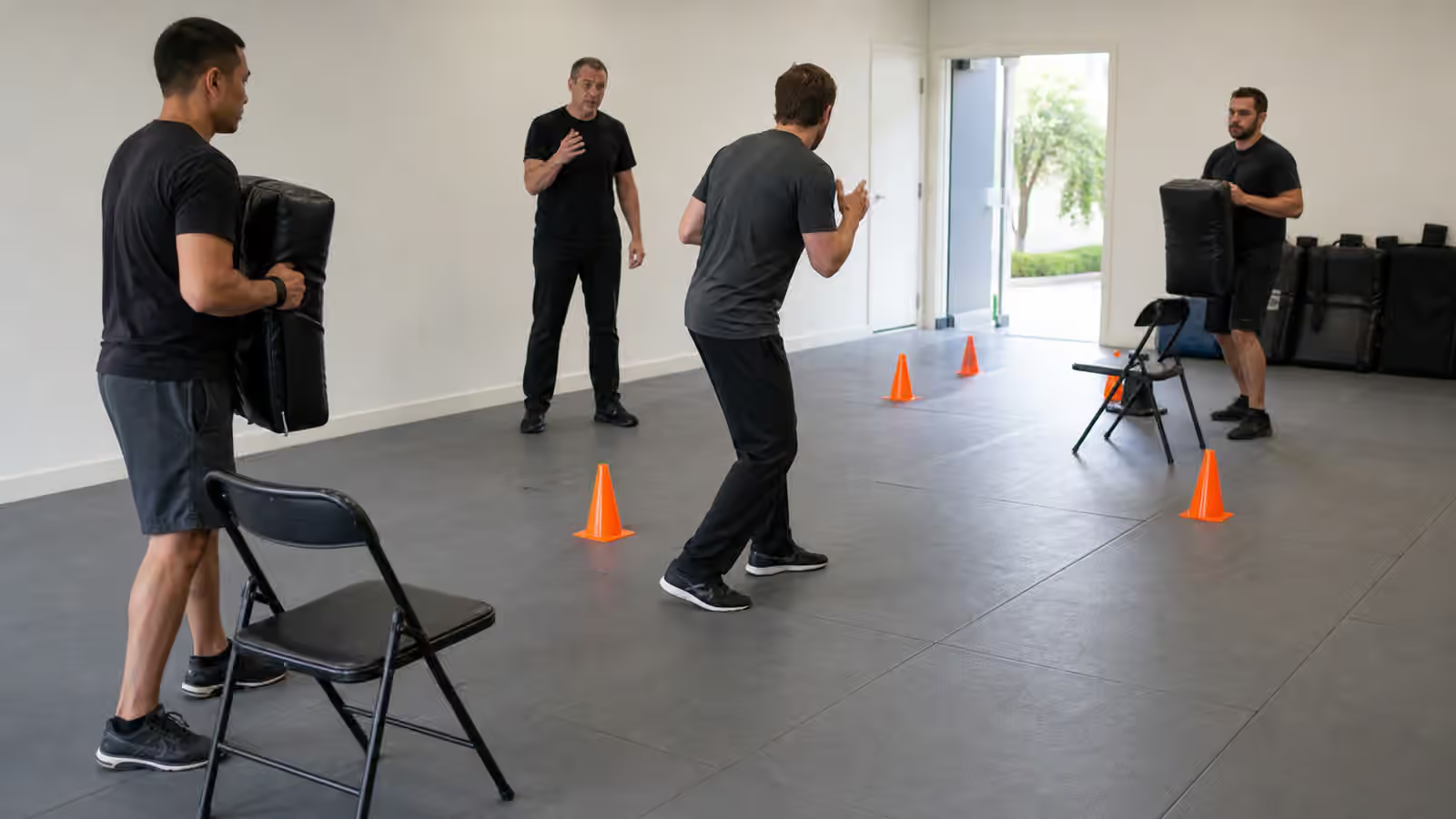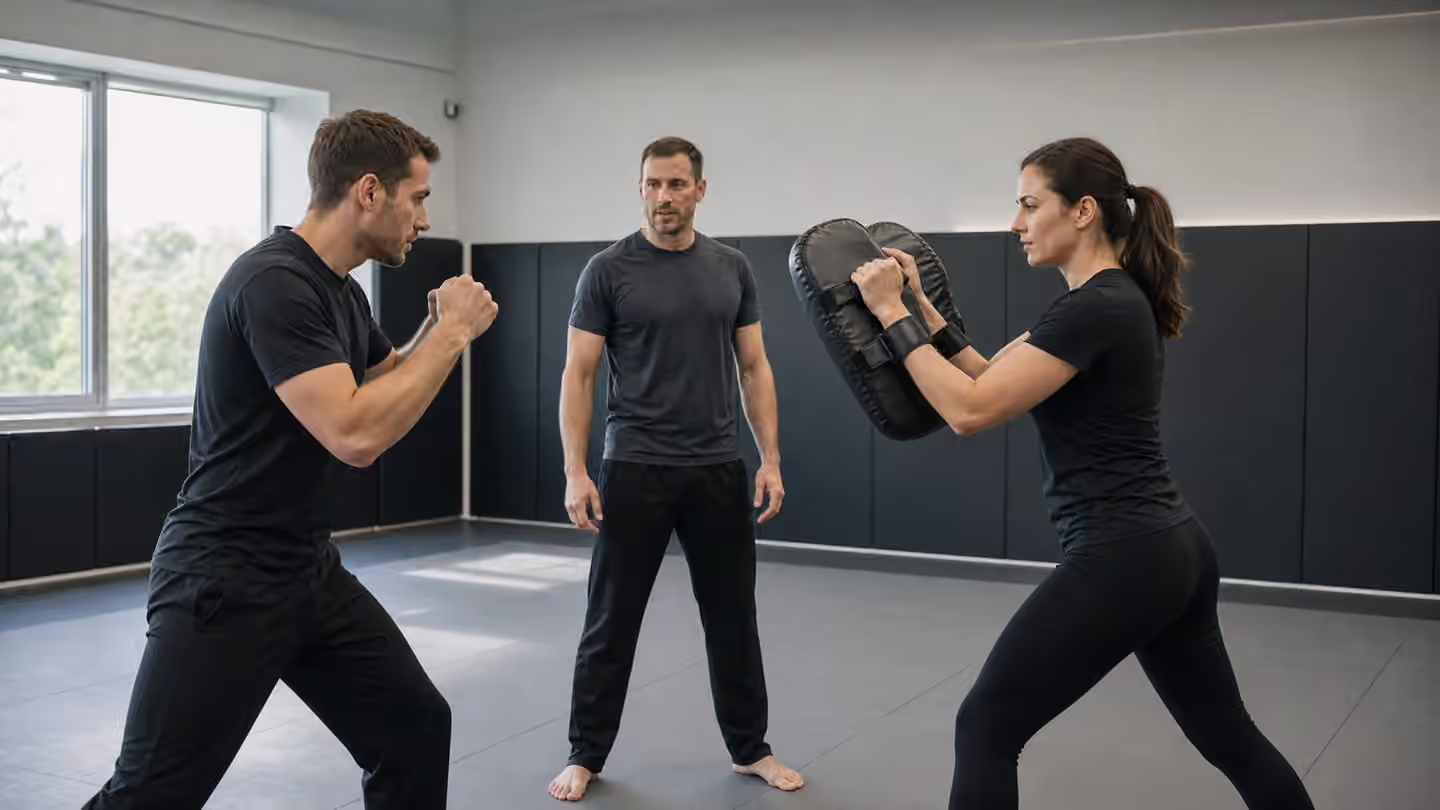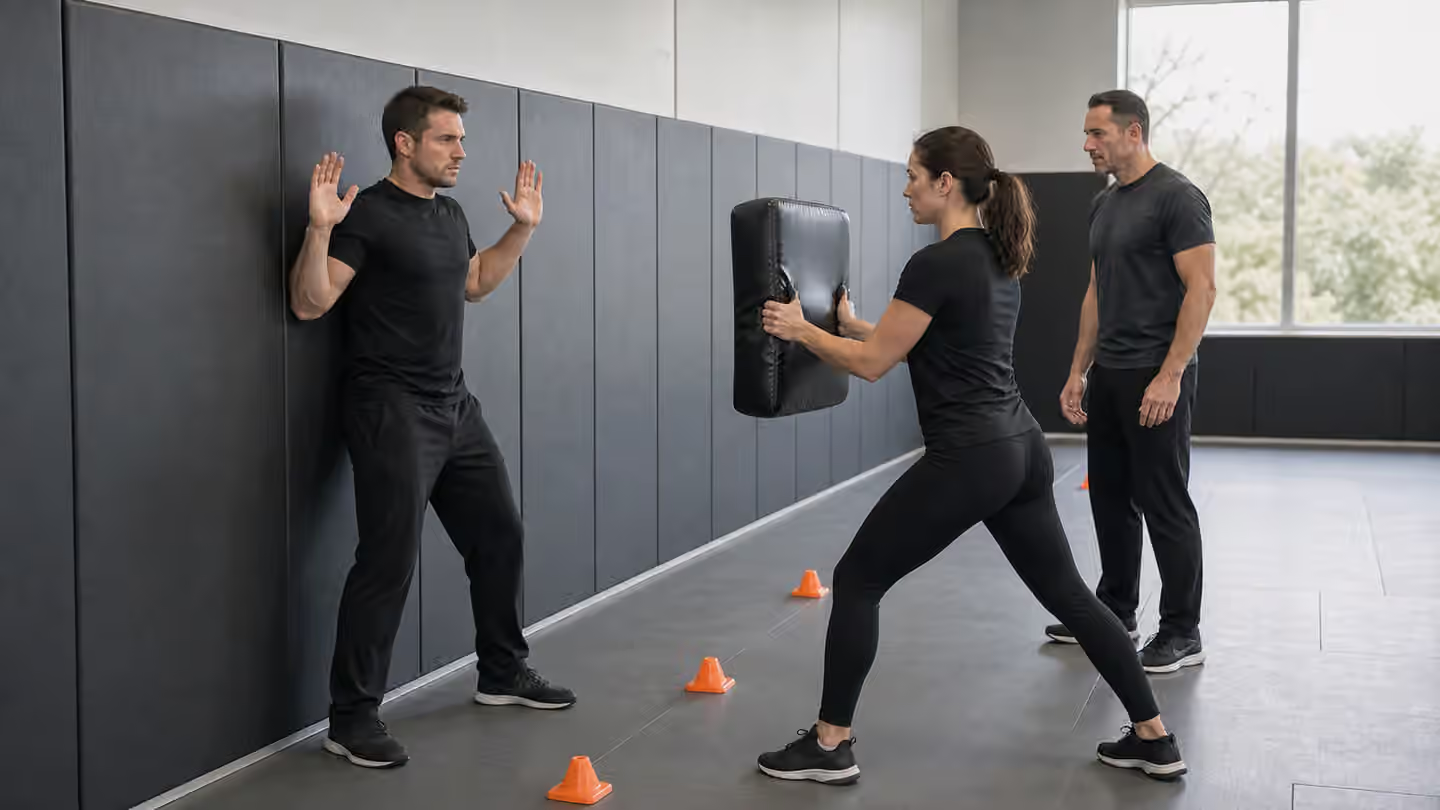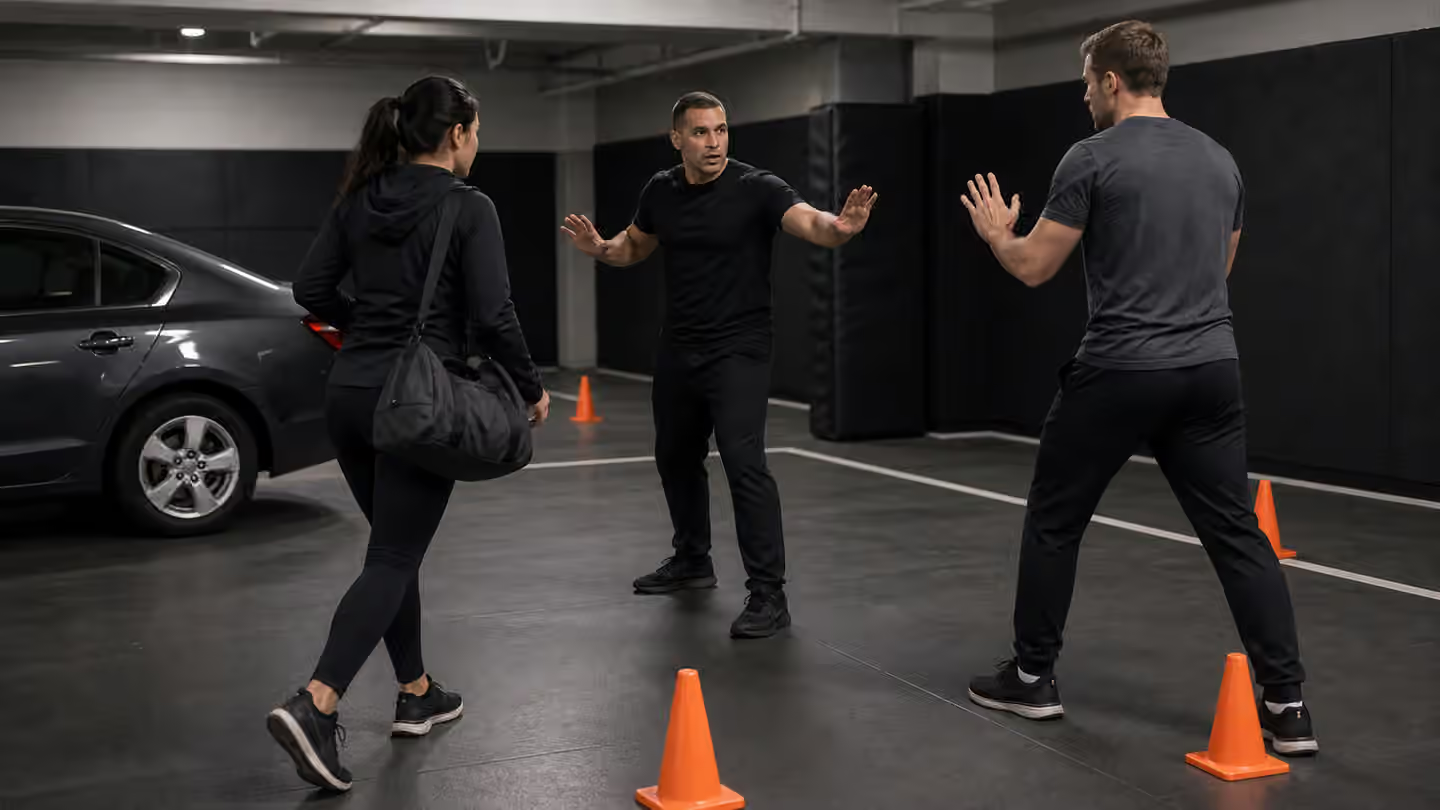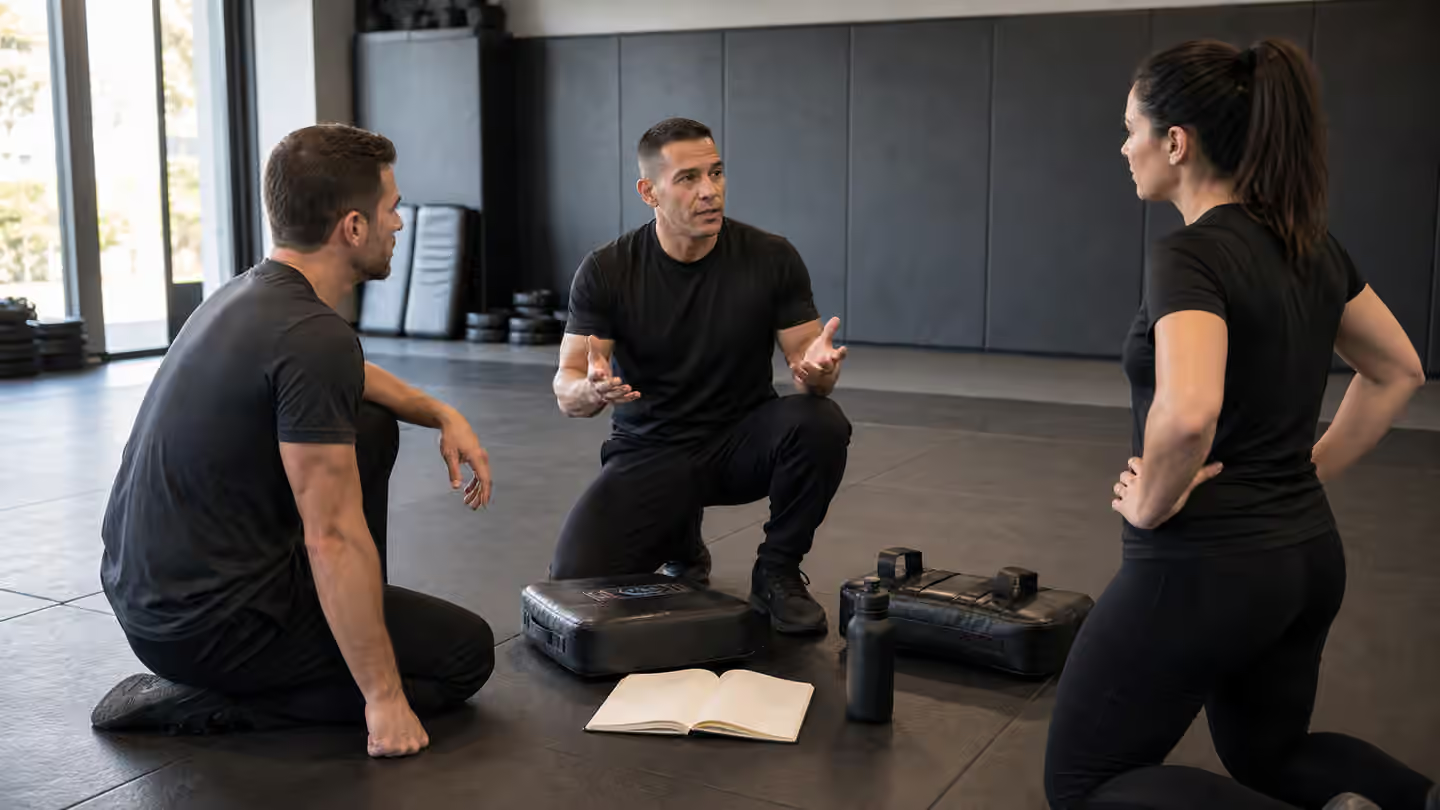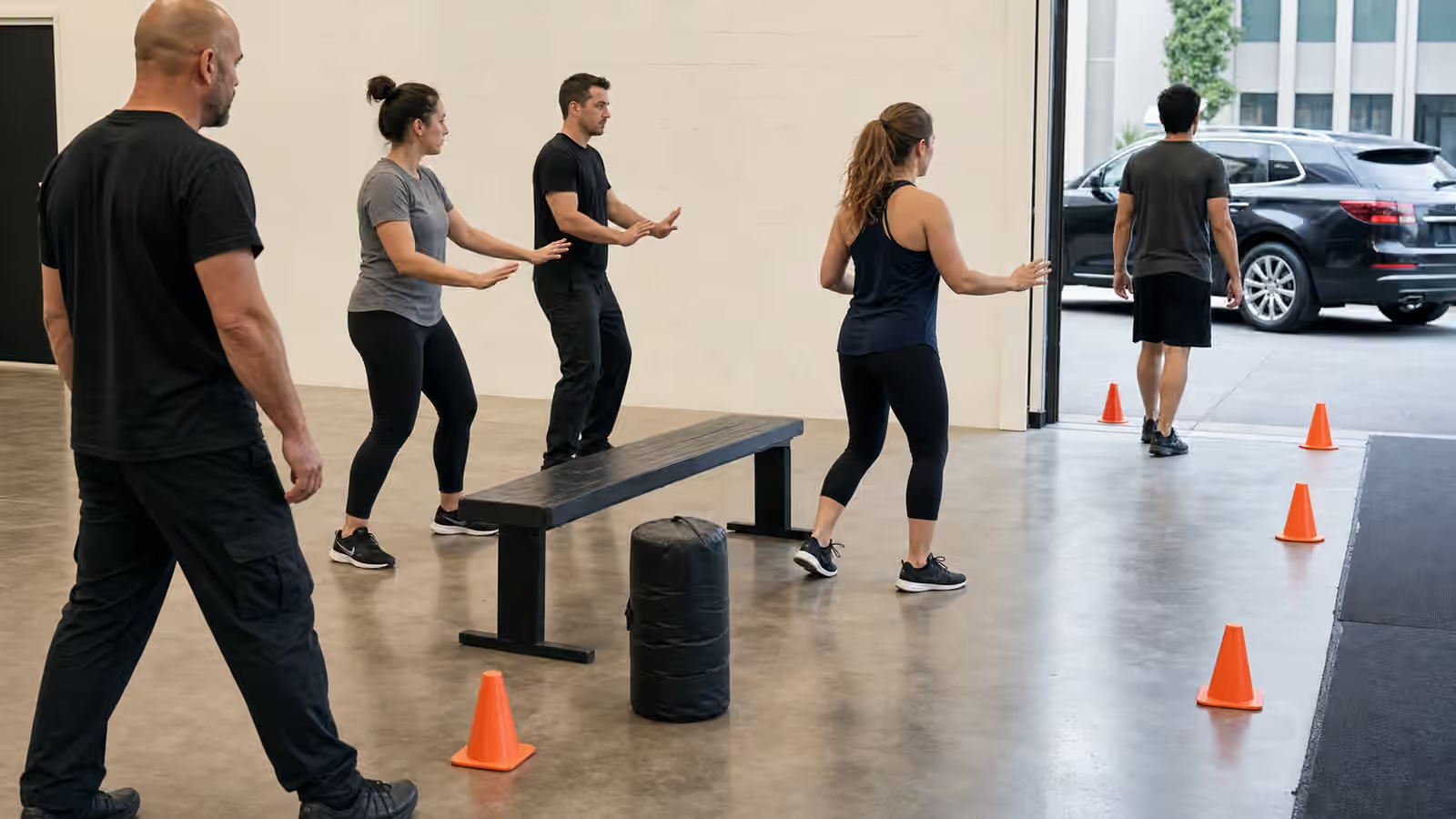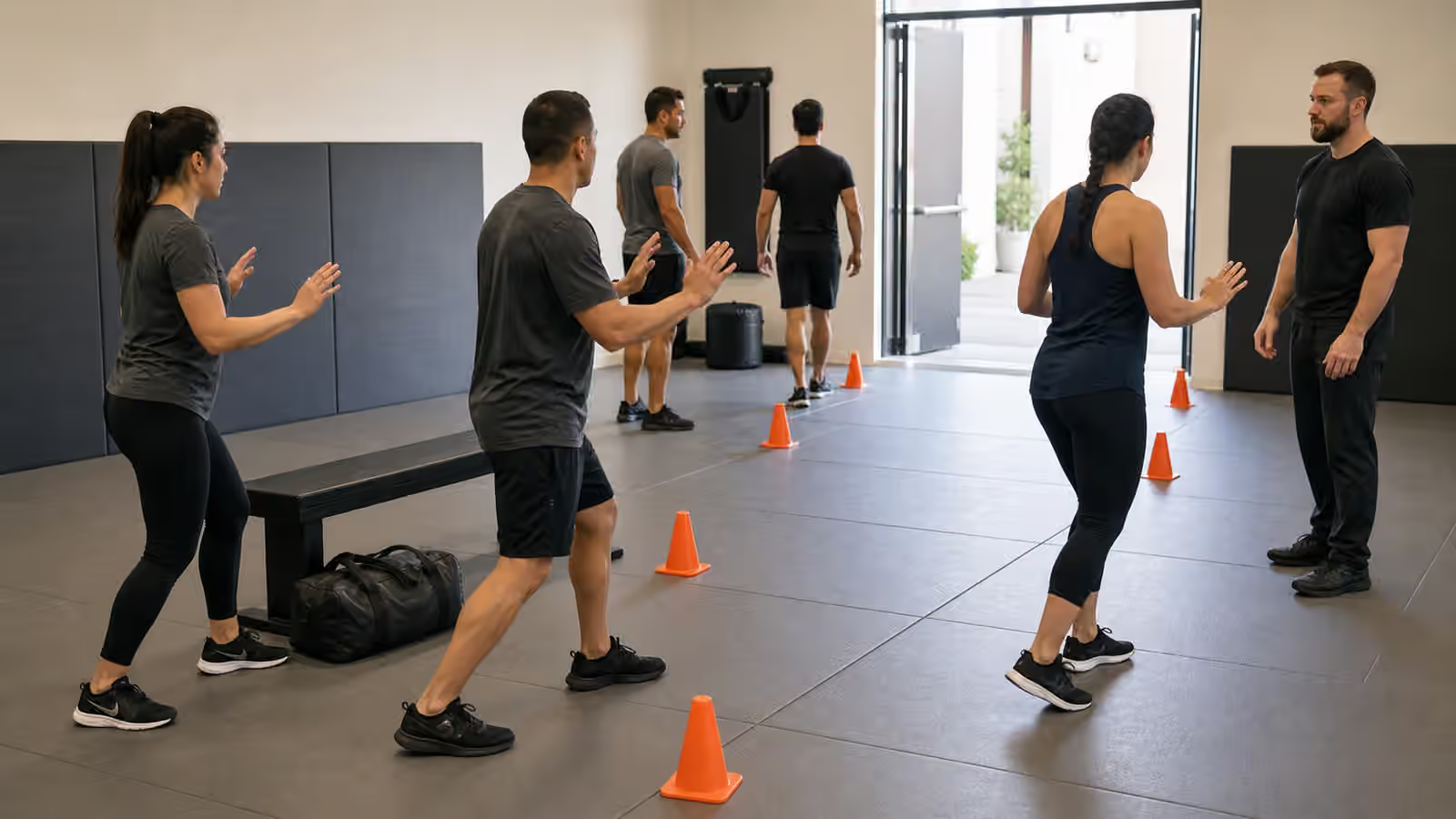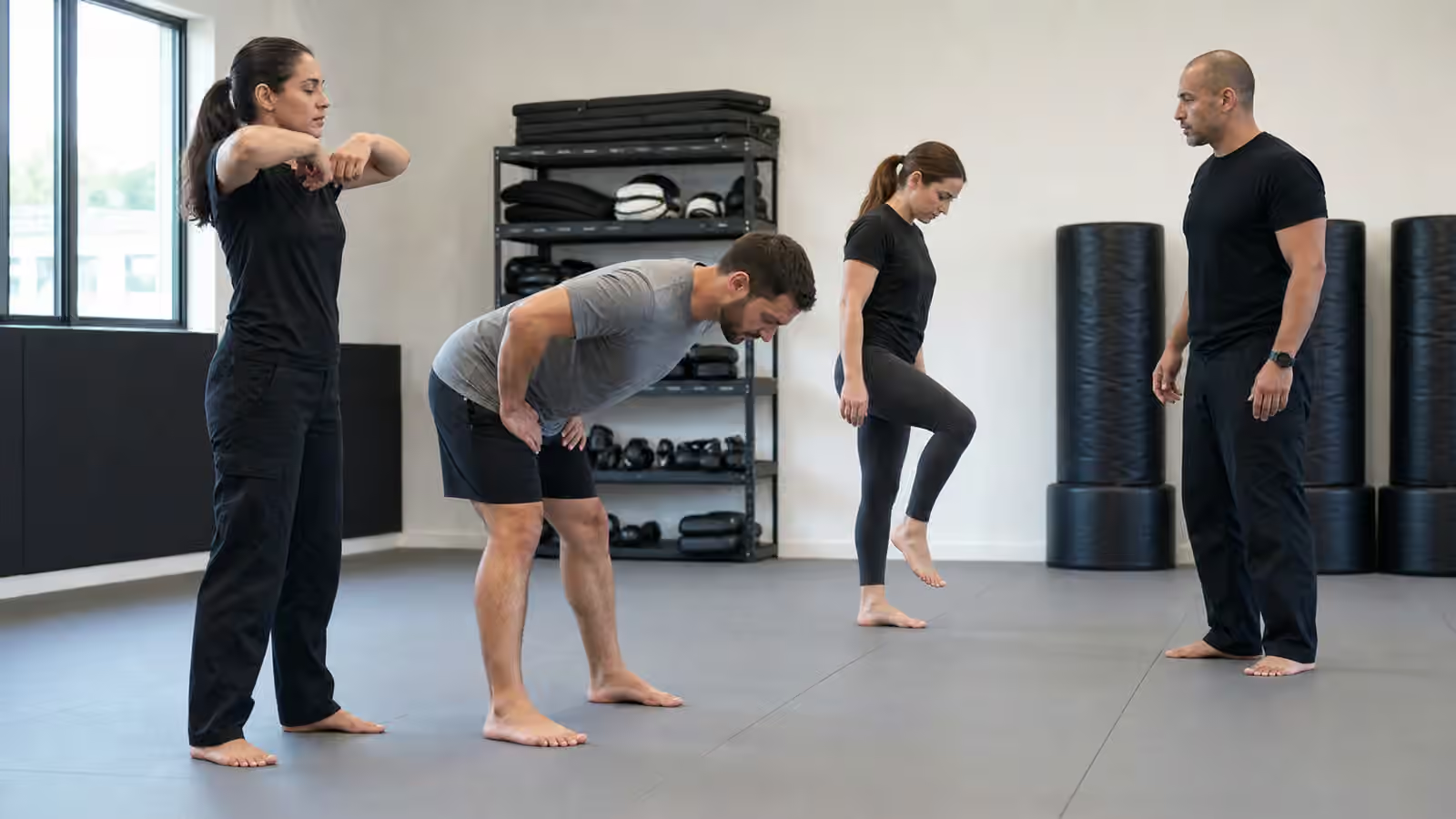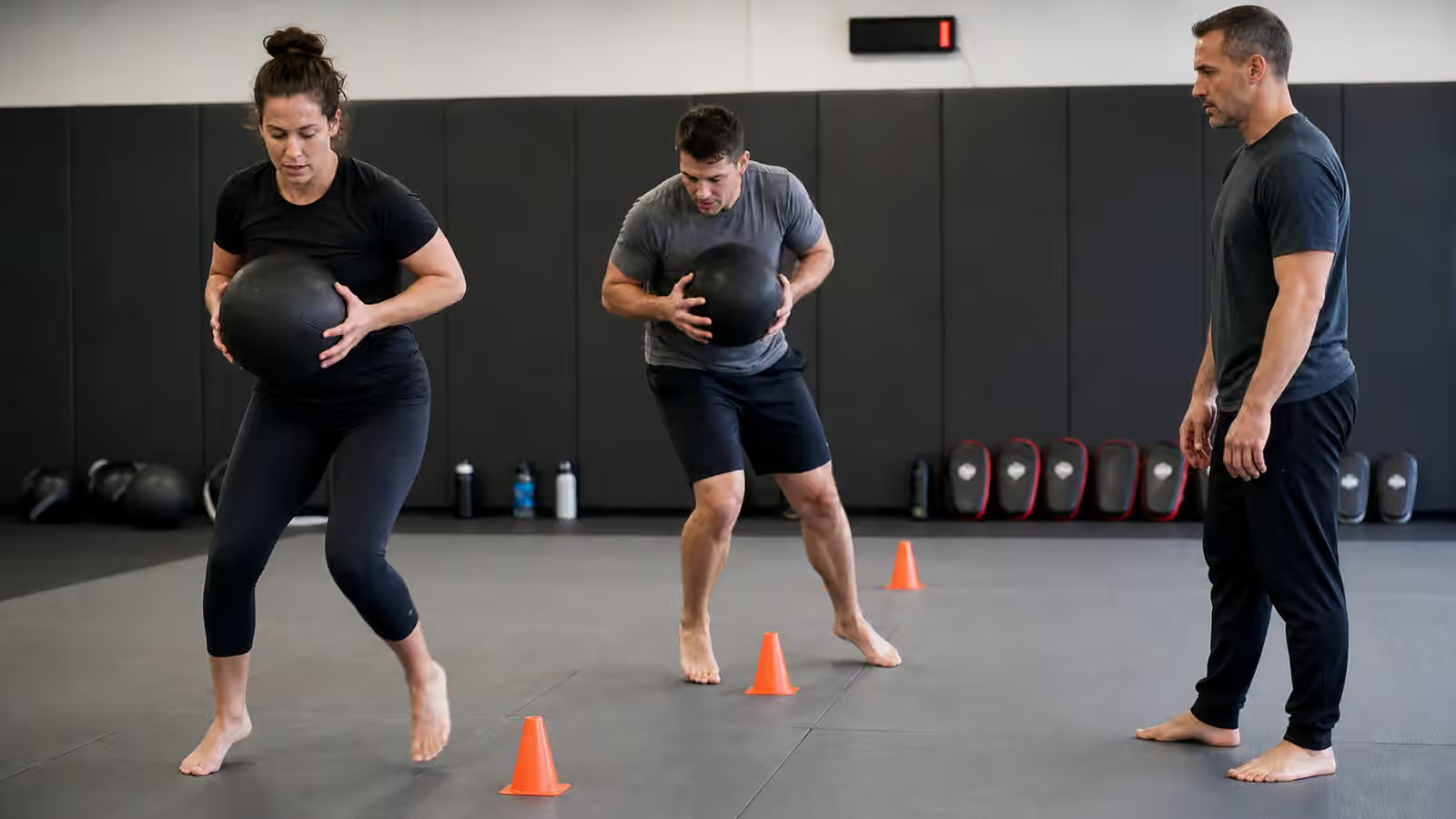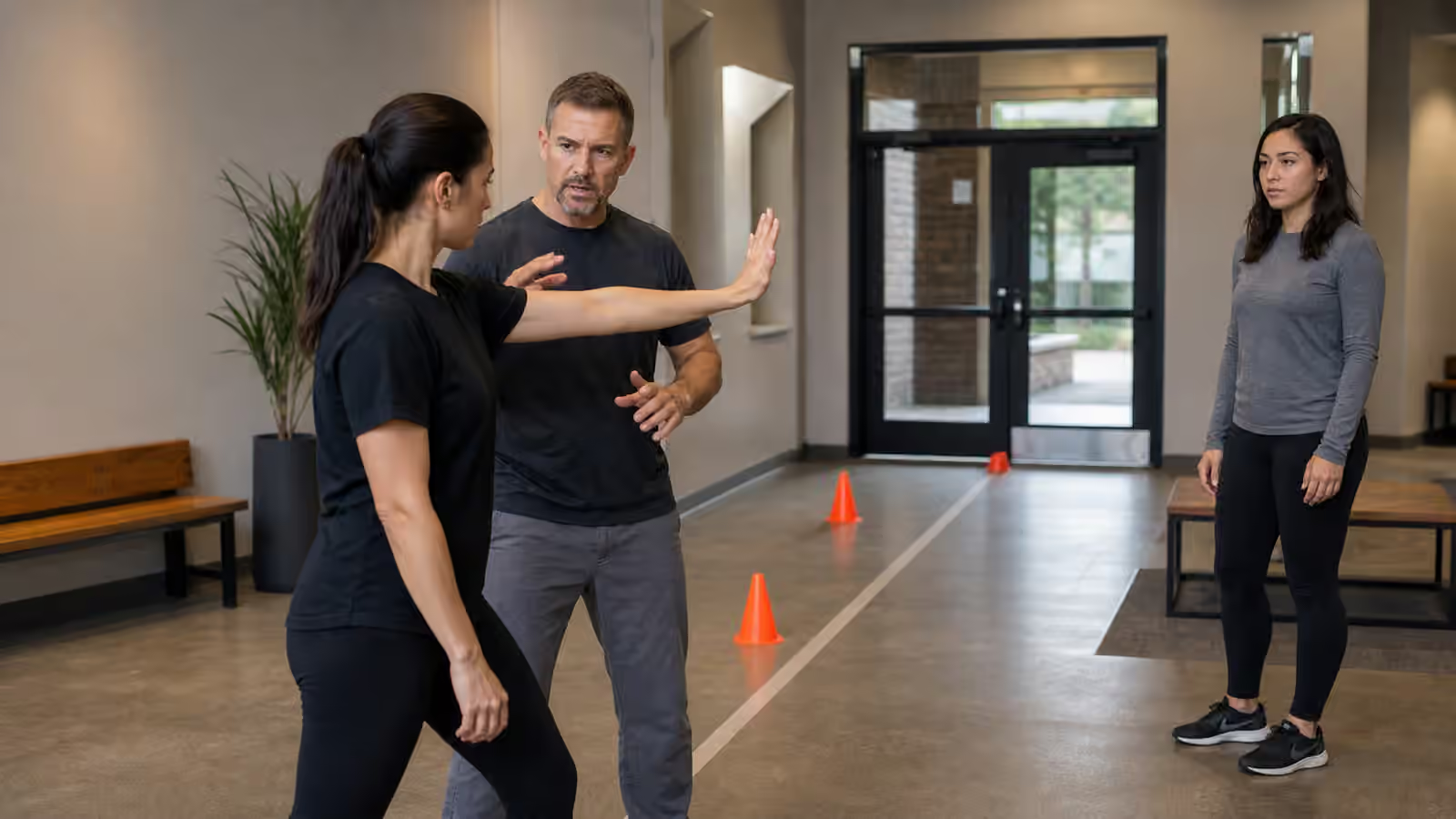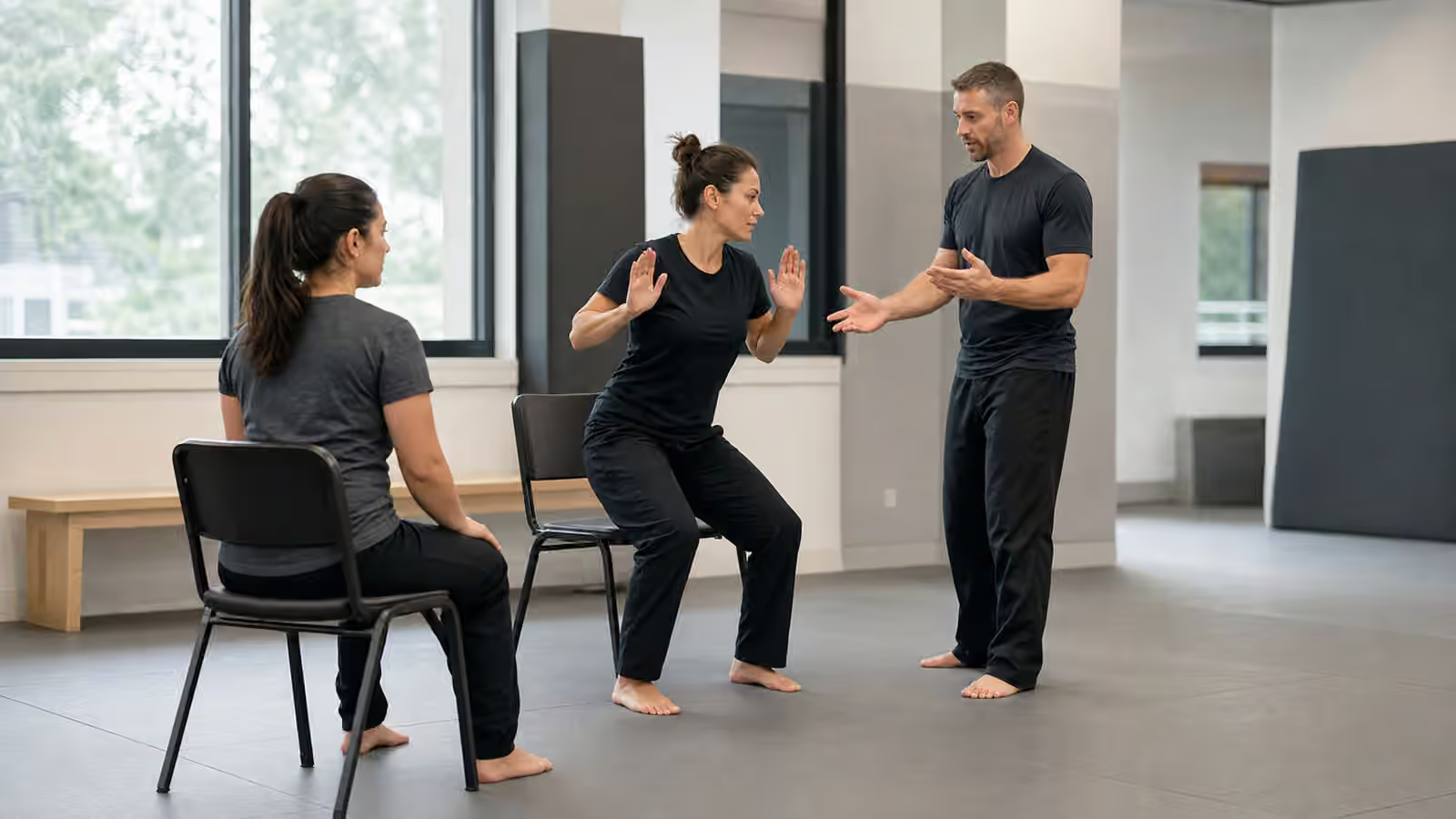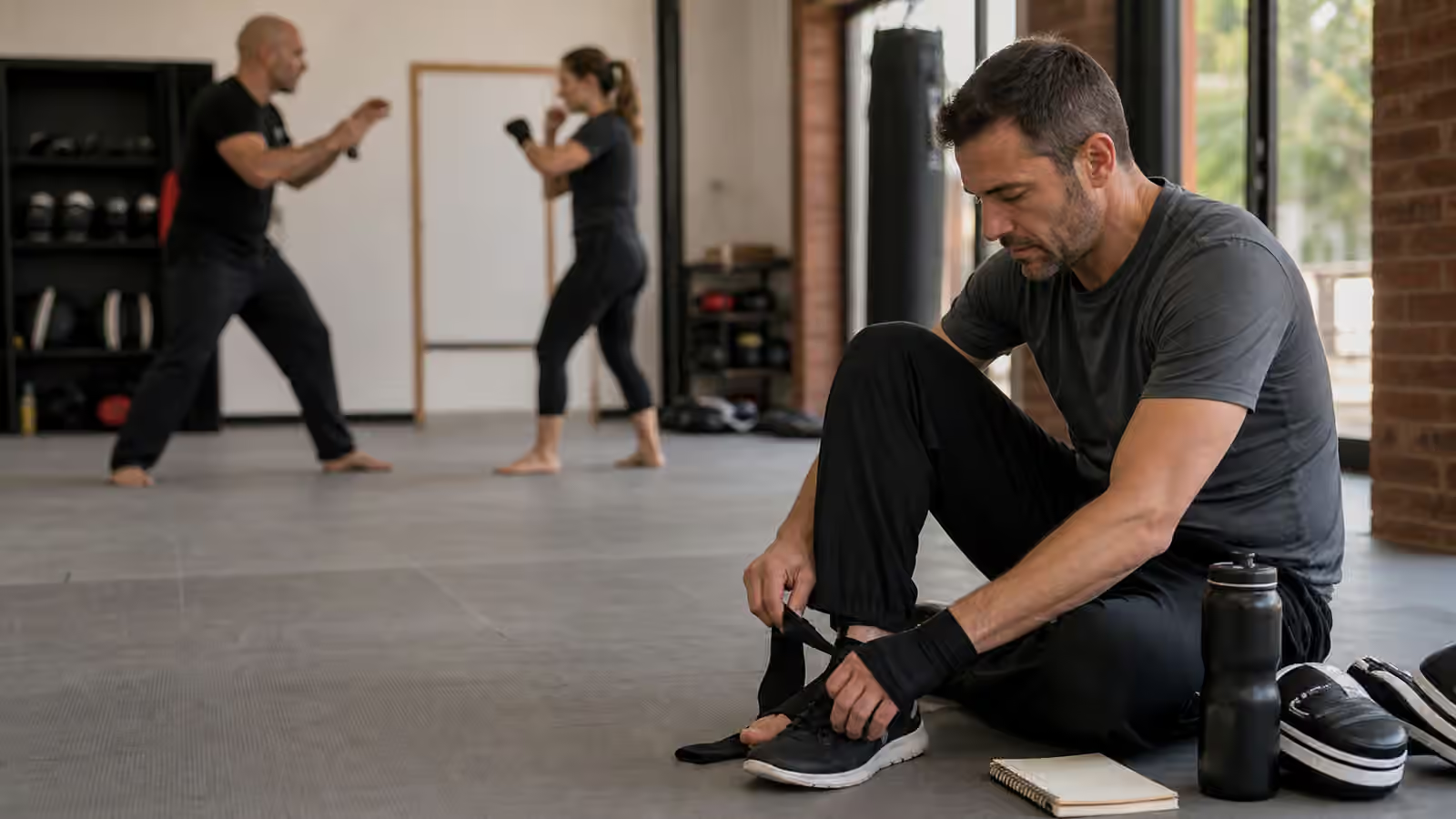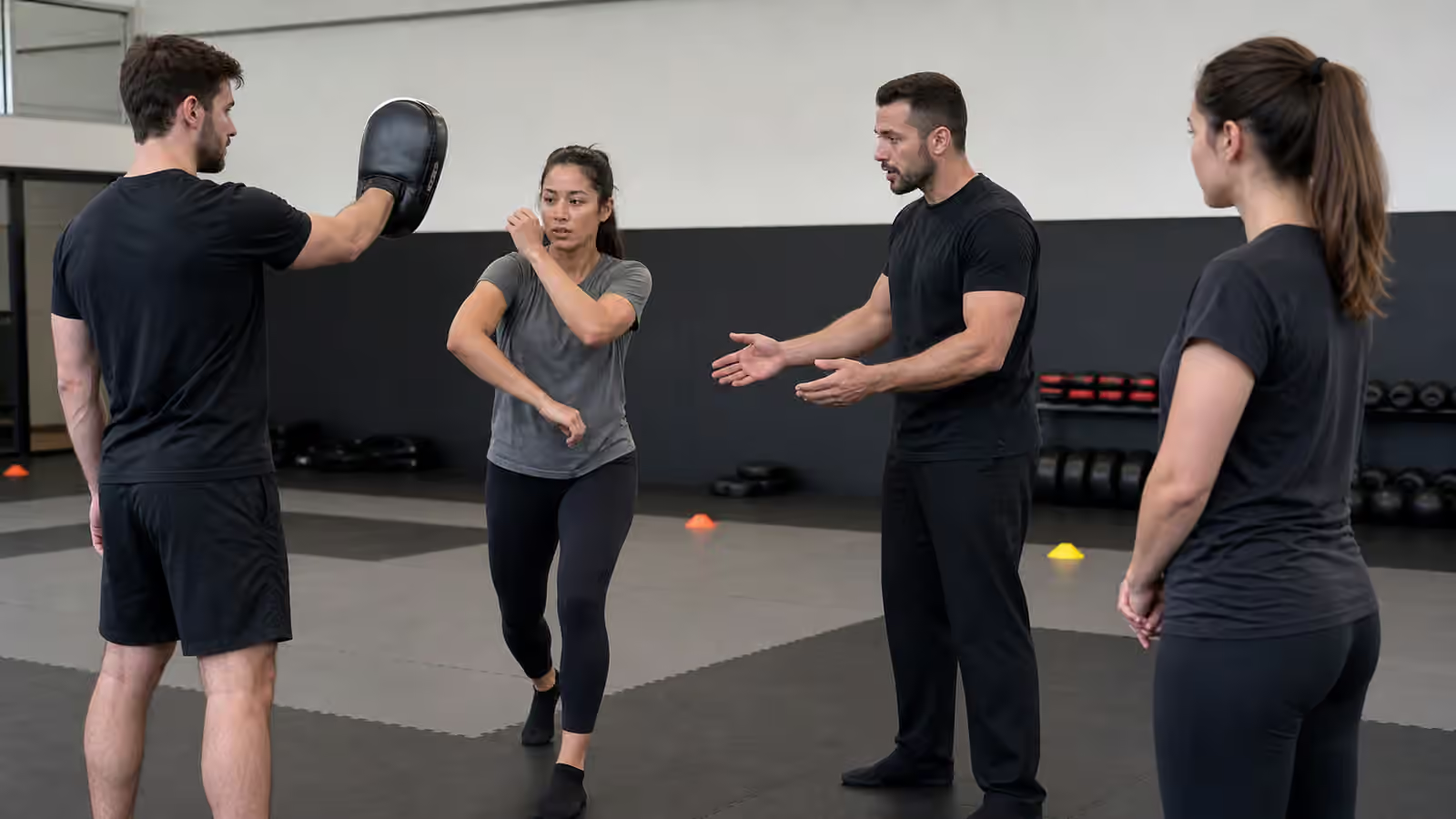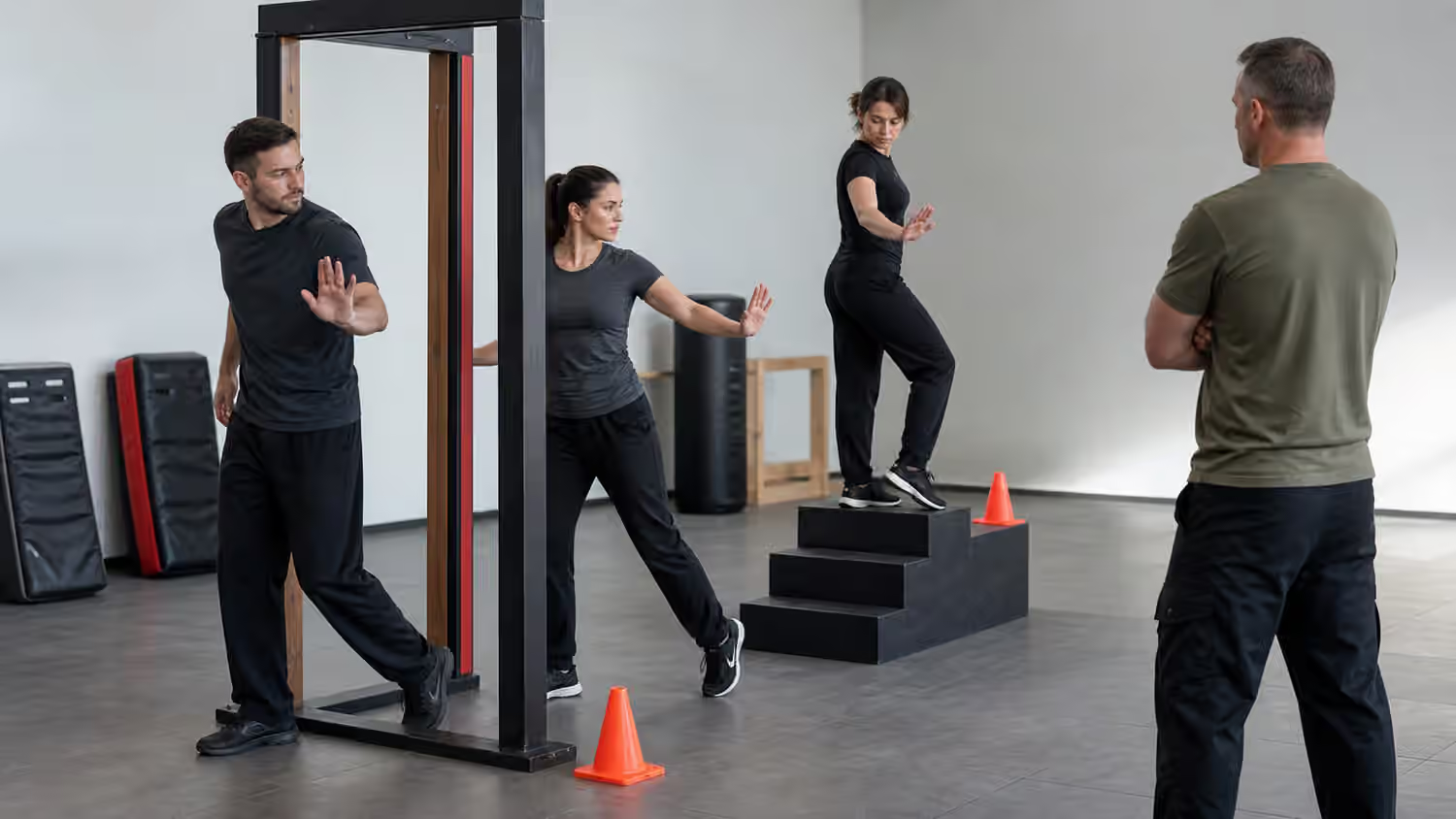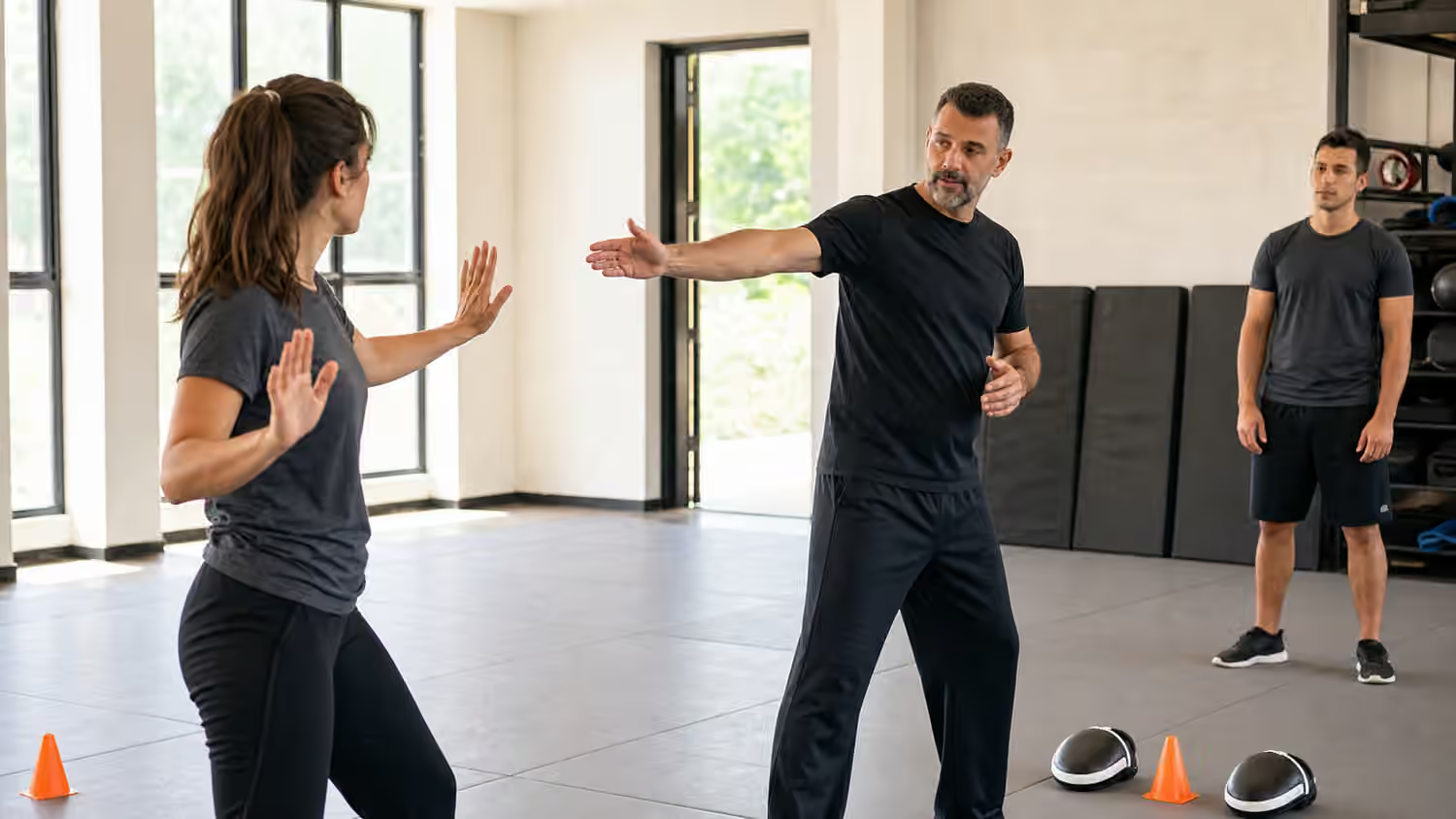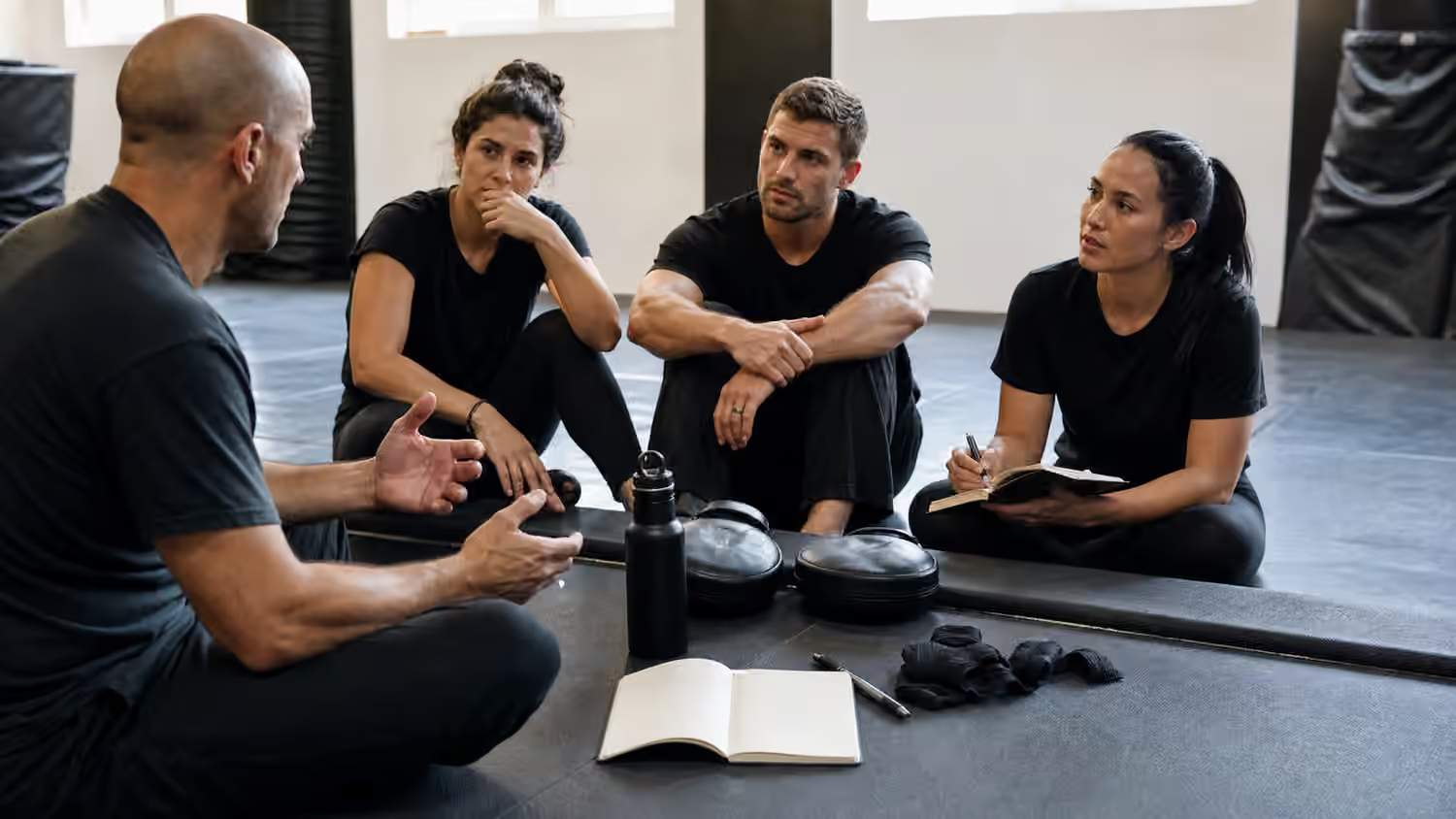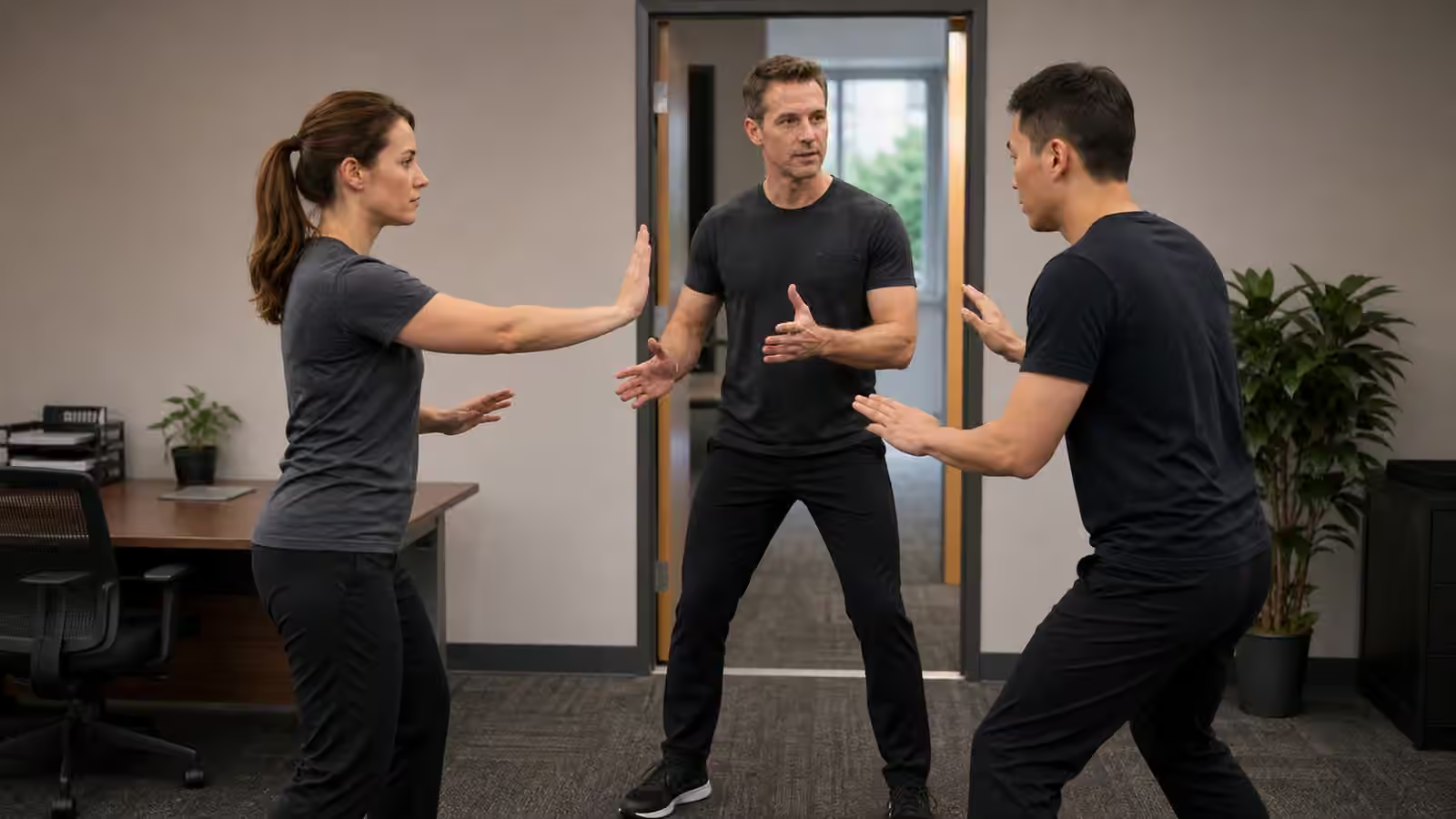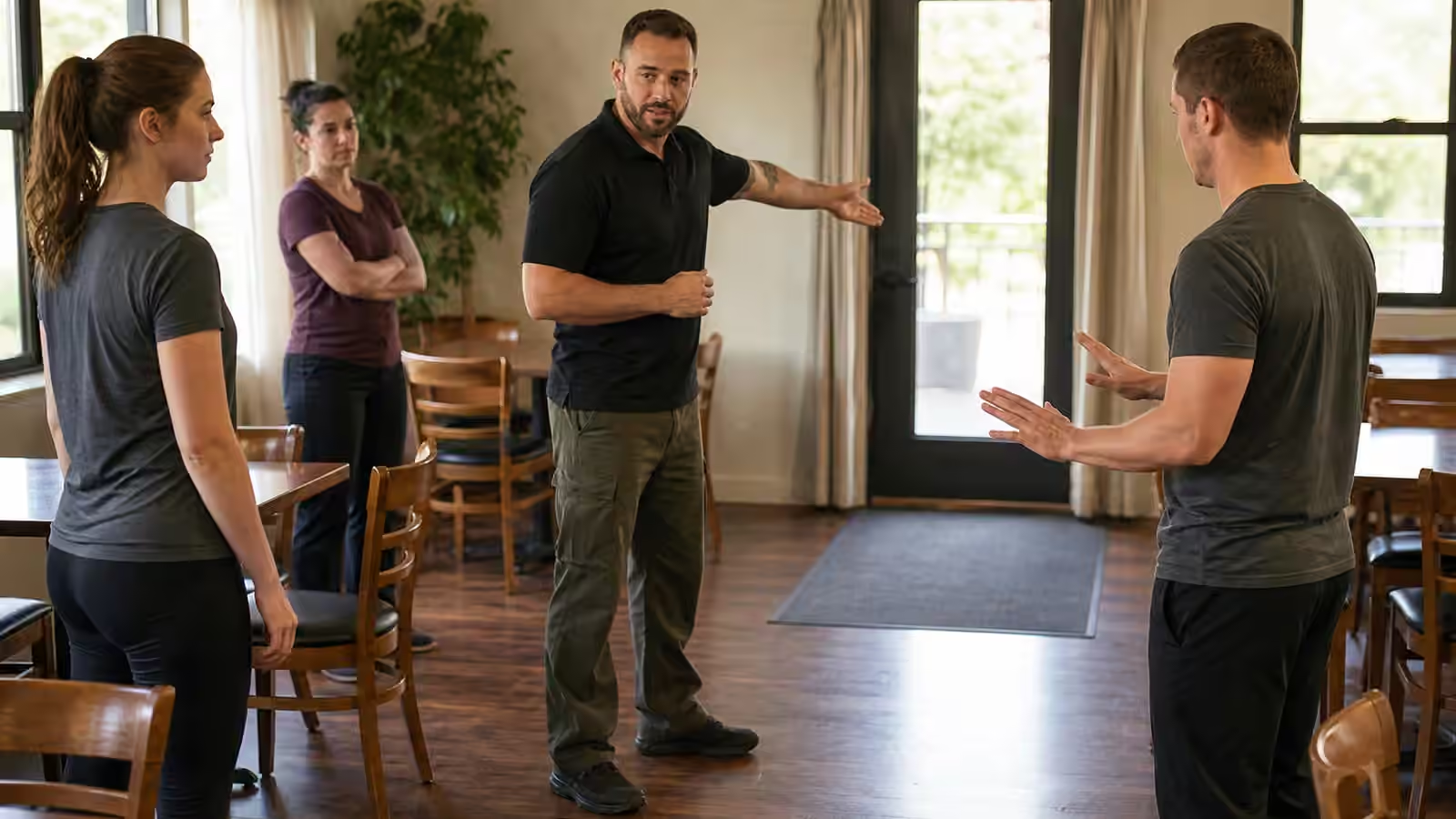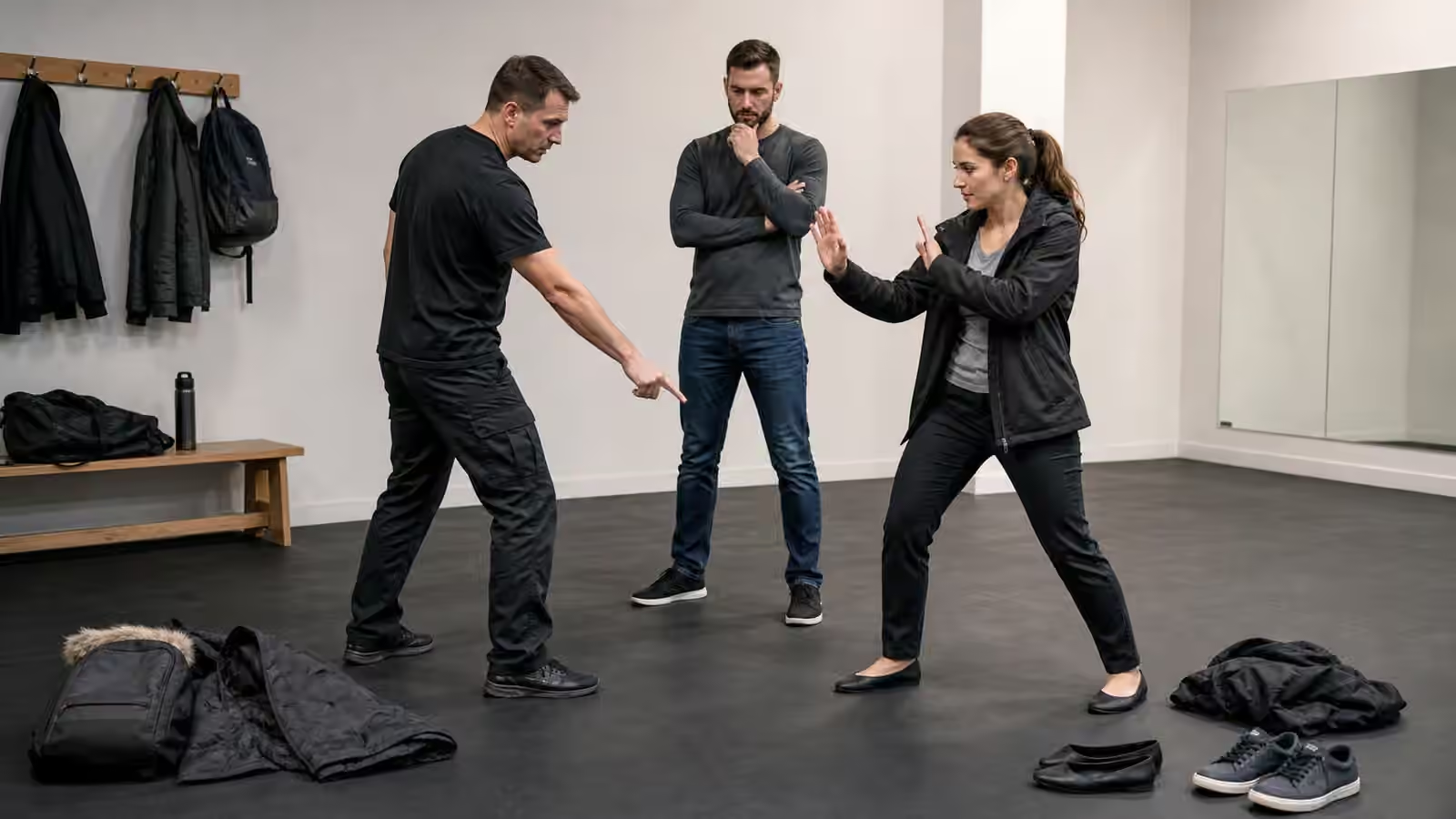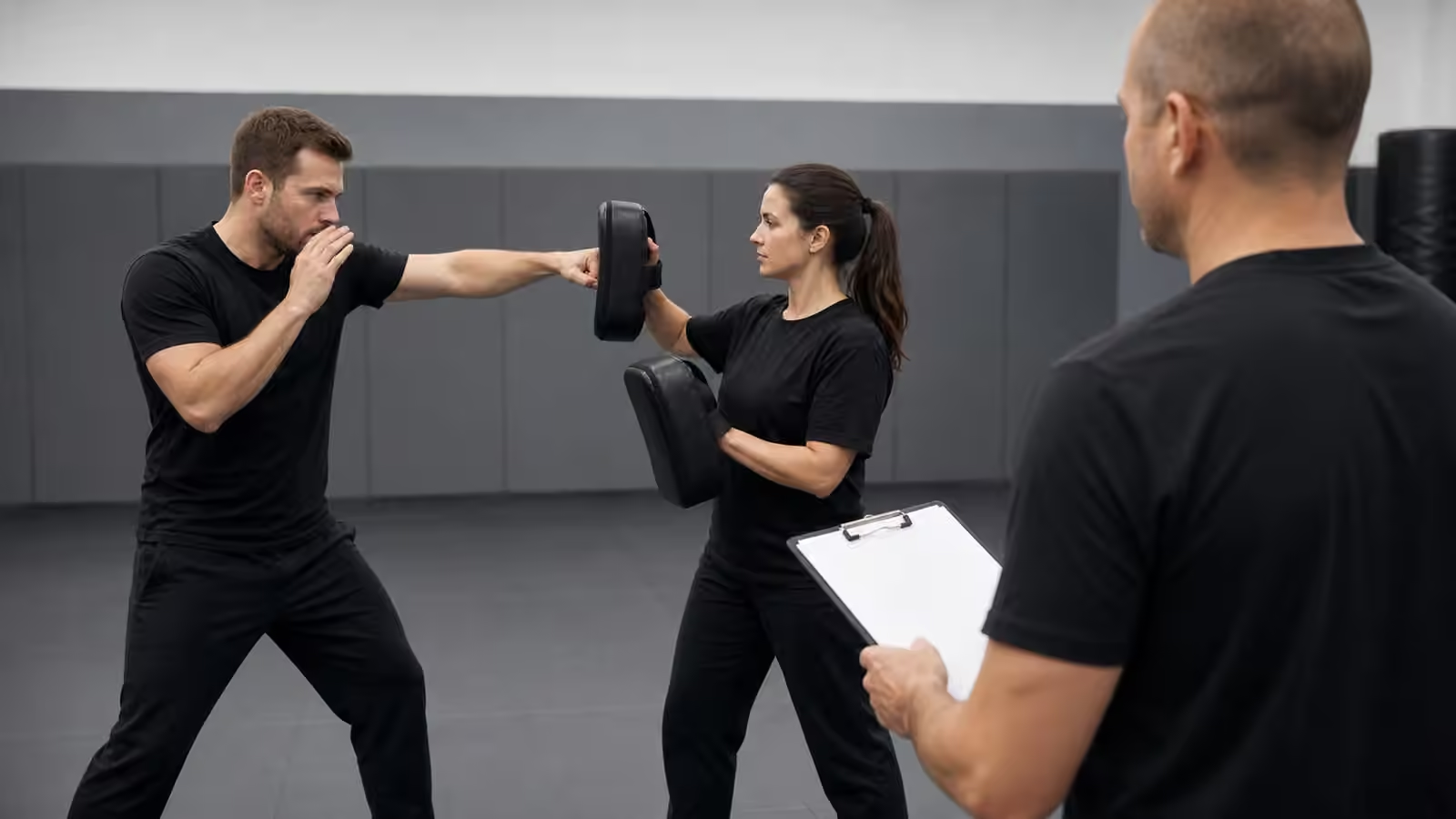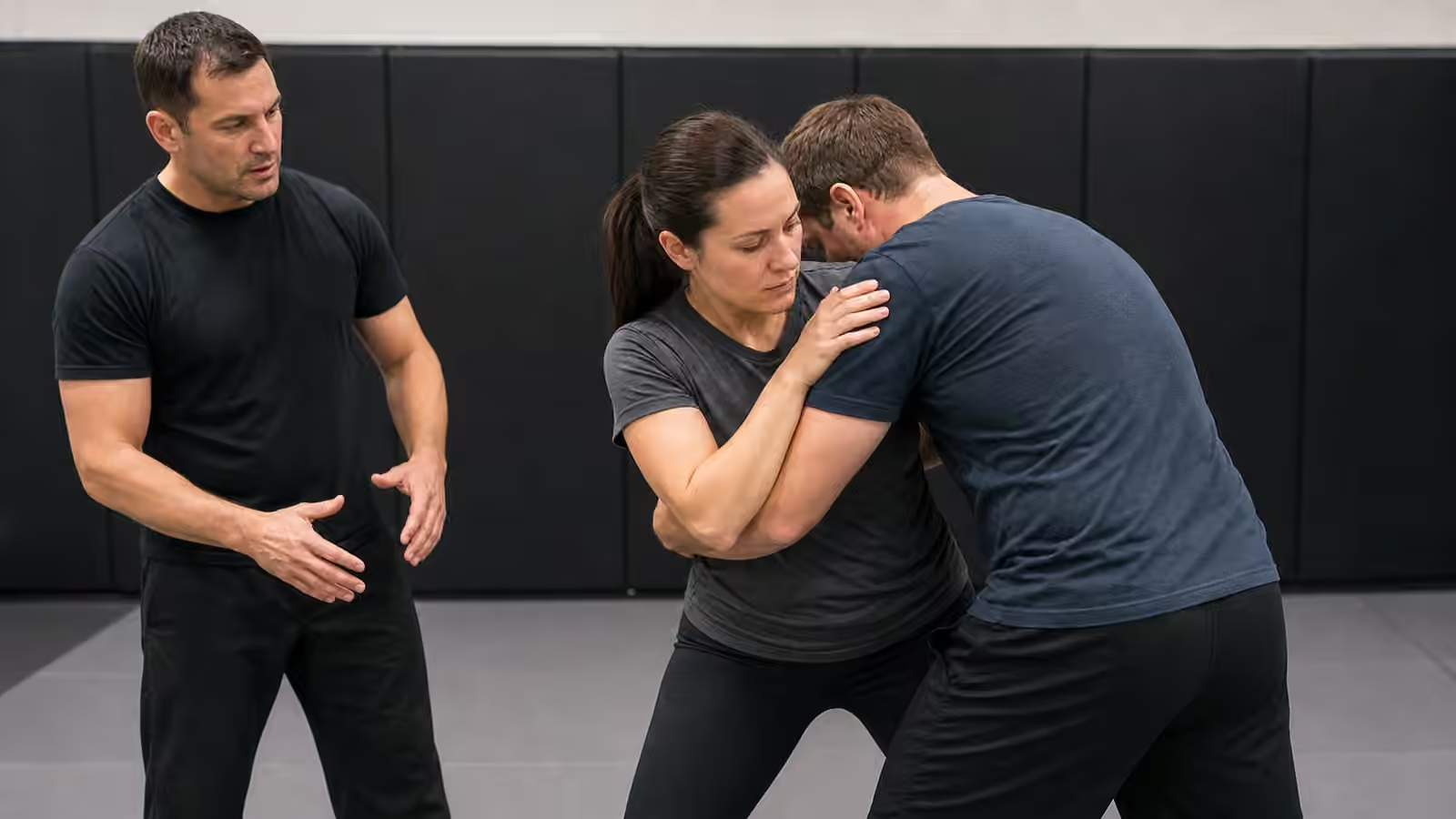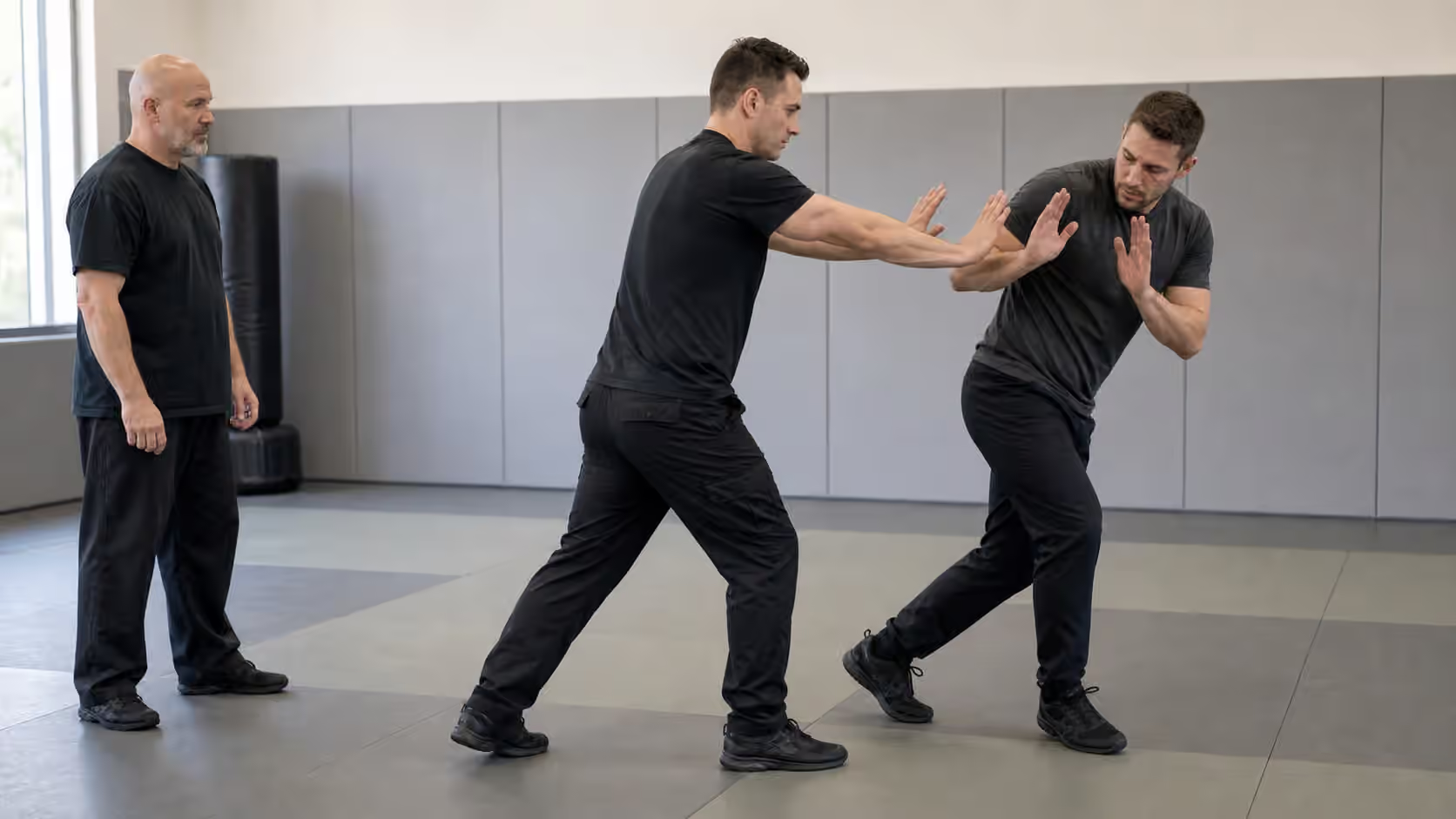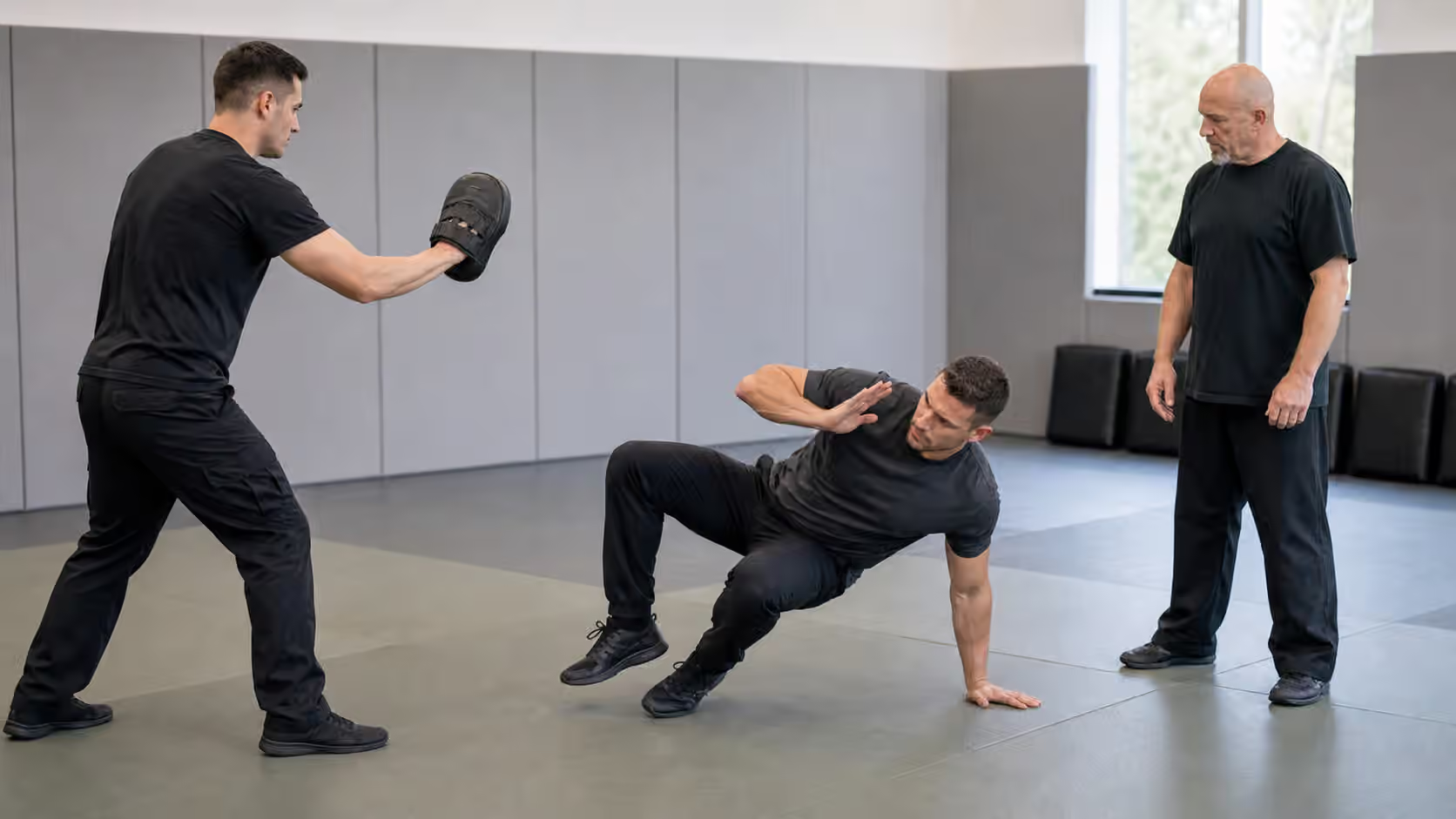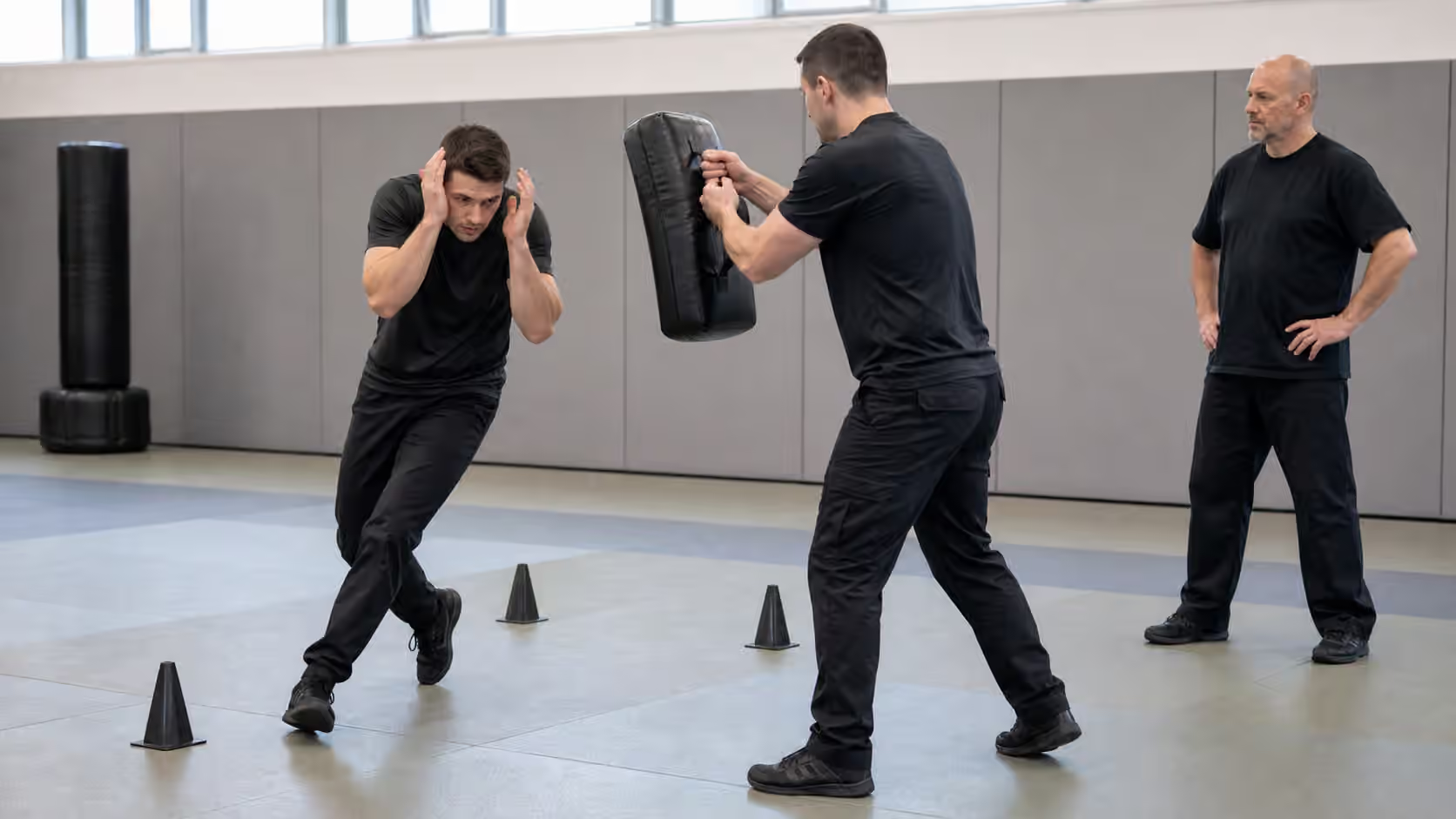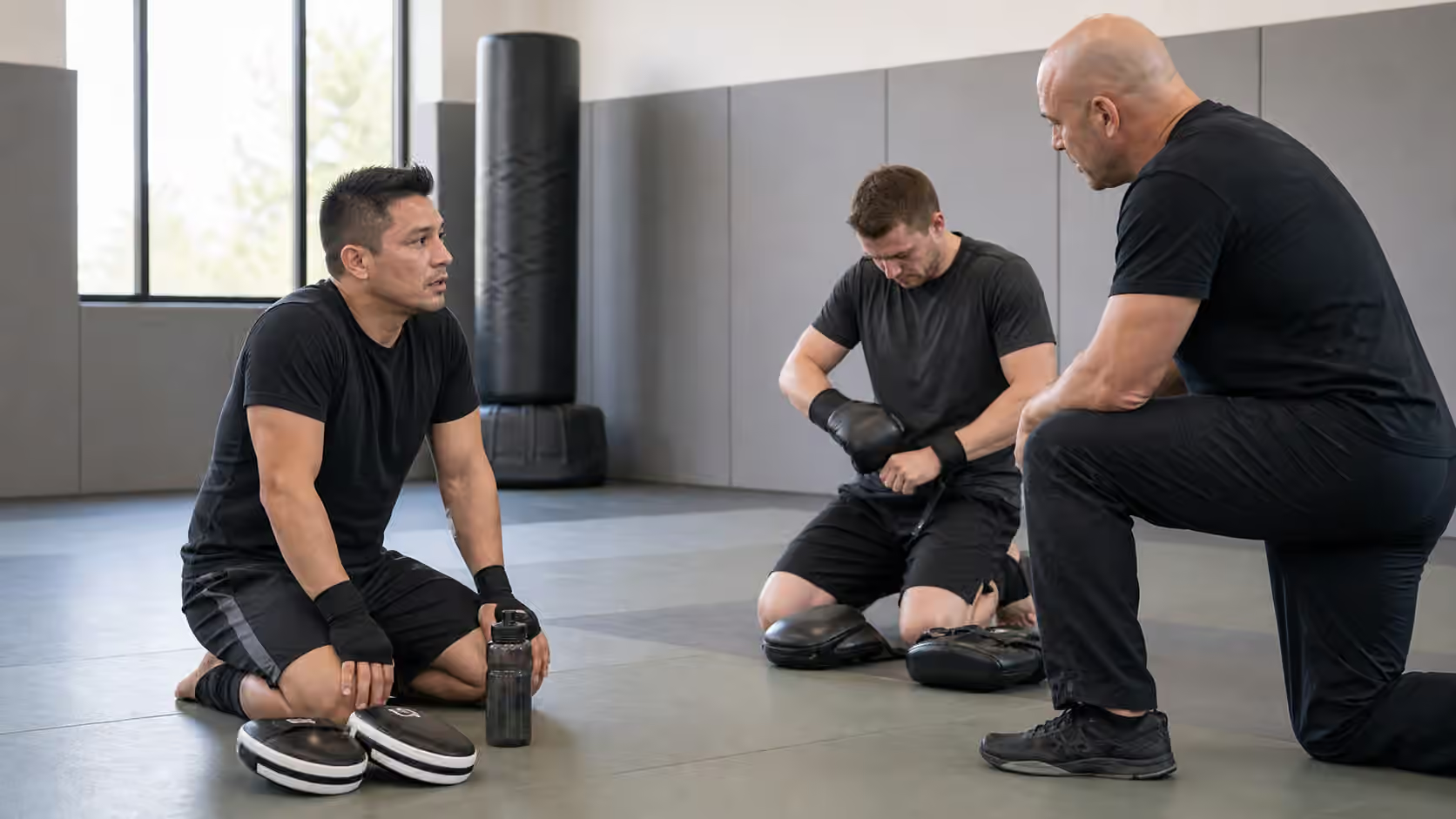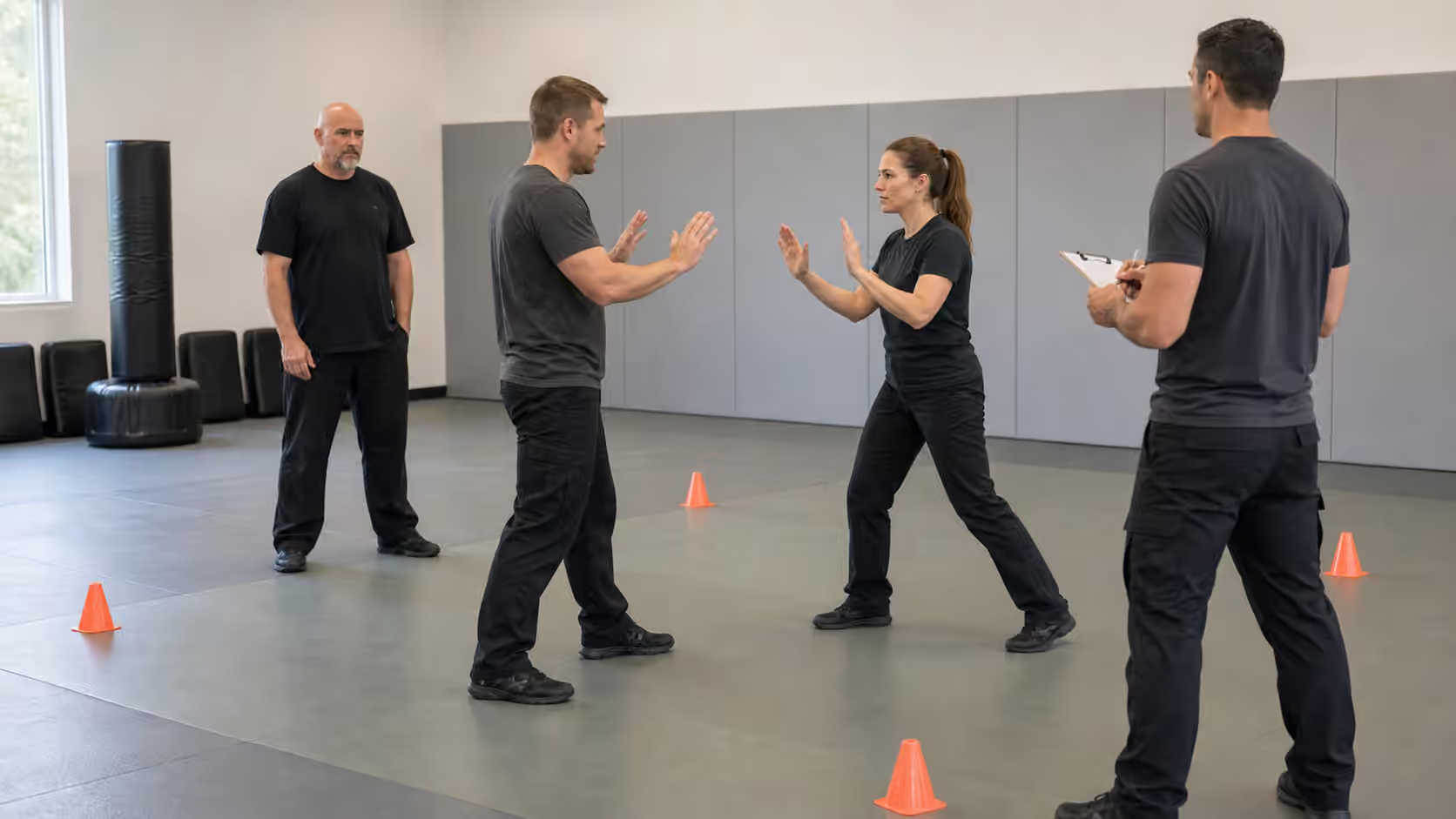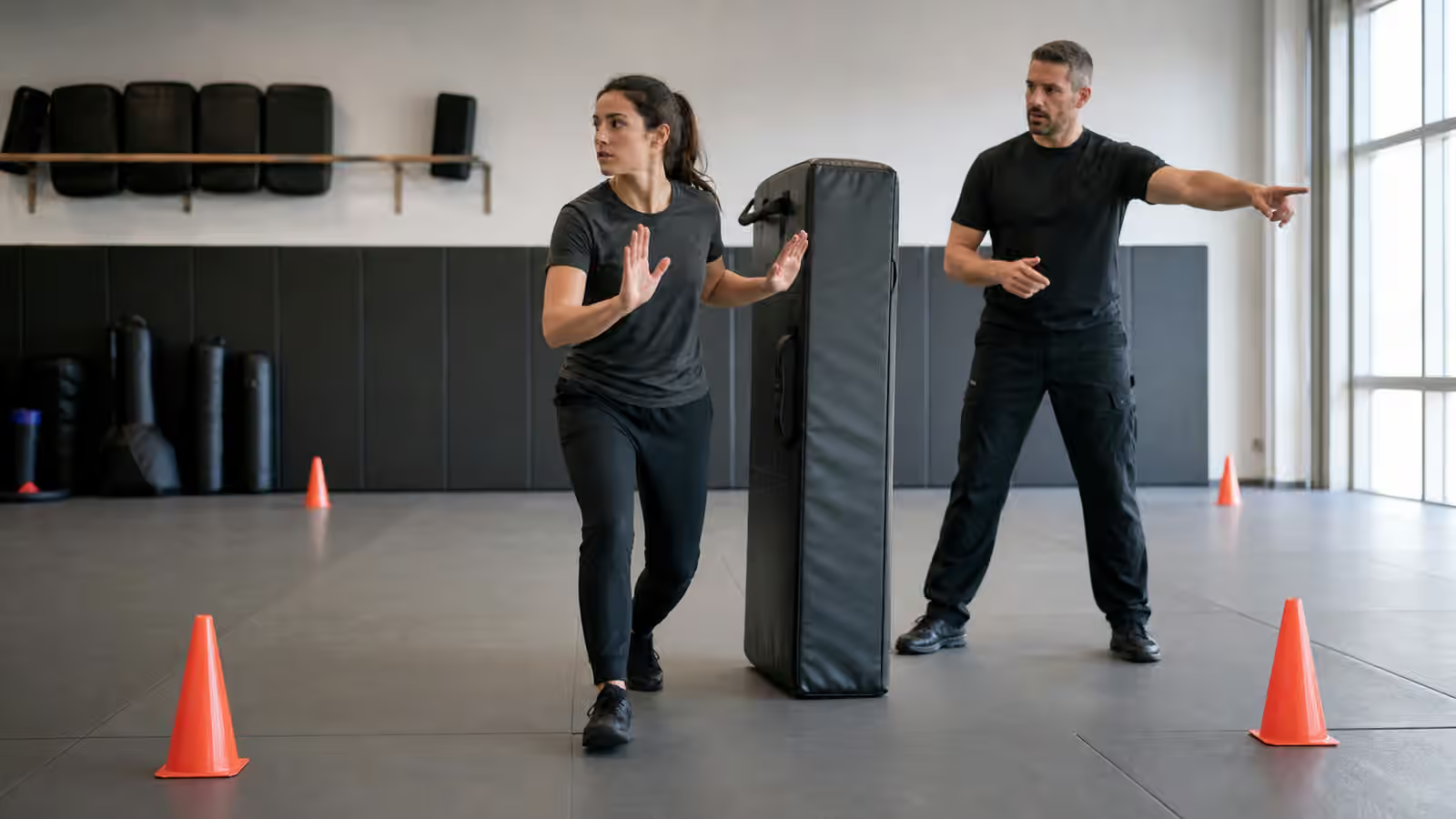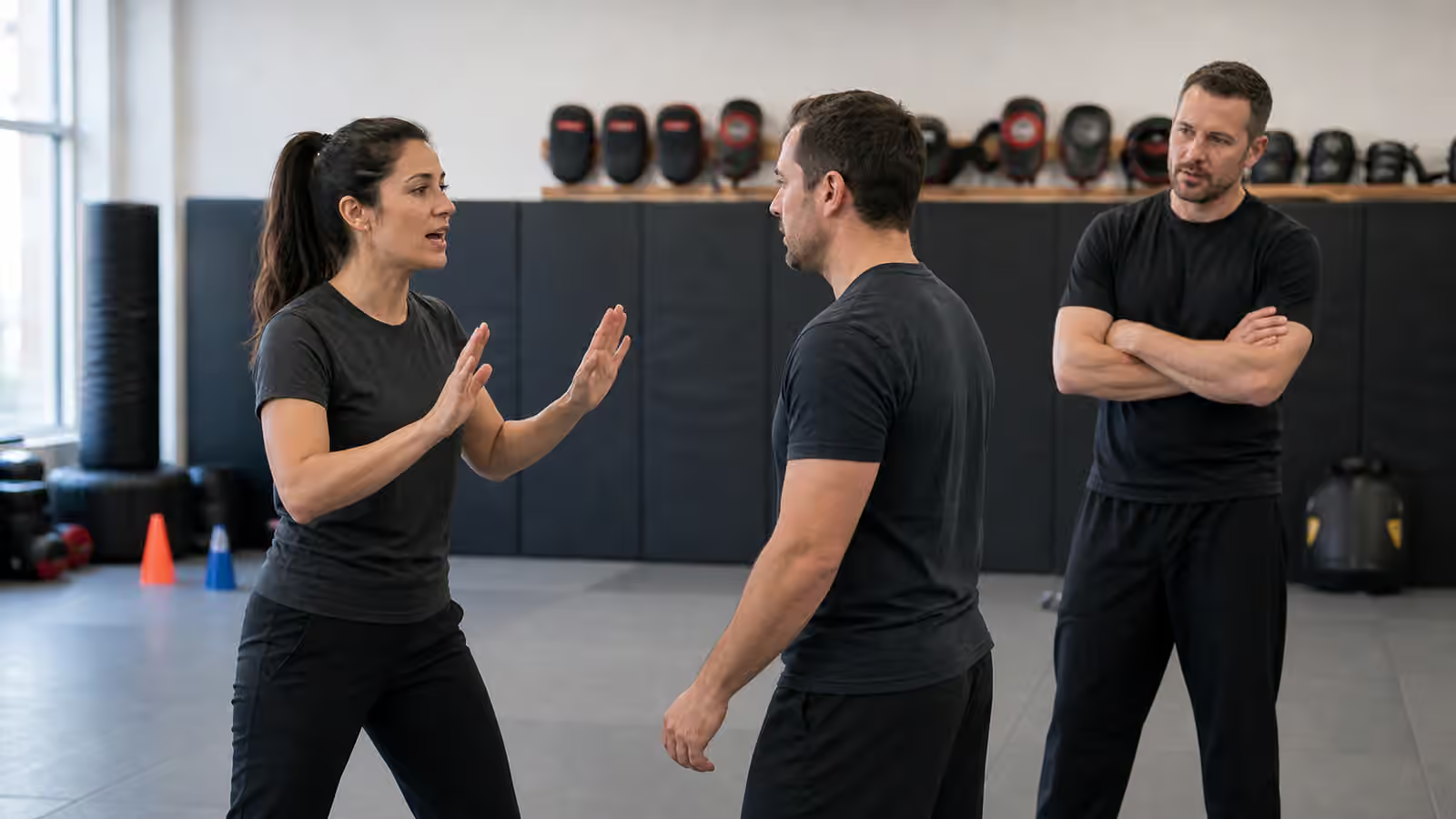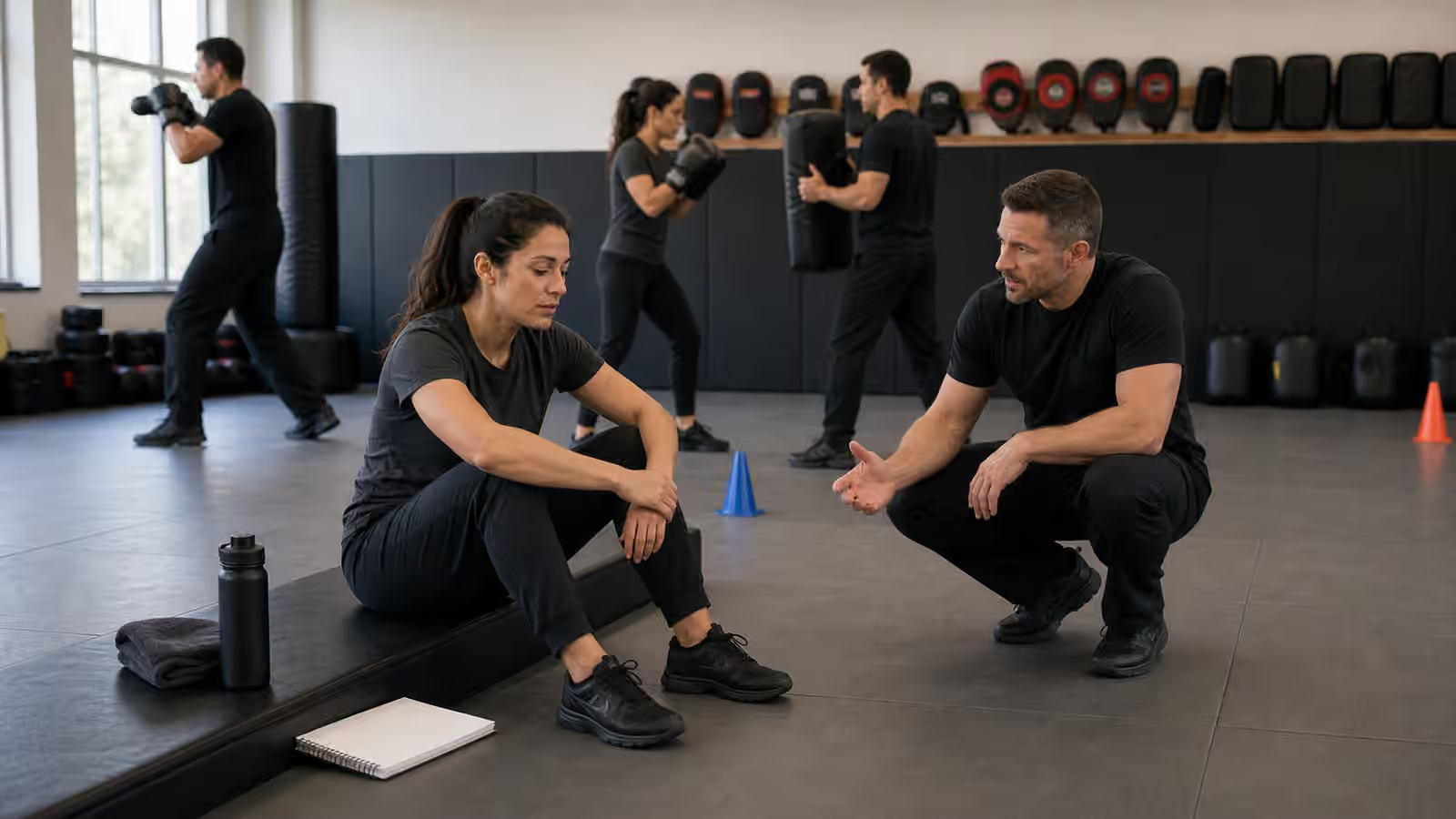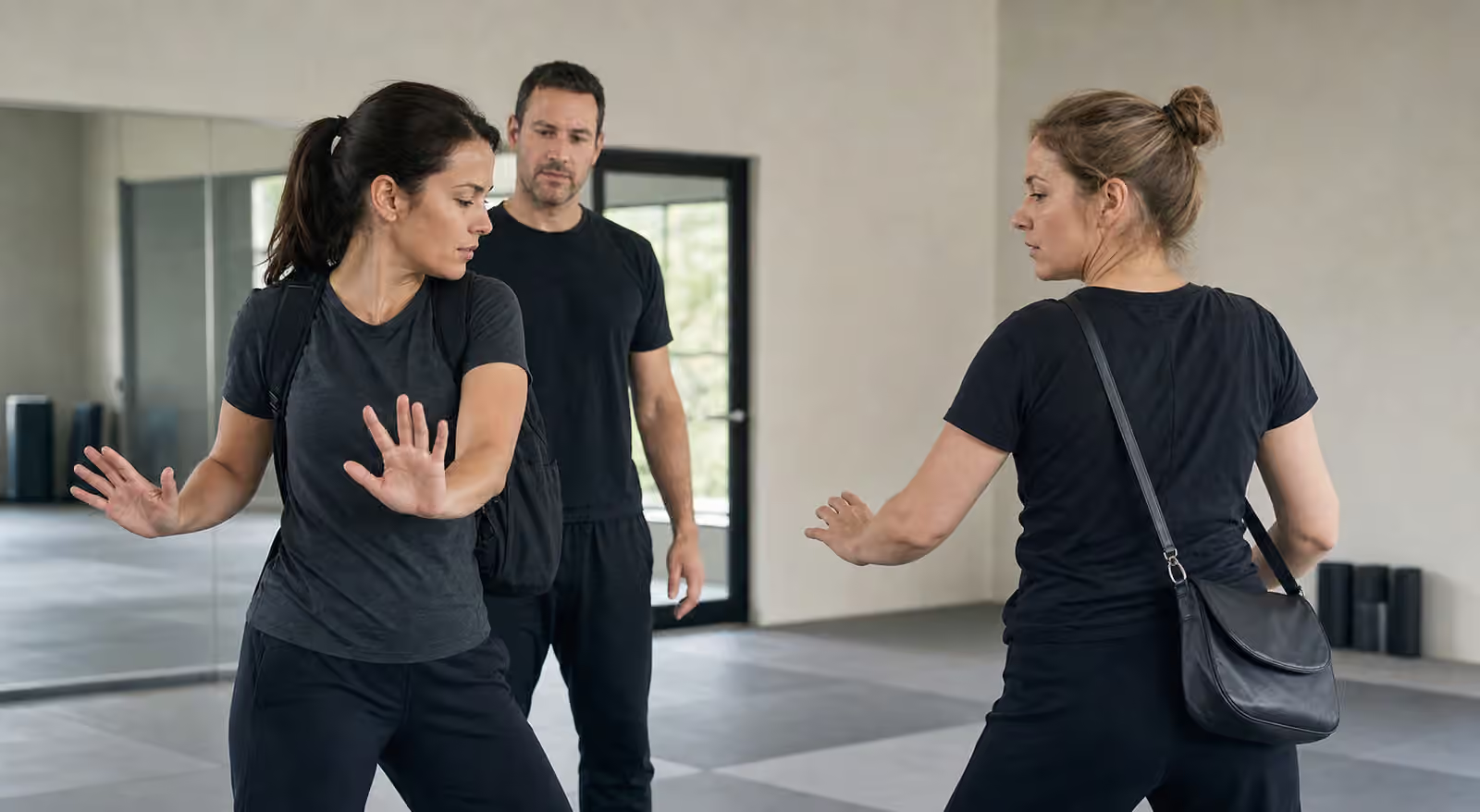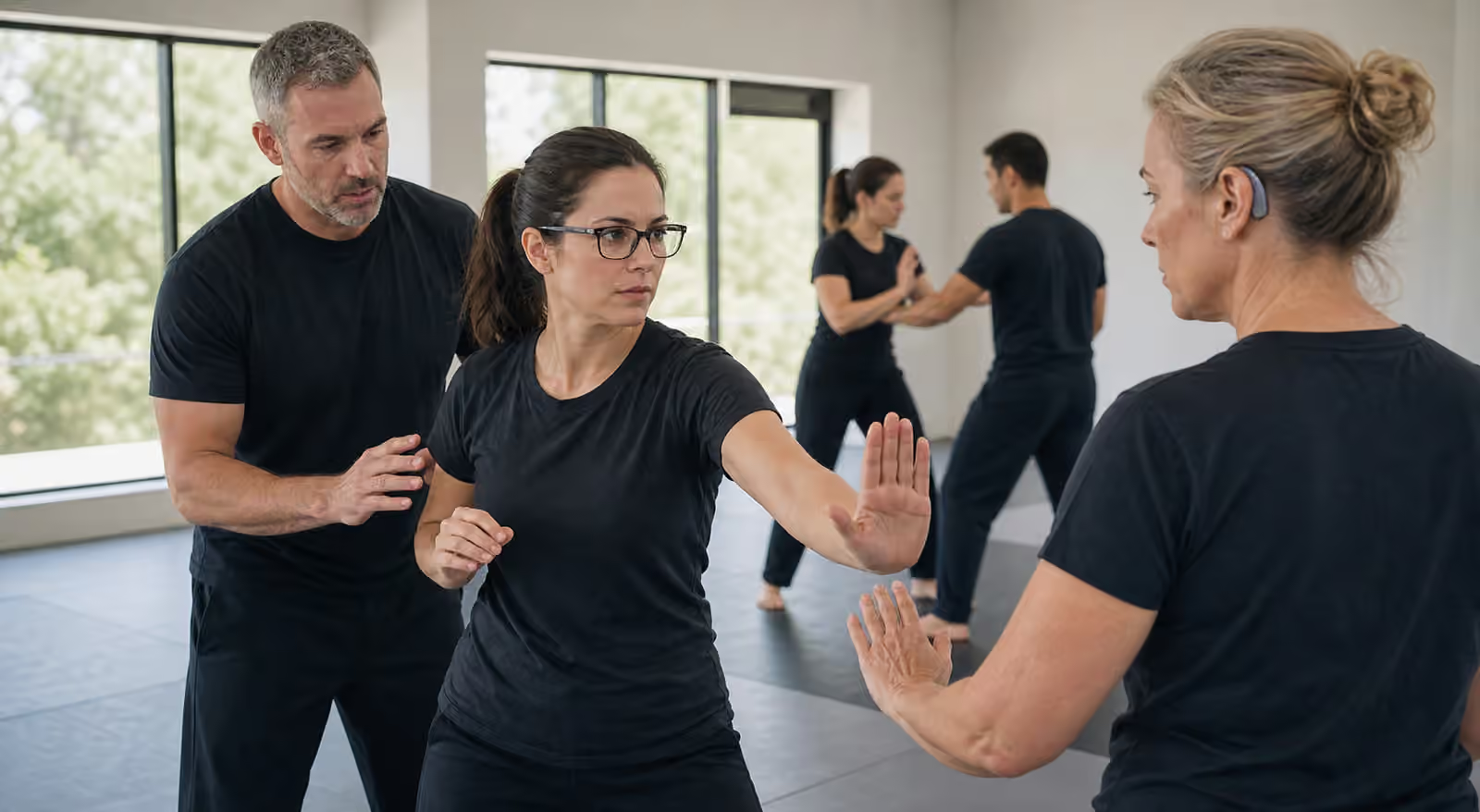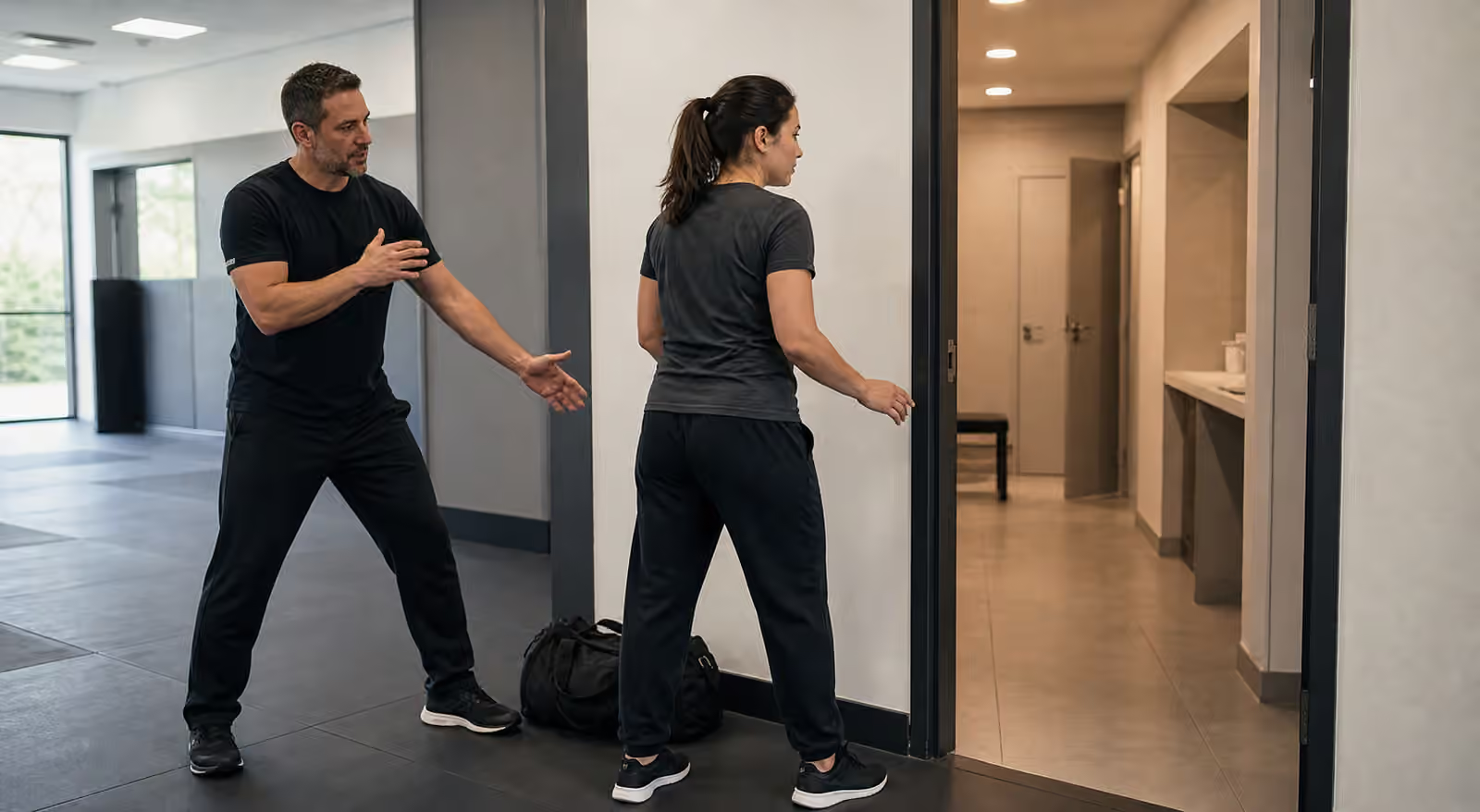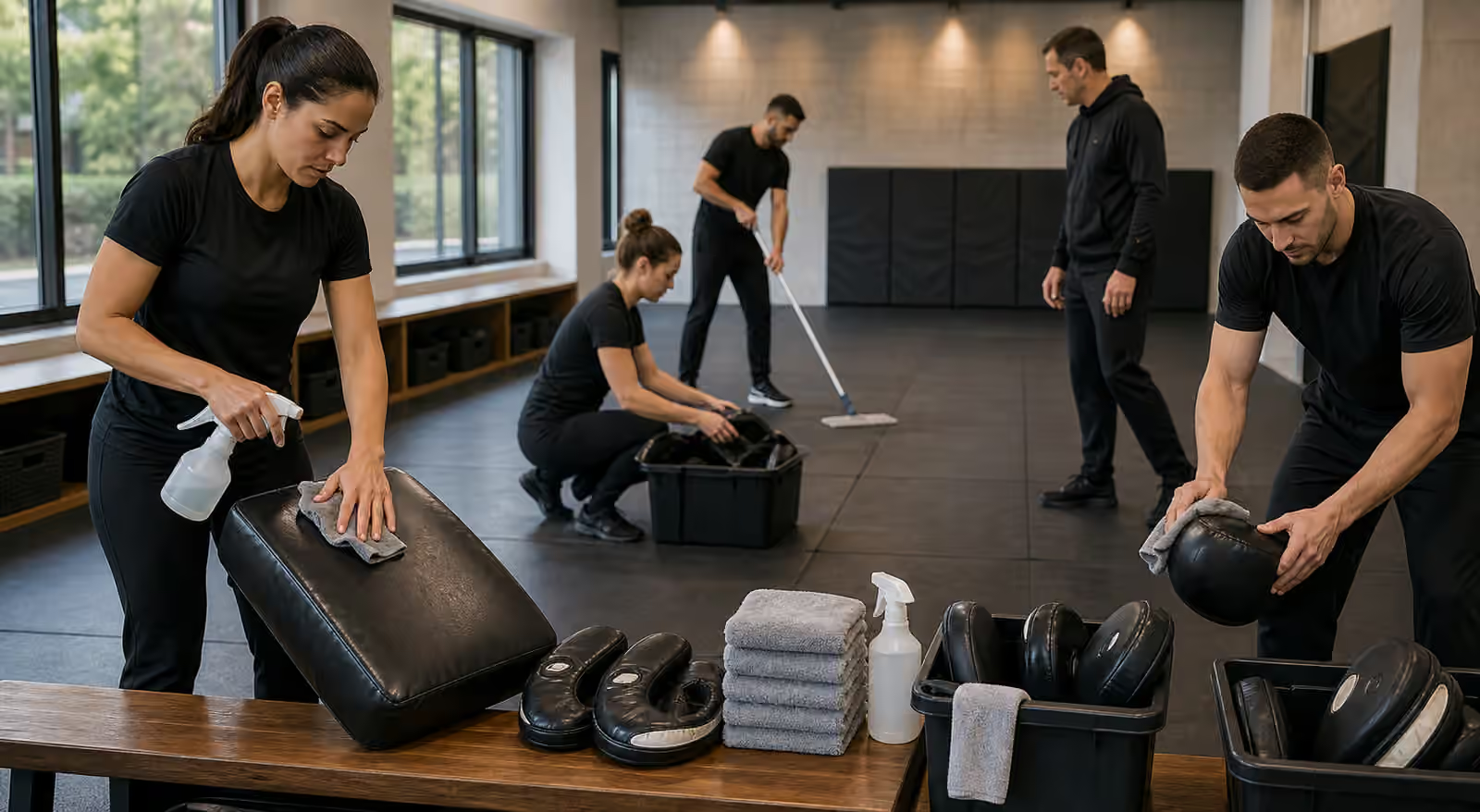
Krav Maga is easiest to misunderstand from the outside. It can look like a collection of aggressive answers, but good training is quieter than that. It teaches people to notice earlier, move sooner, make space, protect the body, use voice, strike pads with structure, recover under stress, and leave when leaving is available.
These guidebooks are intentionally written as long narratives. You will not find tidy move catalogs here. A list can make a messy situation look clean, and that is not how training feels. The pages below follow the experience of learning: entering the room, building a stance, discovering how distance changes everything, feeling pressure without panic, and understanding why ethics are part of the practice.
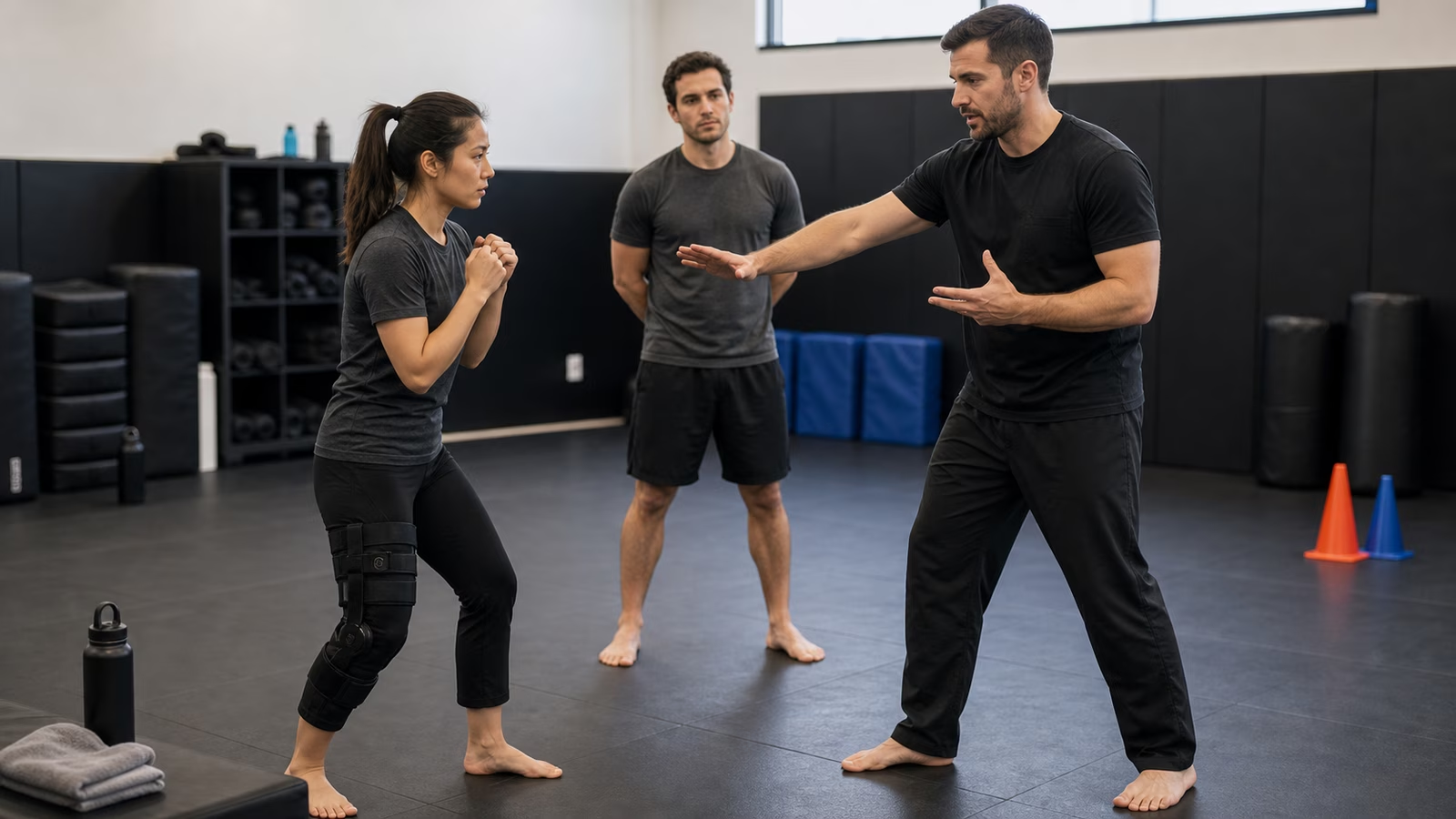
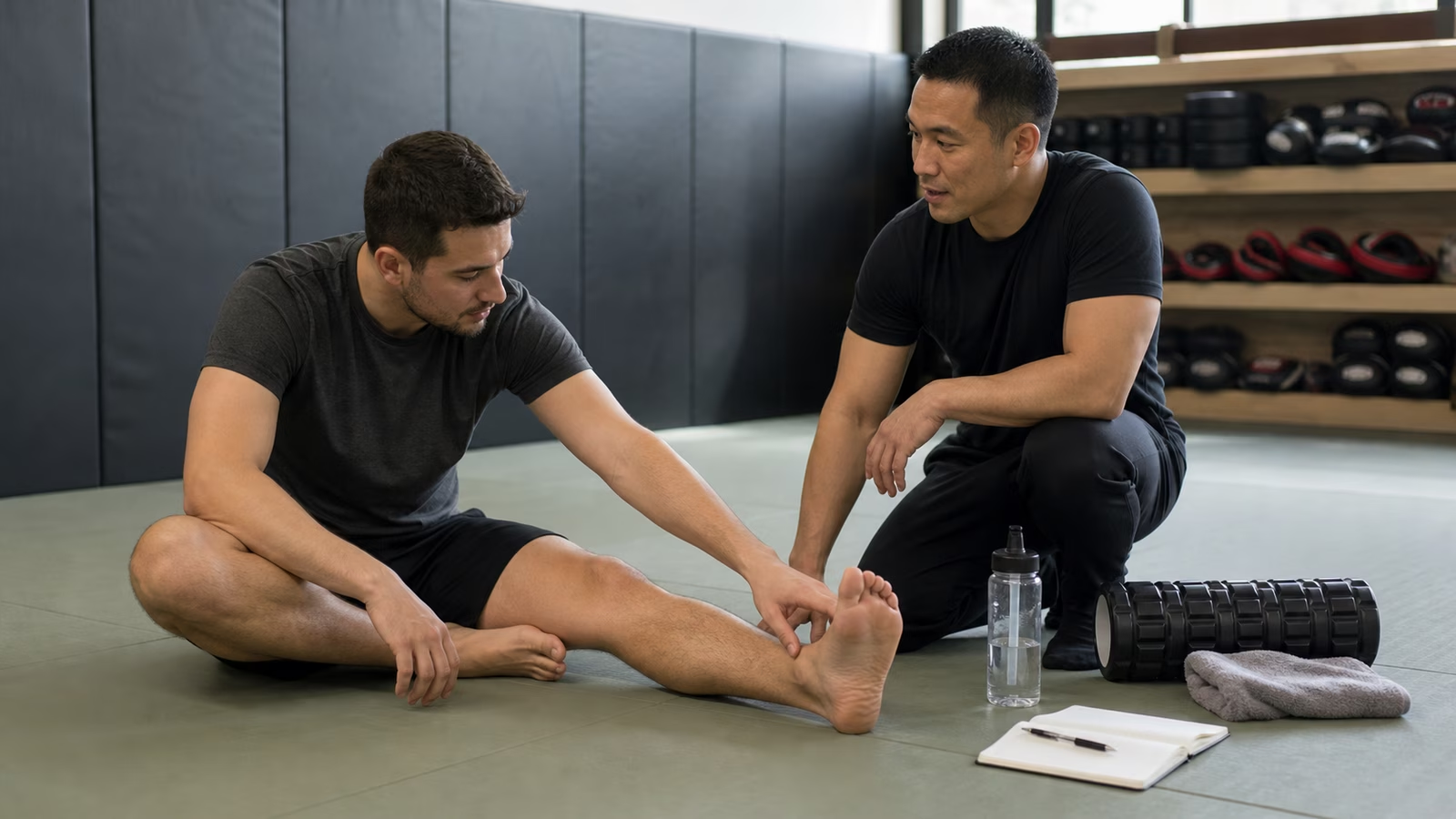
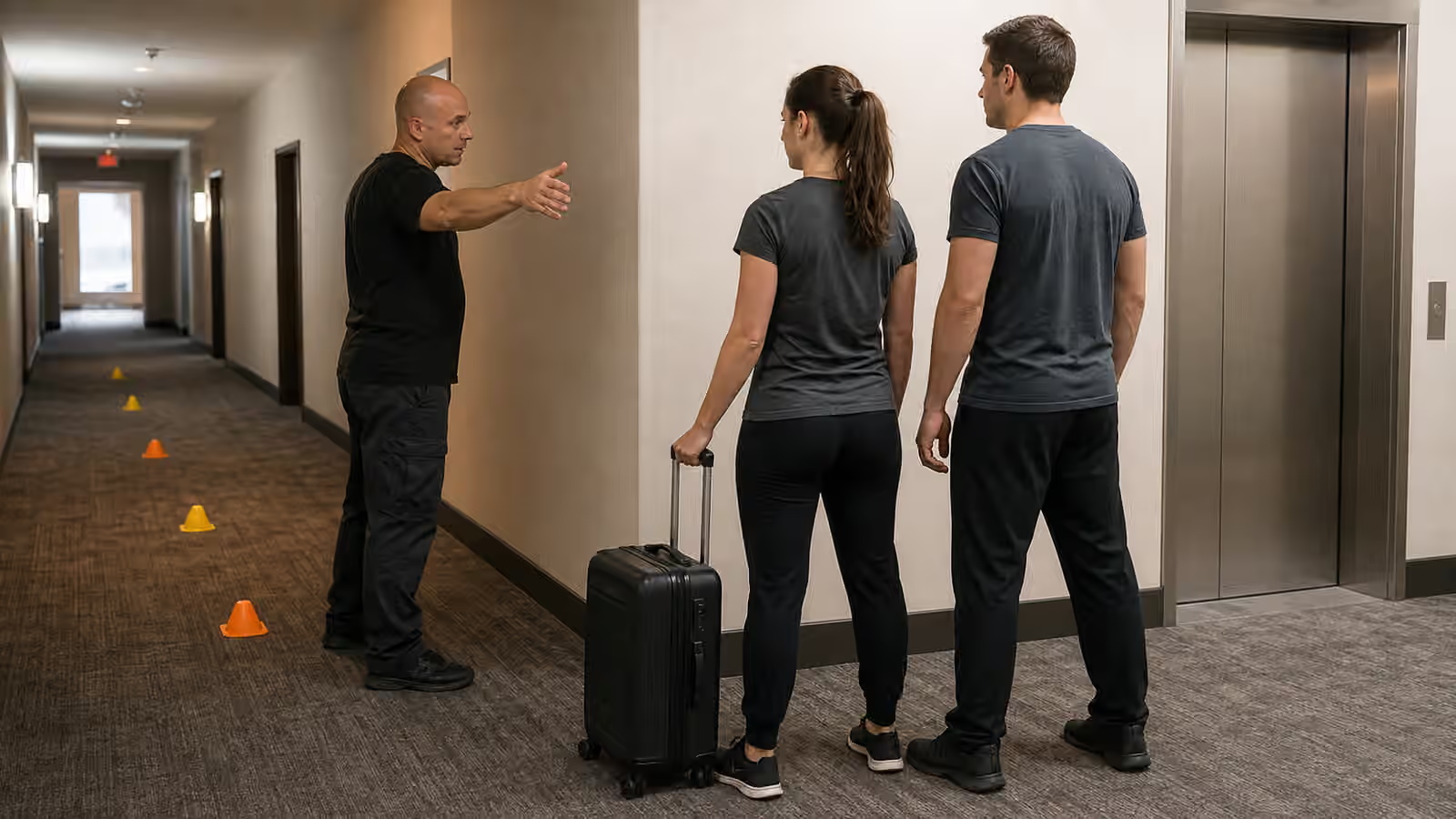
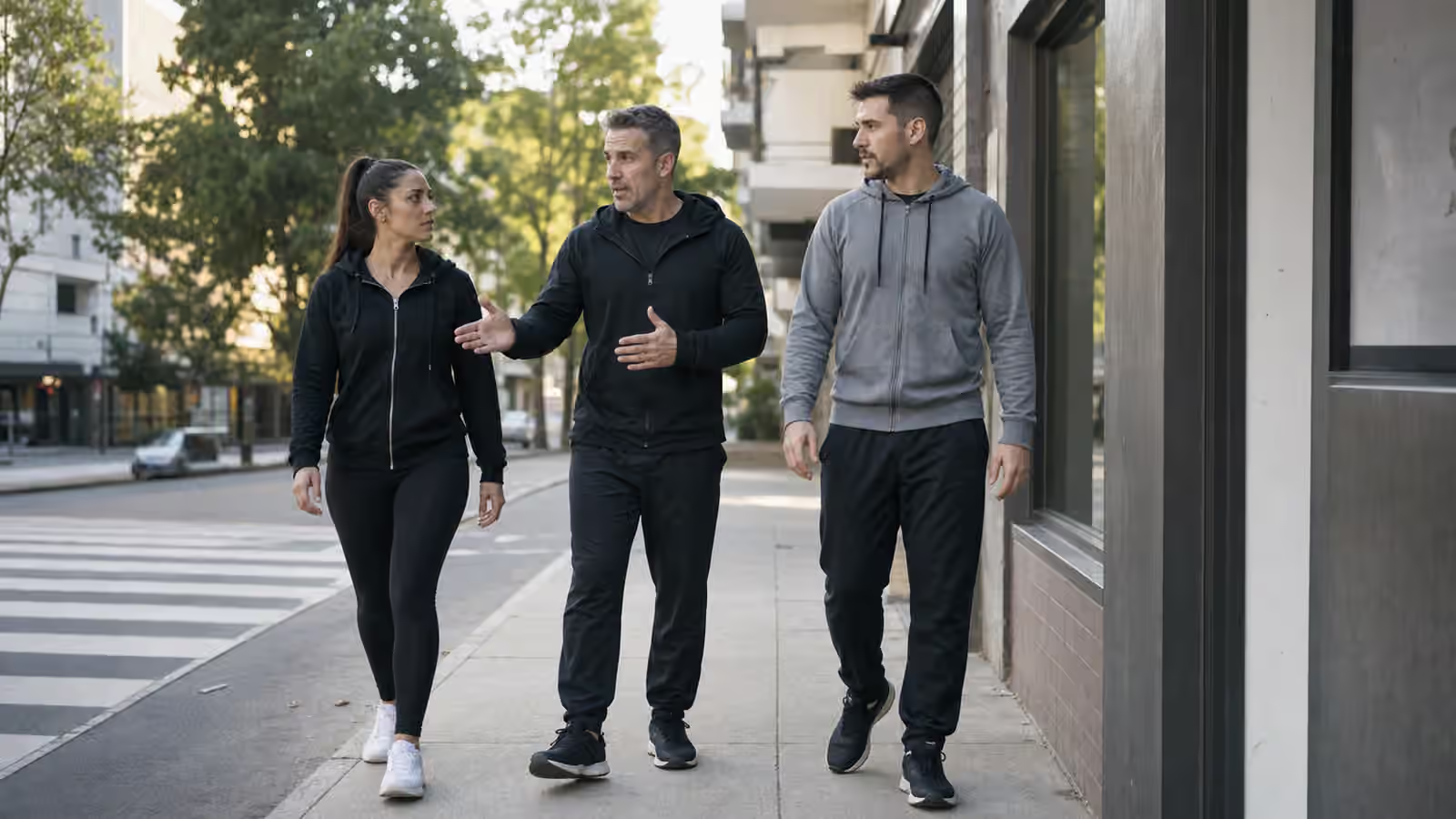
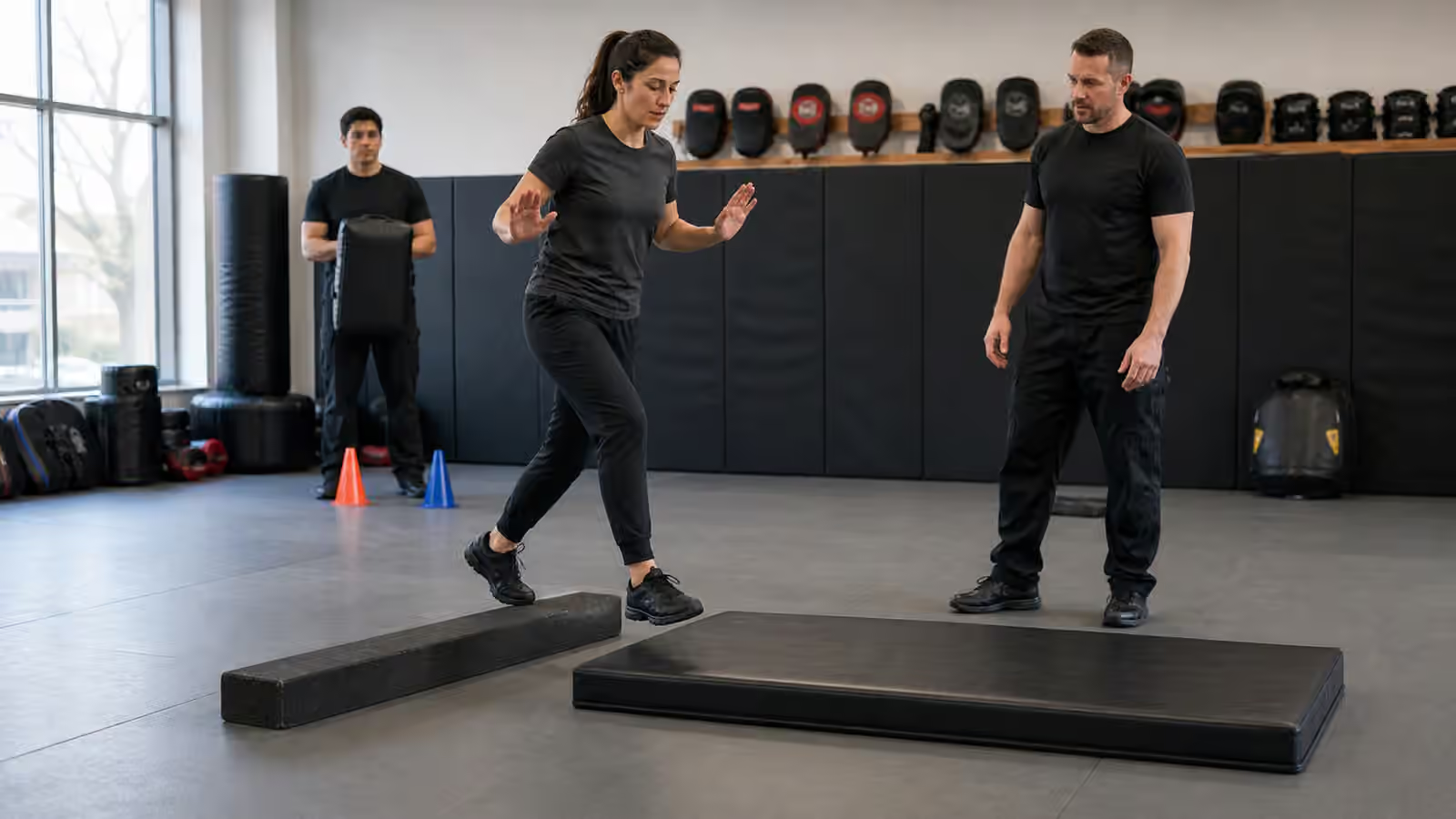
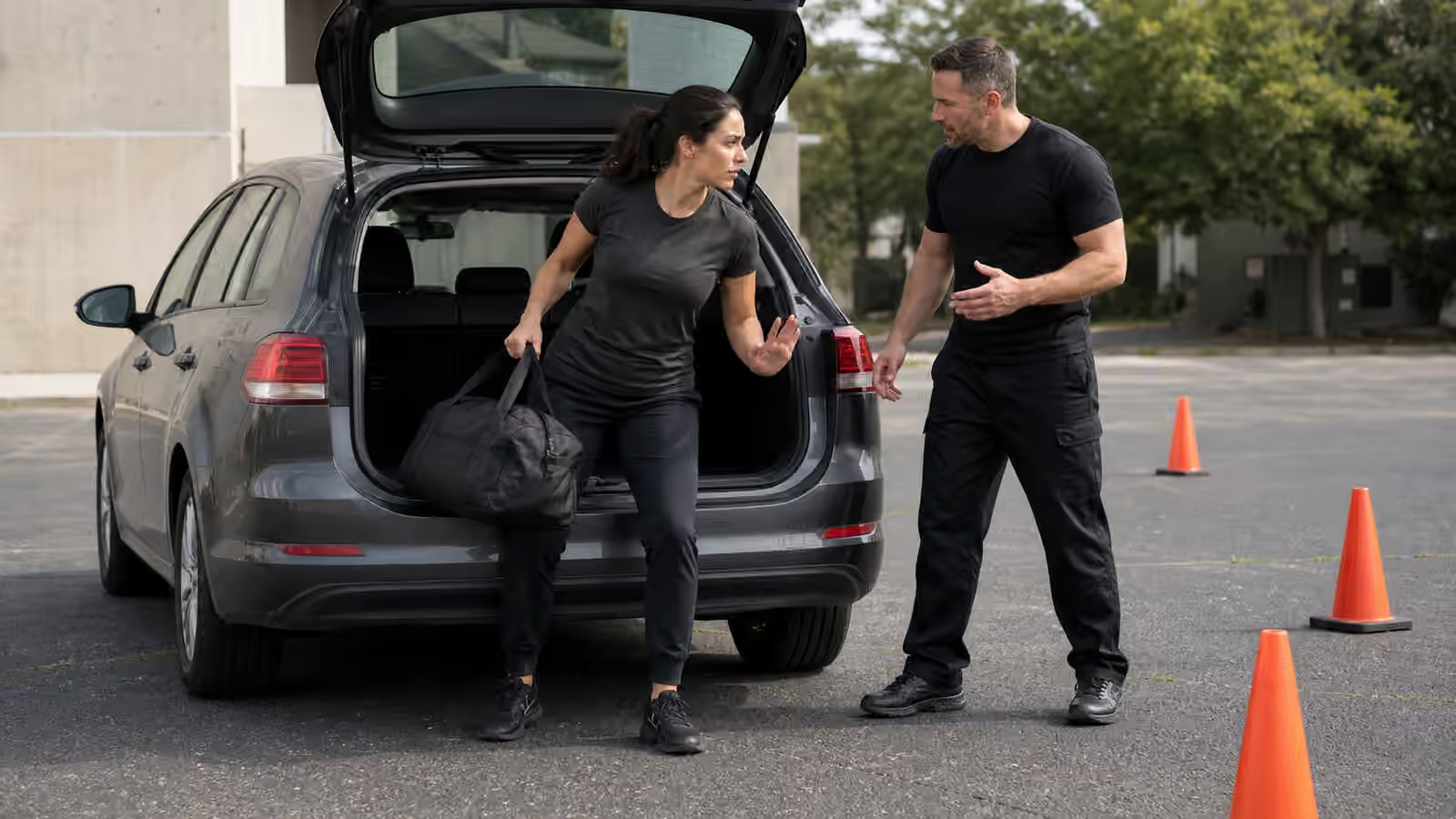
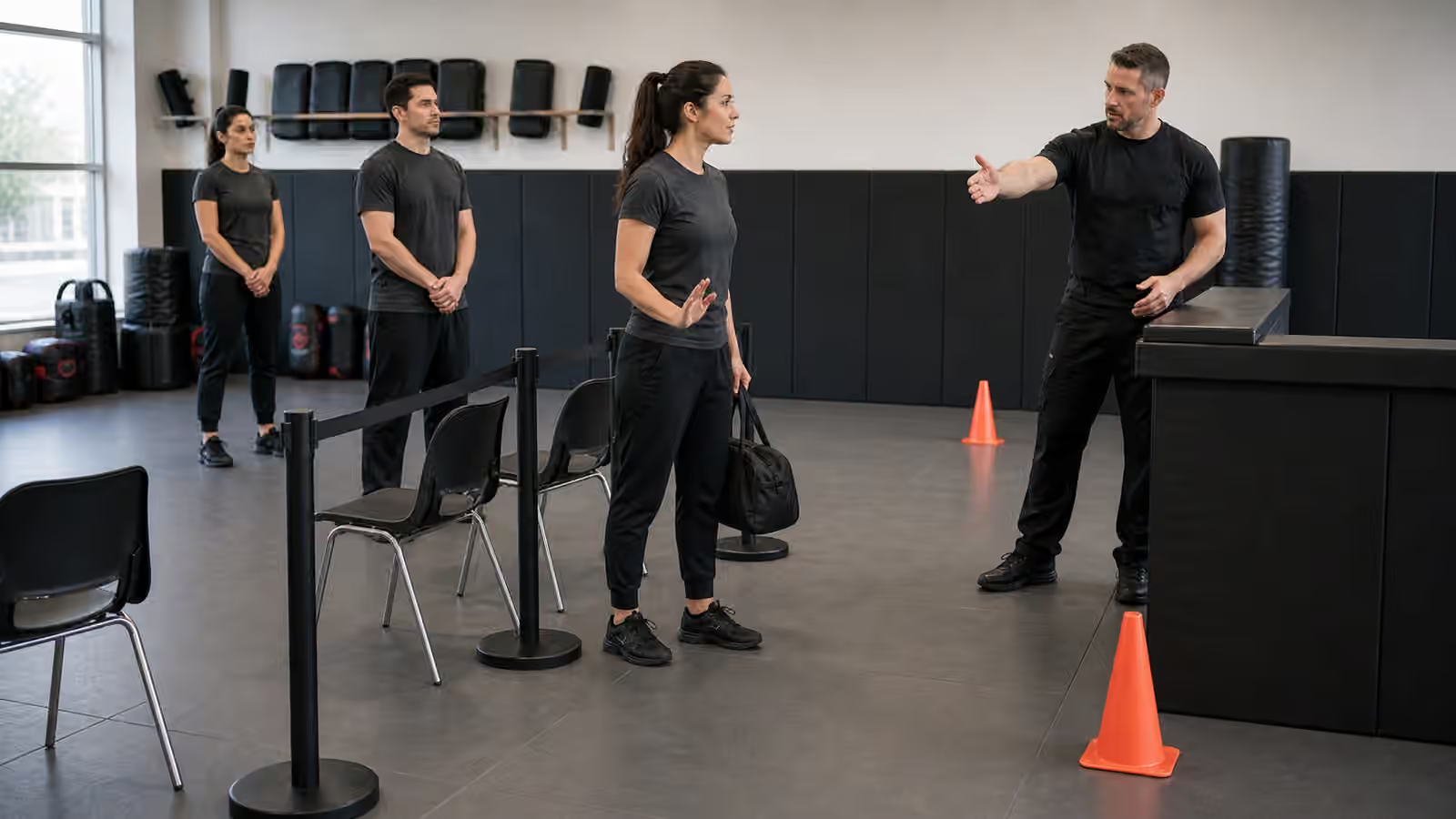
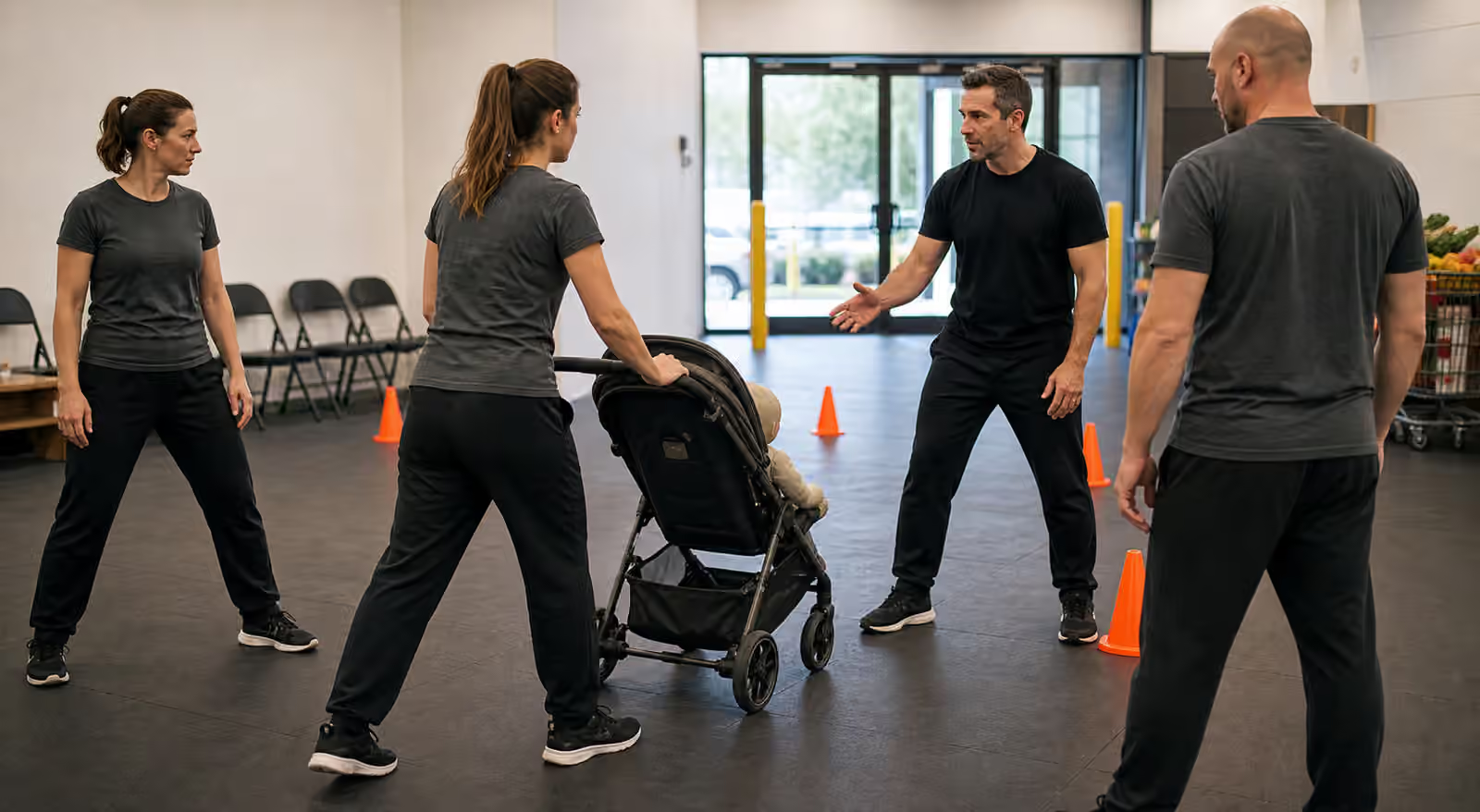
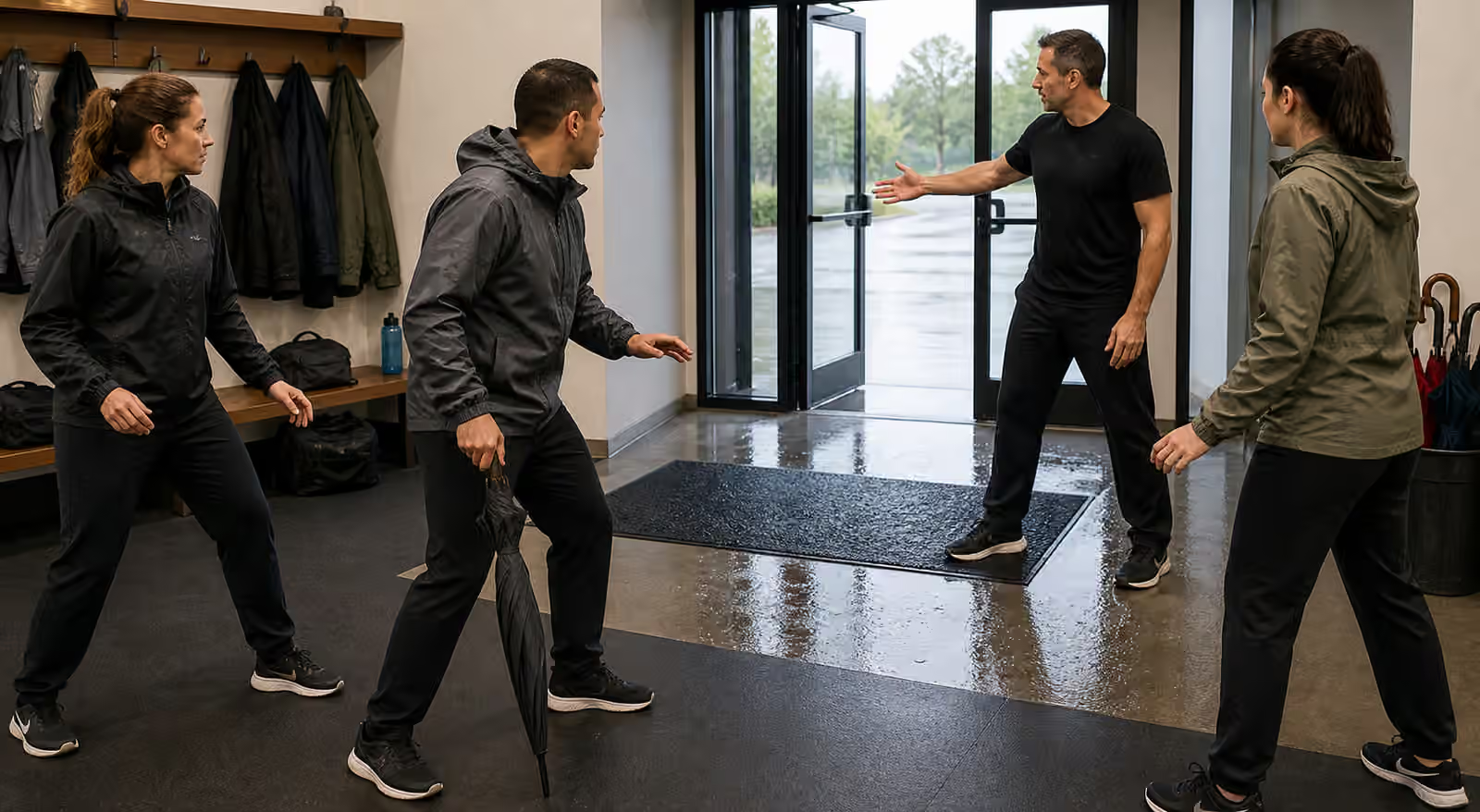
Begin with Krav Maga Quickstart for the whole map. If you are nervous about showing up, read Your First Krav Maga Class next, then Your First Month in Krav Maga for the quieter habits that make early training sustainable: pace, partner trust, useful questions, recovery, and safe repetition. Training Around Injuries and Limits belongs early in the same path because beginners need language for modifications, fatigue, recovery, and when to step back. Recovery, Soreness, and Training Frequency continues that conversation by treating rest, soreness, weekly cadence, and sustainable training as part of skill rather than a break from skill. If you want the most practical idea in the whole site, read Distance, Awareness, and Exit and De-escalation and Verbal Boundaries together, then read Crowded Space Awareness for the same idea in doorways, lobbies, platforms, parking areas, and other places where the best answer is often moving earlier without making a scene. For the physical side of practice, move to Footwork and Balance before Padwork and Pressure , because stable movement sits under every louder skill. Safety Signals and Stopping Early belongs in the same practice arc because the room only stays useful when students can pause, reset, and trust the brakes. Progress Without Chasing Intensity gives beginners a better ruler for improvement: cleaner movement, safer partner work, calmer recovery, and more useful questions. Breathing and Stress Recovery belongs beside those guides because pressure is only useful when students can come back, listen, and keep learning. Then finish with Scenario Training and Ethics , because self-defense training without judgment is incomplete.
Read slowly. Then, if you train, train with a qualified instructor who can see your body, correct your mechanics, and keep the room safe.