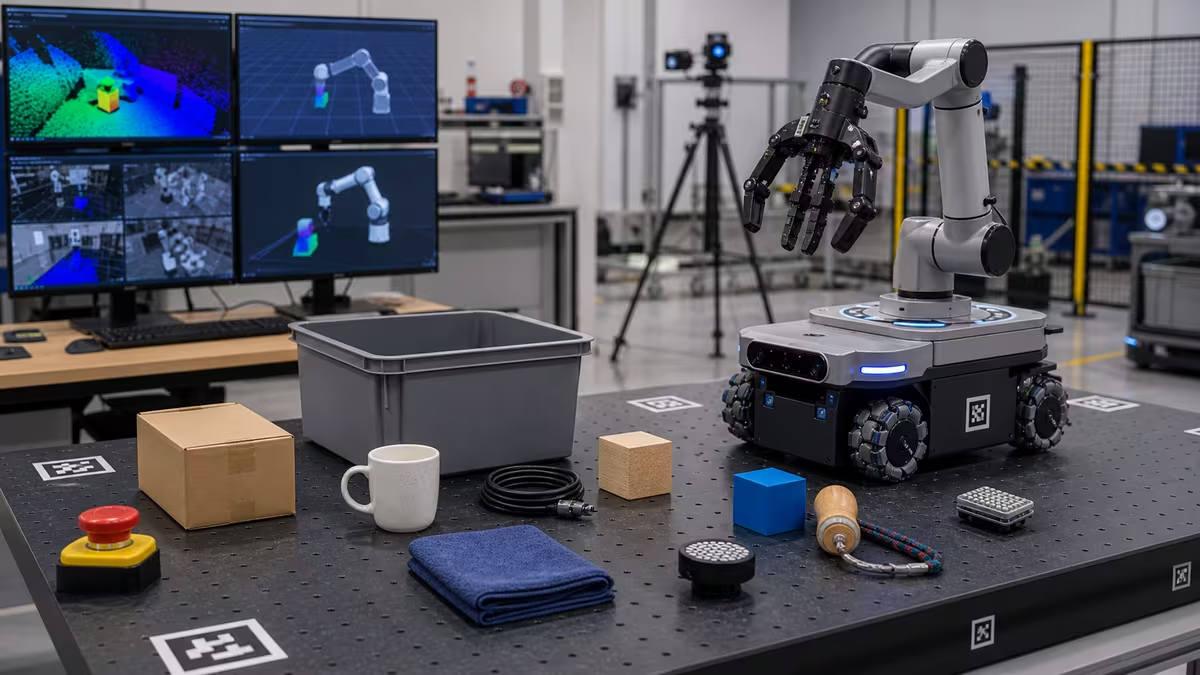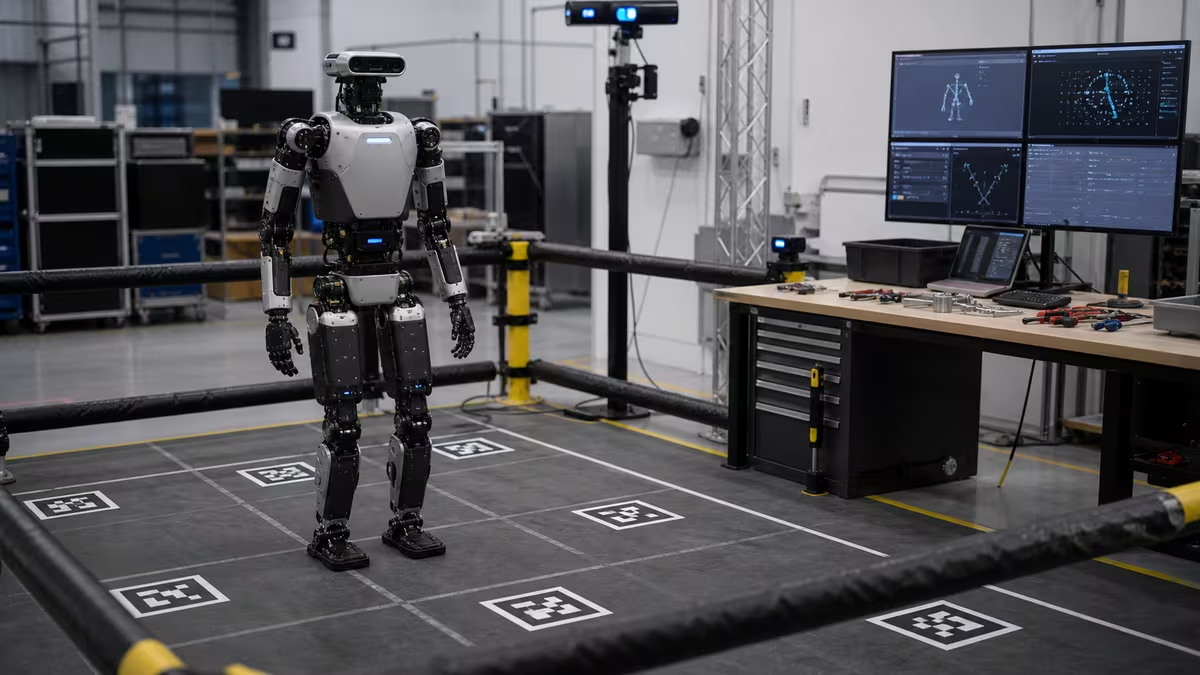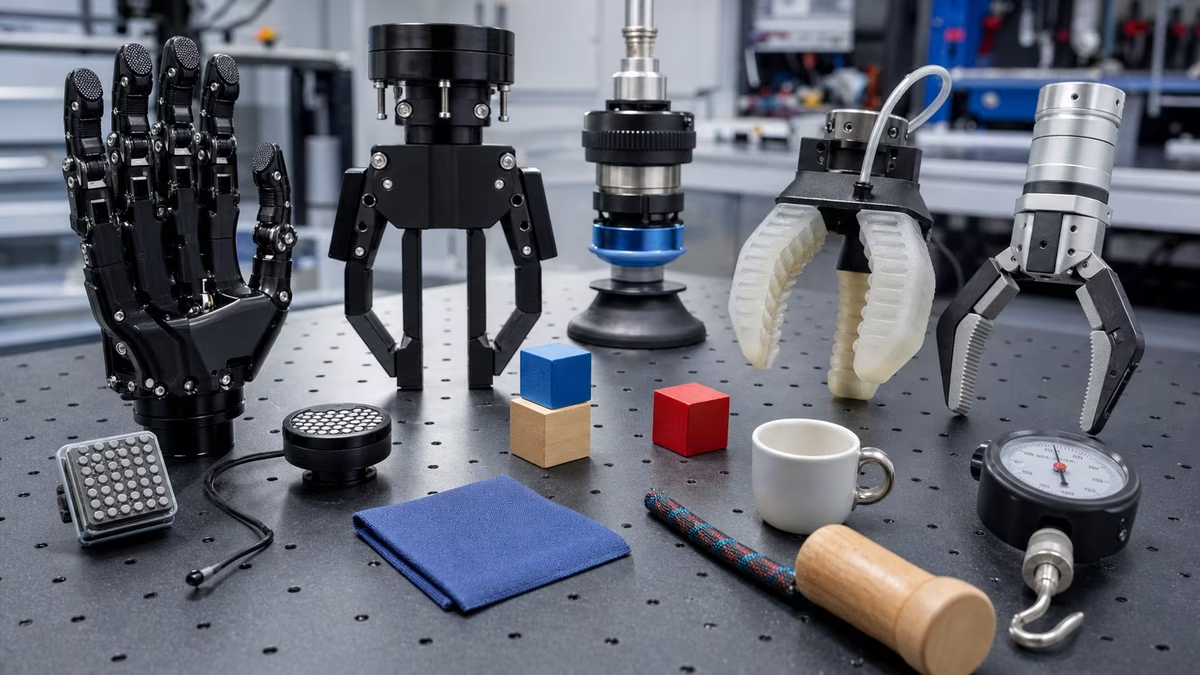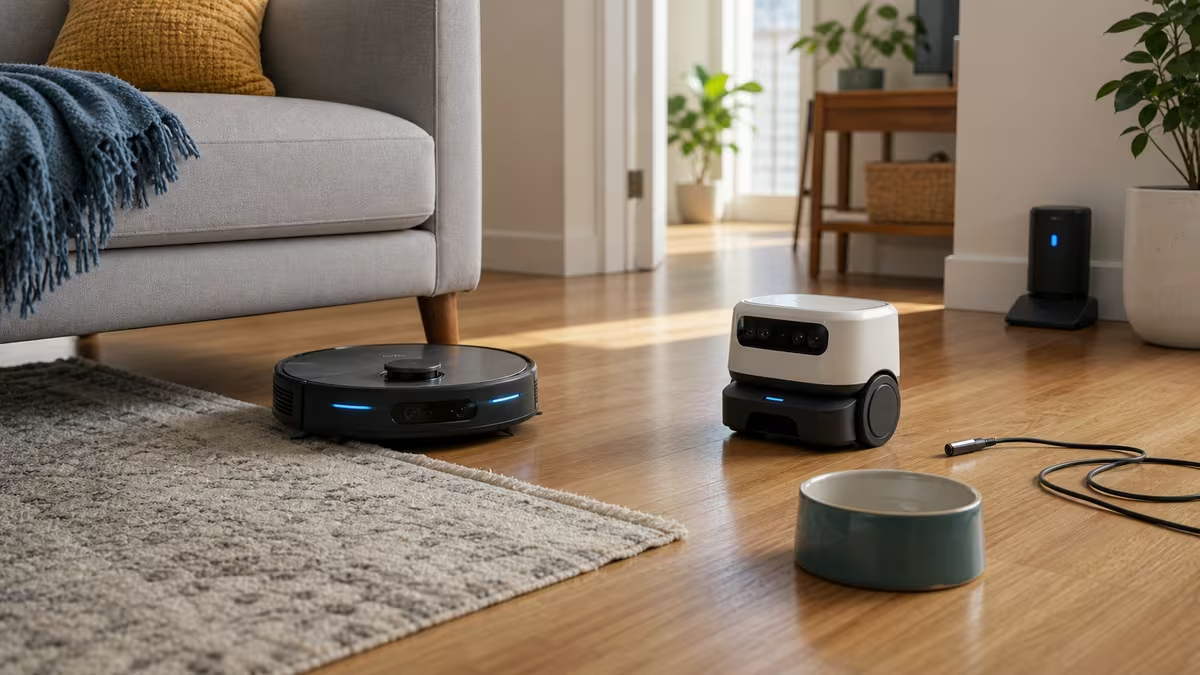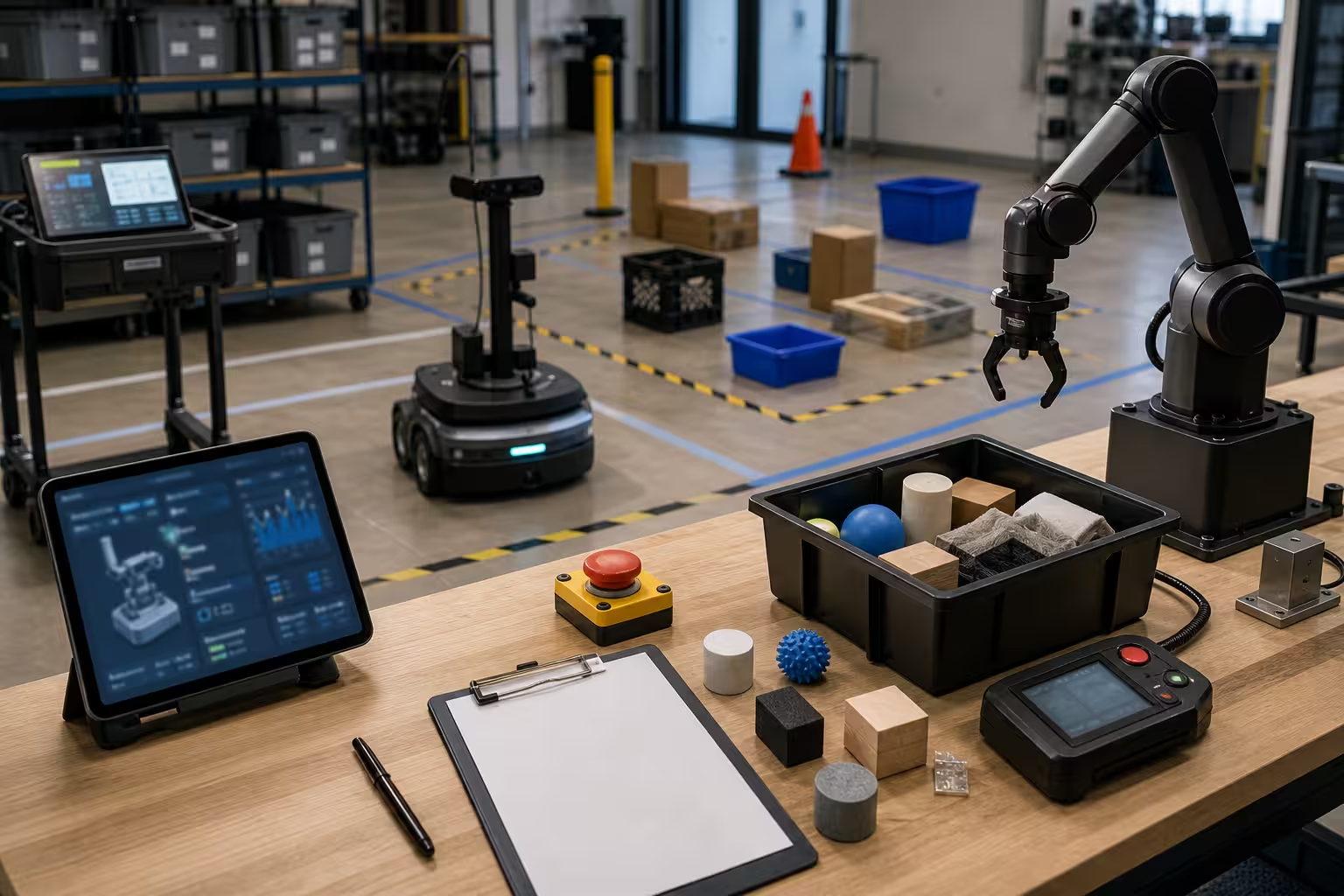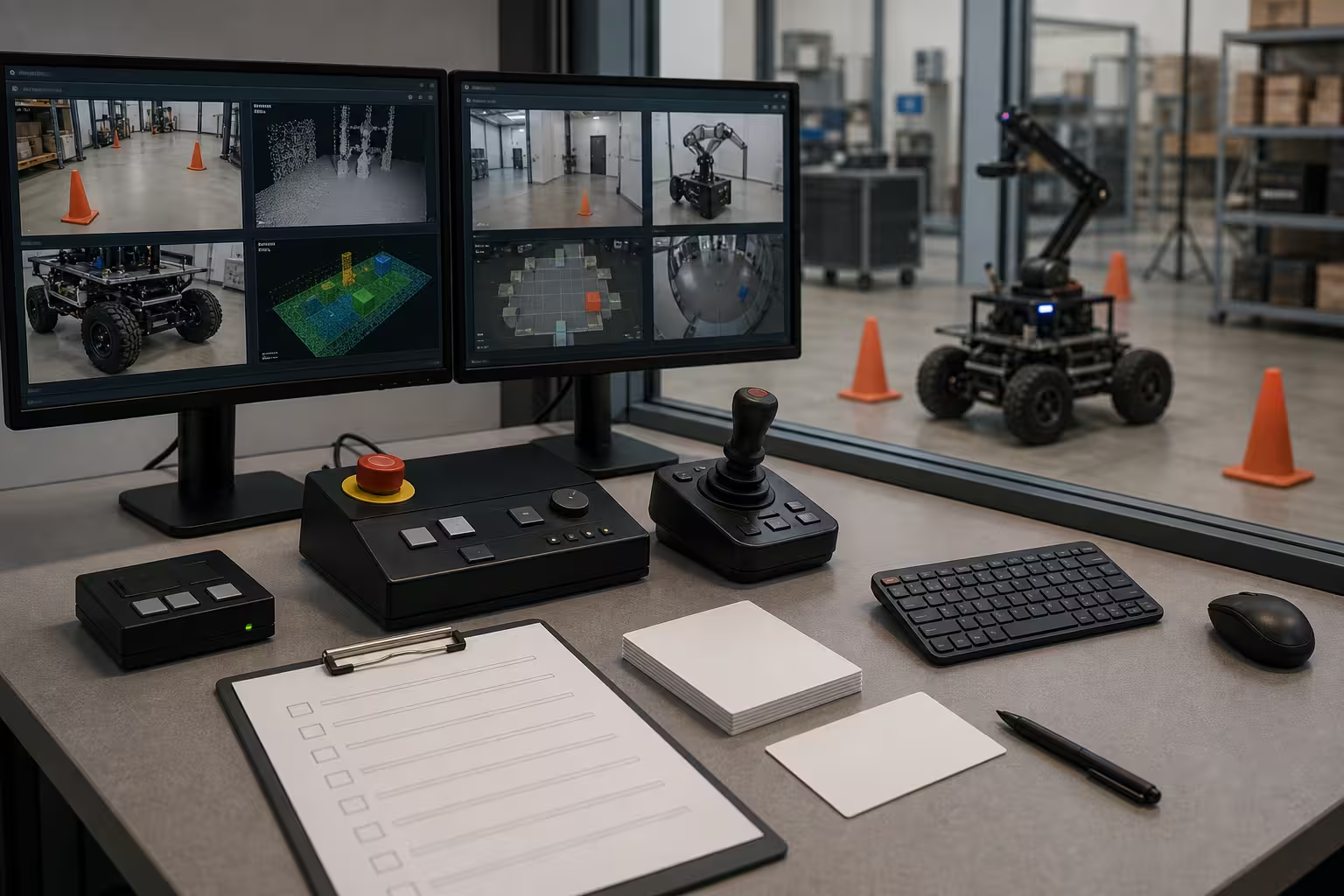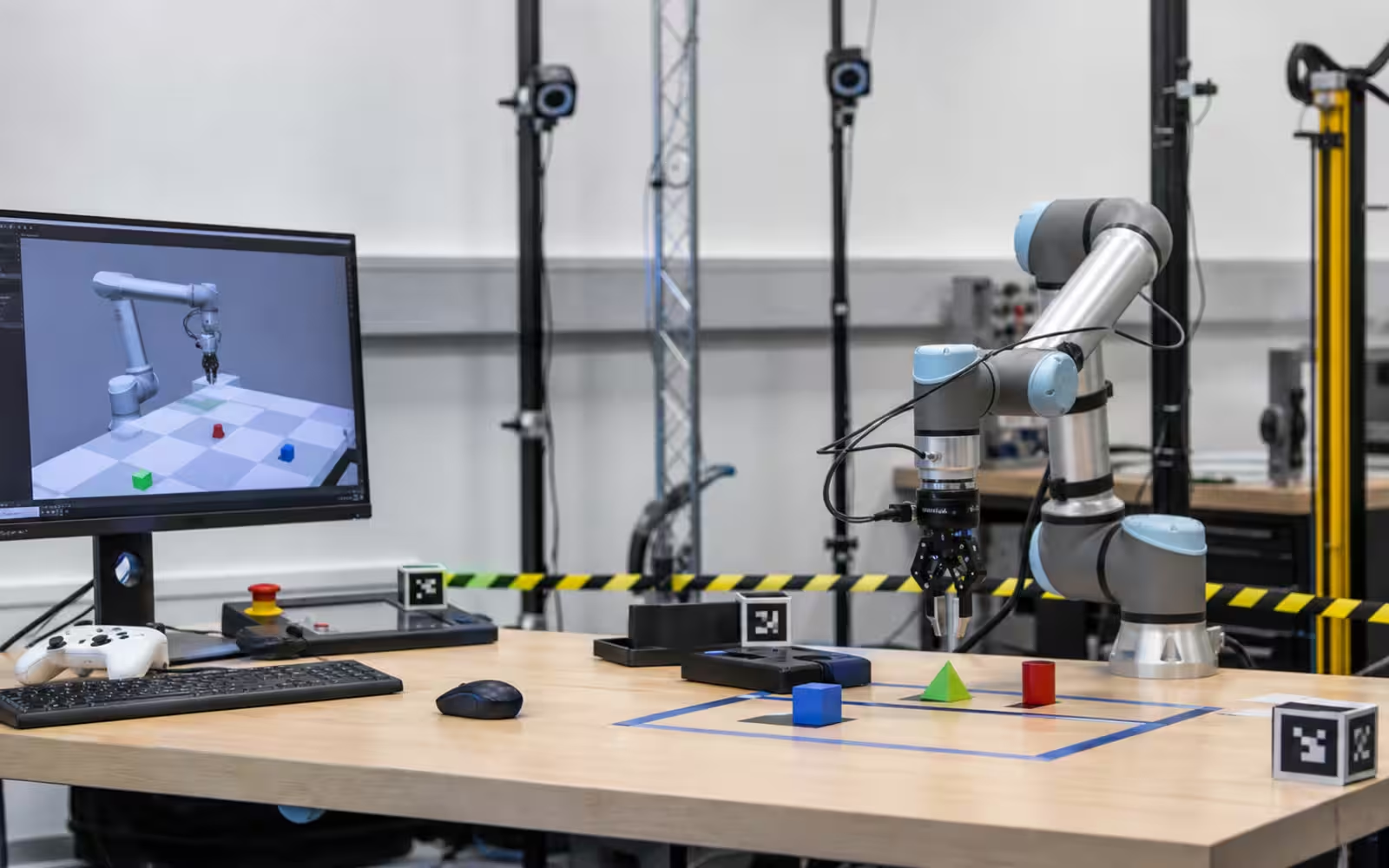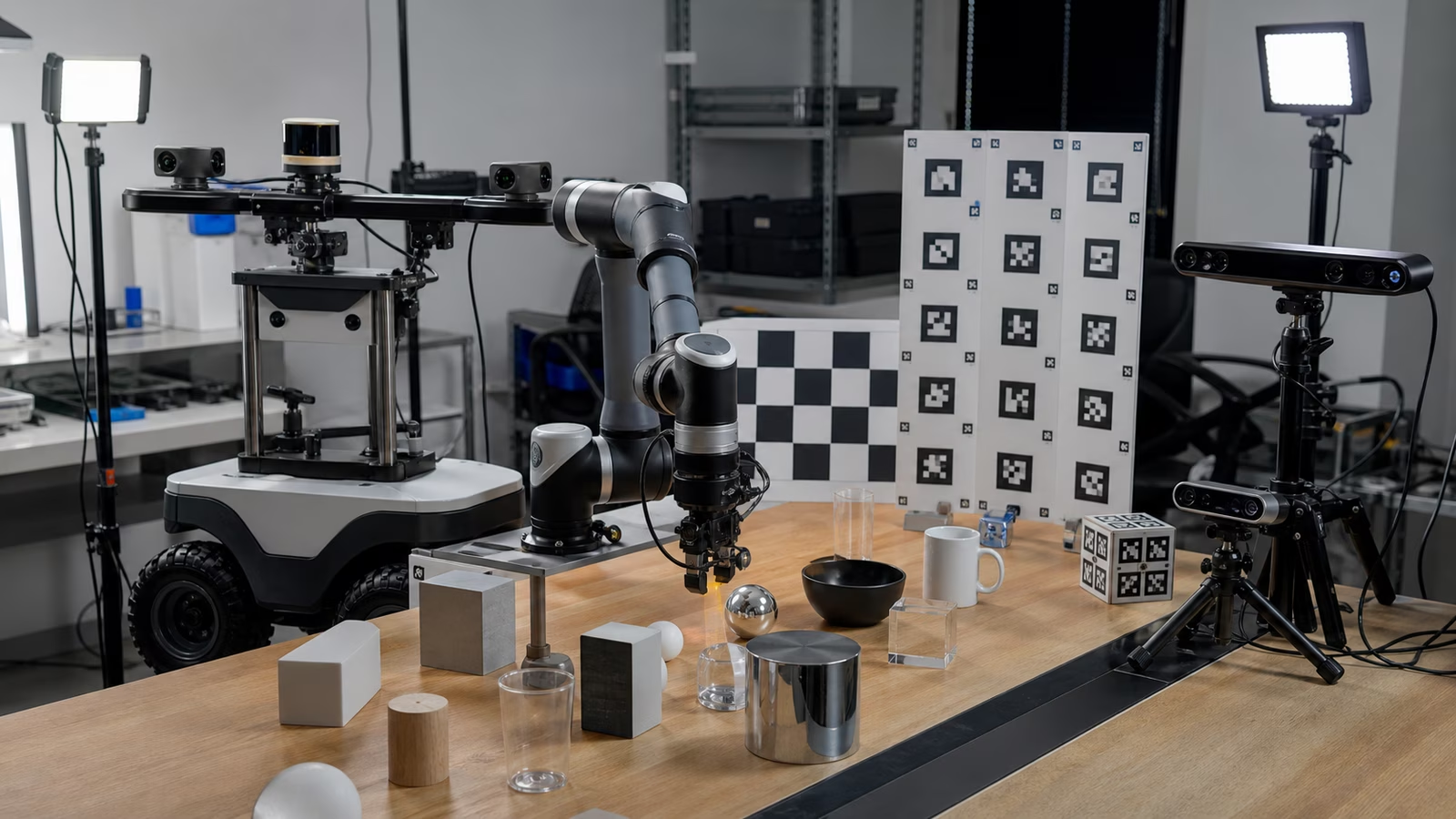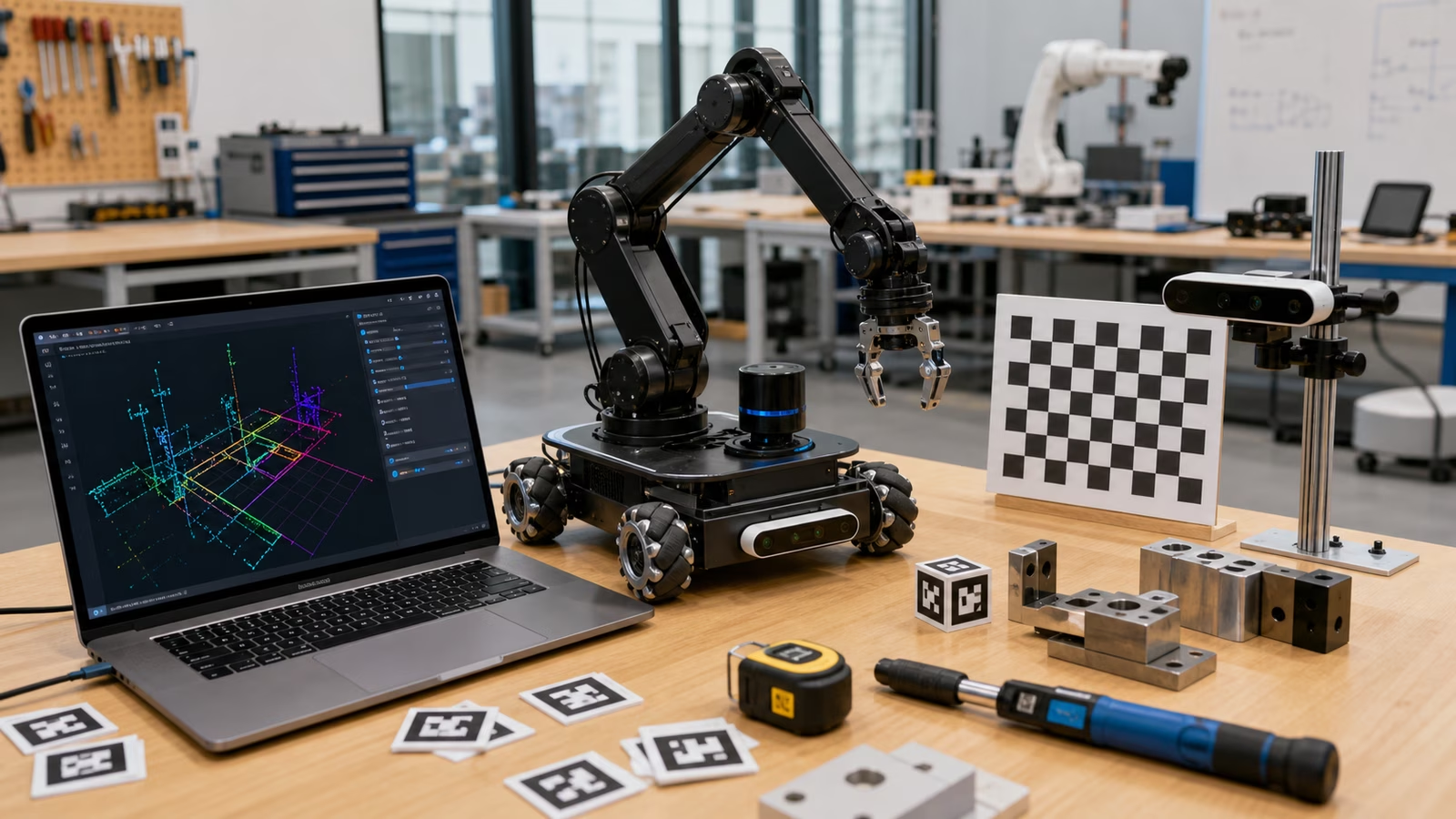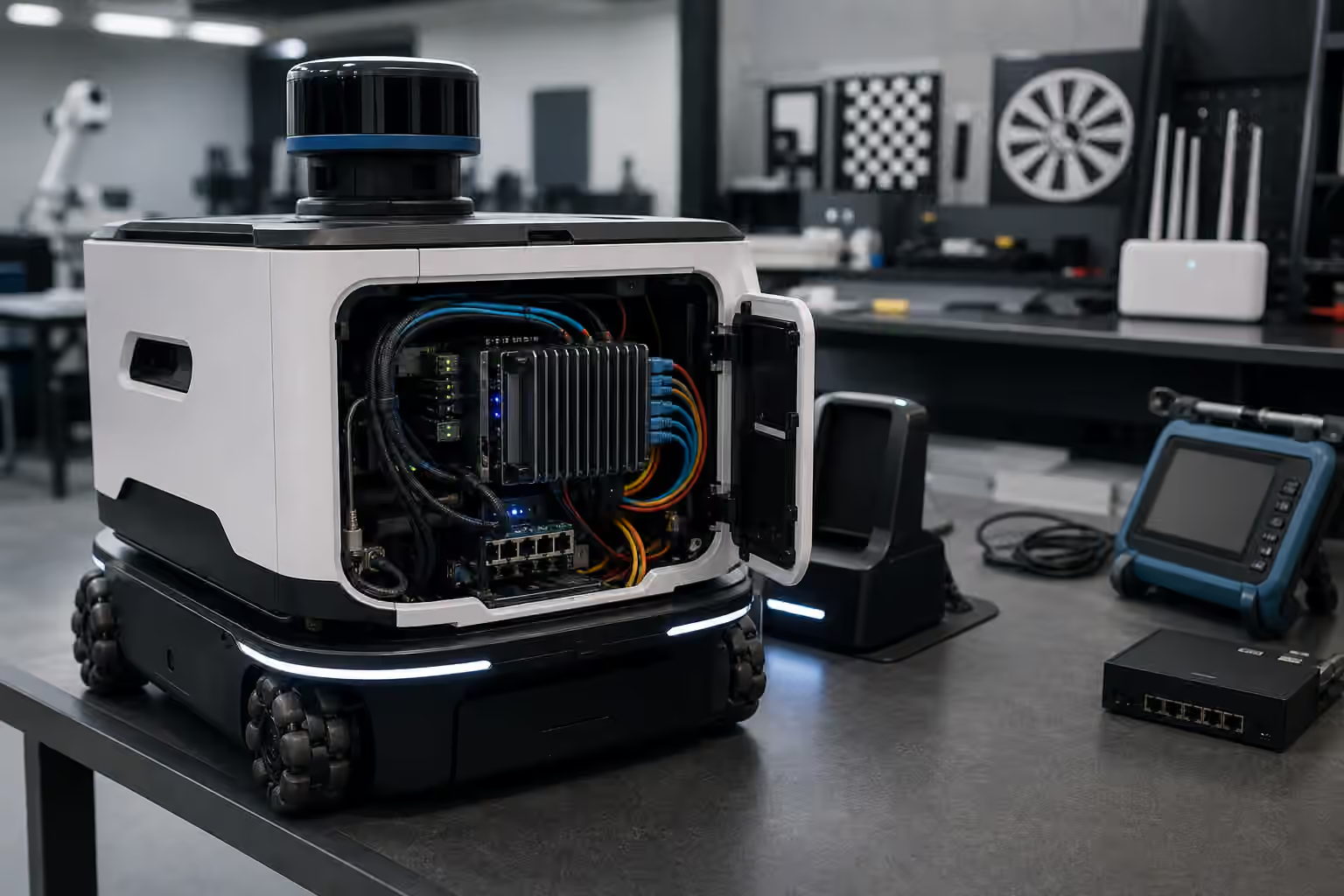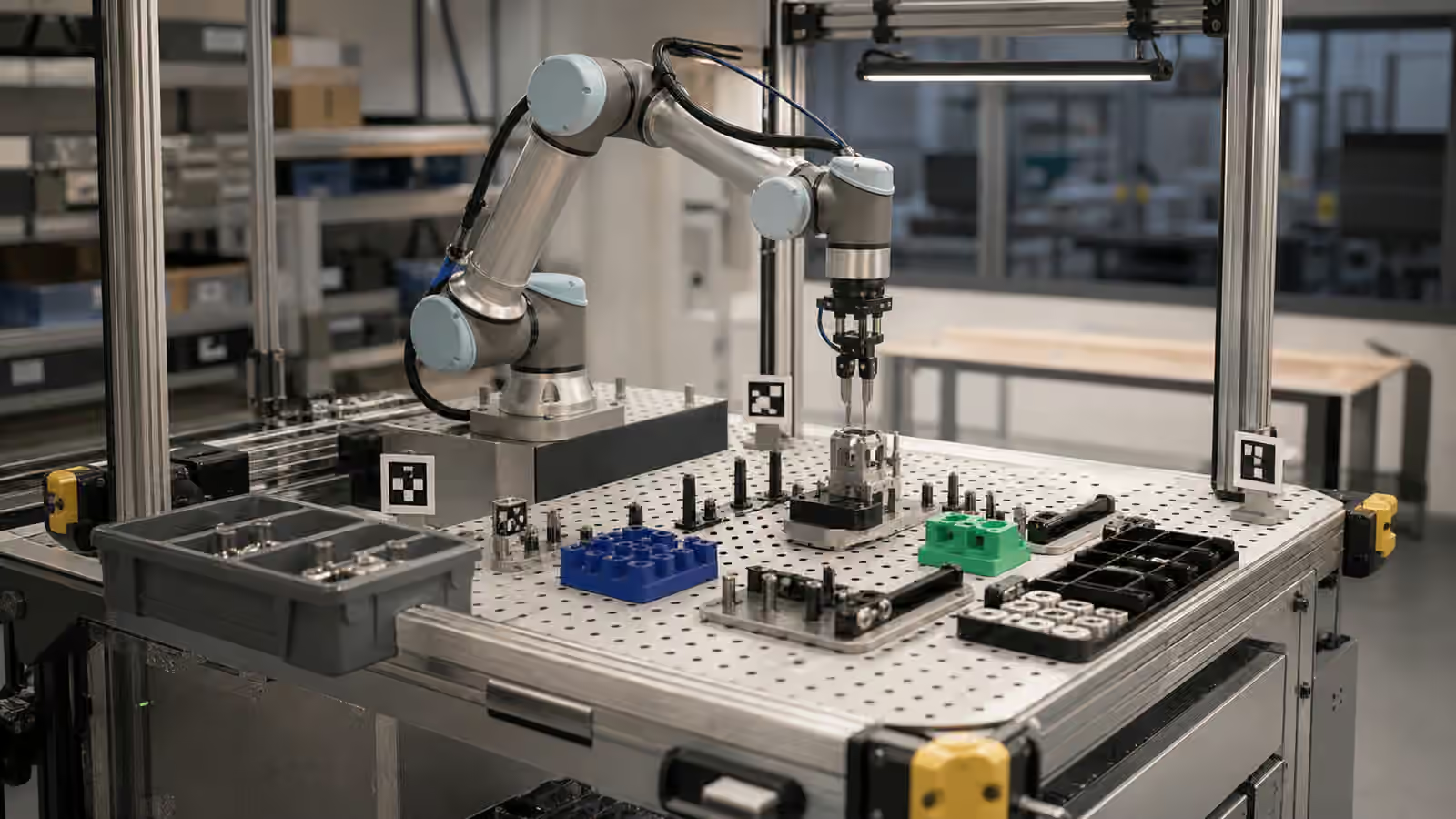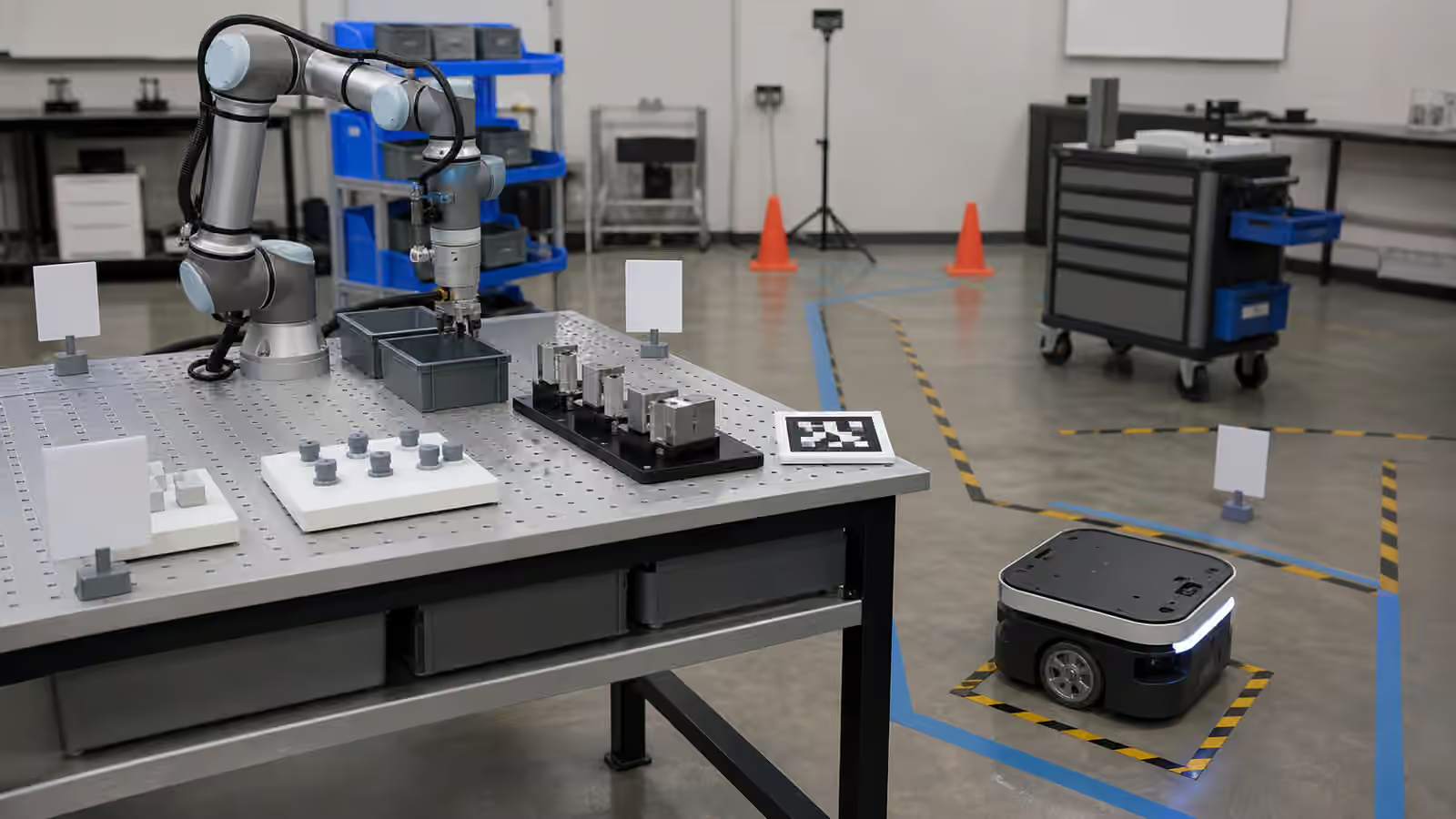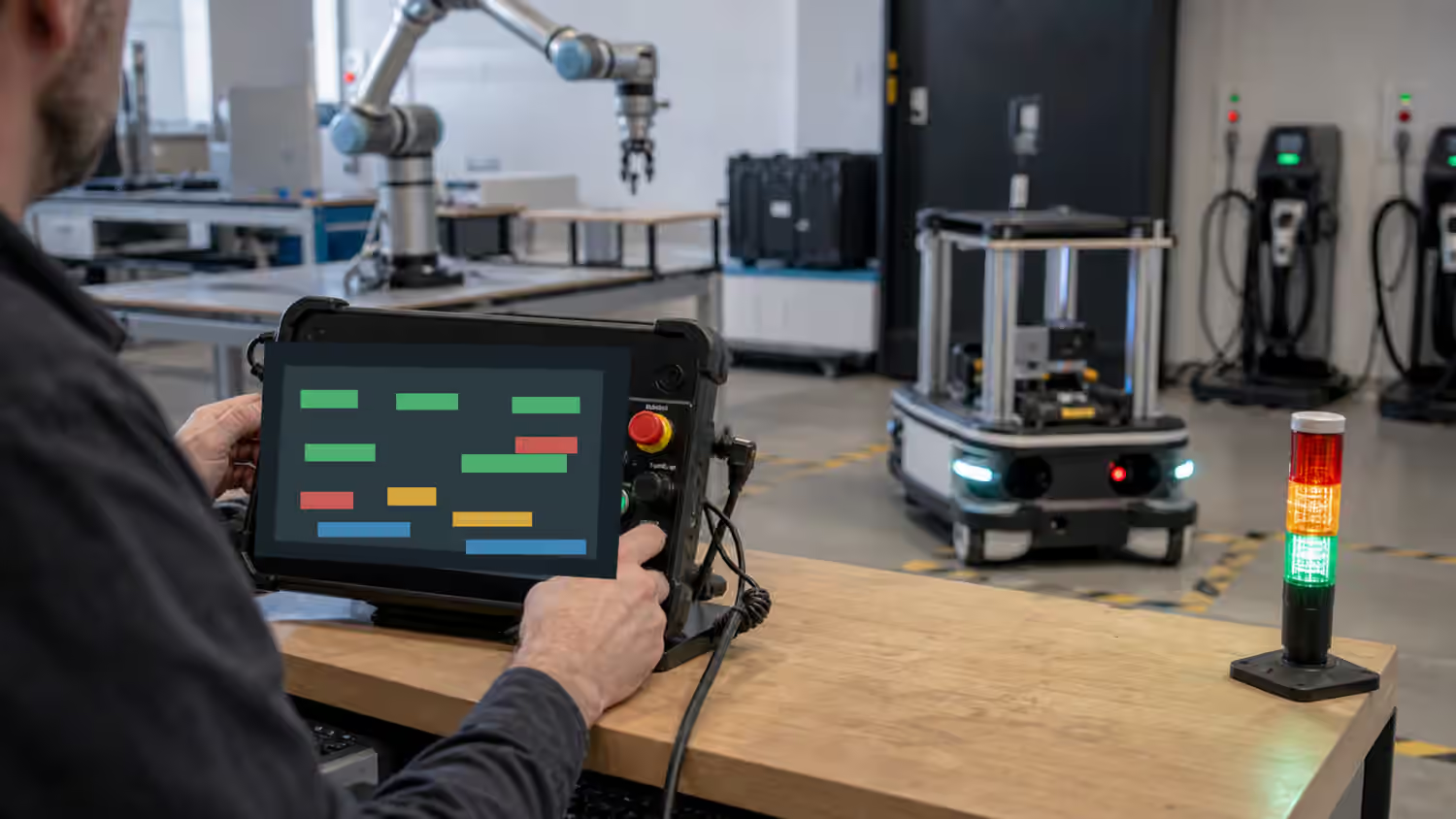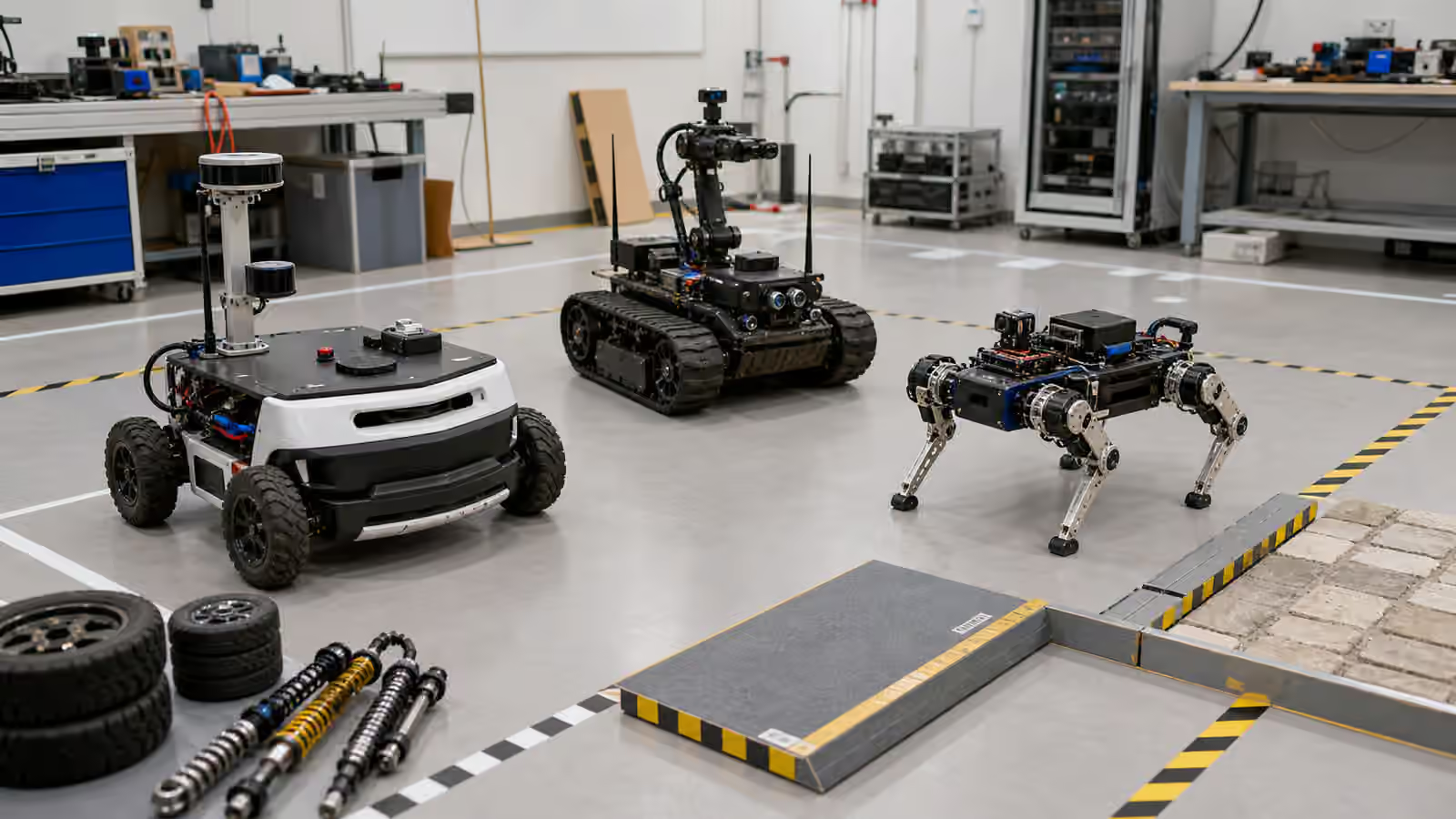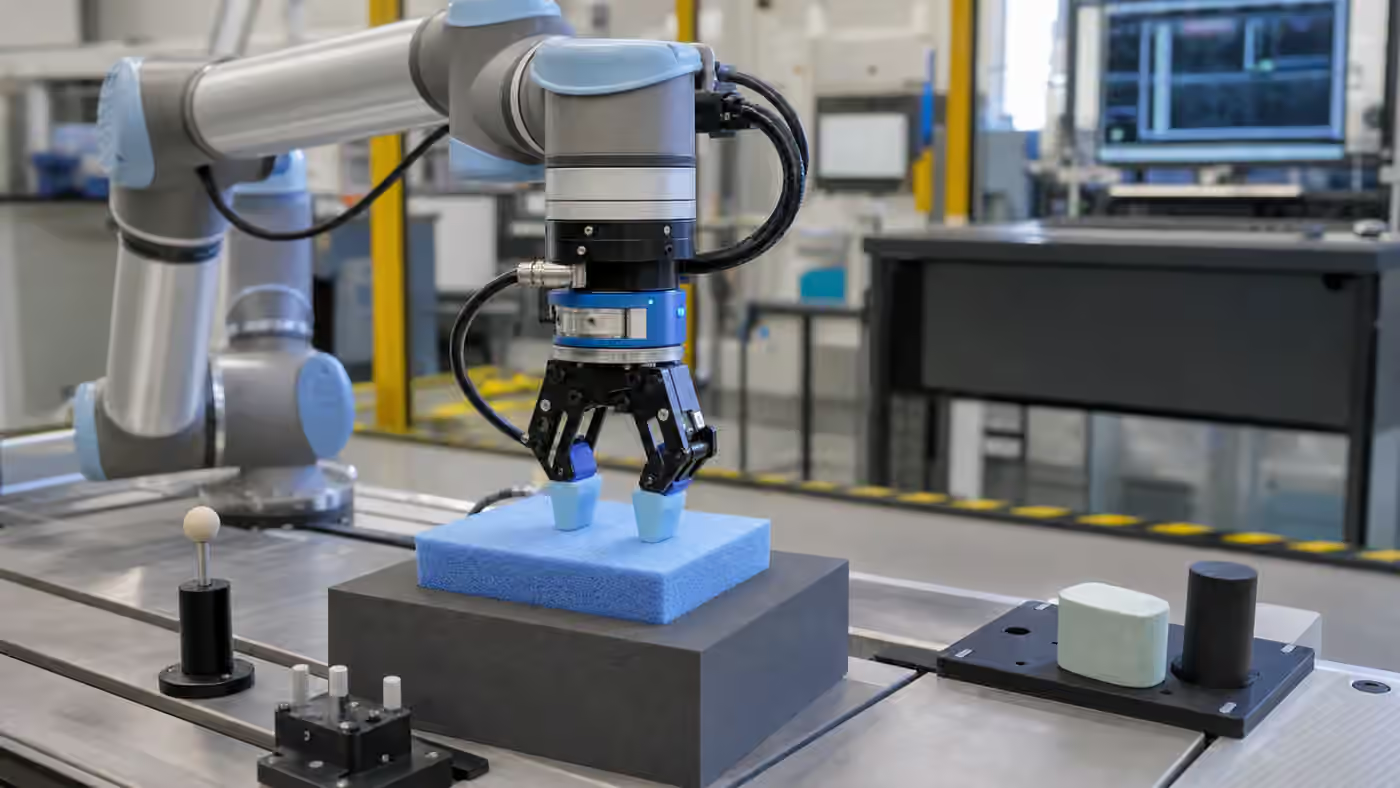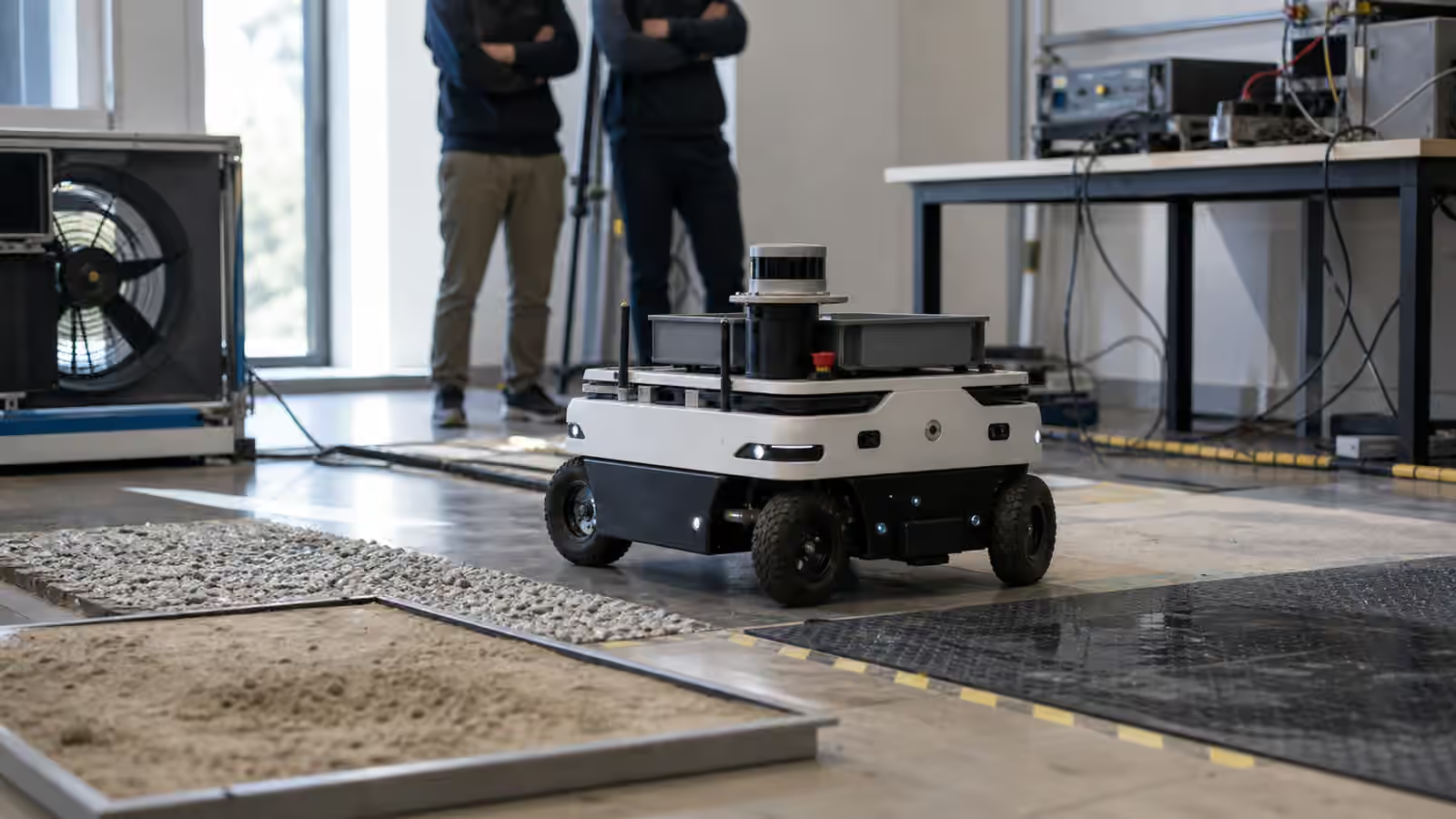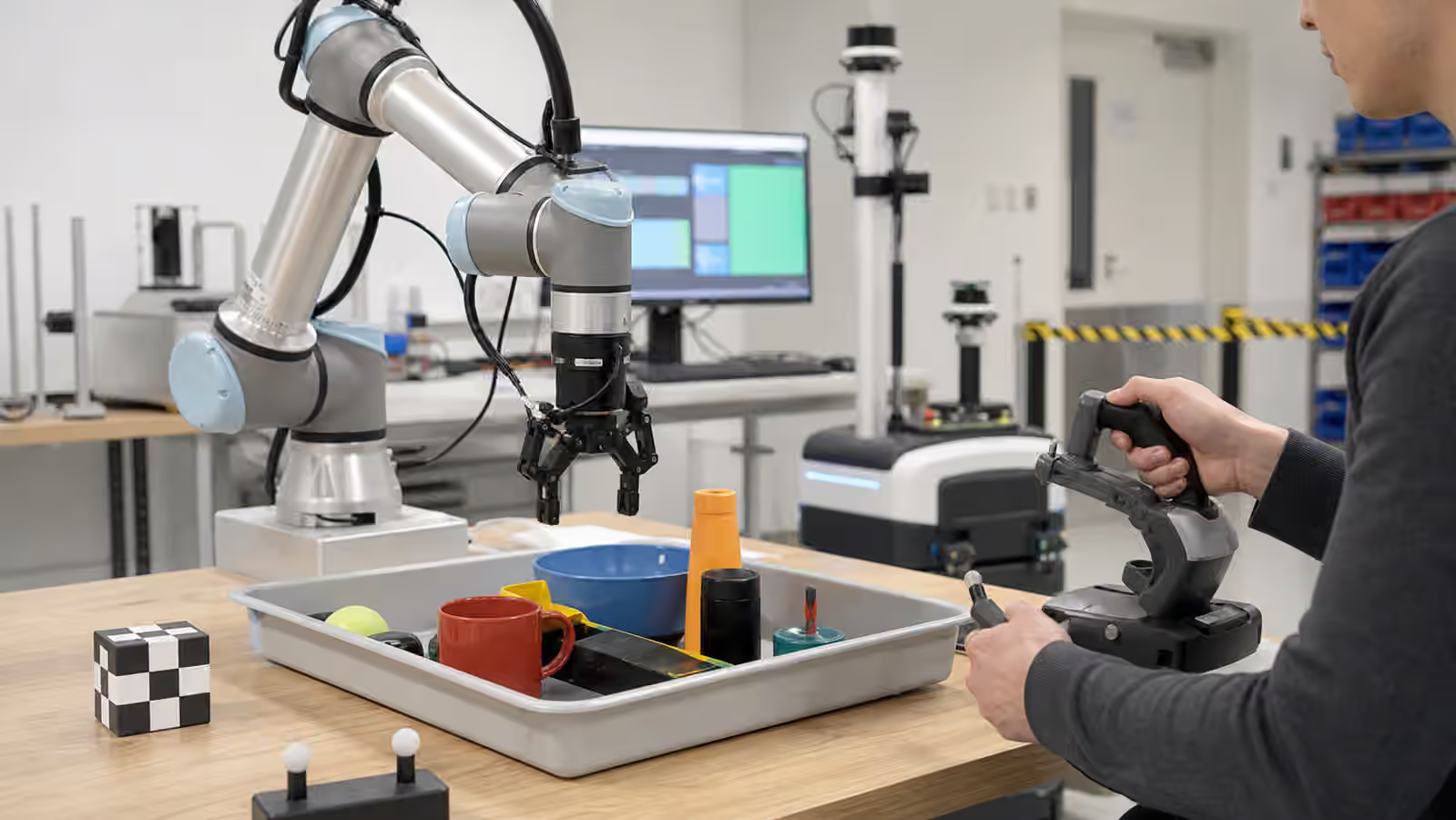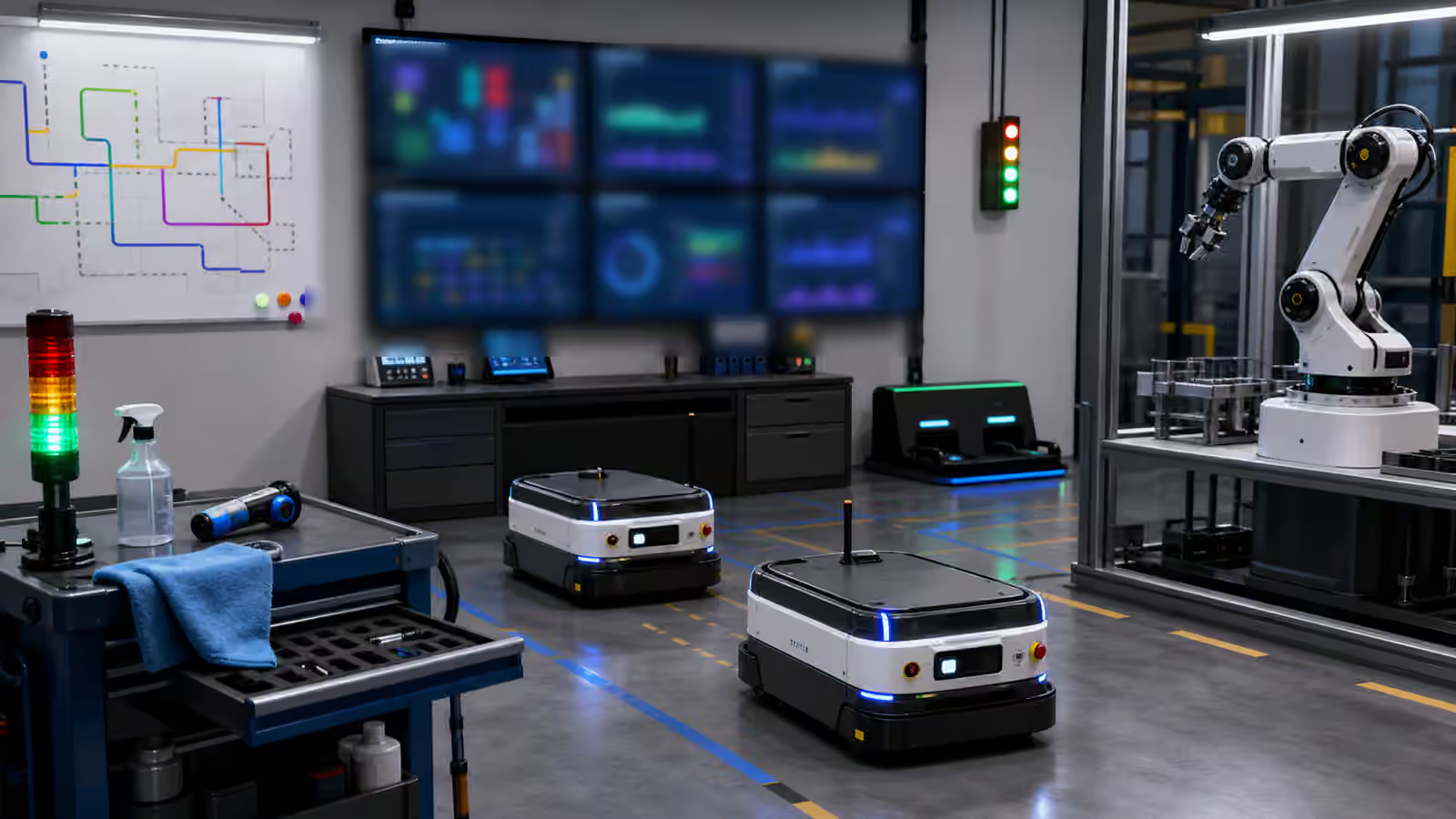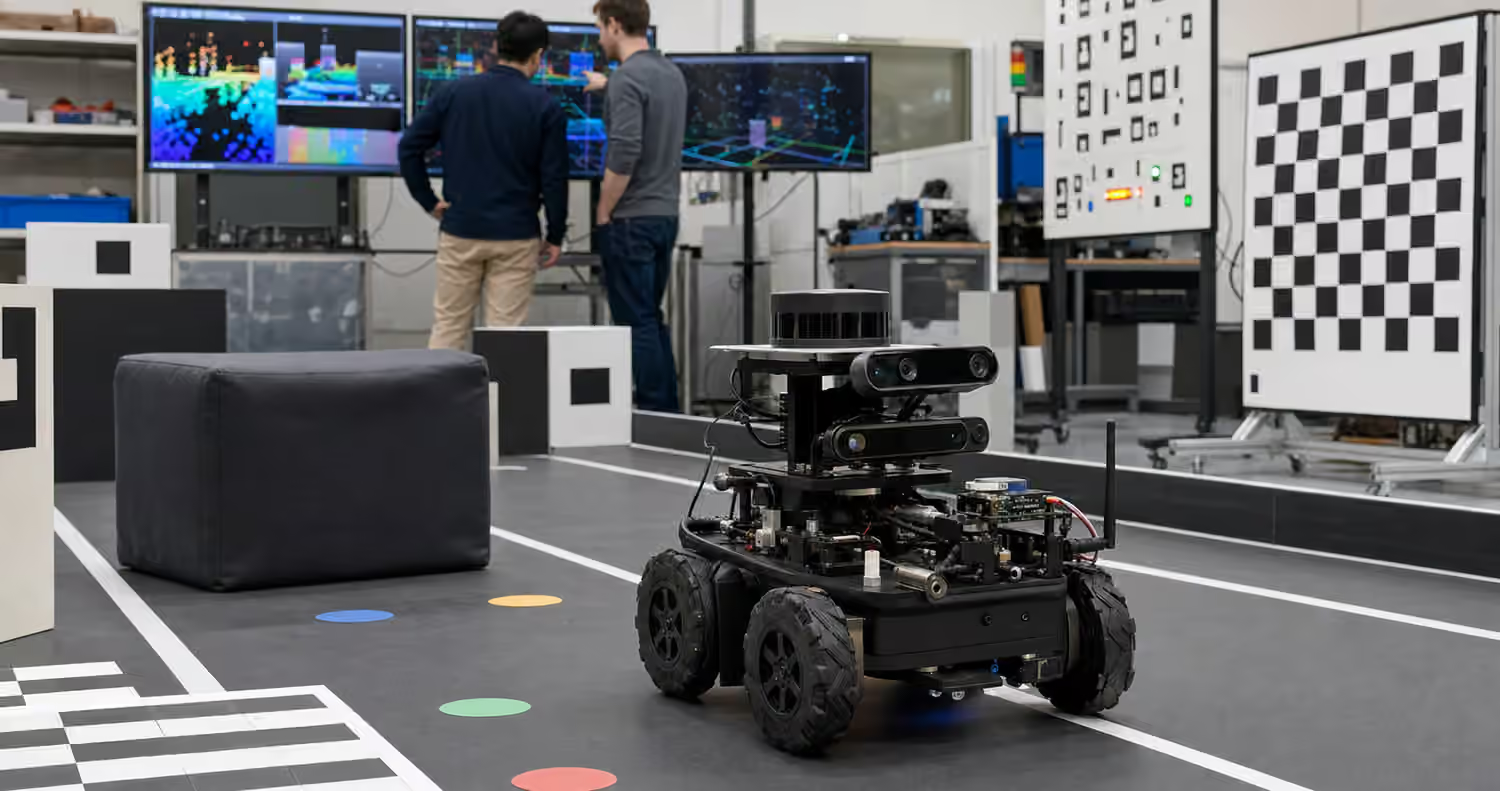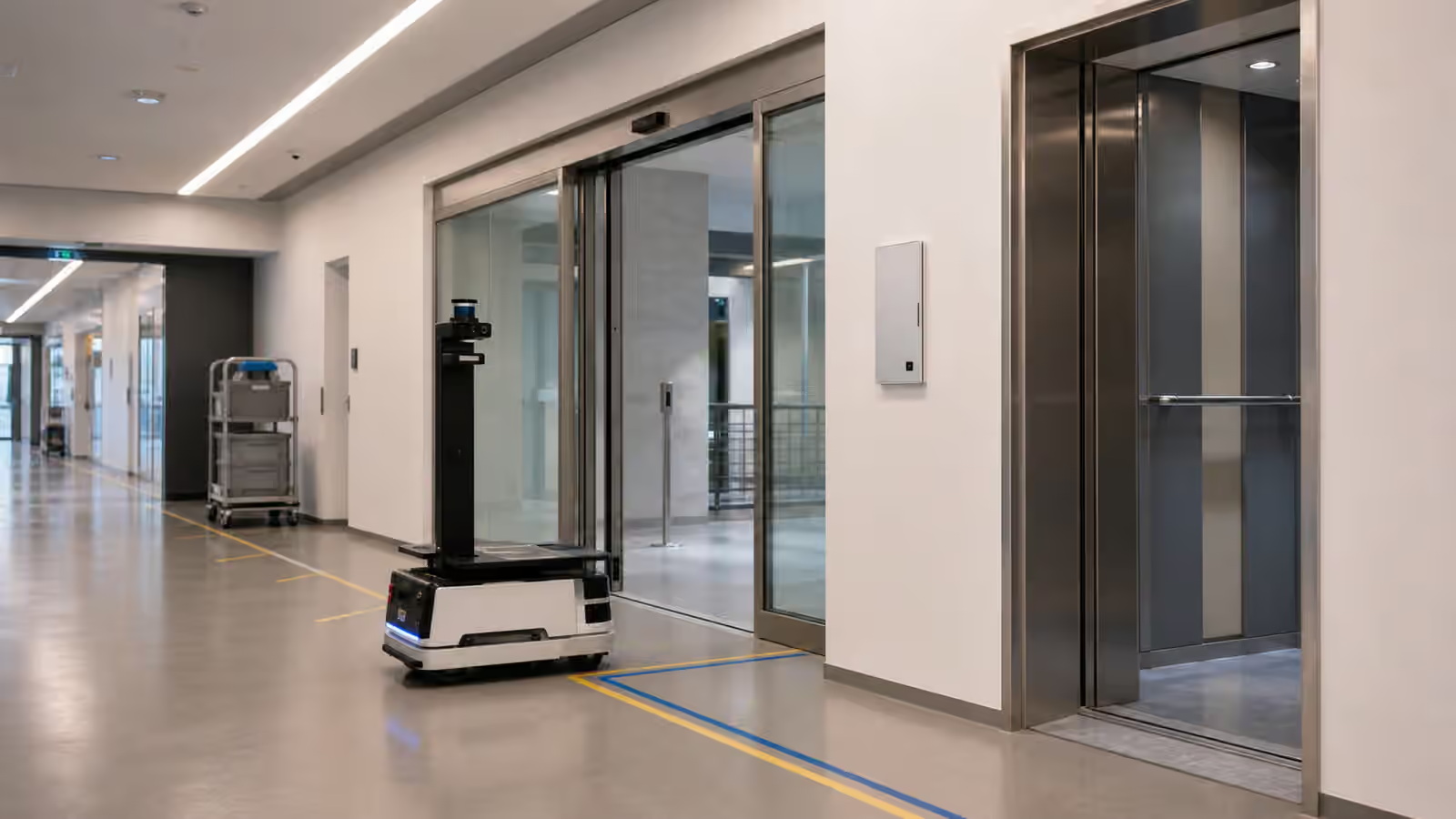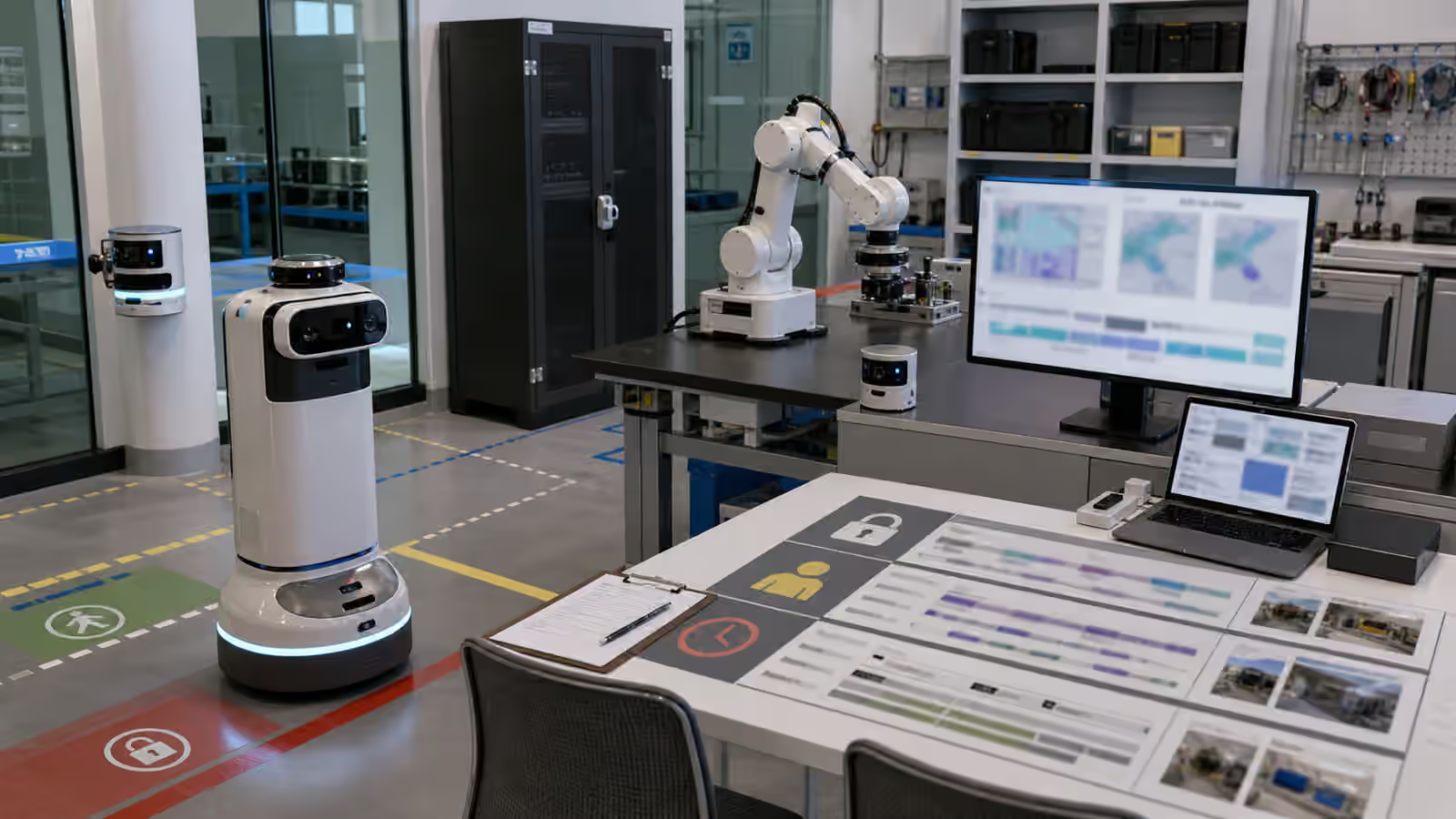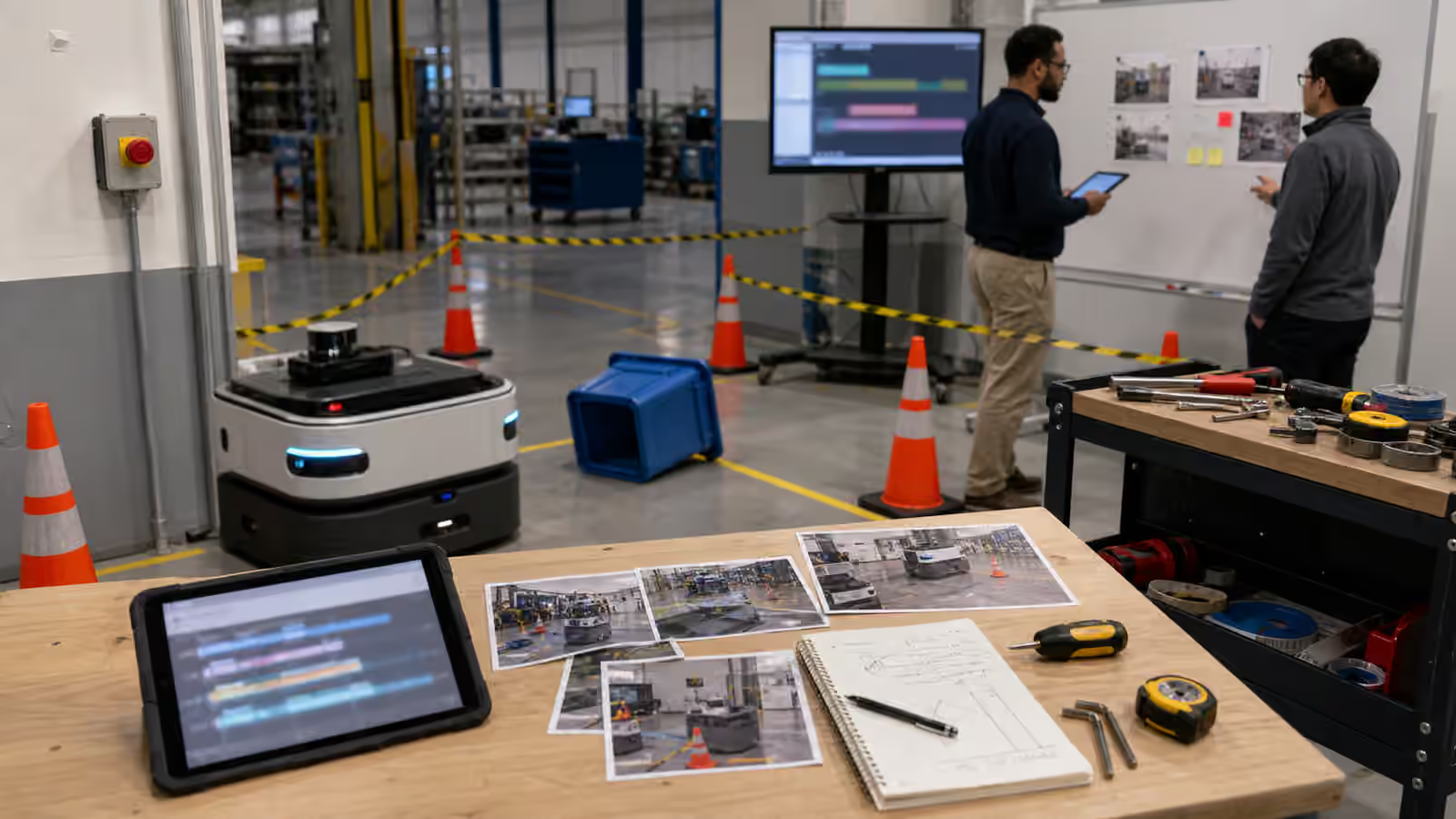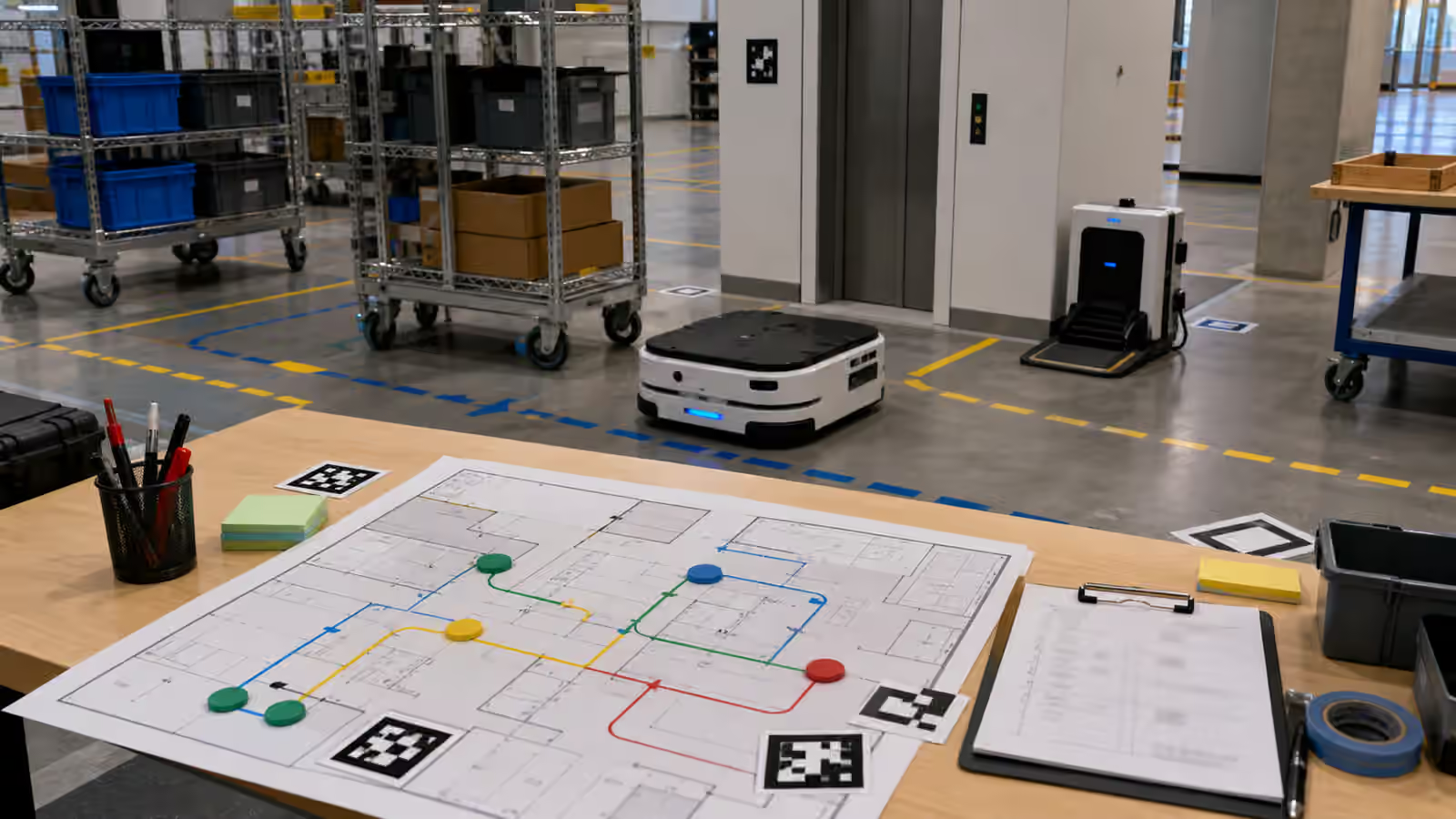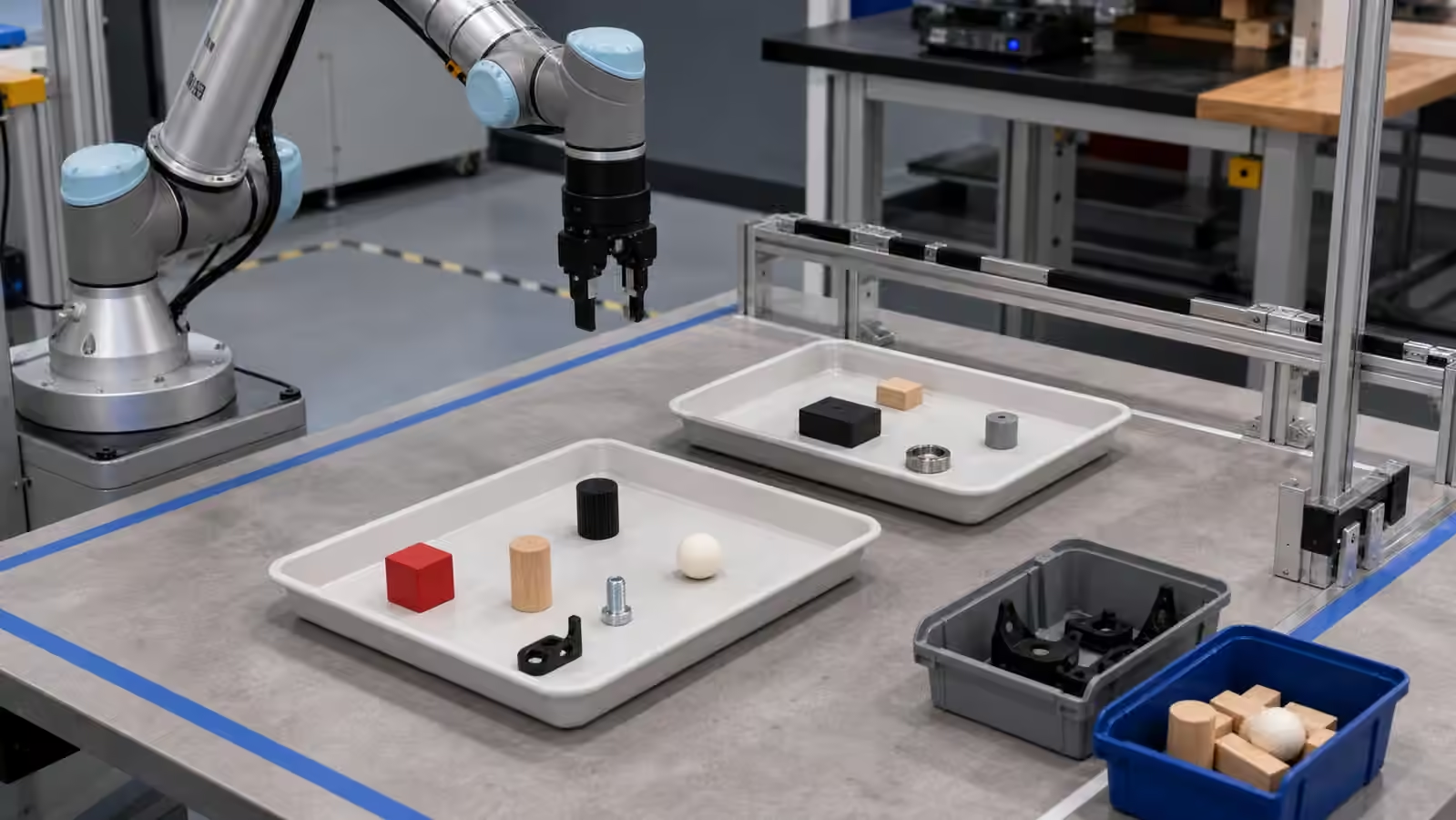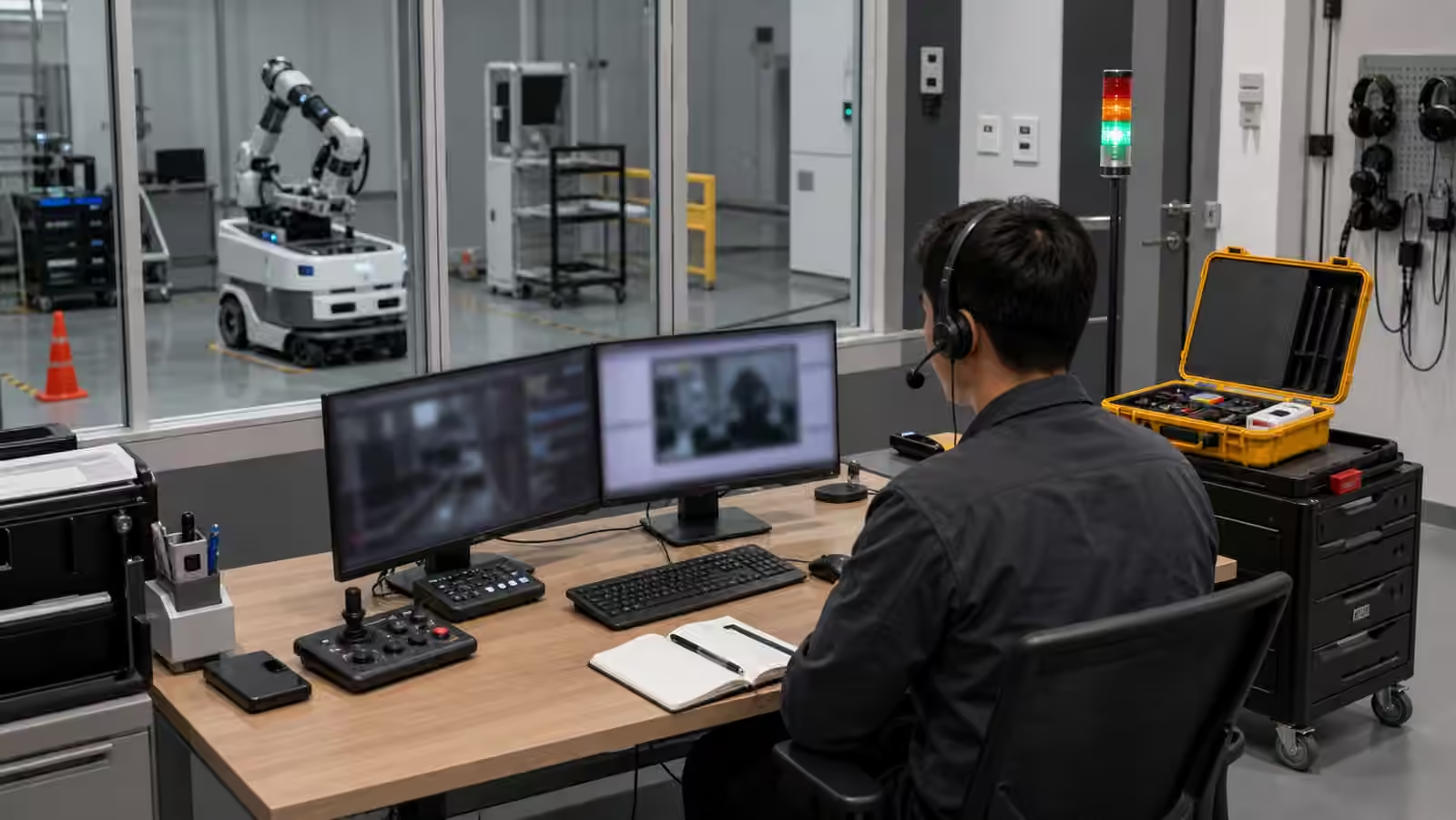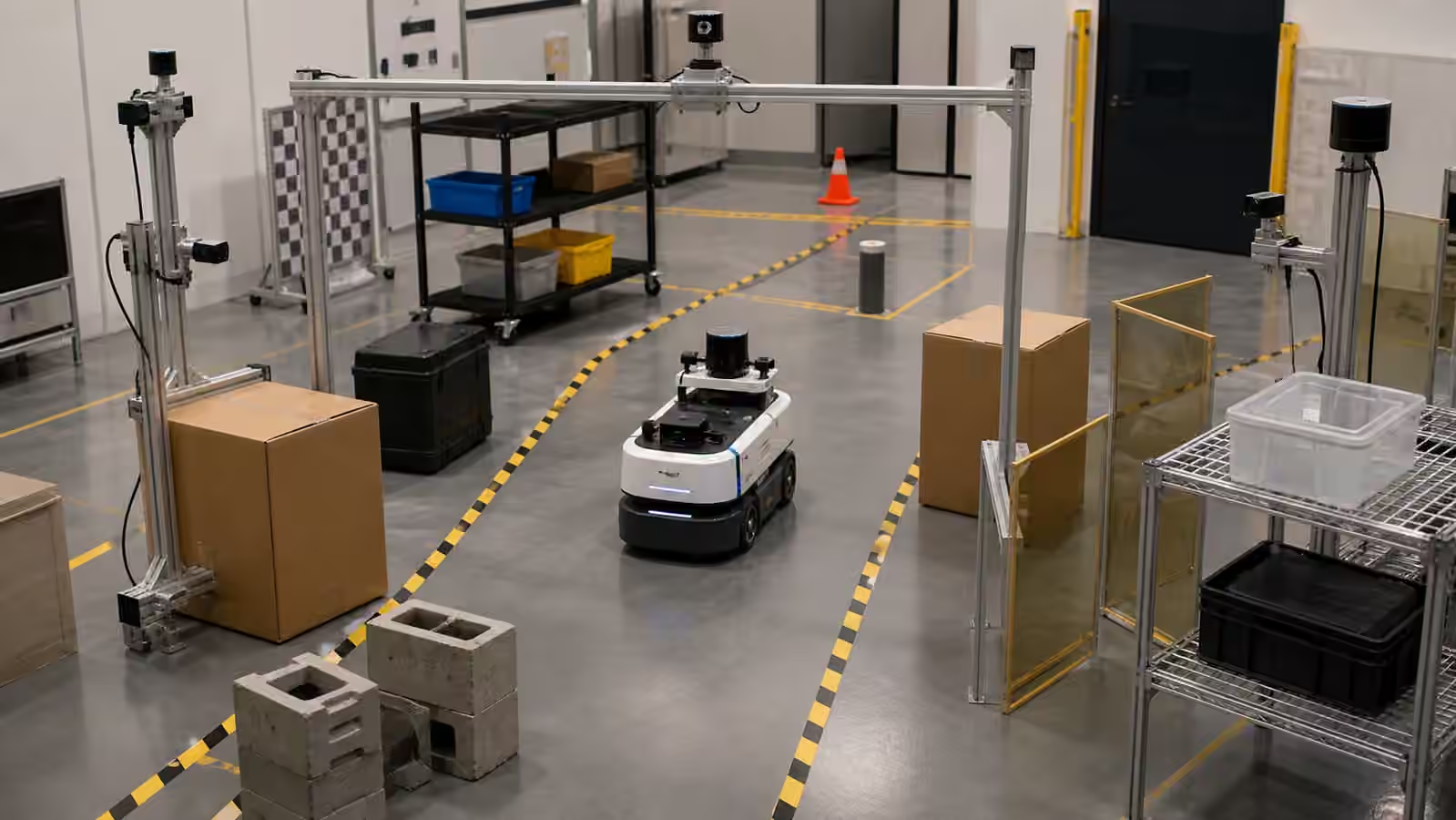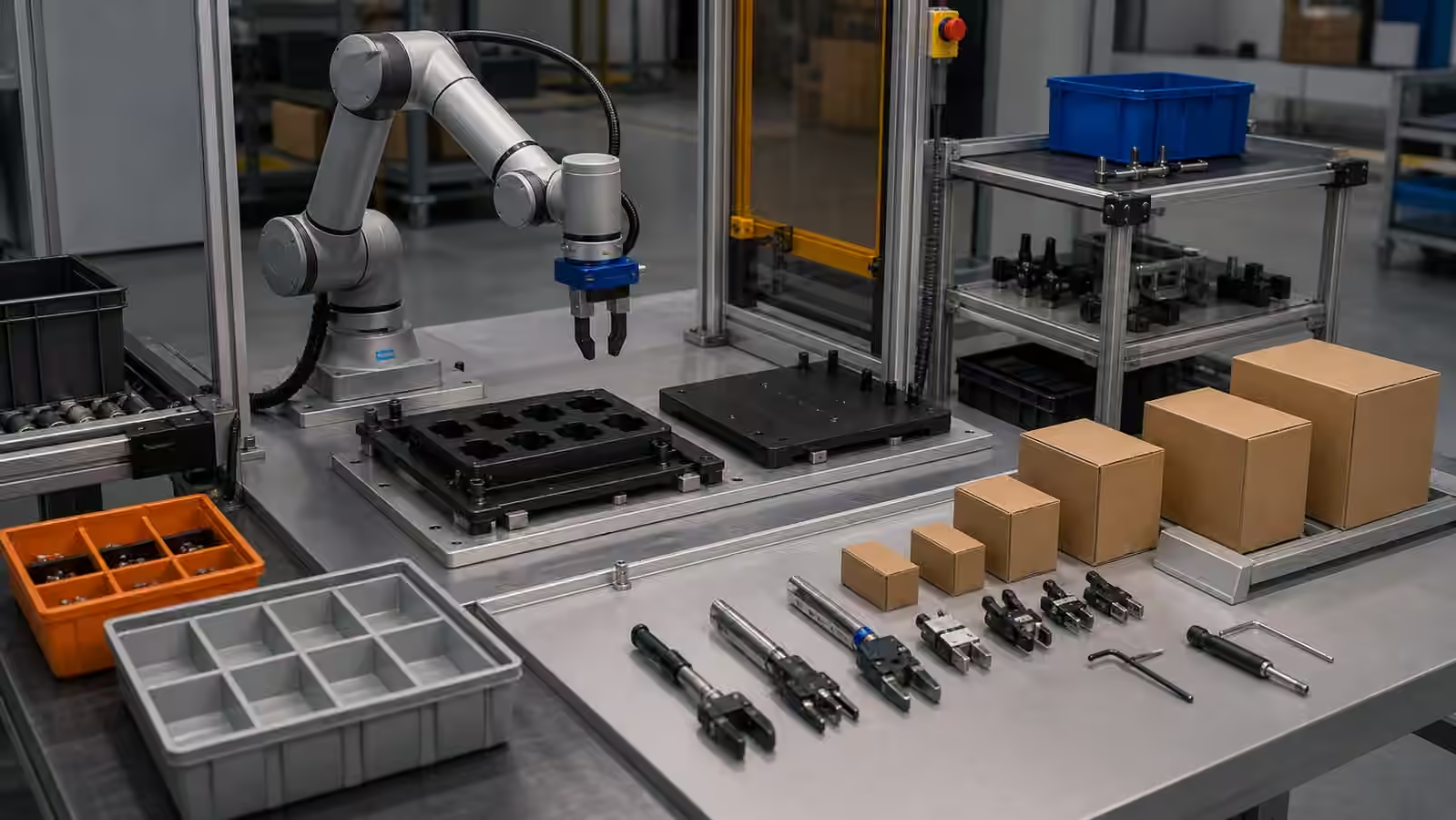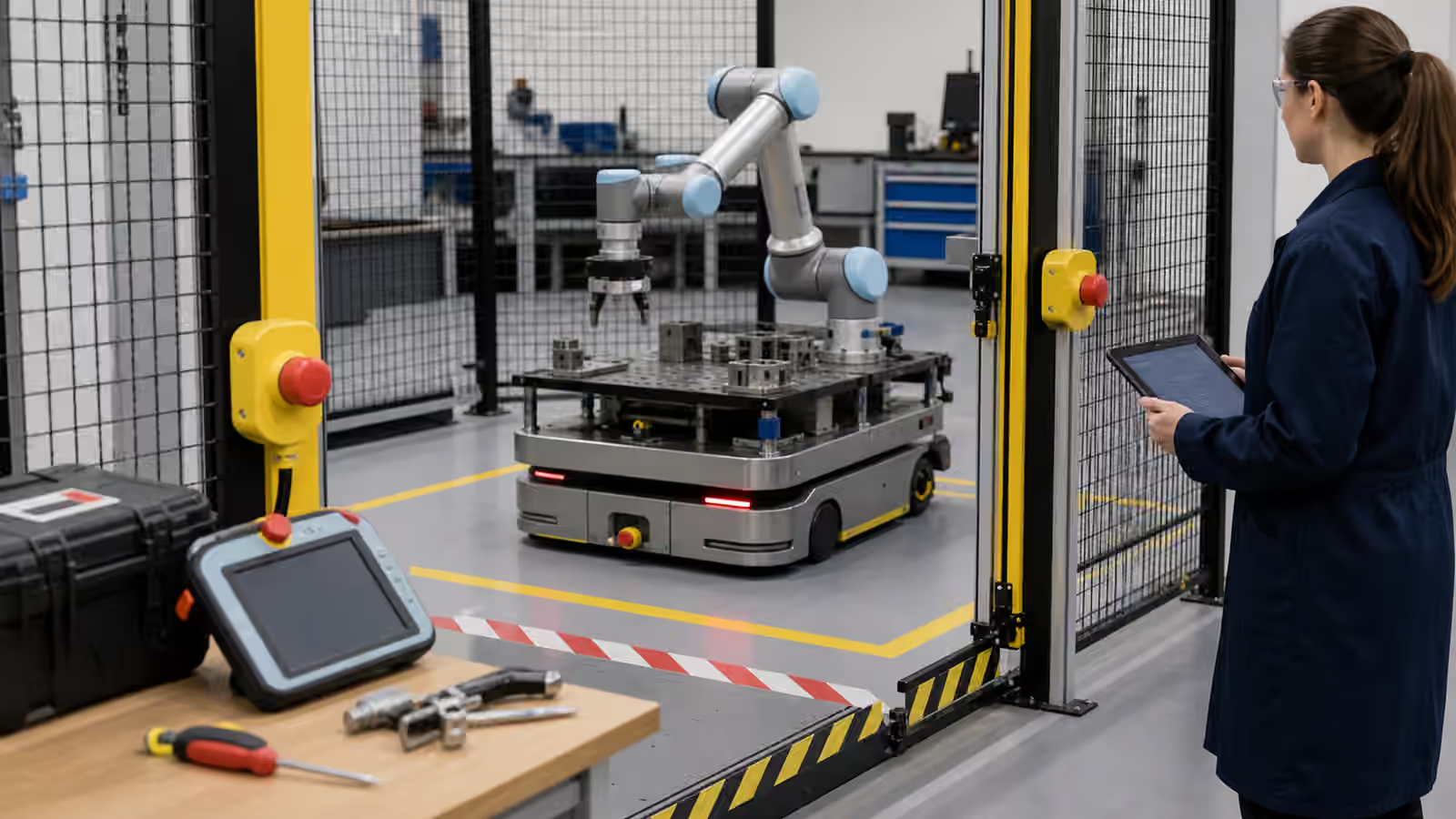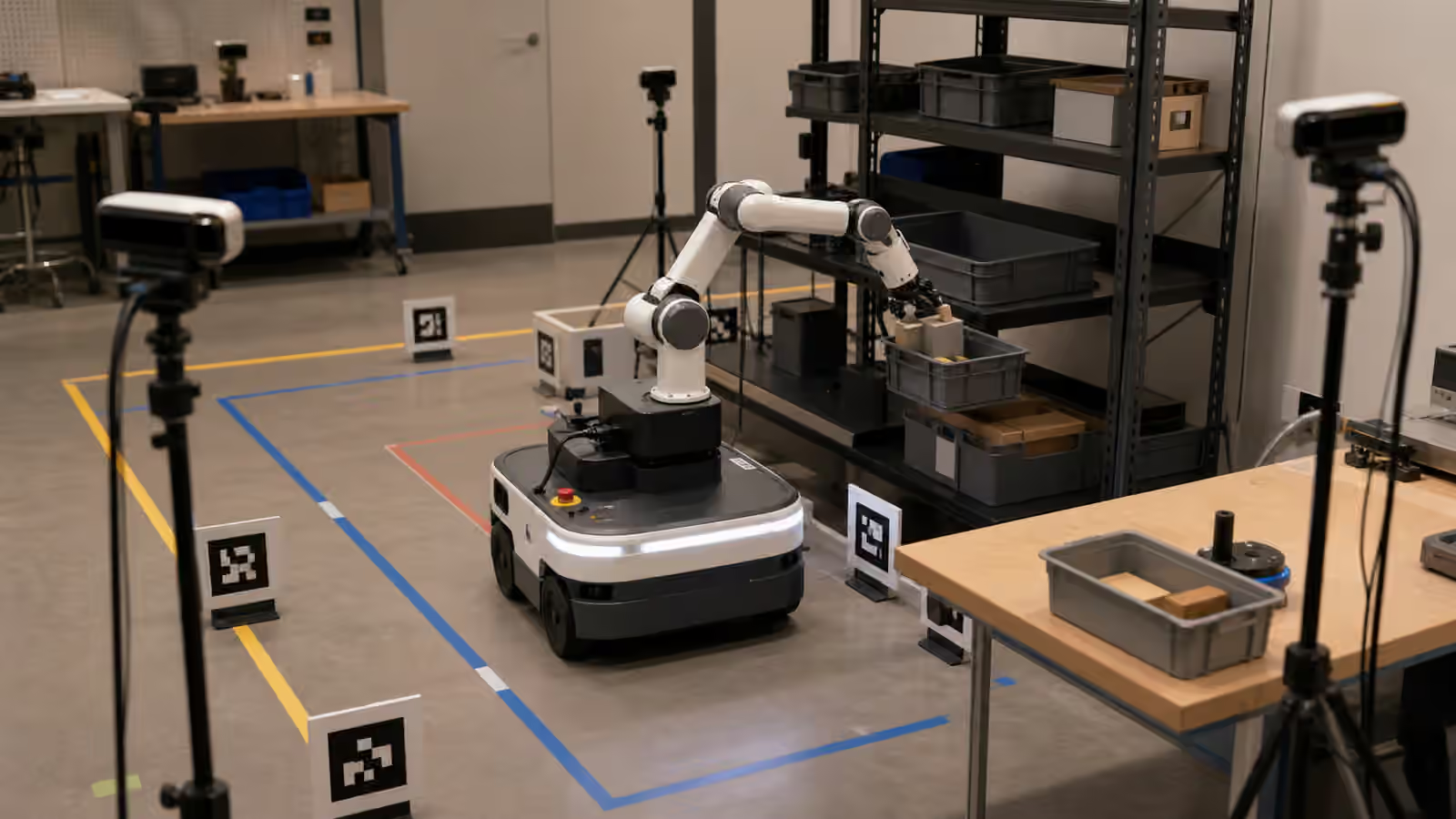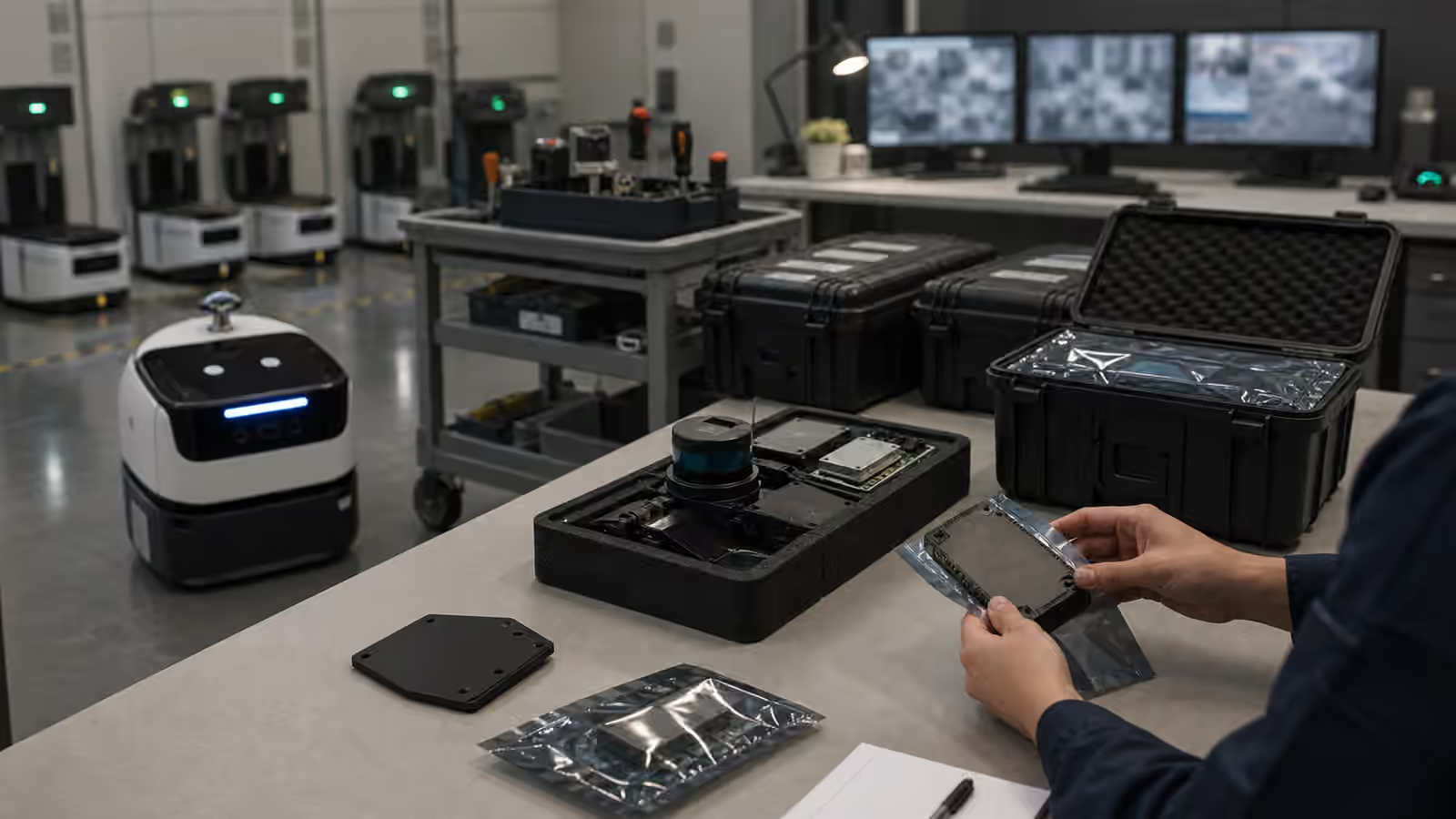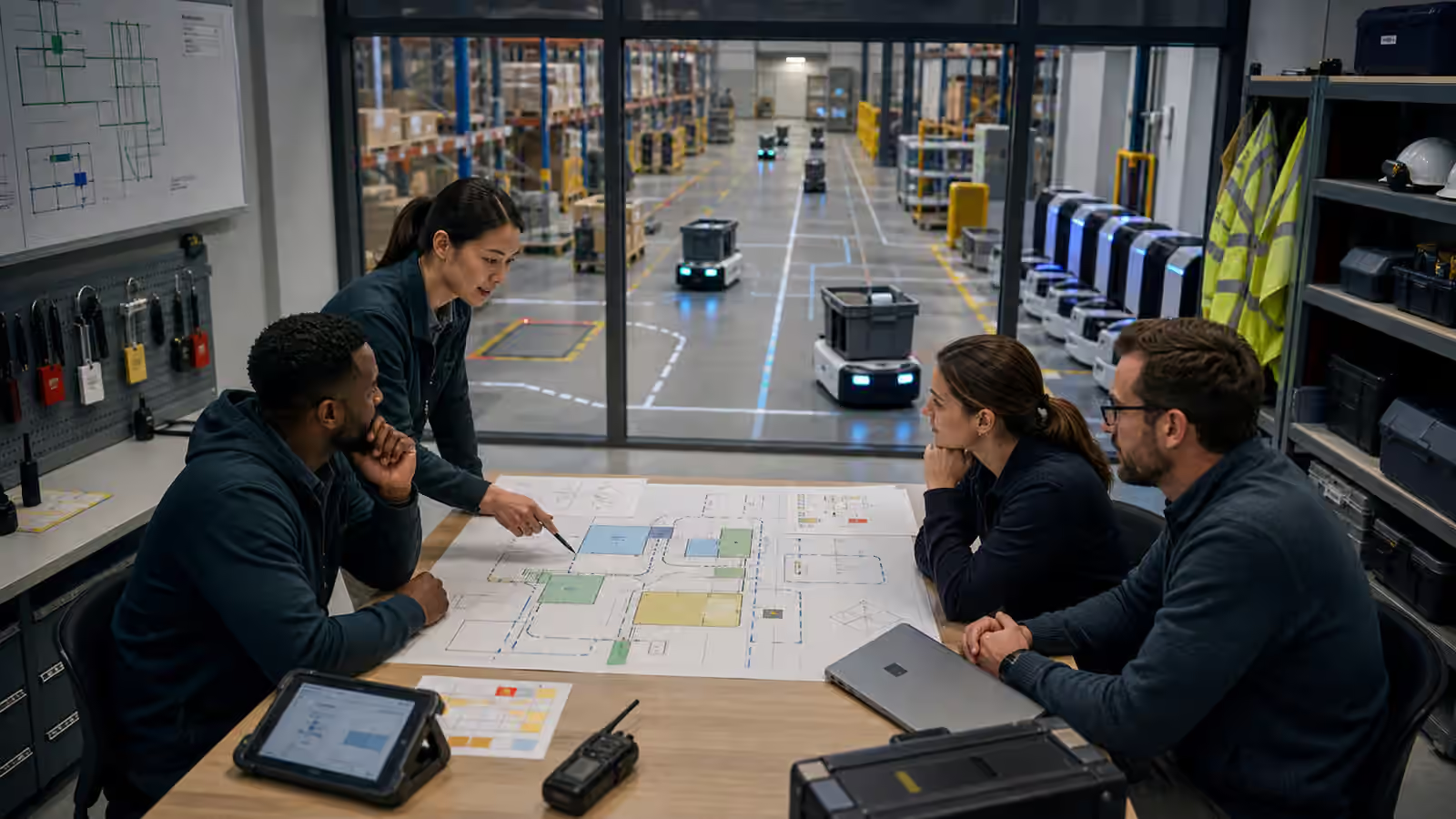
Robots are easiest to understand when you stop asking whether they are “smart” and start asking what world they are built for.
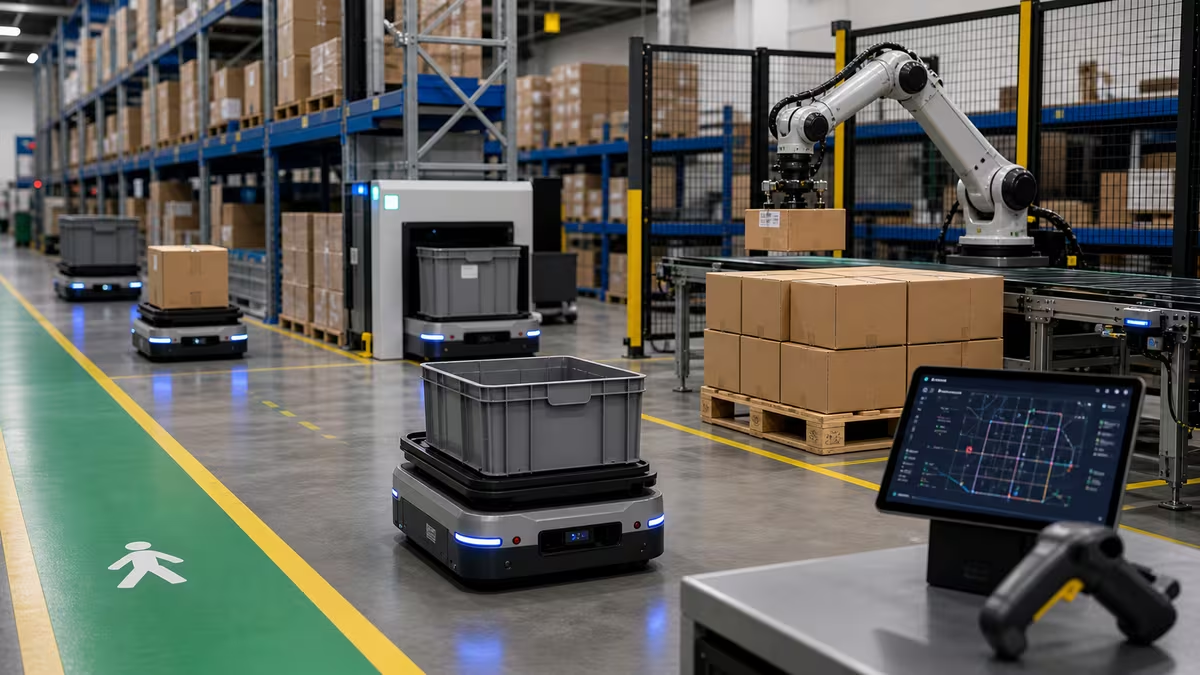
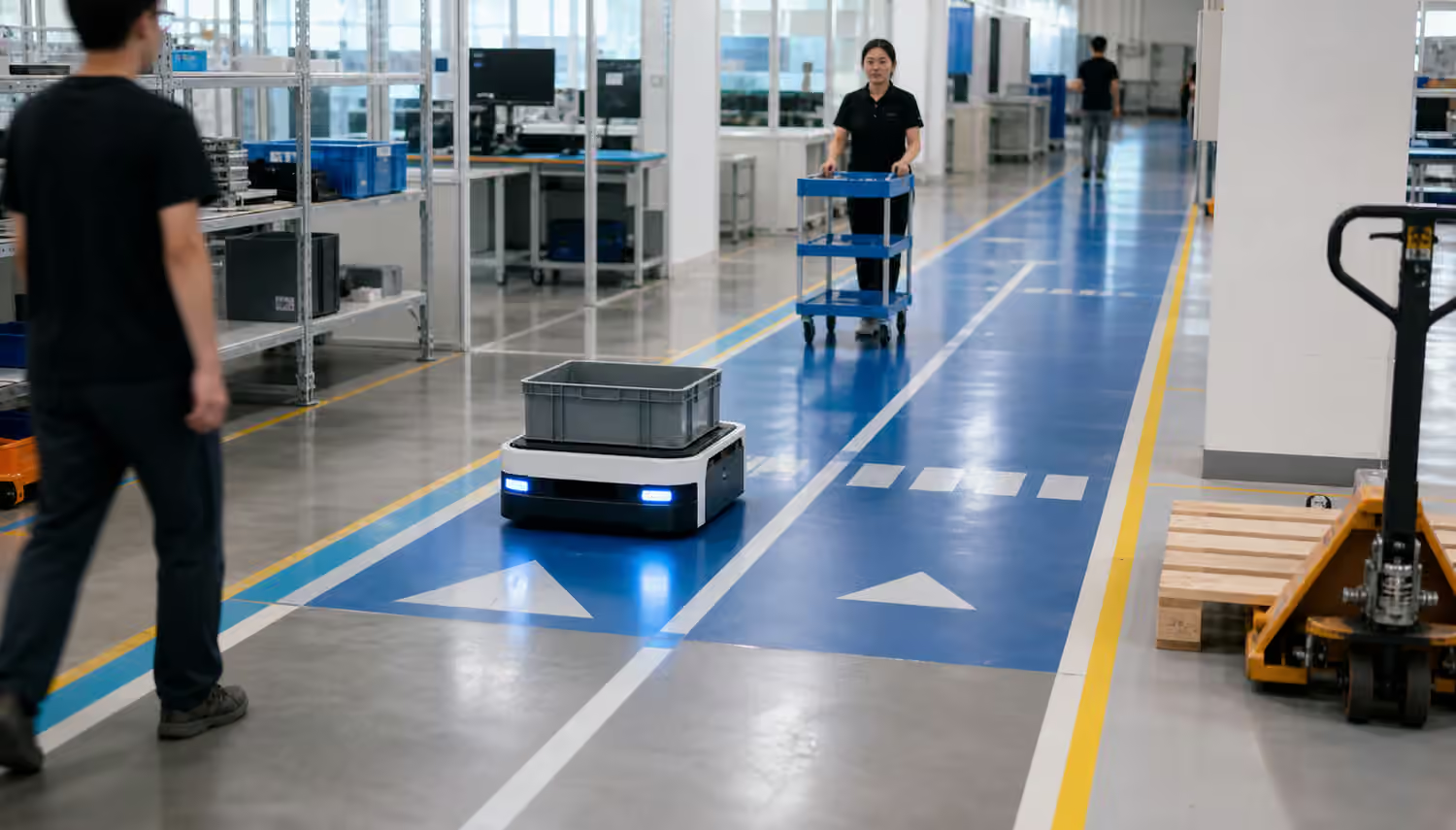
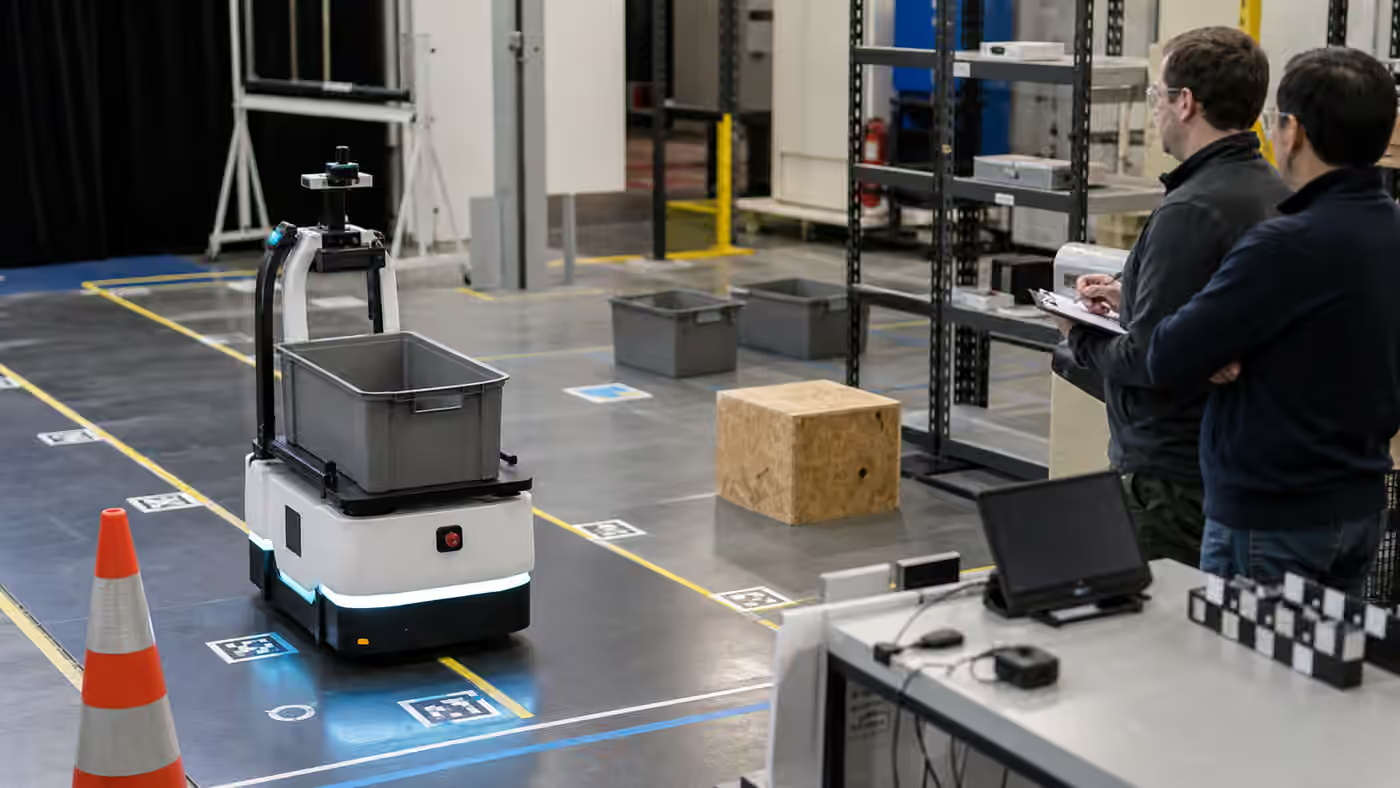
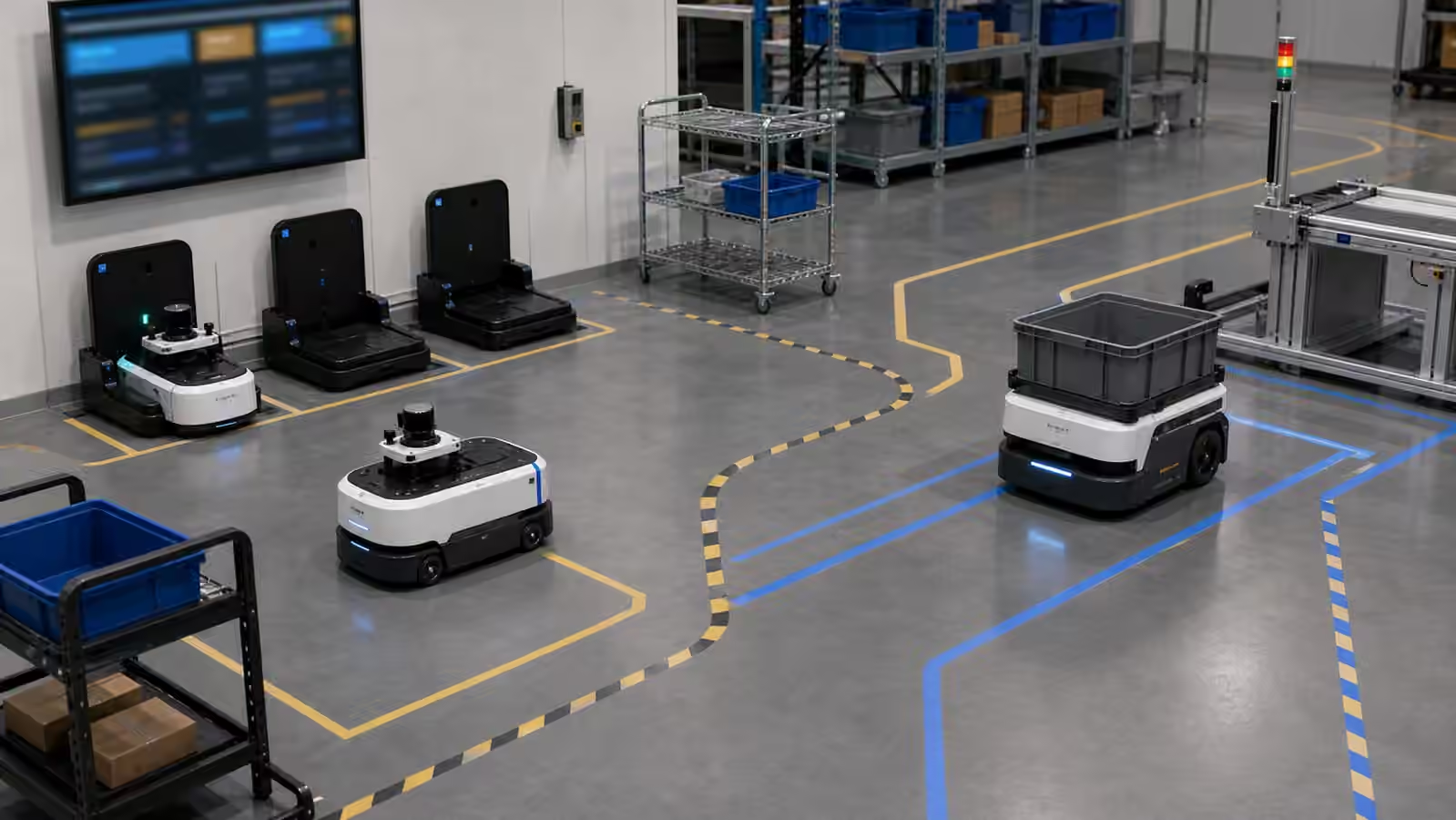
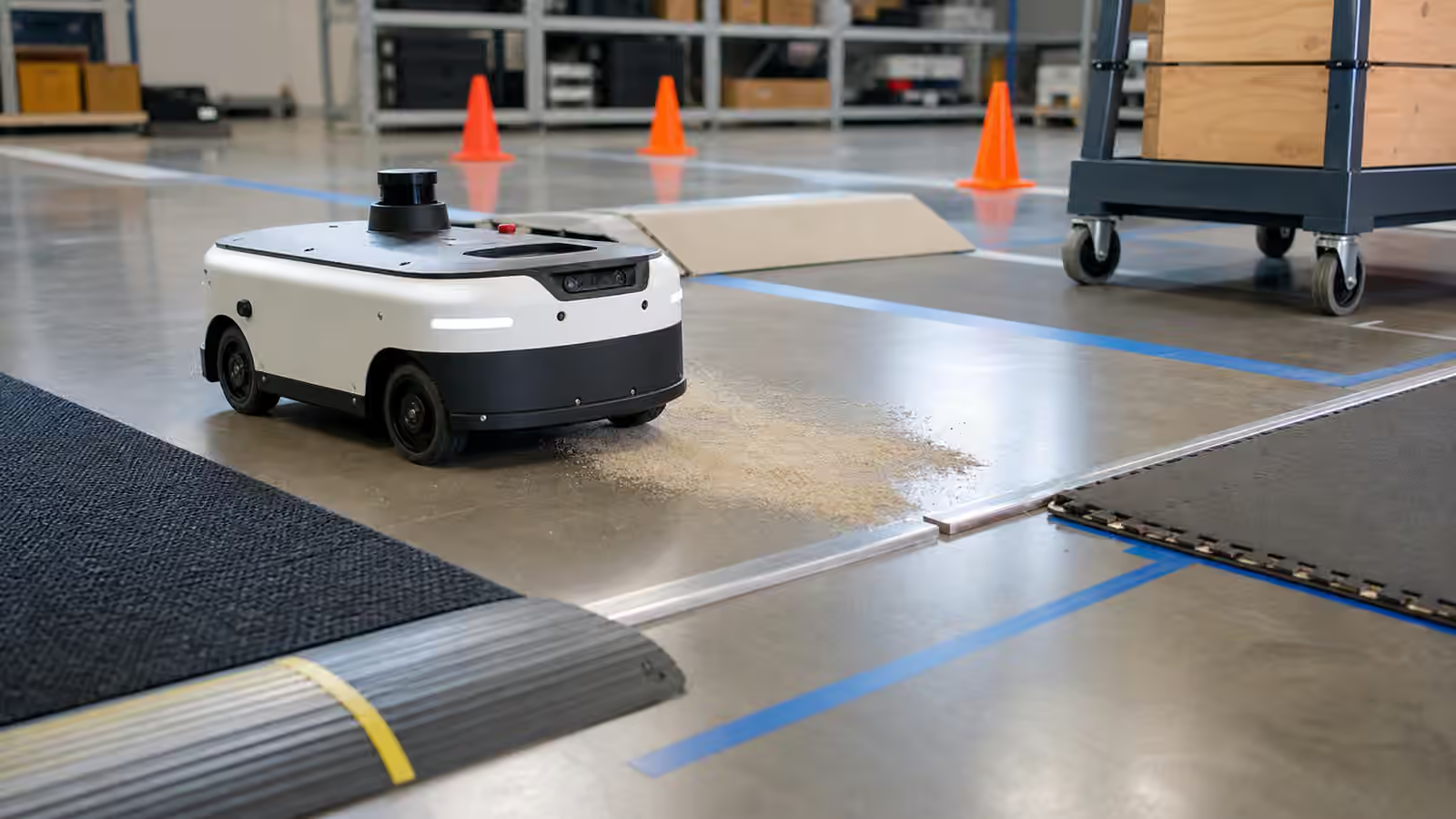
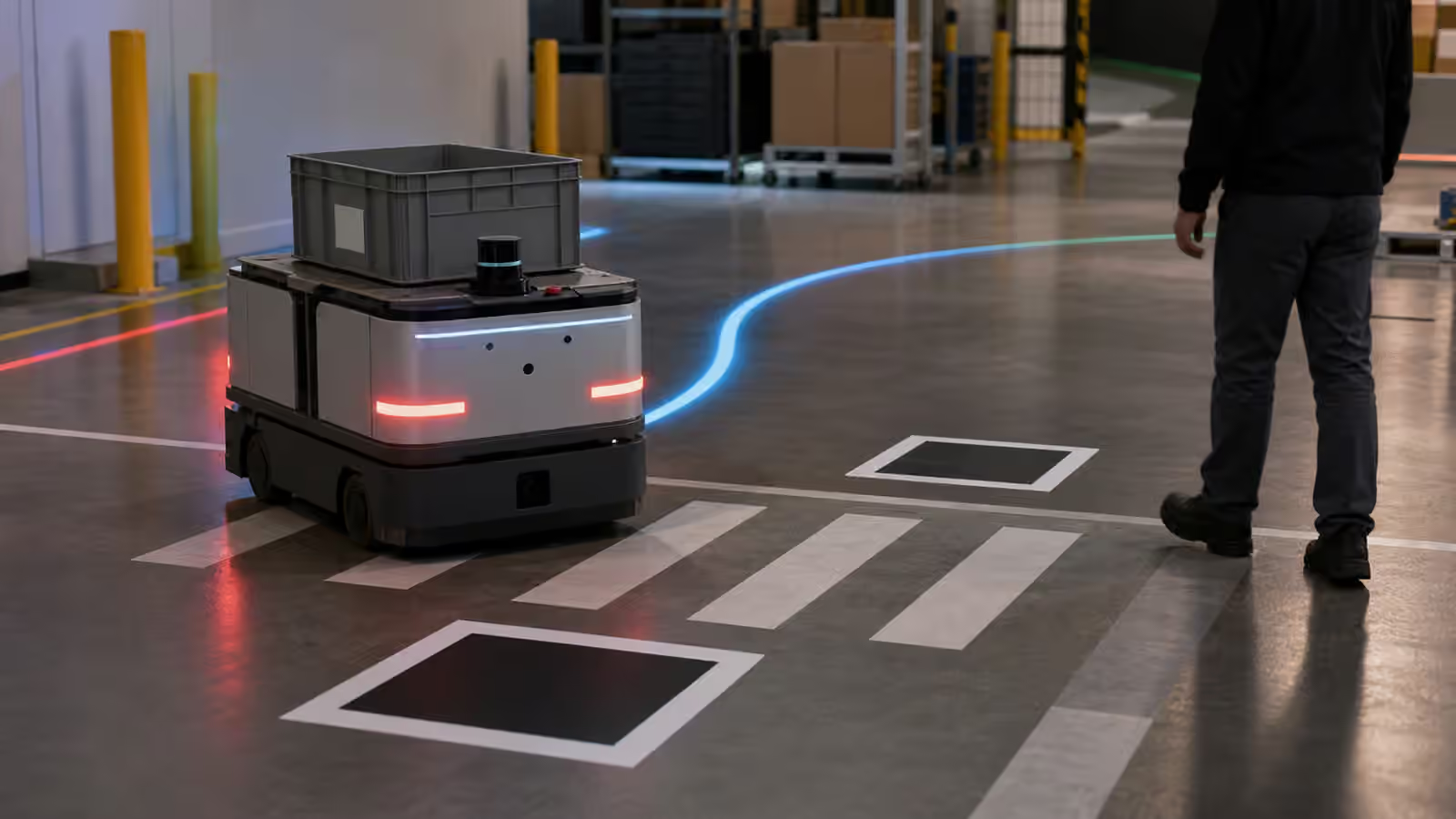
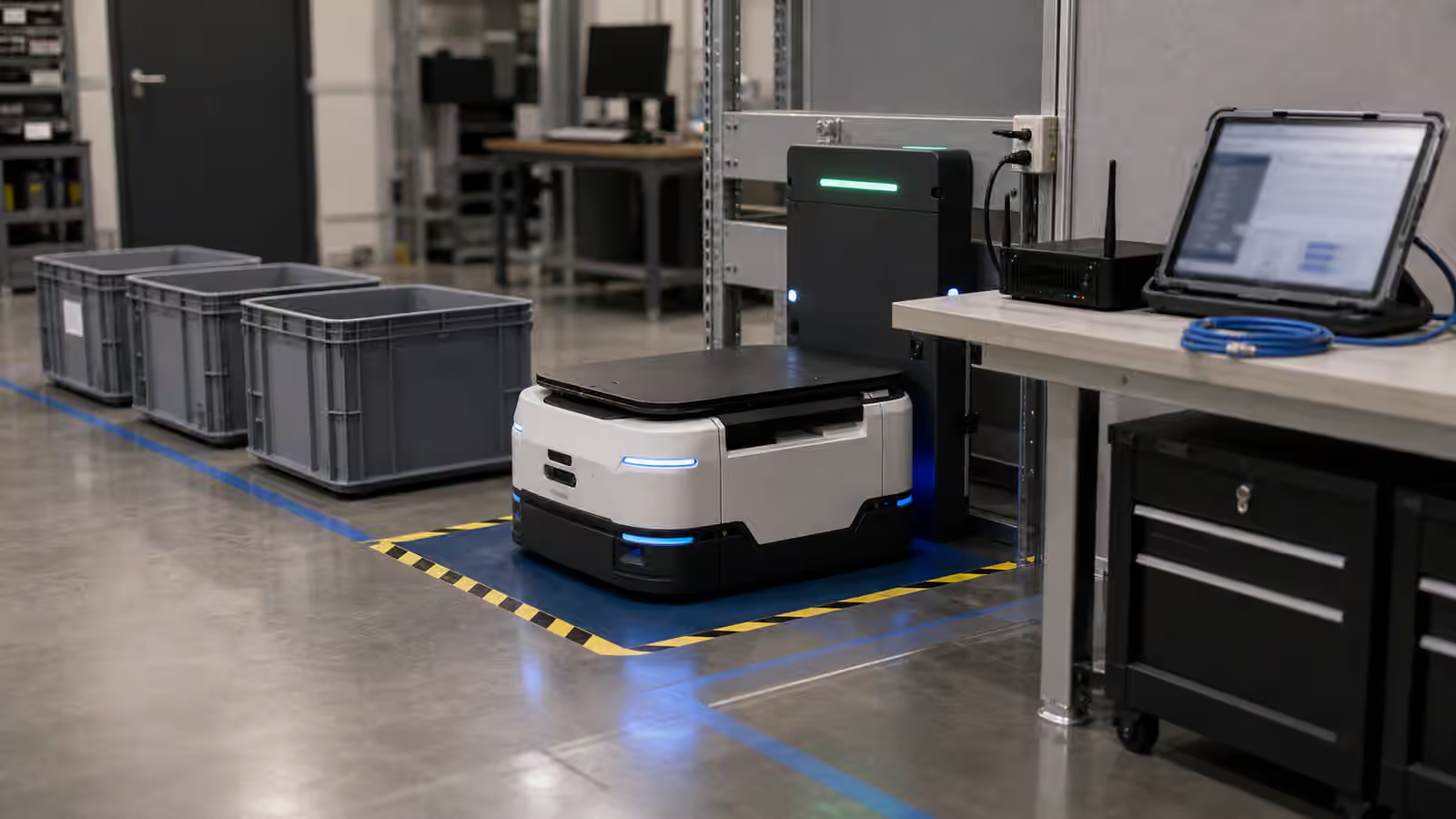
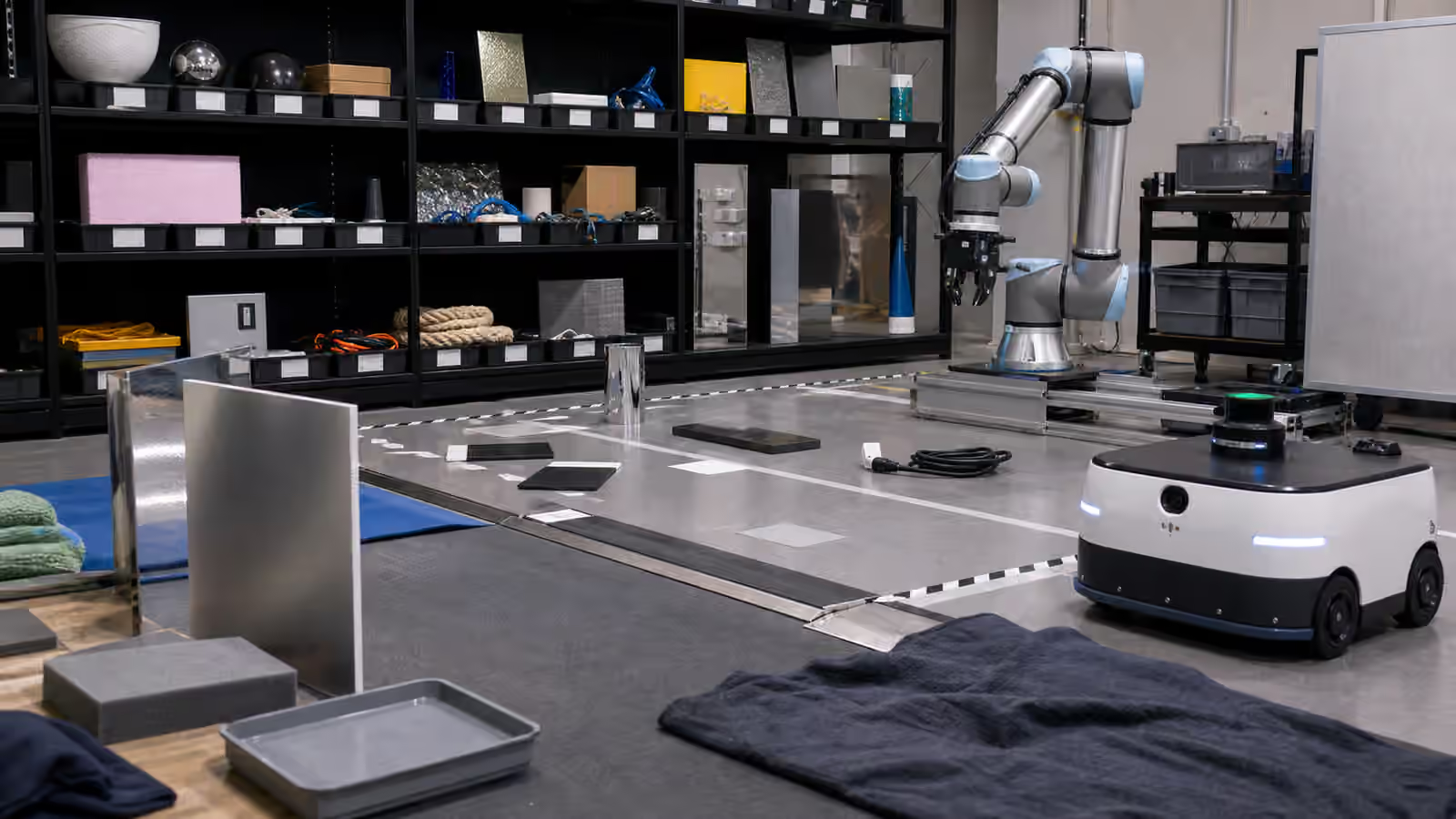
A warehouse robot has a map, a fleet manager, marked workflows, known payloads, and trained operators. A home robot has pets, thresholds, toys, chair legs, clutter, privacy concerns, and no facilities team. A humanoid has the attractive promise of fitting human spaces, but also the cost and control burden of legs, arms, balance, hands, perception, and safety all at once.
This shelf is built around those differences.
Reading path
- What Robots Can Actually Do
- Humanoid Robots: The Practical Guide
- Robot Hands and Dexterous Manipulation
- Home Robots: Useful, Narrow, and Hard
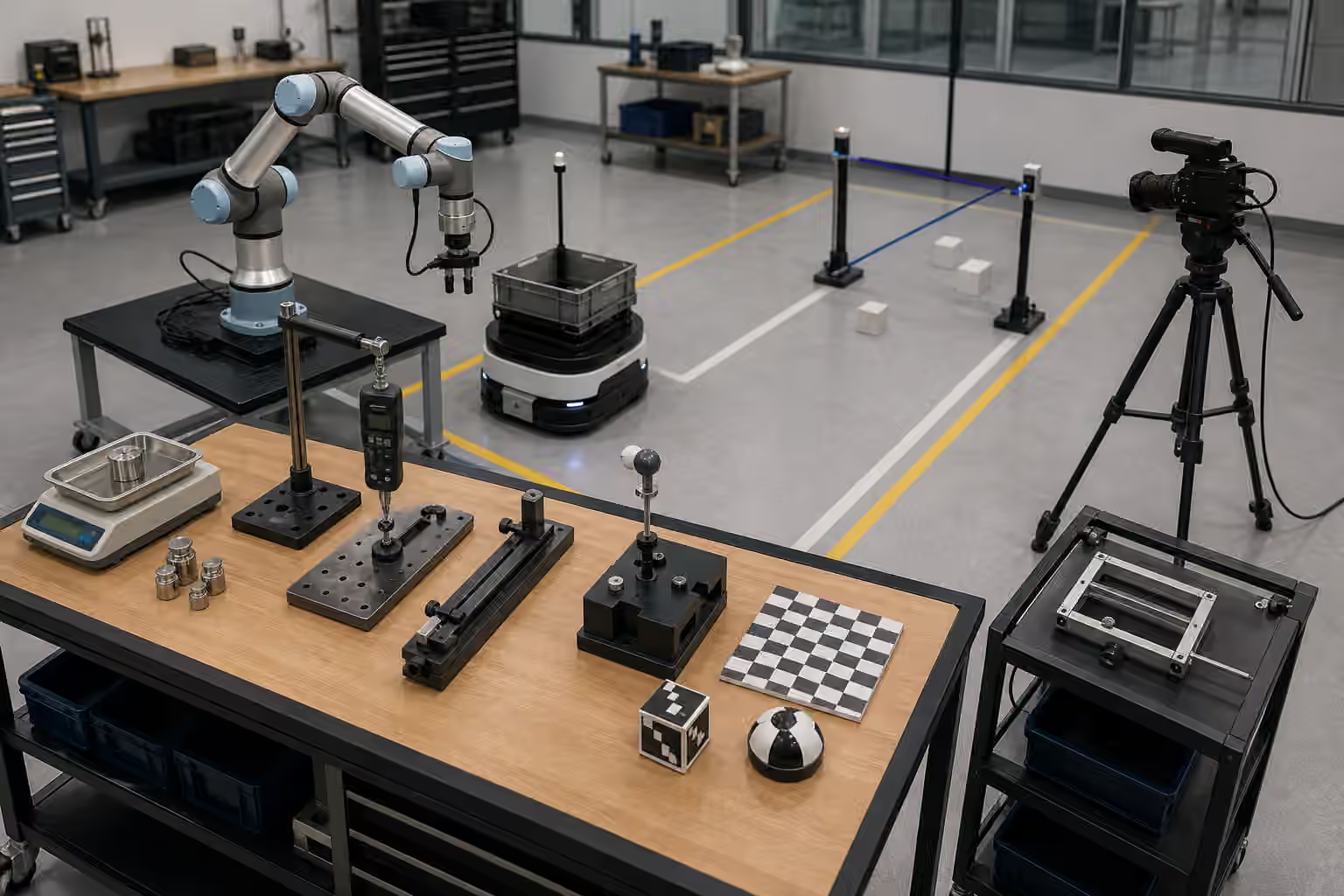
- Warehouse Robots: AMRs, Arms, and Real Workflows
- Embodied AI: Models That Meet the World
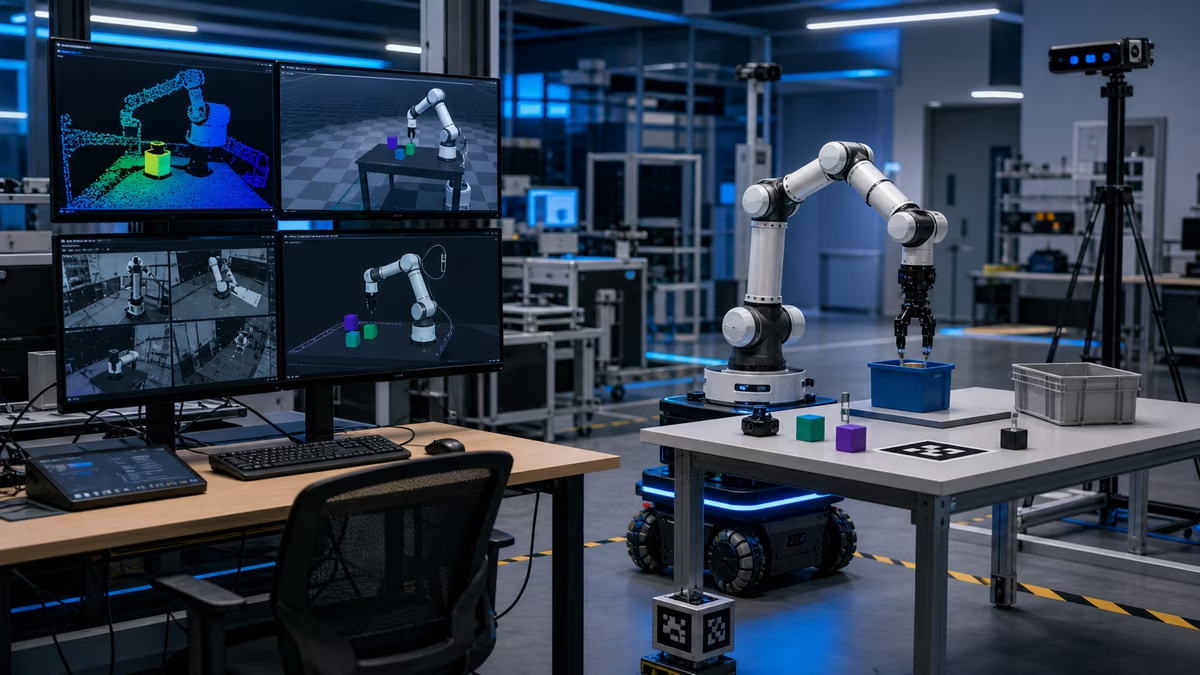
- Robot Autonomy: The Stack Behind the Demo
- Robot Teleoperation: The Human Still in the Loop
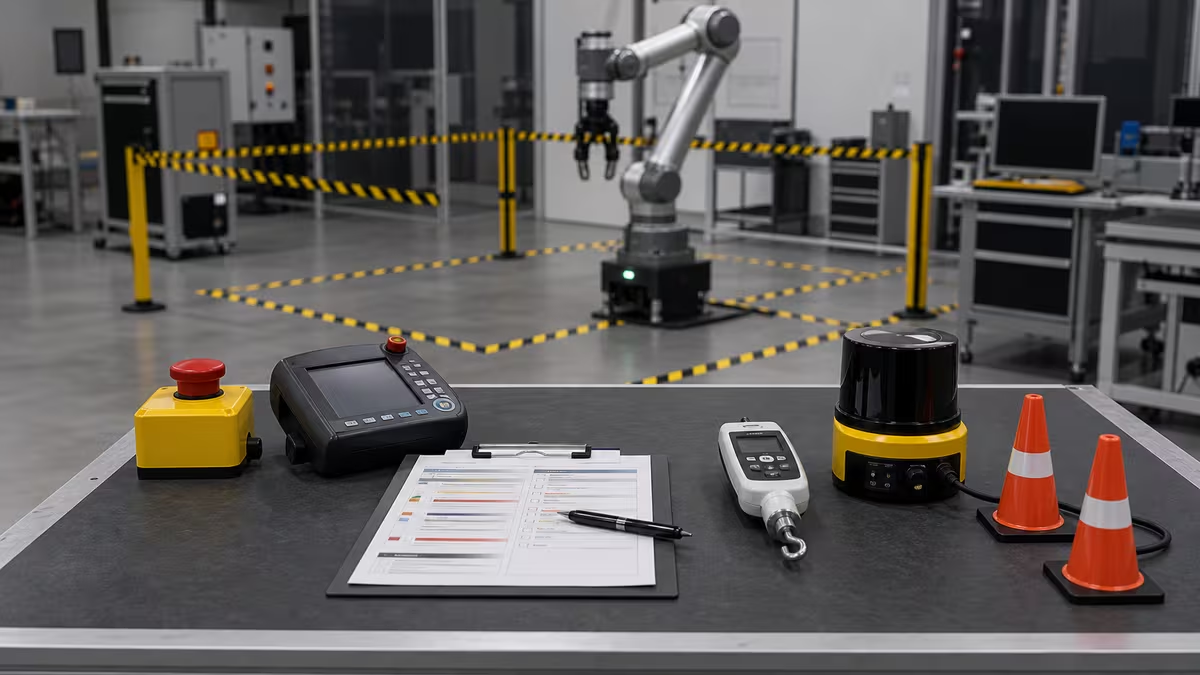
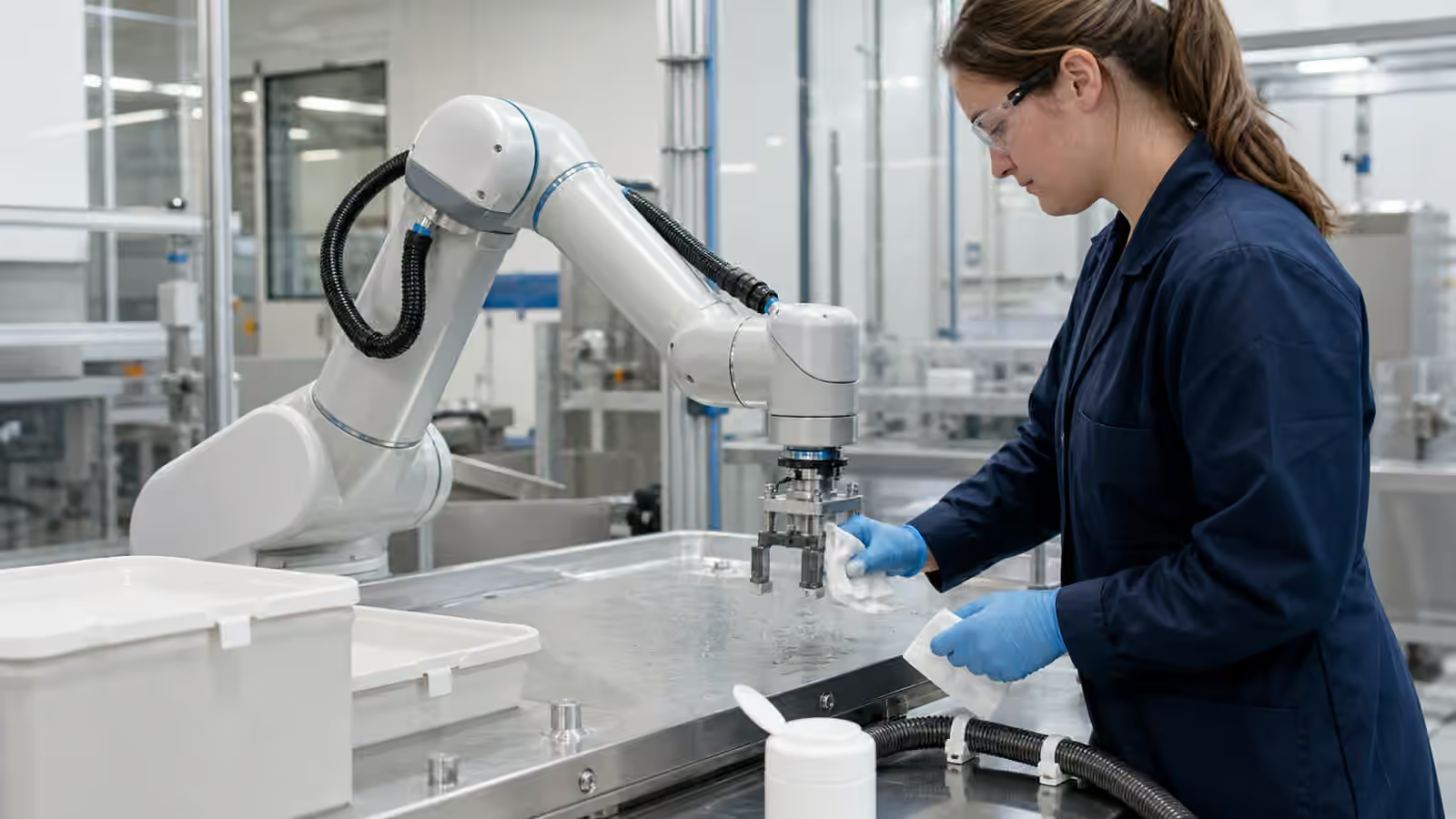
- Robot Safety: Risk, Standards, and Good Boundaries
- Robot Maintenance and Reliability
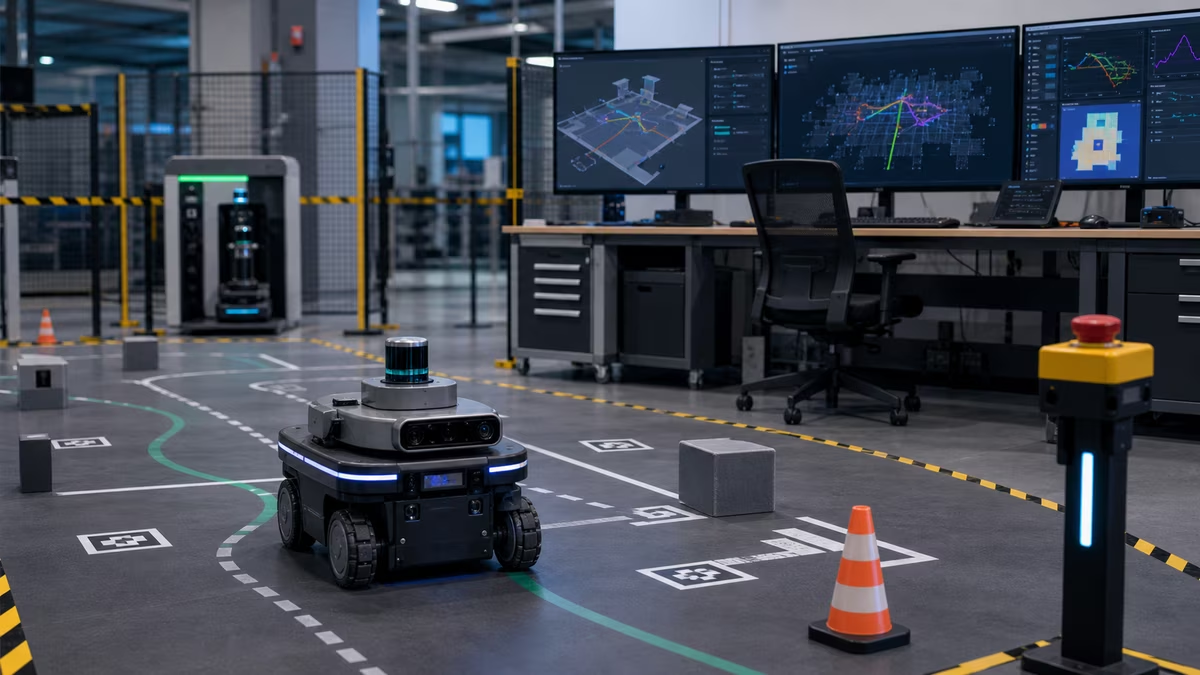
- Robot Fleet Management
- Robot Site Readiness
- Robot Handoffs and Human Workflows
- Robot Systems Integration
- Robot Pilot and Procurement Evaluation
Capability Cluster
Platform Cluster
- Humanoid Robots
- Robot Hands and Dexterous Manipulation
- Warehouse Robots
- Home Robots
- Robot Fleet Management
Safety Cluster
The short version
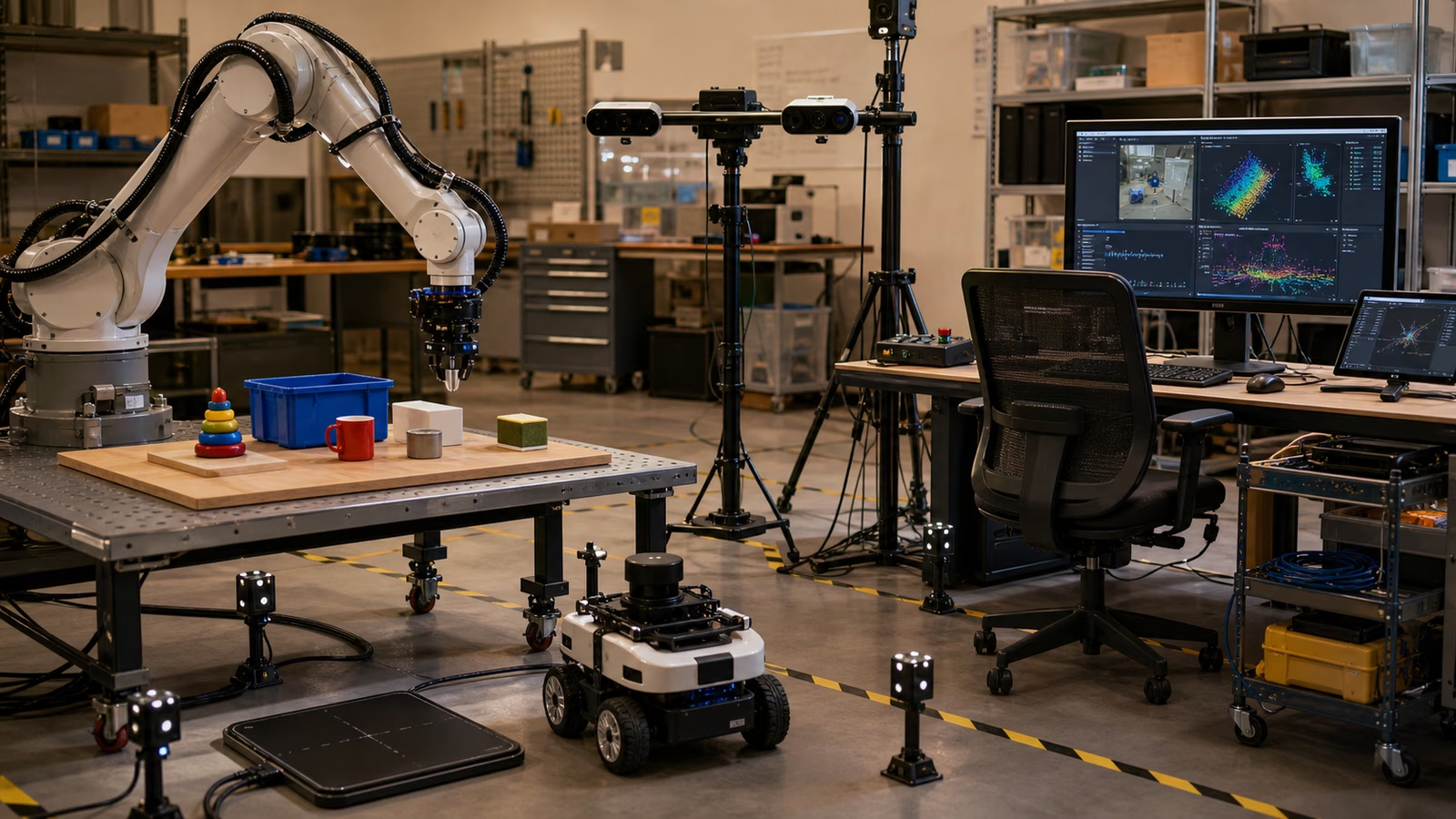
The robots that work best today usually have one or more advantages: constrained environments, repeatable tasks, known objects, engineered workflows, trained users, simple success metrics, and safe fallback states. The harder the setting becomes, the more the robot needs perception, manipulation, reasoning, safety design, maintenance, and honest limits.
If you are trying to judge a new announcement or investor demo, read Robot Demo Evaluation before you decide what the clip proves. It explains the missing denominator behind robotics videos: attempt counts, supervision, failure behavior, environment design, and the gap between a good moment and a real deployment.
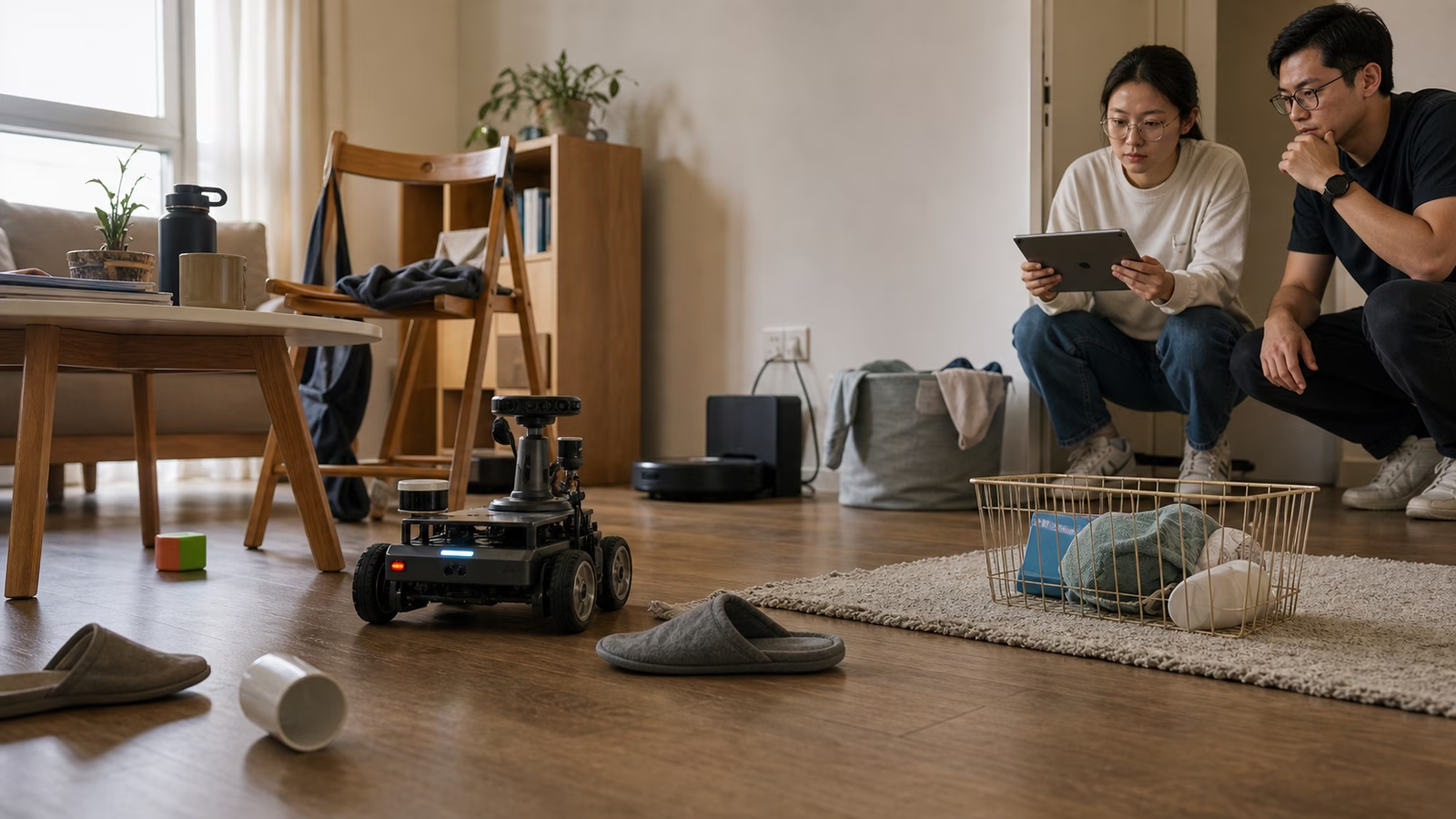
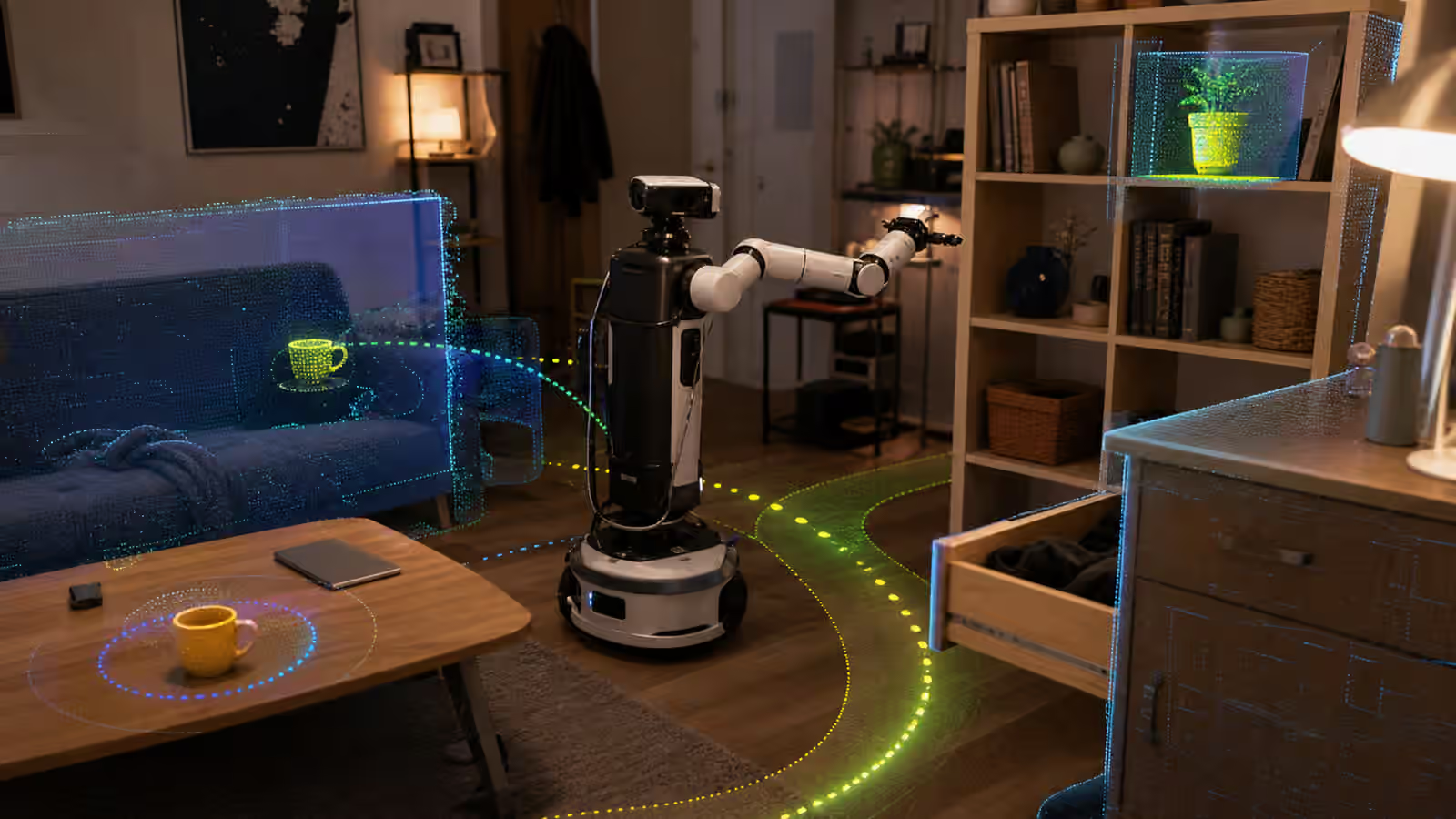
If you are especially interested in home robots, Robot Perception in Messy Homes explains why ordinary rooms are so difficult: clutter moves, lighting changes, objects hide each other, privacy matters, and a robot has to turn uncertain sensor data into cautious action.
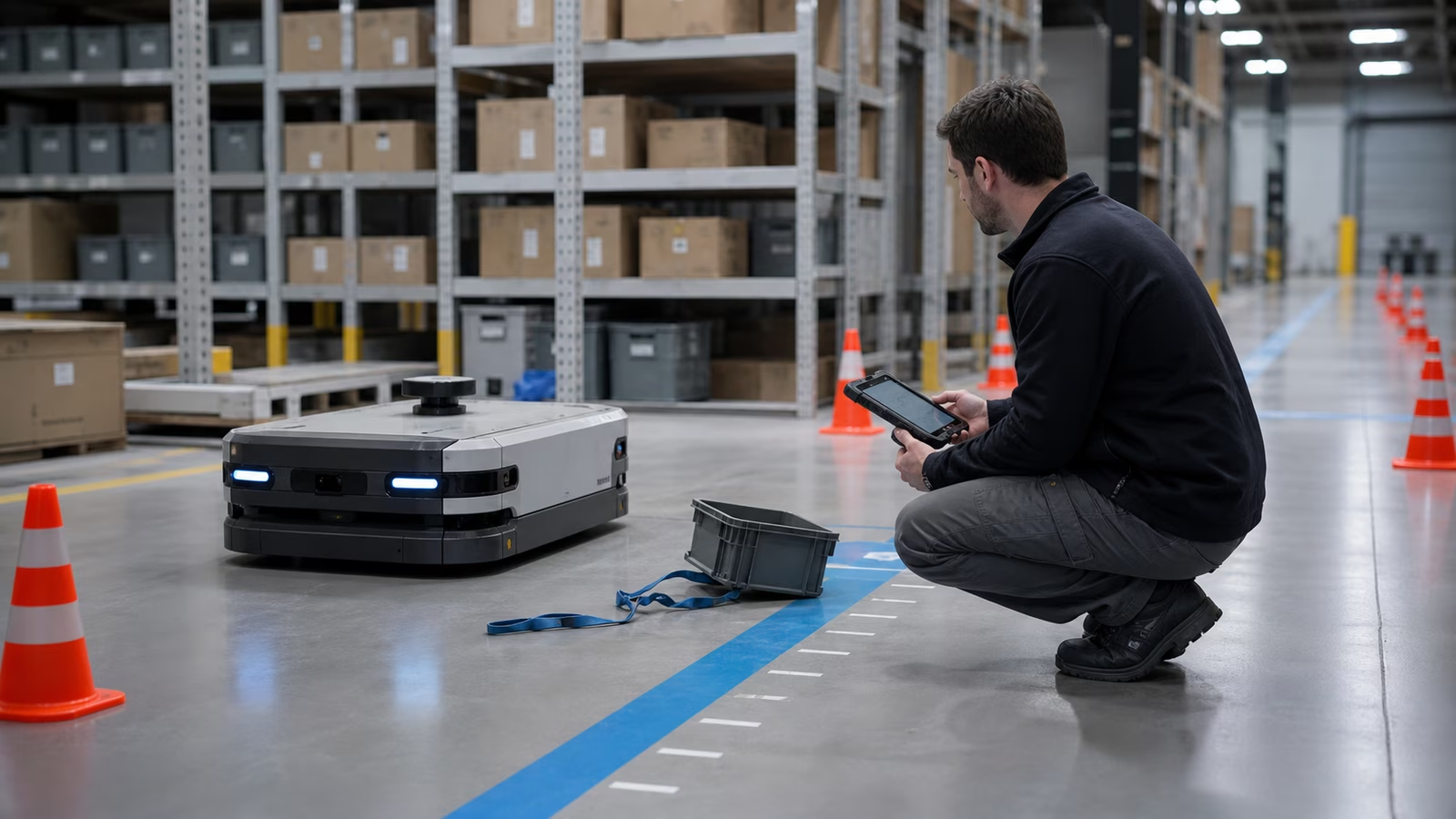
When a robot is useful but not fully independent, Robot Teleoperation explains the human supervision layer behind remote driving, shared control, exception handling, and honest autonomy claims.
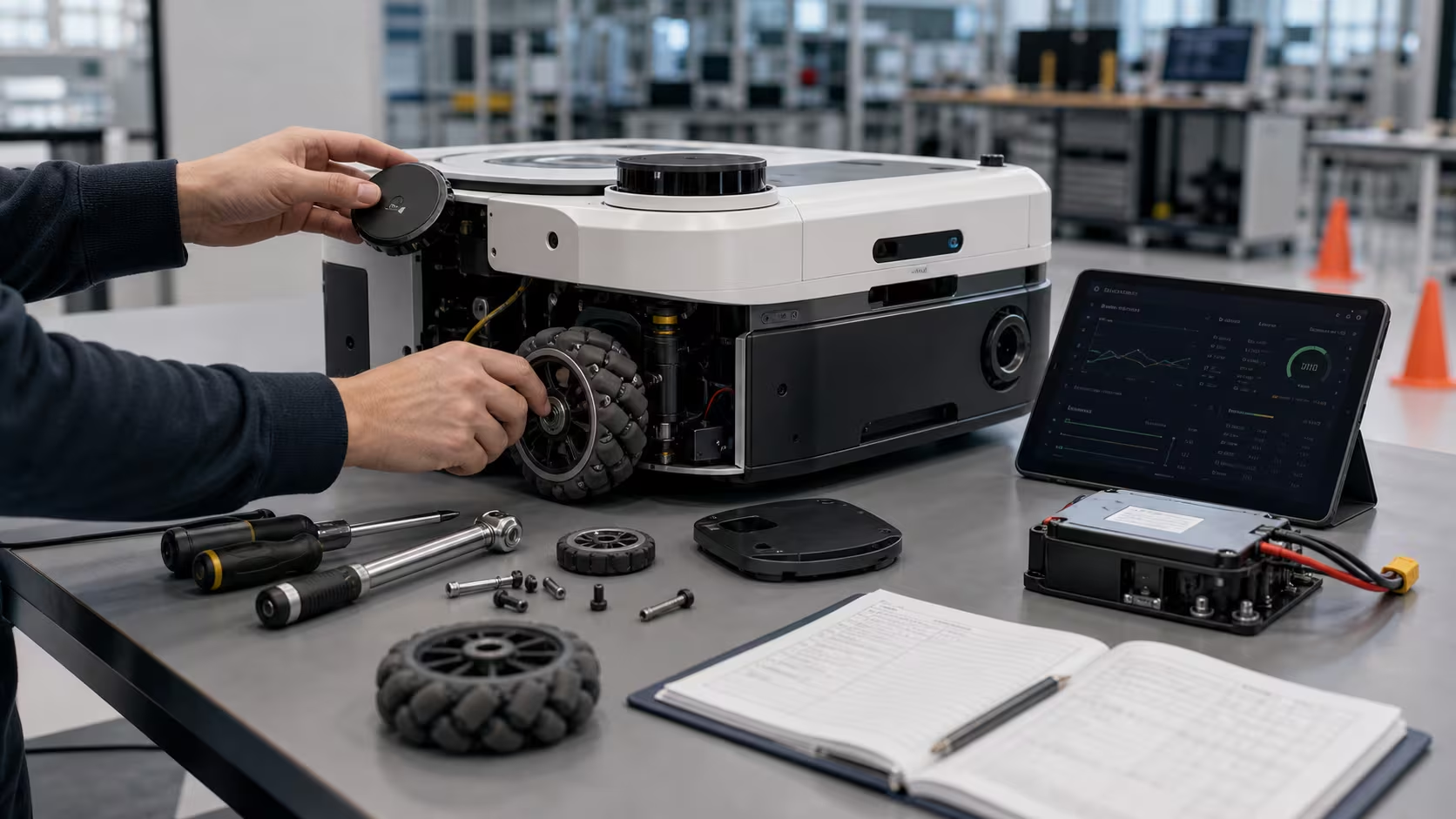
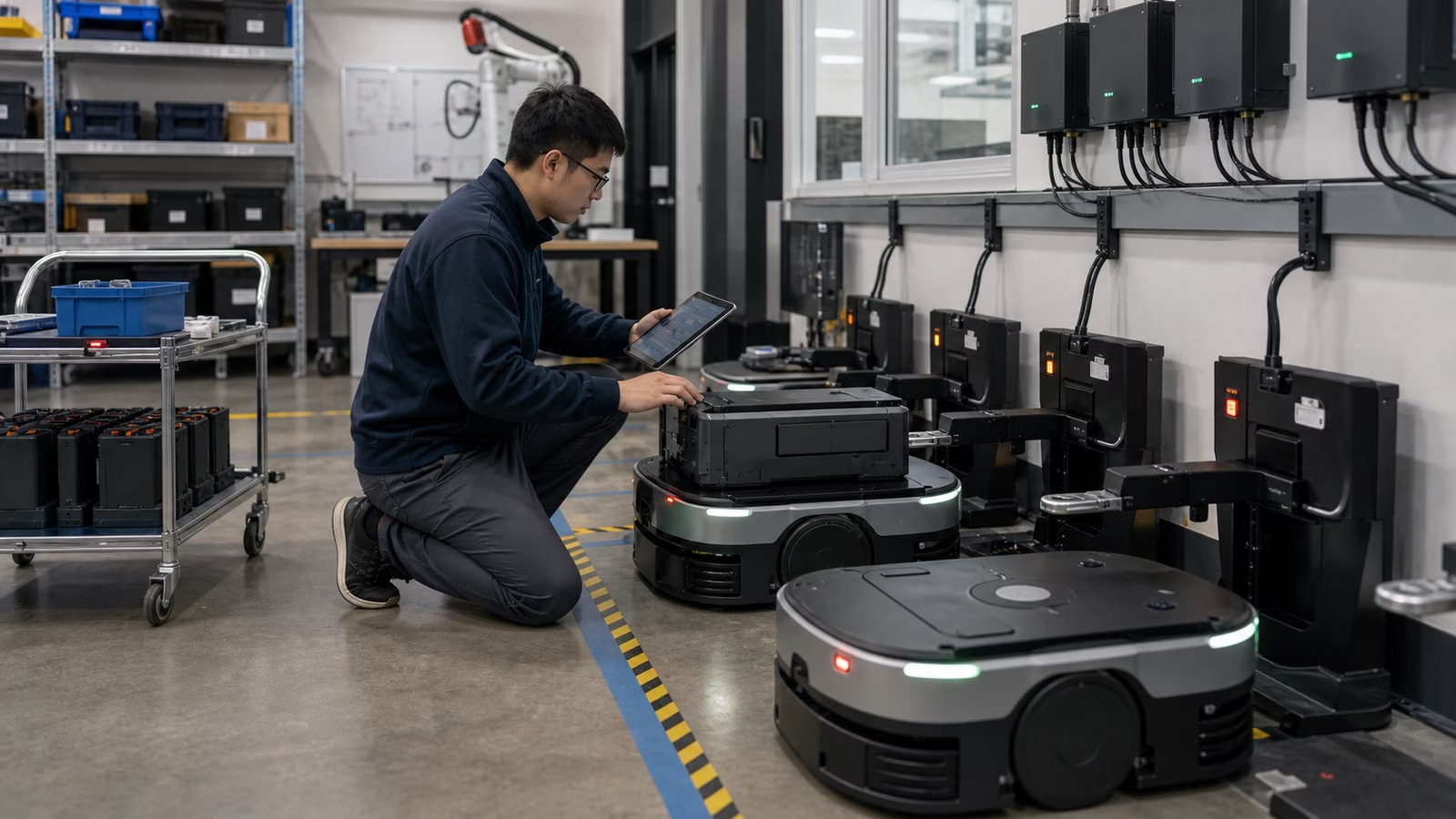
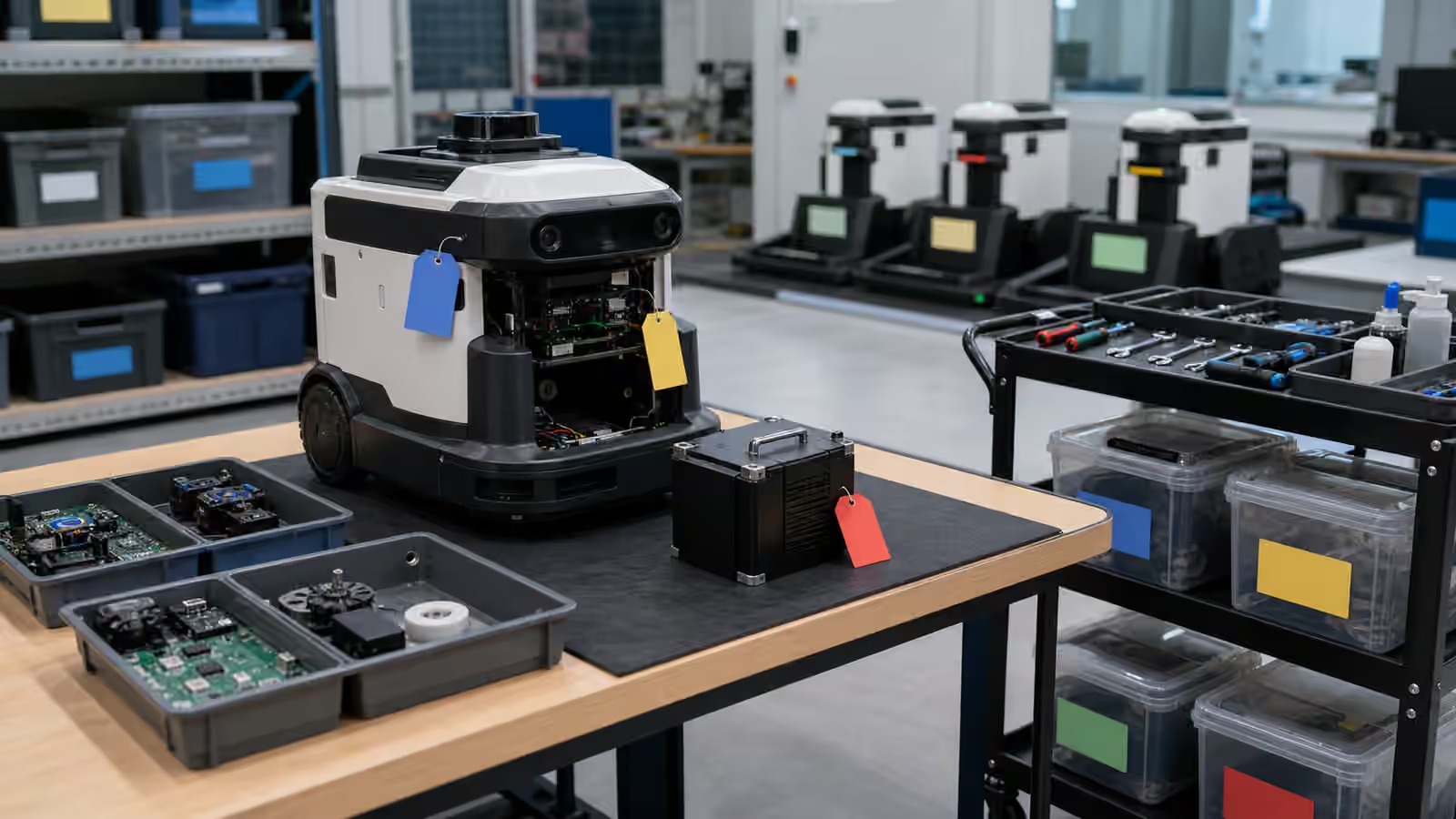
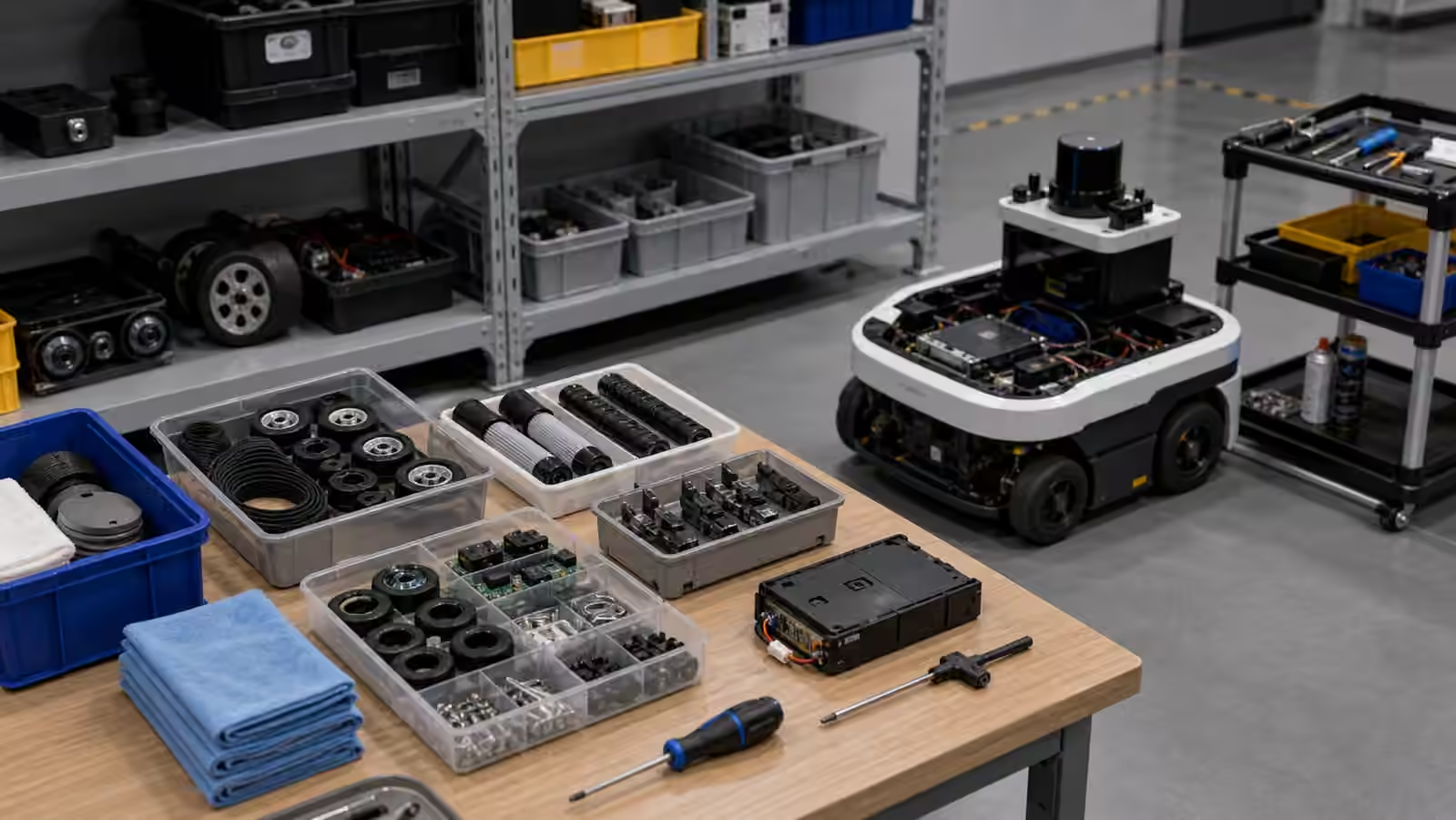
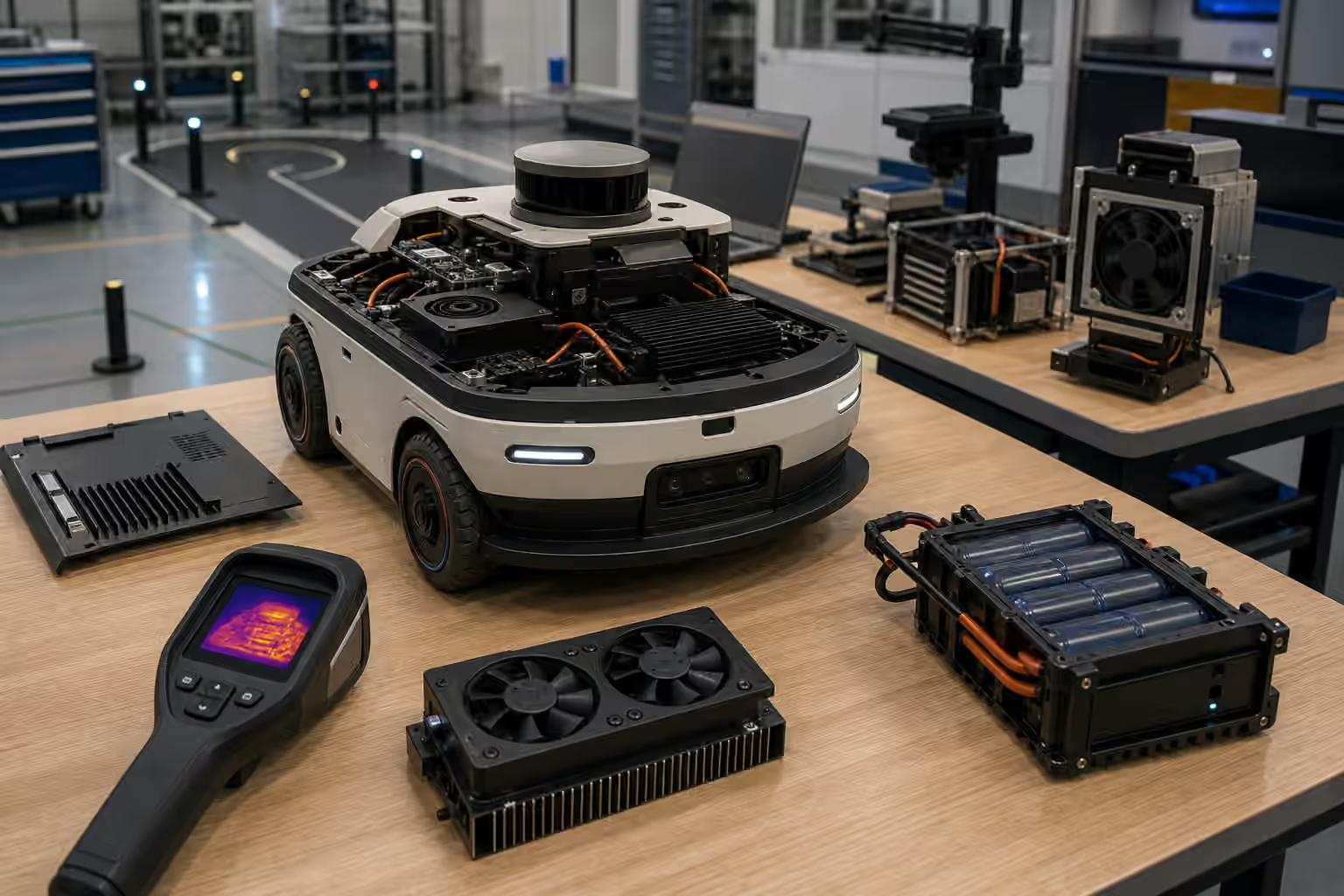
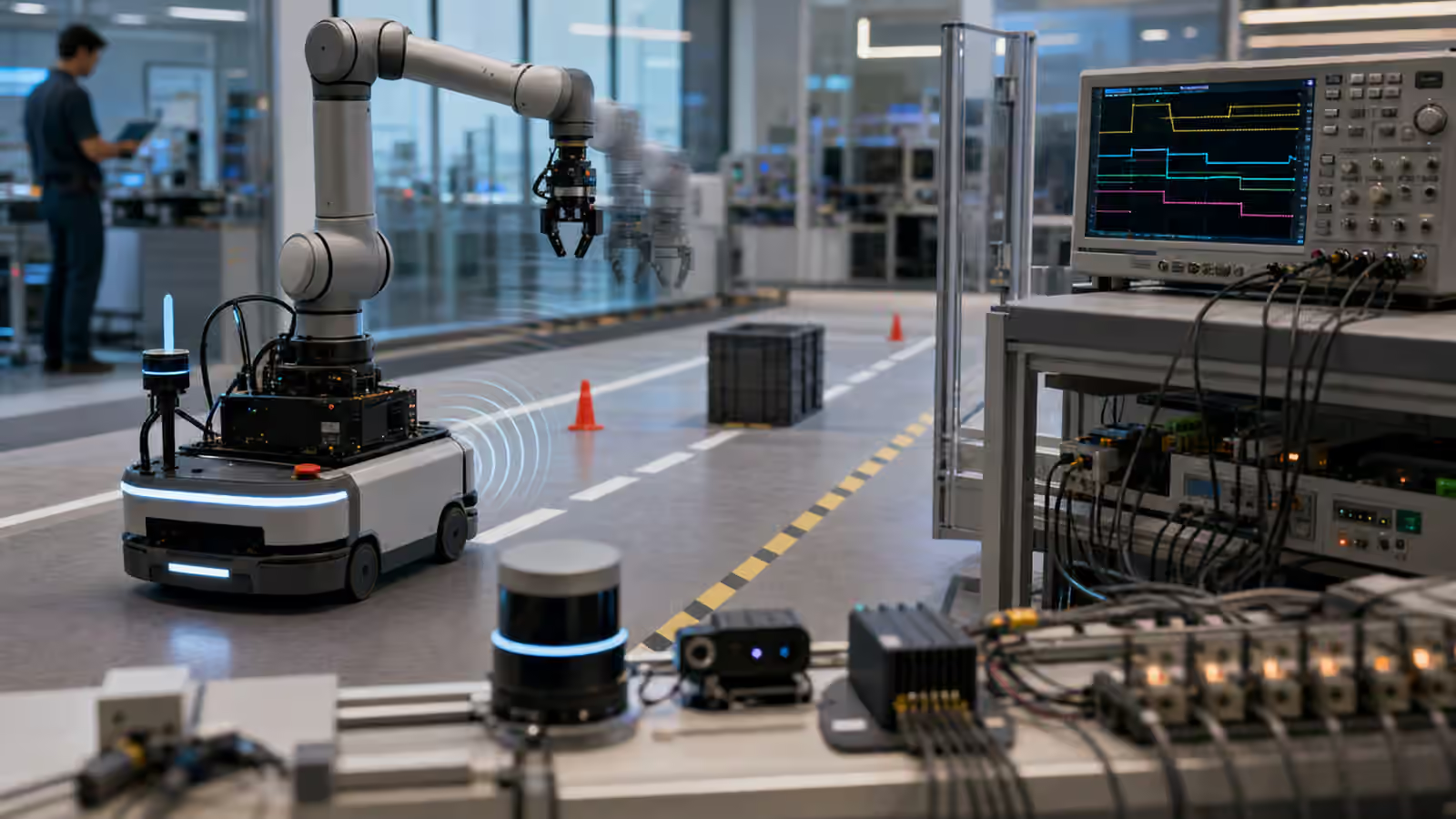
Robot Maintenance and Reliability belongs near safety and deployment because physical AI has to keep working after the demo: batteries age, sensors drift, wheels wear, logs matter, and field support becomes part of the product.
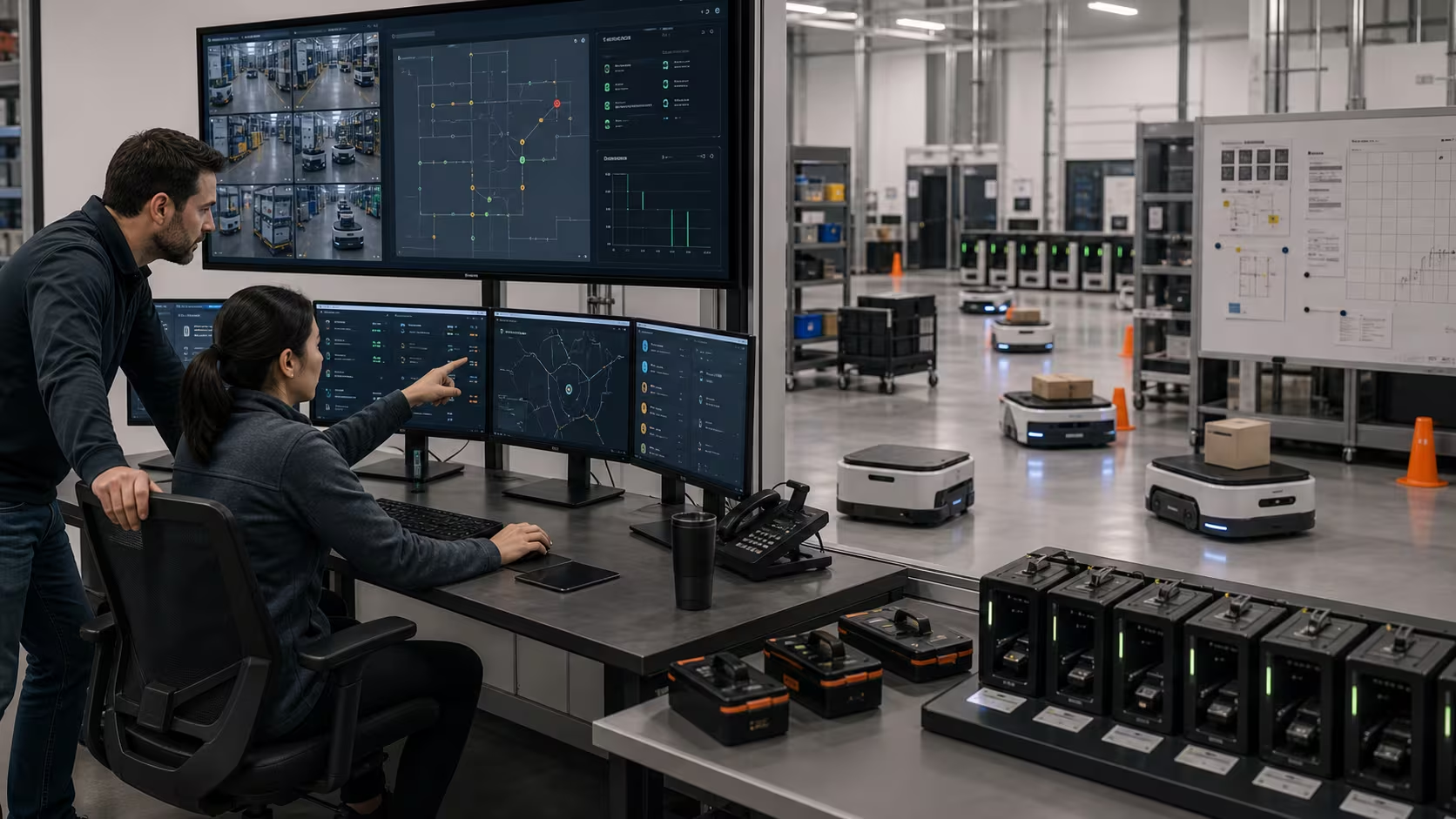
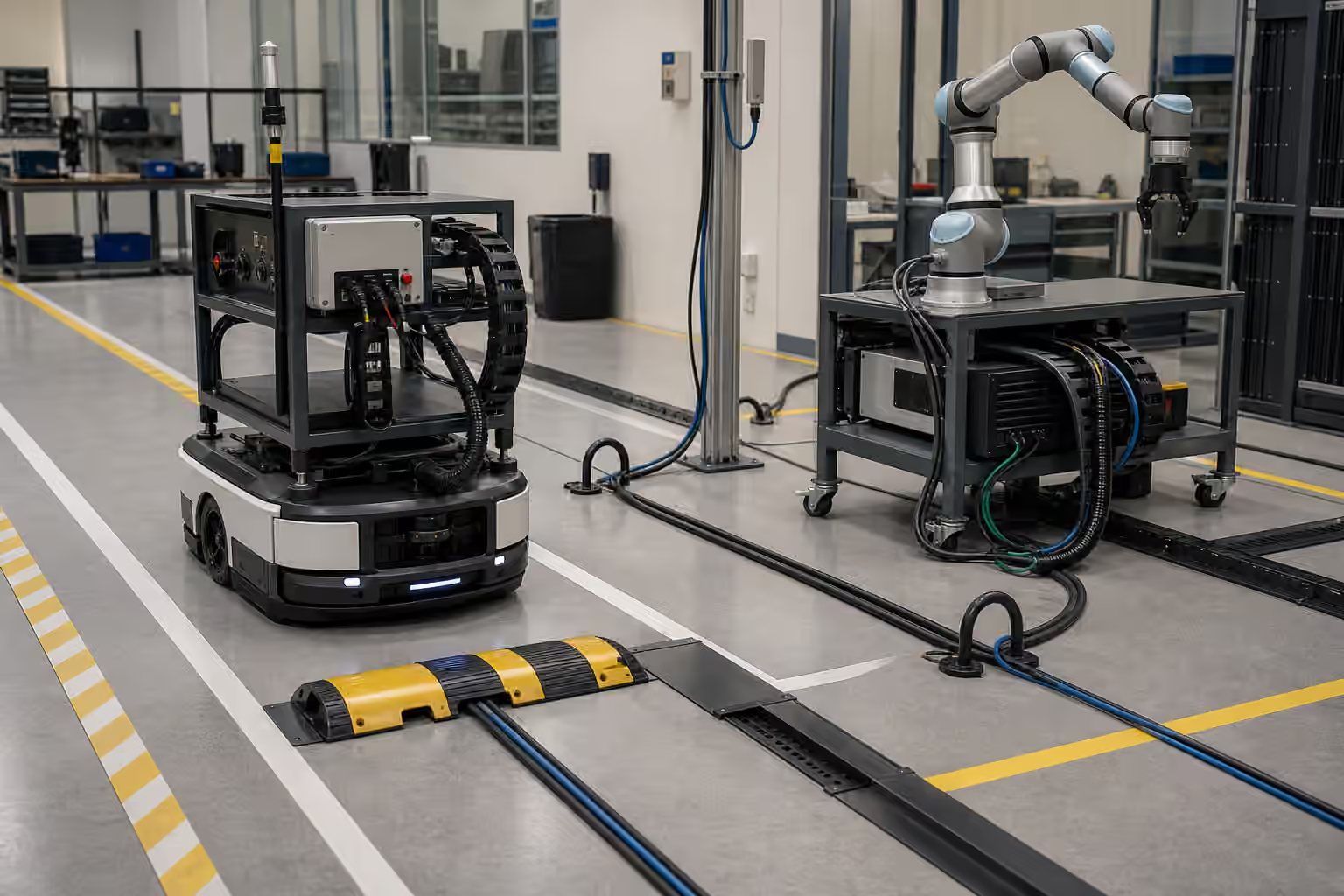
Robot Fleet Management picks up when one robot becomes many. Dispatch, charging, maps, utilization, maintenance windows, and human trust become the real deployment surface.
Robot Charging and Energy Management adds the battery layer behind that deployment surface. Docks, duty cycles, battery aging, low-energy behavior, charging safety, and schedule design decide whether a robot can keep working after the demo ends.
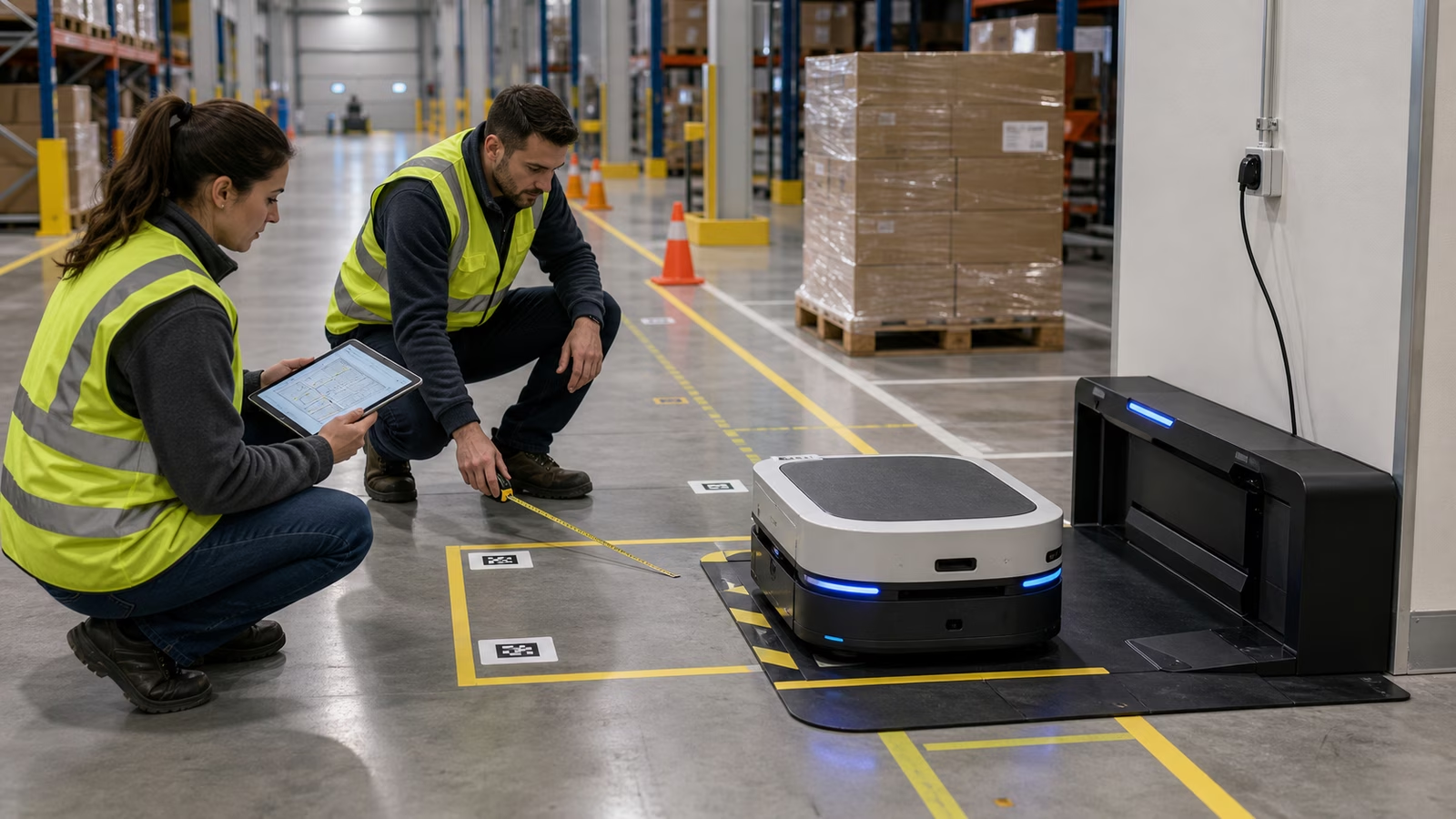
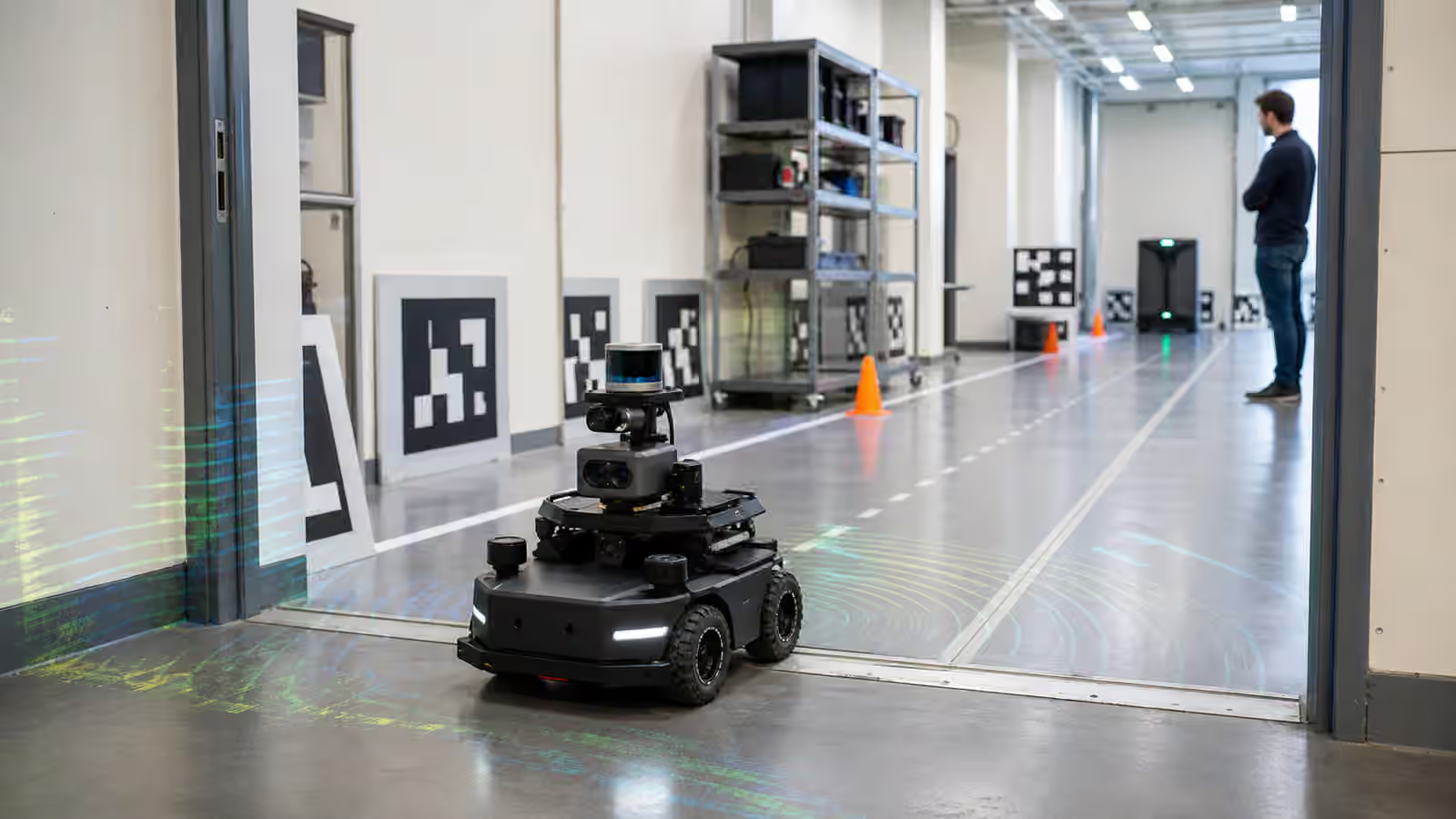
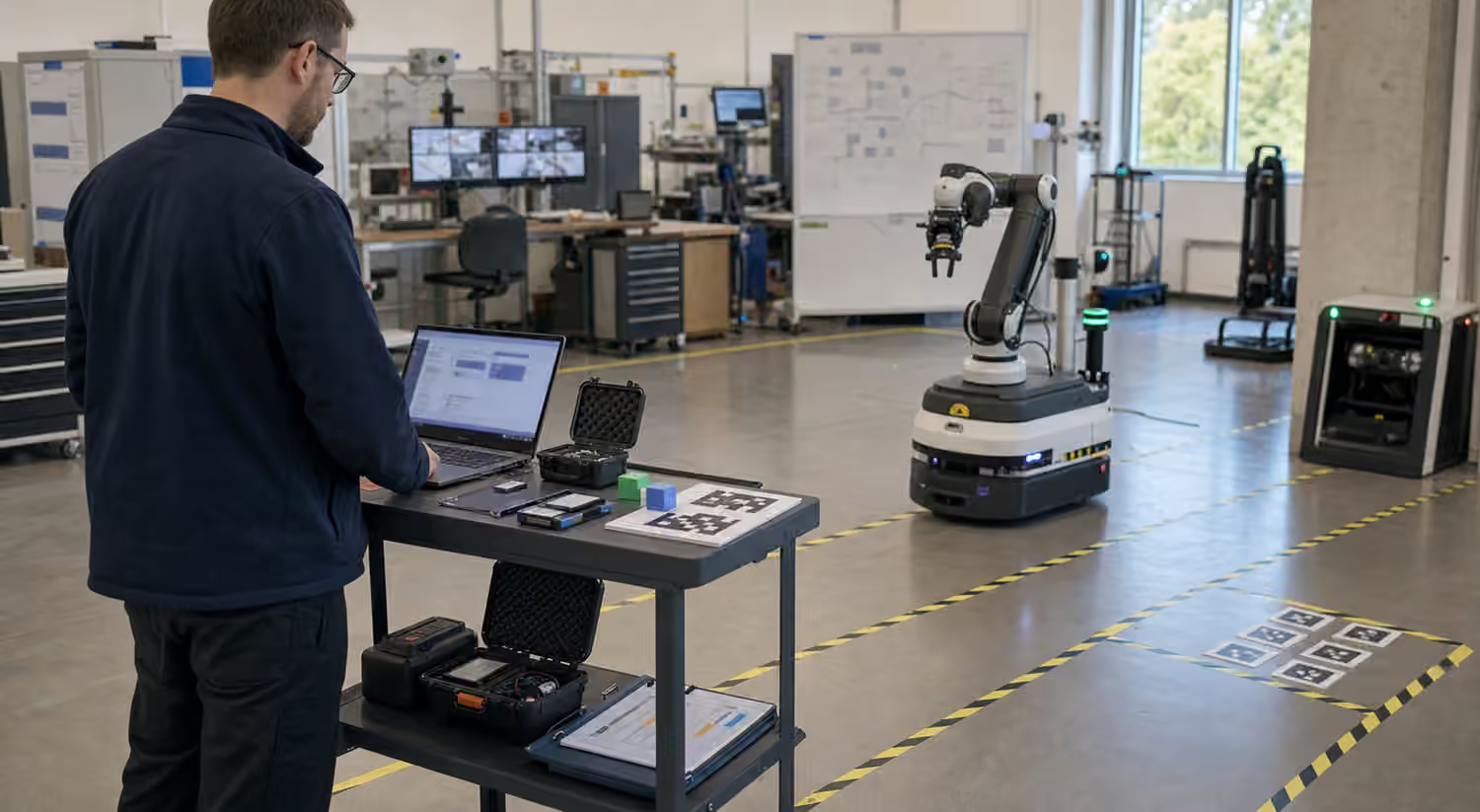
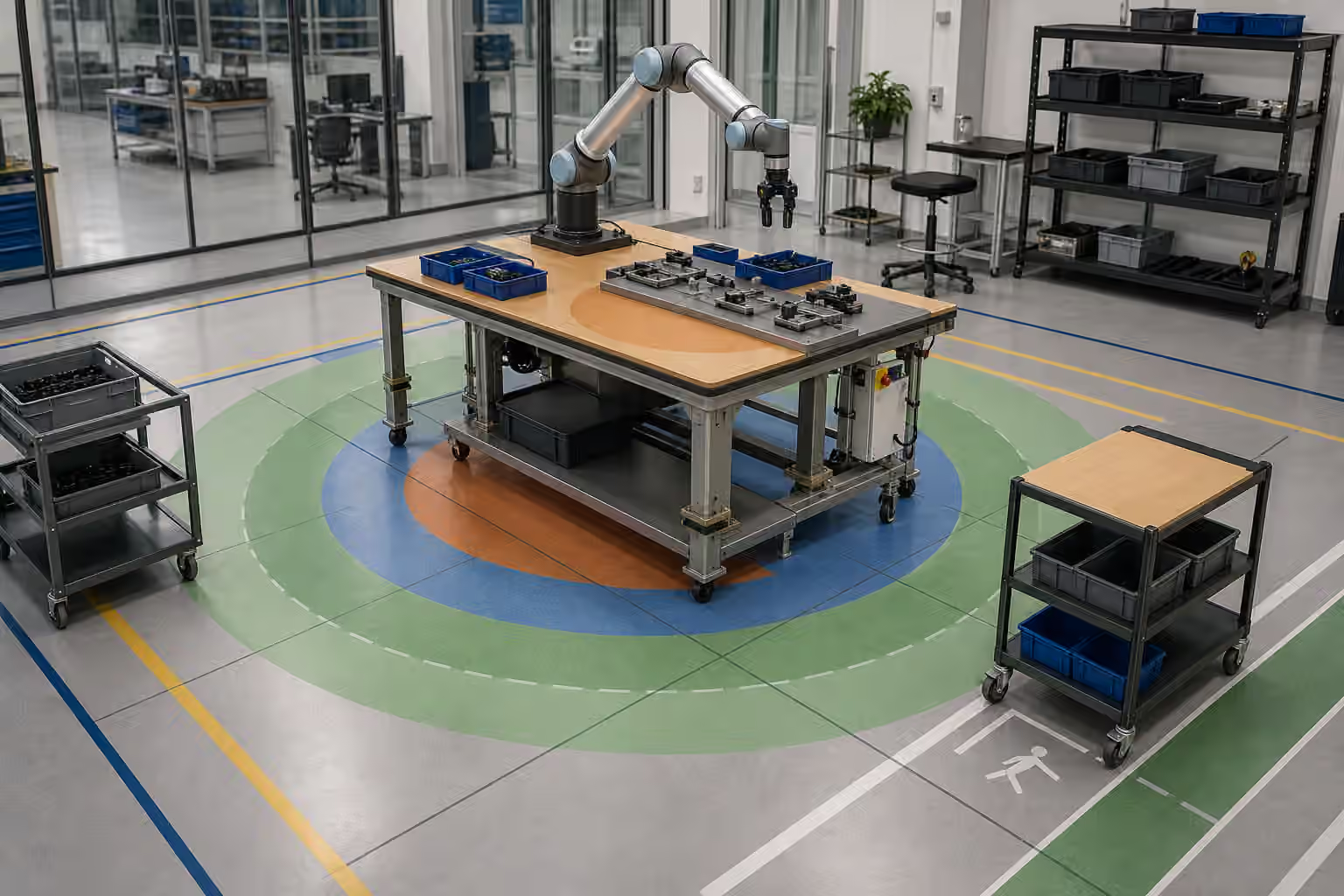
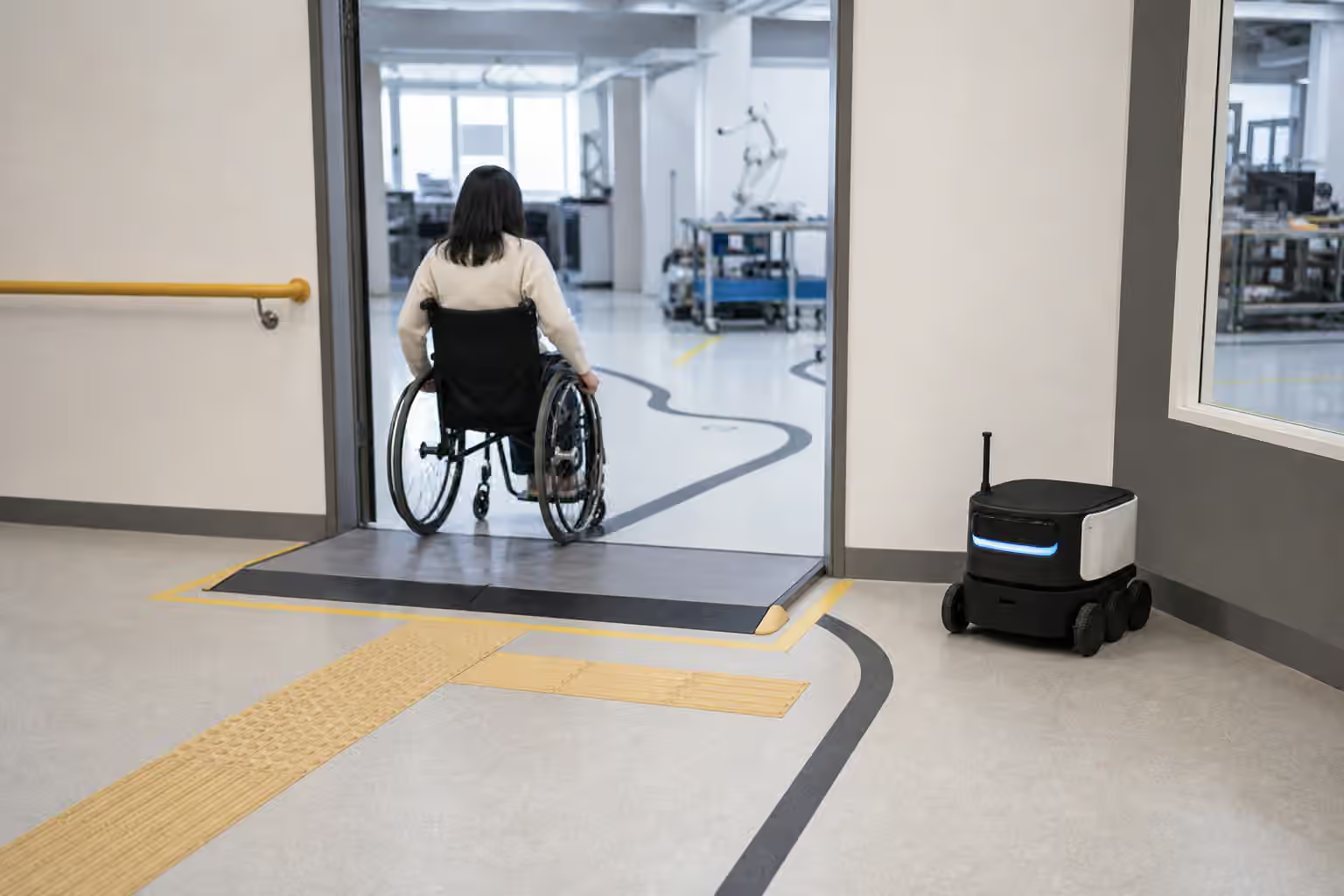
Robot Site Readiness belongs before any serious deployment. It looks at the building itself: floor conditions, charging placement, maps, route changes, operator training, acceptance tests, and the ordinary site habits that decide whether a robot becomes useful infrastructure or a demo that keeps needing rescue.
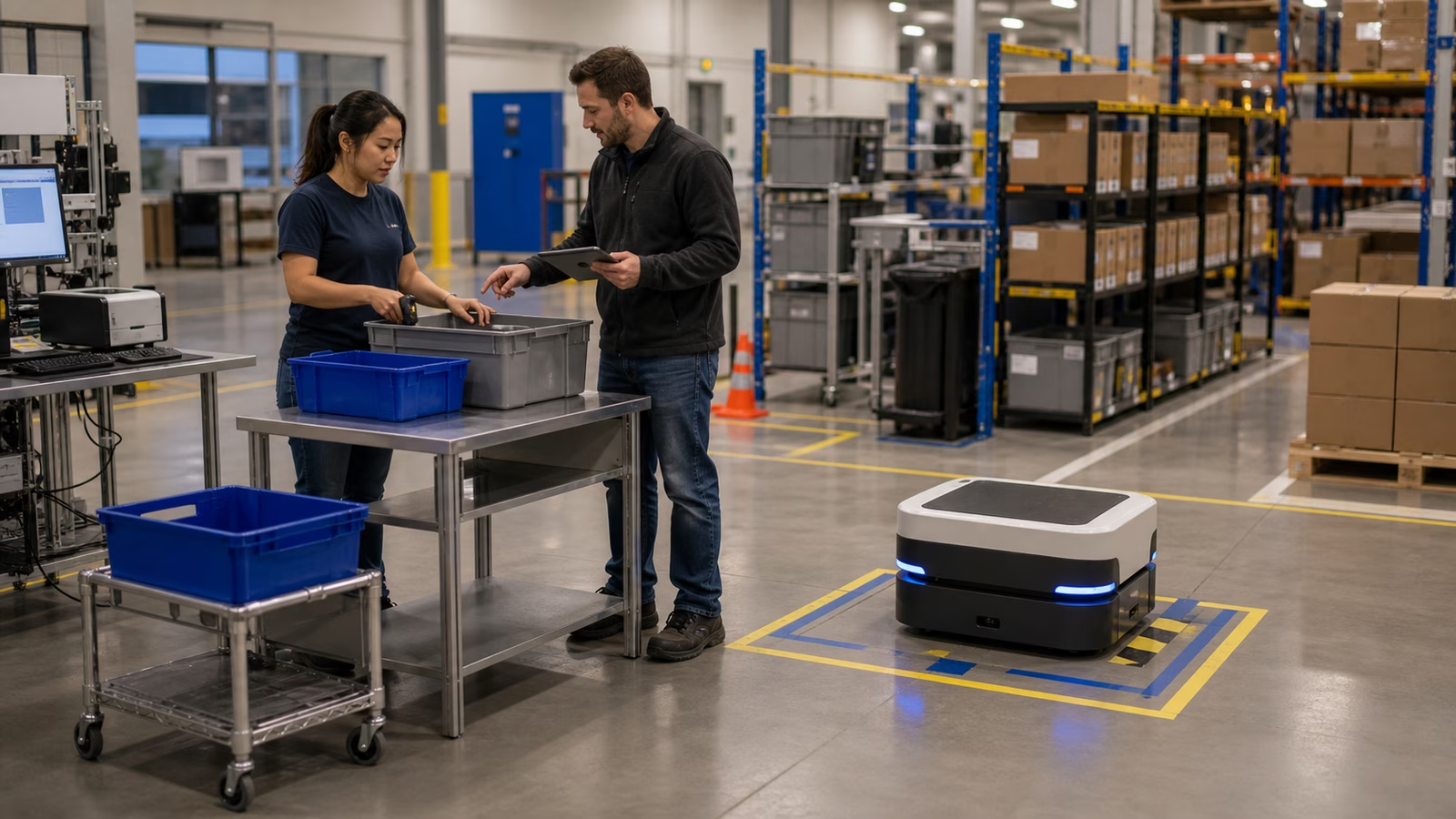
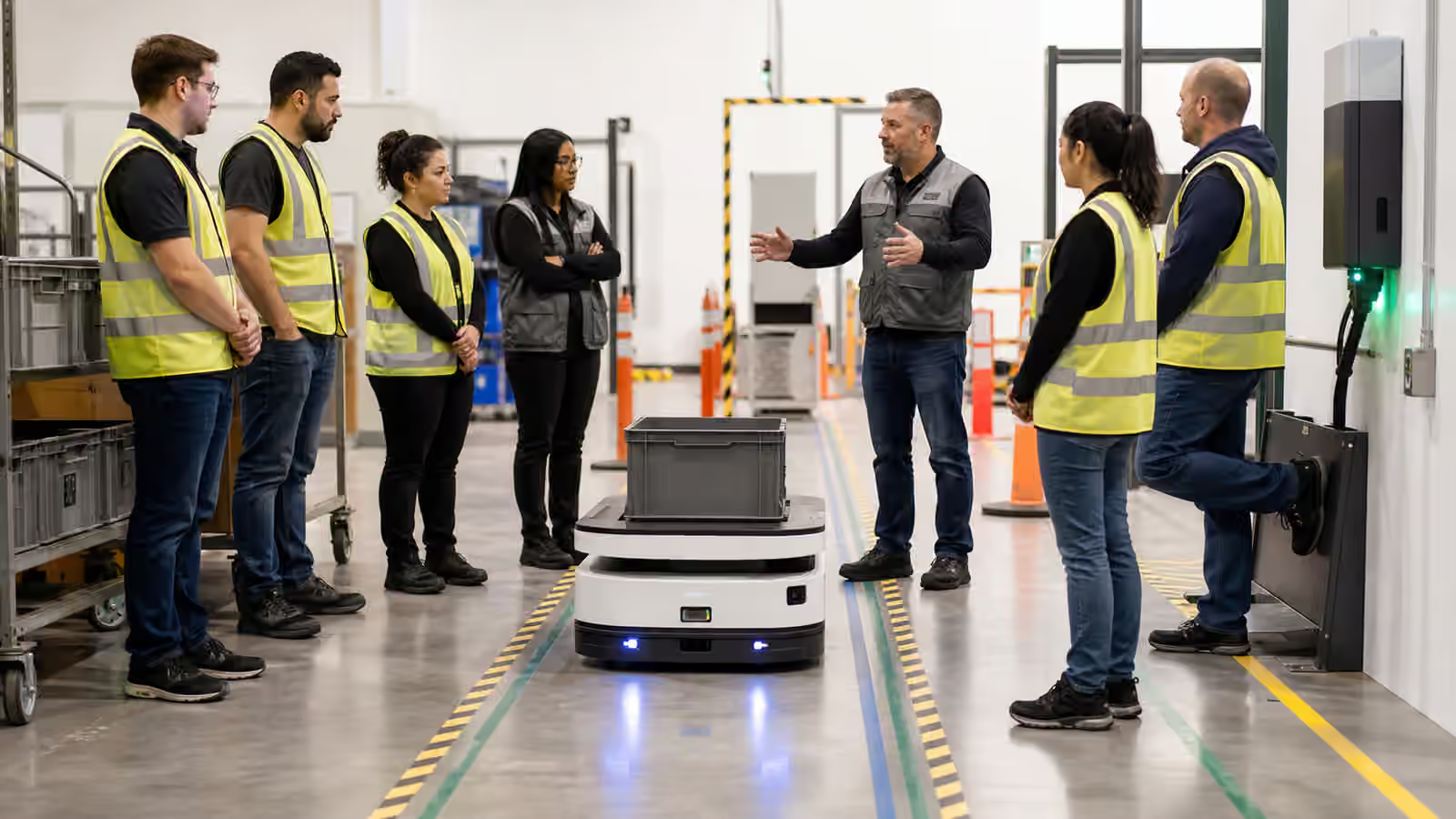
Robot Handoffs and Human Workflows moves from the building to the exact place where automation meets people. It explains why stop points, timing, signals, exception paths, and human friction often decide whether a robot helps the workflow or quietly becomes another task.
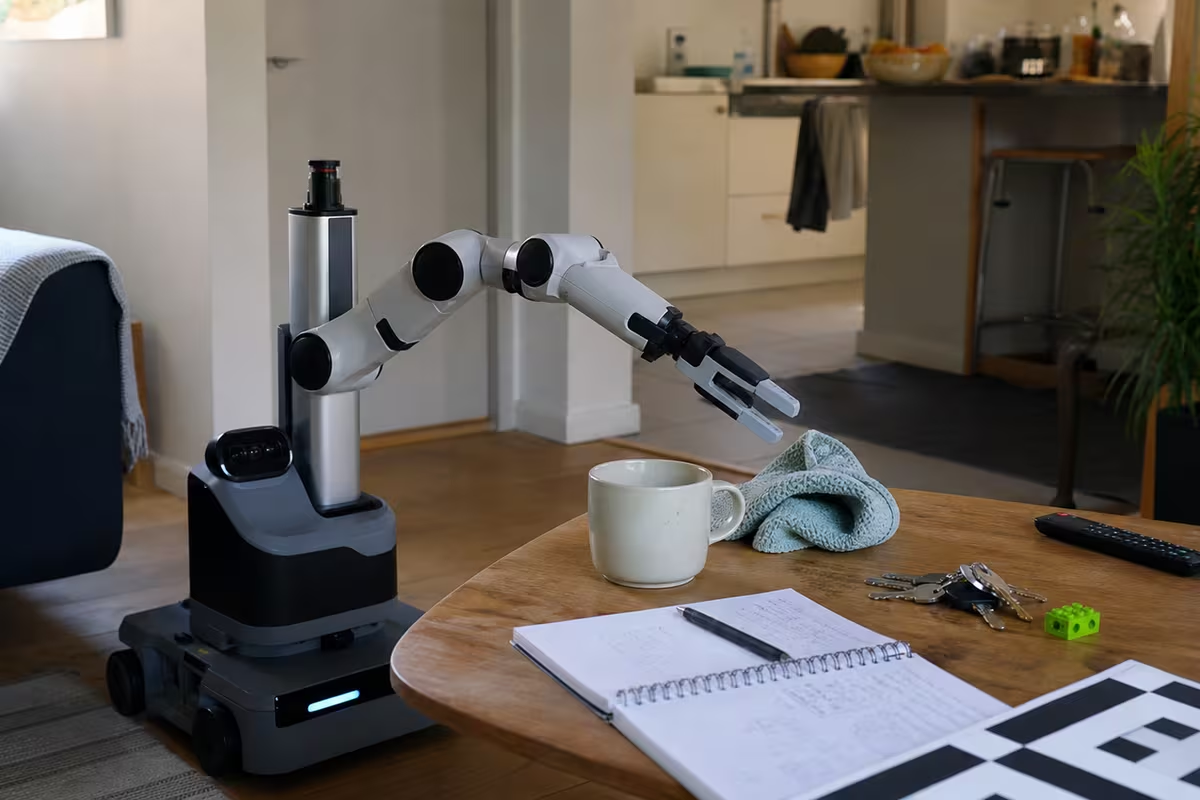
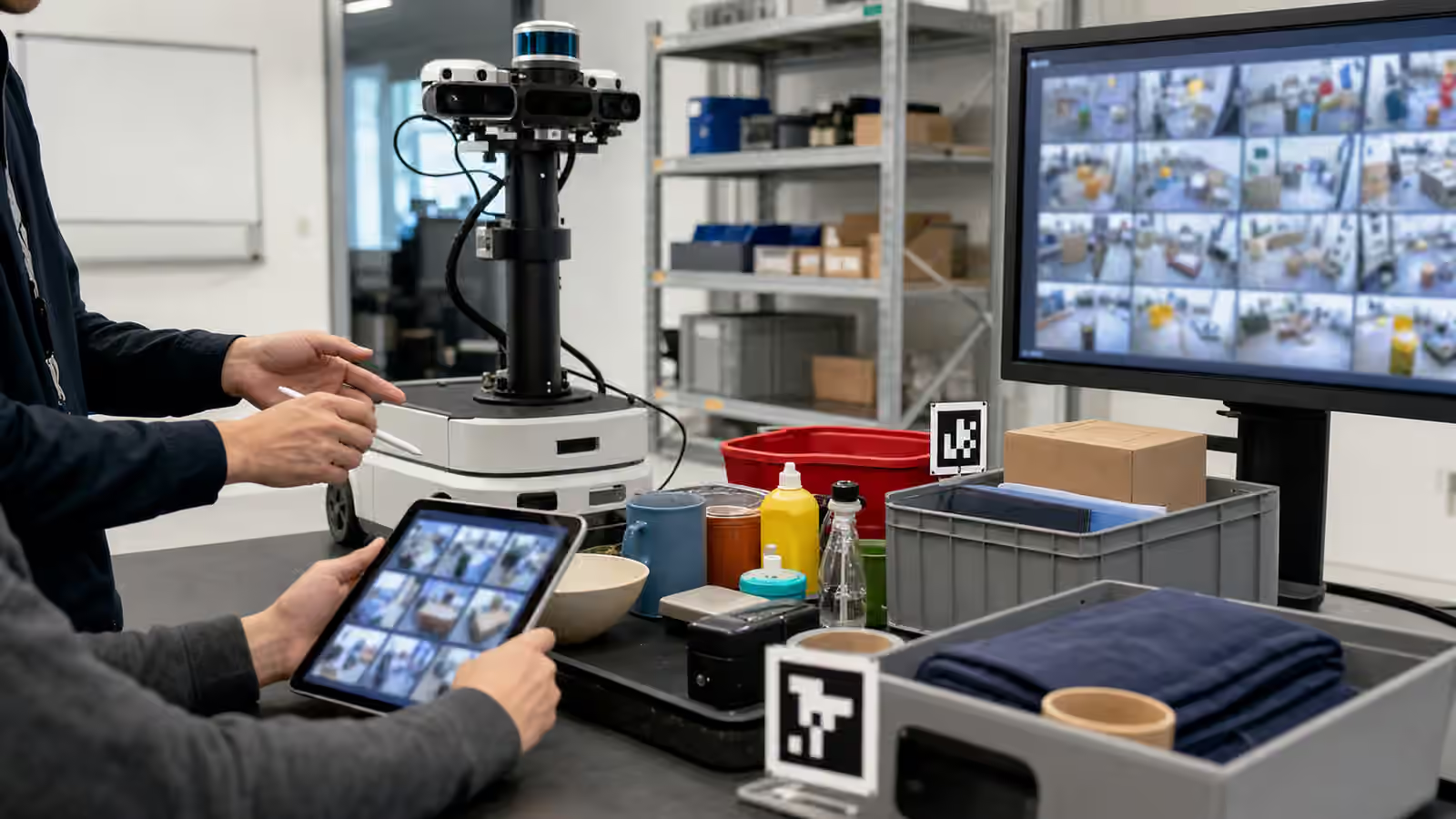
Robot Grasping in Real Homes follows the ordinary reach that makes home robotics difficult: mugs, towels, cables, toys, object uncertainty, tactile feedback, and the recovery work that separates a clean demo from a useful household machine.
Robot Systems Integration fills the handoff between autonomy and operations: job dispatch, identifiers, state, exceptions, APIs, safety context, and the systems that keep robot work from becoming a shadow workflow.
Robot Pilot and Procurement Evaluation belongs before a purchase decision. It explains how to turn a promising robot into a controlled evidence question with task boundaries, comparable vendor proof, site responsibilities, support expectations, and honest exit paths.