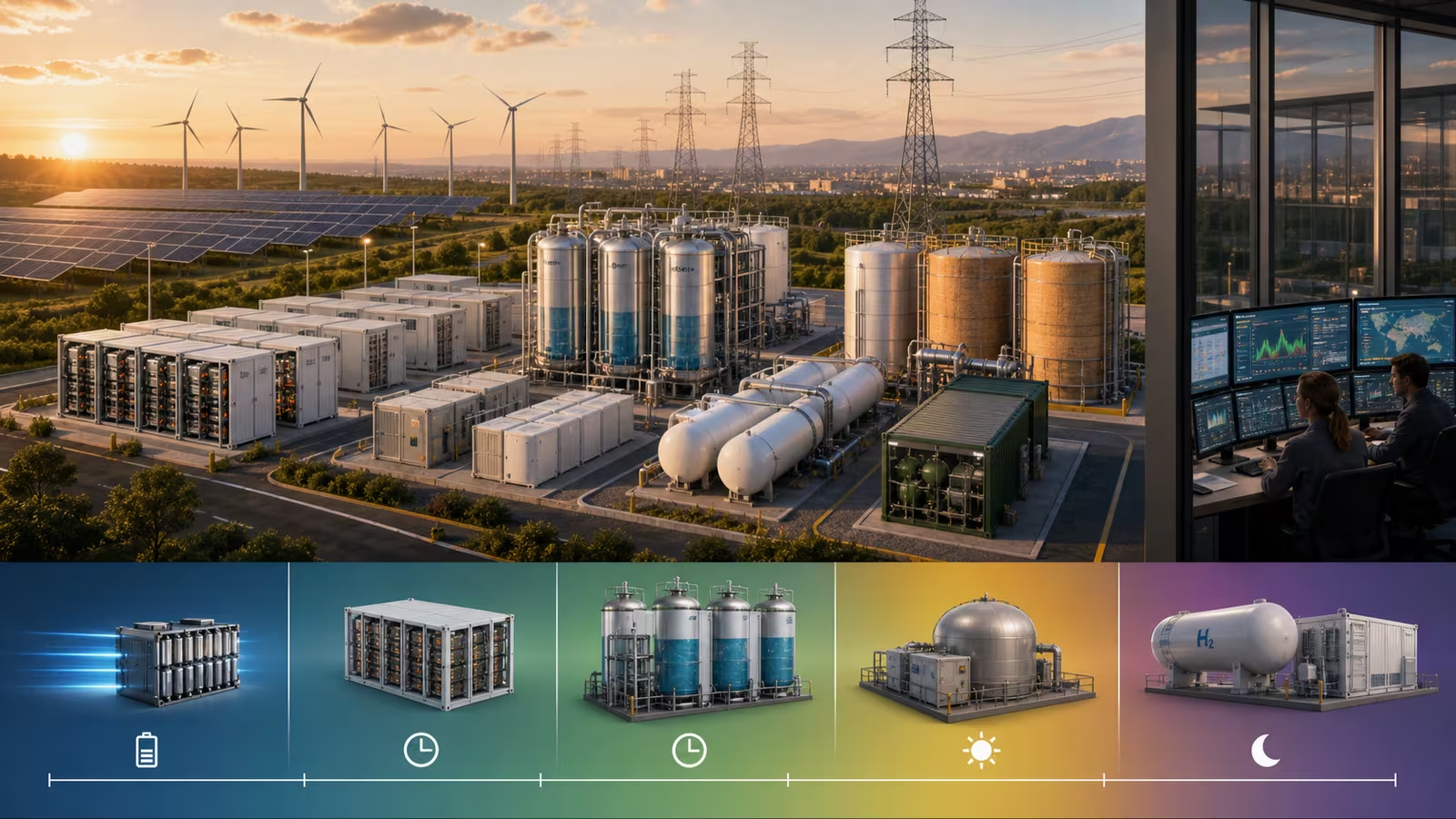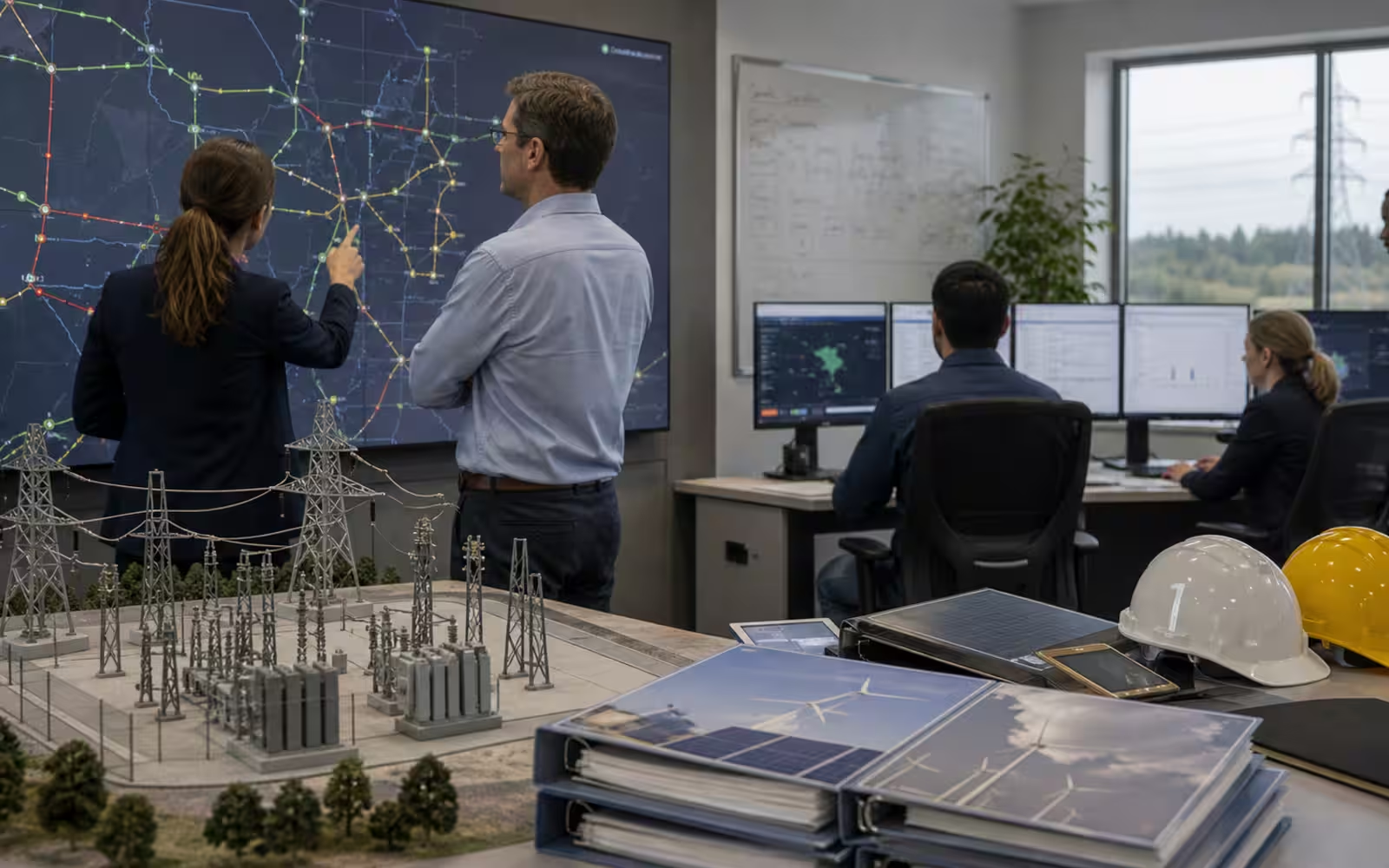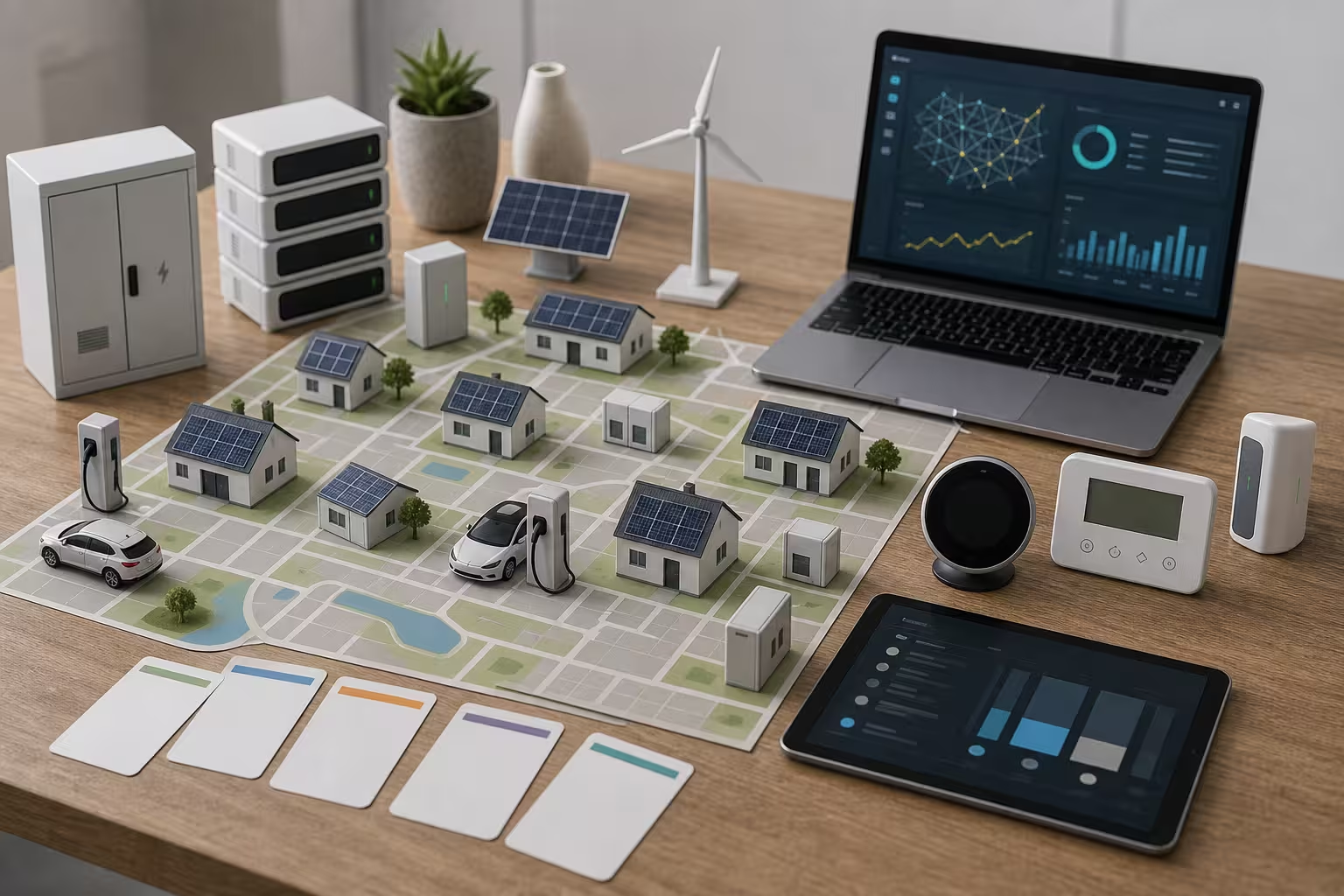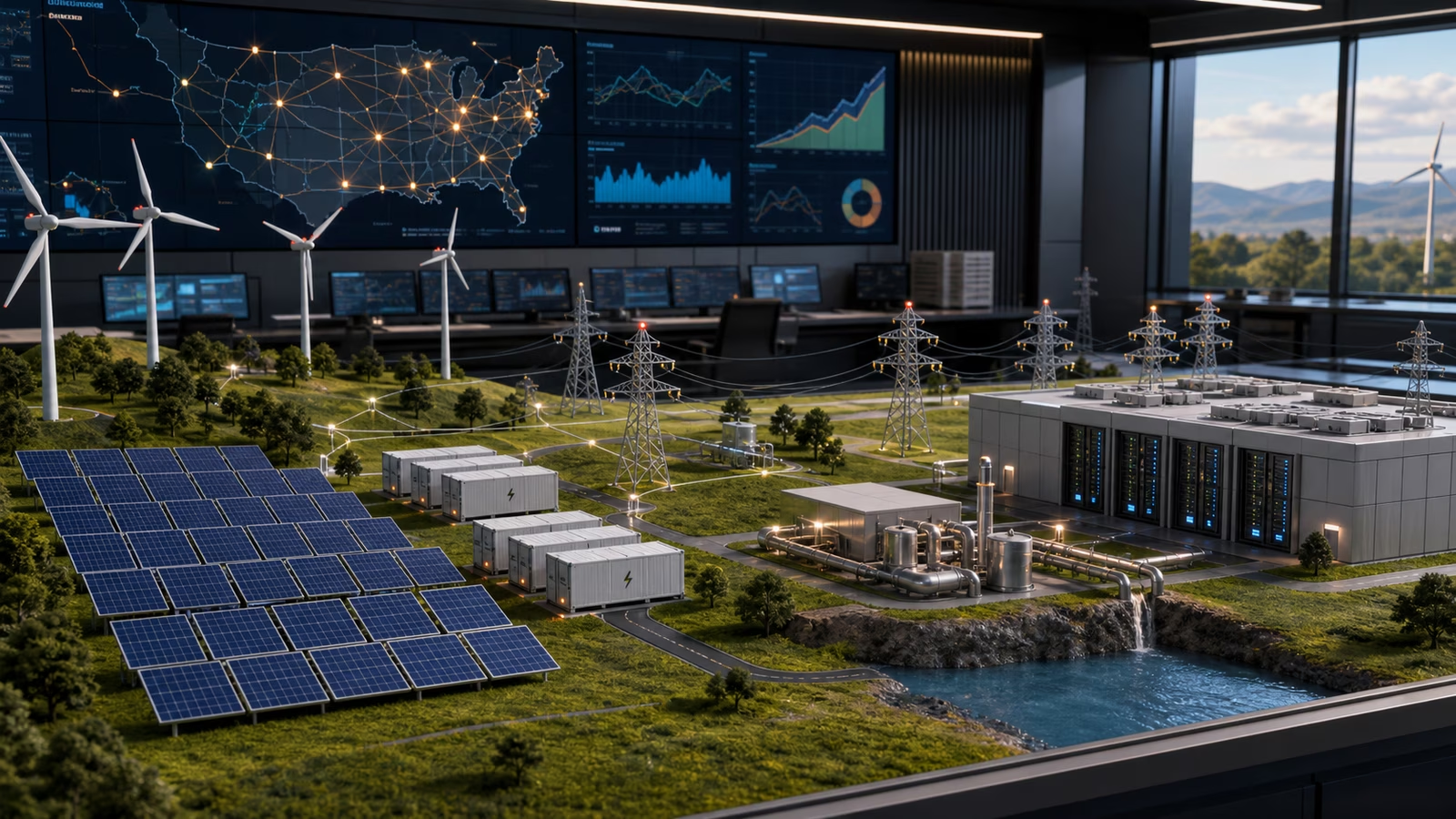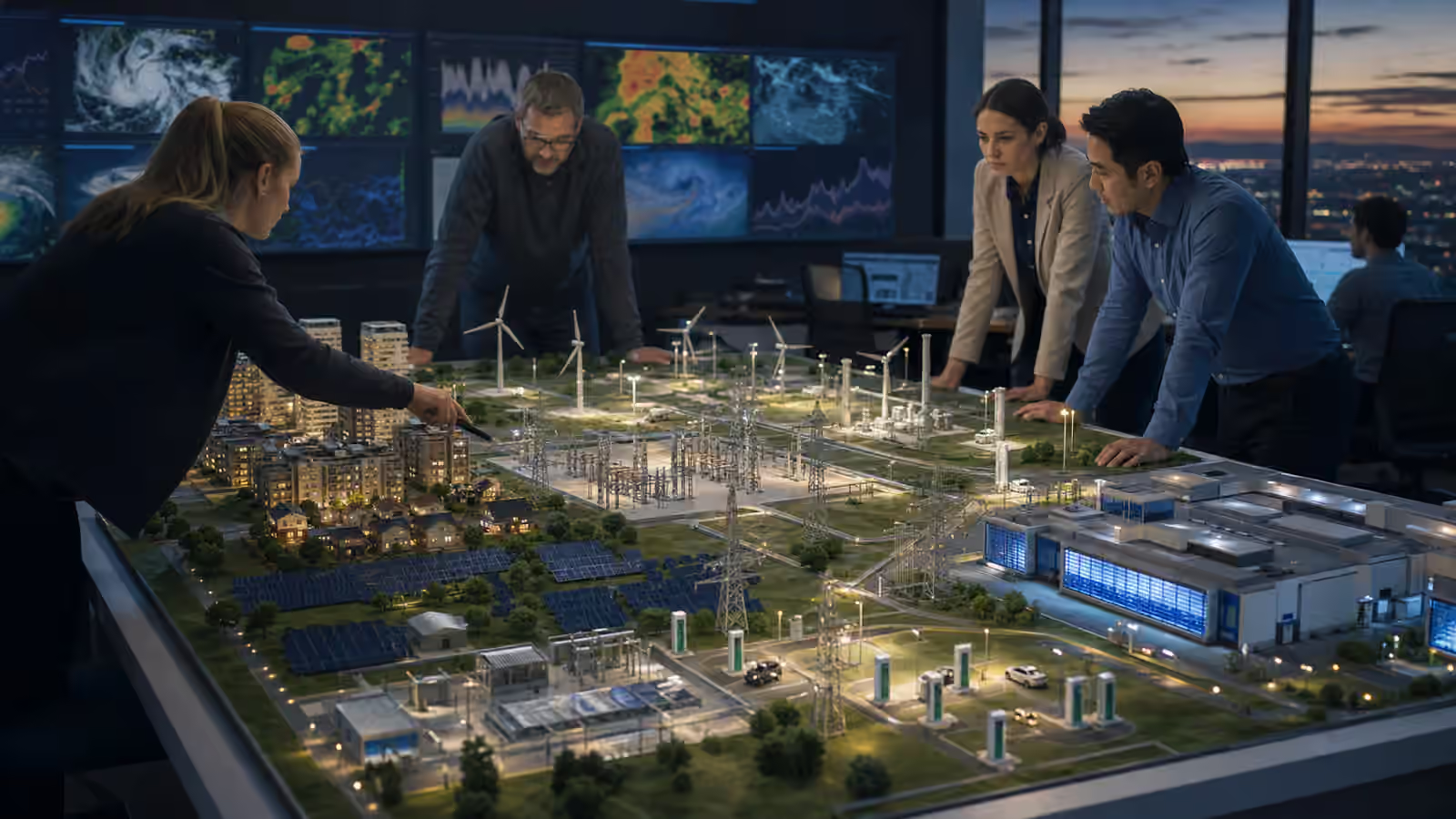
The future energy story is not a single miracle machine. It is a set of systems that must work together: generation, storage, wires, markets, permitting, land, water, cooling, reliability, and timing. These guidebooks explain the moving parts in plain language, with real examples and practical comparisons.
Start Here
- What Will Power the AI Age?
- AI Data-Center Power Demand
- Hourly Clean Power Matching
- Clean Power Contracts
- Locational Power Prices
- Load Forecasting
- Utility Resource Planning
- Contingency Analysis
- Large Load Interconnection
- Data Center Cooling and Water
- Flexible Computing Loads
- The Electric Grid Is the Machine
- Transformers and Grid Hardware
- Substation Siting
- Critical Minerals and Grid Supply Chains
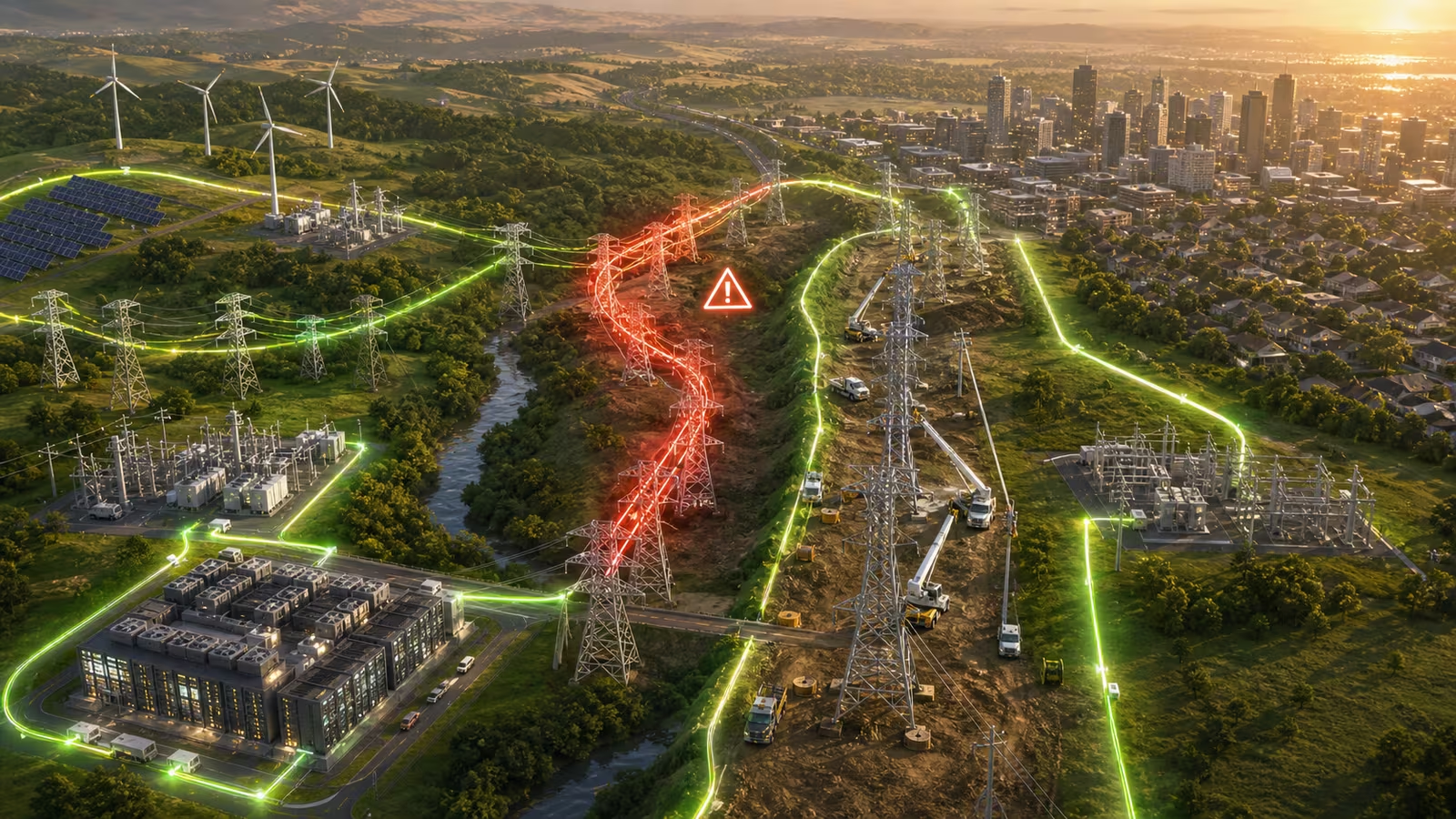
- Transmission Bottlenecks
- Transmission Planning and Cost Allocation
- Grid Construction Workforce
- Interregional Power Sharing
- HVDC Transmission
- Offshore Wind and Grid Integration
- Utility-Scale Solar and Grid Integration
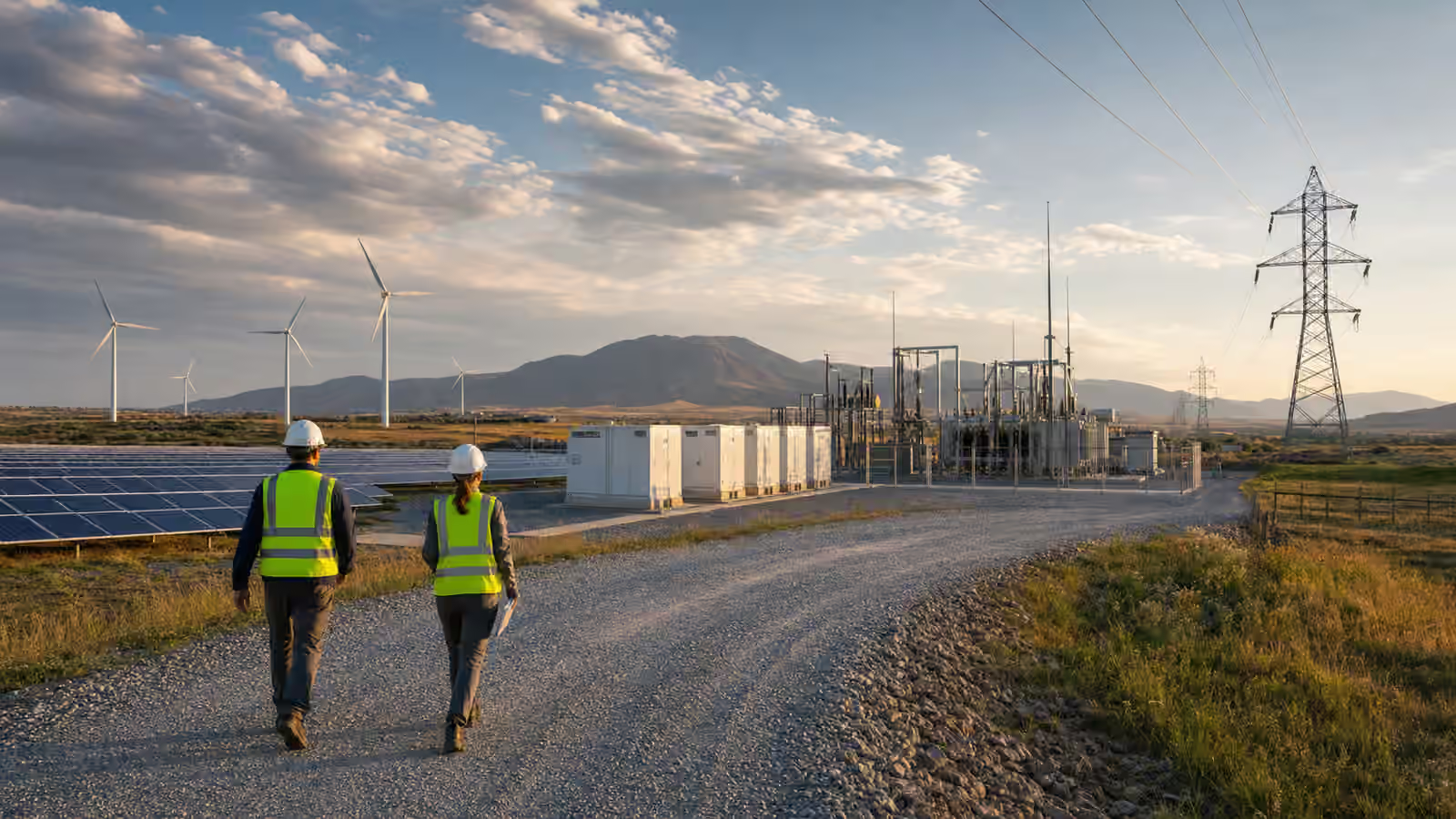
- Hybrid Renewable Plants
- Onshore Wind Repowering and Grid Fit
- Renewable Forecasting and Grid Operations
- Grid Visibility and Sensor Telemetry
- Grid Operator Control Rooms
- Grid-Enhancing Technologies
- Curtailment
- Energy Permitting and Community Trust
- Energy Land Use and Co-Location
- Distribution Grid Upgrades
- Distribution Automation and DERMS
- Distributed Solar Hosting Capacity
- EV Charging and Grid Planning
- Commercial Buildings and Grid Flexibility
- Grid-Forming Inverters
- Grid Inertia and Frequency Response
- Synchronous Condensers
- Power Quality and Voltage Support
- Grid Protection and Relays
- Grid Cybersecurity and Digital Controls
- Ancillary Services
- Resource Adequacy
- Capacity Accreditation
- Grid Weatherization and Resilience
- Grid Maintenance and Outage Planning
- Community Microgrids
- Demand Response
- Demand Flexibility Measurement
- Energy Efficiency and Load Shape
- Virtual Power Plants
Firm Power and Heat
- Fusion Power Reality Check
- Existing Nuclear Plants
- Small Modular Nuclear Reactors
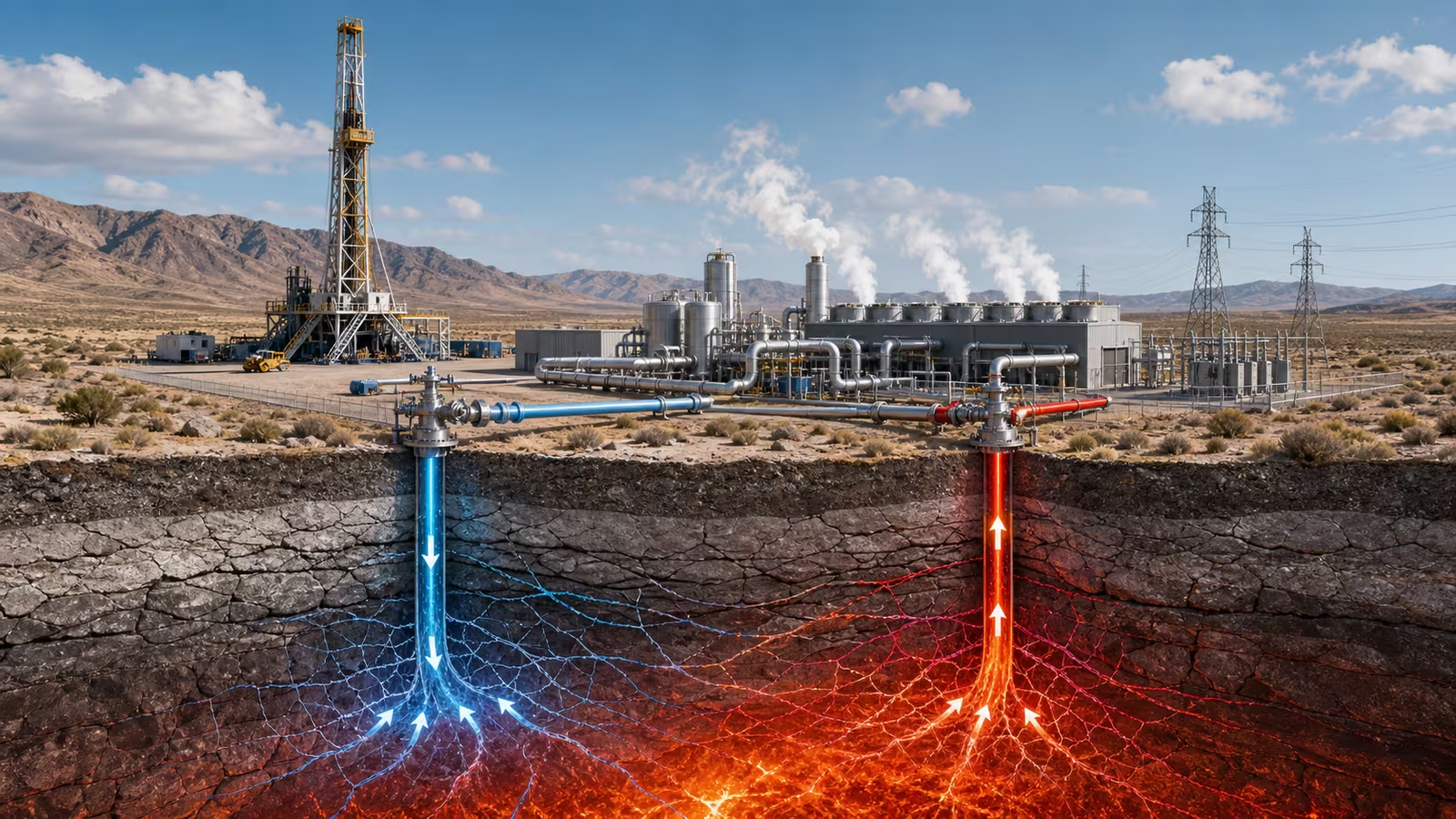
- Advanced Geothermal
- Hydropower Modernization
- Waste Heat Reuse
- Power Plant Cooling Water
- Clean Fuels for the Hardest Grid Hours
- Firm Power Fuel Logistics
- Electrolyzers and the Grid
Storage and the Portfolio
- Grid Batteries and Long-Duration Storage
- Battery Storage Siting and Safety
- Energy Storage Recycling
- Pumped Storage Hydropower
- Thermal Energy Storage
- Seasonal Energy Storage
- The Future Energy Portfolio
- Generator Retirements and Replacement Capacity
Demand Response sits between grid basics and storage because it changes the question from “How much power can we build?” to “Which demand can move without making life worse?” That flexibility is one of the least flashy parts of future energy, but it can reduce peaks, help batteries go further, and make the grid less brittle.
Demand Flexibility Measurement turns that flexibility into evidence. It explains why baselines, meter data, customer opt-outs, rebound load, local deliverability, and event performance decide whether a flexible-load program is a dependable grid resource or only an enrollment count.
Energy Efficiency and Load Shape fills in the quiet demand-side resource behind the same story. It explains why efficient buildings, data-center cooling, industrial motors, heat recovery, controls, and better load shapes can reduce the grid work required before planners have to build more generation, wires, storage, or firm capacity.
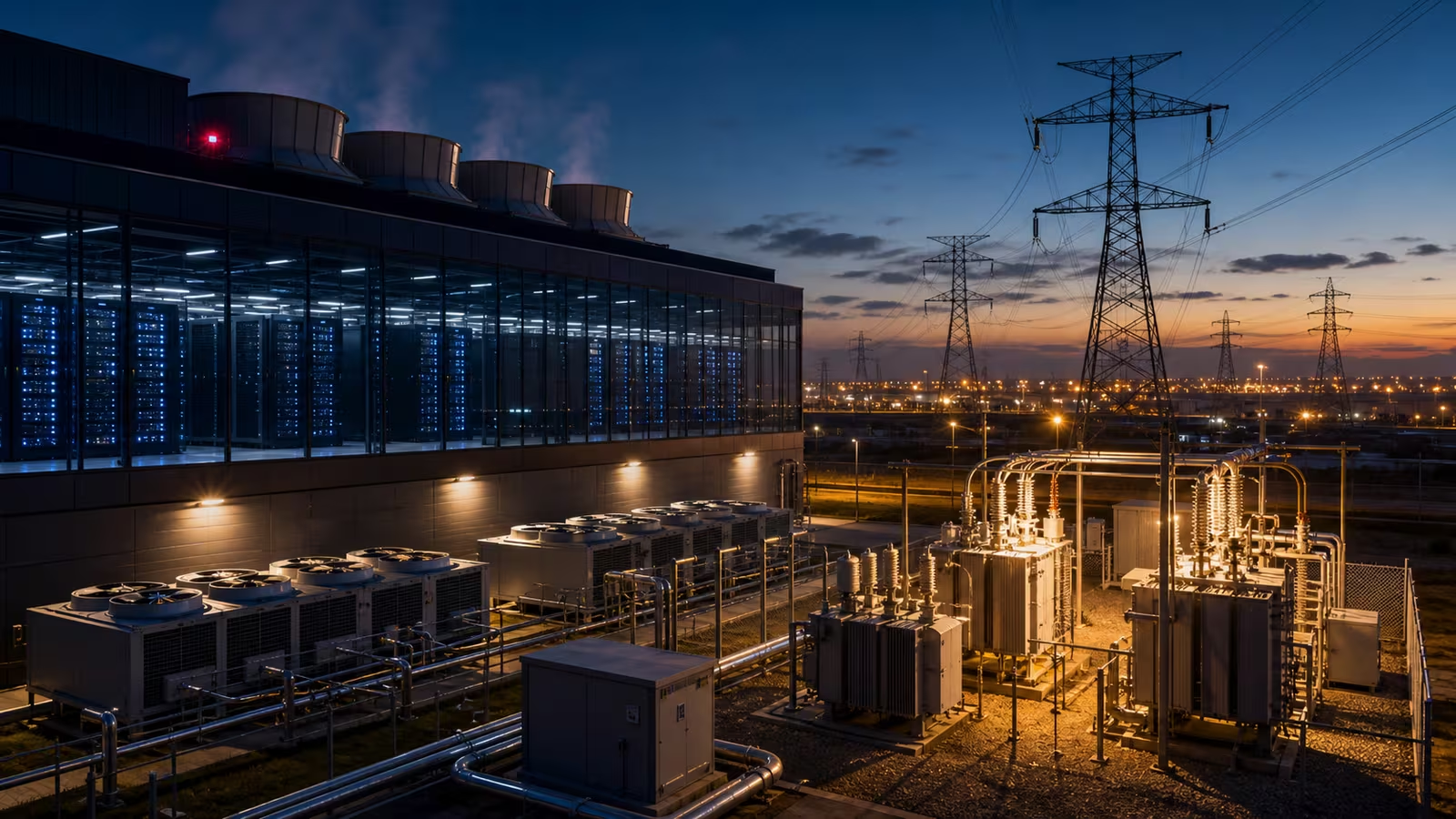
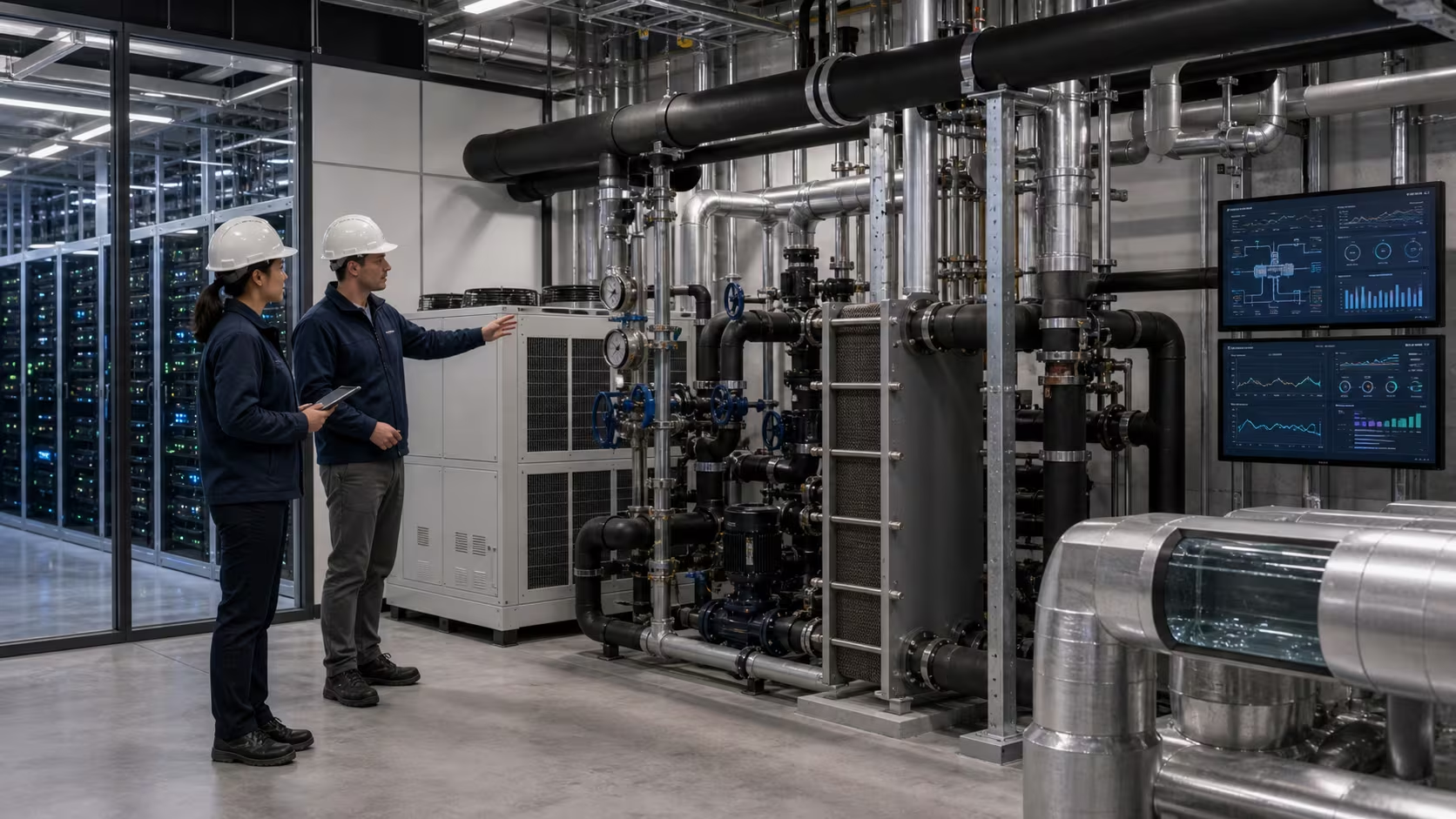
Data Center Cooling and Water belongs beside AI power demand because computation becomes heat. The data-center story is also a story about liquid cooling, air cooling, water stress, waste heat, reliability, and the physical infrastructure behind model training and inference.
Data Center Microgrids moves the same story behind the fence, where batteries, backup generation, switchgear, controls, cooling loads, and grid interconnection decide whether a campus can stay reliable without becoming a worse neighbor for the wider power system.
Flexible Computing Loads adds the software scheduling layer behind the same demand. It explains why some compute has to run immediately while batch work, training jobs, backups, rendering, and analytics may be shifted in time or place if the data center, cooling system, contracts, and grid rules are designed for it.
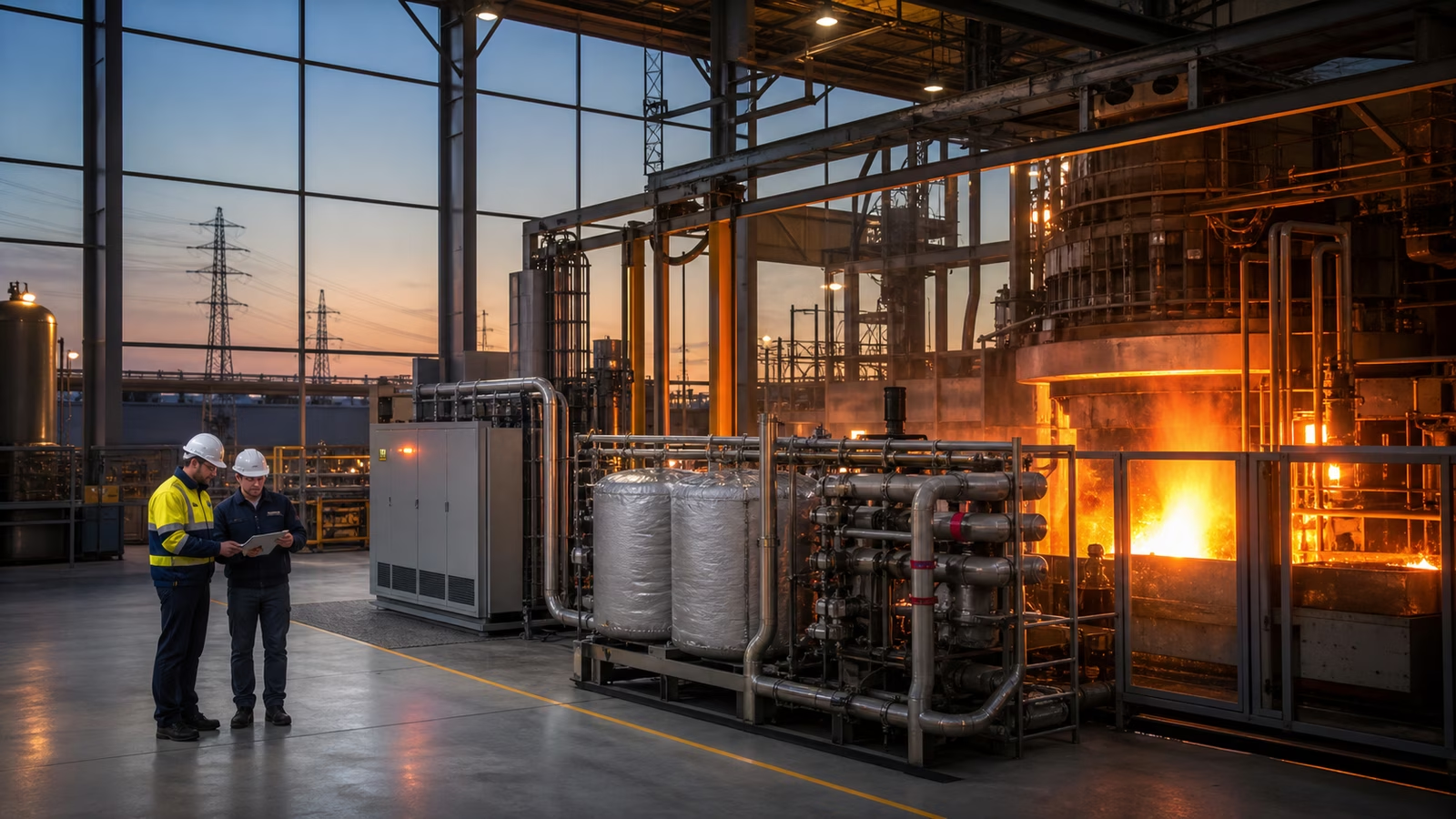
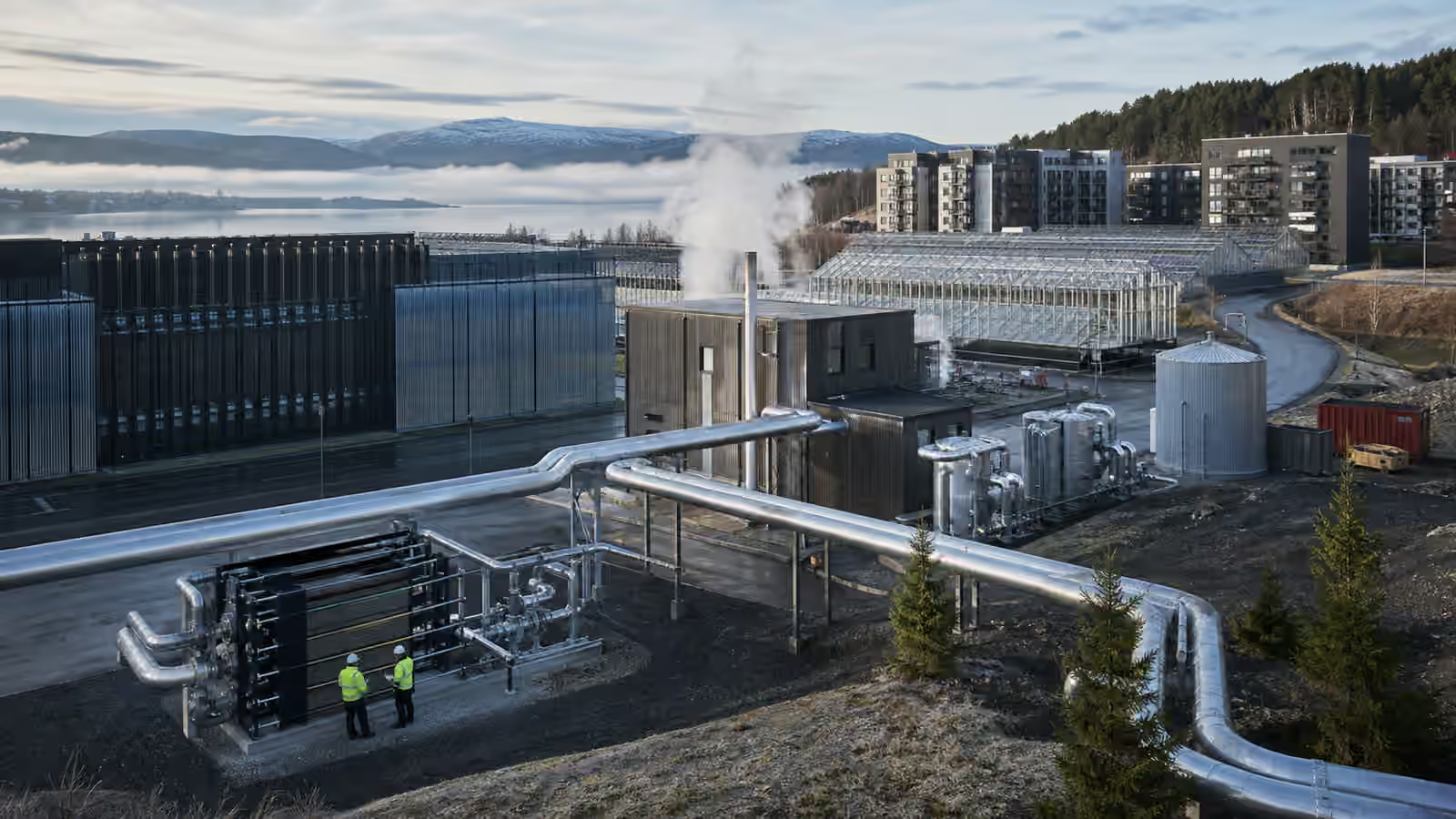
Waste Heat Reuse follows the heat after cooling equipment removes it. It explains why data centers, factories, district energy systems, thermal storage, and nearby buildings have to line up by temperature, distance, timing, ownership, and backup plans before rejected heat becomes useful local energy.
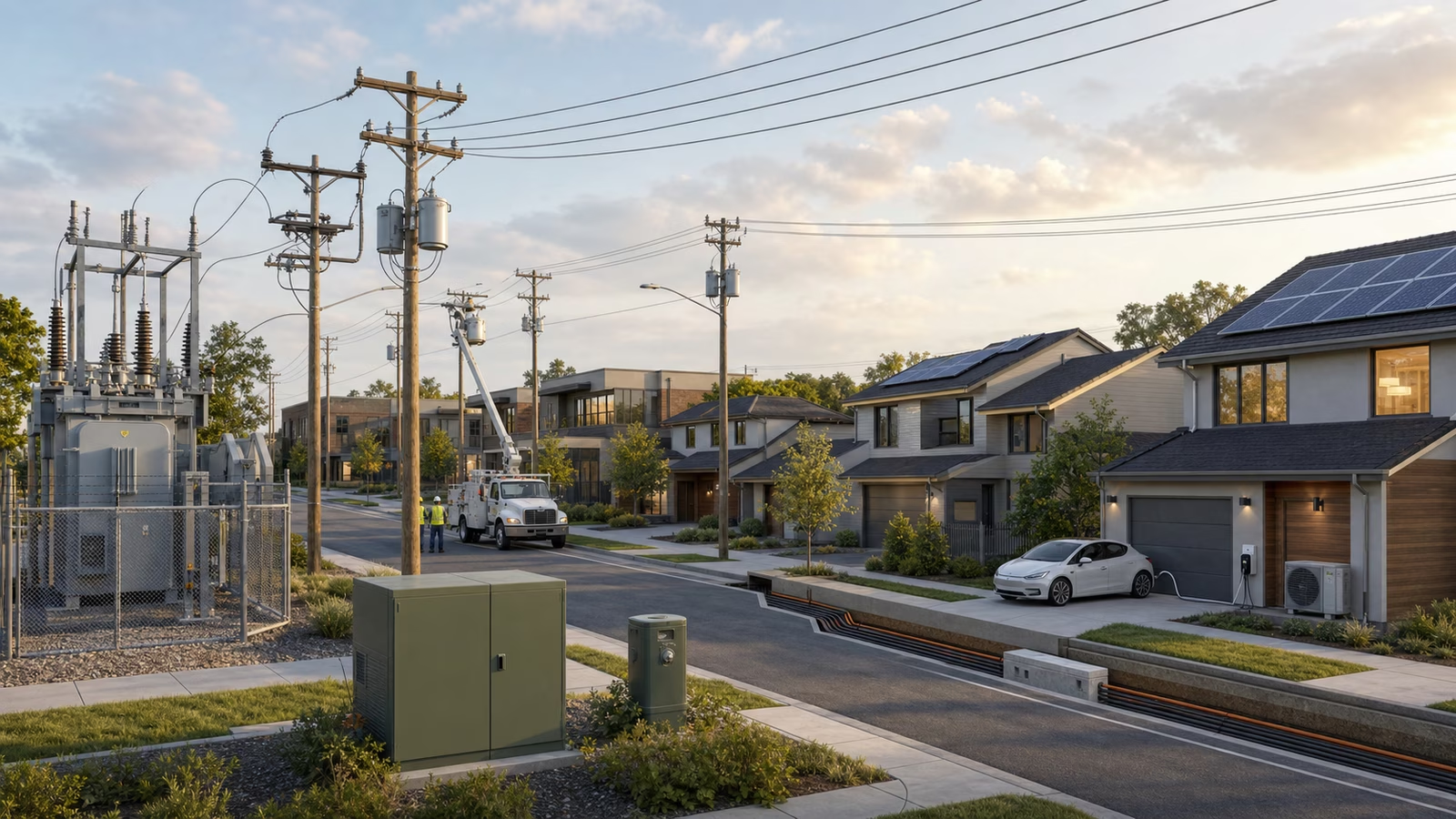
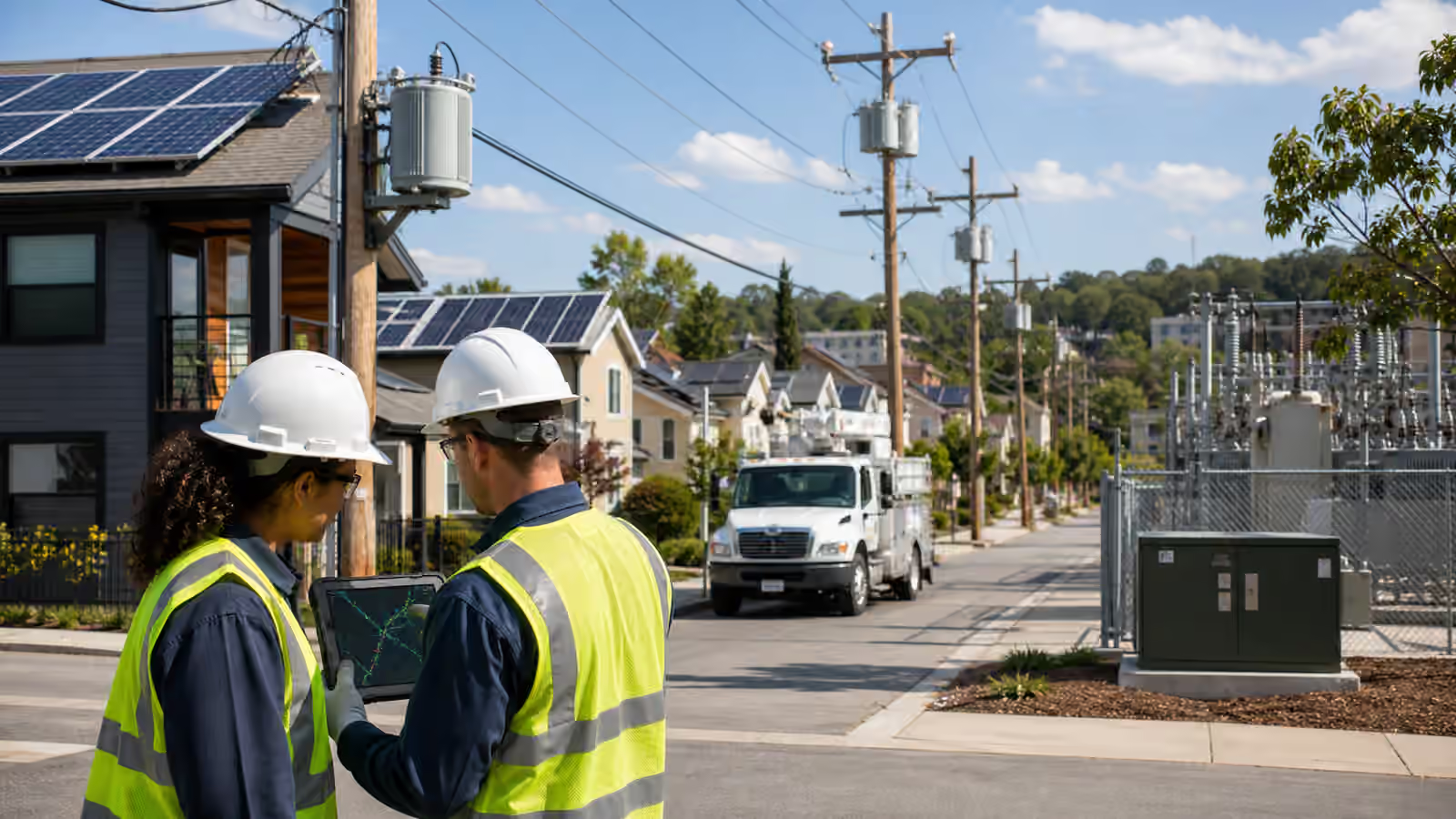
Distribution Grid Upgrades brings the same question down to local substations, feeders, transformers, rooftop solar, EV charging, and heat pumps. It explains why the last mile can become a real bottleneck even when the regional power supply looks strong.
Distribution Automation and DERMS adds the local coordination layer behind that bottleneck. It explains why feeder sensors, automated switches, smart inverter settings, customer devices, and utility-side controls have to work together before distributed energy becomes dependable grid flexibility.
Distributed Solar Hosting Capacity fills in the rooftop-solar version of that local bottleneck. It explains why feeders, transformers, voltage, smart inverters, protection settings, storage, and hosting maps decide how much clean power a neighborhood circuit can accept.
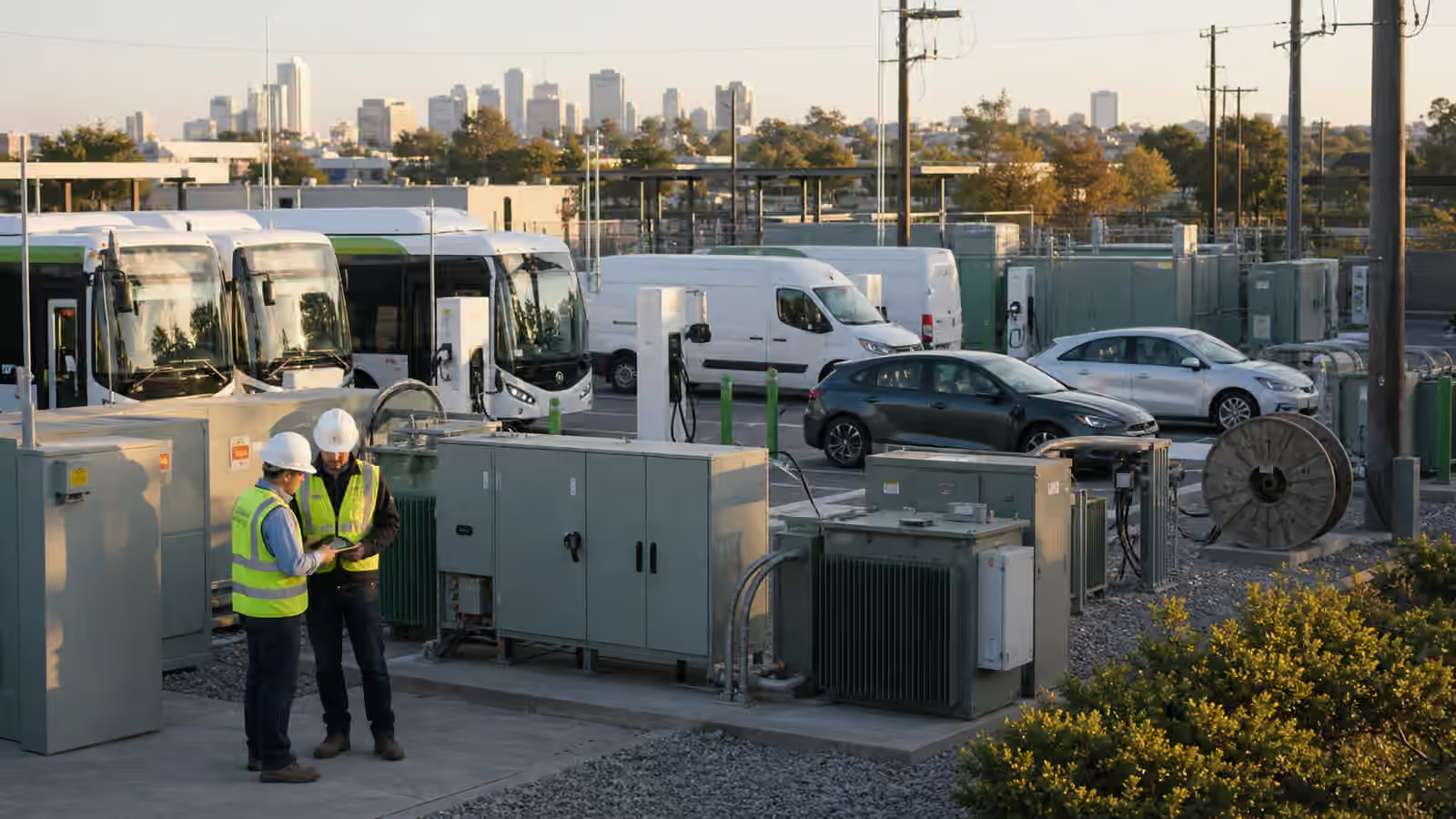
EV Charging and Grid Planning fills in the transportation load behind that local bottleneck. It explains why home chargers, fleet depots, highway fast charging, managed charging, on-site batteries, and utility service upgrades have to be planned together when vehicles become part of the electric system.
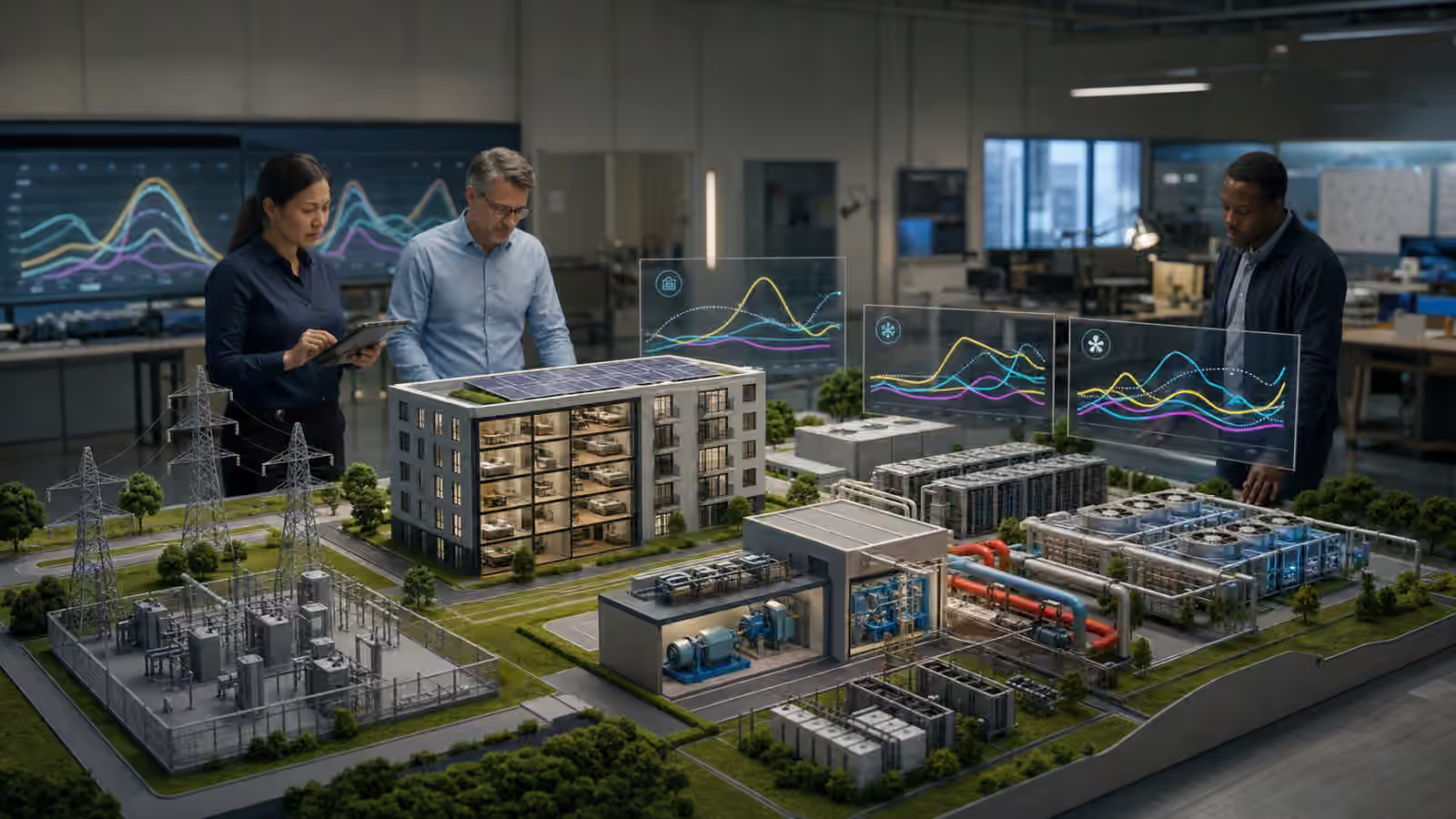
Commercial Buildings and Grid Flexibility fills in the middle layer between homes and industry. It explains why offices, schools, stores, hotels, campuses, HVAC systems, thermal storage, lighting, and parking-lot chargers can quietly shape peak demand when controls, maintenance, and customer expectations are handled well.
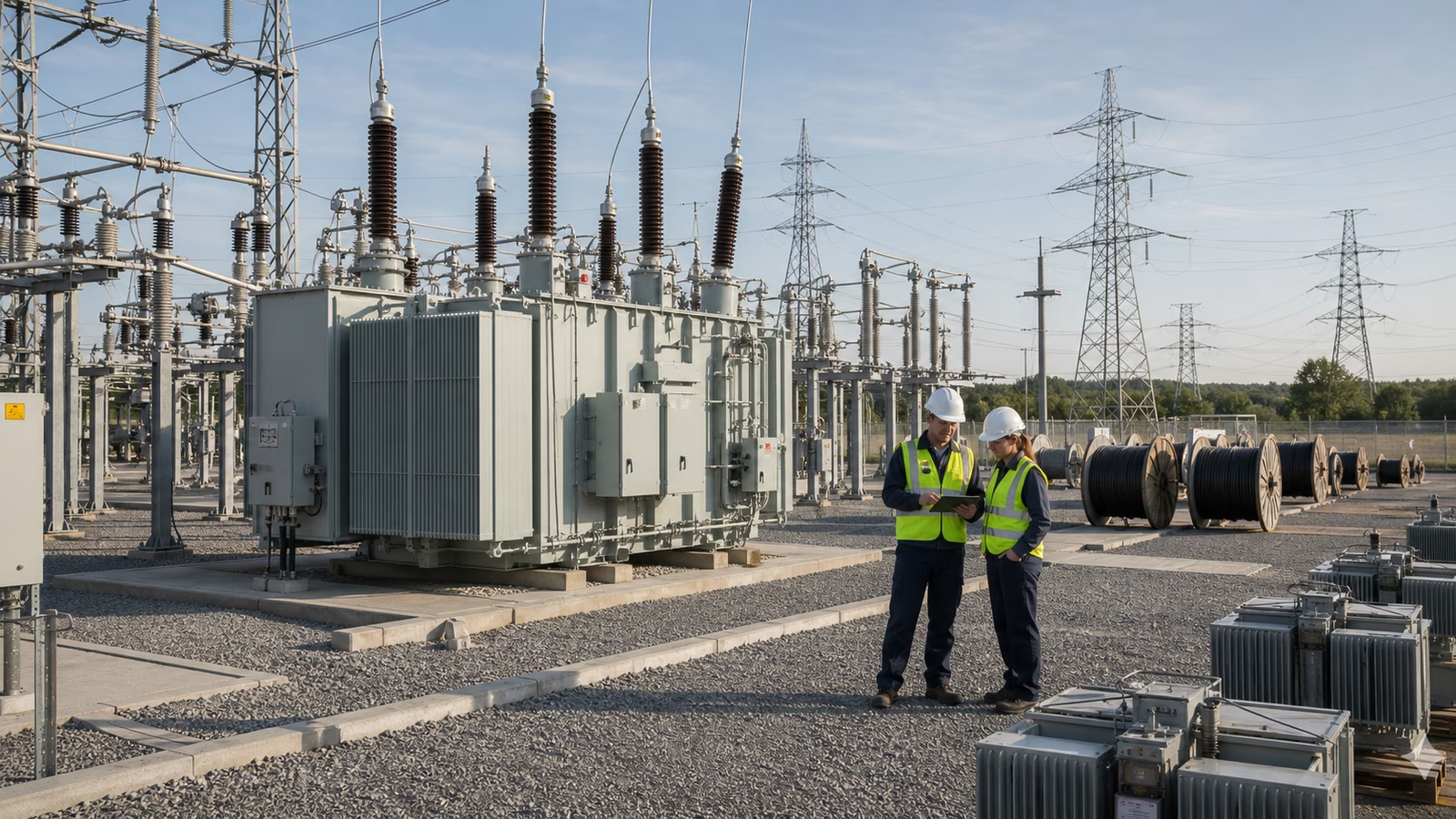
Transformers and Grid Hardware adds the physical equipment layer behind that bottleneck. Electrification depends on heavy assets such as transformers, switchgear, cables, substations, protection systems, spares, and construction windows that cannot be summoned at software speed.
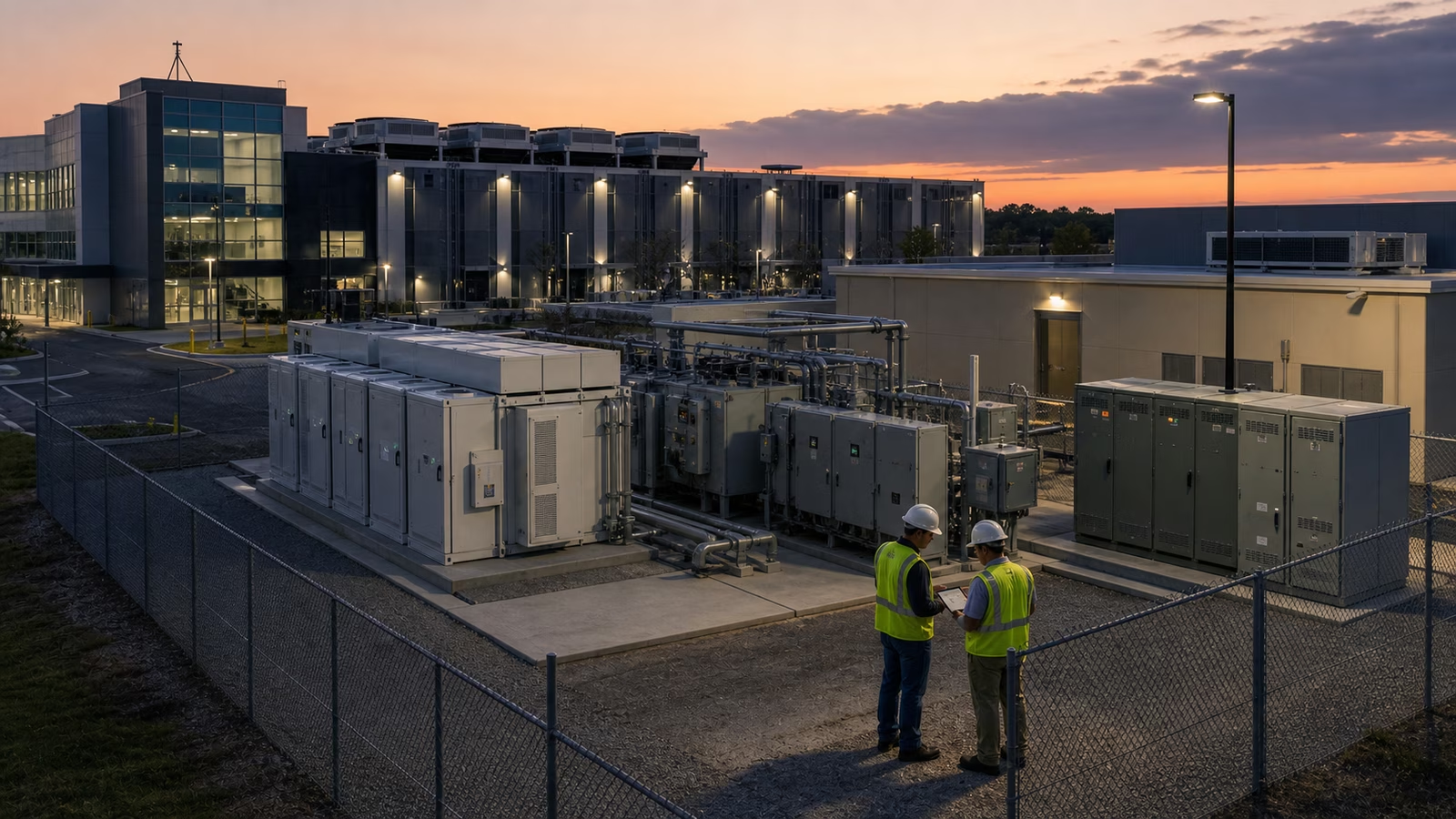
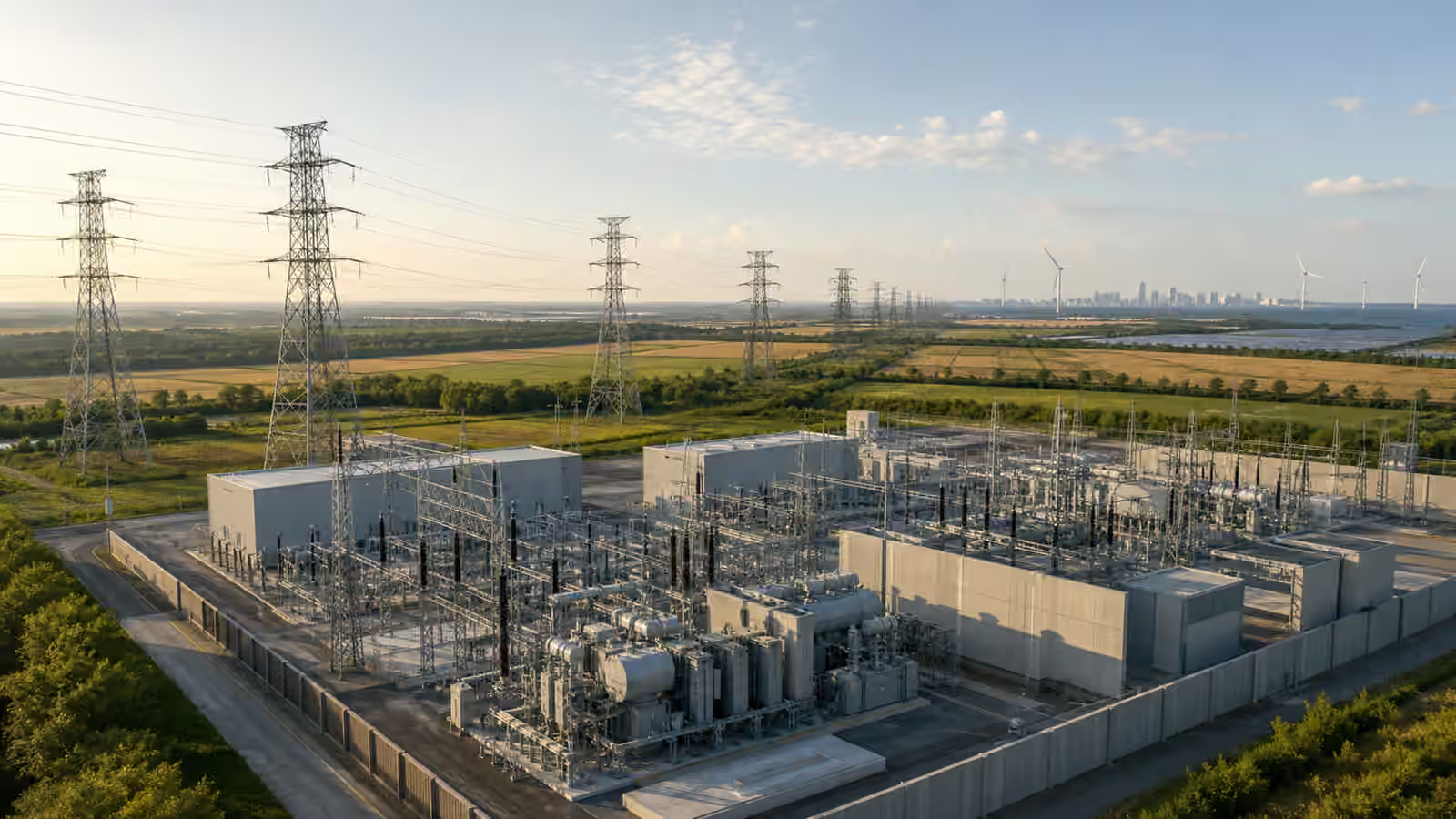
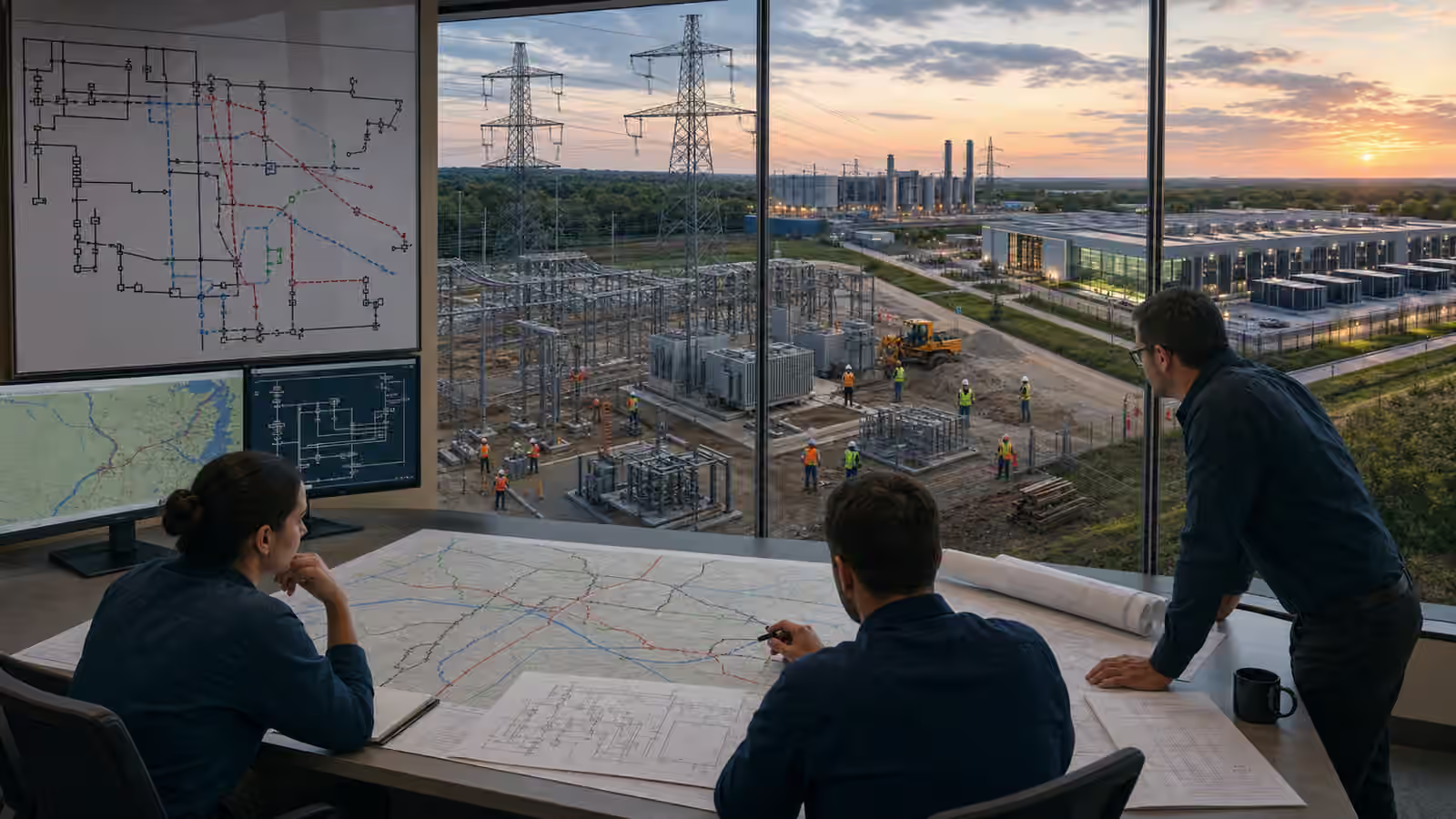
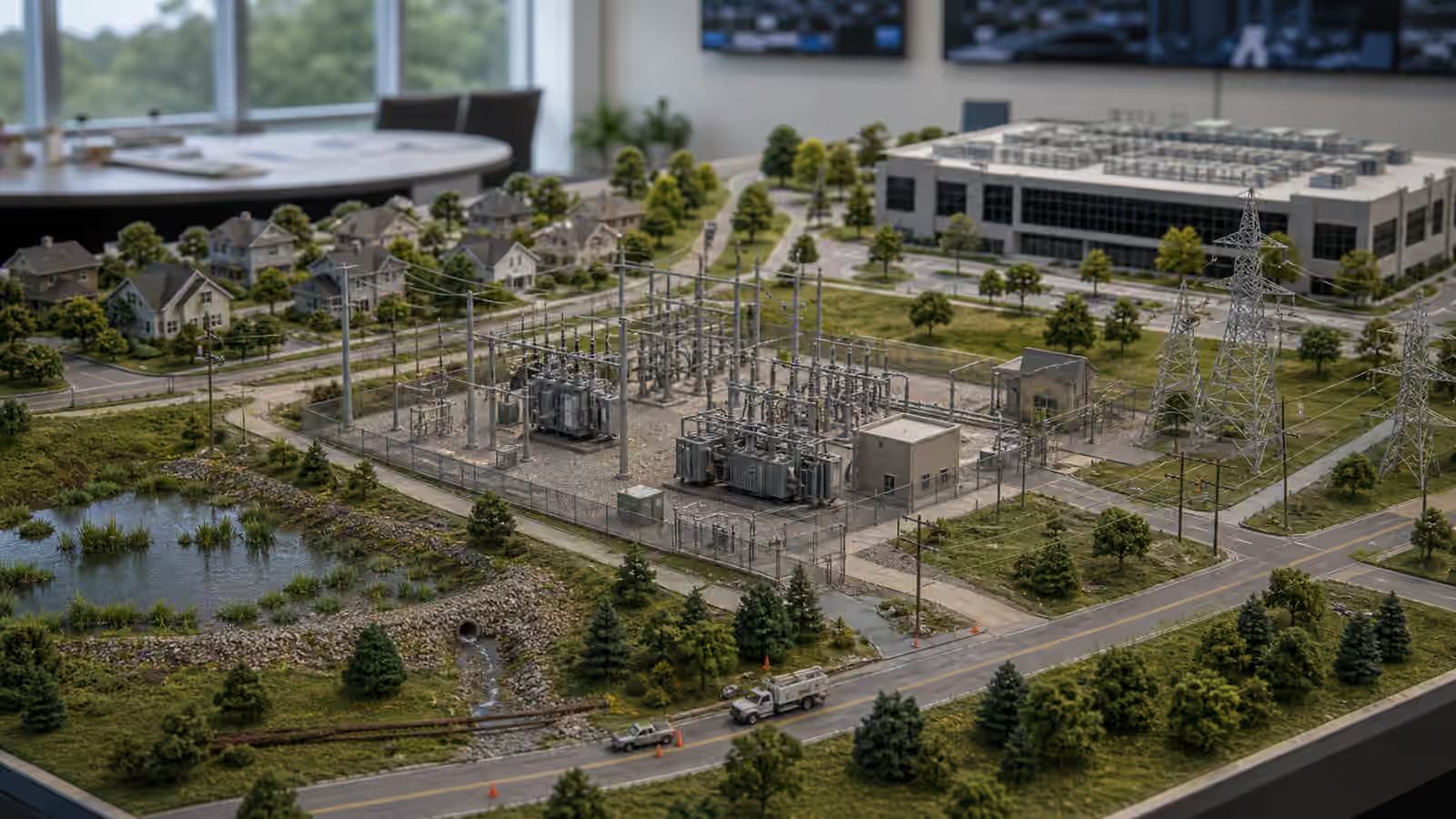
Substation Siting brings that hardware down to the fenced gateway where transmission, distribution, large loads, and local circuits meet. It explains why land, access, clearances, resilience, expansion room, and neighbors can decide whether grid growth becomes buildable.
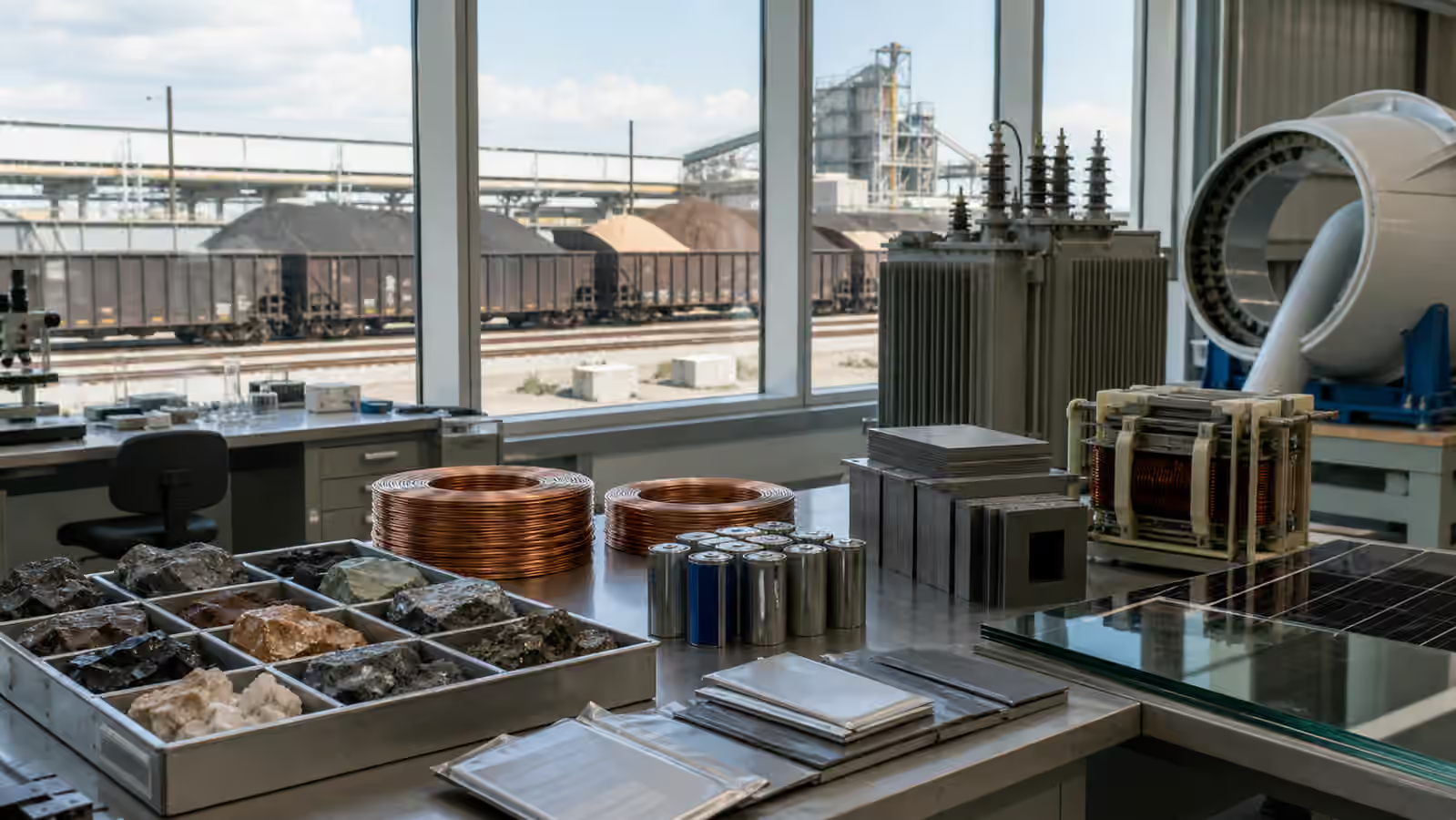
Critical Minerals and Grid Supply Chains follows the material trail behind the hardware. It explains why copper, batteries, transformers, solar glass, wind components, processing capacity, recycling, manufacturing, and spare parts can decide whether a future energy plan is buildable on the required timeline.
Grid-Forming Inverters adds the power electronics layer. A renewable-heavy grid needs not only clean energy, but voltage, frequency, restart capability, and stability tools that can replace some of the behavior older spinning generators provided automatically.
Grid Inertia and Frequency Response fills in the first-seconds stability problem behind that shift. It explains how spinning mass, governors, batteries, flexible loads, inverter controls, reserves, and recovery procedures keep frequency close to its target after sudden grid disturbances.
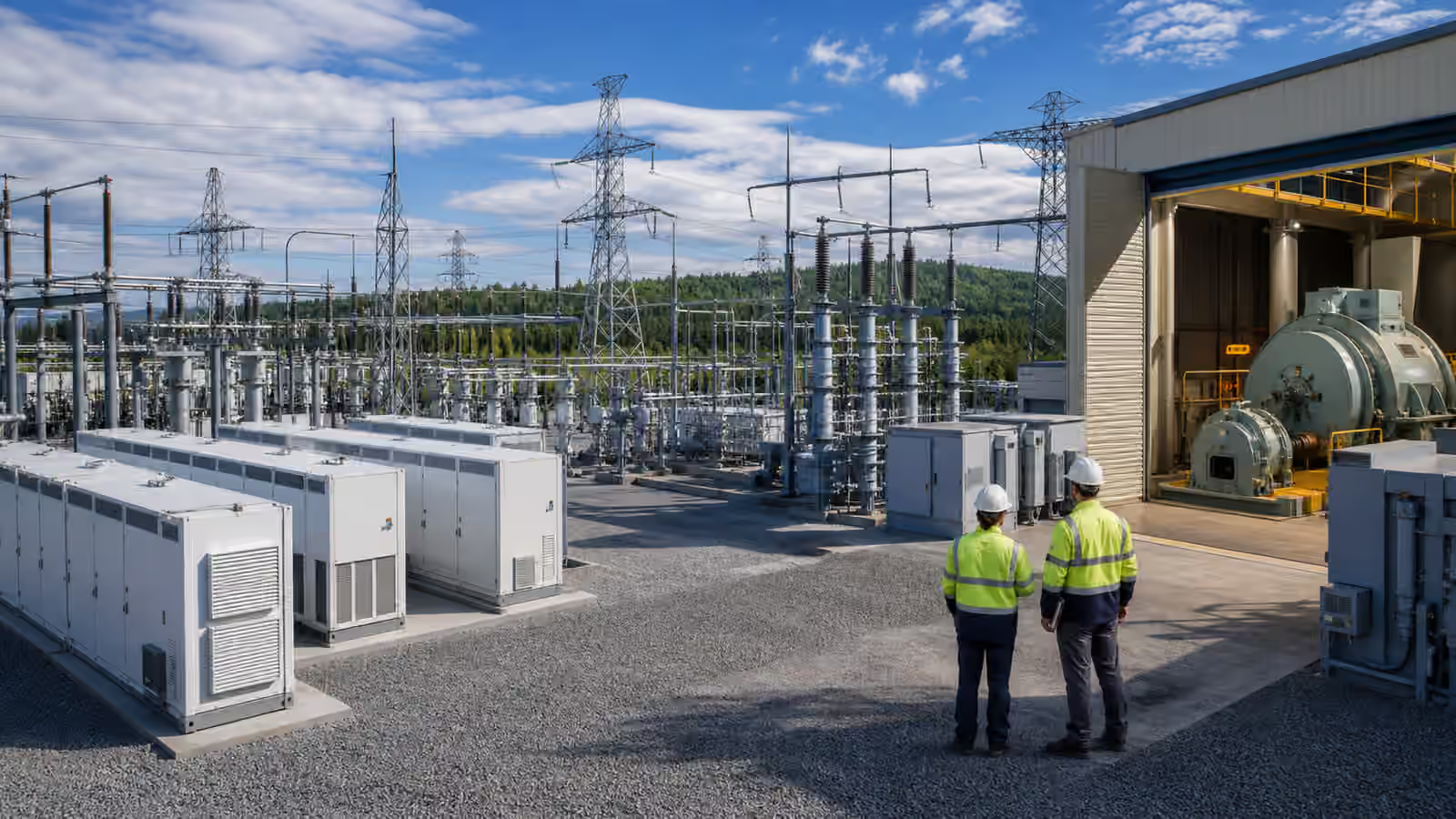
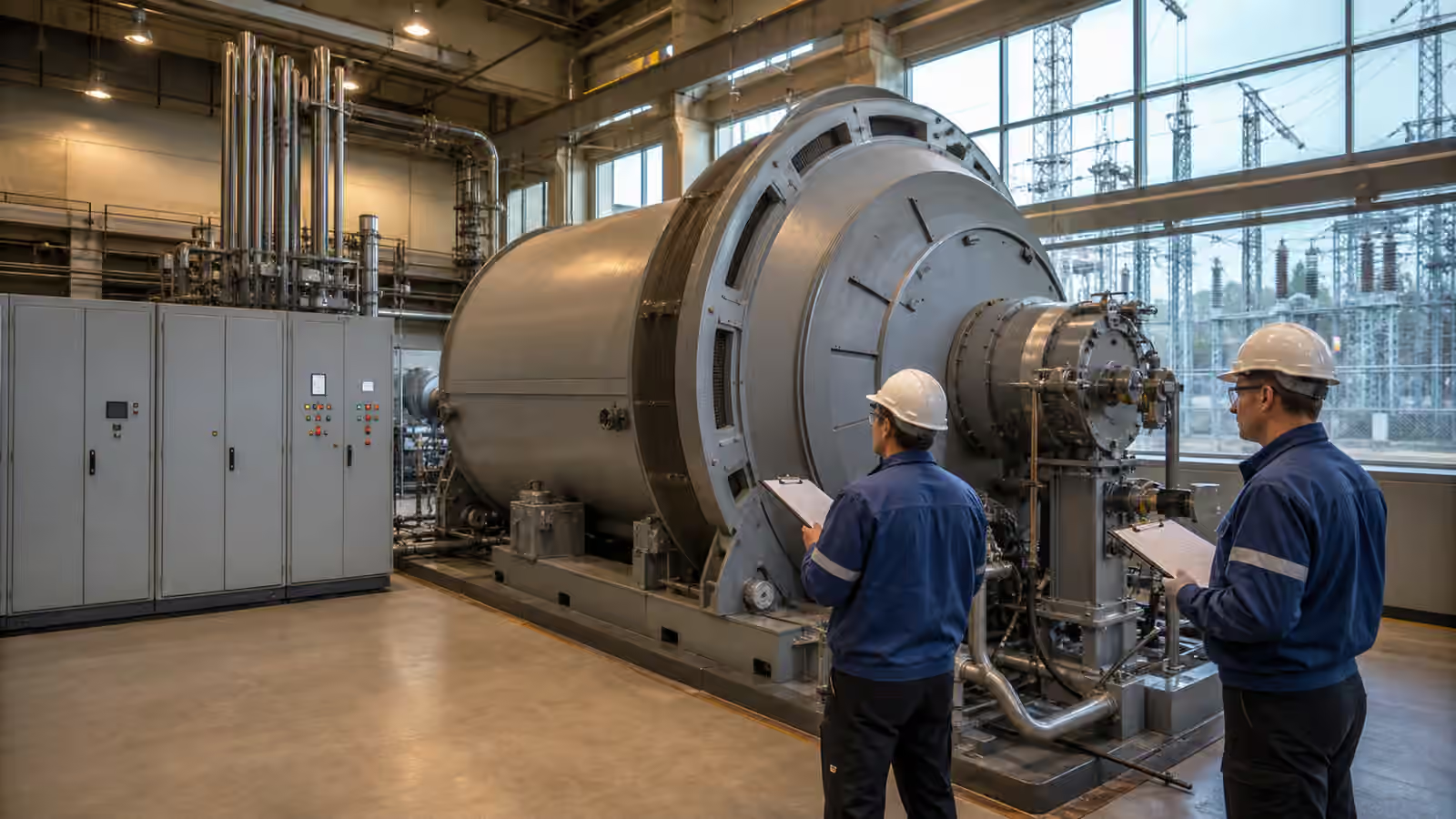
Synchronous Condensers adds one of the rotating support tools that may remain useful as older generators retire. It explains why inertia, voltage support, fault current, system strength, retired generator conversions, and grid-forming inverters have to be compared as local stability tools rather than slogans.
Power Quality and Voltage Support fills in the everyday electrical behavior behind that stability. It explains why voltage, reactive power, harmonics, flicker, protection settings, and inverter controls decide whether clean electricity is also usable electricity for data centers, factories, homes, and local grids.
Grid Protection and Relays fills in the fault-isolation layer behind reliability. It explains how relays, breakers, fuses, fault current, inverter response, bidirectional distribution flows, and settings coordination decide whether a damaged line or device stays local instead of becoming a wider outage.
Grid Cybersecurity and Digital Controls fills in the trust layer behind a more connected grid. It explains why inverter settings, substation automation, managed chargers, virtual power plants, vendor access, monitoring, and incident response become reliability work when software controls physical power equipment.
Resource Adequacy explains how planners test whether the whole system has enough deliverable capacity for the hardest hours, not just enough annual energy. It connects storage duration, firm resources, flexible demand, transmission limits, and large loads into the reliability question behind future power plans.
Capacity Accreditation fills in how those planners count each resource. It explains why solar, wind, batteries, demand response, firm plants, and transmission-backed imports need hard-hour credit based on timing, duration, deliverability, and measured performance rather than nameplate capacity alone.
Contingency Analysis tests what happens when credible equipment fails. It explains why planners study line trips, transformer outages, generator losses, large-load changes, maintenance states, and hard-weather cases before a power plan can claim that it survives more than normal operation.
Generator Retirements and Replacement Capacity turns that adequacy question into a sequencing problem. It explains why old plants should not be closed by headline alone, how replacement capacity has to cover local reliability and hard-hour services, and how communities need a transition plan as well as an operating model.
Grid Weatherization and Resilience fills in the hard-conditions question behind reliability. It explains why heat waves, cold snaps, storms, fire risk, floods, vegetation, spare equipment, field crews, critical facilities, and restoration practice decide whether planned capacity is actually usable when the grid is stressed.
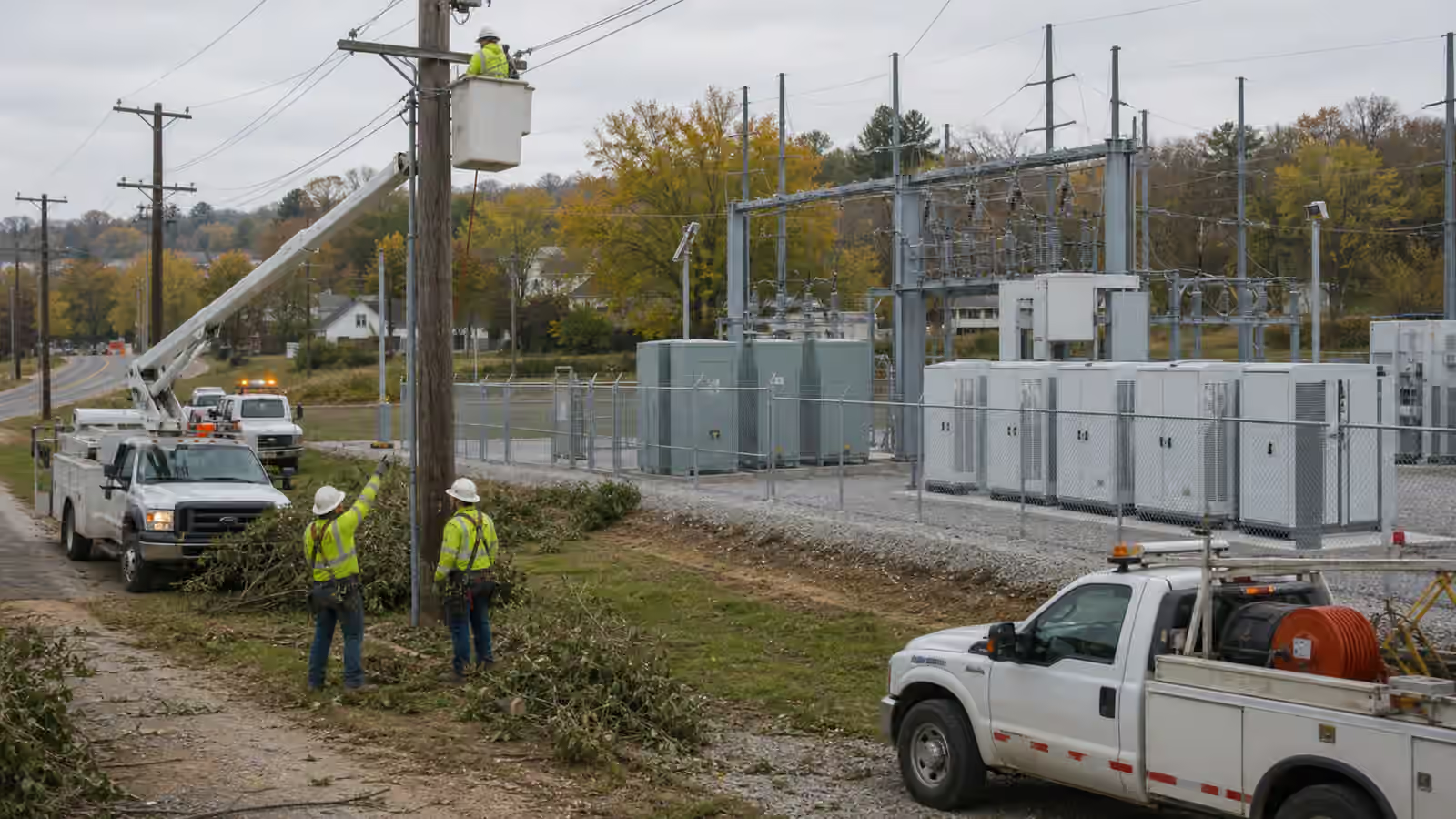
Grid Maintenance and Outage Planning covers the routine work that keeps that reliability available. It explains why inspection cycles, vegetation work, relay testing, spares, outage windows, and crew coordination matter while the future grid is being built around the existing one.
Community Microgrids brings that resilience question down to clinics, schools, water facilities, shelters, batteries, solar canopies, switchgear, and backup systems. It explains why local islanding only works when critical loads, utility coordination, fuel or duration planning, maintenance, and public access are defined before an outage.
Virtual Power Plants takes the next step: coordinating home batteries, EV charging, thermostats, rooftop solar, and building systems so distributed flexibility can behave like a real grid resource.
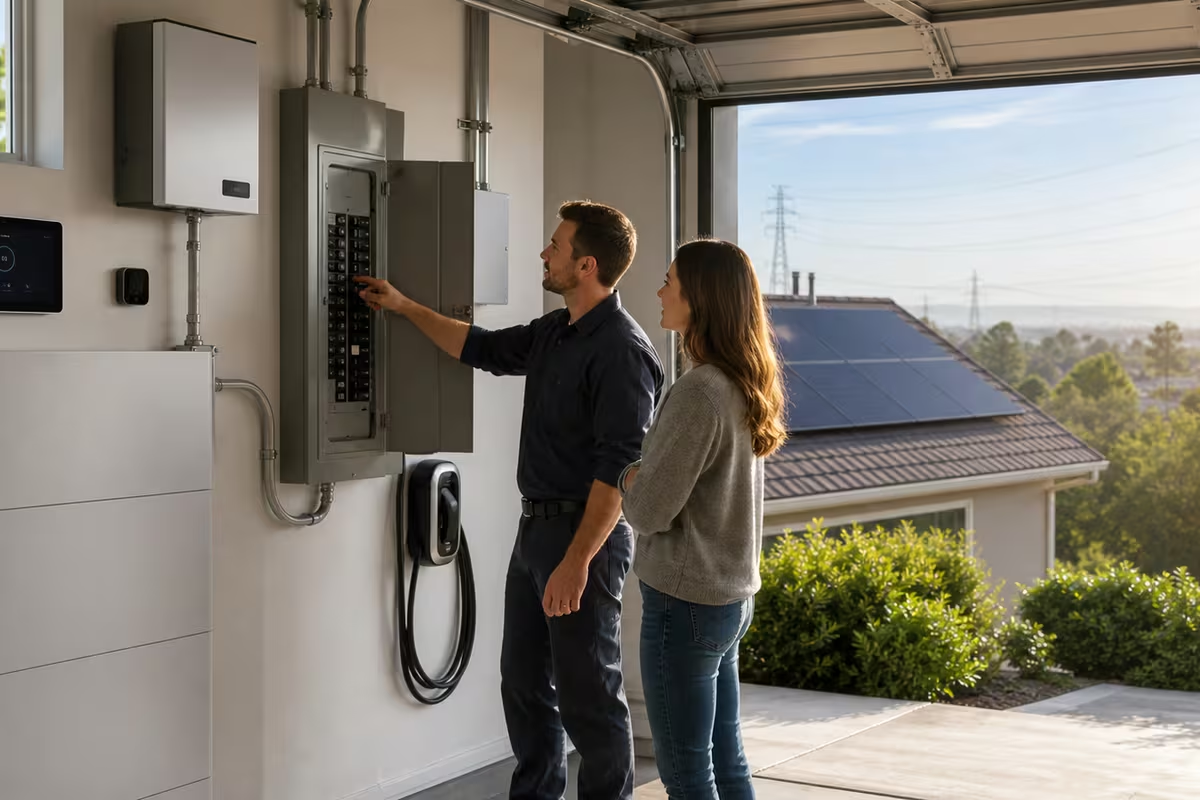
Home Electrification and Grid Flexibility brings that resource back into the garage, panel, heat pump, charger, battery, water heater, and contractor visit. It explains why small household loads can either sharpen local peaks or quietly help the grid if timing, controls, and customer trust are designed well.
Hourly Clean Power Matching belongs beside AI power demand because annual clean-energy claims are only part of the grid story. The harder question is what powers a large load hour by hour when solar fades, wind changes, batteries empty, transmission constrains, and reliability still matters.
Clean Power Contracts explains the procurement layer behind those claims. It shows why power purchase agreements, additionality, congestion, deliverability, market rules, and risk sharing decide whether a large buyer’s clean electricity promise helps build a stronger grid or only improves the accounting.
Locational Power Prices adds the market geography behind those claims. It explains why congestion, losses, dispatch, storage location, transmission limits, and load pockets can make electricity more or less valuable depending on where and when it can actually be delivered.
Load Forecasting fills in the planning assumption behind those loads. It explains why data centers, EV charging, heat pumps, industrial electrification, weather, efficiency, and flexibility have to be translated into hourly and local demand before planners can size generation, wires, storage, and reliability resources.
Utility Resource Planning turns those forecasts into portfolio choices. It explains why planners need scenarios, stress cases, transmission assumptions, retirement sequencing, public review, and update points instead of one brittle forecast.
Large Load Interconnection follows the next step from forecast to connection request. It explains why a data center campus, charging depot, factory, electrolyzer, or industrial heat project has to meet substations, transformers, transmission studies, local customers, cost allocation, and flexibility rules before promised megawatts become energized load.
Energy Permitting and Community Trust adds the public path that every physical project has to travel. It explains why transmission lines, substations, batteries, data-center power systems, and new generation need not only engineering studies, but local trust, legible decisions, concrete benefits, and a permitting process that is faster without becoming dismissive.
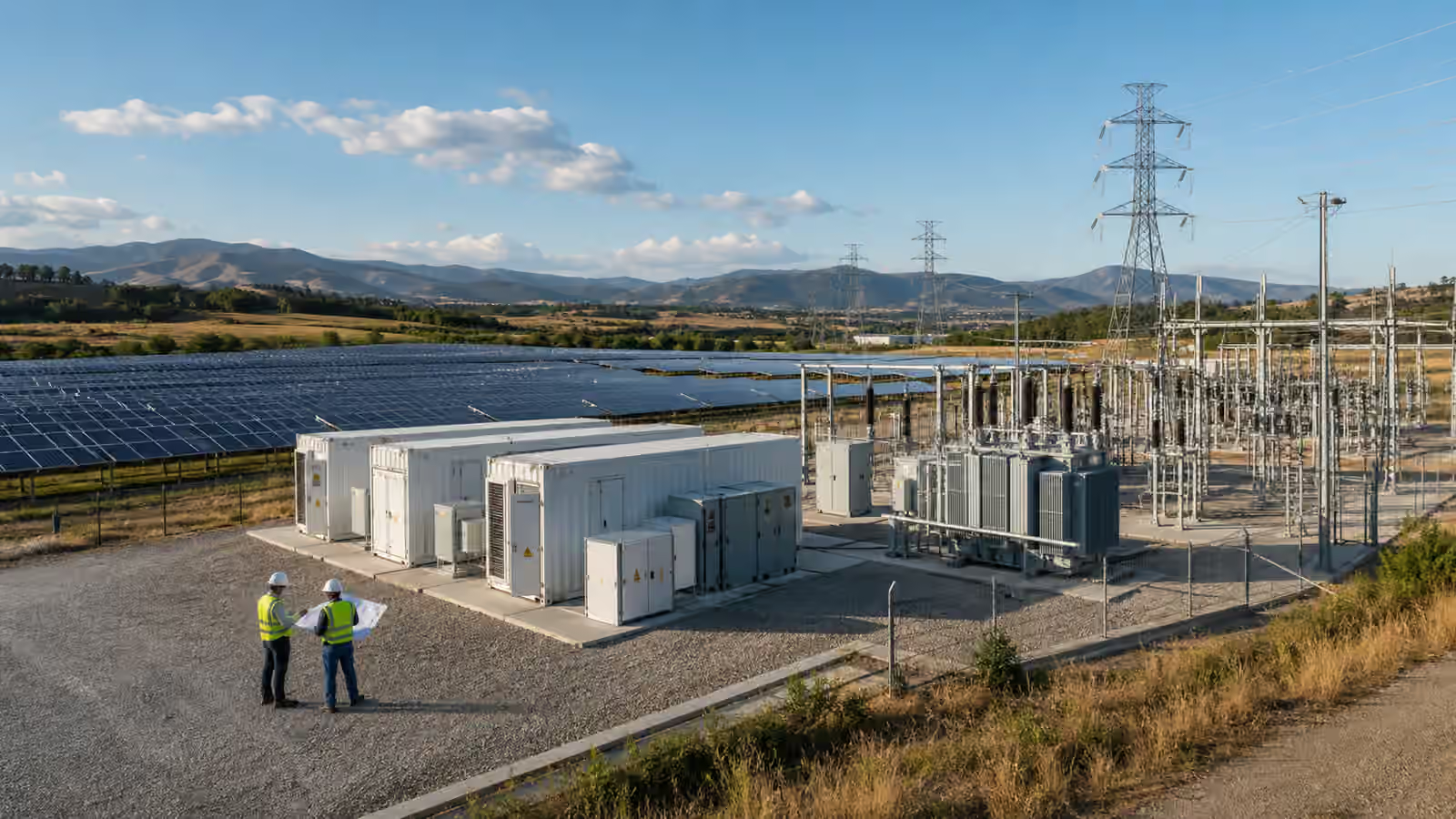
Energy Land Use and Co-Location brings that public path down to site layout. It explains why solar arrays, substations, batteries, access roads, stormwater, setbacks, transmission corridors, expansion room, and shared interconnection points decide whether clean energy infrastructure fits real places.
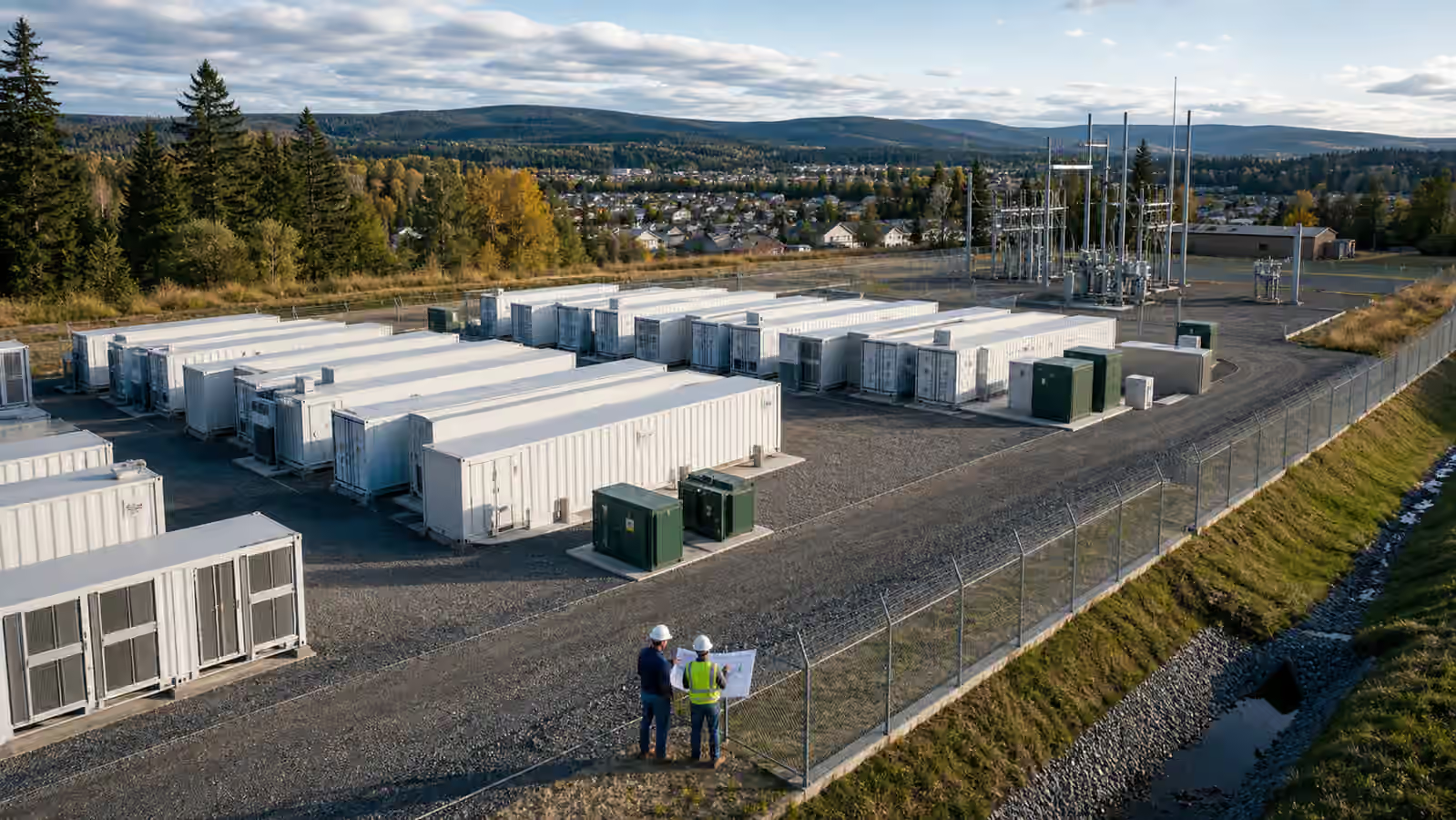
Battery Storage Siting and Safety brings that public path down to the fenced battery yard. It explains why spacing, access lanes, emergency response, monitoring, operations, grid services, and local trust all matter once storage moves from a planning model into a neighborhood or substation site.
Curtailment explains what happens when clean electricity is available but the grid cannot move, store, or use it in that hour. It connects transmission constraints, storage duration, flexible demand, interconnection planning, and hourly clean-power claims into one practical operating problem.
Transmission Planning and Cost Allocation fills in the public bargain behind the wires. It explains how planners compare regional benefits, non-wire alternatives, large-load impacts, community burdens, and payment rules before a transmission project can move from need to construction.
Grid Construction Workforce follows the plan into the field. It explains why lineworkers, substation crews, protection engineers, equipment staging, outage windows, safety culture, and predictable project pipelines shape the real pace of the buildout.
HVDC Transmission fills in the direct-current link behind some long-distance grid plans. It explains why converter stations, submarine cables, underground corridors, offshore wind links, asynchronous interties, and controllable transfers can matter when ordinary AC expansion is not the best fit.
Interregional Power Sharing explains the neighbor-to-neighbor version of that transmission story. It shows why weather diversity, transfer capacity, market coordination, emergency rules, HVDC links, and cross-border cost allocation decide whether one region can help another during the hours that matter.
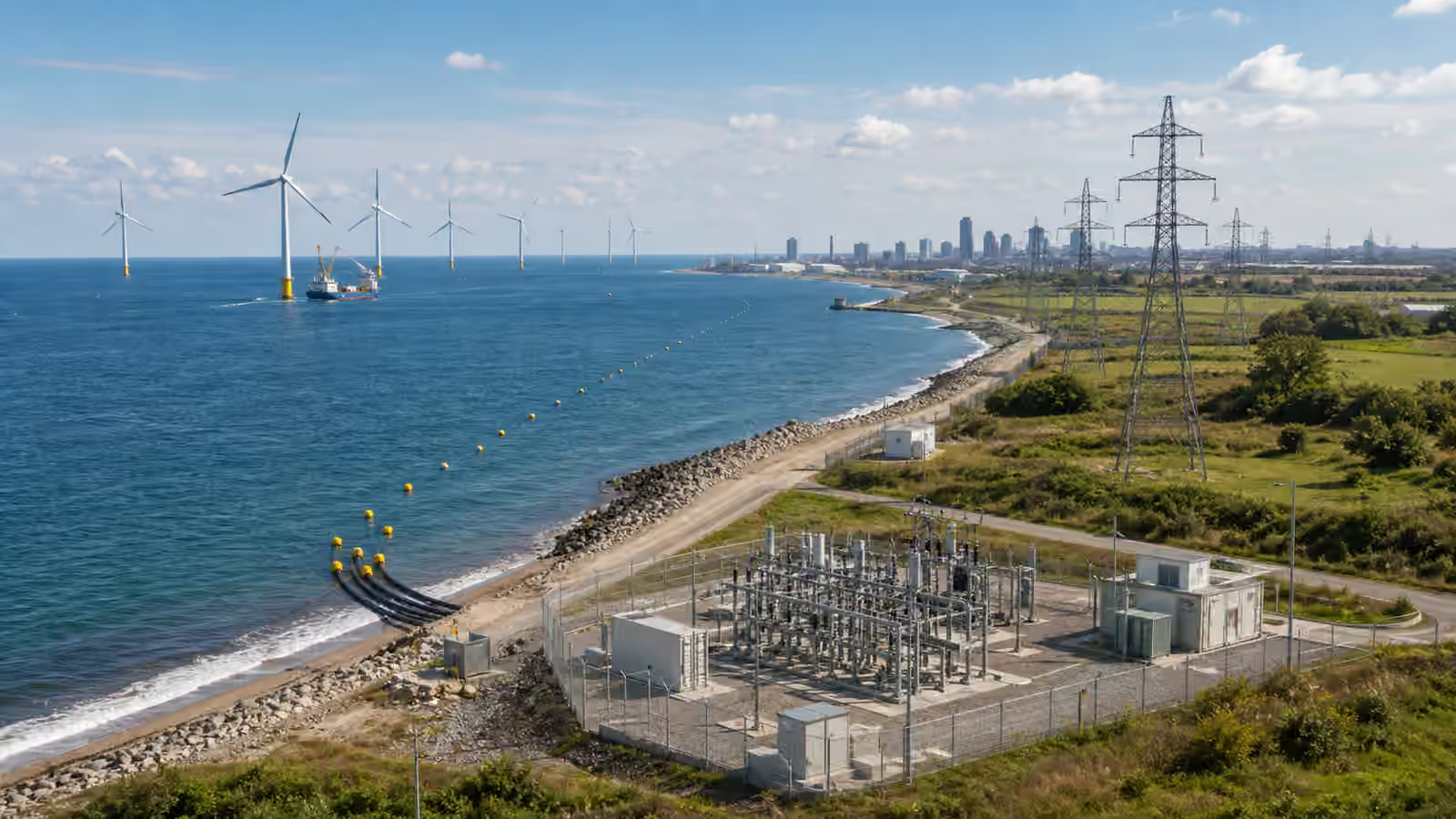
Offshore Wind and Grid Integration follows one of those cable-heavy cases from sea to shore. It explains why turbines, array cables, export cables, coastal substations, ports, landfall sites, onshore transmission, timing, and community trust all have to work before ocean wind becomes dependable grid power.
Utility-Scale Solar and Grid Integration fills in the sunlight side of the renewable buildout. It explains why solar farms are active power plants with inverters, substations, land constraints, interconnection limits, curtailment risk, storage pairings, and delivery questions that decide whether midday energy becomes useful grid electricity.
Hybrid Renewable Plants connects that solar story to wind, batteries, and shared substations. It explains why co-located resources can use scarce interconnections better, reduce some curtailment, and shape output, while still depending on dispatch controls, storage duration, market rules, and transmission planning.
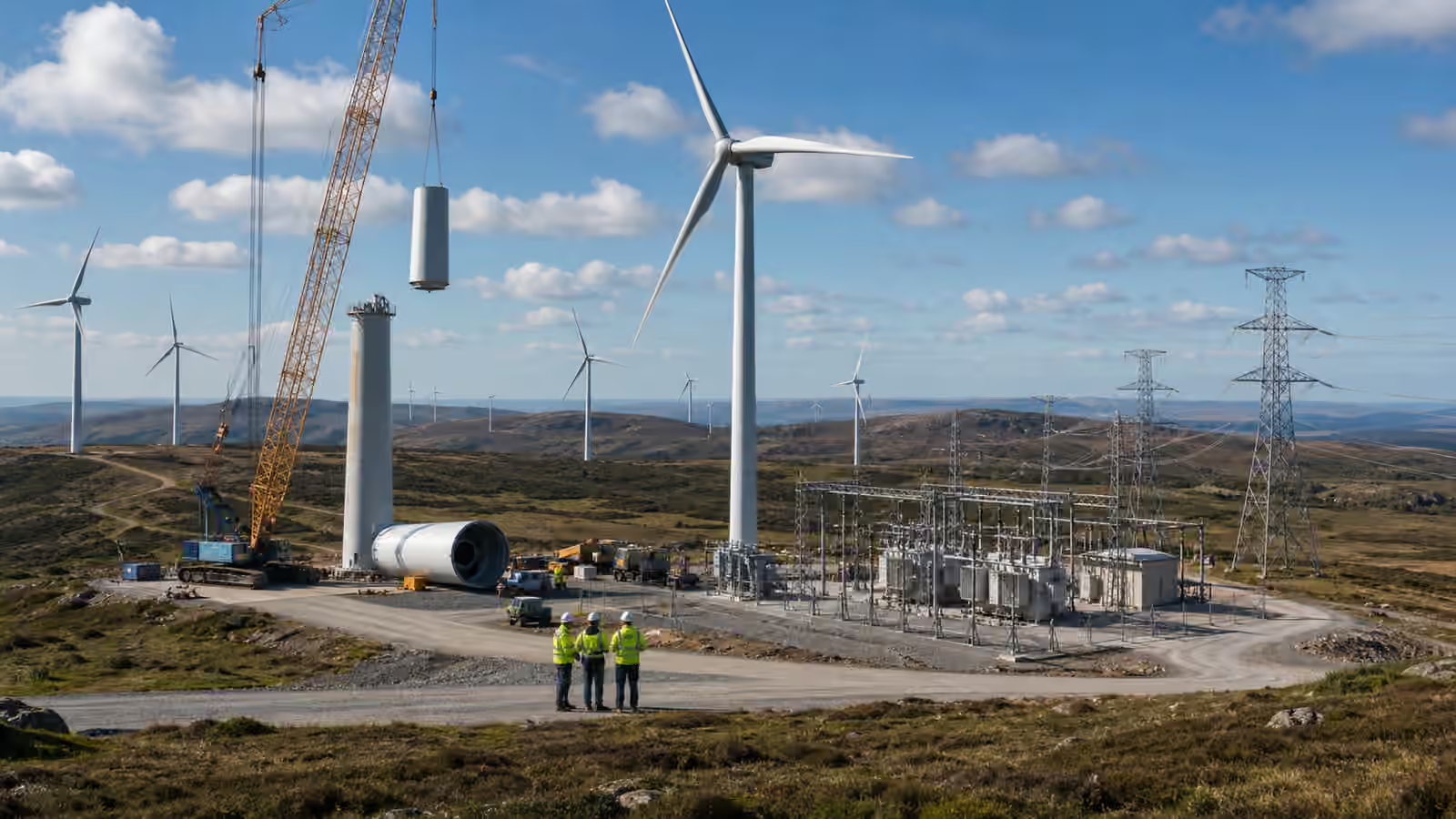
Onshore Wind Repowering and Grid Fit adds the land-based wind story beside offshore wind. It explains why older wind sites, larger turbines, existing roads, local trust, transmission access, curtailment, forecasting, controls, and component replacement all matter when a mature resource is upgraded for a changing grid.
Renewable Forecasting and Grid Operations fills in the operating layer behind wind and solar. It explains how weather, plant telemetry, load forecasts, reserves, markets, batteries, flexible demand, and forecast uncertainty shape the decisions operators make before renewable variability becomes a reliability event.
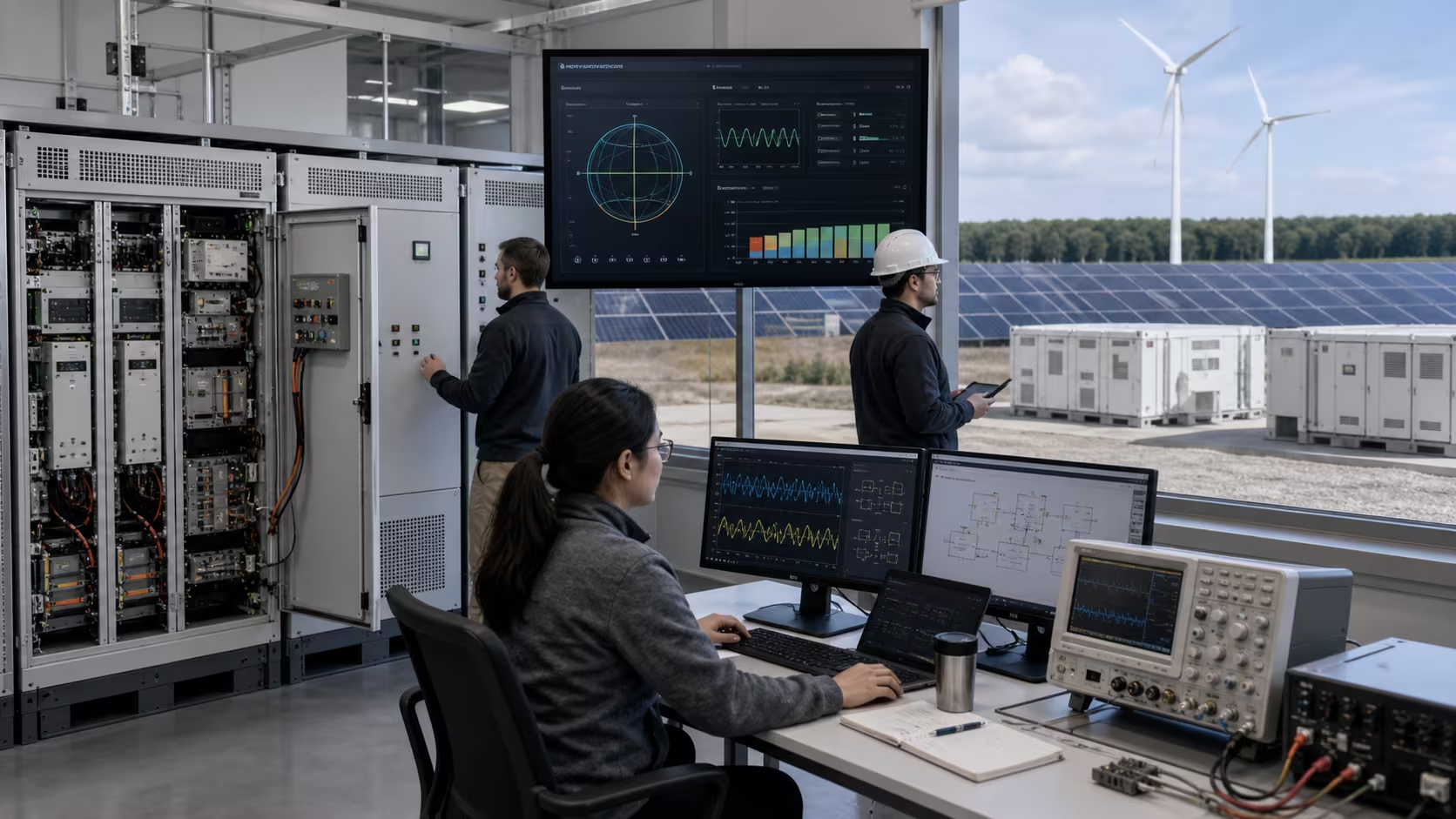
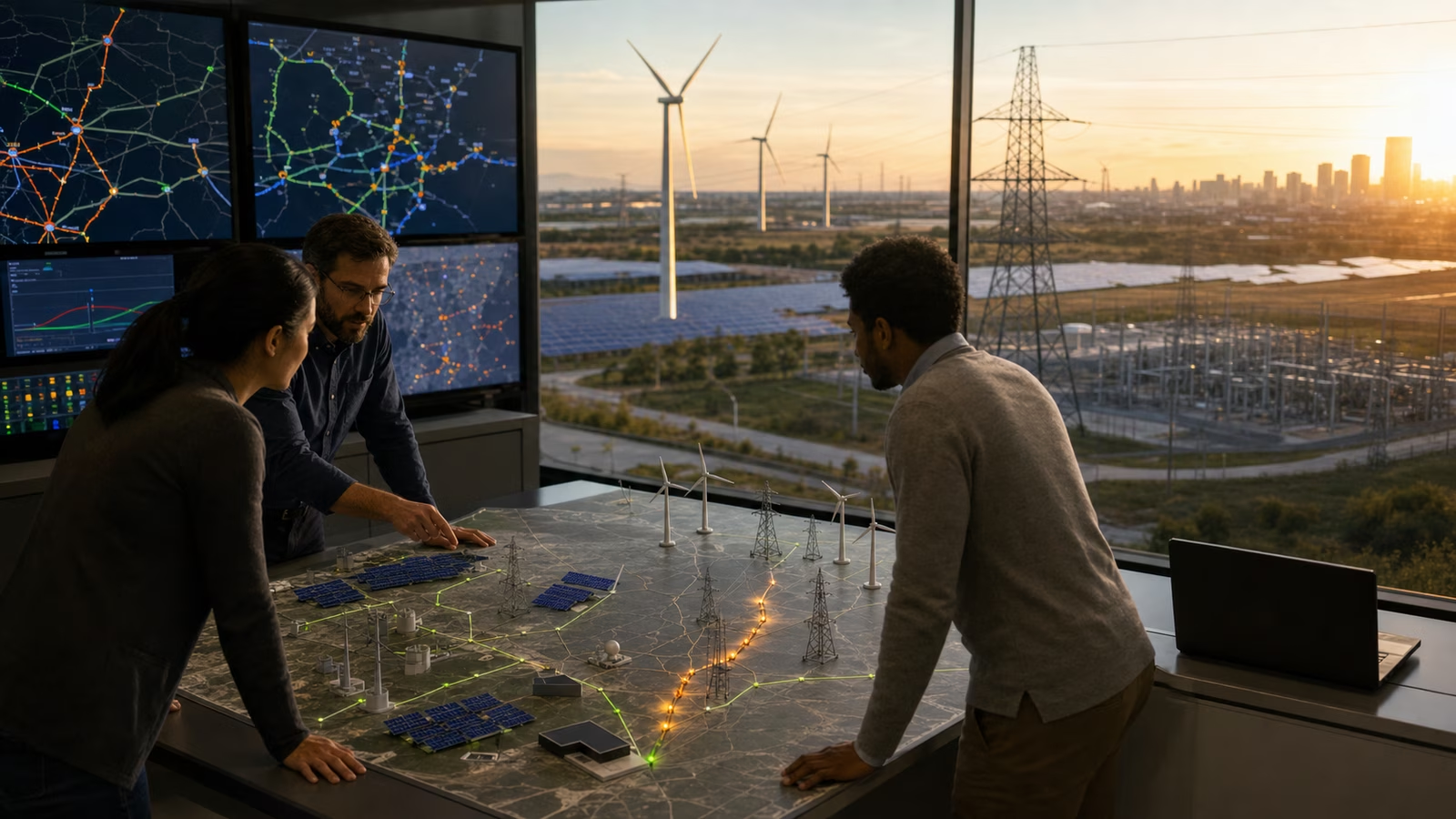
Grid Visibility and Sensor Telemetry explains the observation layer behind that operating work. It covers SCADA, phasor measurements, feeder sensors, weather data, asset monitoring, model accuracy, alarm discipline, and why a future grid needs trustworthy visibility before it can use flexibility, storage, and clean resources well.
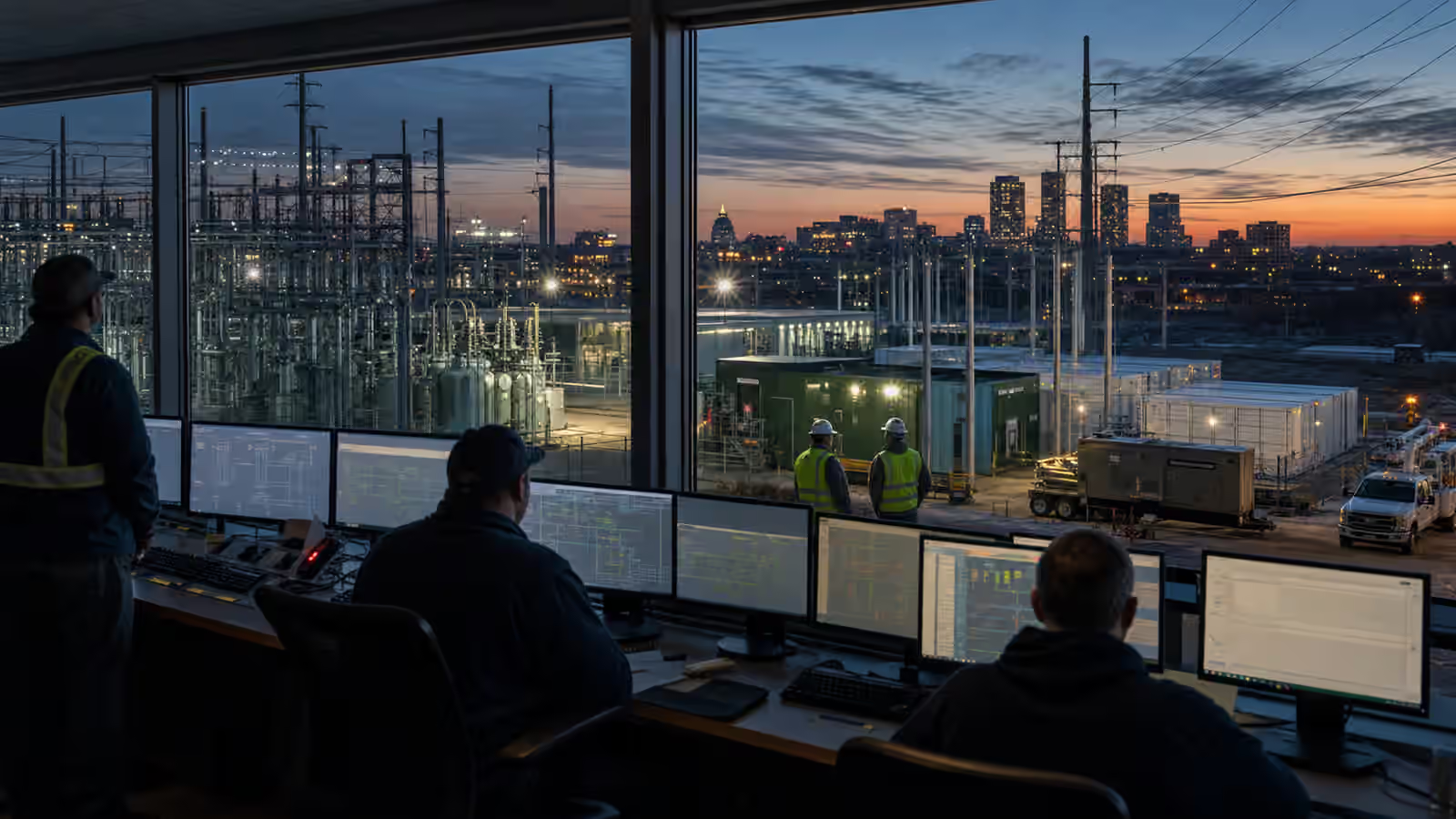
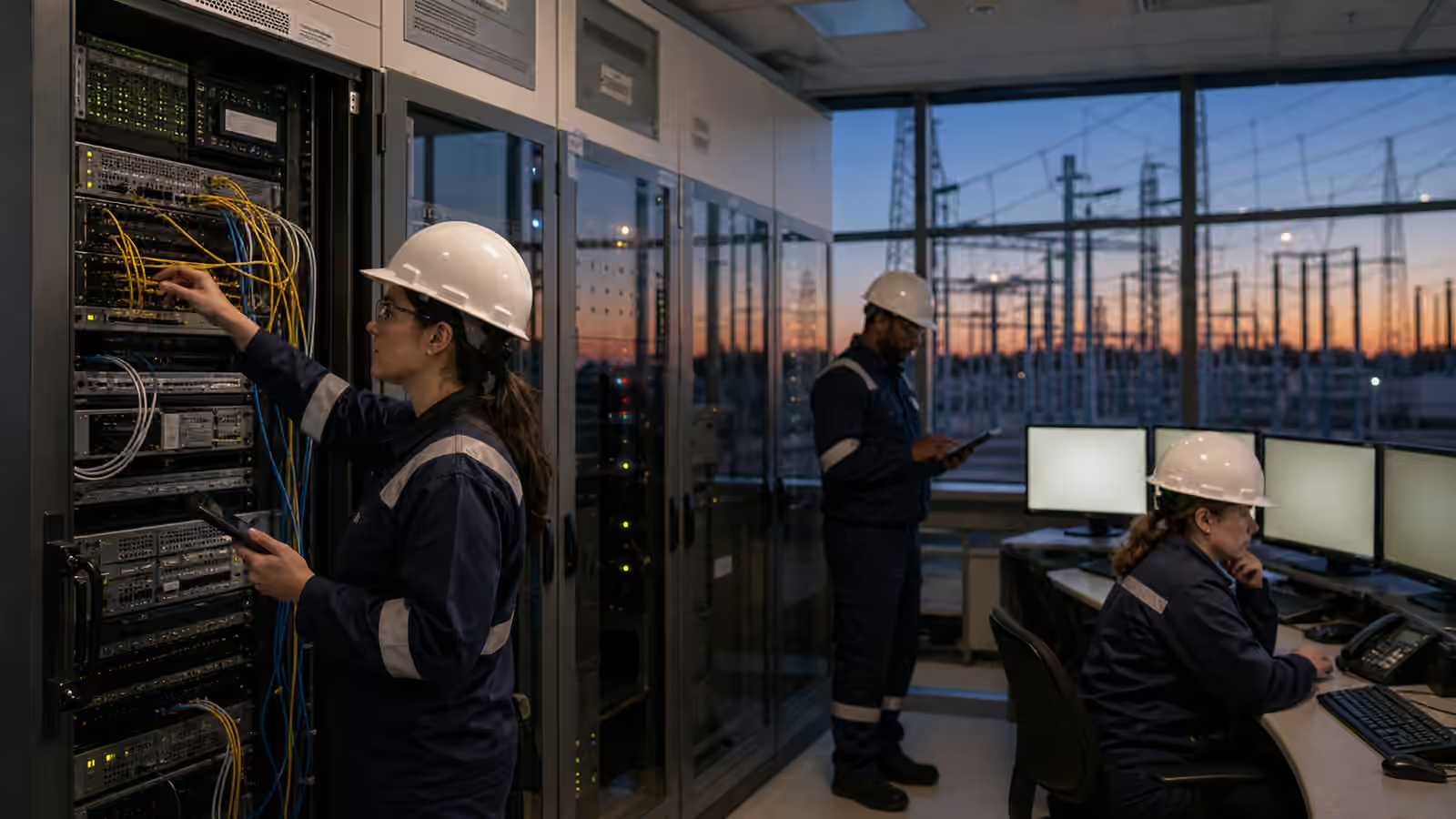
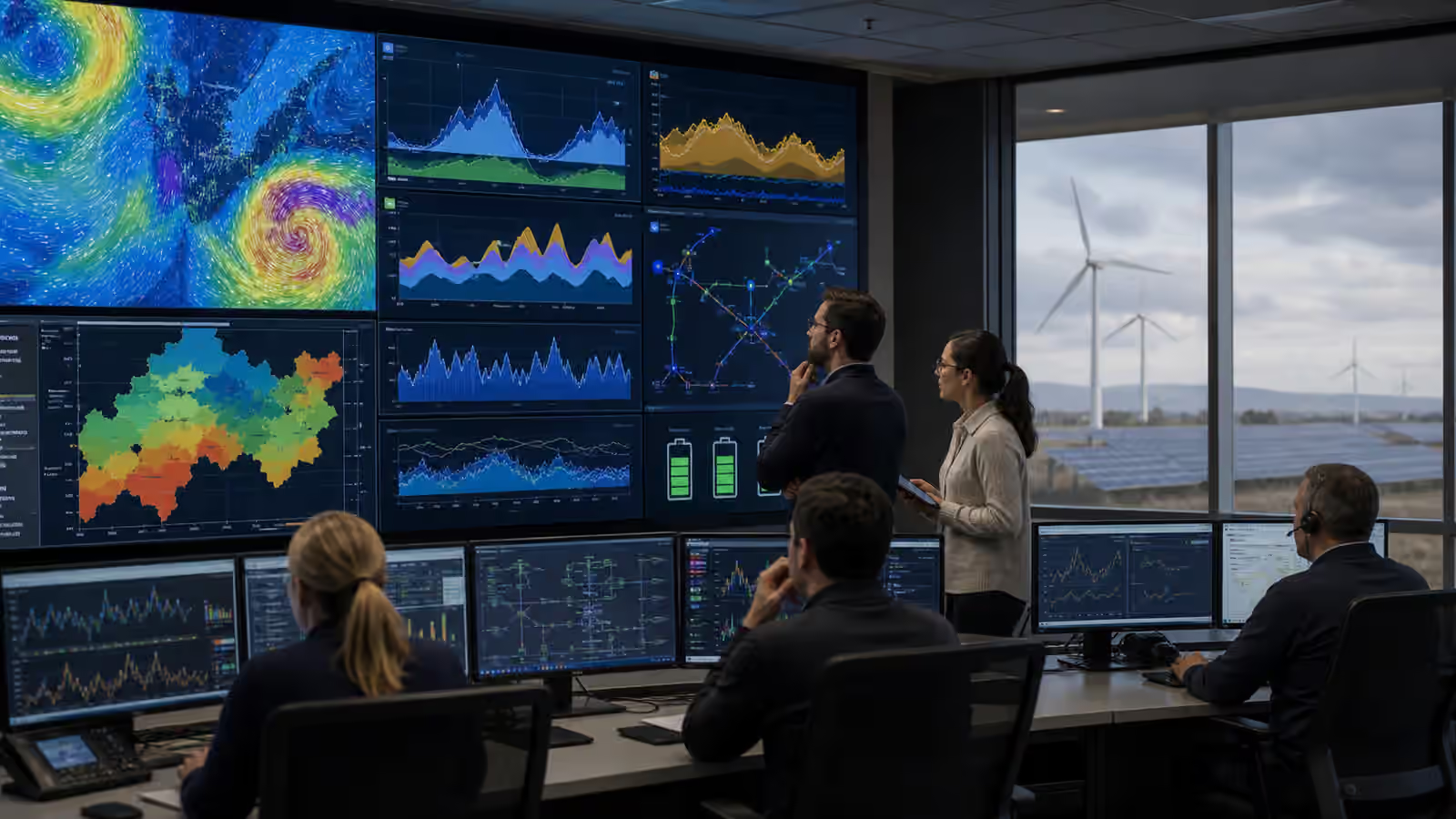
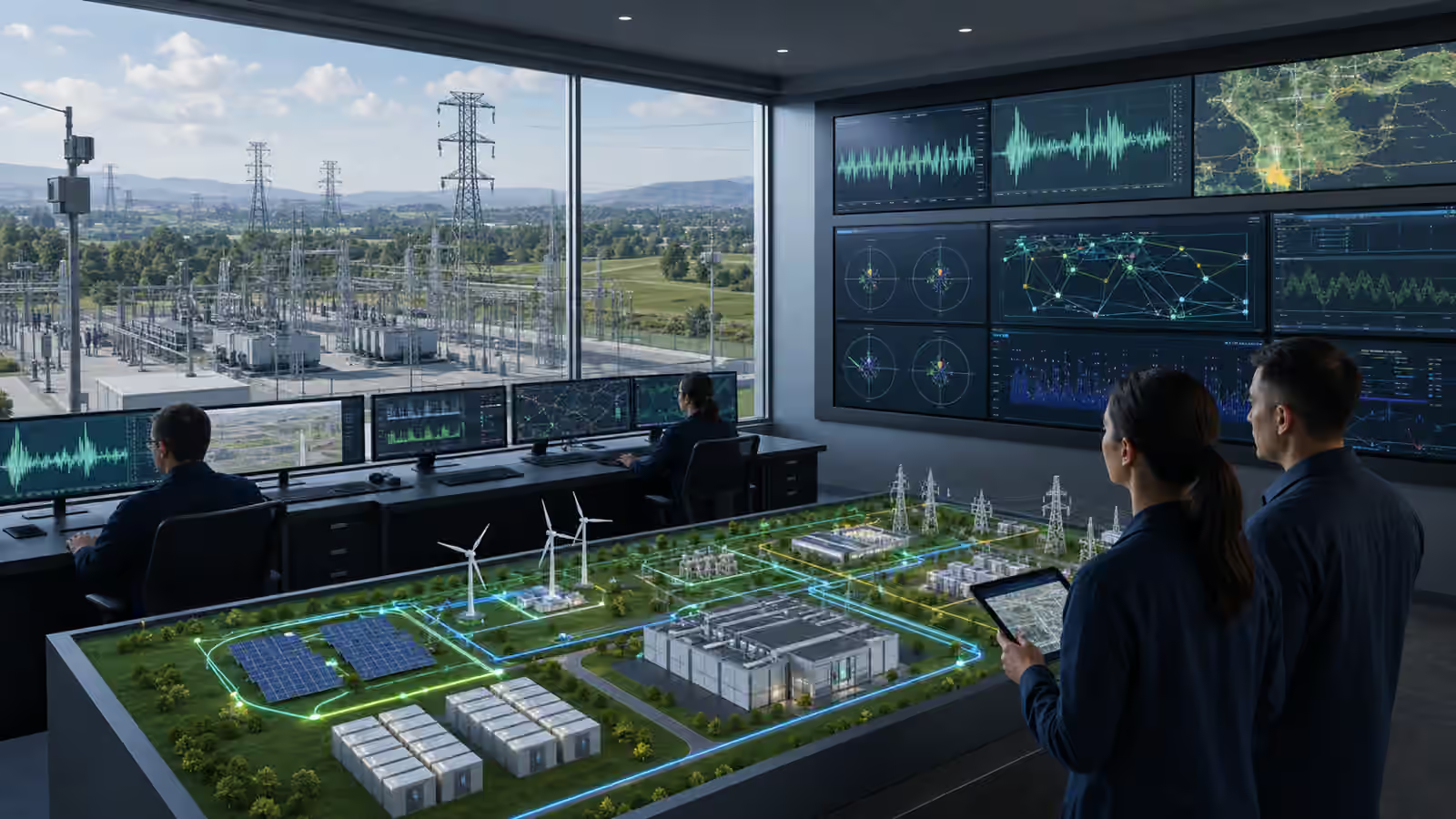
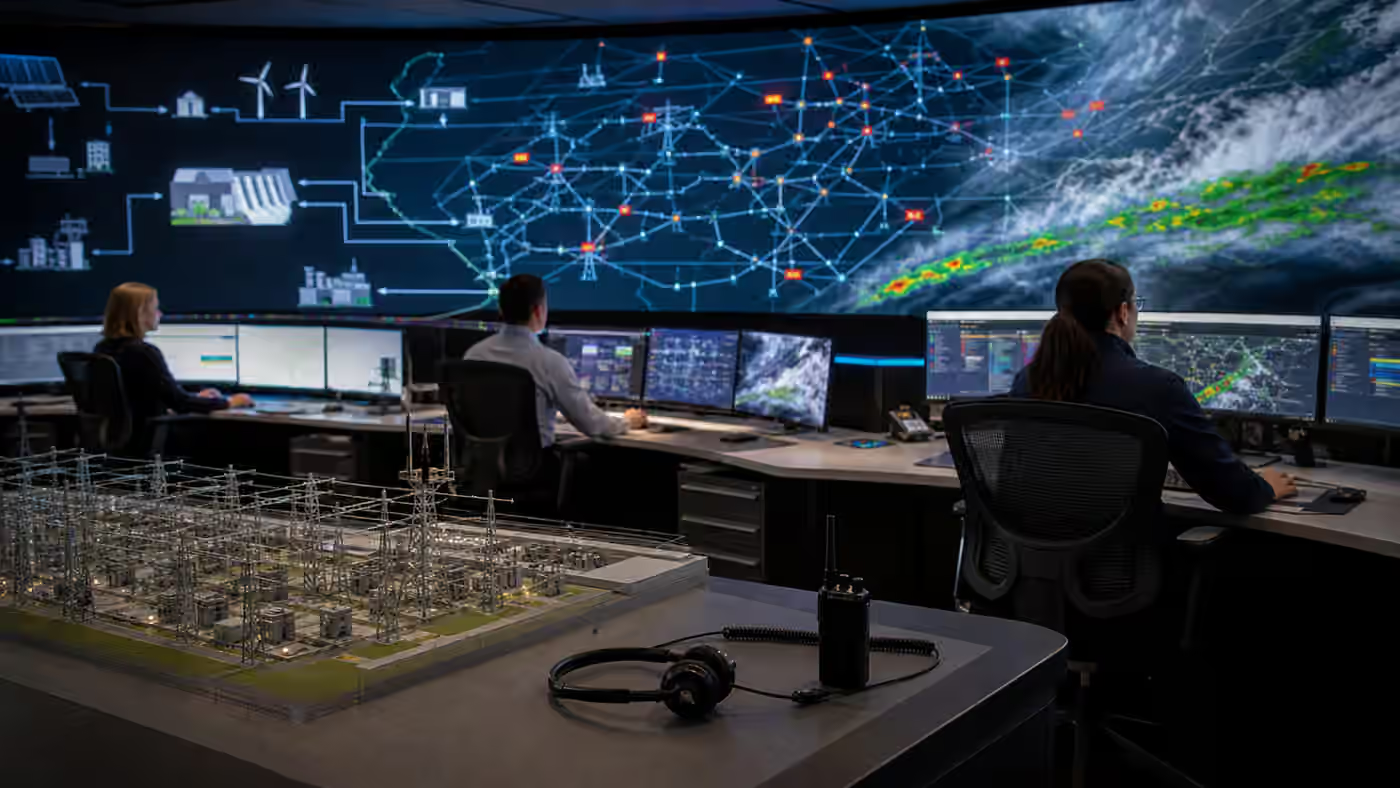
Grid Operator Control Rooms follows those signals into human workflow. It explains how operators manage alarms, switching, reserves, dispatch, communications, restoration practice, and abnormal conditions while the grid adds more weather-dependent generation, flexible demand, large loads, and digital controls.
Grid-Enhancing Technologies fills in the practical tools that make existing wires work harder while larger transmission projects move through planning. It explains dynamic line ratings, power-flow control, topology optimization, reconductoring, and why better visibility can reduce congestion without pretending that software replaces steel.
Ancillary Services gives a name to the grid support jobs behind reliable electricity. It explains frequency response, voltage support, reserves, ramping, black start, and why future grids have to procure and test support functions instead of assuming energy alone is enough.
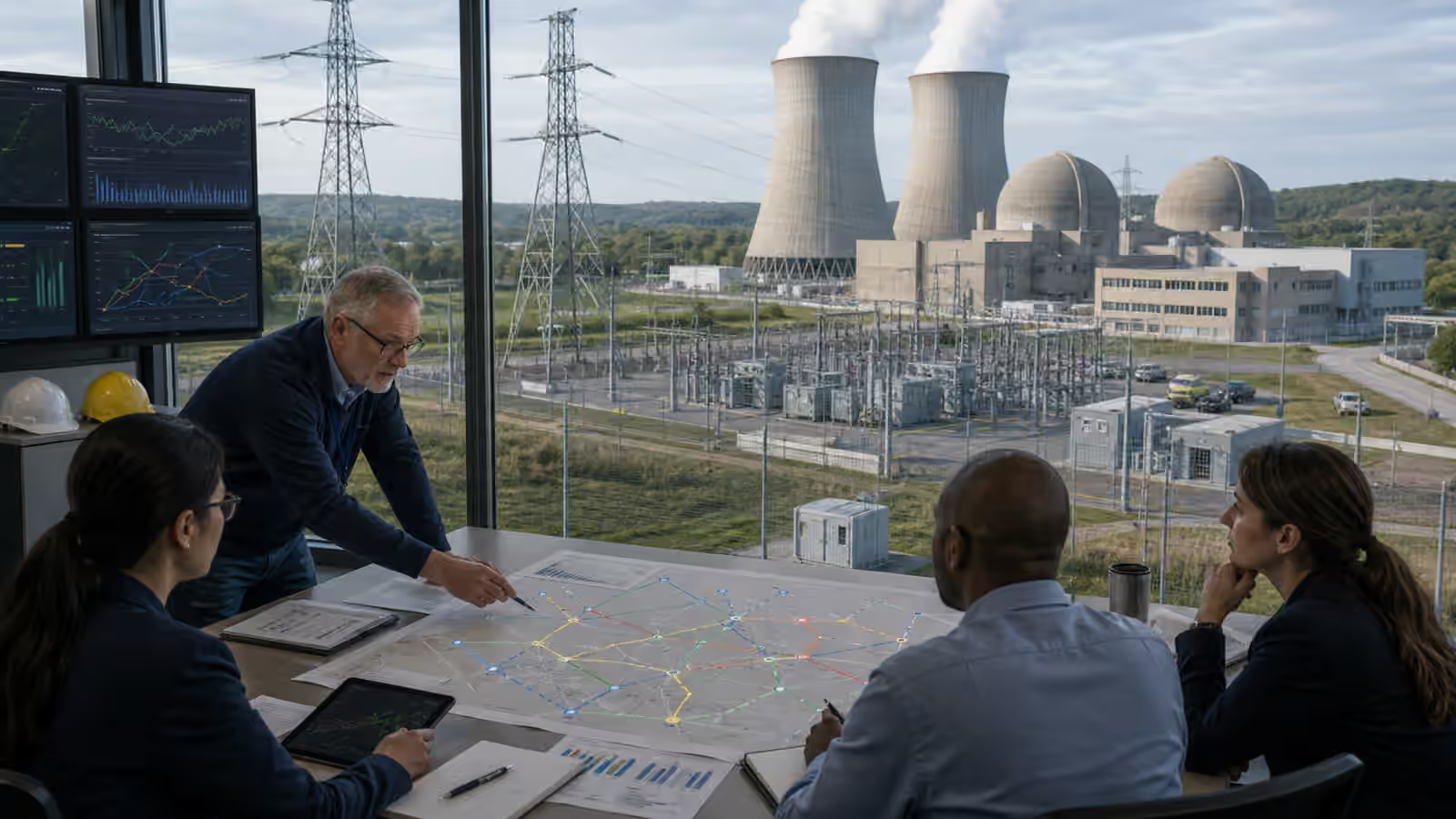
Existing Nuclear Plants looks at the firm low-carbon machines already connected to some grids. It explains why refueling outages, lifetime extensions, uprates, safety oversight, retirement sequencing, waste obligations, local communities, and replacement capacity all matter before existing nuclear plants are treated as either permanent answers or easy closures.
Power Plant Cooling Water follows the heat that thermal plants have to reject. It explains why cooling equipment, water availability, hot weather, drought stress, maintenance, and heat-rejection limits can decide whether a firm-looking plant is actually dependable during the hours when the grid needs it.
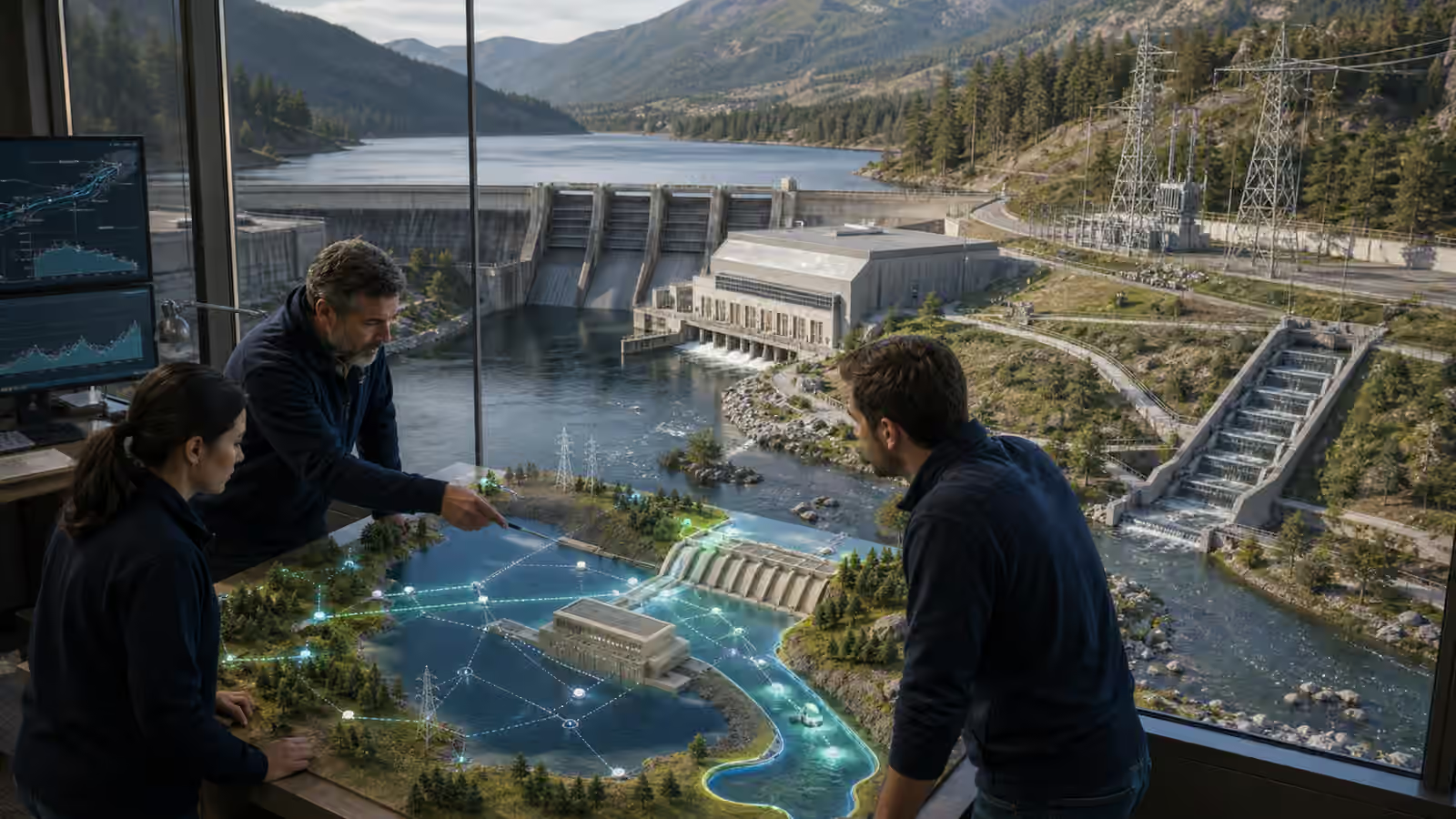
Hydropower Modernization looks at the water-power assets already shaping many rivers and grids. It explains why turbine upgrades, environmental flows, fish passage, reservoir rules, drought, transmission access, and operating flexibility have to be weighed together before existing dams are called either old infrastructure or future grid resources.
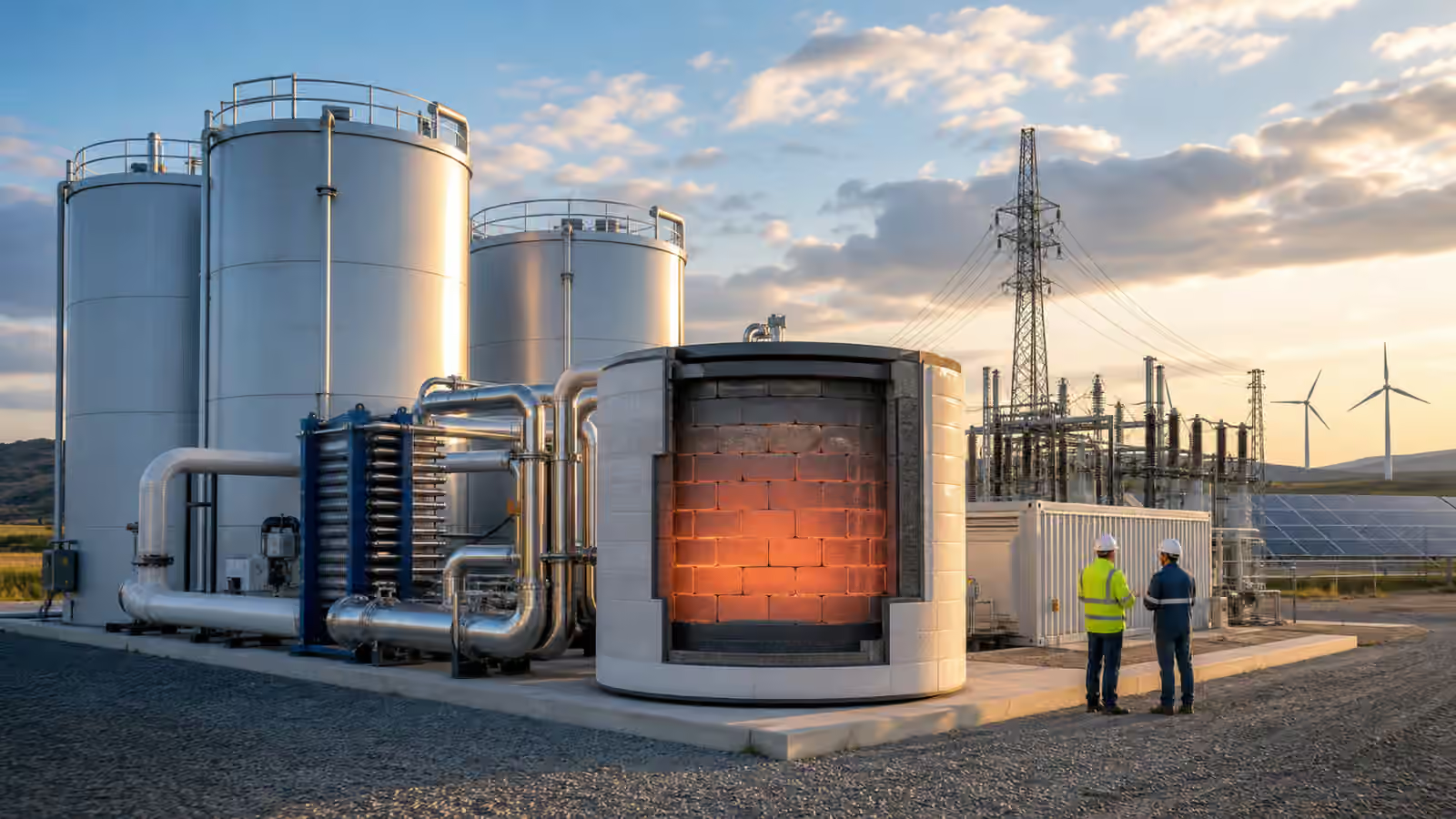
Thermal Energy Storage fills in the heat and cold side of storage. It explains why hot water tanks, chilled-water systems, brick heat stores, district energy, and industrial thermal buffers can shift electric demand without pretending that every load is a general-purpose battery.
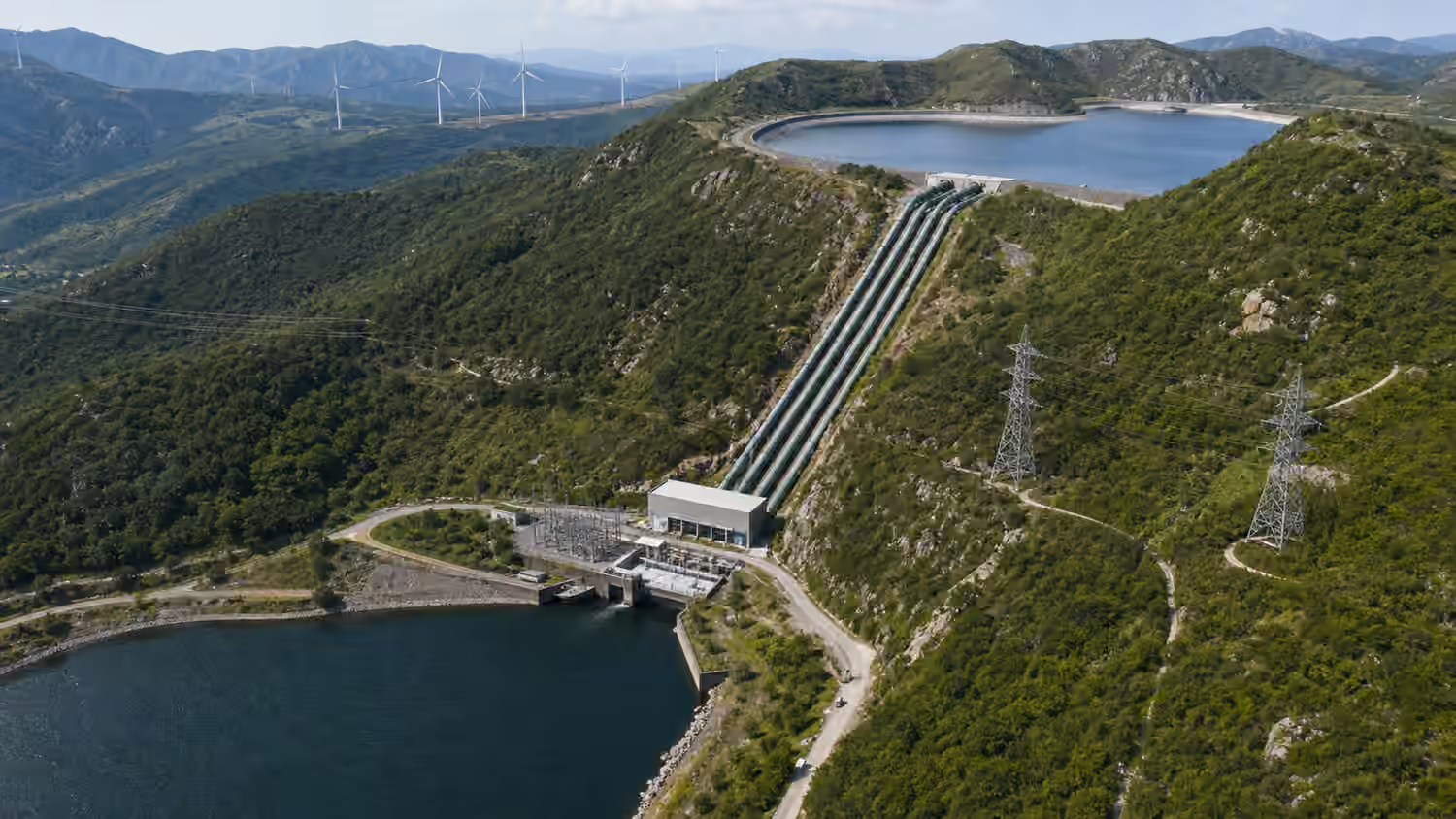
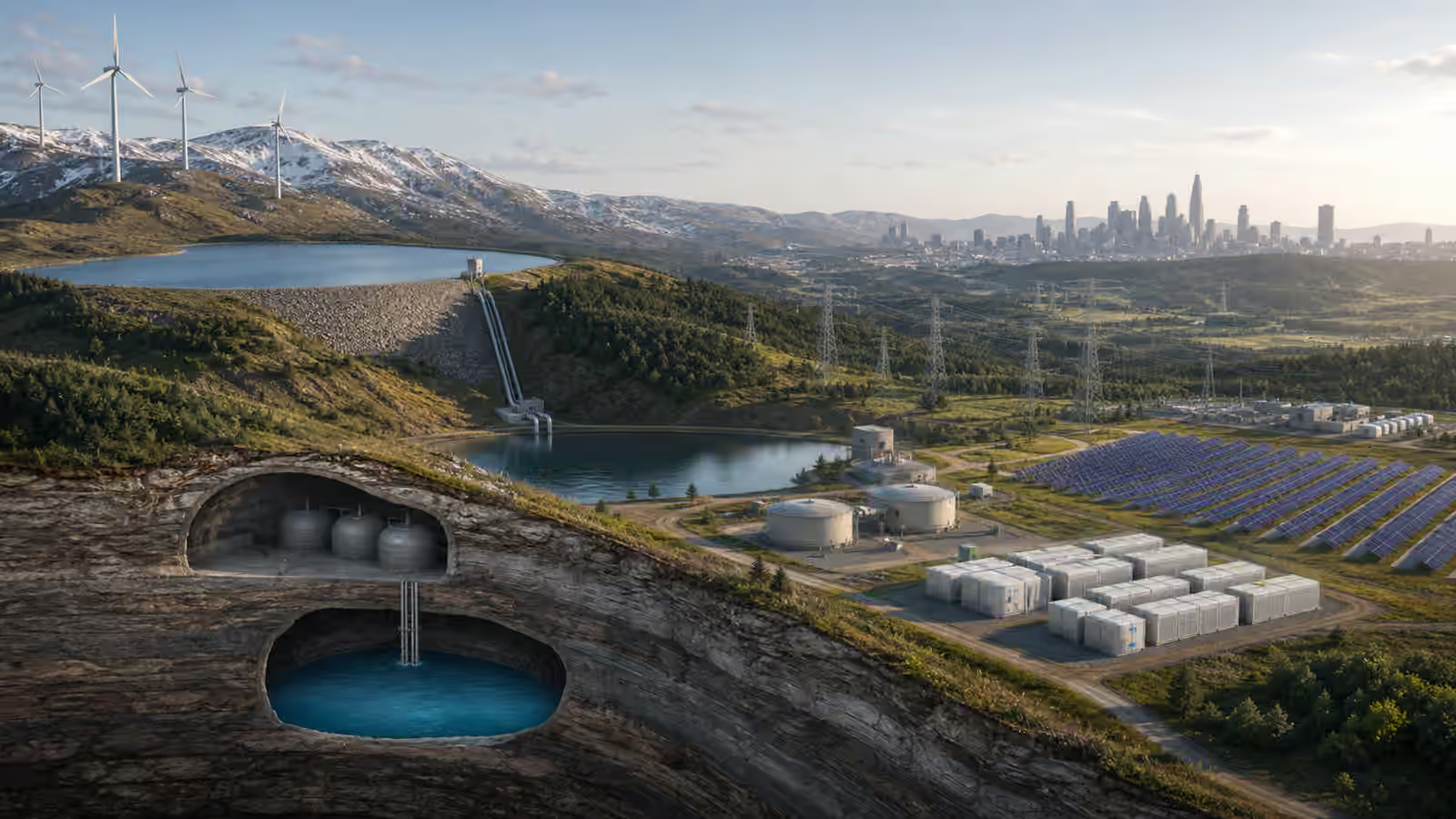
Pumped Storage Hydropower fills in the water-and-elevation side of storage. It explains why upper reservoirs, lower reservoirs, reversible turbines, transmission access, water planning, land use, and community trust decide whether a water battery can become a practical grid resource.
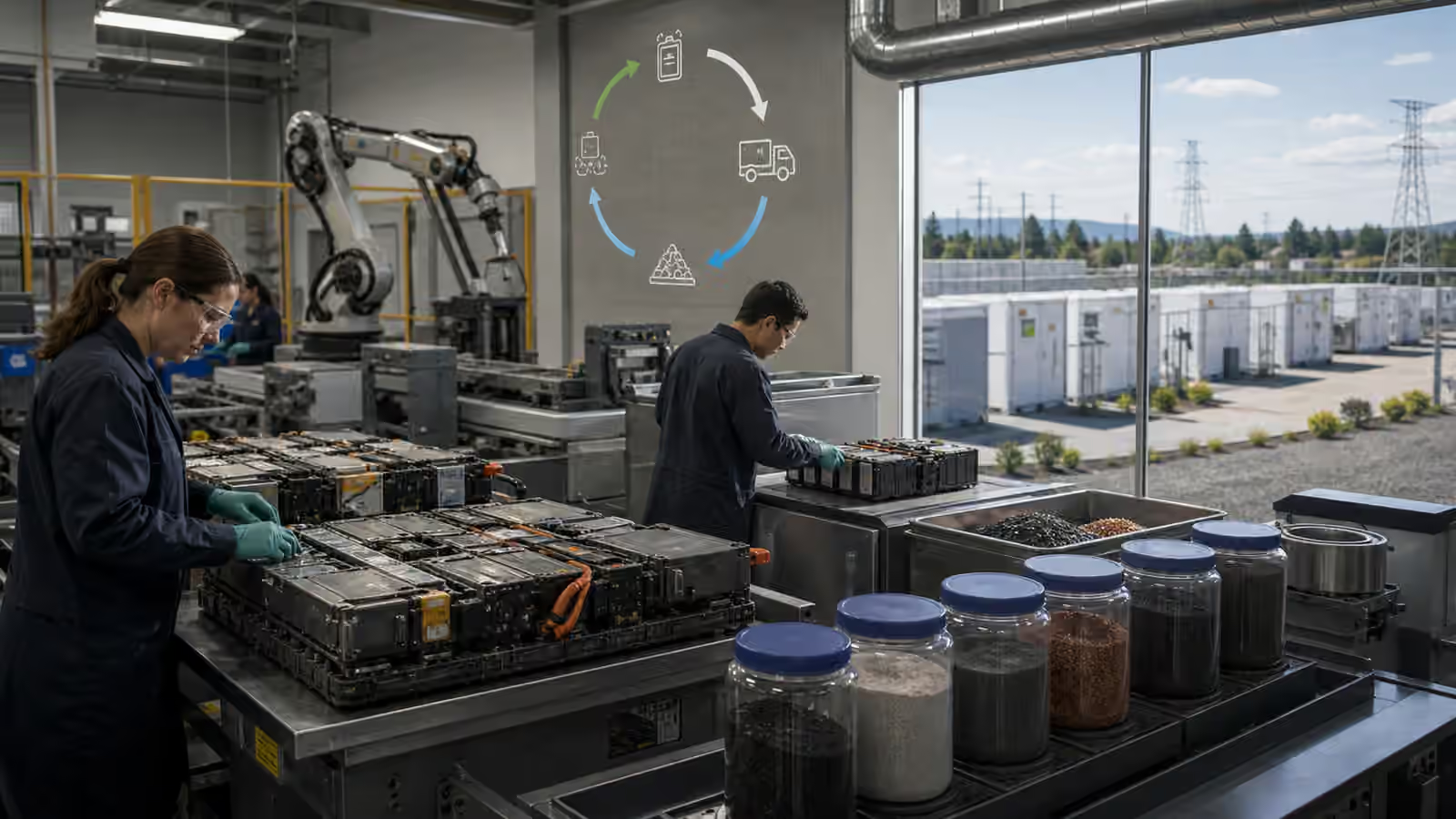
Energy Storage Recycling follows batteries after their first grid job is finished. It explains why second life, chemistry, safe transport, recovered materials, design for disassembly, project decommissioning, and recycling facilities are part of the storage buildout rather than an afterthought.
Seasonal Energy Storage stretches the storage question beyond the daily solar-to-evening shift. It explains why multi-day weather, winter peaks, low-wind periods, thermal storage, pumped water, clean fuels, transmission diversity, and demand flexibility all matter when the grid has to carry energy across longer gaps.
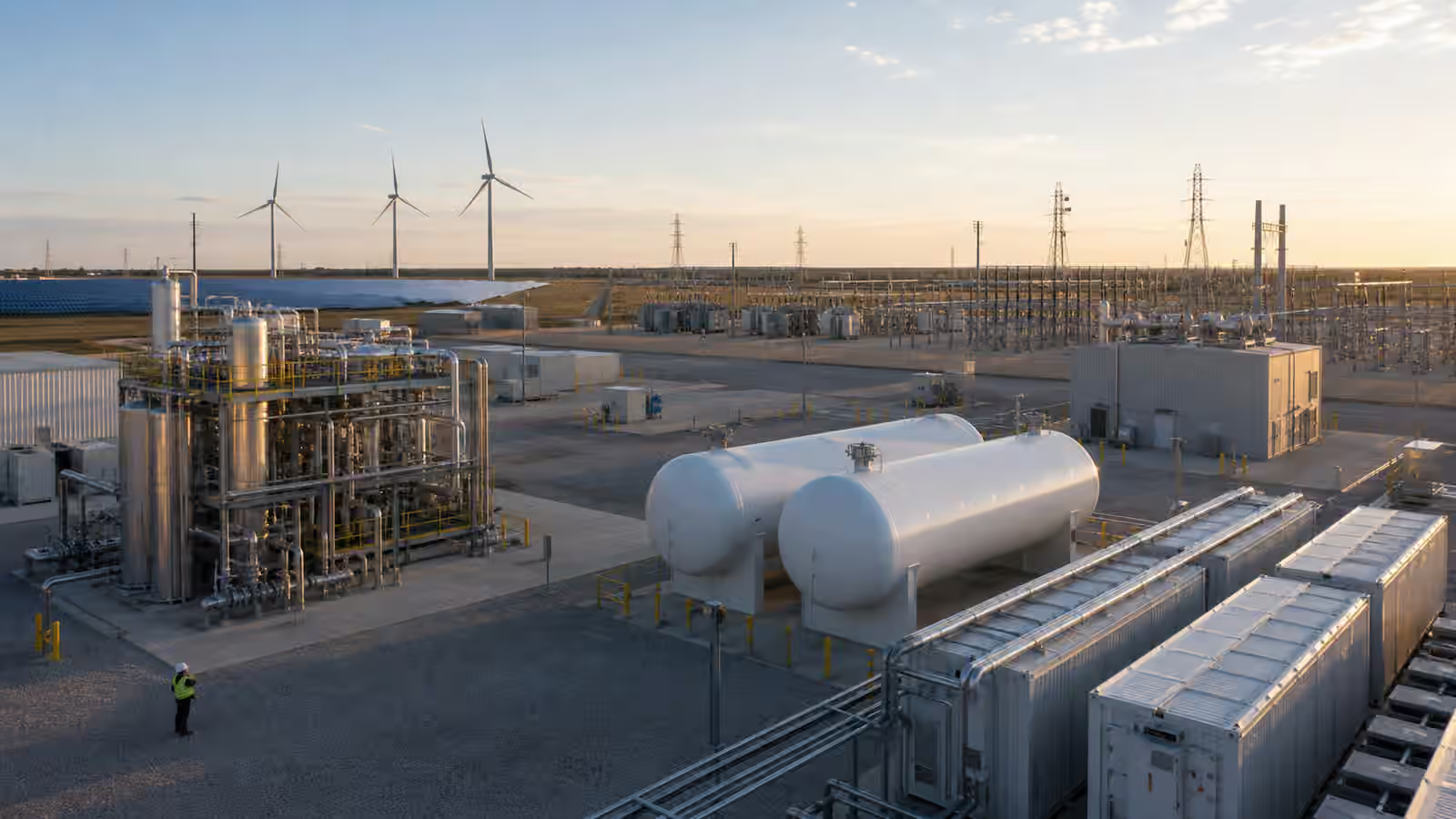
Clean Fuels for the Hardest Grid Hours fills in the molecule side of reliability. It explains where hydrogen, fuel cells, turbines, storage caverns, backup power, and emissions accounting may help future grids, and why clean fuel claims need a real supply chain behind them.
Firm Power Fuel Logistics follows that supply chain into operations. It explains why tanks, pipelines, delivery routes, storage duration, resupply contracts, fuel quality, and conservation plans decide whether firm machines can keep running through the stressful hours they are counted on to cover.
Electrolyzers and the Grid looks at the front end of that fuel chain. It explains why hydrogen production starts as a large electric load, how flexible operation can help absorb clean power, and why water, compression, storage, interconnection, and hourly clean power accounting decide whether the fuel story works.
Every guidebook has a matching lesson in the Powering Tomorrow game track , so you can read slowly and then test the core idea in a few minutes.