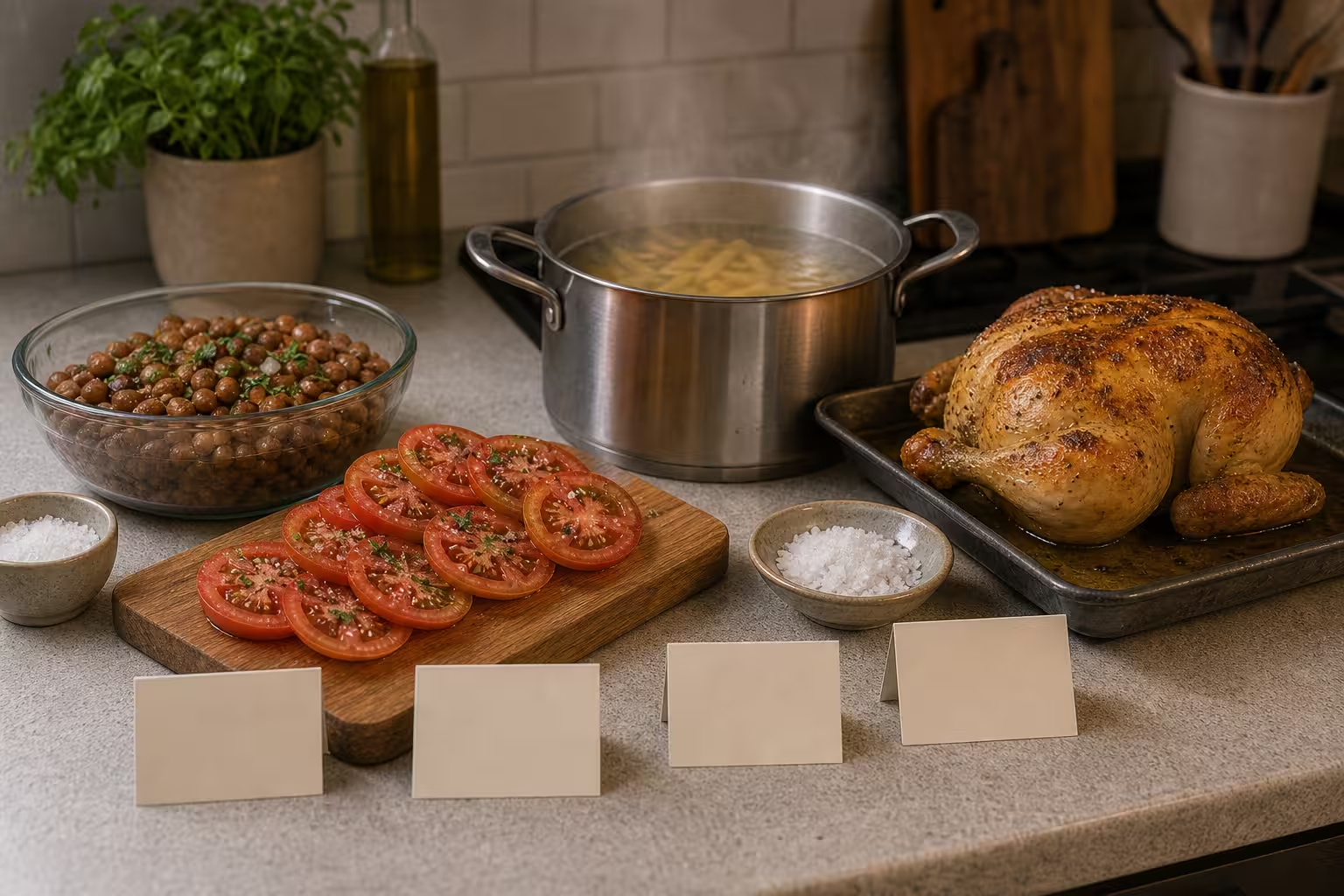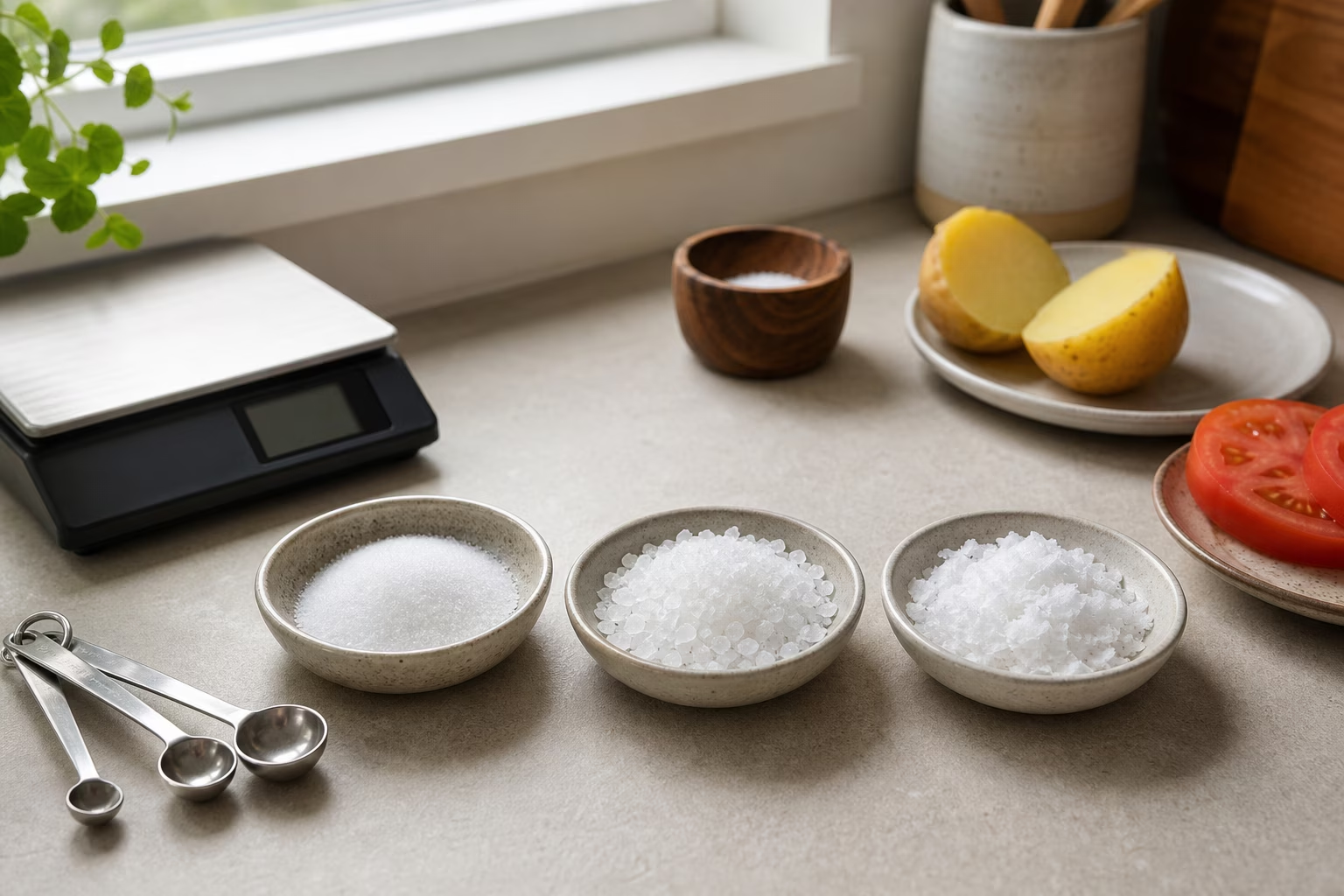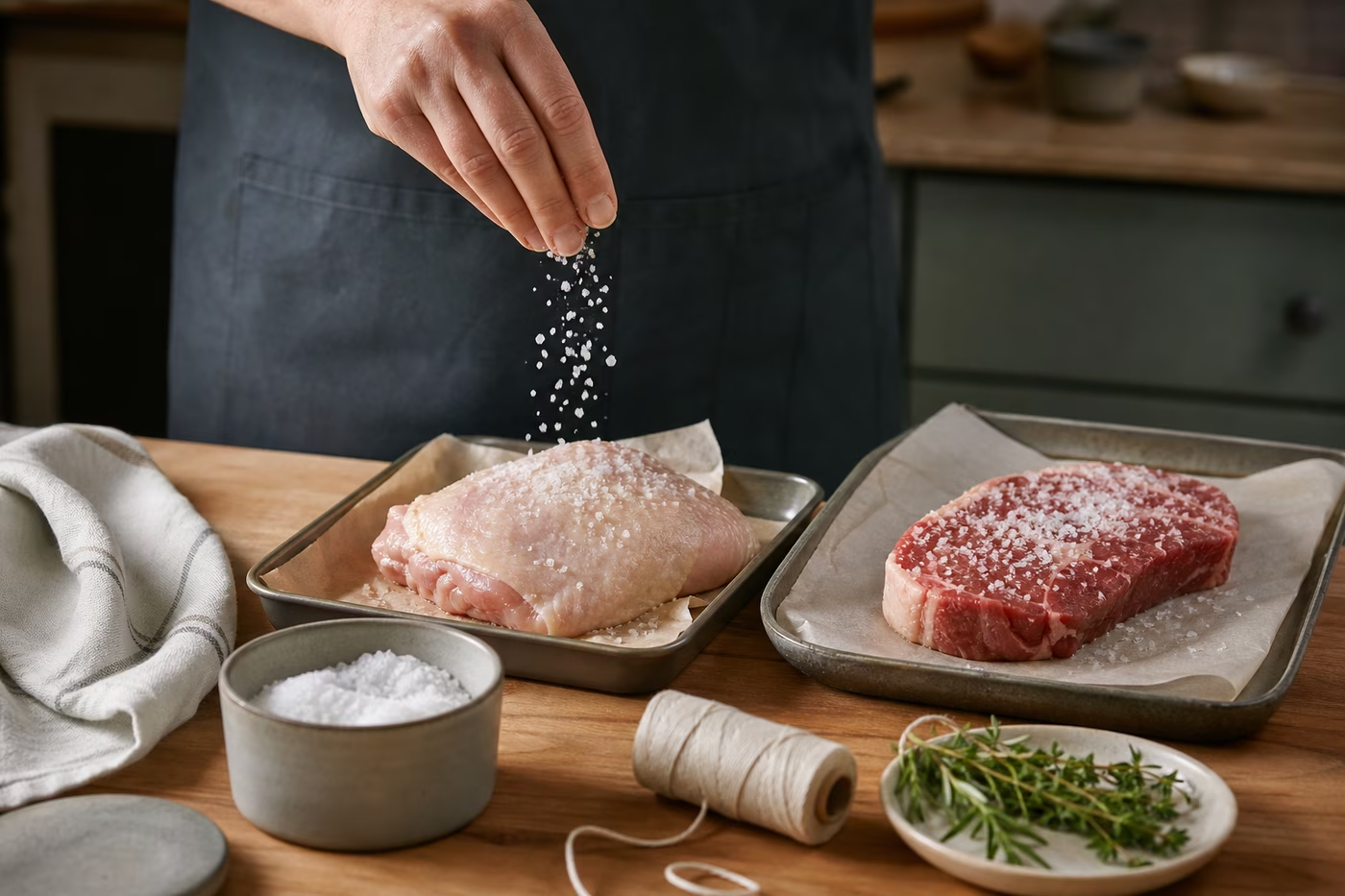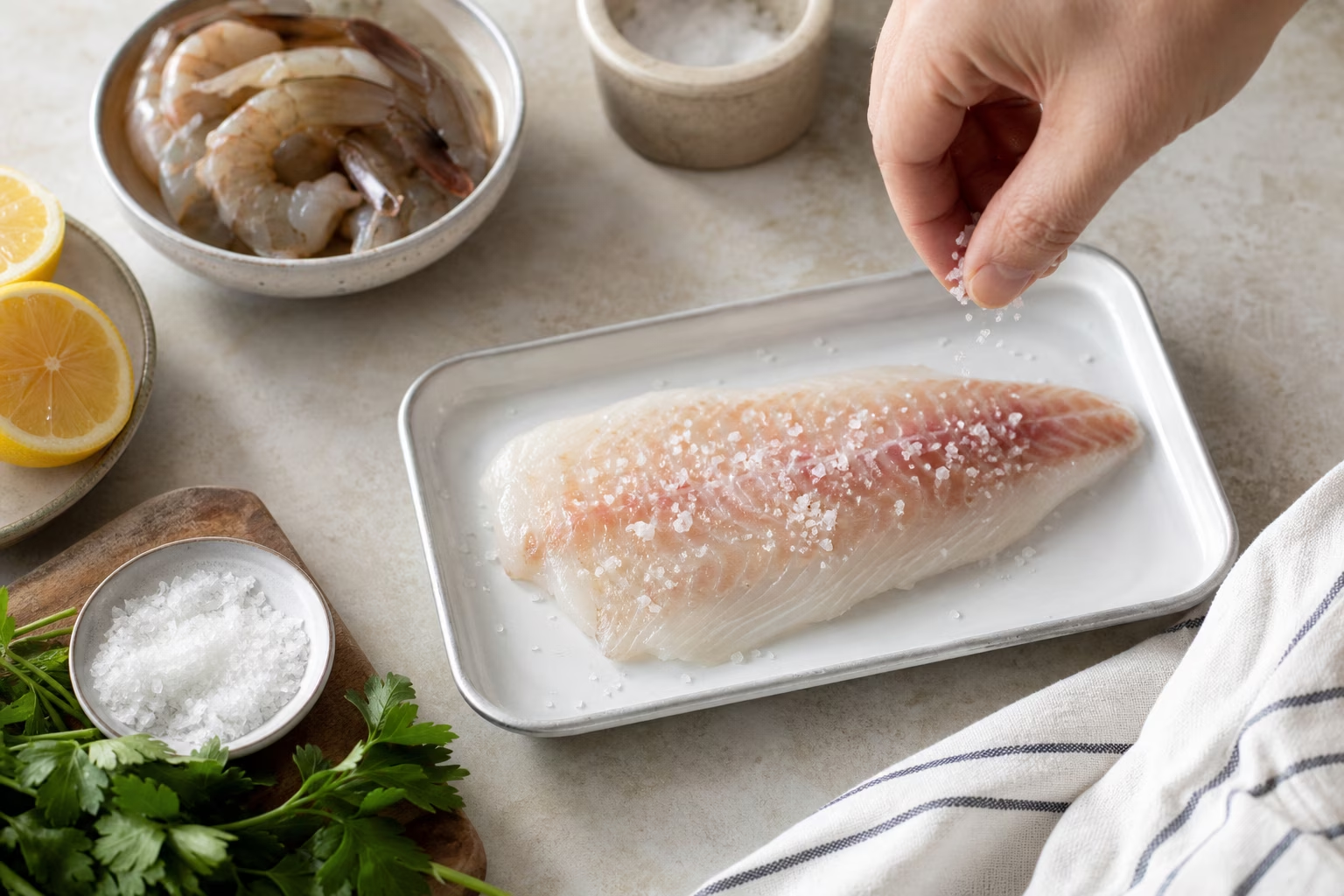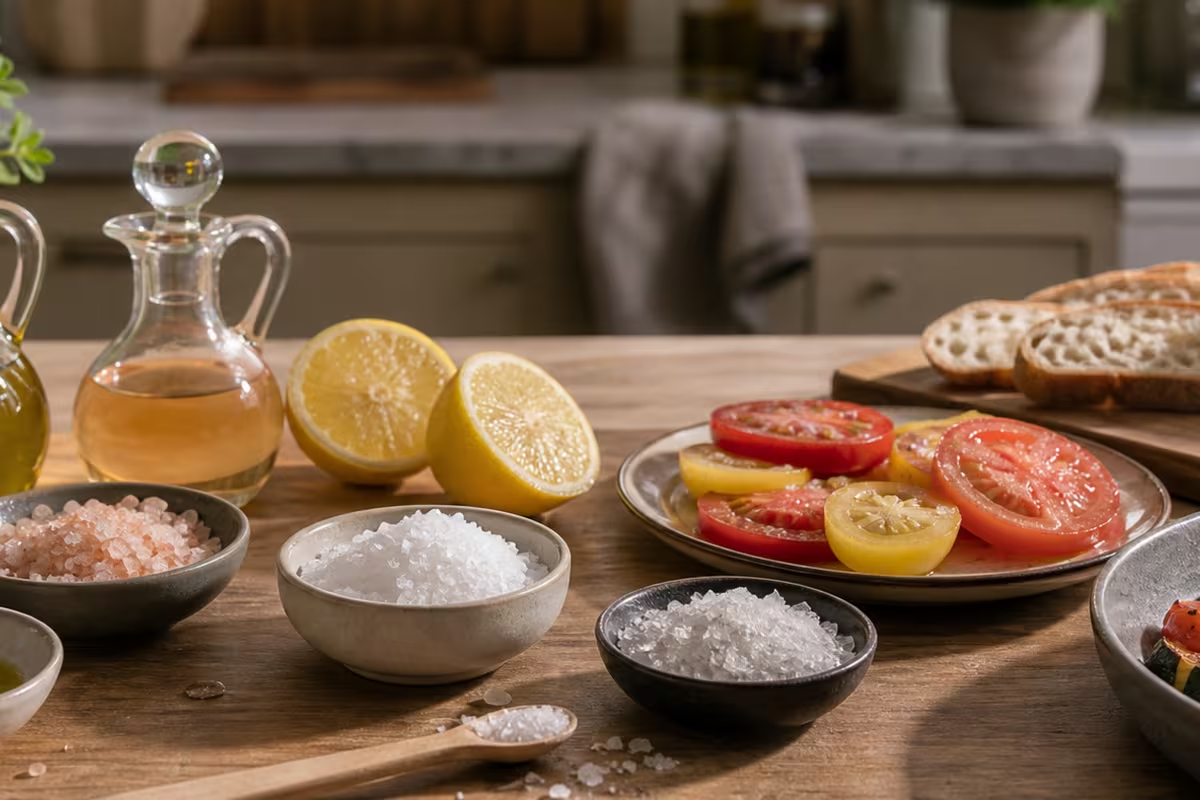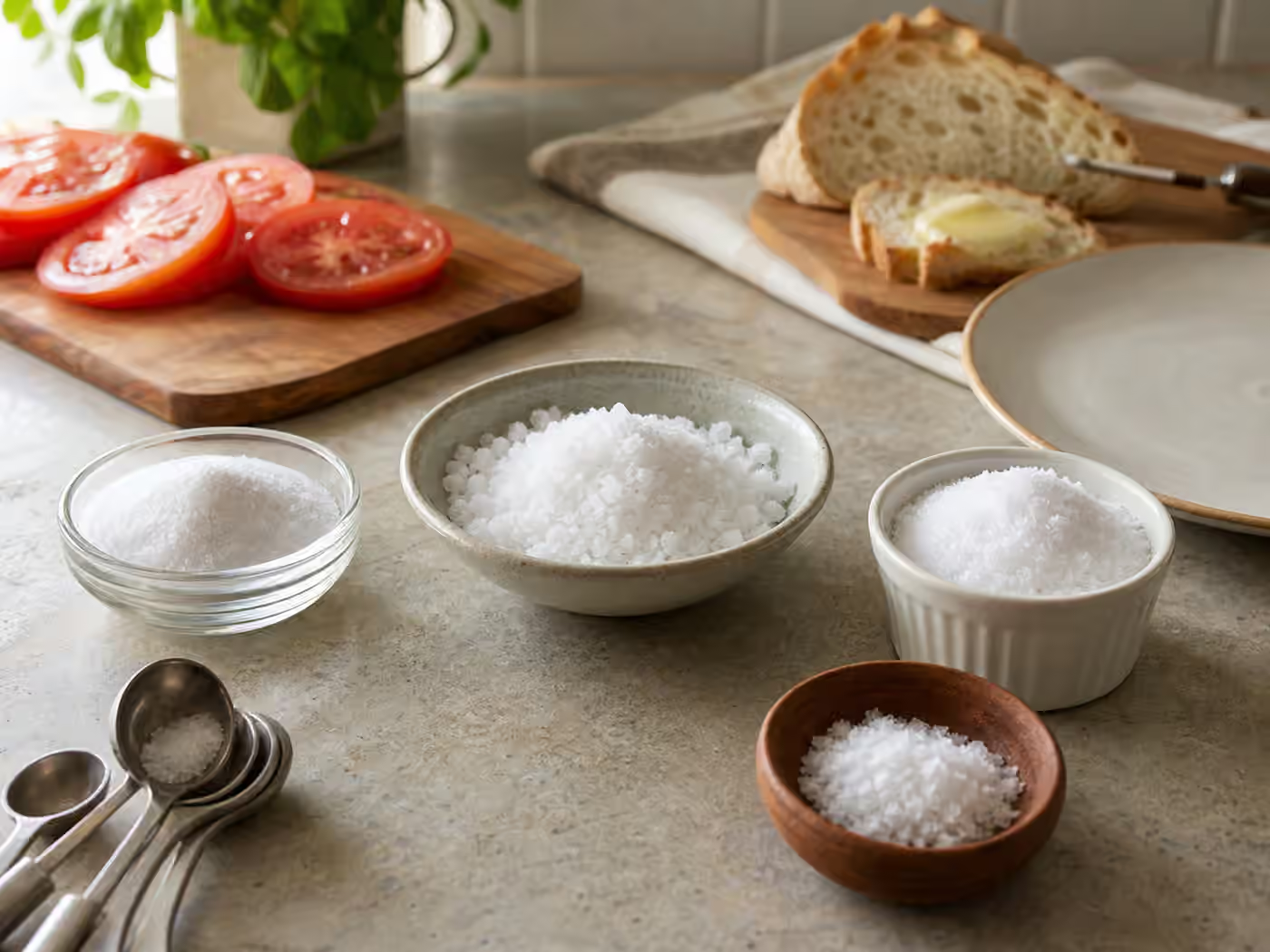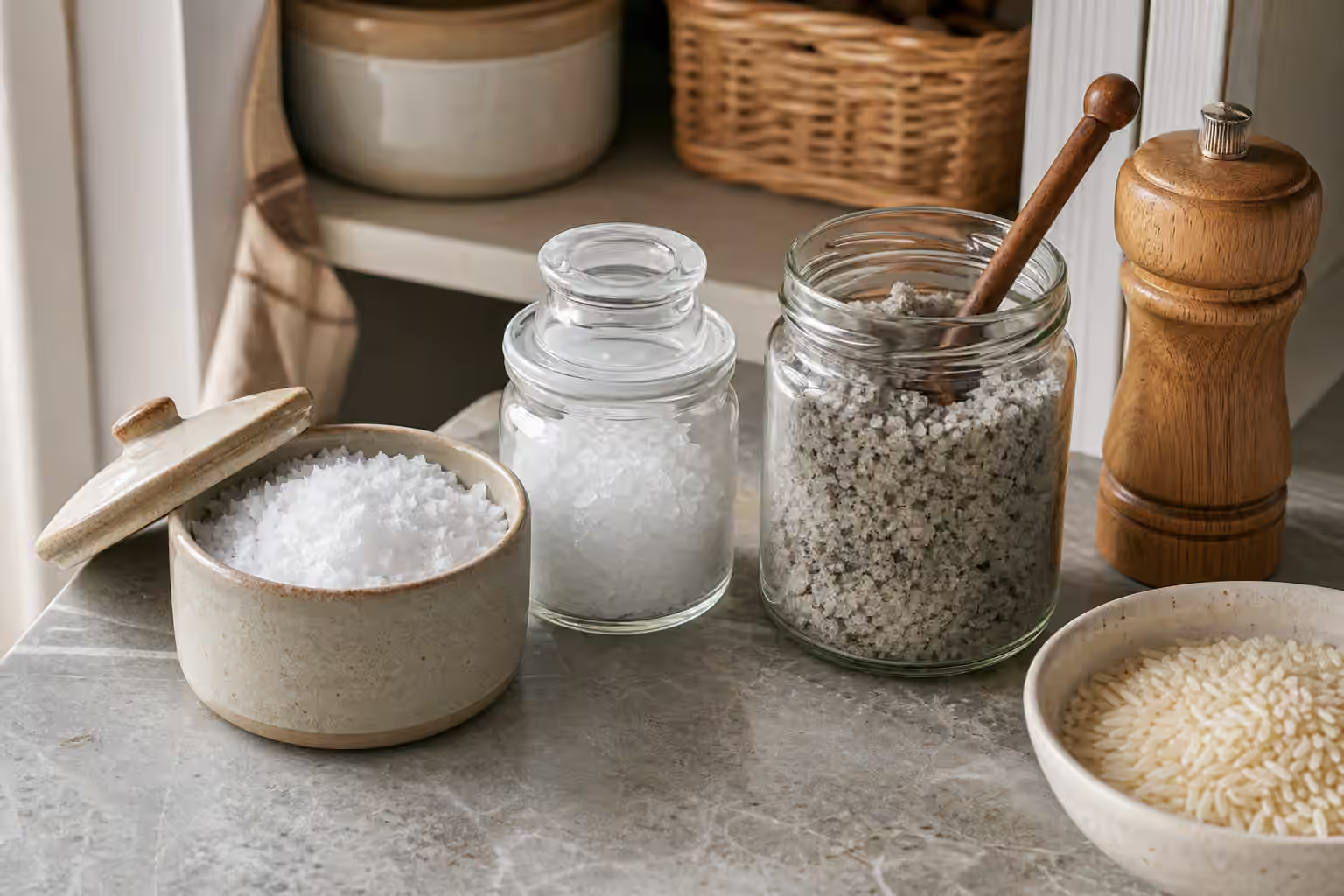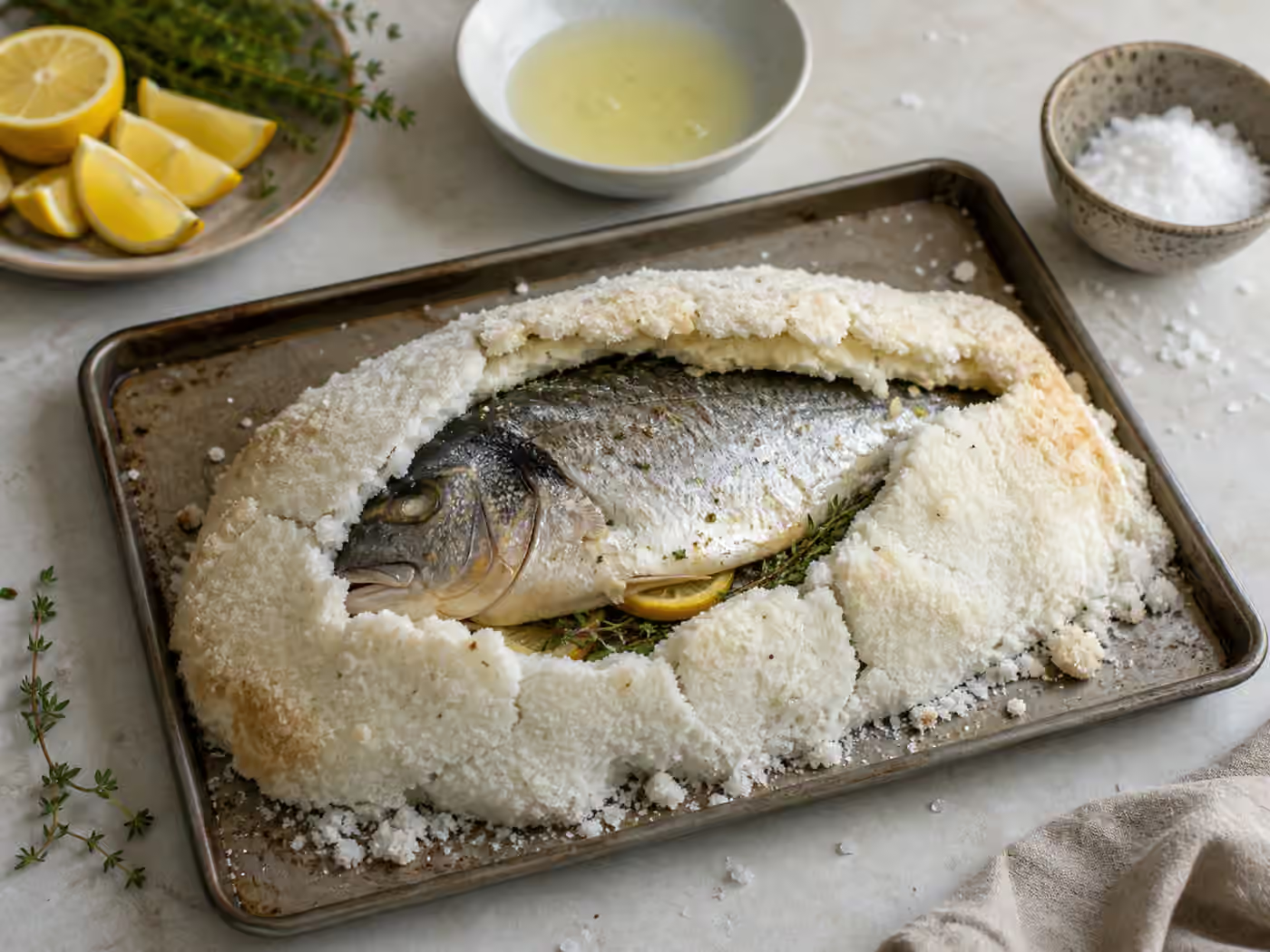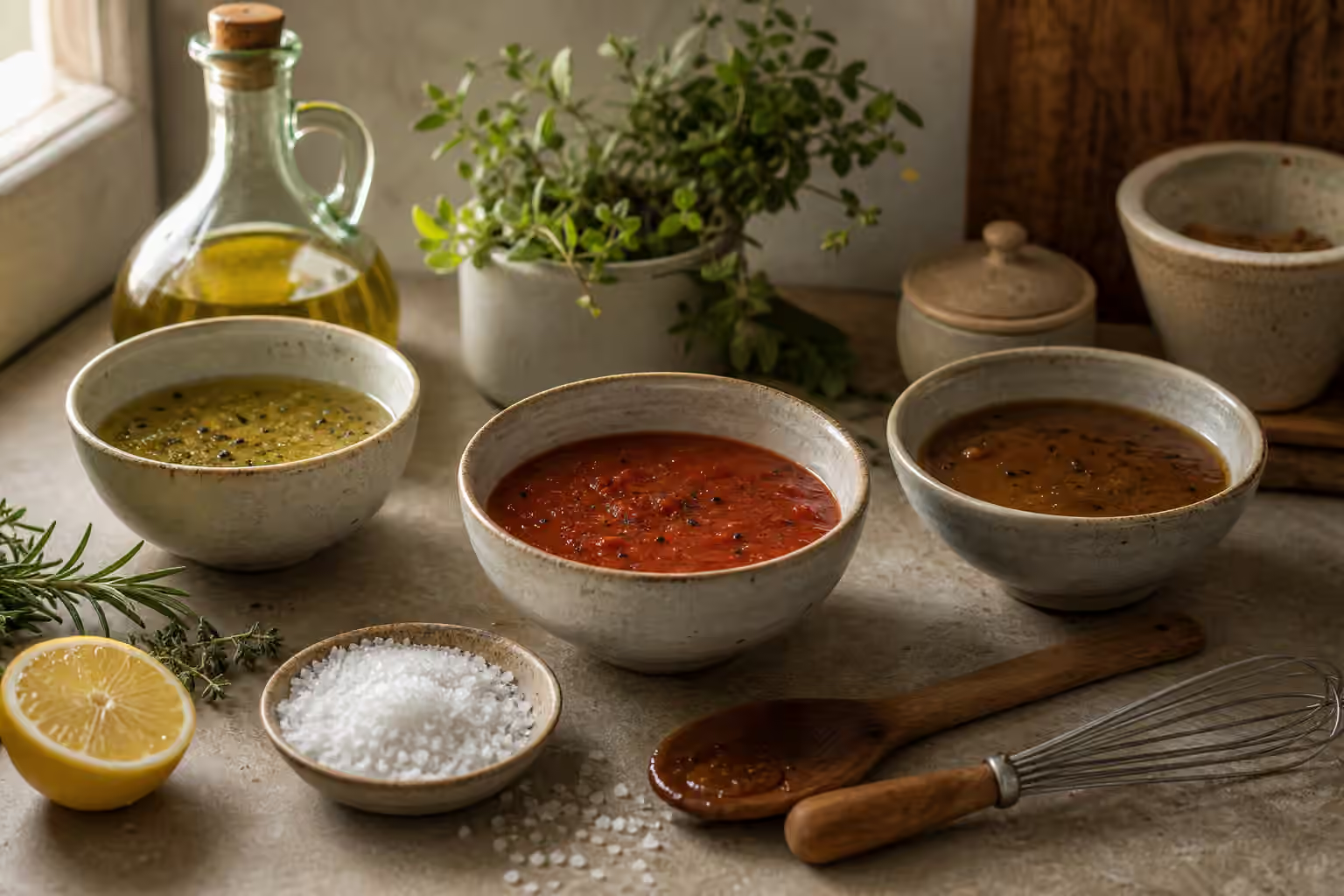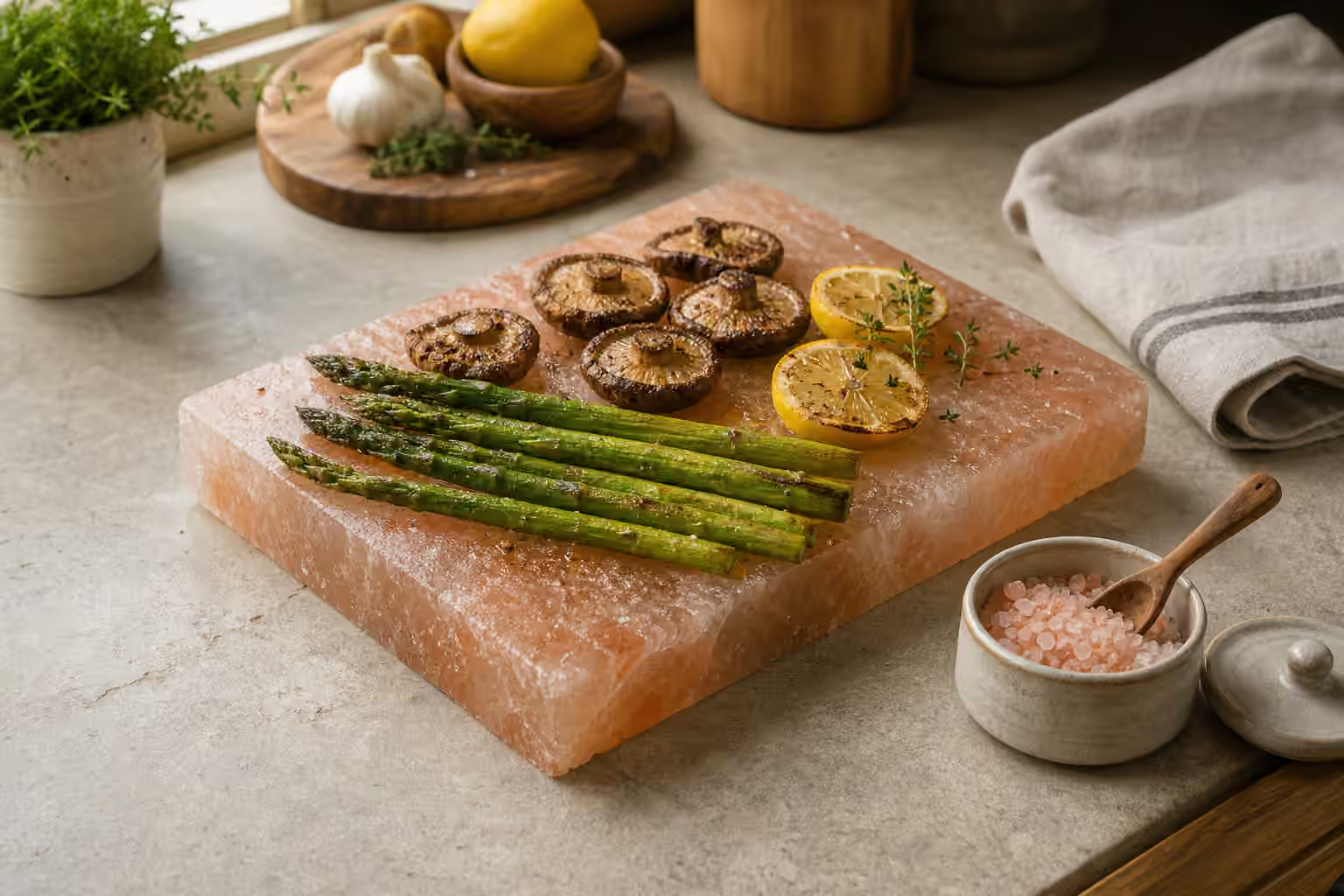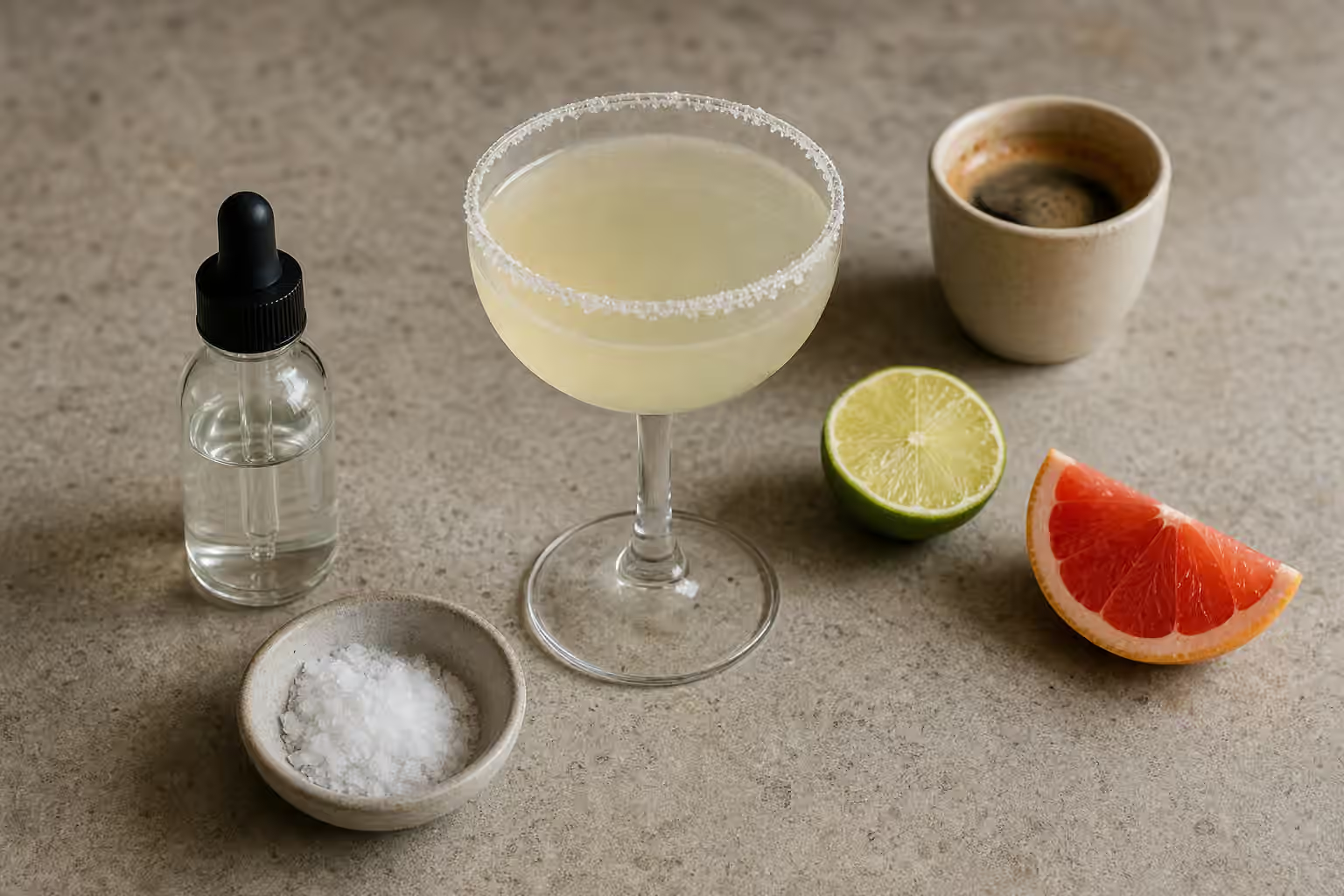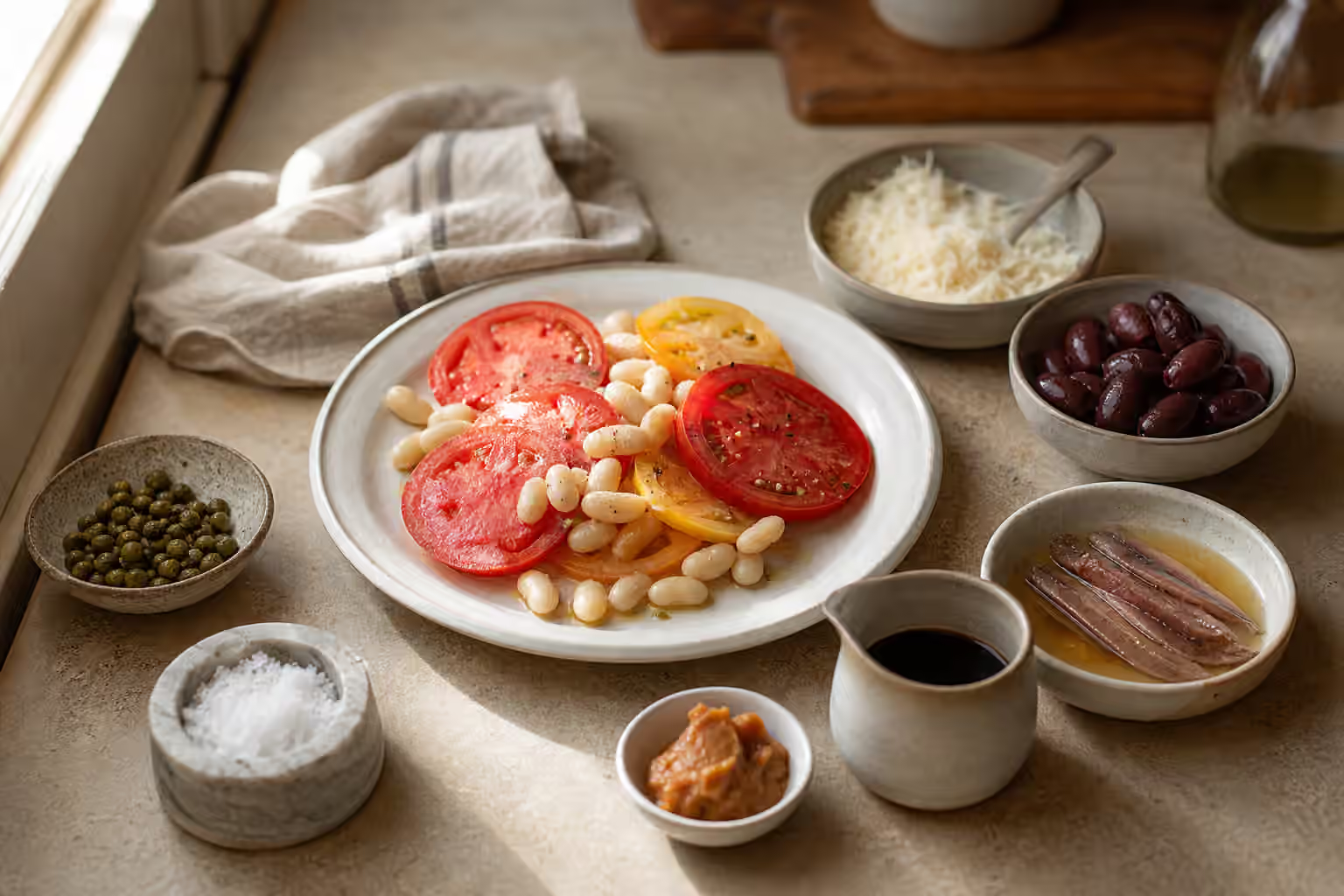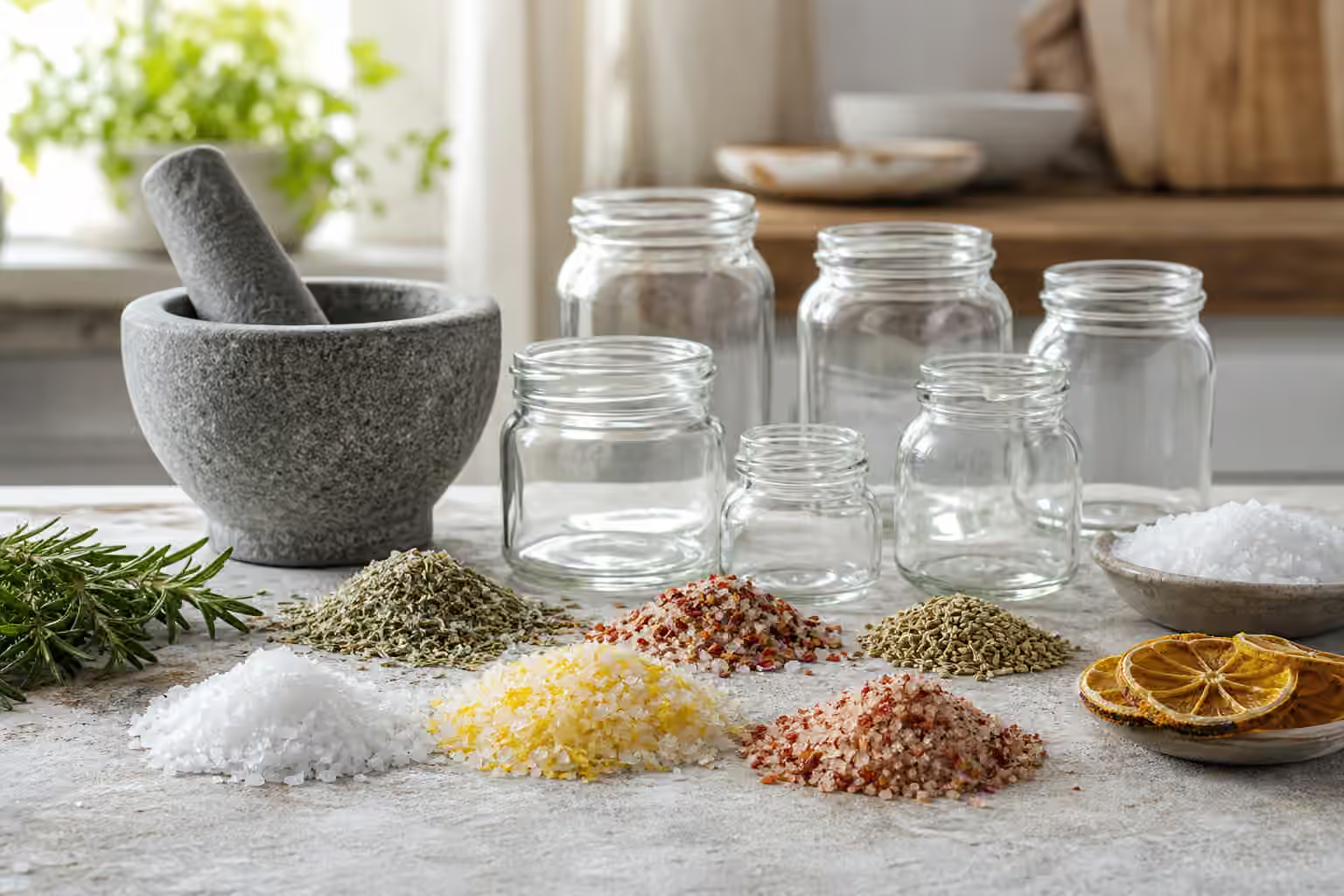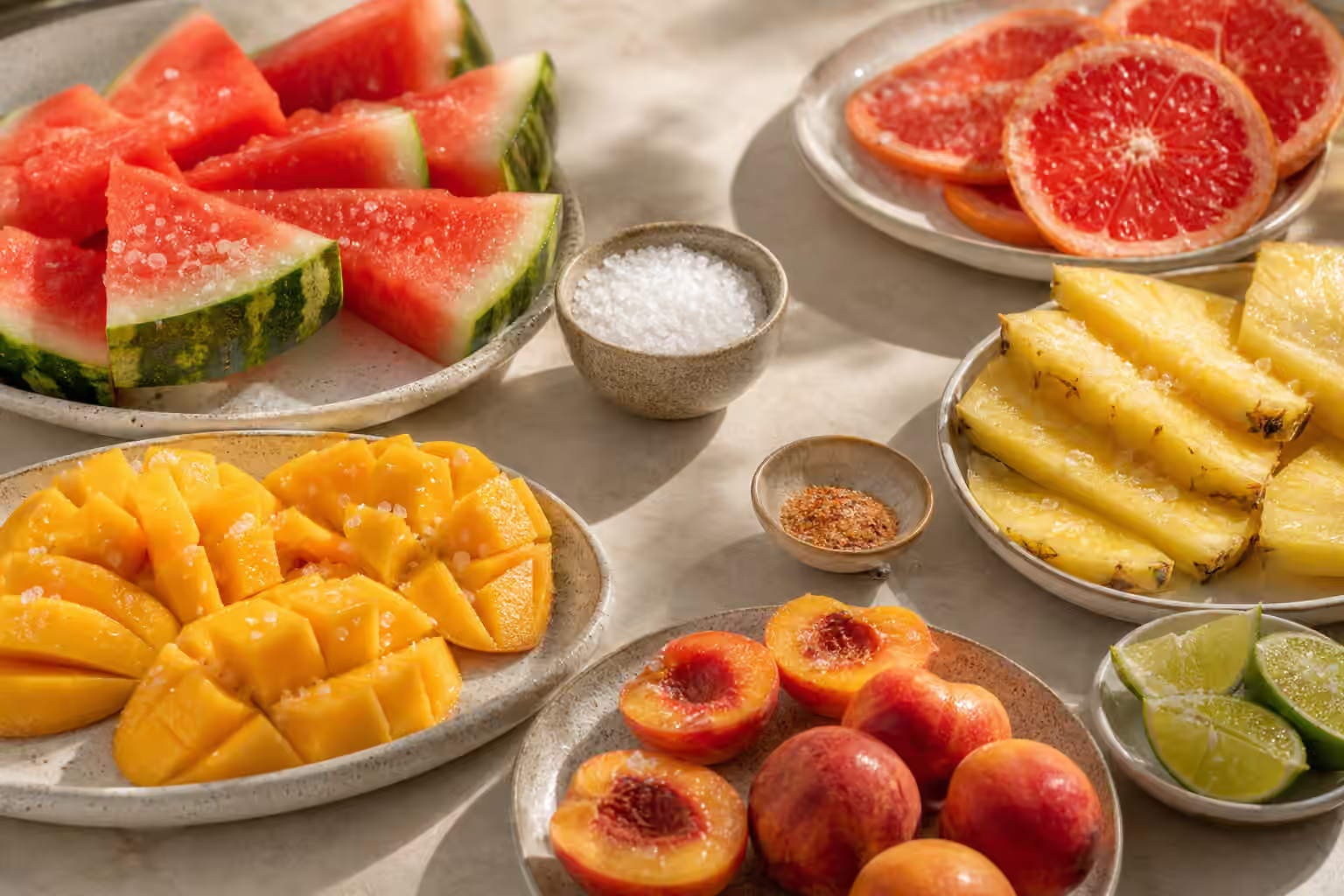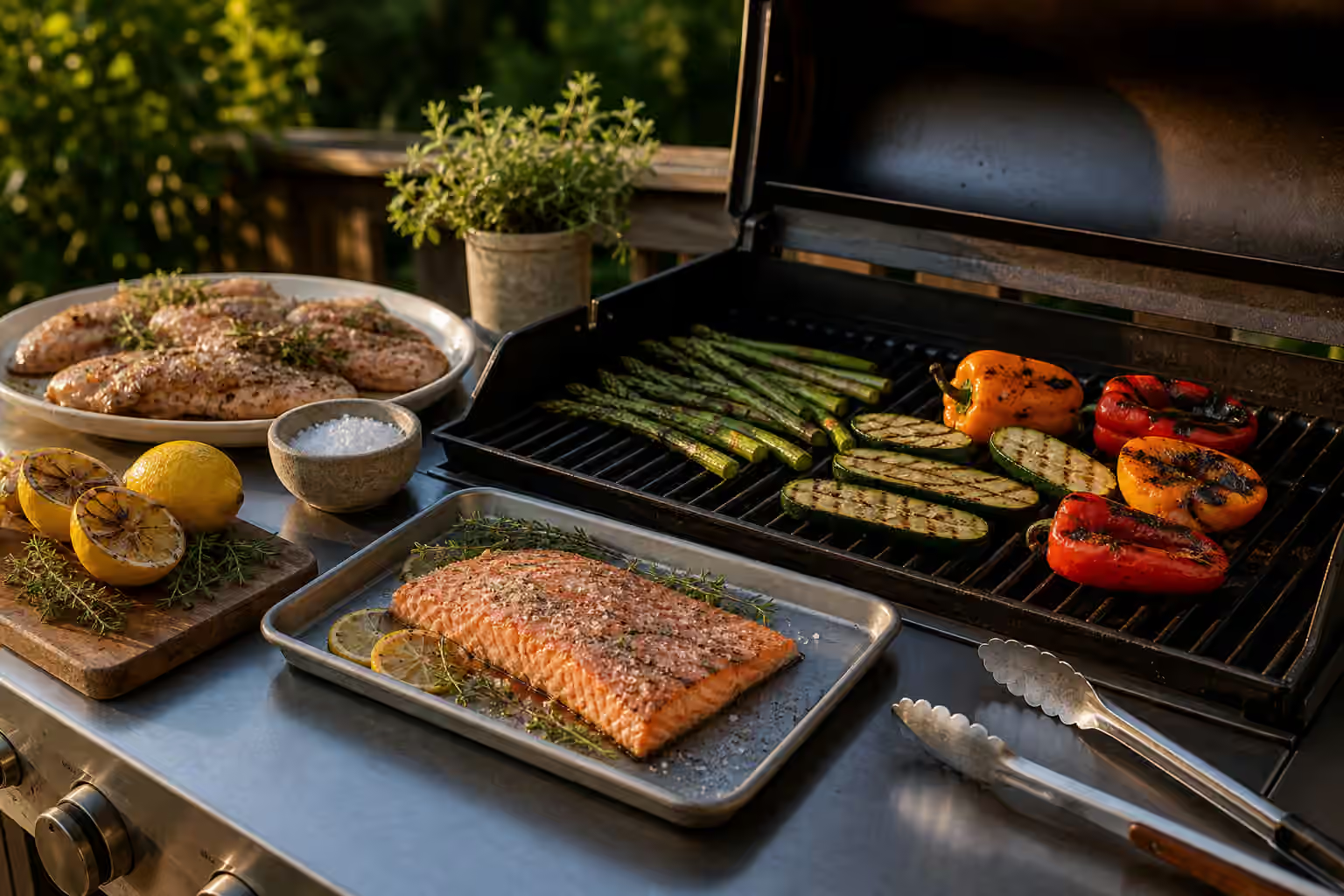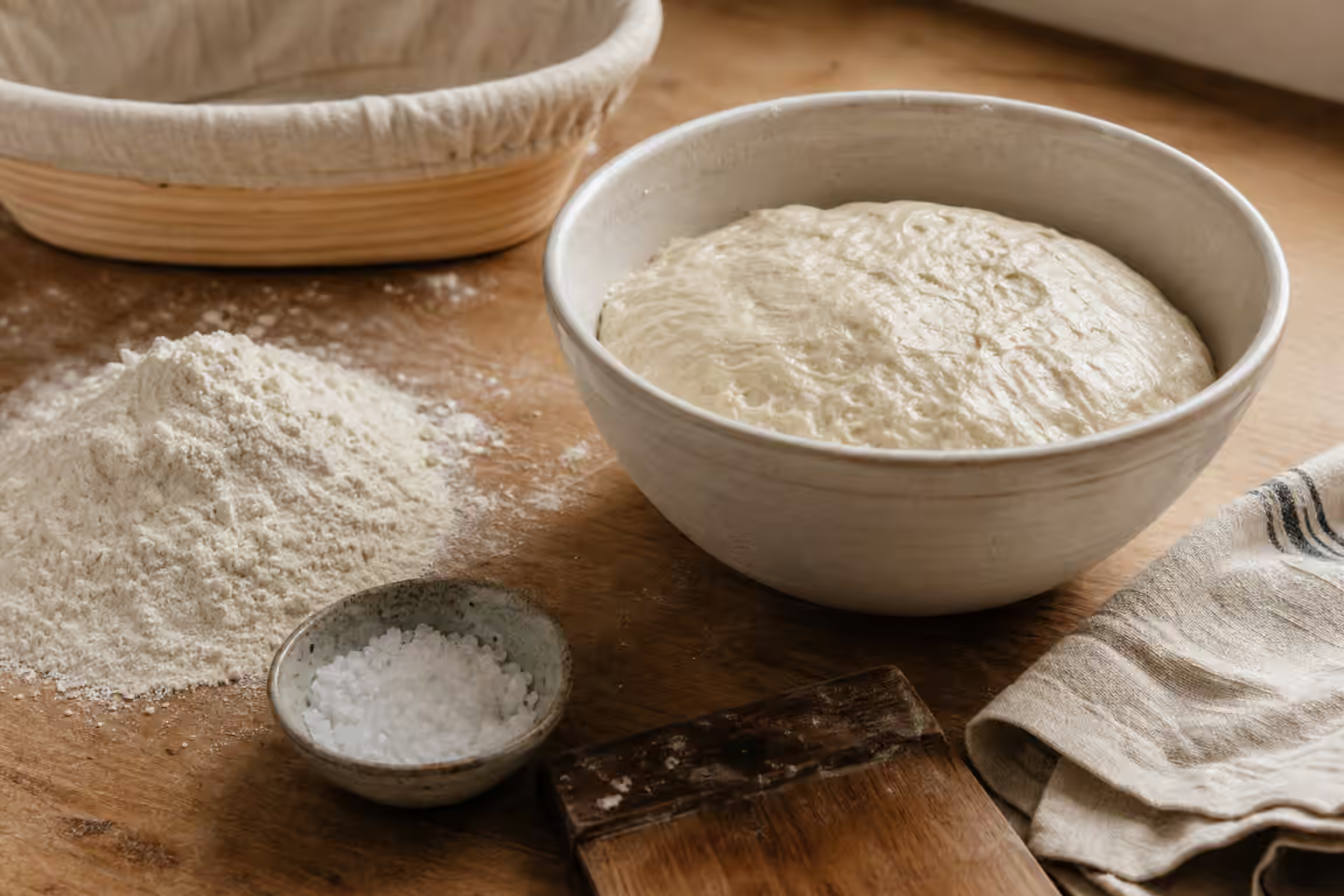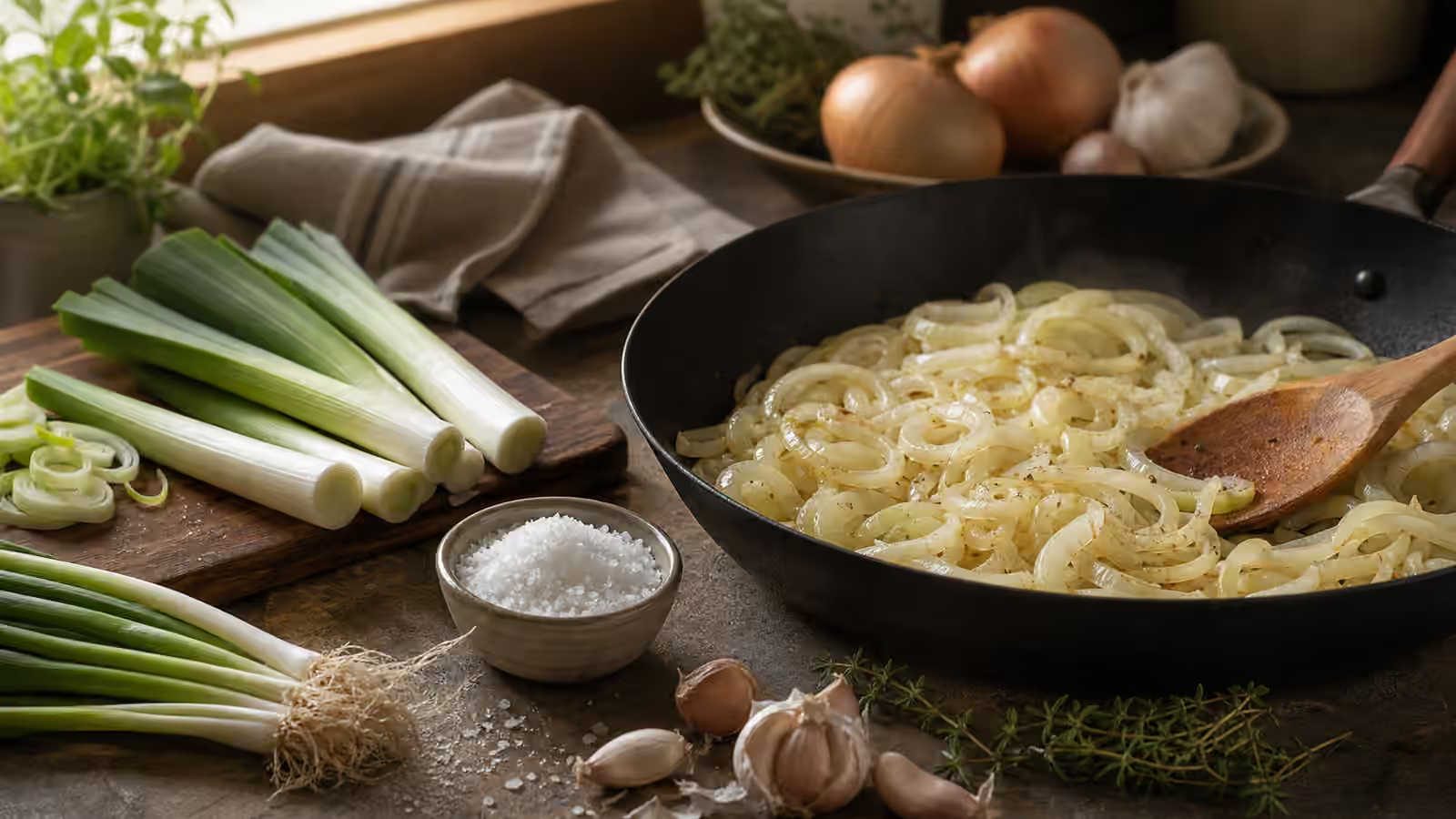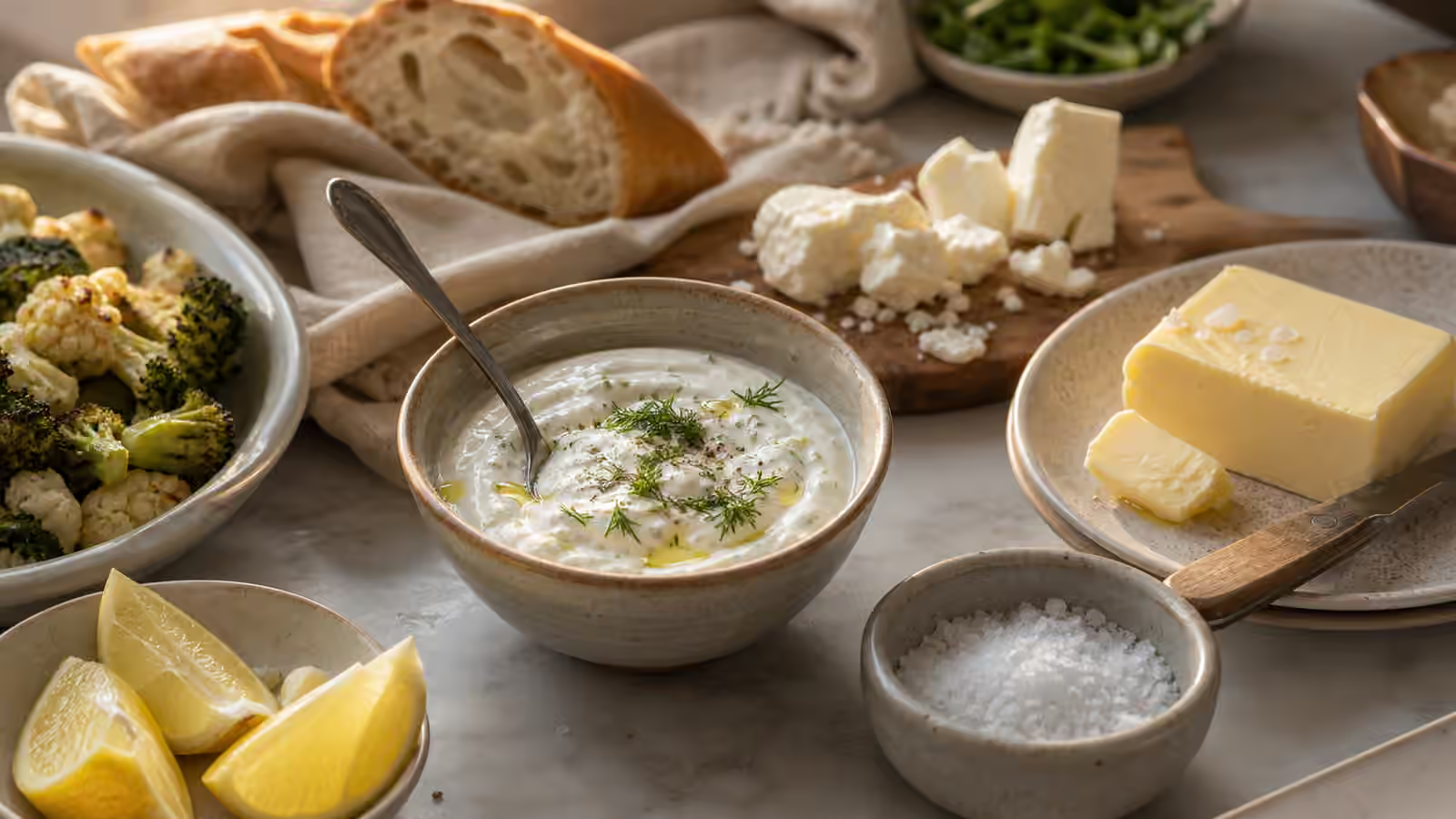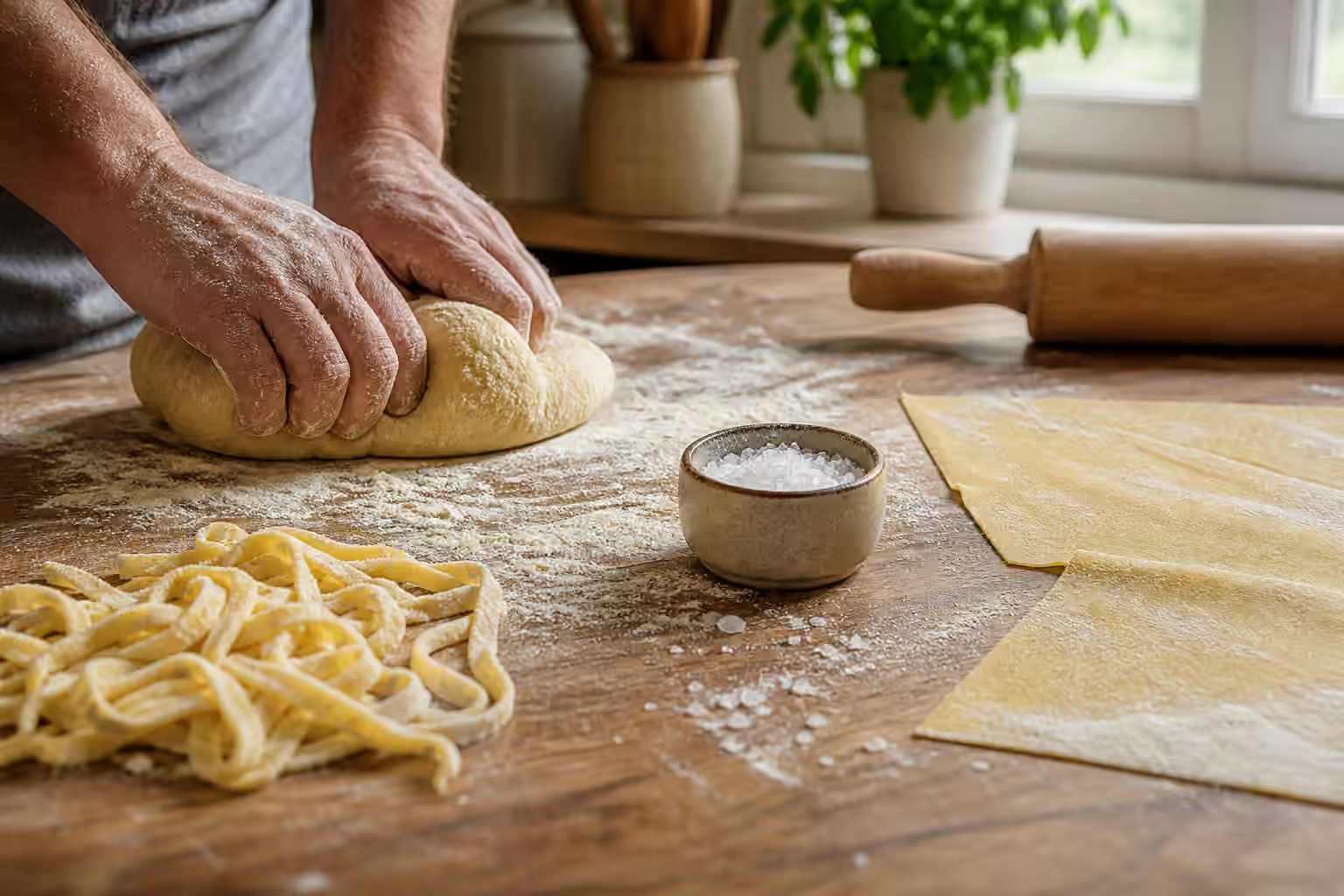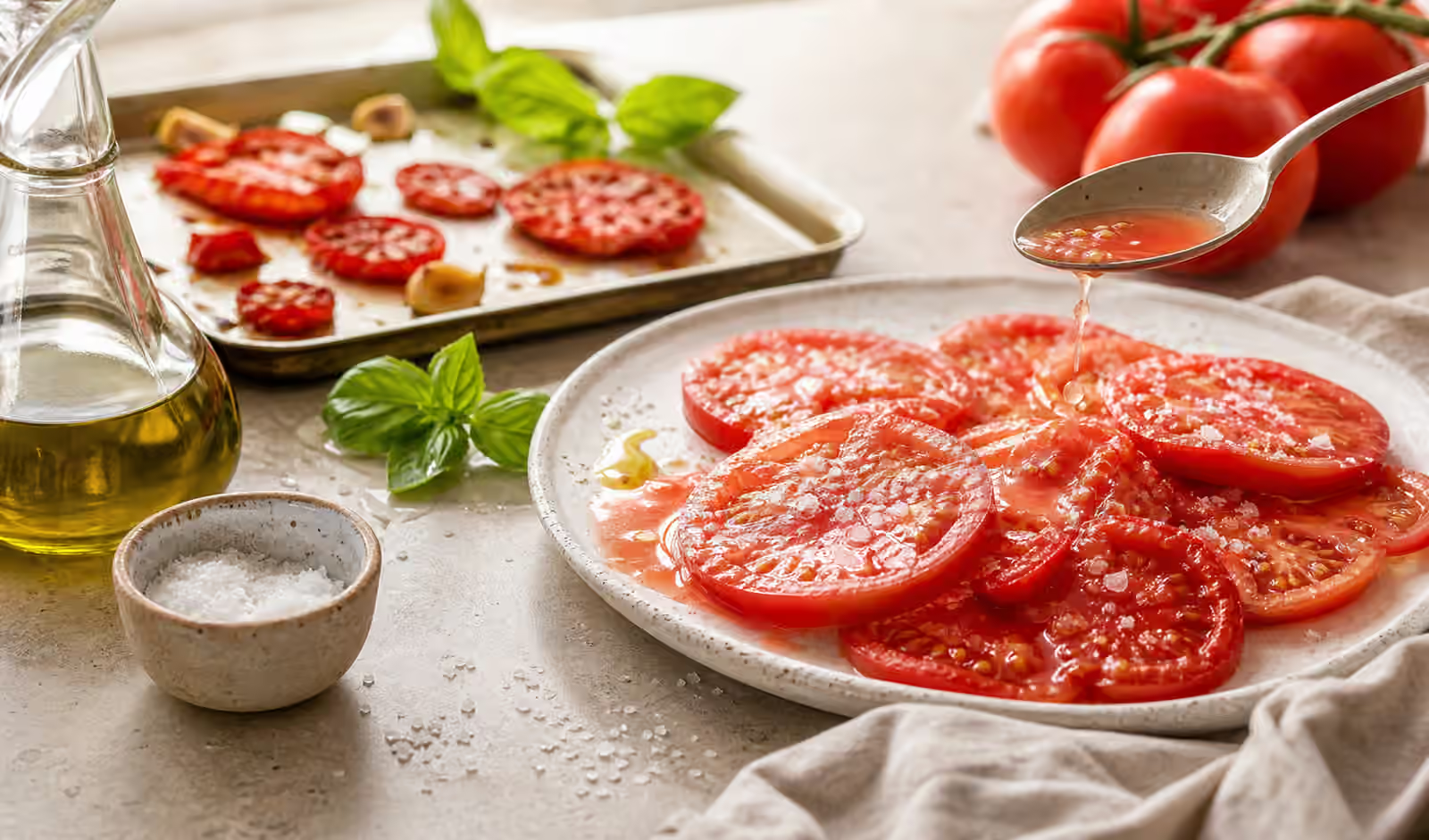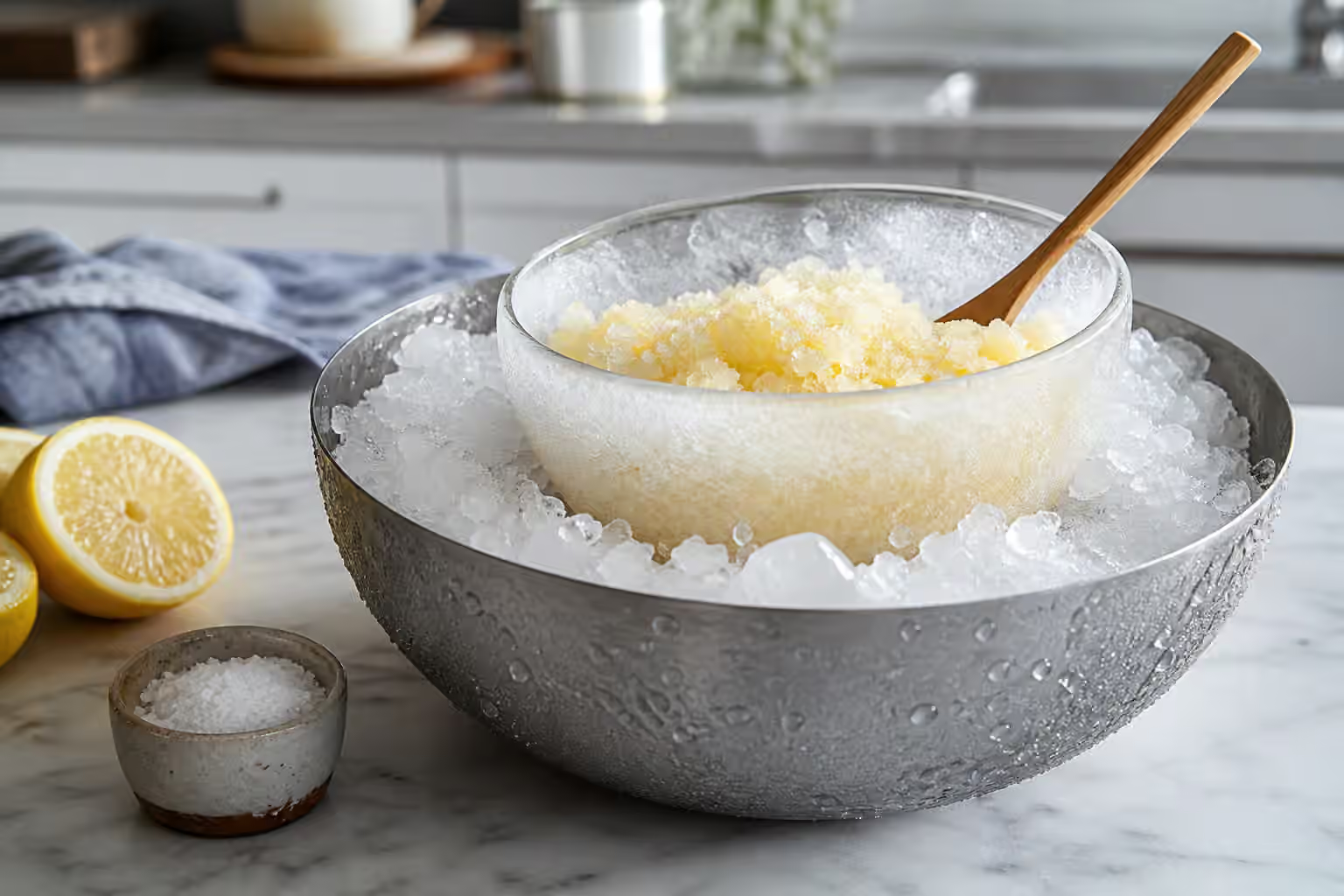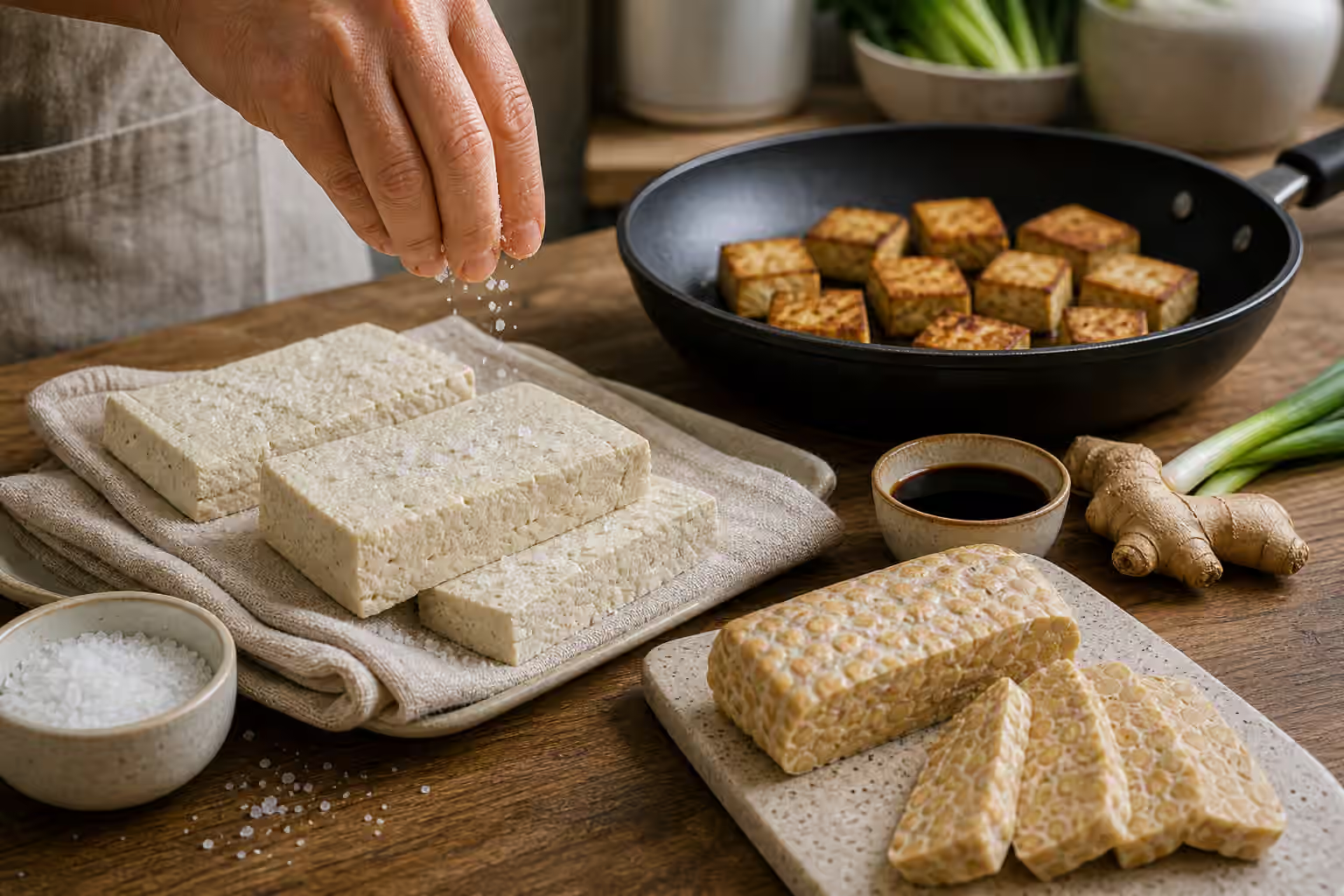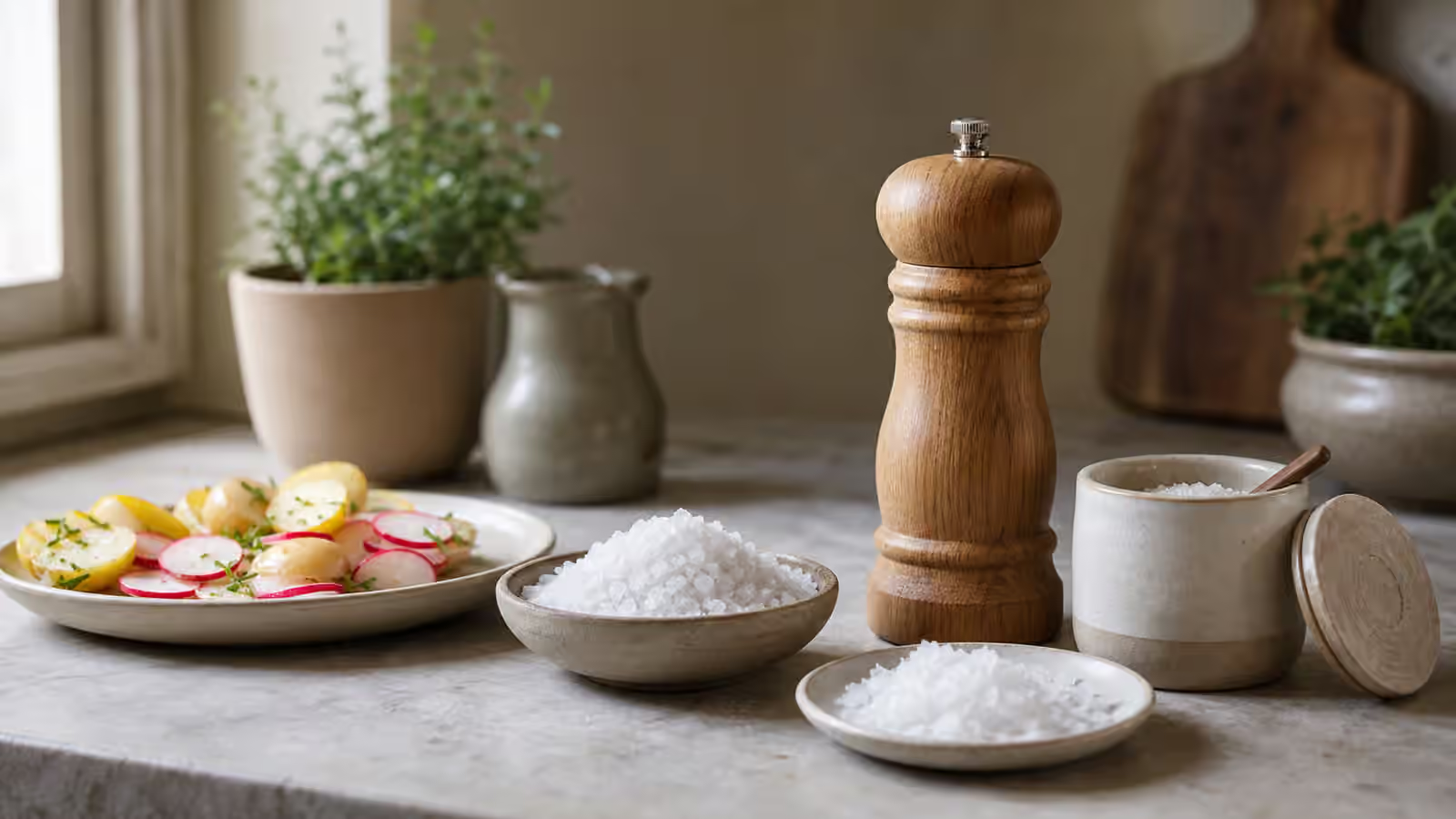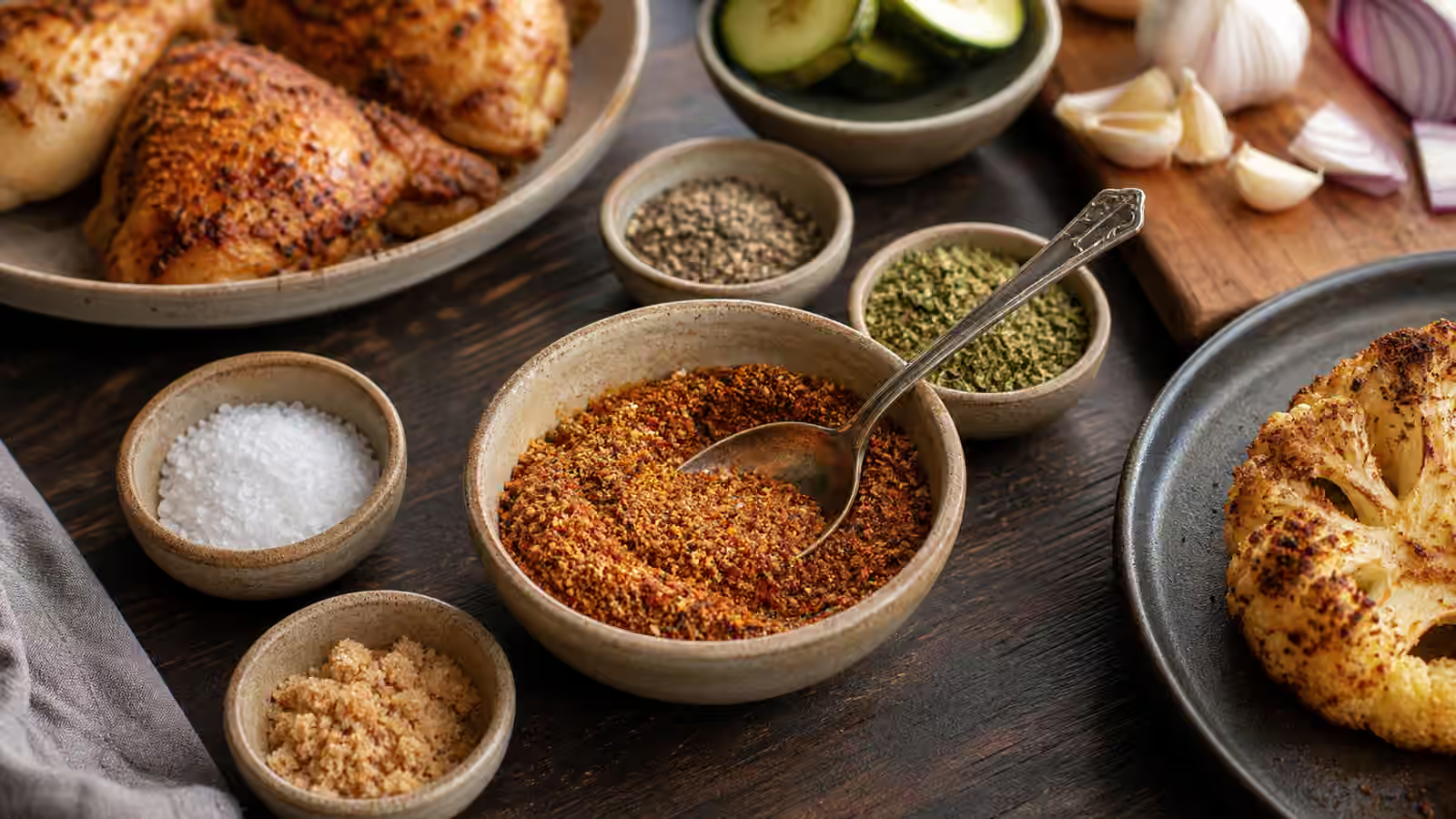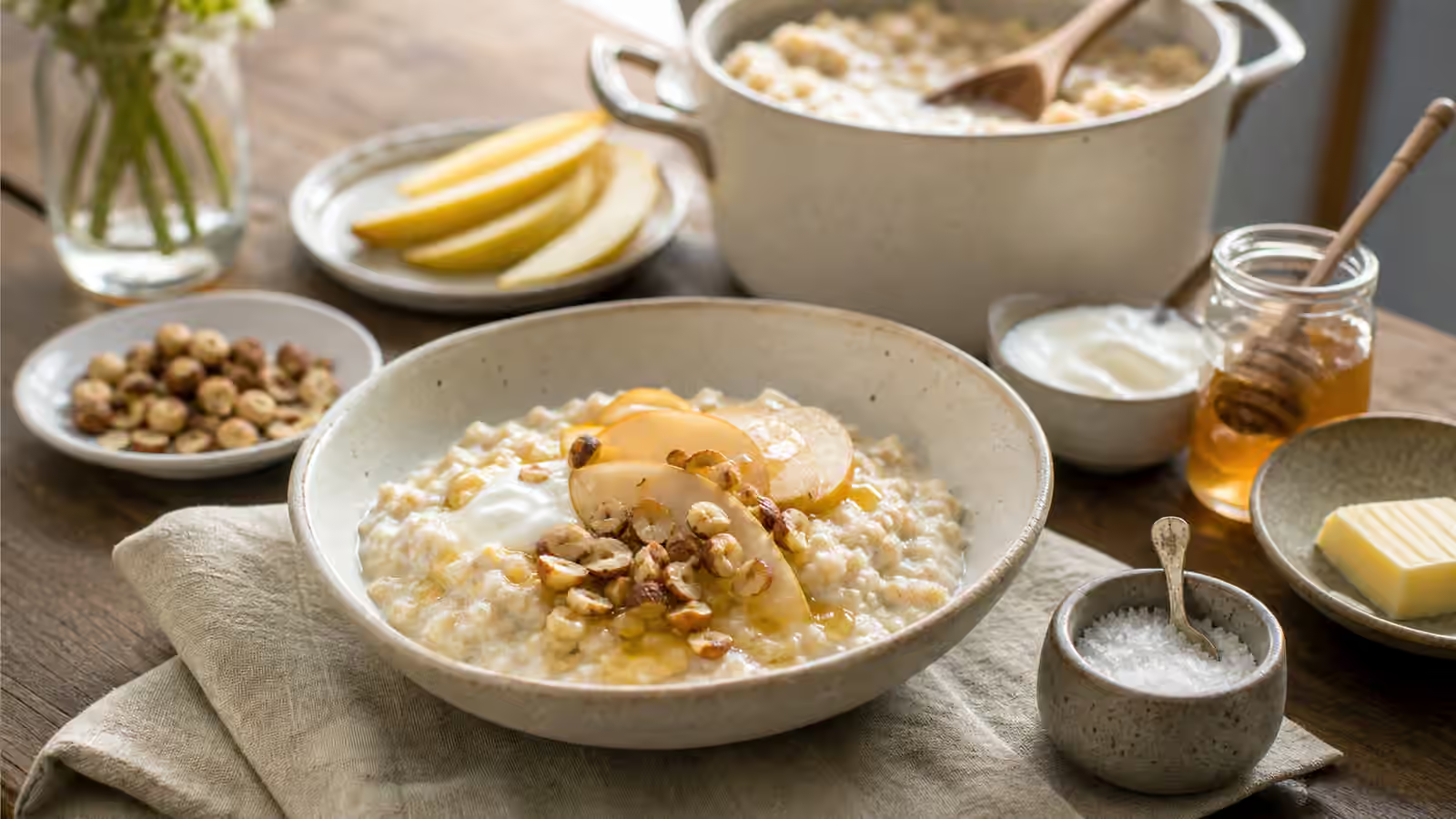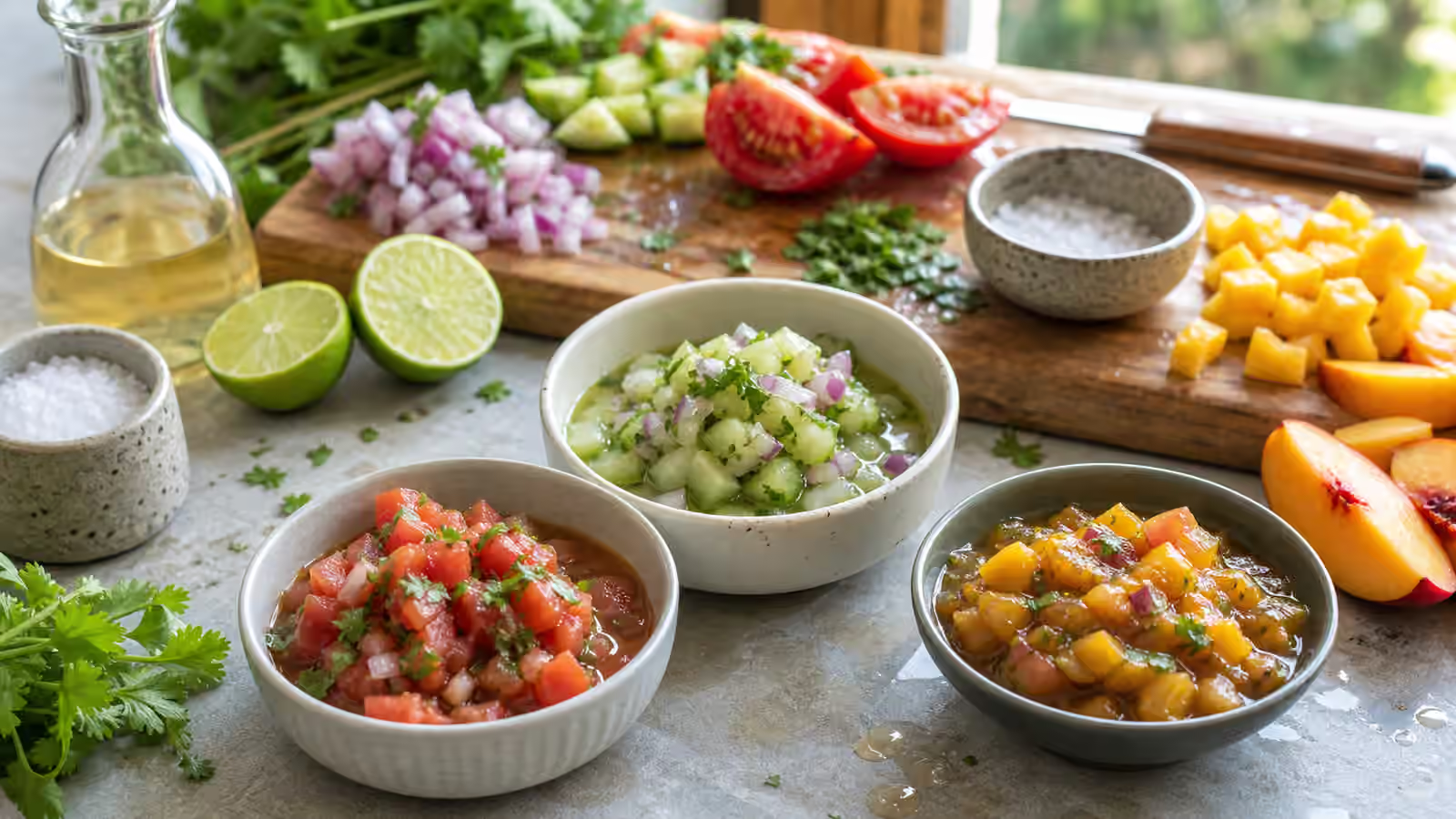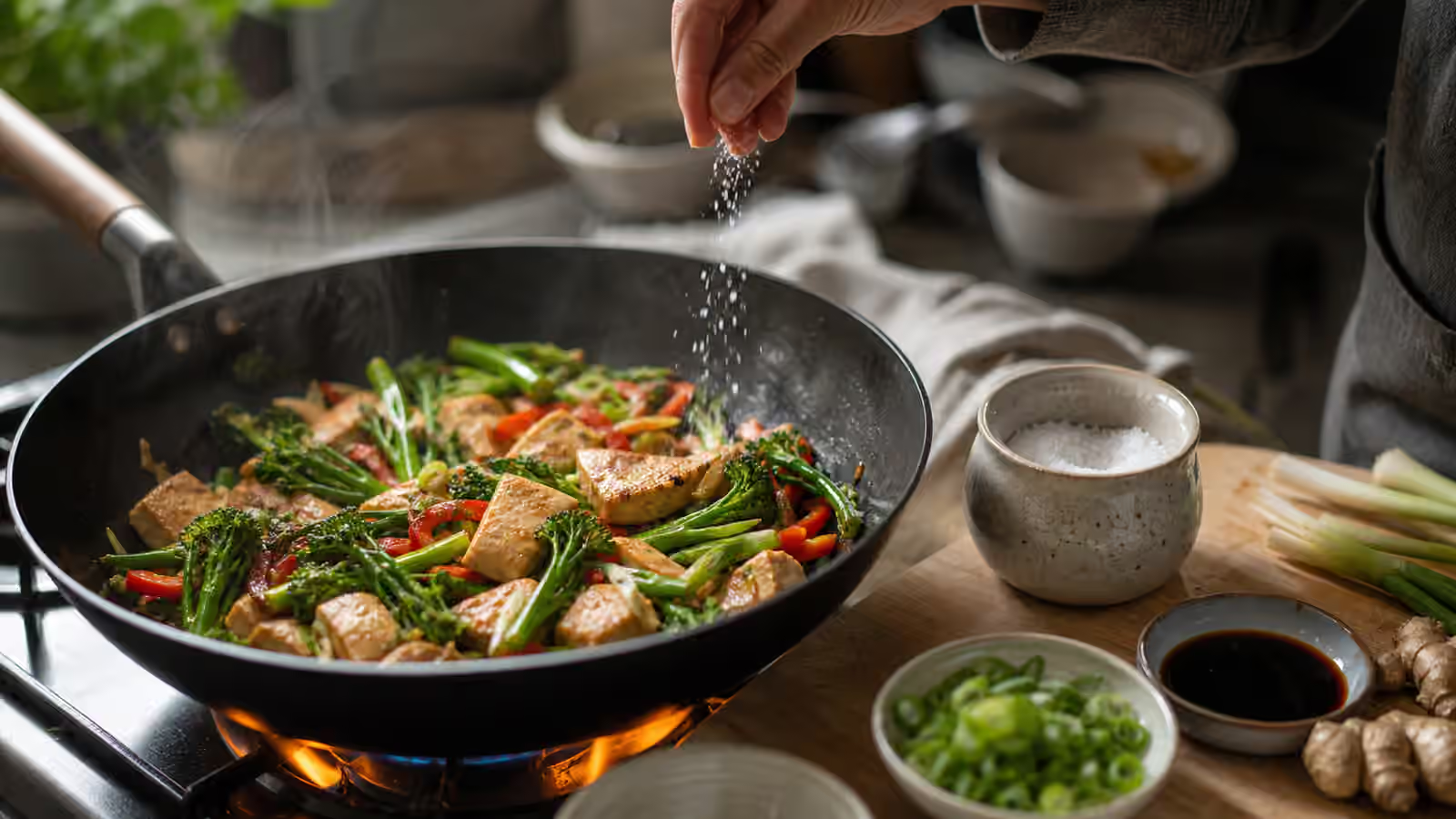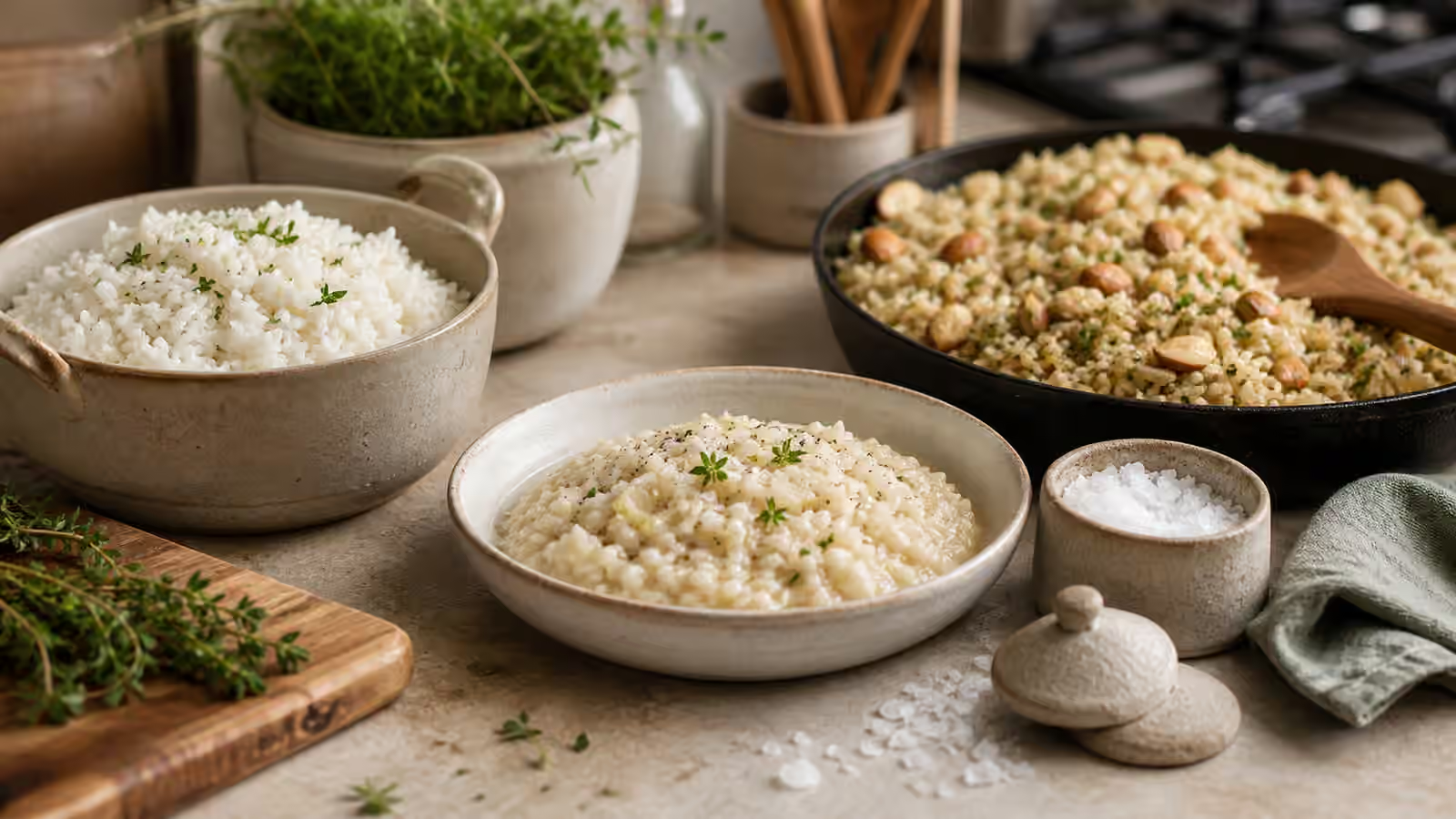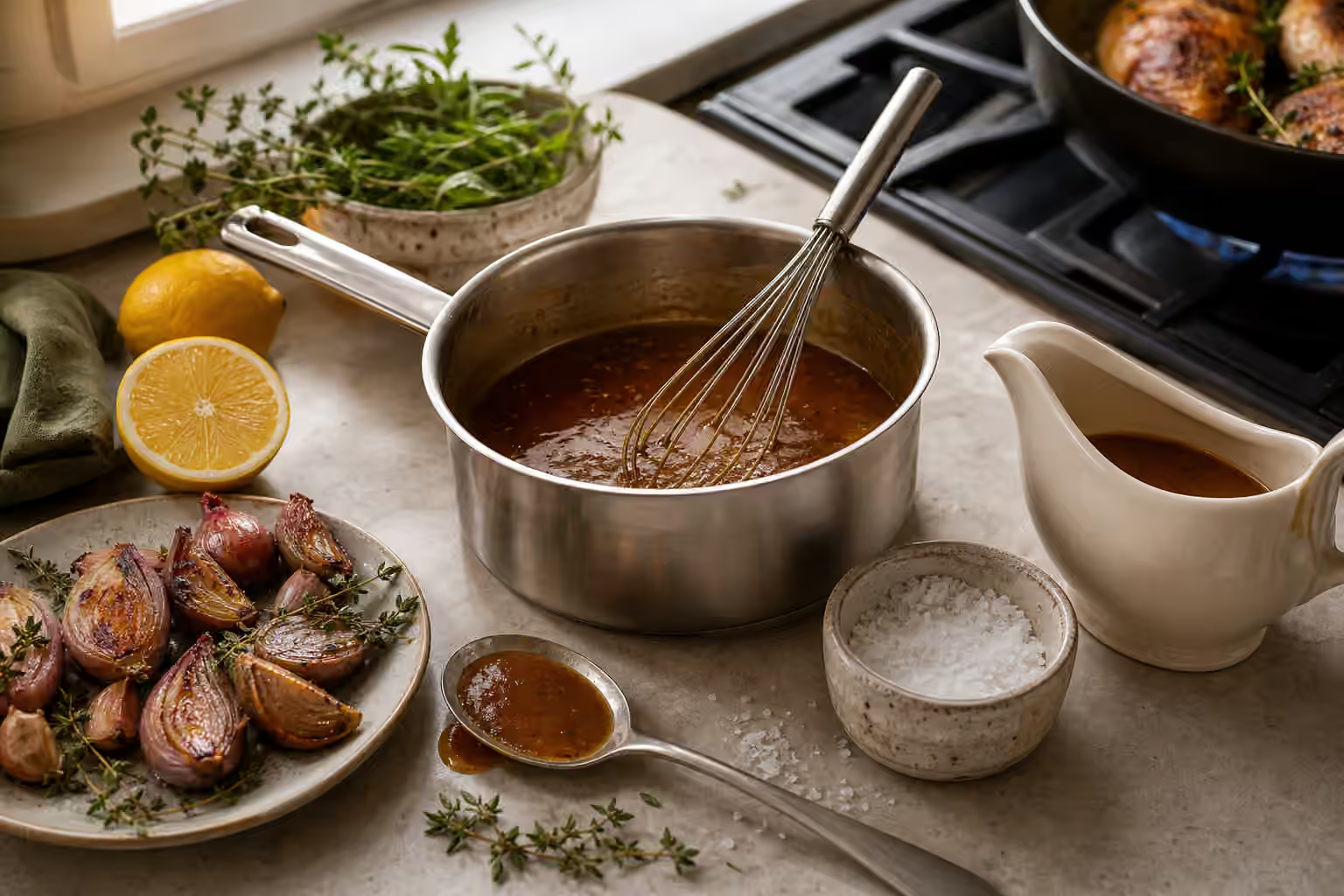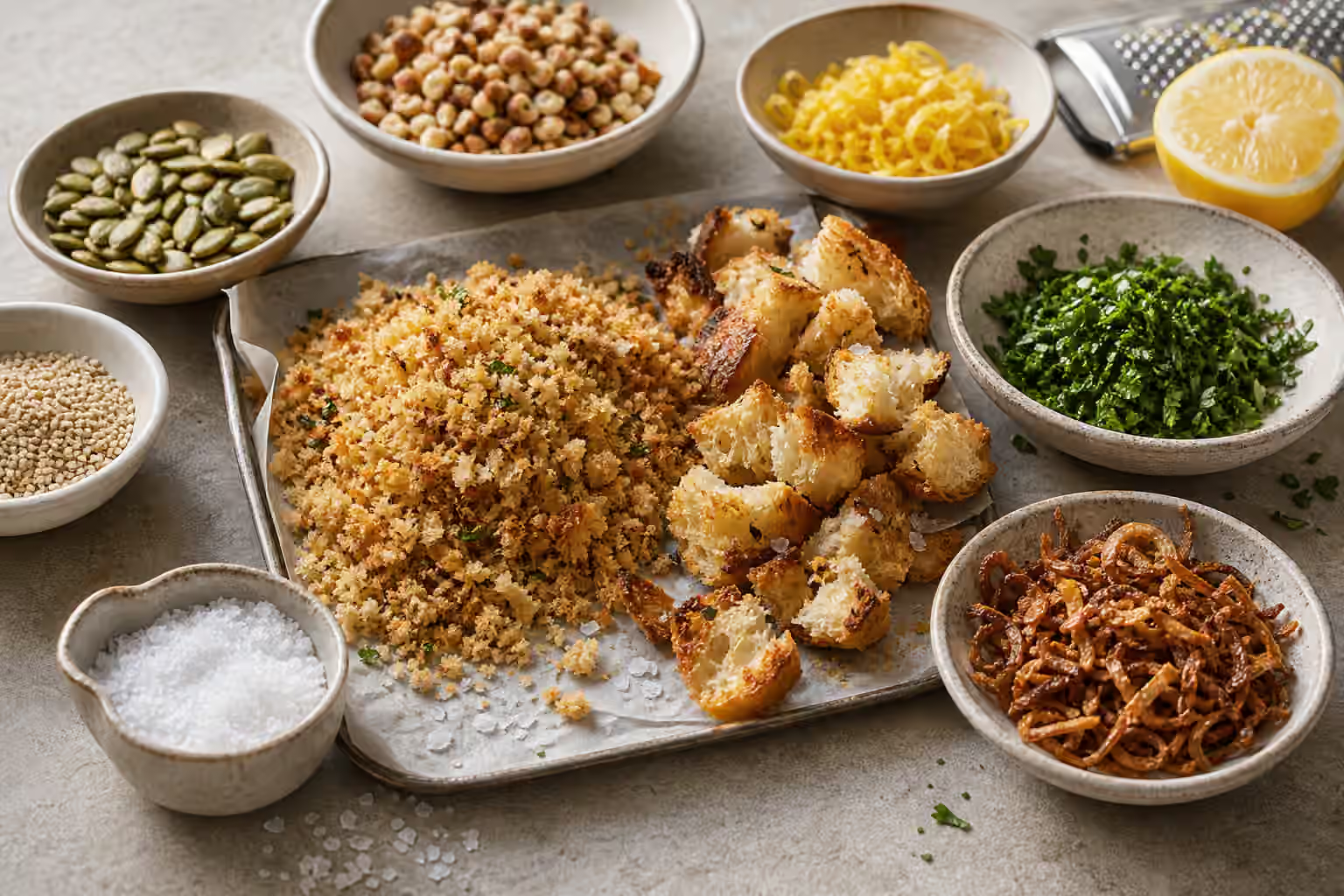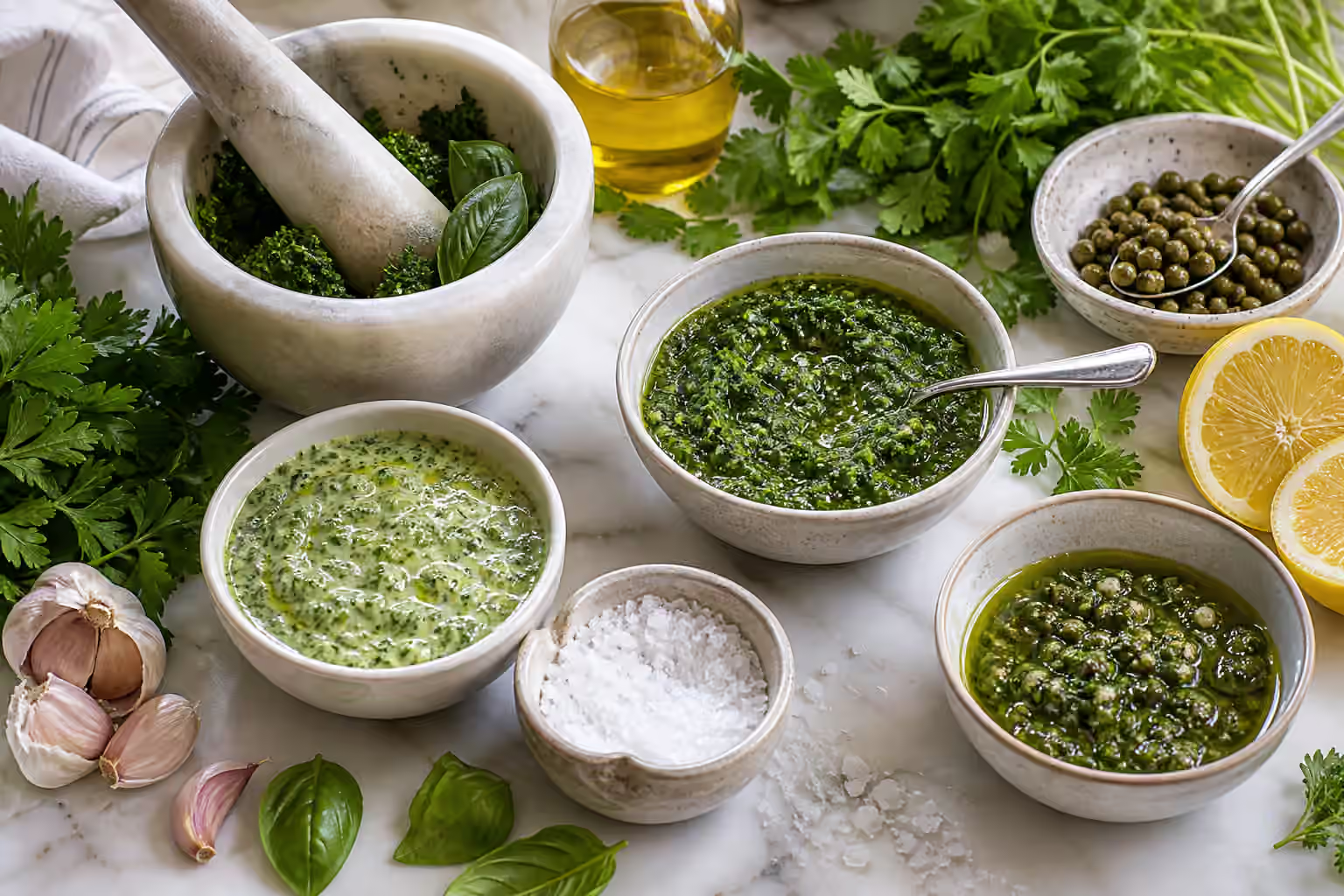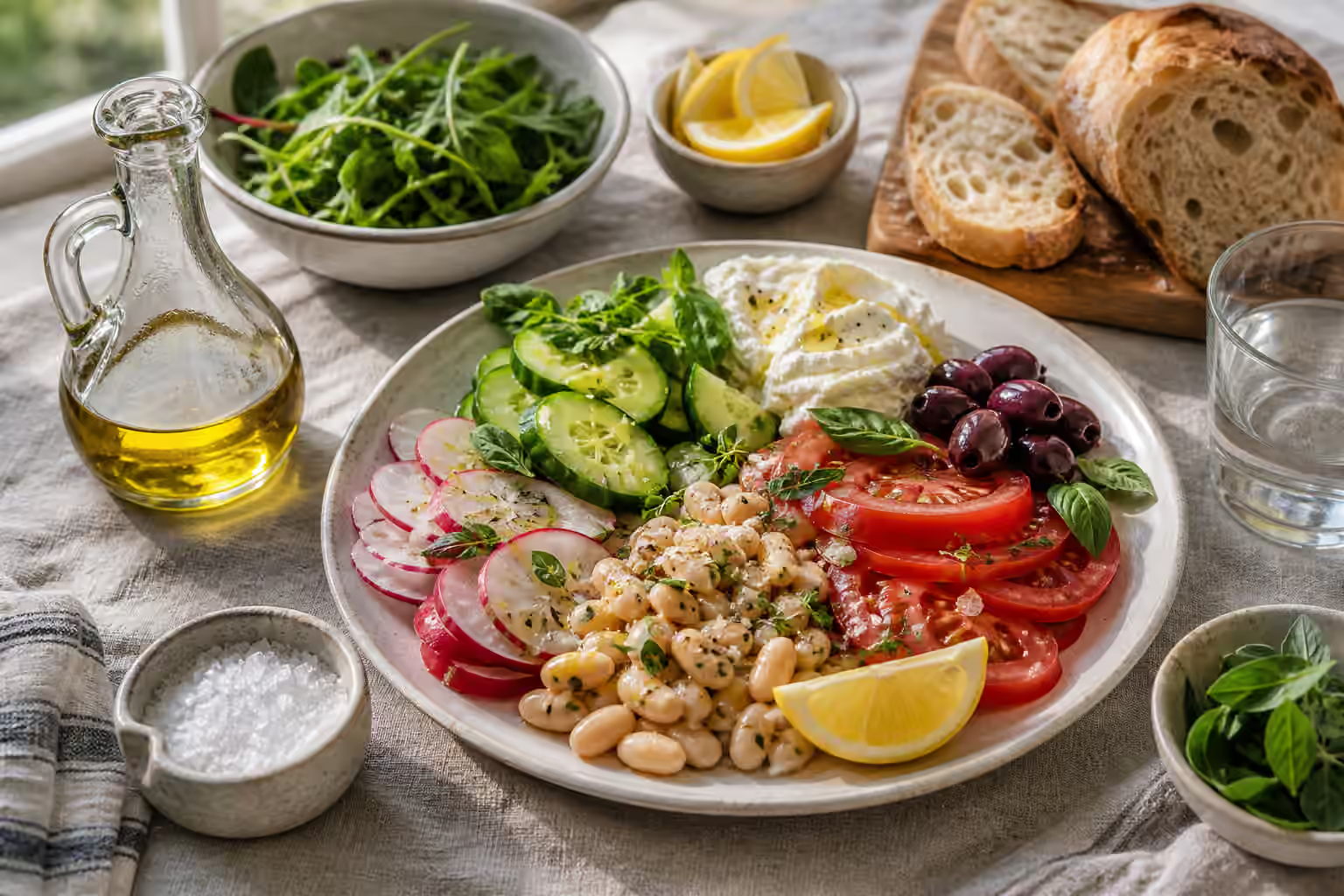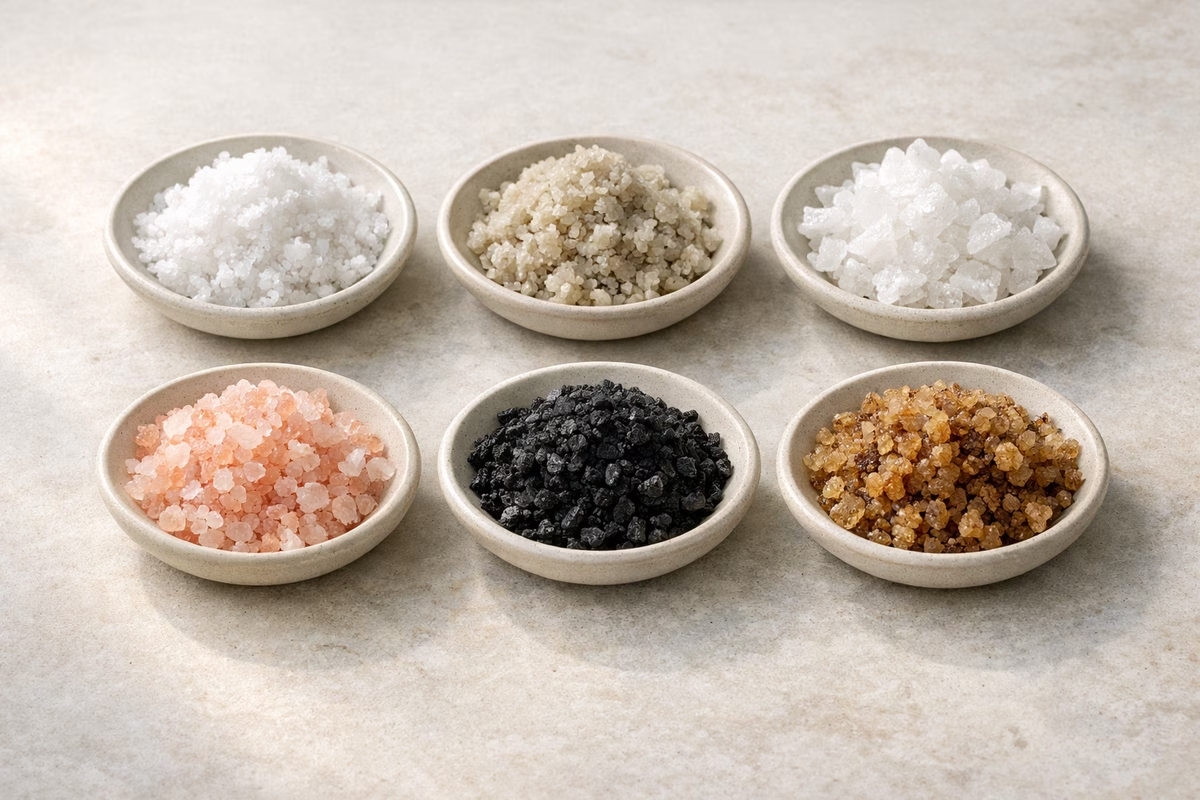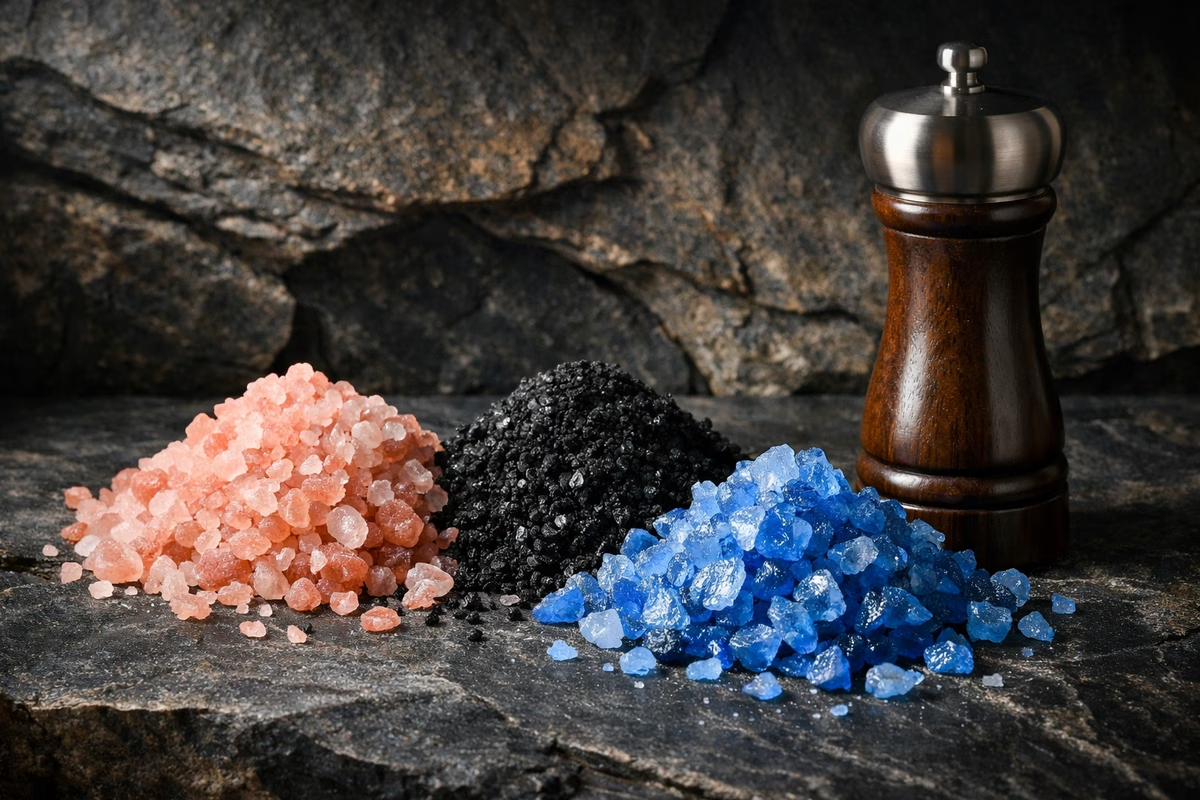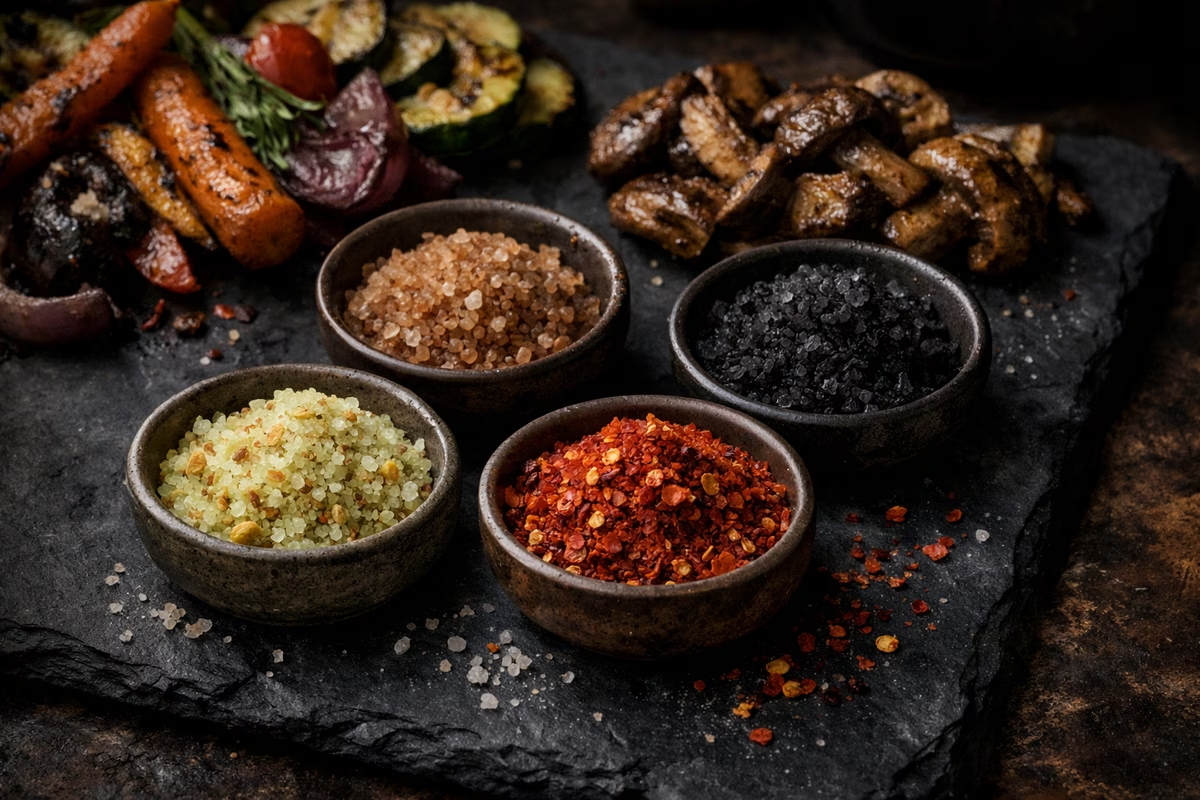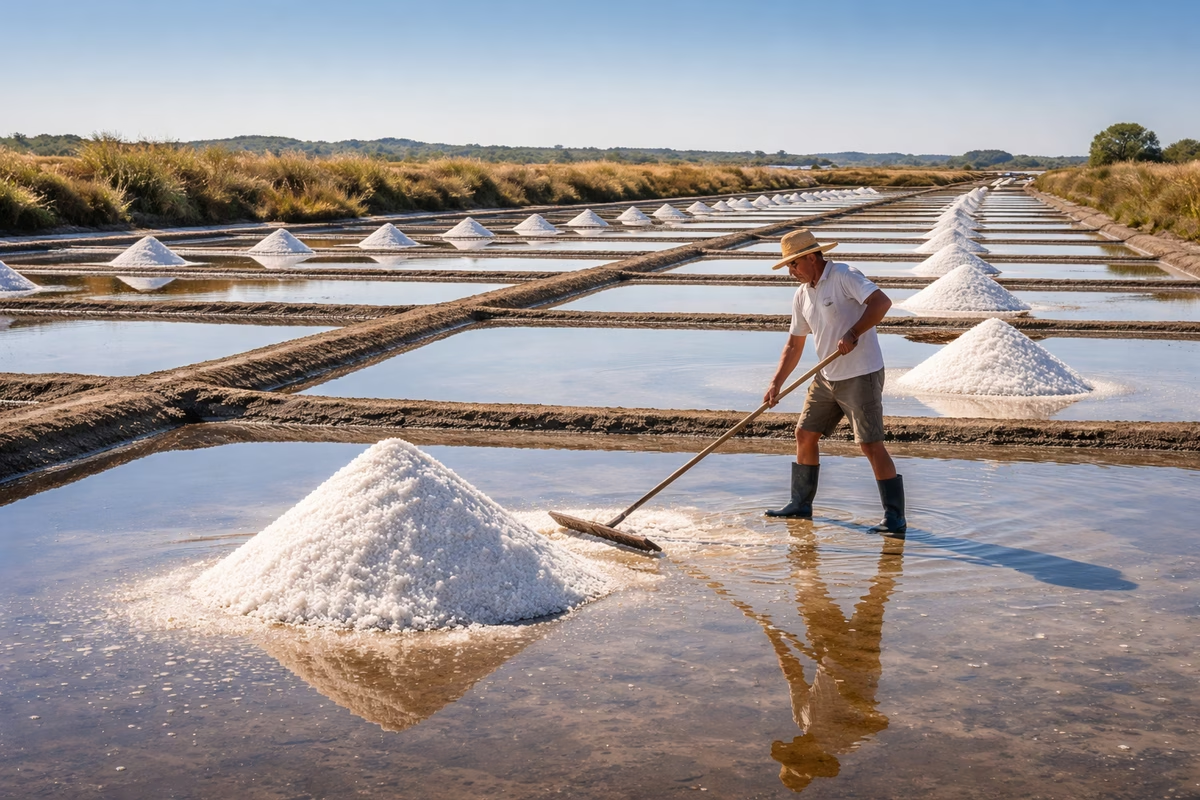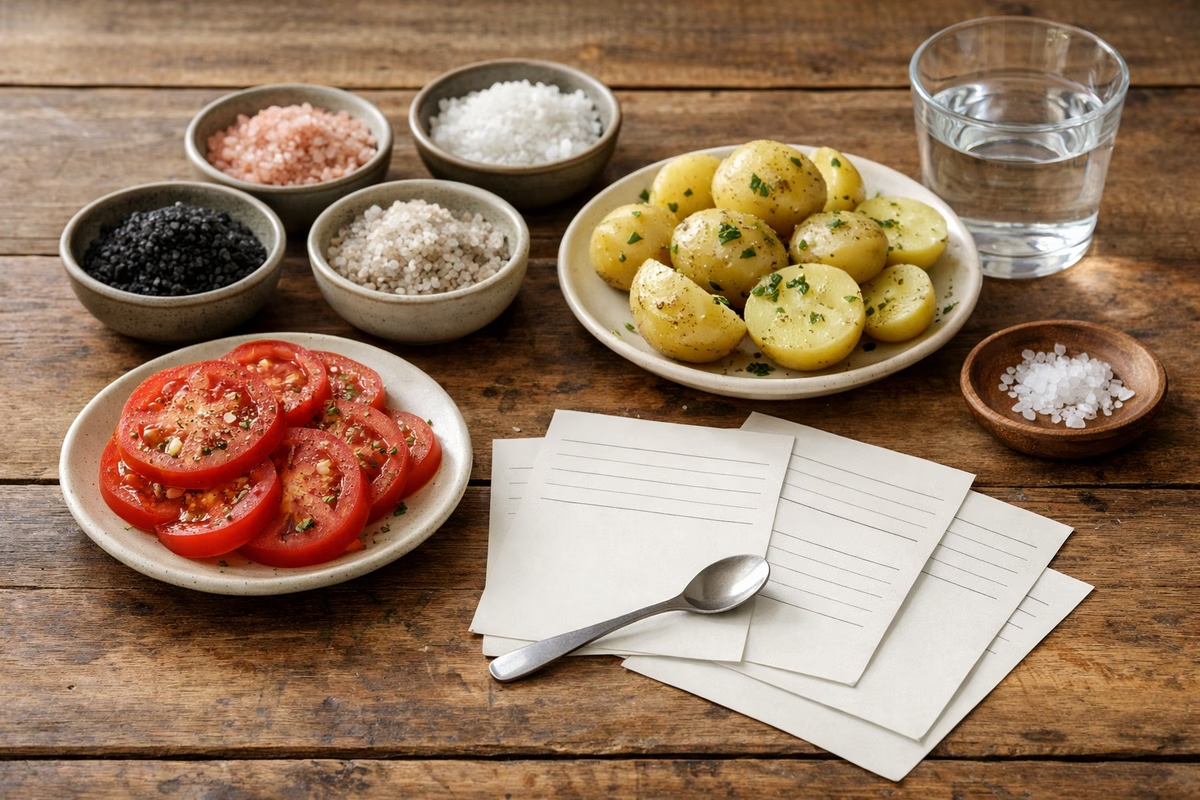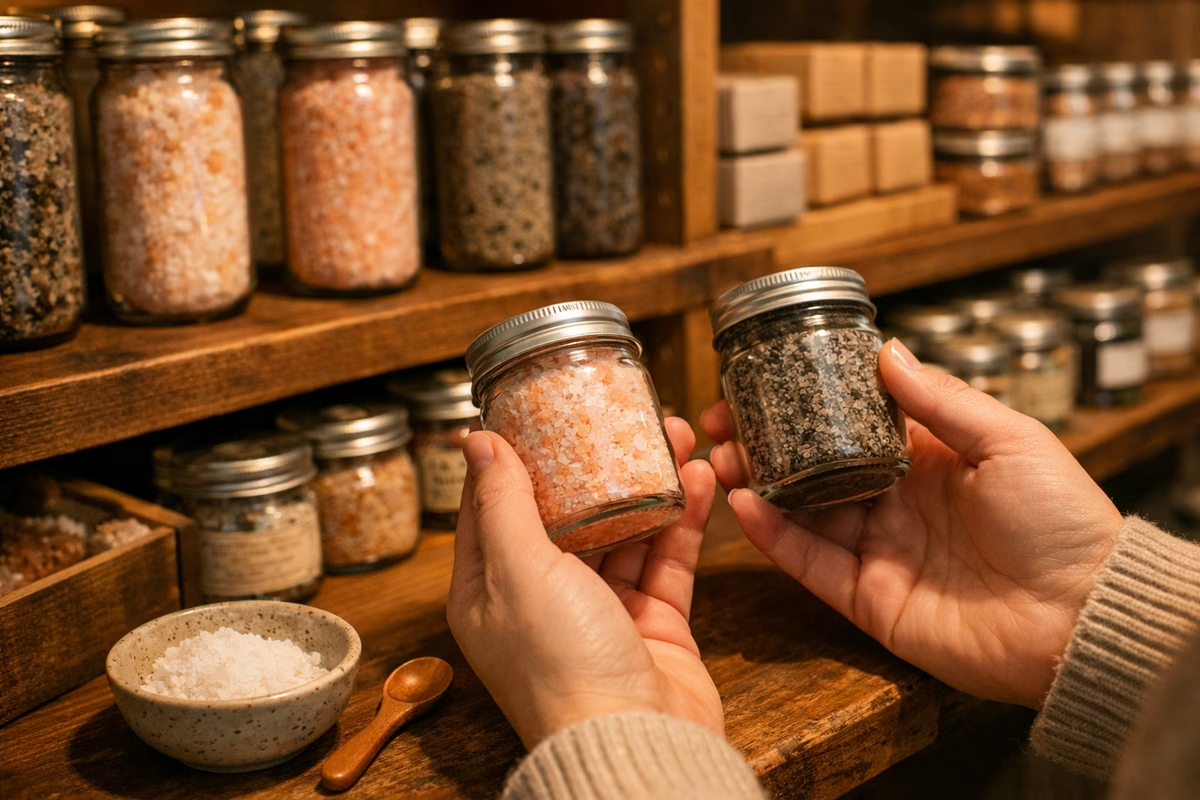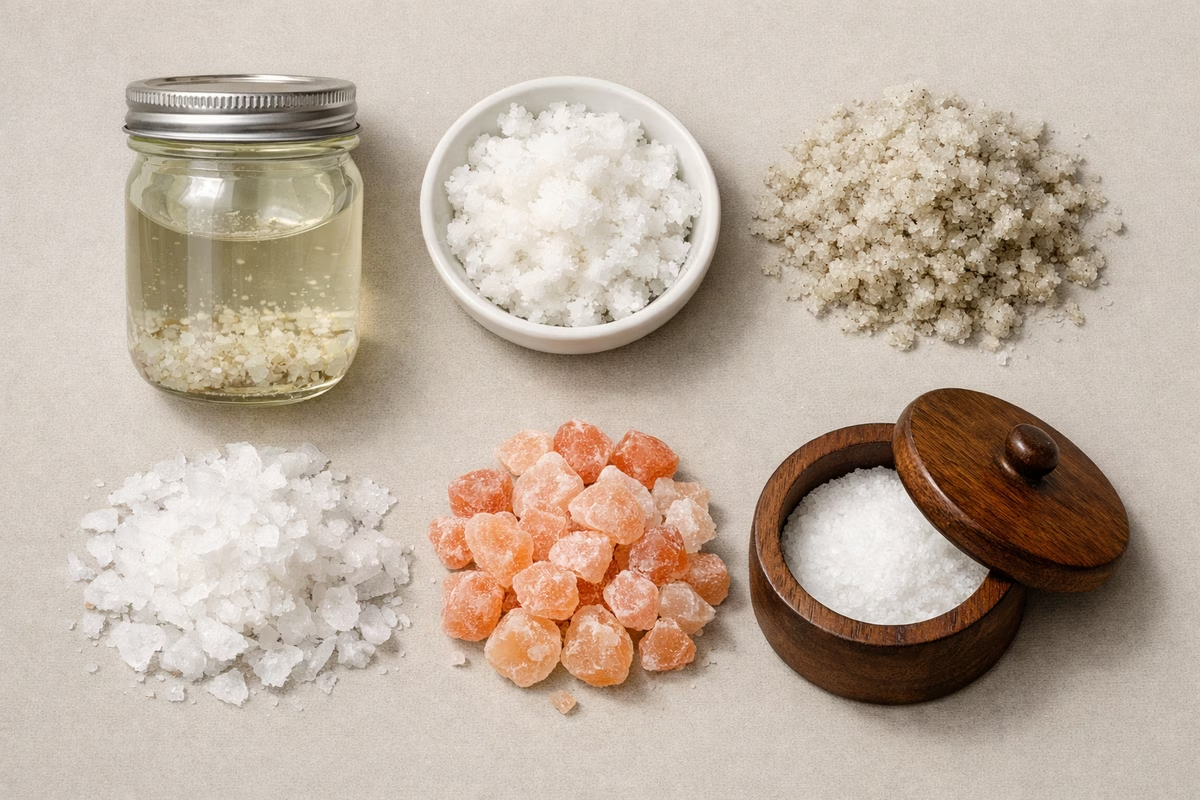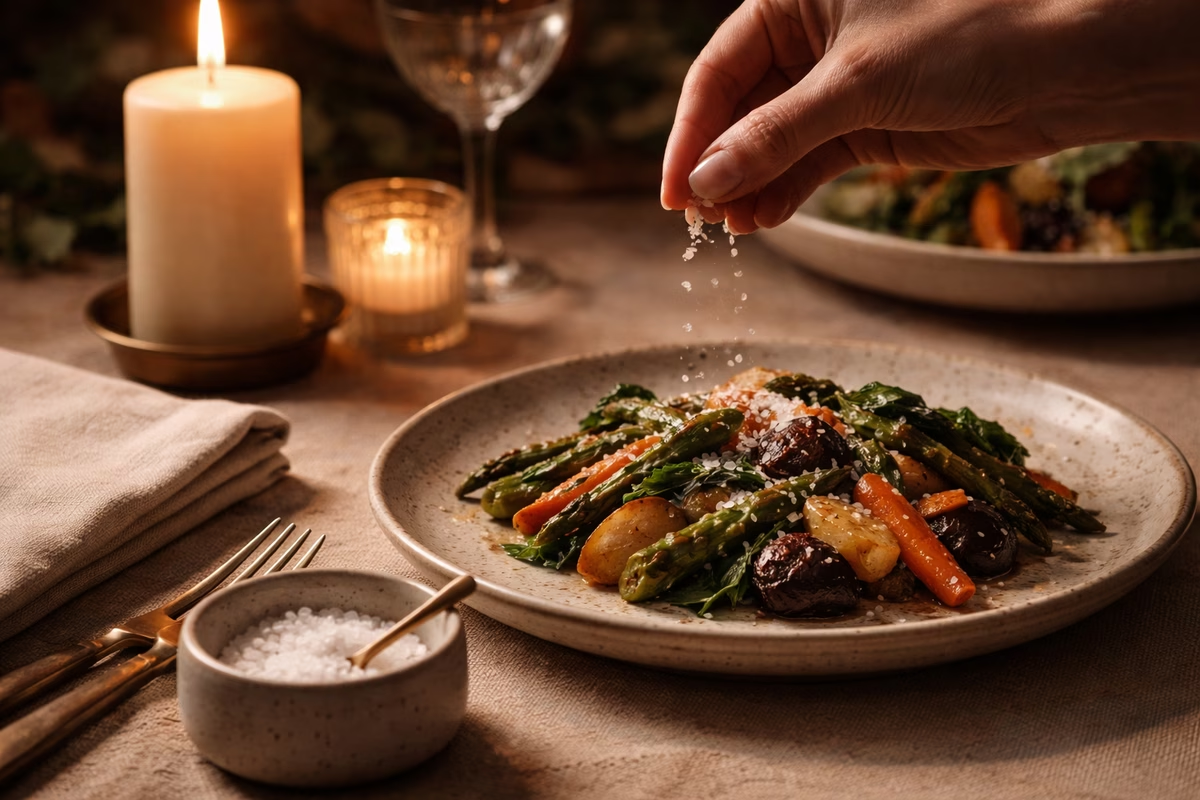
Salt is one of those ingredients that becomes more interesting the moment you stop treating it like a white blur. The differences are not imaginary. A damp gray sea salt feels grounded and savory. A brittle flake disappears in a bright crackle. A hand-skimmed fleur de sel lands softly, then keeps unfolding. Same mineral, different experience.
These guidebooks are organized to make the subject feel navigable rather than encyclopedic. Start broad, then get particular.
If you are brand new, begin with Salt Quickstart and then read Artisanal Salt Types . If you are here for story and context, move next to A Human History of Salt and How Artisanal Salt Is Harvested . If you already know you are a finishing-salt person, the trio to read is Fleur de Sel , Flake Salt , and Salt Tasting .
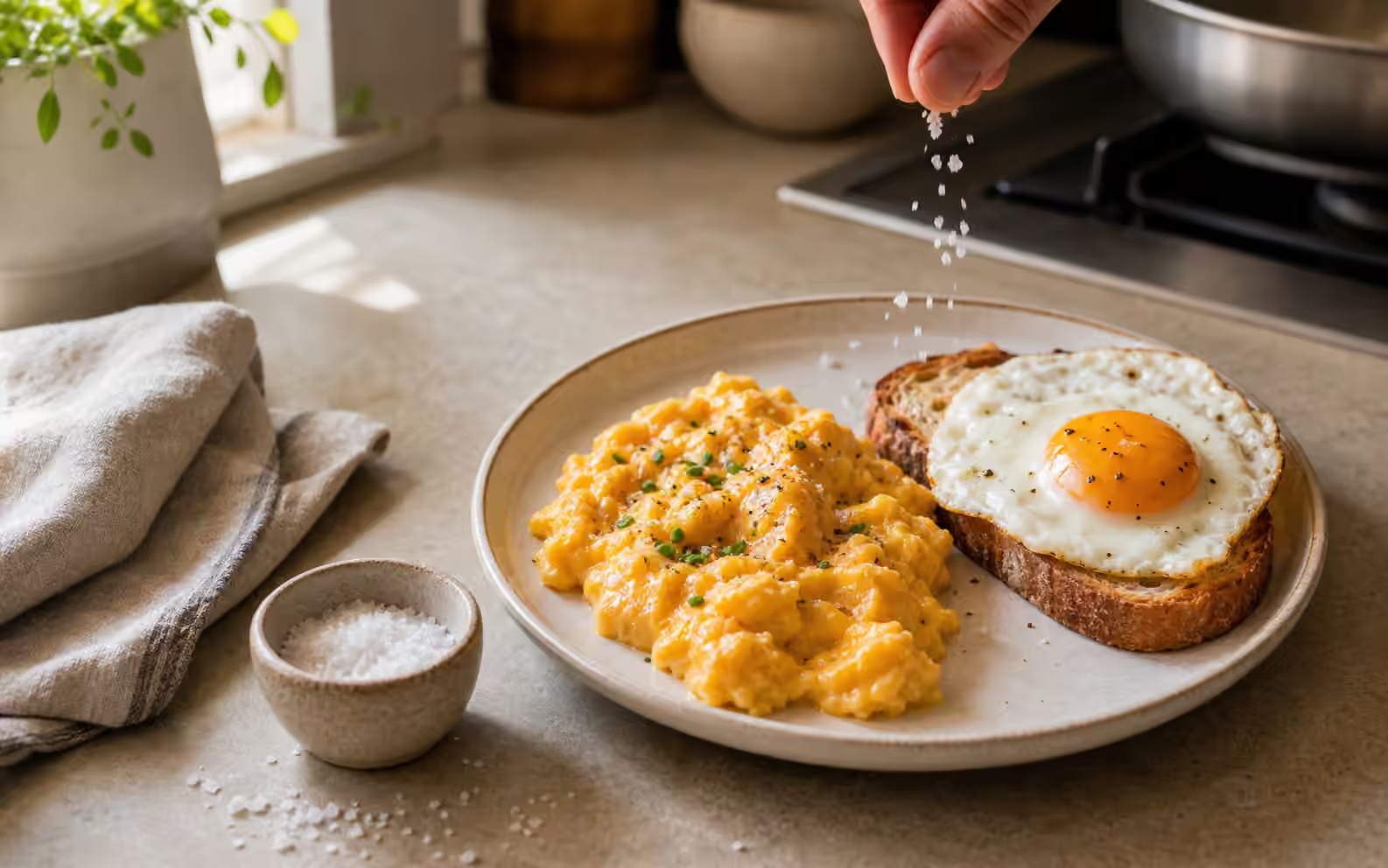
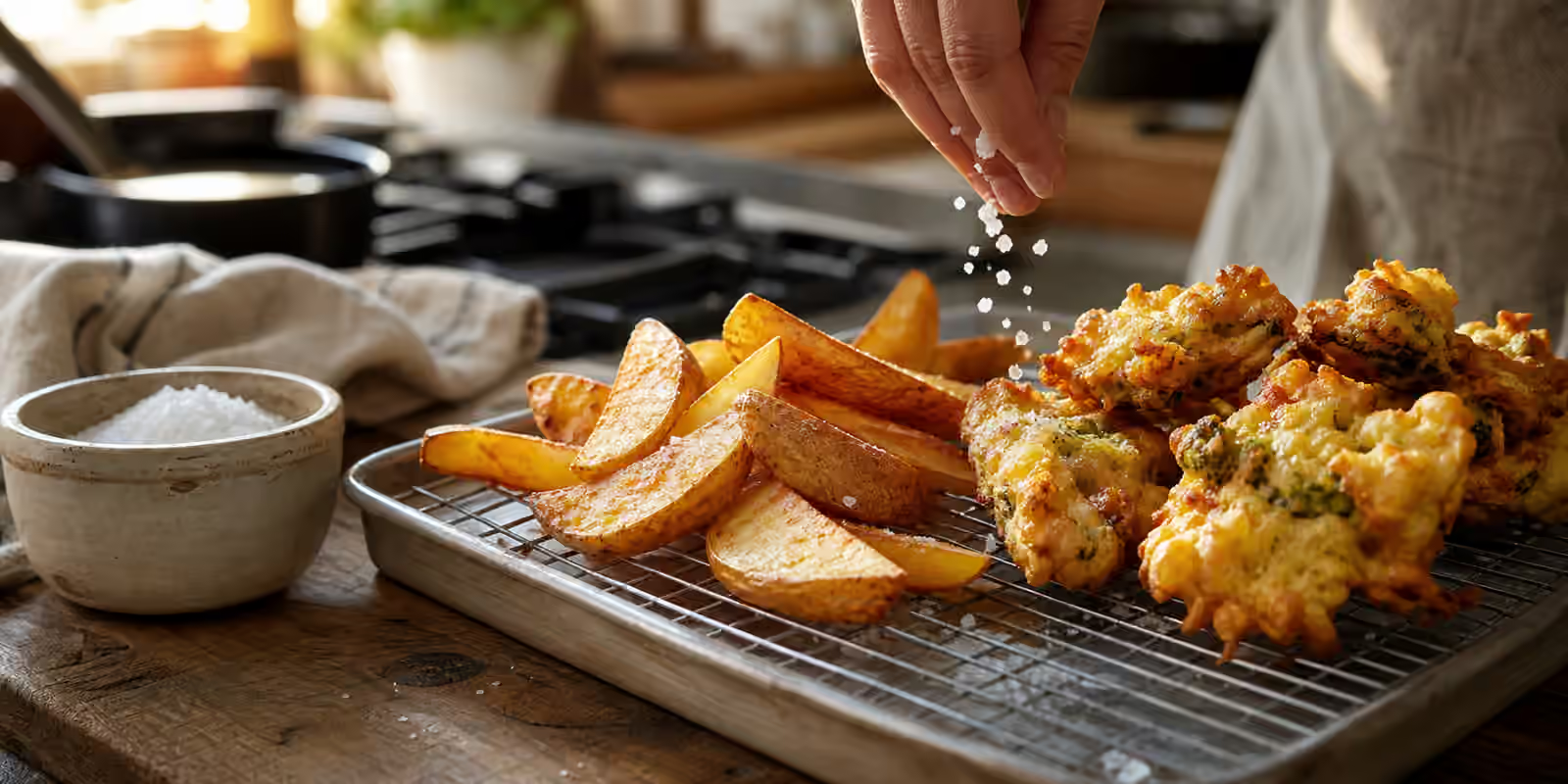
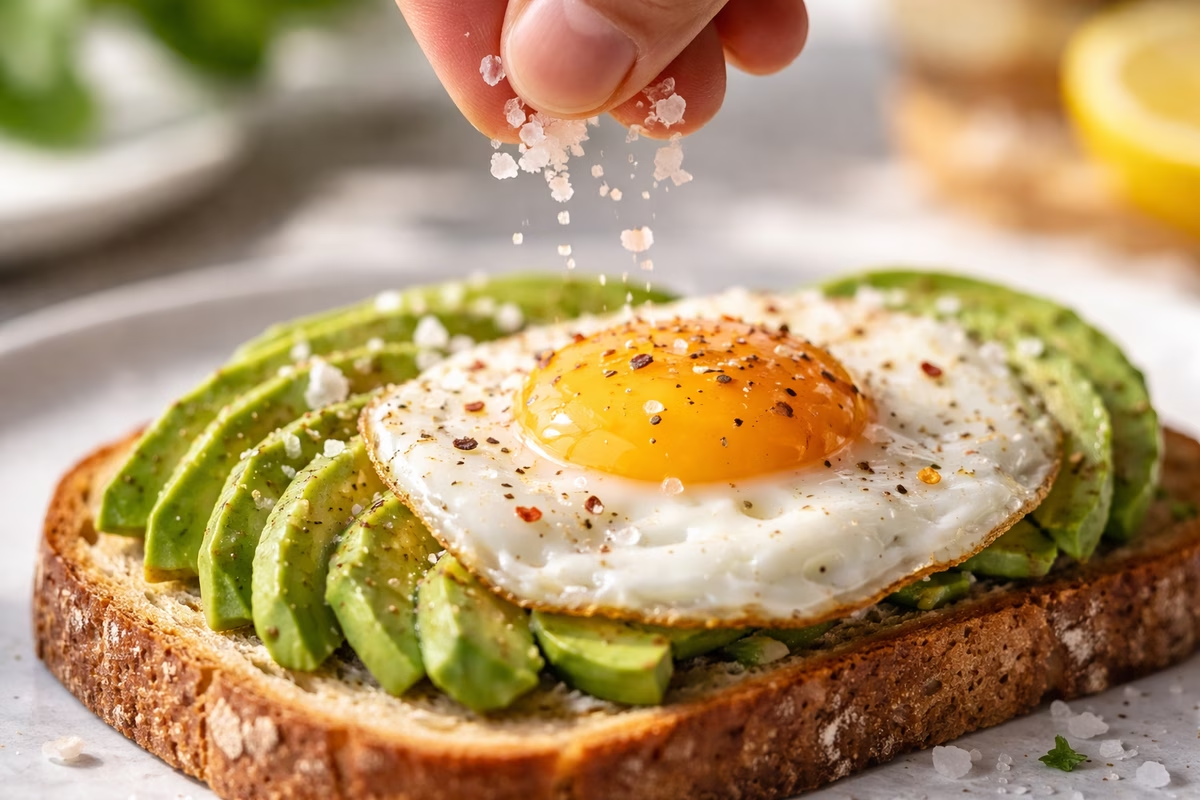
If the question is less about which salt to buy and more about when to use it, read When to Salt . It separates early seasoning from finishing salt so cooking starts to taste seasoned instead of merely salty.
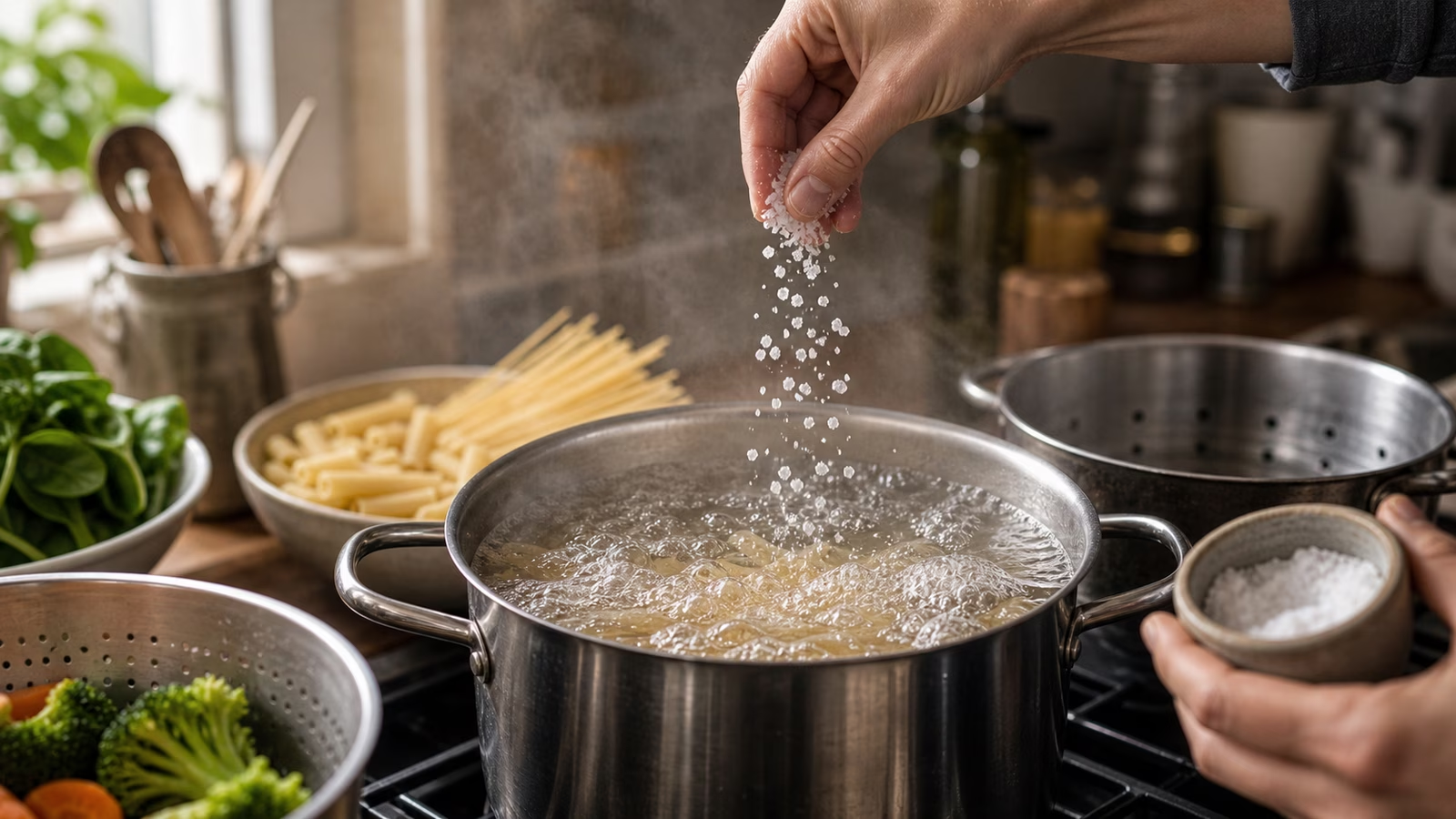
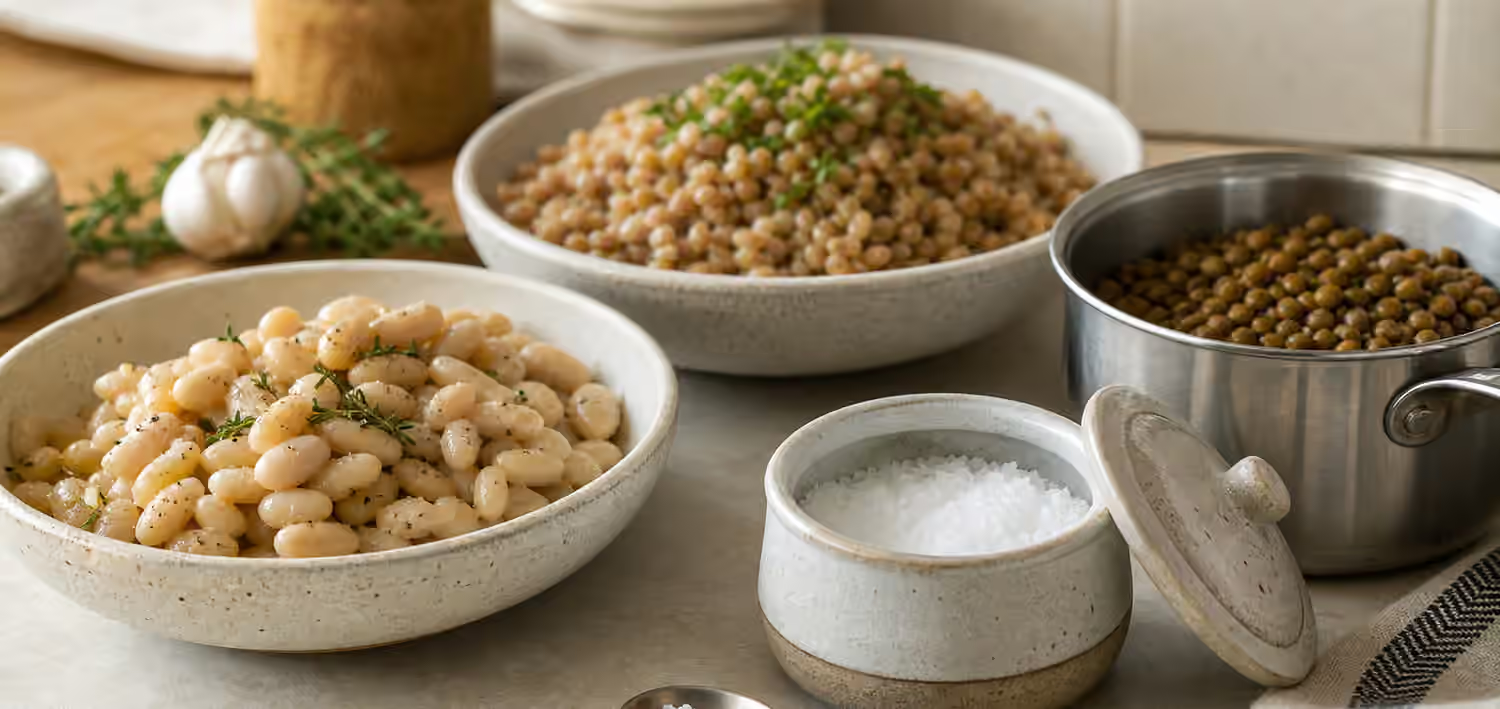
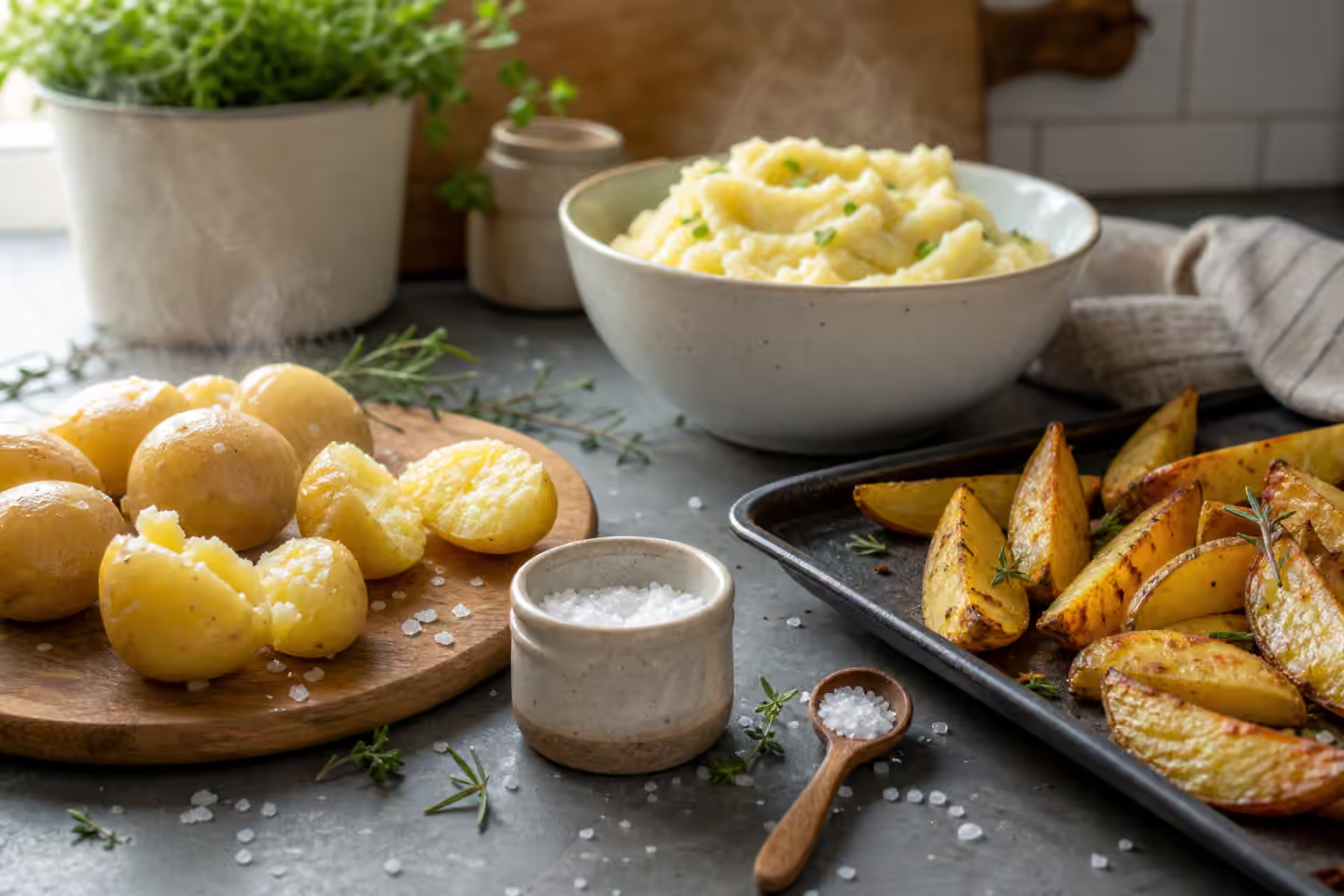
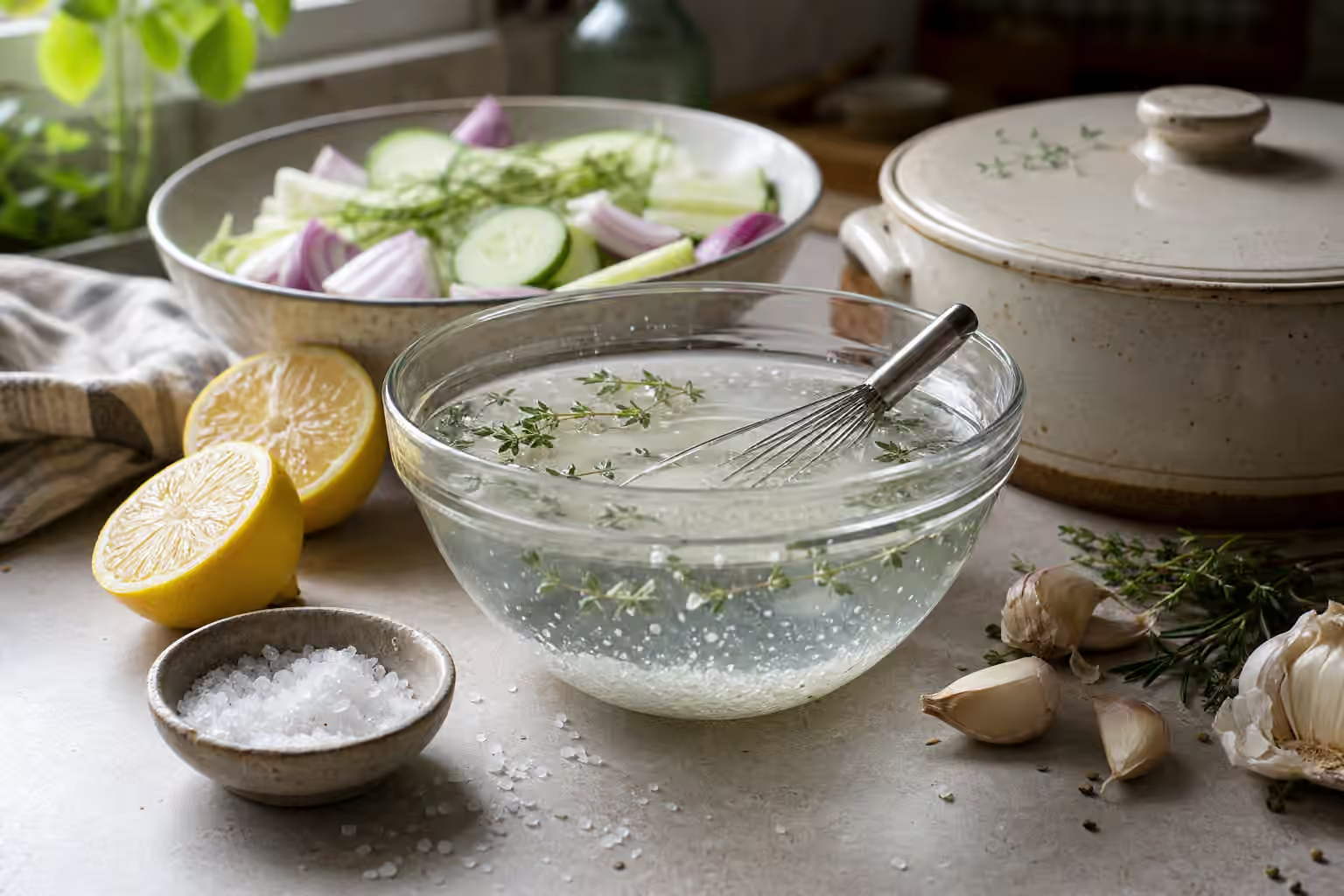
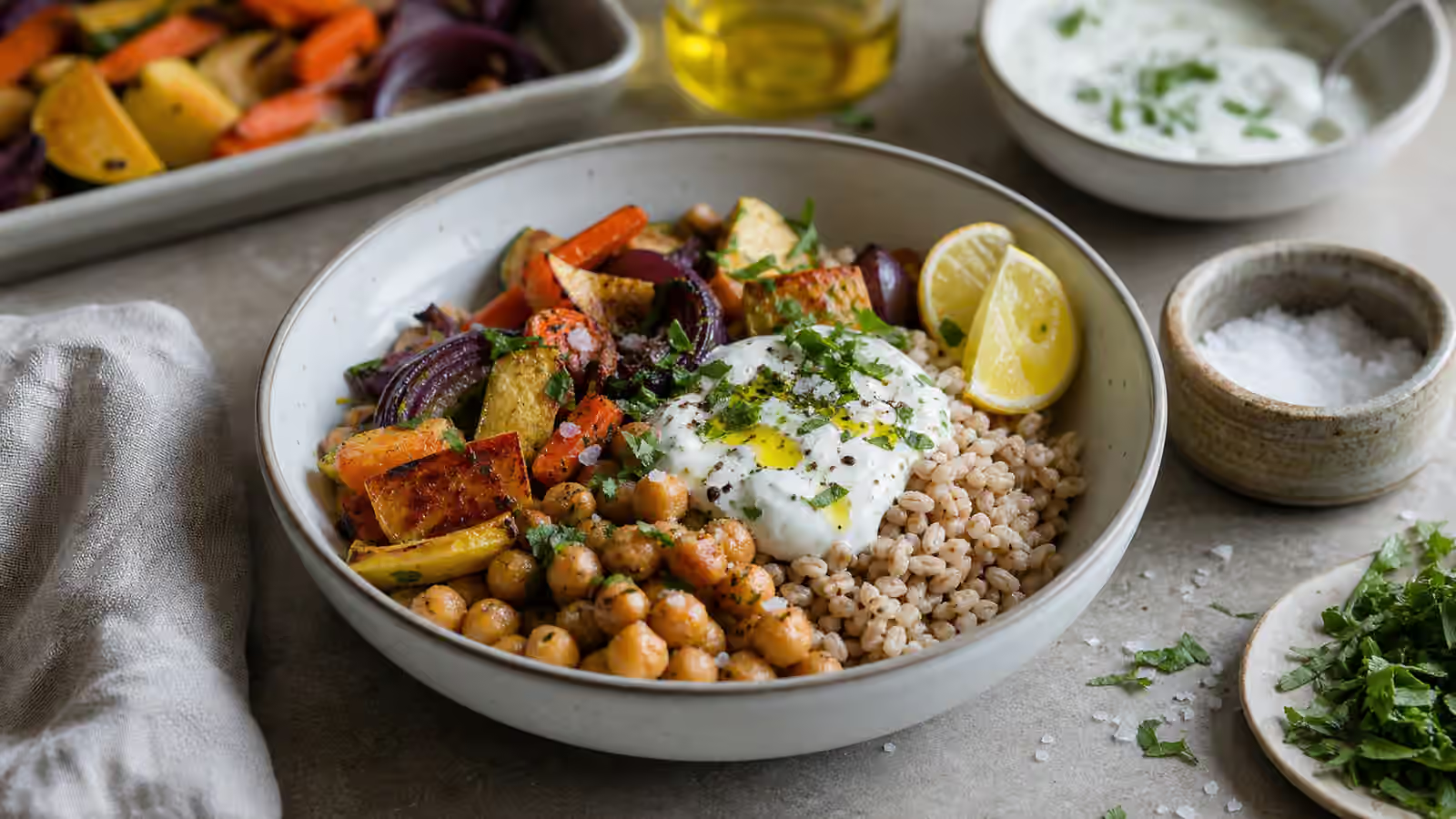
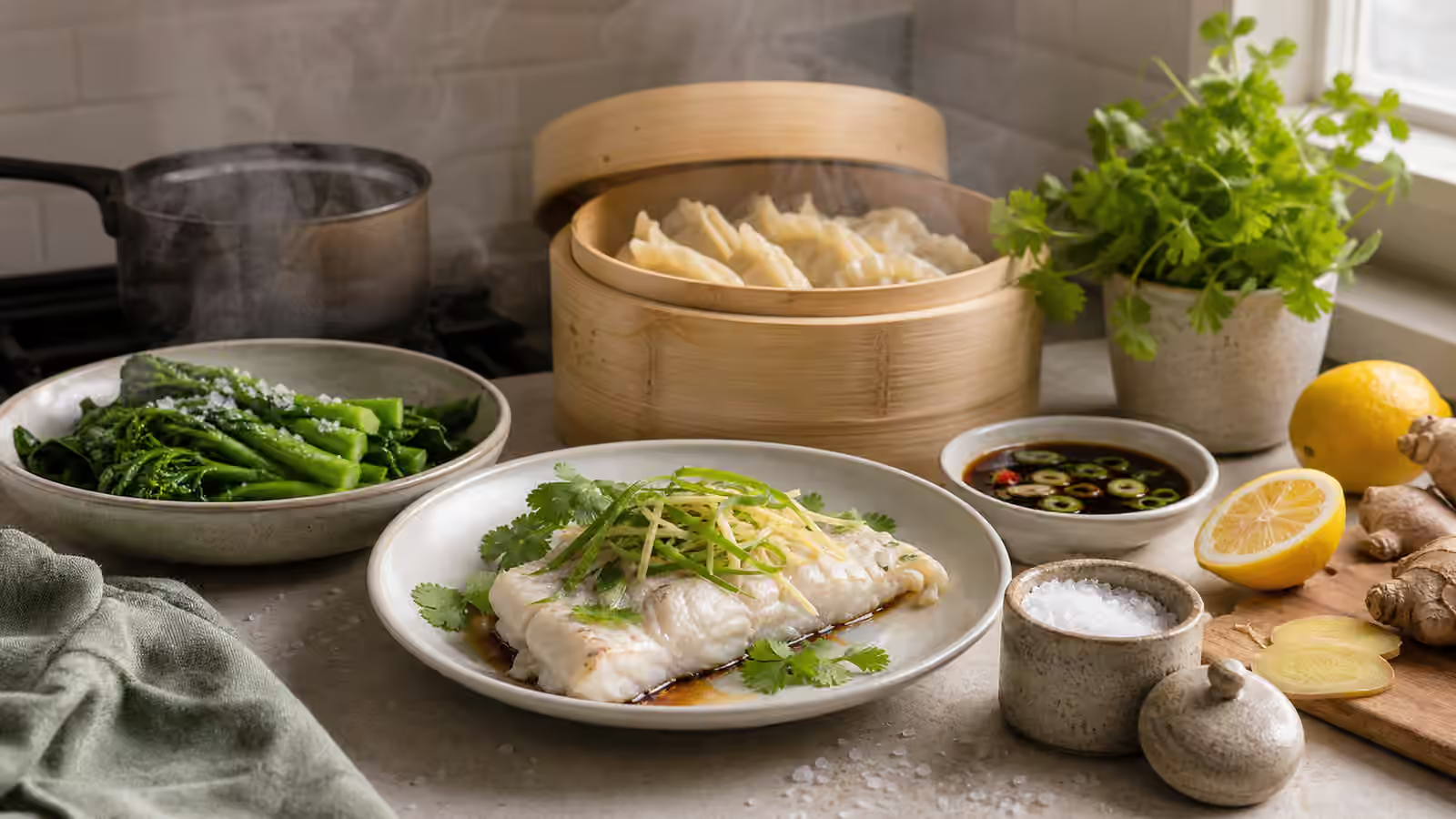
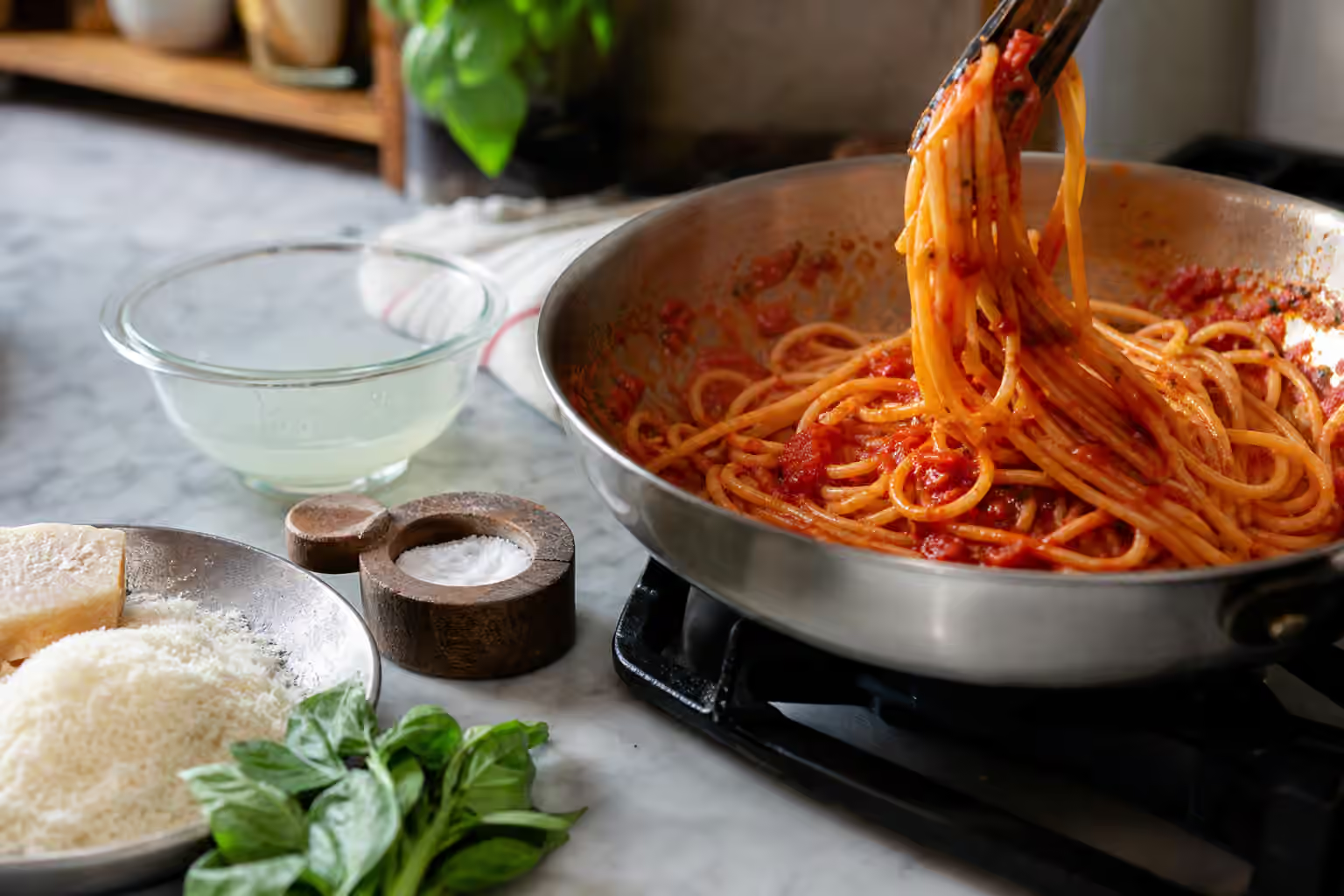
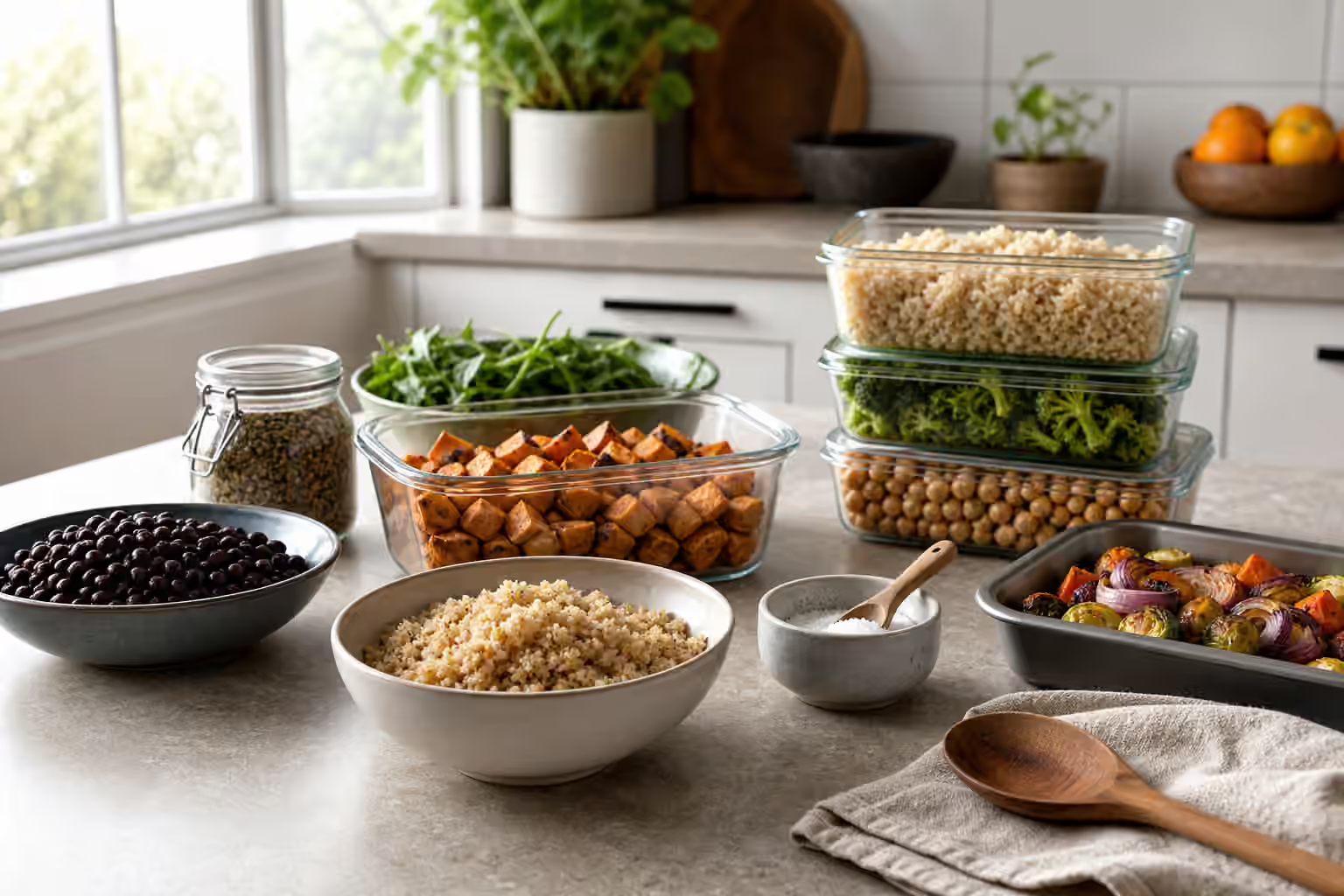
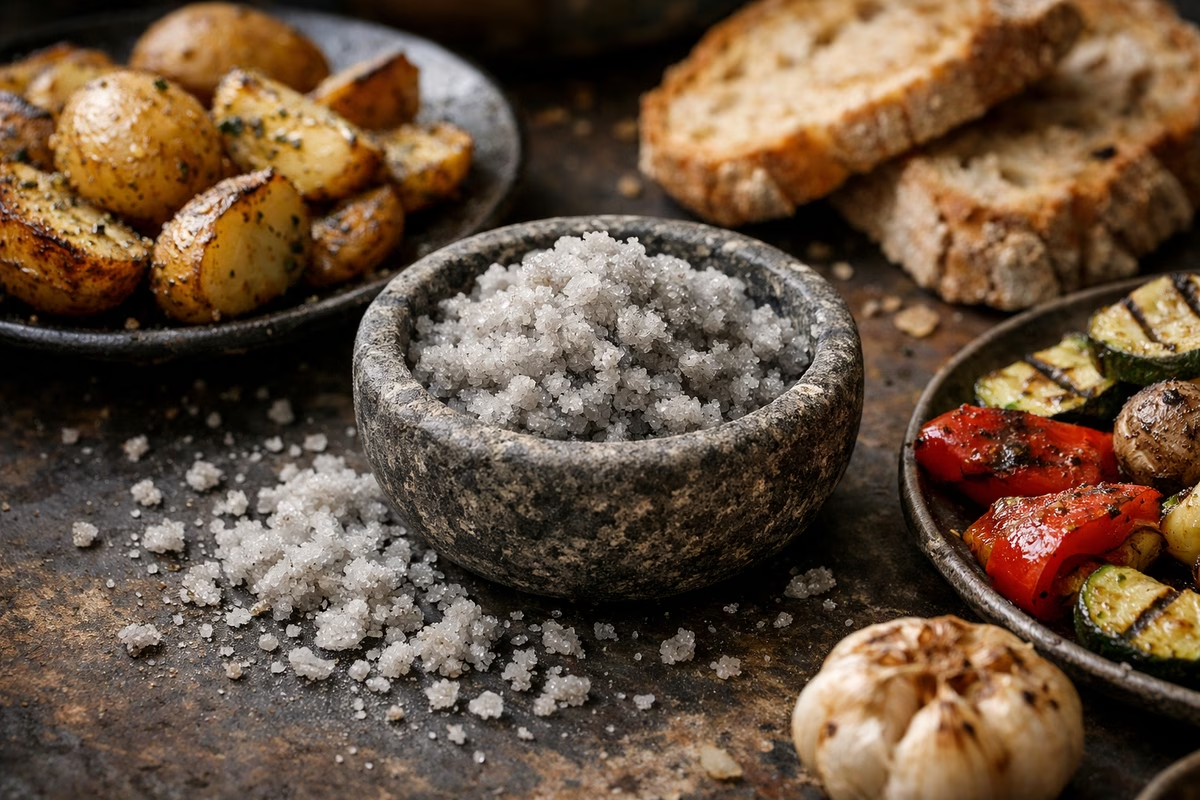
If your food tastes fine on the surface but dull inside, read Pasta Water and Salted Cooking Liquids . It explains the quiet work salt does in boiling water, blanching water, potatoes, grains, beans, and broths before finishing salt ever reaches the table.
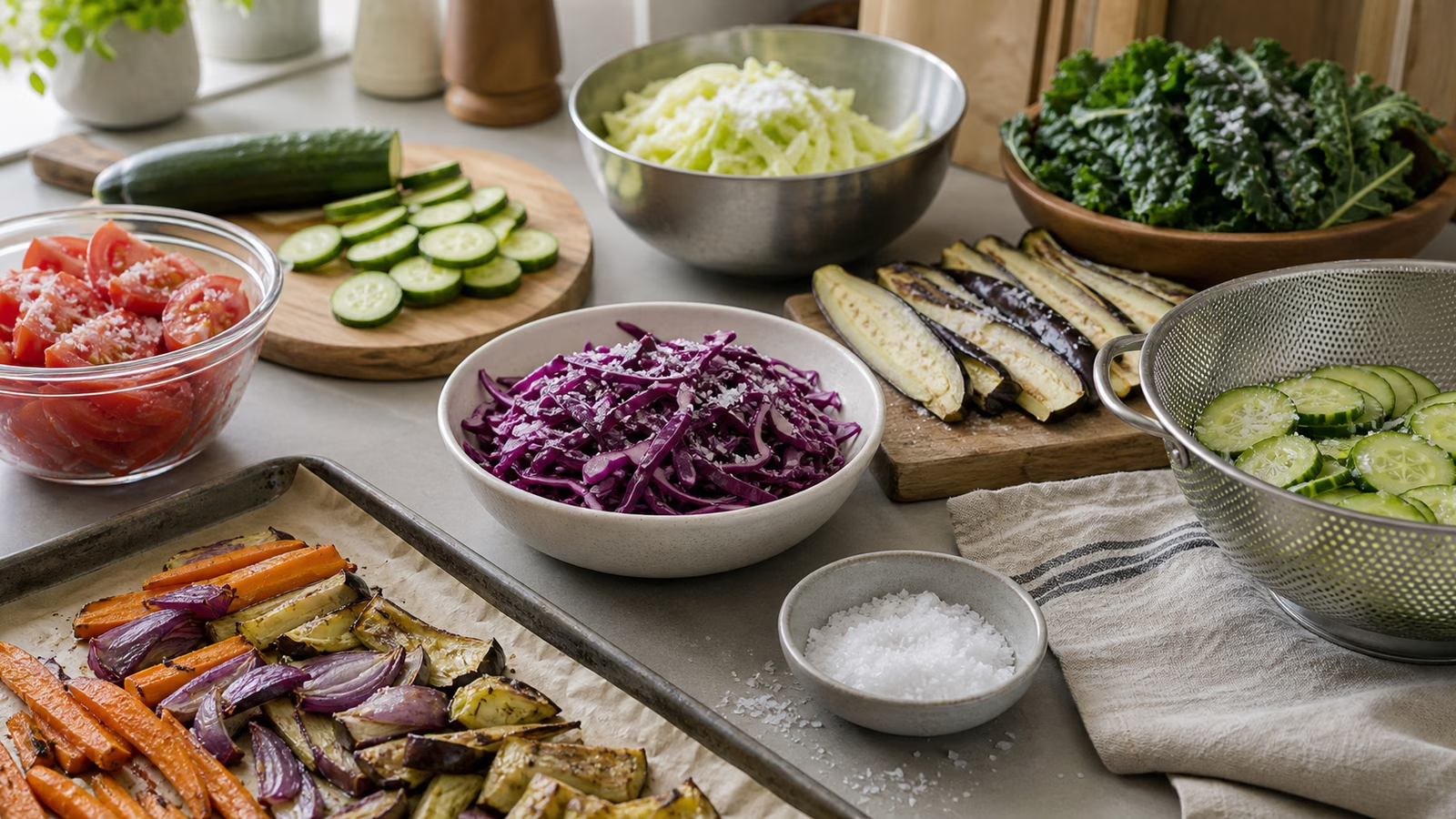
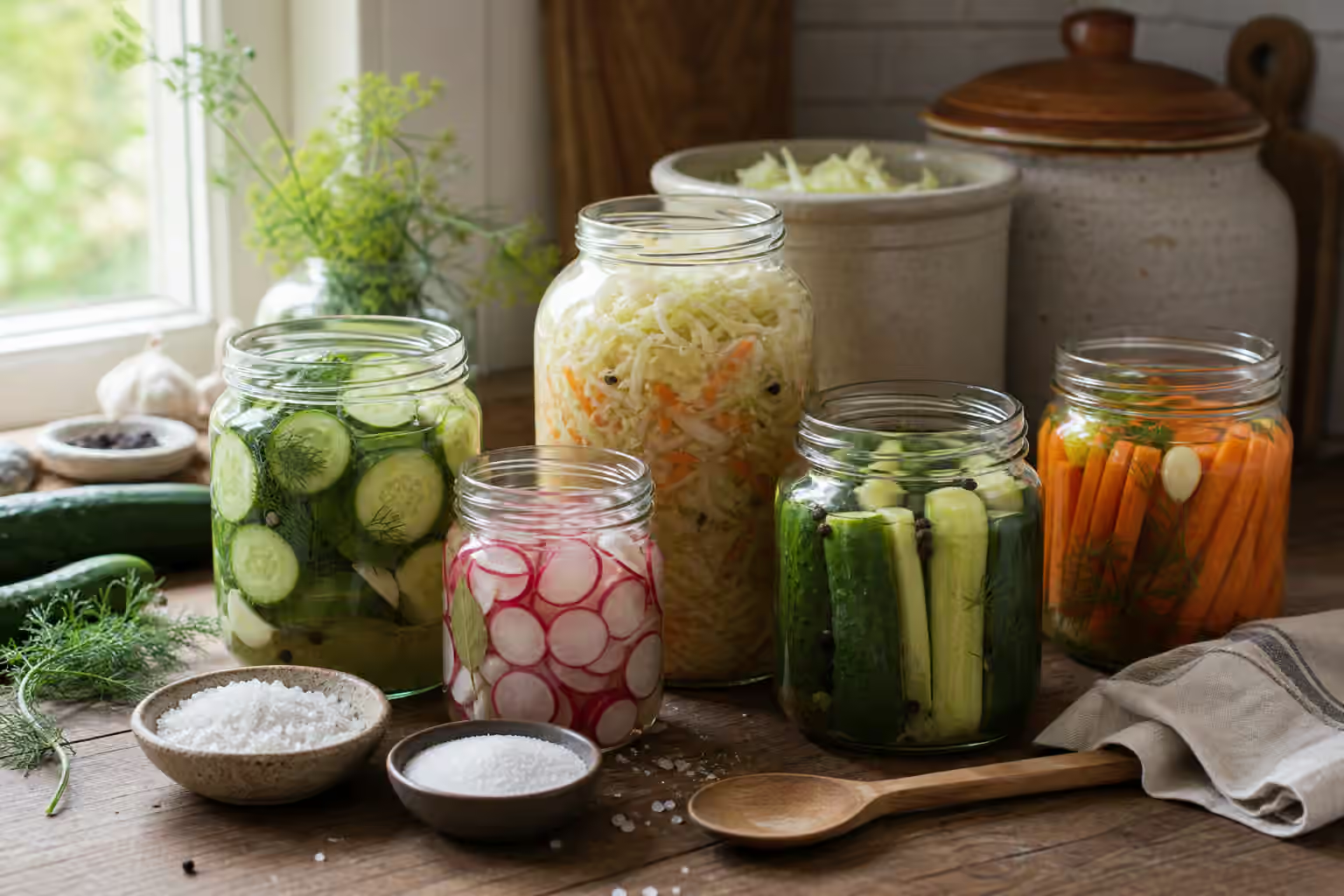
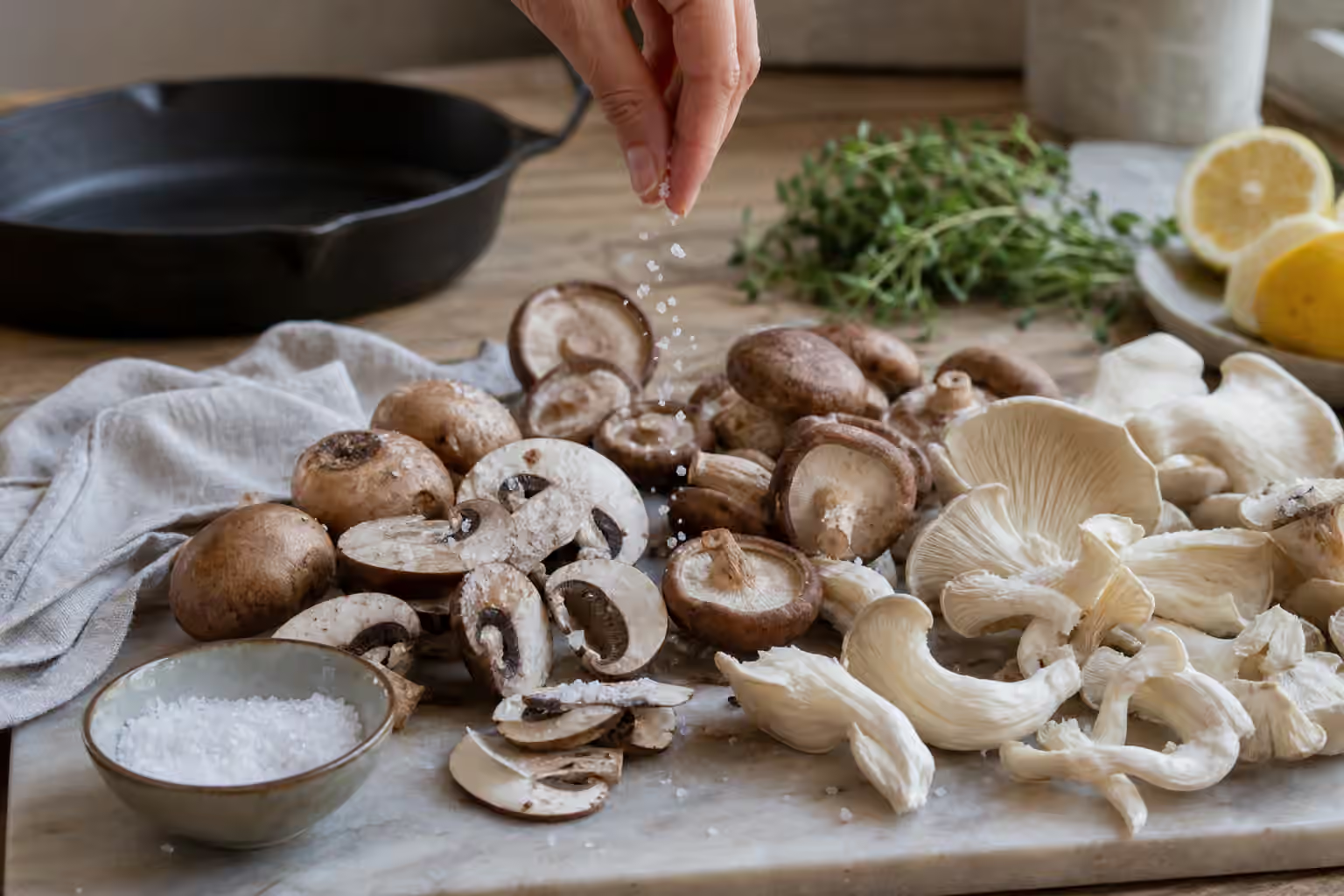
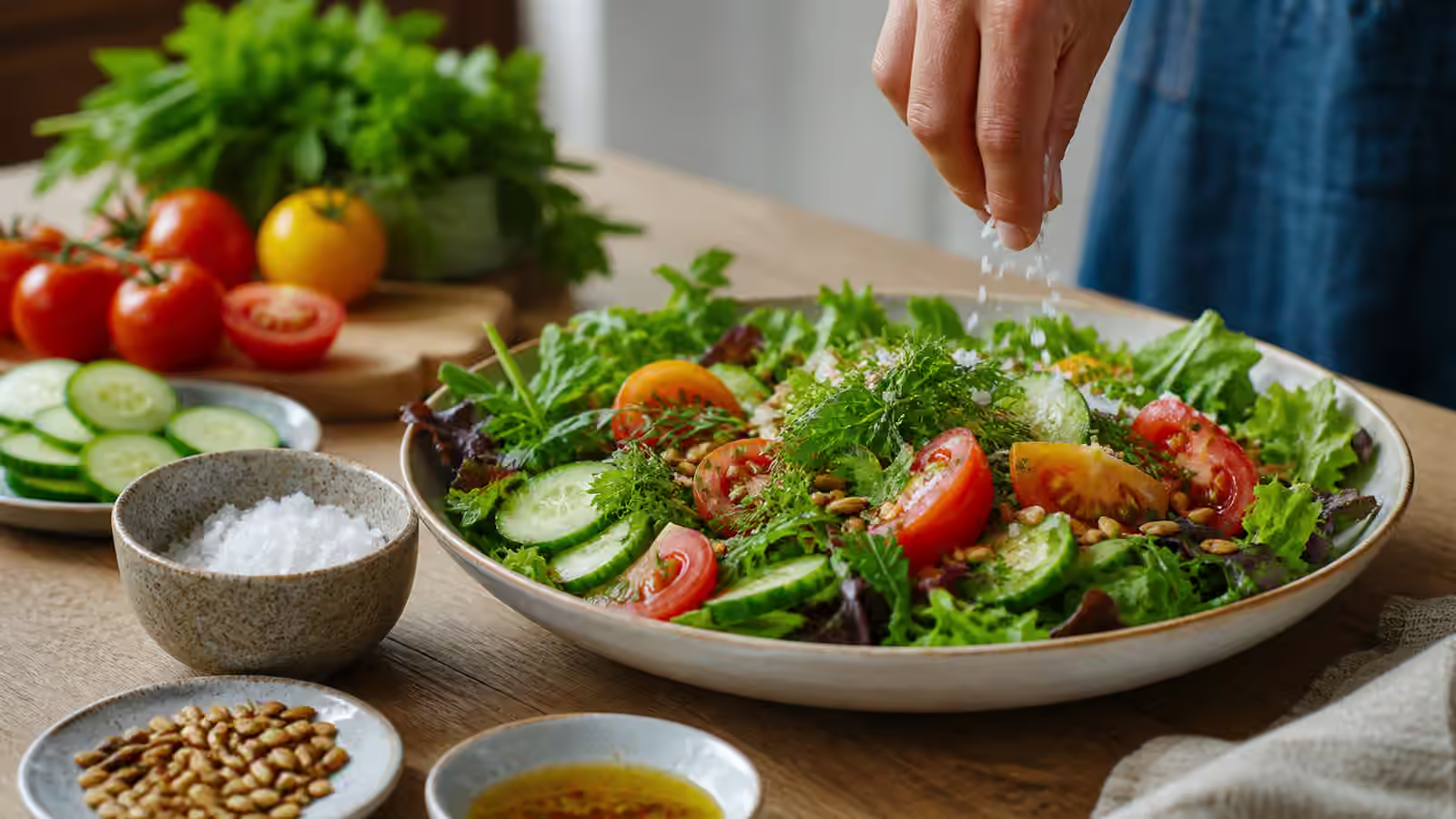
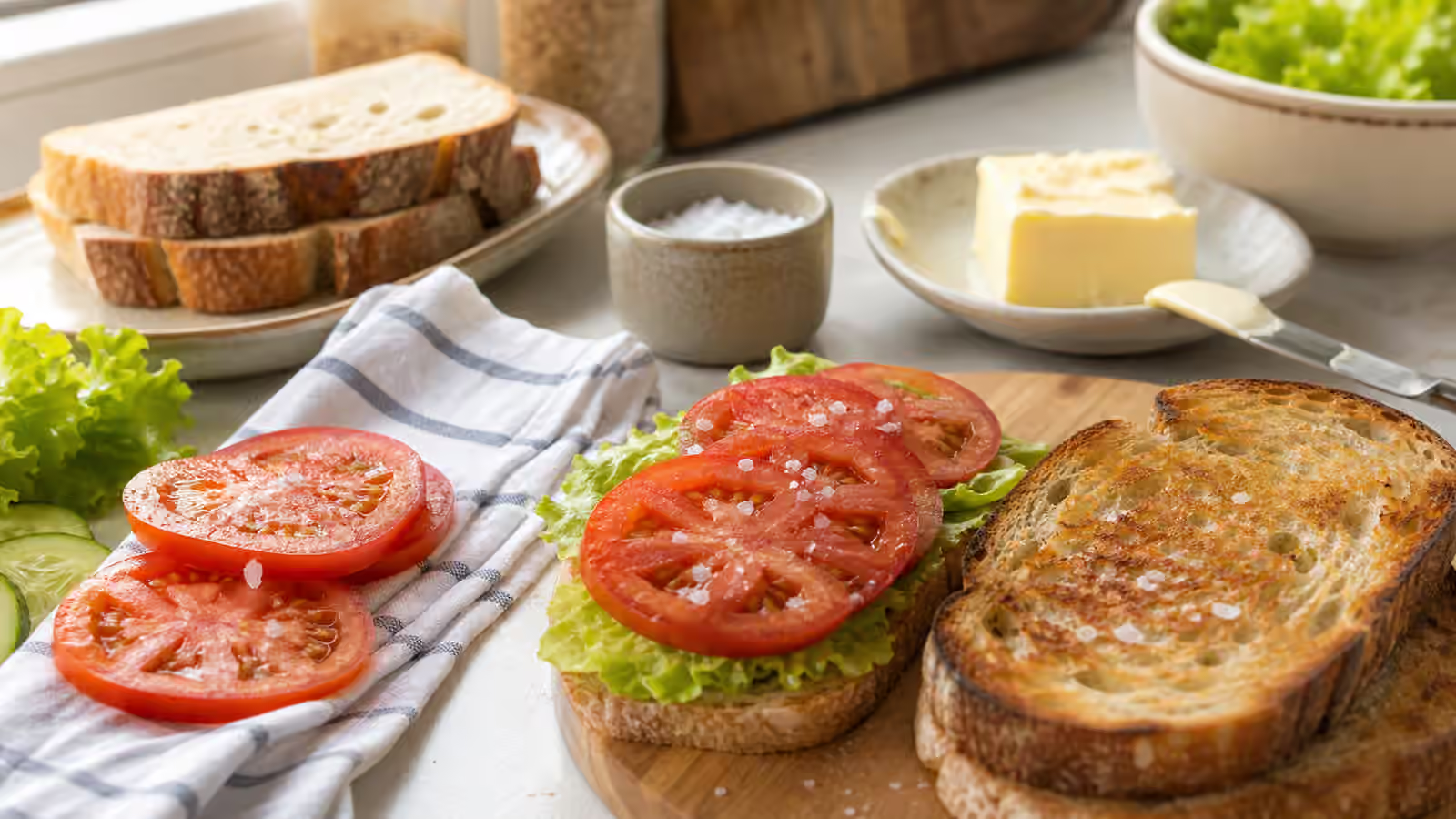
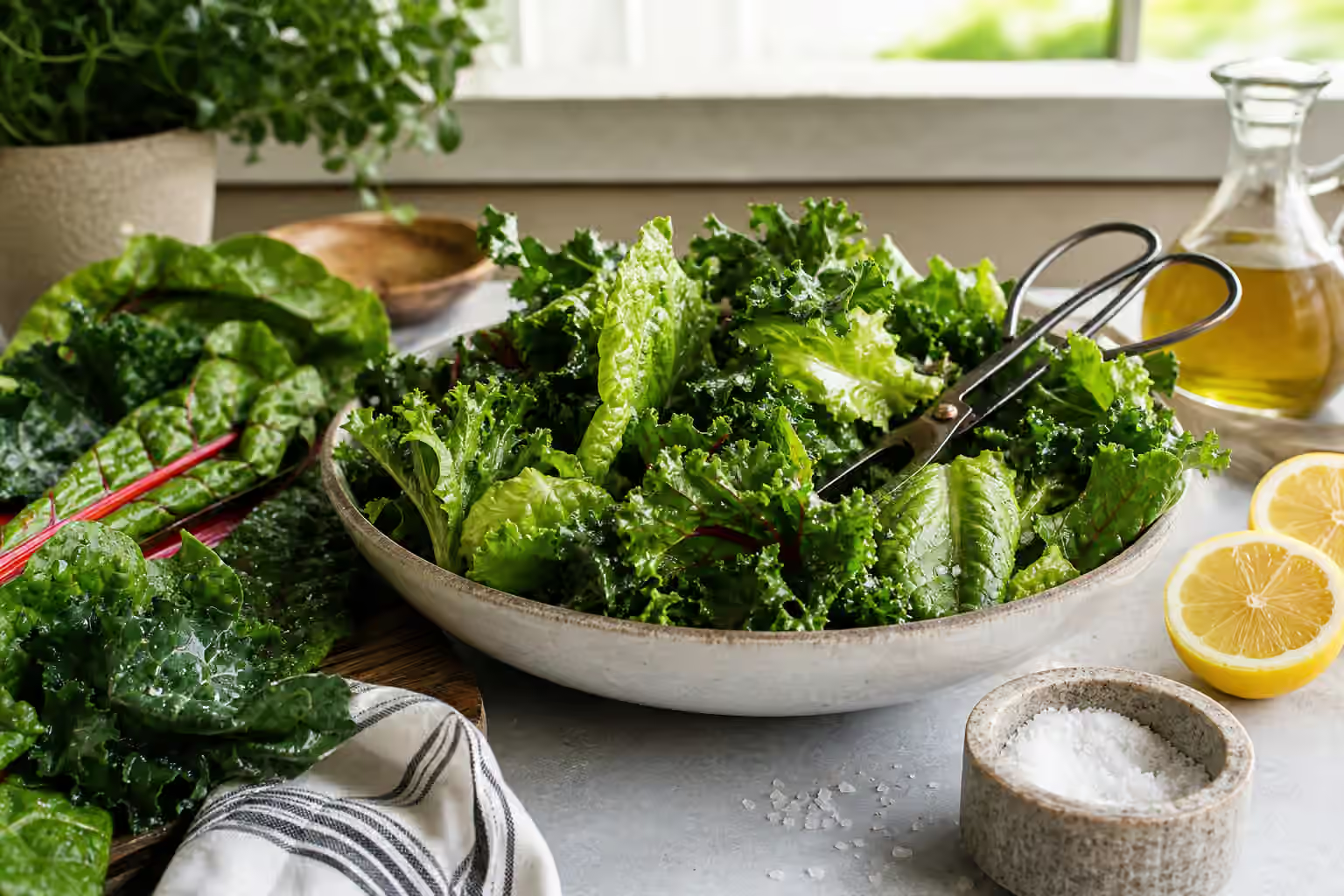
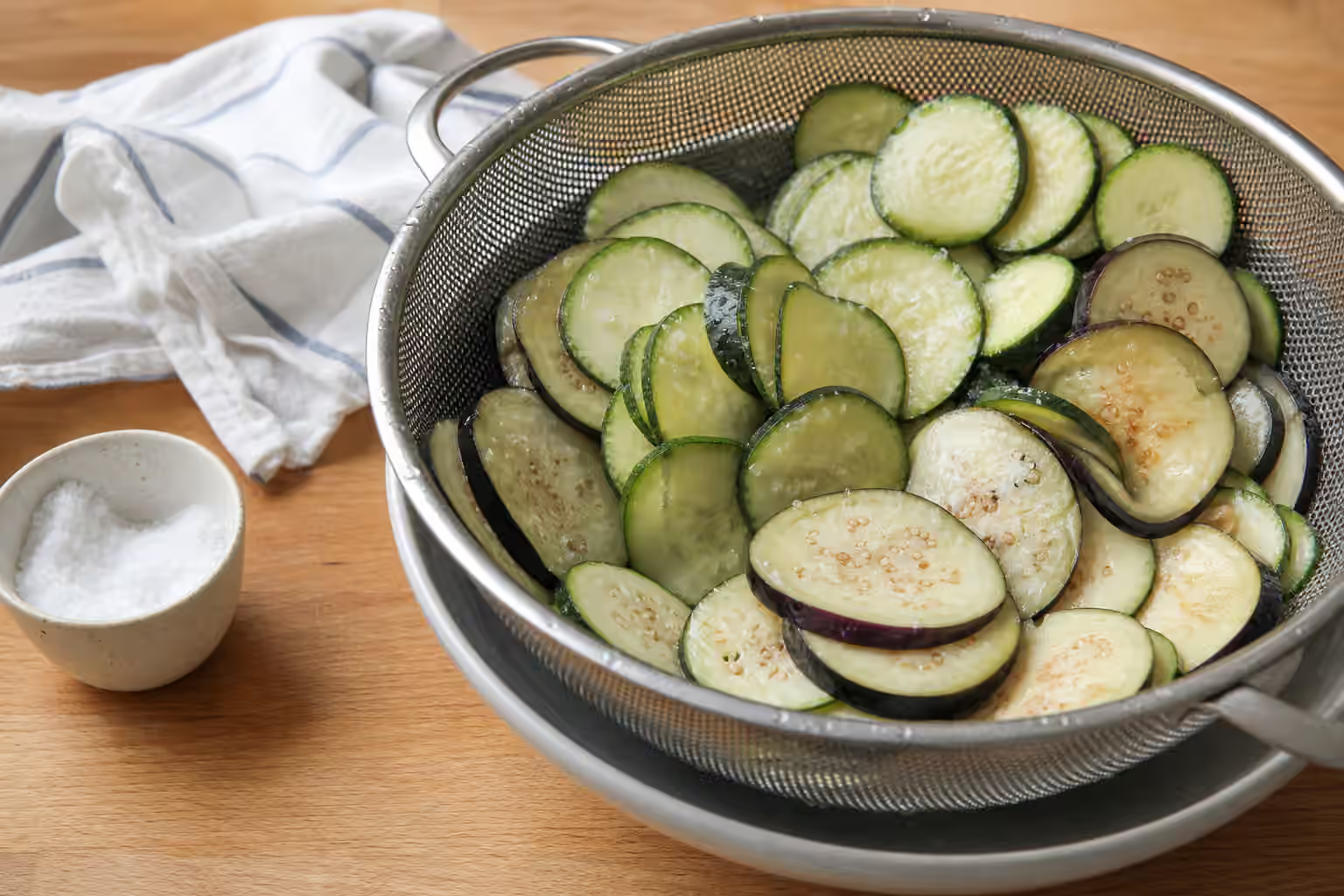
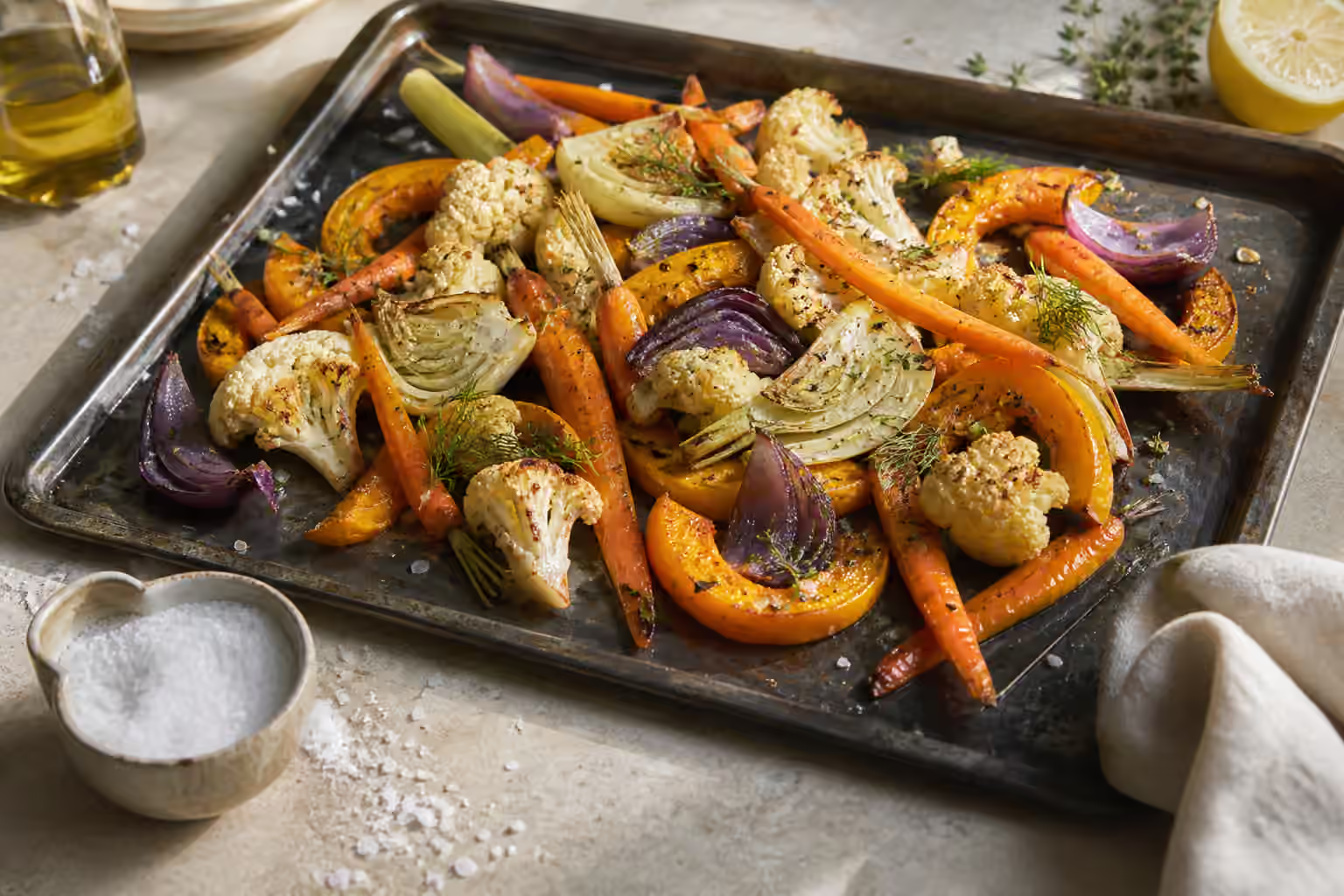
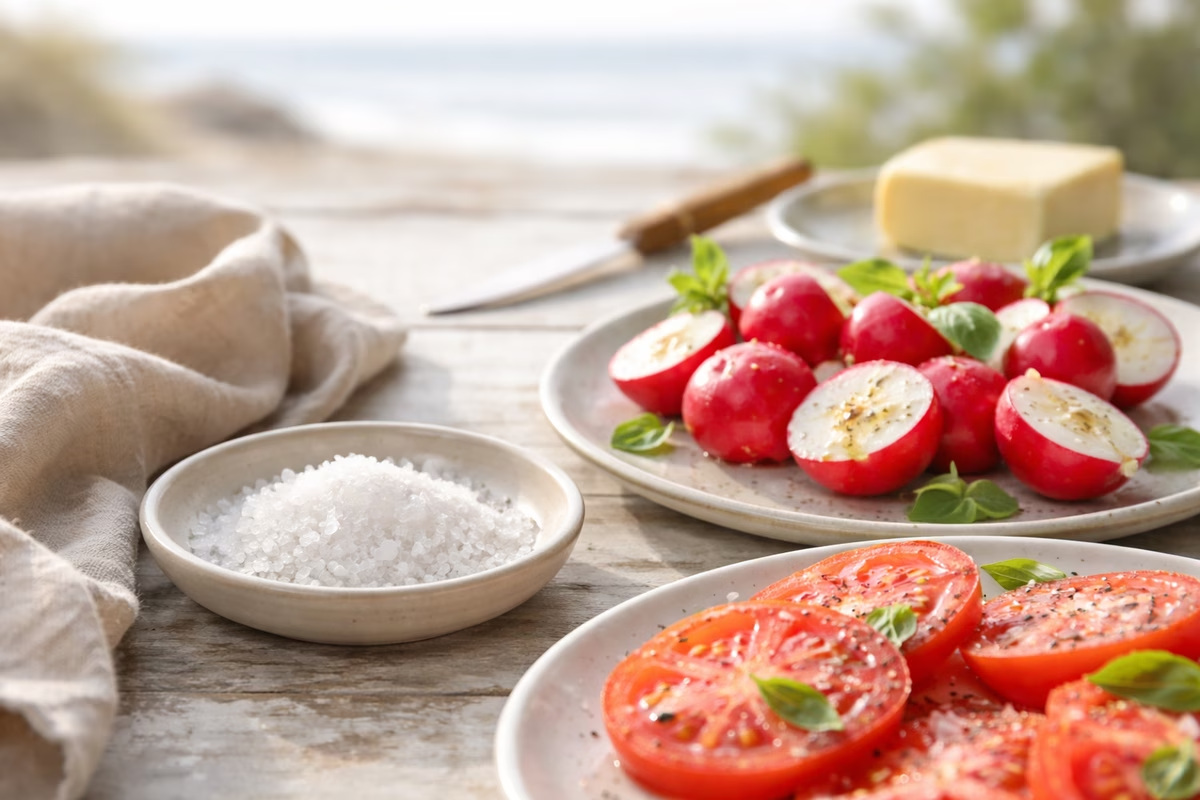
If vegetables are where seasoning feels inconsistent, read Salting Vegetables . It follows cucumbers, cabbage, tomatoes, roasted vegetables, eggplant, and greens through the practical work of water release, crunch, browning, and timing.
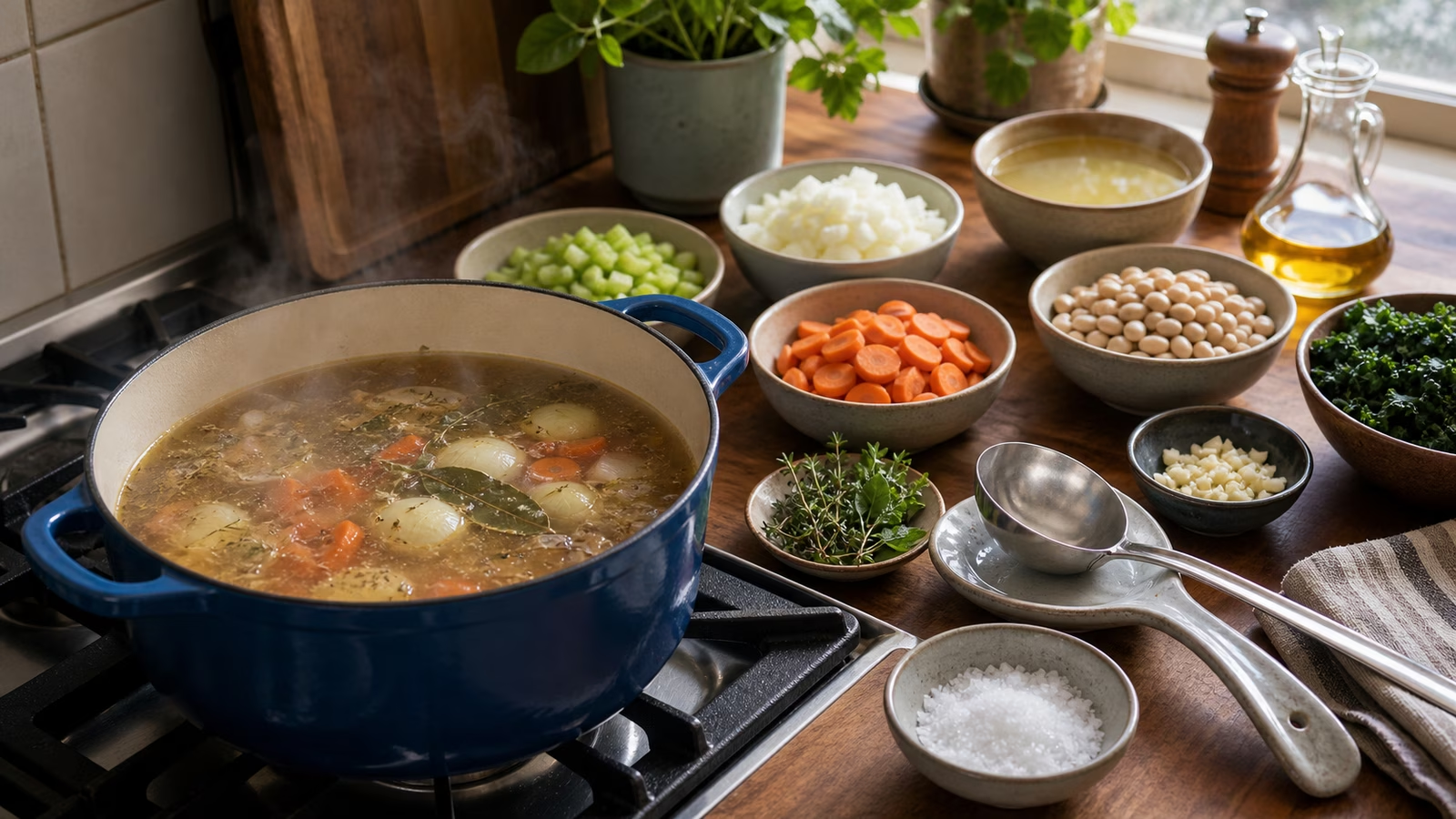
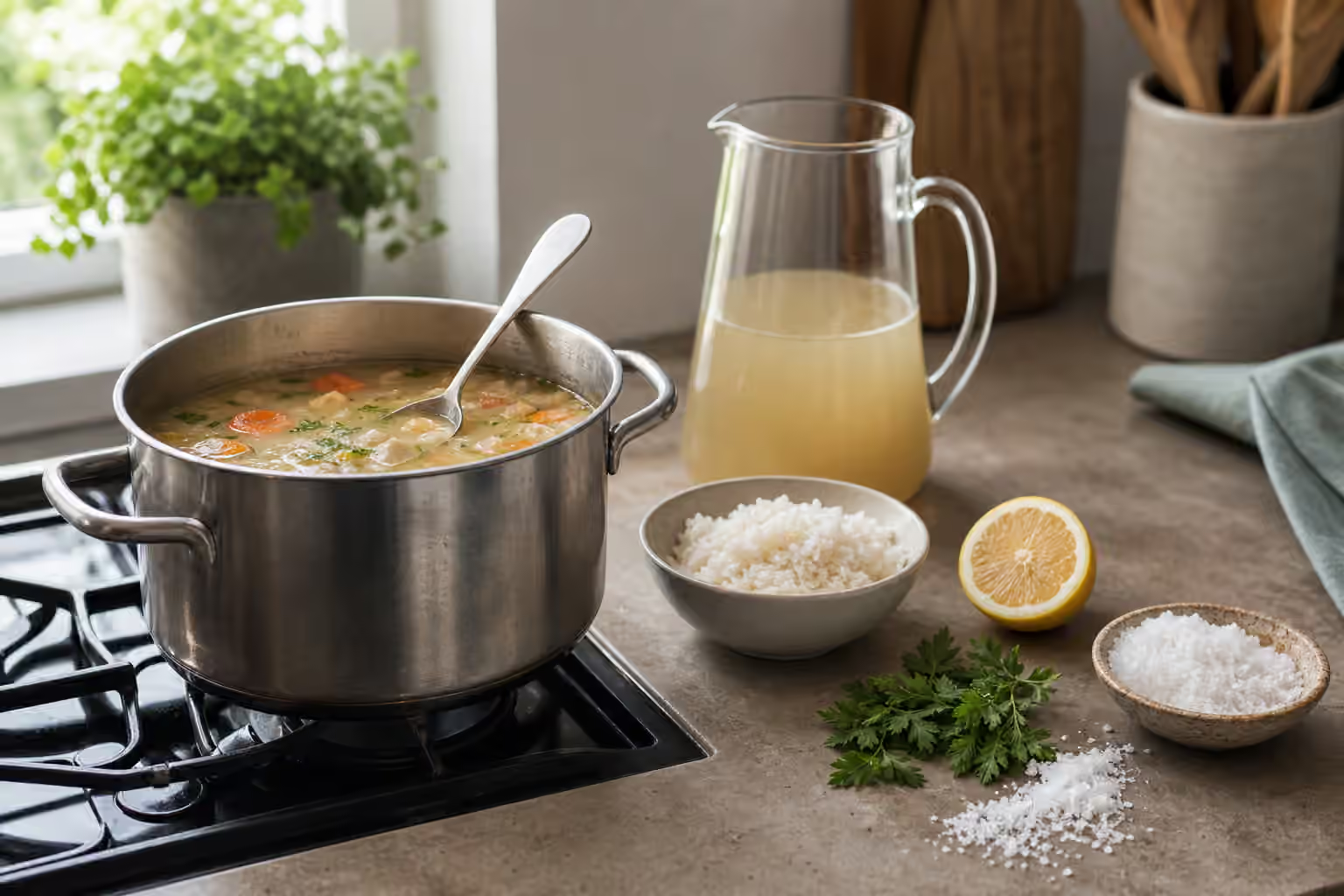
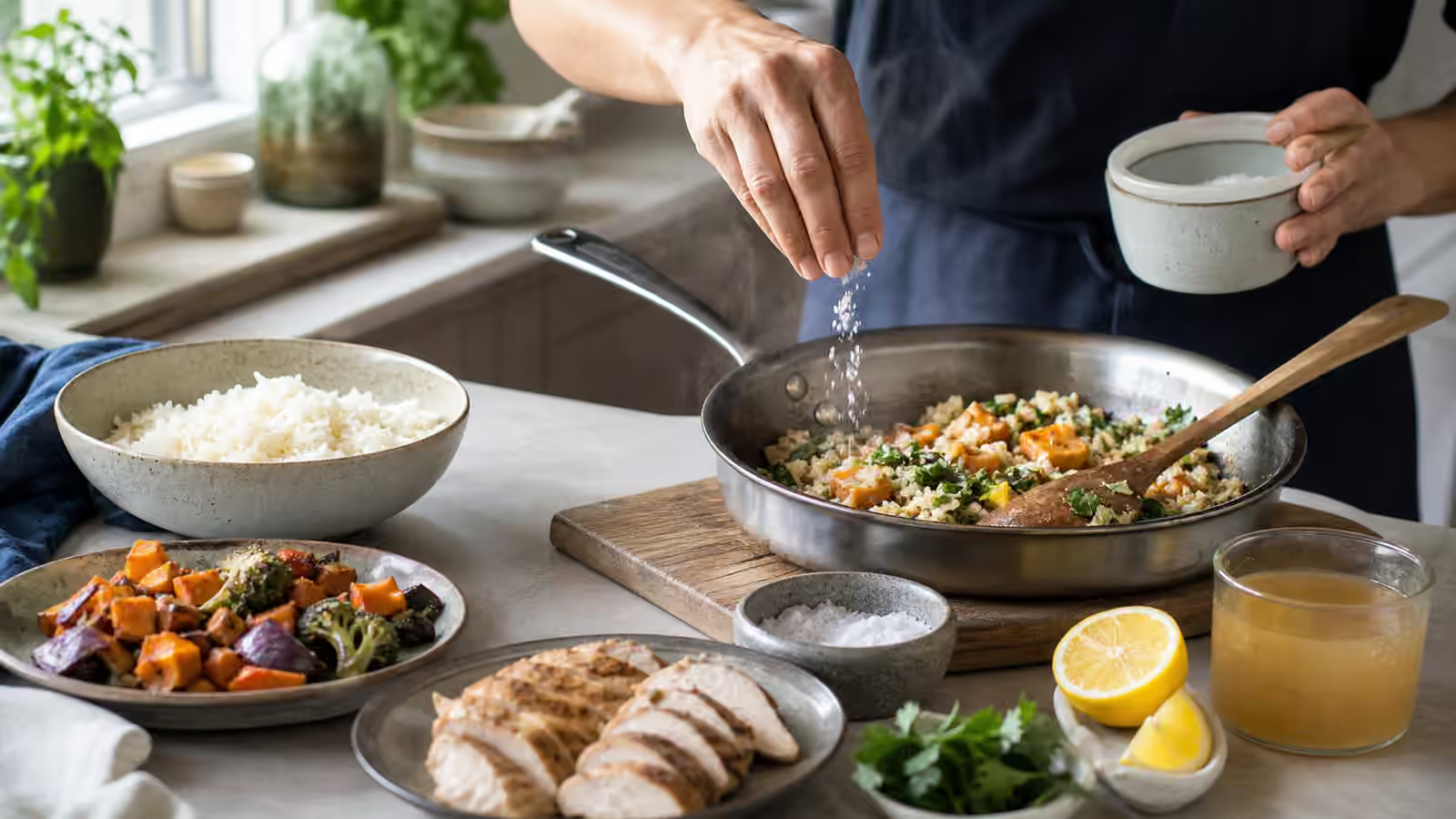
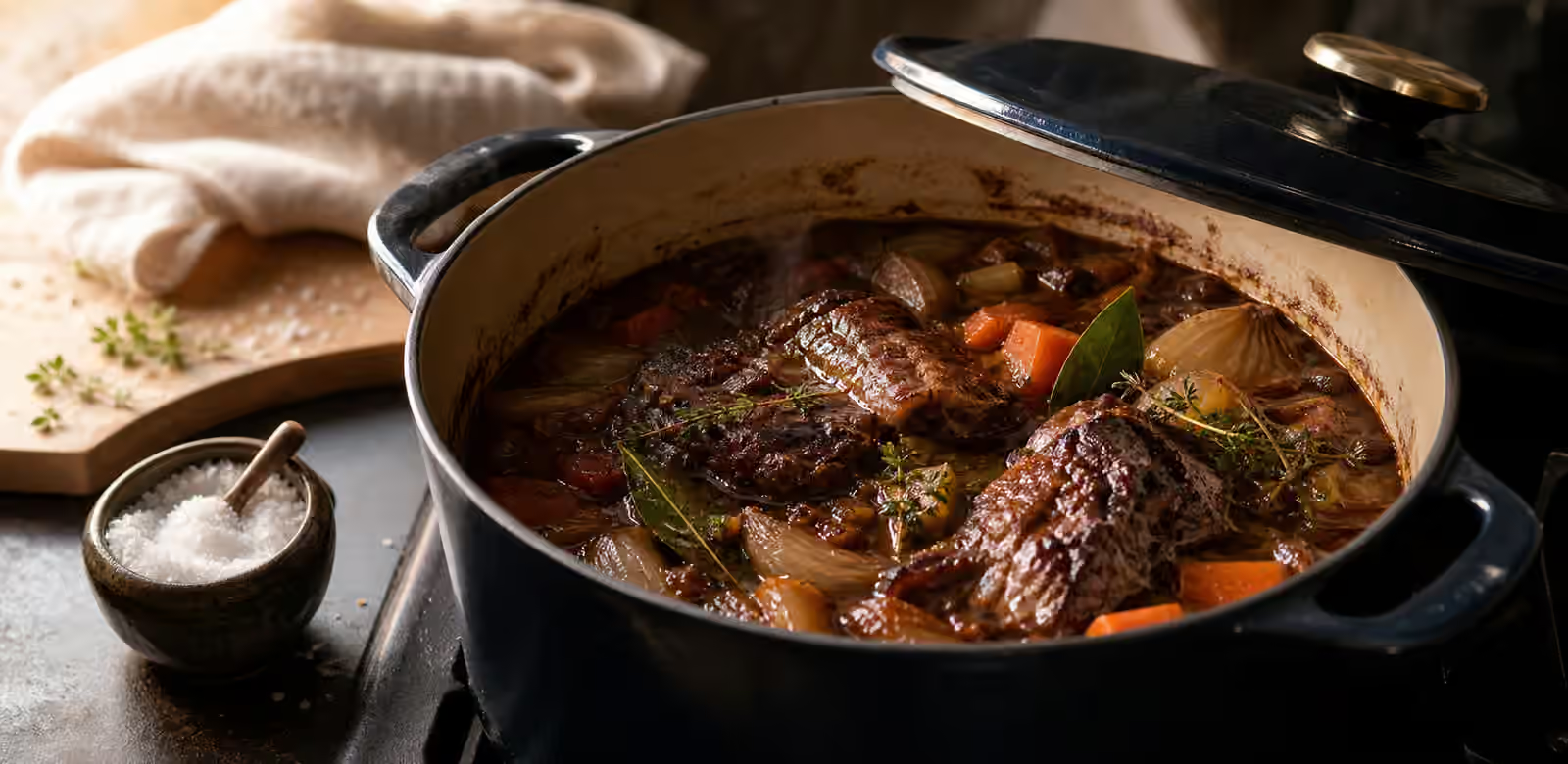
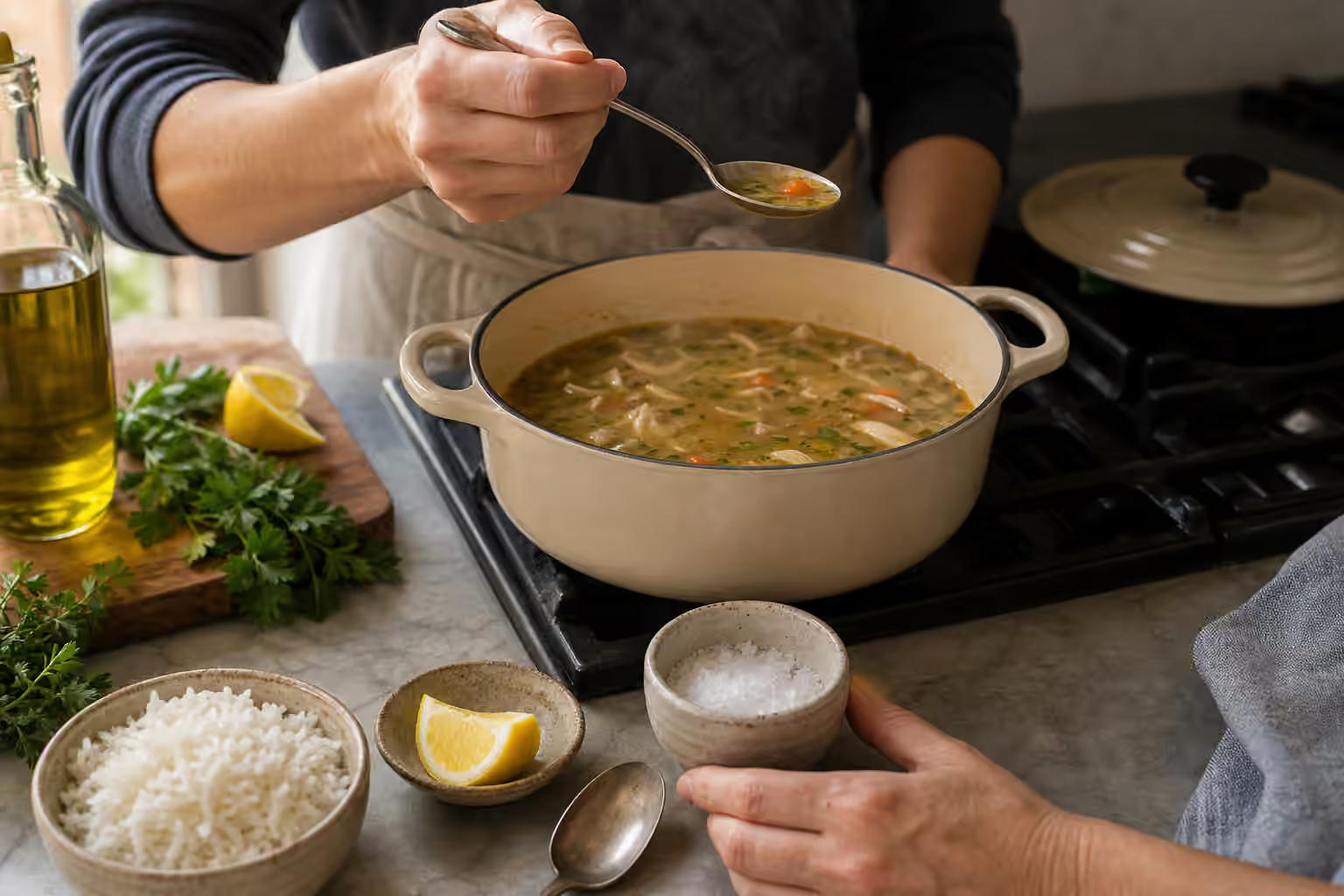
If soup tastes salty but still hollow, read Salting Soups, Stews, and Broths . It explains why liquid cooking needs layers: early aromatics, salted ingredients, beans, potatoes, reduction, acid, and final tasting all change the answer.
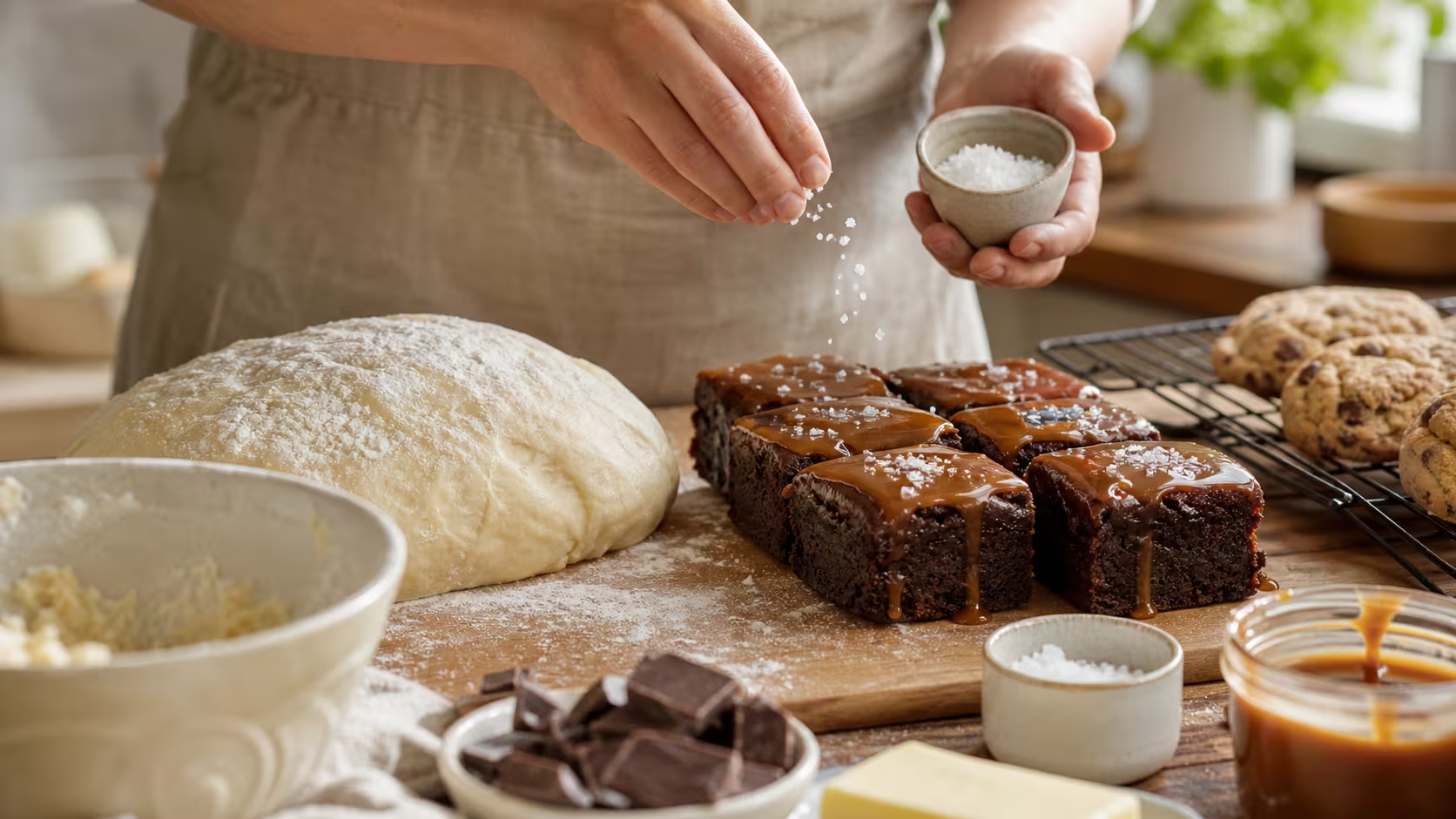
If you bake often, add Salt in Baking and Sweets to the same path. It explains why bread, cookies, cakes, chocolate, caramel, and fruit desserts need salt even when the finished dish should never taste obviously salty.
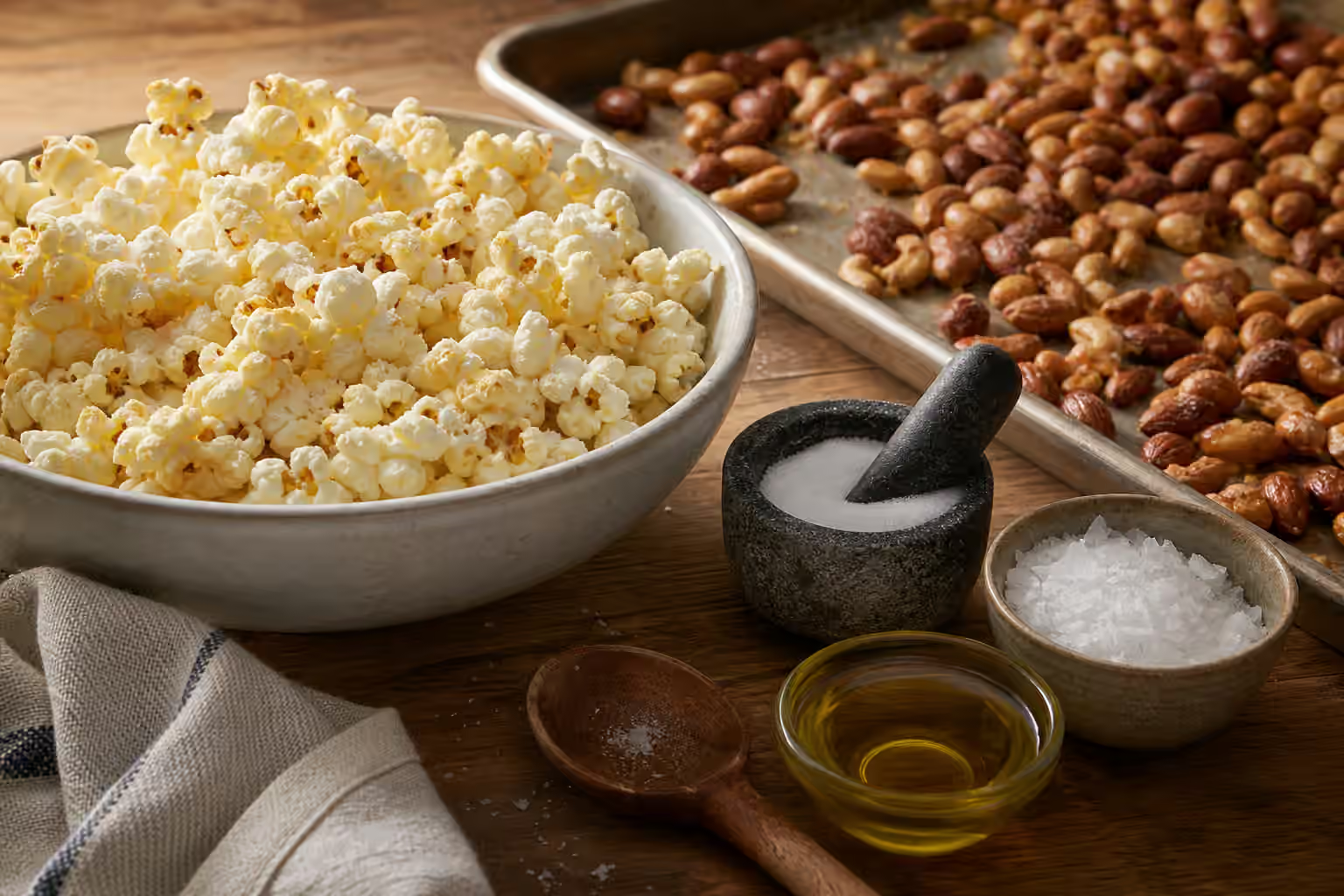
If a dish tastes salted but still unfinished, read Salt, Acid, and Fat . It explains the balance among focus, brightness, and richness so the next pinch is not asked to solve a problem that lemon, vinegar, butter, olive oil, or a different finishing move would solve better.
Reading paths
Start here
- Salt Quickstart for the five salt categories that matter in a home kitchen
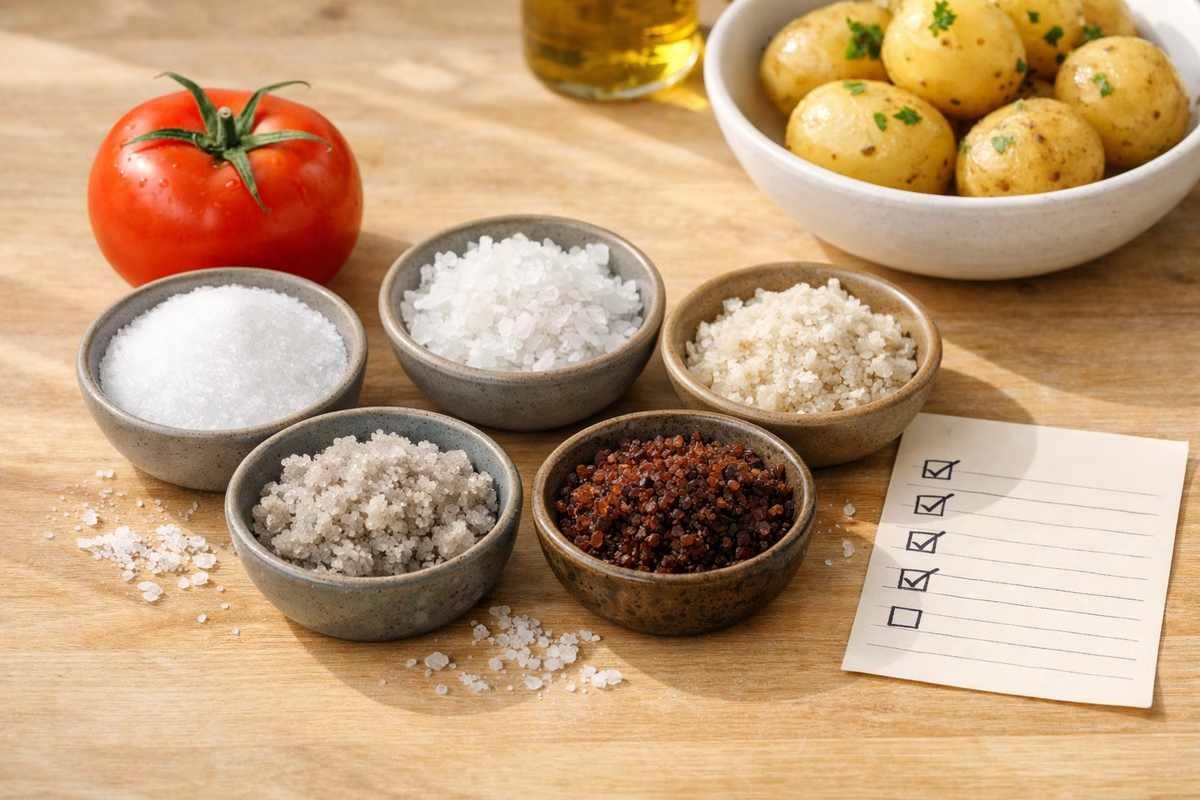
- Buying Artisanal Salt for building a smart, small collection
- When to Salt for timing, texture, and the difference between seasoning and finishing
- Salting Vegetables for water, crunch, salads, roasting, and everyday produce
- Salting Soups, Stews, and Broths for layered liquid seasoning, reduction, beans, potatoes, and final tasting
- Salt in Baking and Sweets for dough, butter, chocolate, caramel, fruit, and finishing salt on desserts
For the history-minded
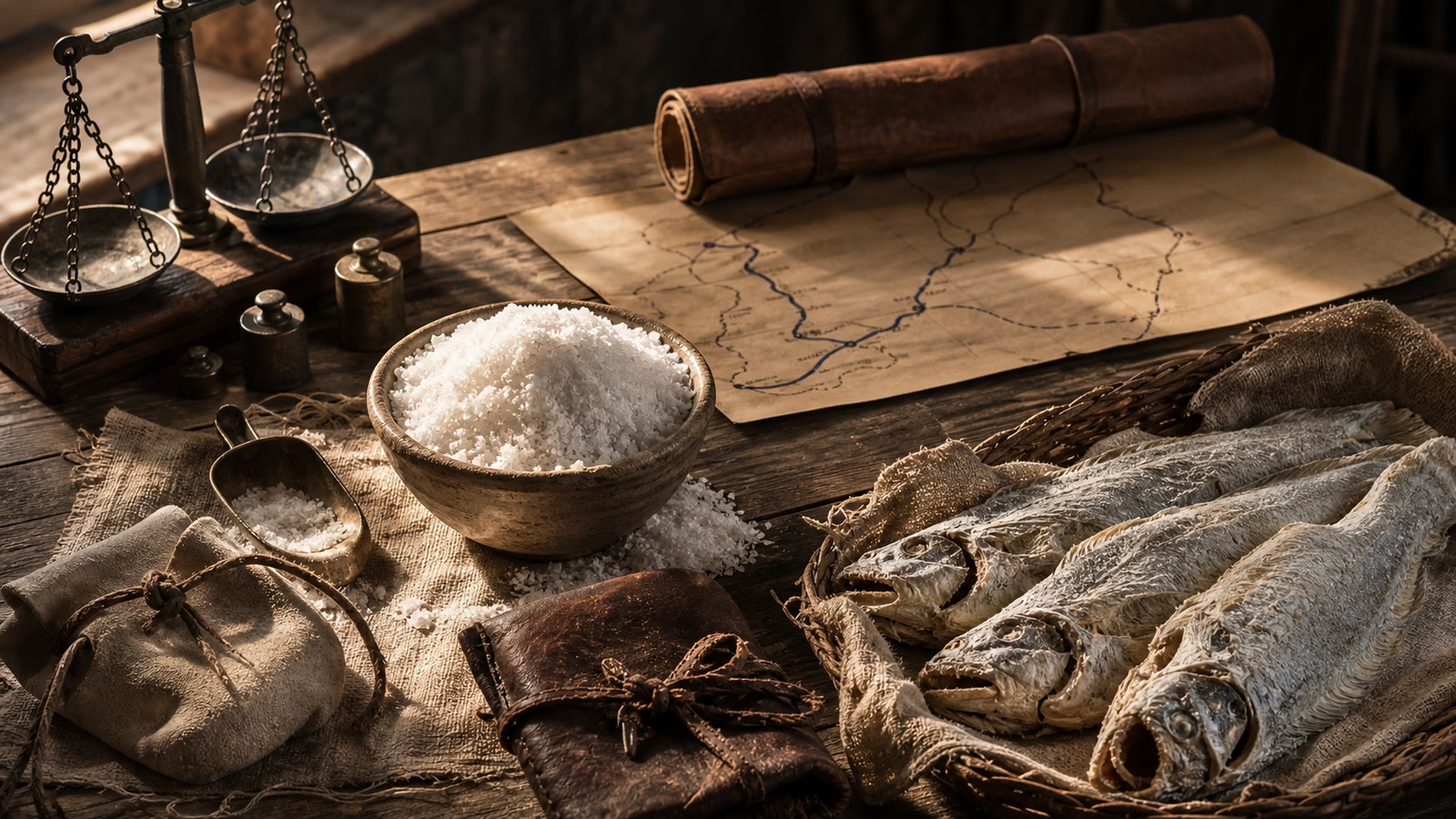
- A Human History of Salt for trade, preservation, power, and ritual
- How Artisanal Salt Is Harvested for solar ponds, salt pans, boiling houses, and hand-raking
For salt nerds
- Fleur de Sel for the most delicate harvest
- Sel Gris and Wet Salts for mineral, damp, savory salts
- Mineral-Rich and Mined Salts for dense crystals, underground seams, and regional myths
Read one guide, then season something immediately. Salt knowledge sticks fastest when it hits food.