Salt vocabulary can sound more elaborate than the ingredient itself. Most of the words describe where the salt came from, how the water left it, what shape the crystals took, or how the salt behaves when it touches food.
The useful way to read a salt label is not to treat every term as a promise of better flavor. Read it as a clue. Texture affects how salt lands on the tongue. Moisture affects how it clings. Production method can explain color, density, and price. Trace minerals may add character, but they do not turn salt into medicine.
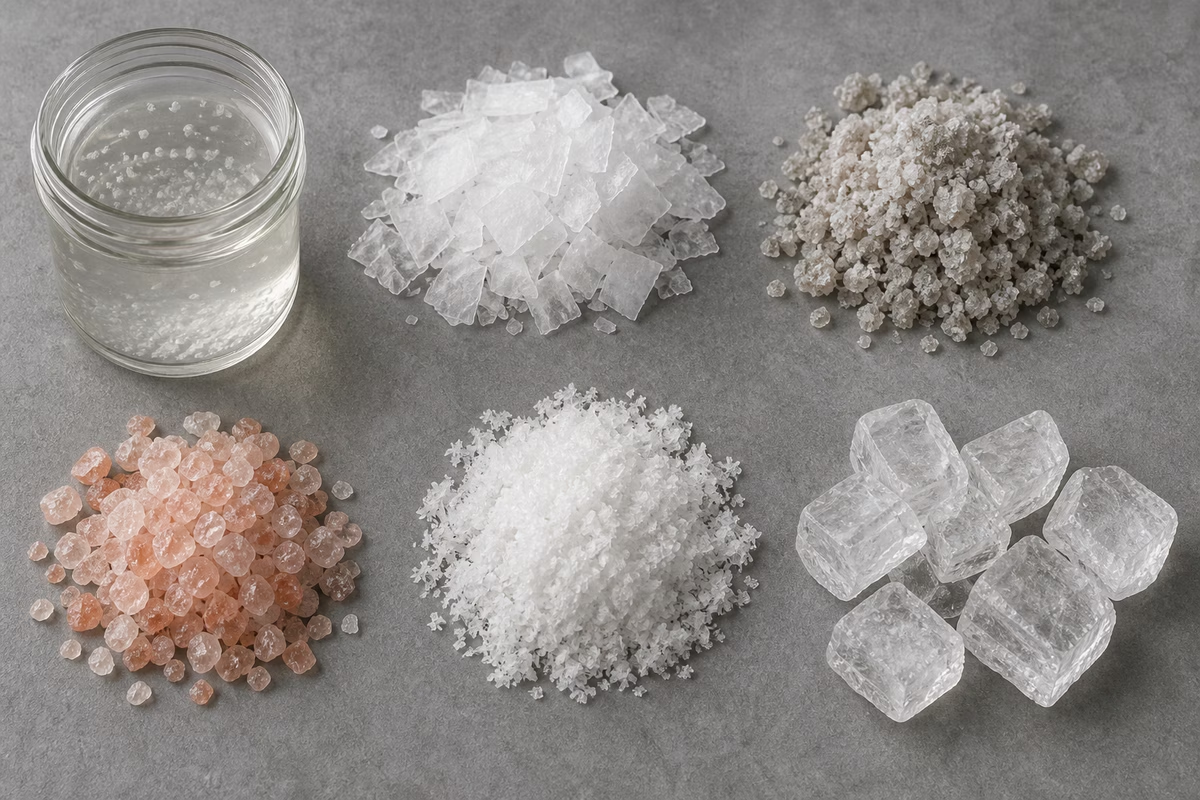
Brine
Brine is water that contains dissolved salt. Natural brine may come from the sea, from inland saline lakes, or from underground springs that pass through salt-bearing geology. In saltmaking, brine is the starting point: the maker concentrates it, manages it, and eventually removes enough water for salt crystals to form.
Crystal structure
Crystal structure describes the shape and arrangement of the salt crystals. This is one reason two salts with the same basic chemistry can feel so different. A thin flake crushes and dissolves quickly on a tomato or piece of chocolate, while a denser crystal may land with more crunch and hold its texture longer.
Evaporation pond
An evaporation pond is a shallow pond used to concentrate saltwater as sun and wind remove moisture. Traditional sea salt works often use a sequence of ponds, moving brine from one stage to another as it becomes saltier. The slow concentration process is part of what gives many artisanal salts their texture and character.
Finishing salt
Finishing salt is salt used at the end of cooking or at the table, where texture and visible presence still matter. It is not meant to disappear into pasta water or soup. It is meant to sit on the surface long enough for the eater to notice the crunch, sparkle, and clean burst of salinity.
Flake salt
Flake salt is a dry, brittle salt with thin crystals that crush easily and dissolve quickly. It is excellent for finishing because a small pinch spreads broadly across food and gives a clear salty lift without the heavy bite of a dense crystal. Cooks often like it because it is easy to pinch and easy to feel between the fingers.
Fleur de sel
Fleur de sel is a delicate surface salt skimmed from the top of salt ponds under favorable conditions. The crystals form lightly at the brine surface and are traditionally harvested with care before they sink or change texture. Its value comes from texture, labor, and the narrow conditions required to harvest it well.
Halite
Halite is the mineral form of sodium chloride, often associated with rock salt and mined salt deposits. It can be ancient sea salt preserved underground by geology rather than a product of modern evaporation ponds. When a label mentions mined salt, halite is usually part of the story.
Mineral-rich salt
Mineral-rich salt is a loose term for salts containing trace minerals that may influence color, moisture, and subtle flavor character. The phrase can be useful when it describes real sensory differences, but it is often overmarketed. Trace minerals do not make ordinary salt a miracle food, and they are usually present in very small amounts.
Moist salt
Moist salt retains water, giving it a damp texture and often a denser feel on food. It may cling beautifully to fish, vegetables, or grilled meat, but it does not pour like a dry table salt. Moisture changes how the salt stores, pinches, dissolves, and behaves in a grinder or shaker.
Mined salt
Mined salt is extracted from underground deposits rather than produced through active seawater evaporation. Some mined salts are refined heavily for industrial or table use, while others are sold with visible mineral color and larger crystals. The important distinction is origin, not automatic quality.
Sea salt
Sea salt is produced from evaporated seawater. The category includes everything from everyday cooking salt to expensive finishing crystals, so the words alone do not guarantee texture or quality. The method, place, drying, harvesting, and finishing all matter.
Sel gris
Sel gris is gray, usually moist sea salt associated with clay-lined salt pans and a denser mineral character. The gray color often reflects contact with the harvesting surface and retained minerals. It tends to feel earthier and heavier than delicate surface salts such as fleur de sel.
Surface salt
Surface salt forms at or near the top of the brine surface rather than collecting on the bottom of the pan. These crystals are often lighter and more delicate because they have not grown into dense masses below. Many prized finishing salts depend on careful surface harvesting.
Trace minerals
Trace minerals are minerals present in very small amounts besides sodium chloride. They may affect color, moisture, and subtle flavor, especially in less refined salts. They do not turn salt into a miracle food, and the culinary value is usually about sensory character rather than nutrition.
Wet salt
Wet salt is another term for a moist salt. It is often associated with gray or coarse sea salts that retain some of the water from harvest and processing. The dampness can make the salt feel generous and tactile, but it also means storage and measuring behave differently from dry salt.
Where to go next
For a practical first pass, read Salt Quickstart . For texture and production differences, continue with Artisanal Salt Types . For the wider story behind why salt shaped trade, preservation, and power, read A Human History of Salt .