A mattress cannot perform well on the wrong support. Sagging slats, weak center legs, noisy joints, and poor airflow can make a good bed feel worse than it is.
Before replacing the mattress, inspect the frame.

Match support to the mattress
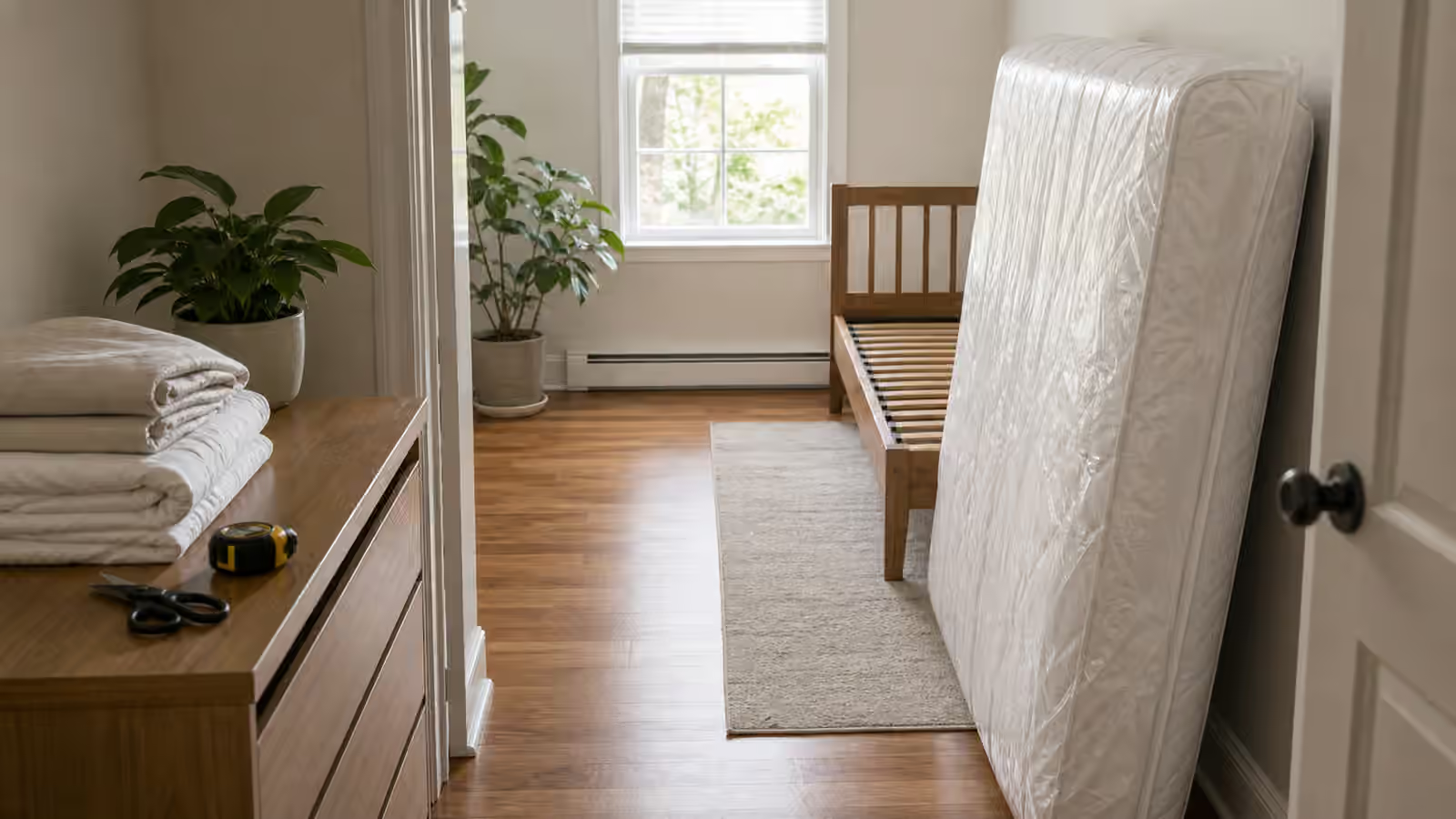
Different mattresses need different support. Always check the mattress maker’s support requirements, especially slat spacing, center support, and adjustable-base compatibility. A mattress that sags on a weak frame may look like a comfort problem when it is really a foundation problem.
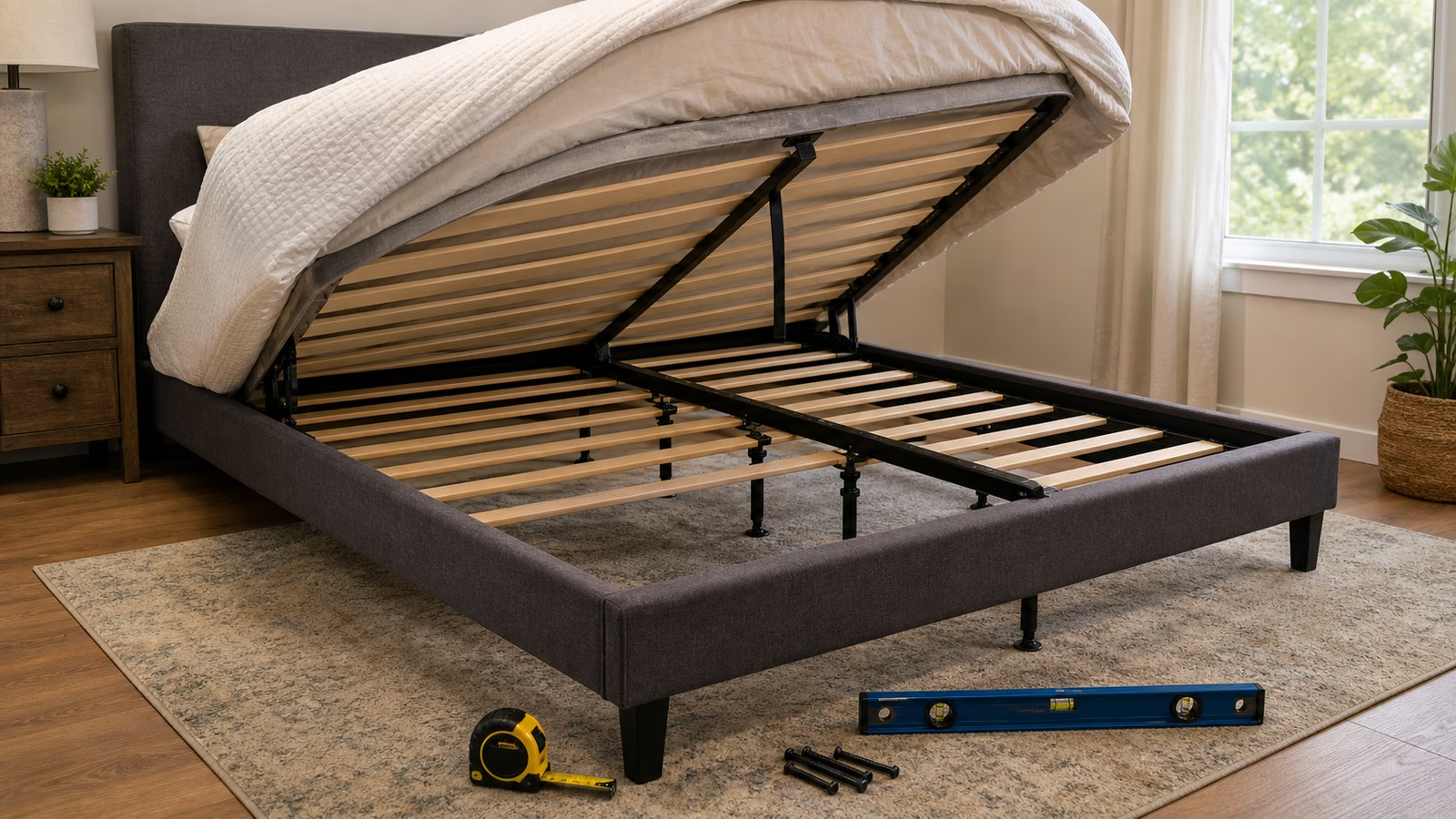
For queen, king, and heavier mattresses, center legs and a solid middle rail matter. For foam mattresses, wide slat gaps can be a problem. For platform beds, airflow and moisture management matter more than people expect.
What matters underneath
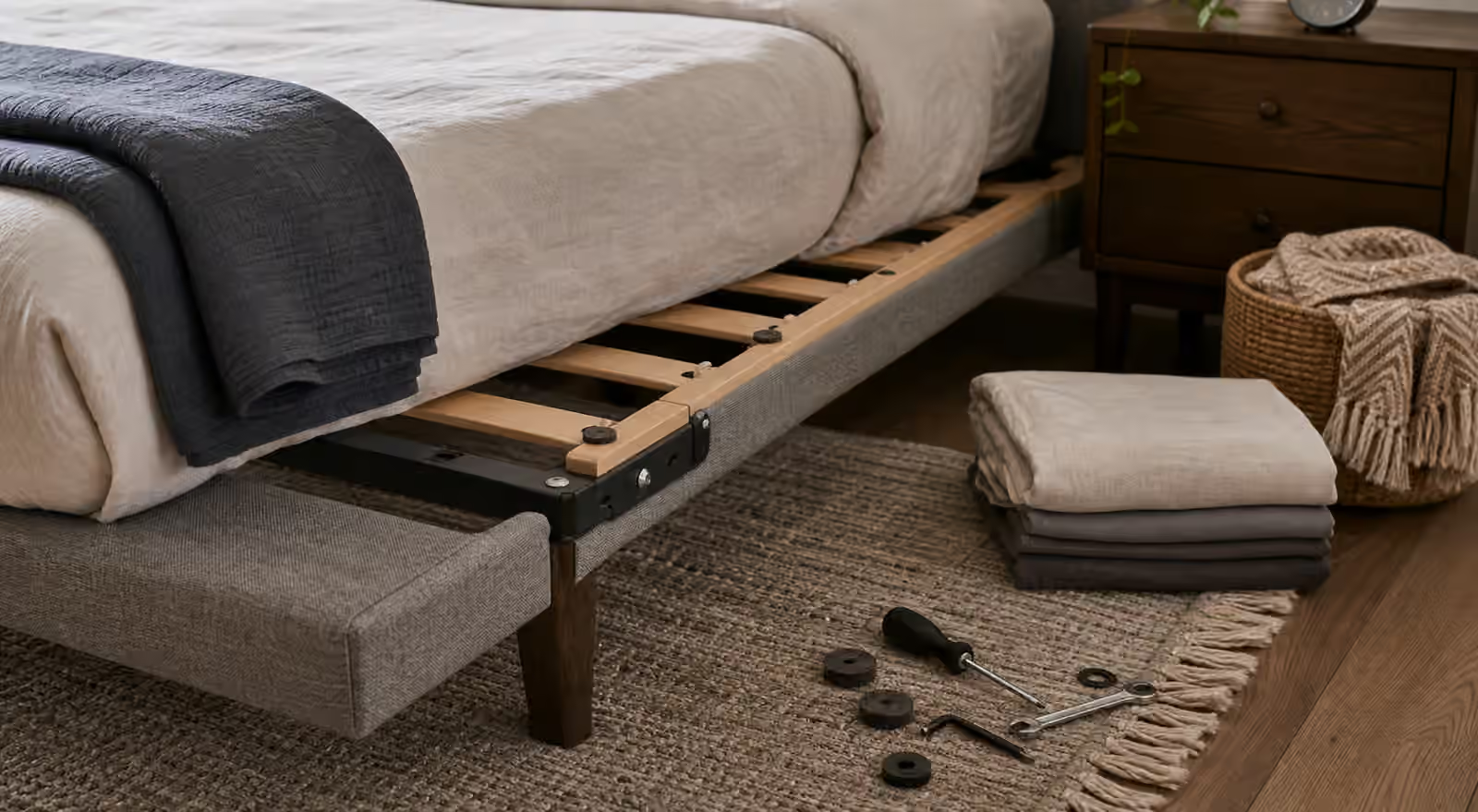
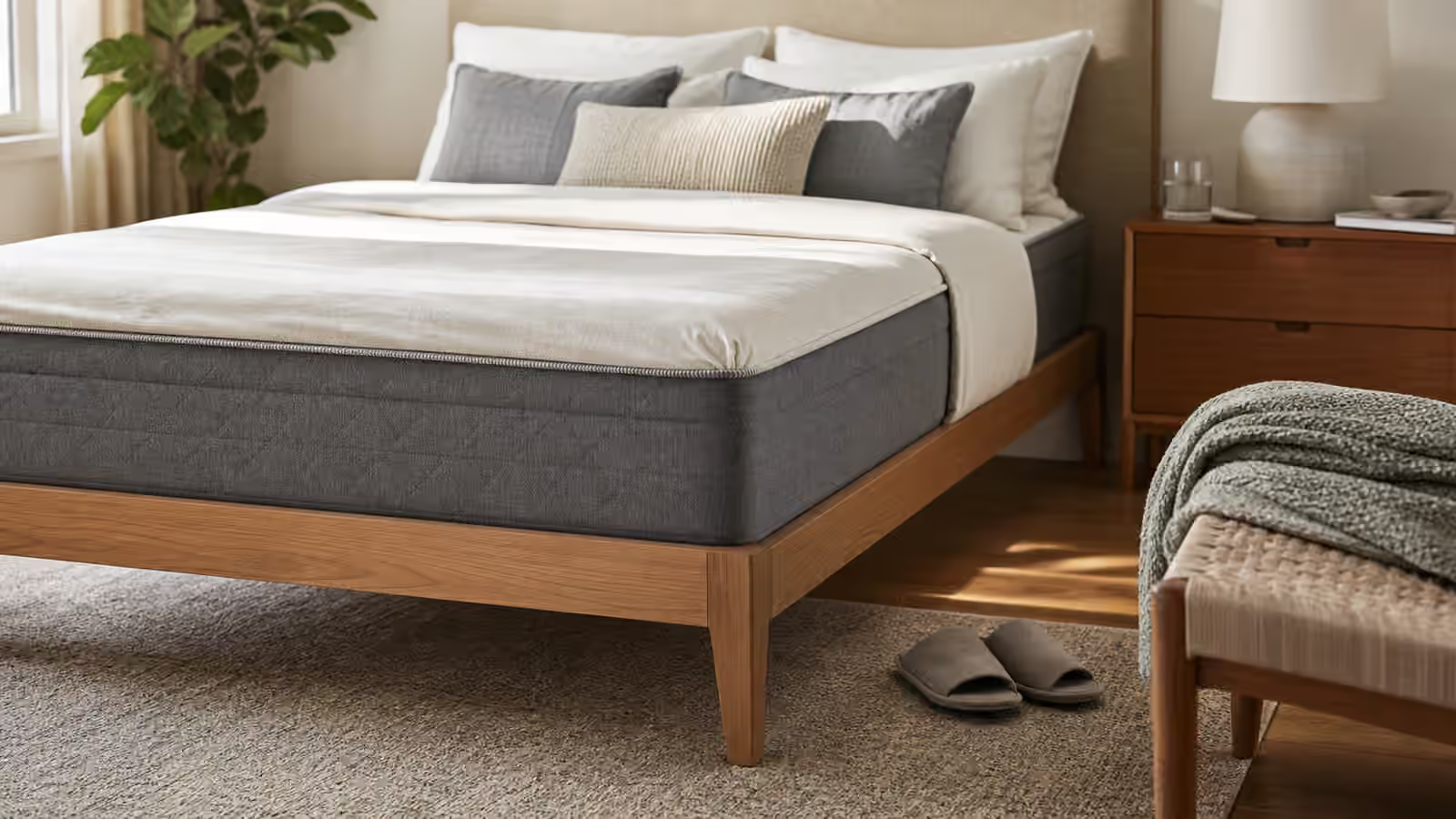
Slats need the right spacing, enough strength, and support through the center. A platform needs flat support, airflow, and a plan for moisture. A metal frame needs a center rail, stable legs, quiet joints, and a headboard that does not wobble. An adjustable base needs mattress compatibility, tolerable motor noise, and enough wall clearance. Height matters too, because a thick mattress on a tall frame can make getting in and out harder and change how bedding falls.
Noise and movement test
Before shopping, do a basic inspection. Tighten bolts and brackets. Check whether slats shift or flex unevenly. Confirm the frame touches the floor evenly. Look for missing center legs or bent support rails. Move the headboard by hand and listen for knocks. Sit on the edge and roll across the mattress.
If the frame changes the test result, fix the frame before judging the mattress.
When the frame is the real problem
A weak foundation often shows up as vague discomfort: the middle feels hammocked, one side rolls inward, the edge collapses, or the bed sounds busy even when nobody moves much. Those symptoms can make people blame firmness, foam quality, or age when the mattress is simply unsupported. Lift a corner and look. A missing center foot, a cracked slat, a bowed rail, or a too-wide gap is concrete evidence. If a cheap support fix changes the feel within a night or two, you just saved yourself from replacing the wrong thing.
Shopping shortcut
For a noisy or weak existing setup, compare replacement bed slats and center-support legs before buying a new mattress. Cheap support fixes often clarify whether the mattress itself is the real issue.
Buy support, not just style
Check whether the mattress warranty requires a certain slat spacing or foundation type. Make sure queen, king, and heavier mattresses have real center support. Notice whether the frame can be tightened later, whether air can move under the mattress, and whether the finished height works with the mattress thickness.
The common mistakes are all avoidable: choosing a frame by headboard style while ignoring support, forgetting that thick mattresses make tall frames taller, buying under-bed drawers without checking room clearance, putting a new mattress on broken slats, and ignoring squeaks until the return window is over.
First fix
Tighten bolts, replace broken slats, add center support if appropriate, and check that the frame sits level. Those small fixes can clarify whether the mattress itself is the problem.
Next step
Fix the support before judging the mattress. A quiet, level, properly supported bed gives every mattress a fairer trial.
Apply this guide as a decision record
Use Bed Frames and Foundations: The Support Under the Mattress to turn a vague household question into a checkable one. Its scope is specific: A practical guide to bed frames, slats, platforms, adjustable bases, and foundation checks. Before changing the setup, write down the condition you are trying to change, the constraint that matters most, and the evidence you still lack.
For a first pass through bed frames foundations, compare the current state with a relevant baseline and record one observation, measurement, or conversation. Make the smallest reversible change available. Keep the manual, model number, room condition, schedule, or maintenance note beside the decision so a future check does not depend on memory. Keep bed frame, foundation, slats in view as separate signals instead of treating them as one verdict.
A useful follow-up asks whether Bed Frames and Foundations: The Support Under the Mattress improved the named problem without creating a new one. Check the tradeoff that fits this subject — heat, noise, comfort, water, power, wear, effort, or cost — and describe the result in plain language. If a boundary is safety-critical, stop at the guide’s limit and bring the details to a qualified local professional.
The conclusion for bed frames foundations should stay narrow. Record what was observed, which condition made the result possible, what maintenance keeps it dependable, and what would make you revisit the choice. That turns a guidebook into a decision record you can use again rather than a promise to remember.