The easiest bedding setup is the one you can keep clean without drama. A beautiful bed that depends on impossible laundry will not stay beautiful.
Build the wash routine into the buying decision.
What needs a plan
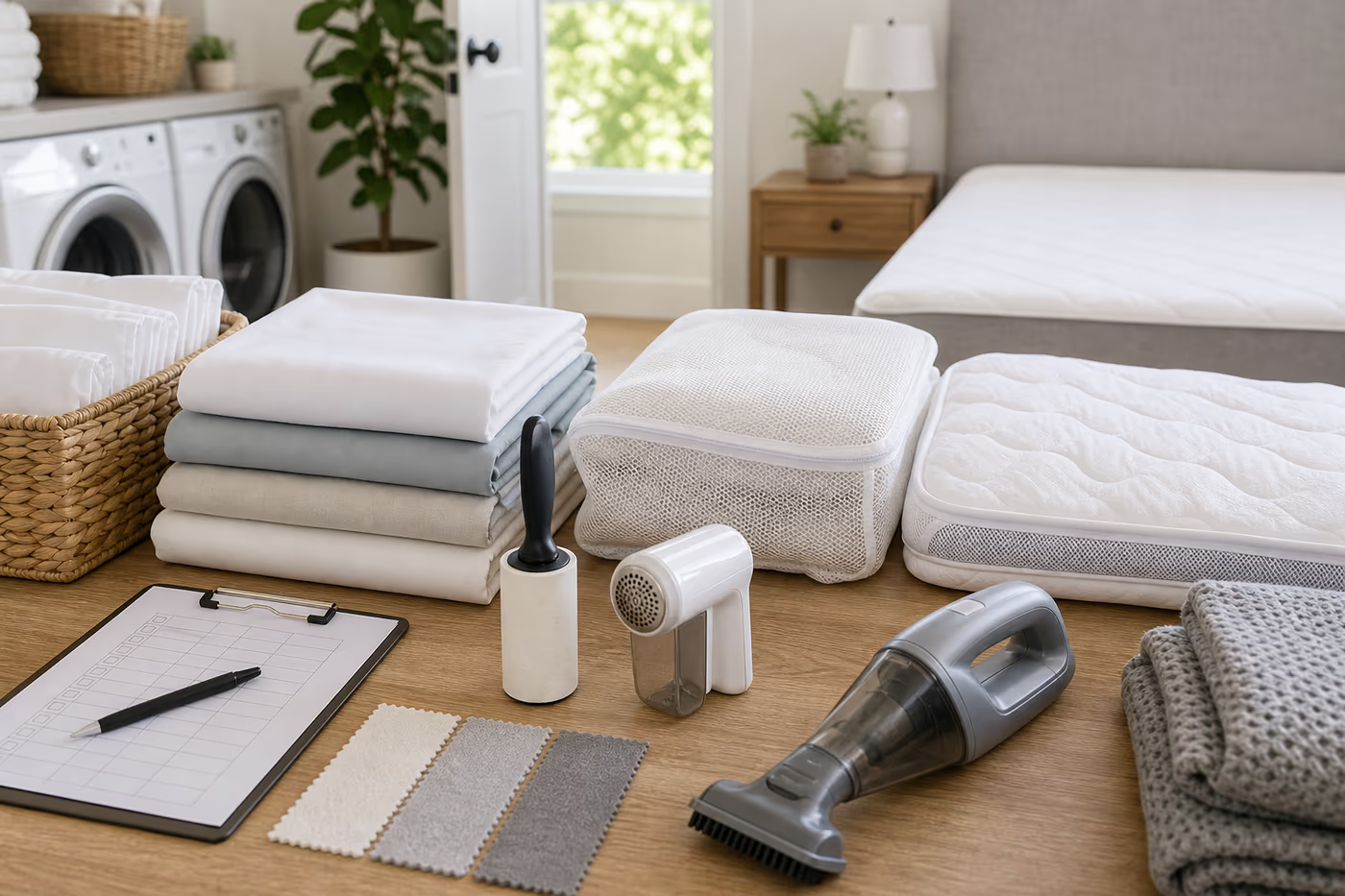
Sheets, pillowcases, mattress protectors, pillow protectors, duvet covers, comforters, throws, weighted blankets, topper covers, travel pillowcases, and masks all need a cleaning plan. The more layers a bed has, the more important it is to know what fits in the washer, what fits in the dryer, and what needs time to air dry.
Build a rotation system
The simplest rotation is not fancy. It is one set on the bed, one clean set ready, and no mystery pile waiting for a perfect laundry day.
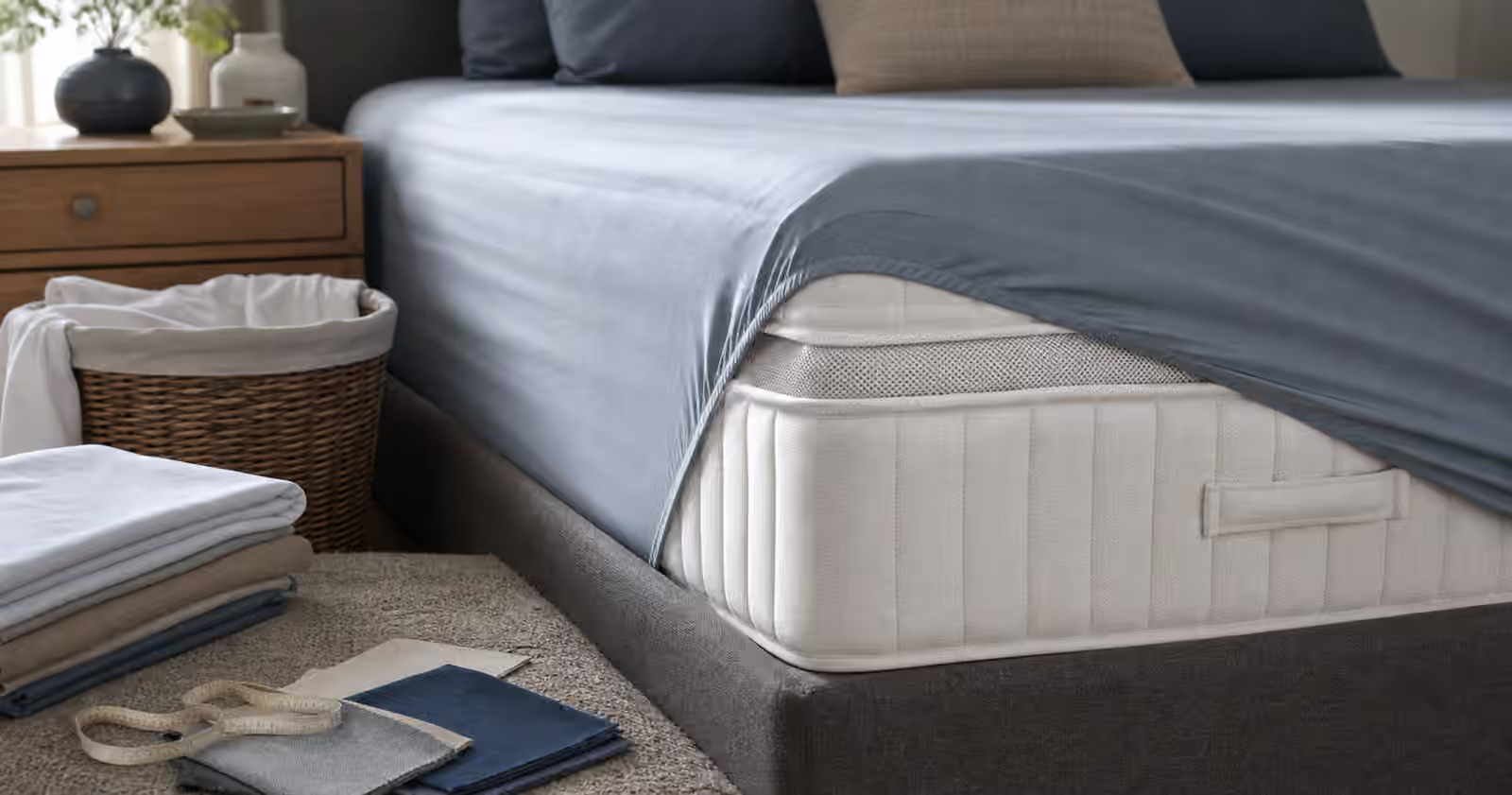
Two sheet sets per bed are usually more useful than one perfect set. Extra pillowcases help when hair products, sweat, or pets are common. A fitted mattress protector should match the mattress depth and dryer rules, and a second protector may be worth it where accidents or frequent washing are likely. Pillow protectors should zip smoothly without rubbing or clicking. A duvet cover is easier to wash than a full insert, but only if you can put it back on without hating the task. Throws should be limited to the number you can store and clean.
Drying and storage
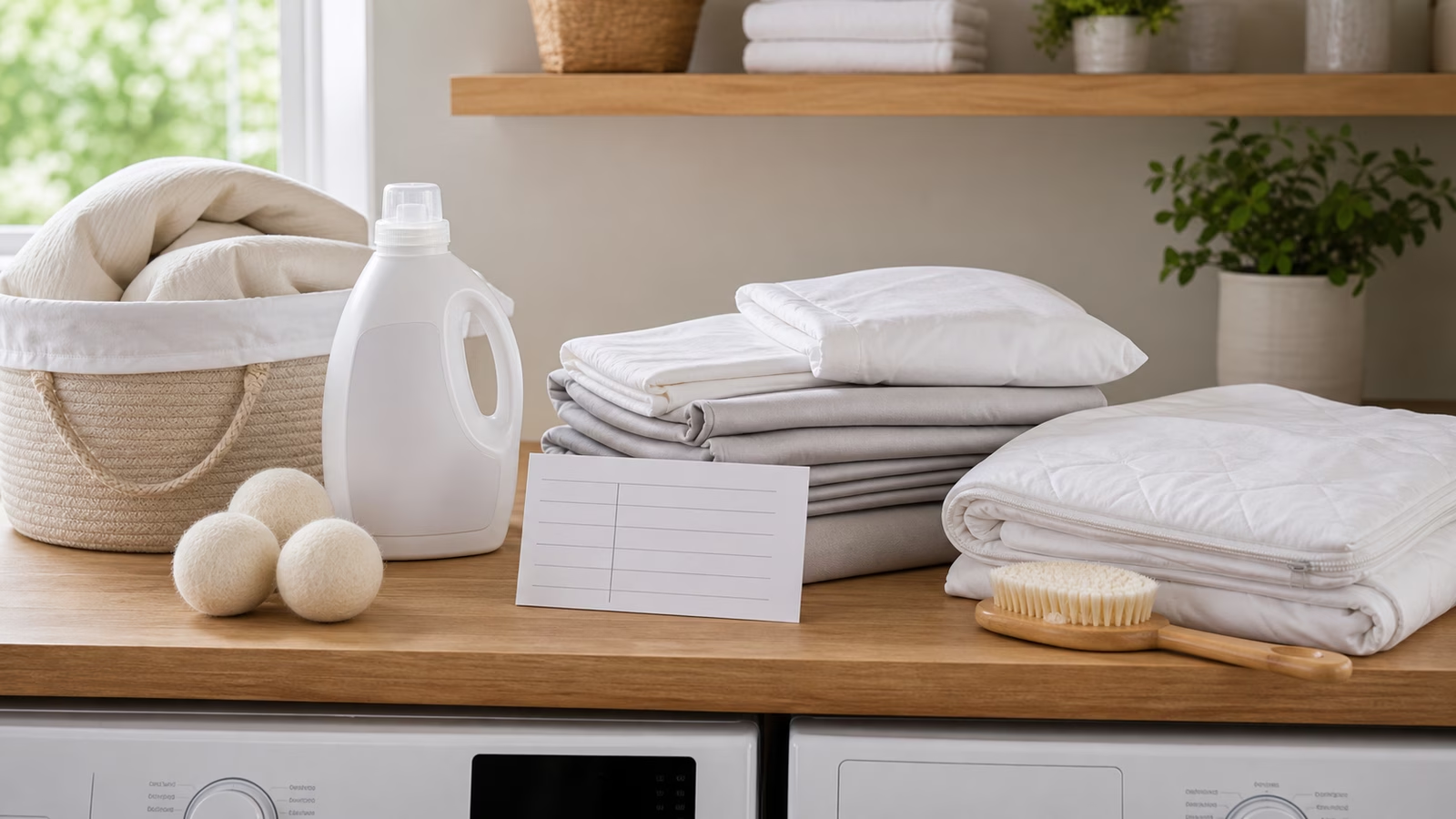
Large bedding can fail at the dryer, not the washer. Comforters, mattress pads, and weighted blanket covers may need extra time, low heat, tennis balls or dryer balls, or air-drying space. Check that before buying a thick layer.
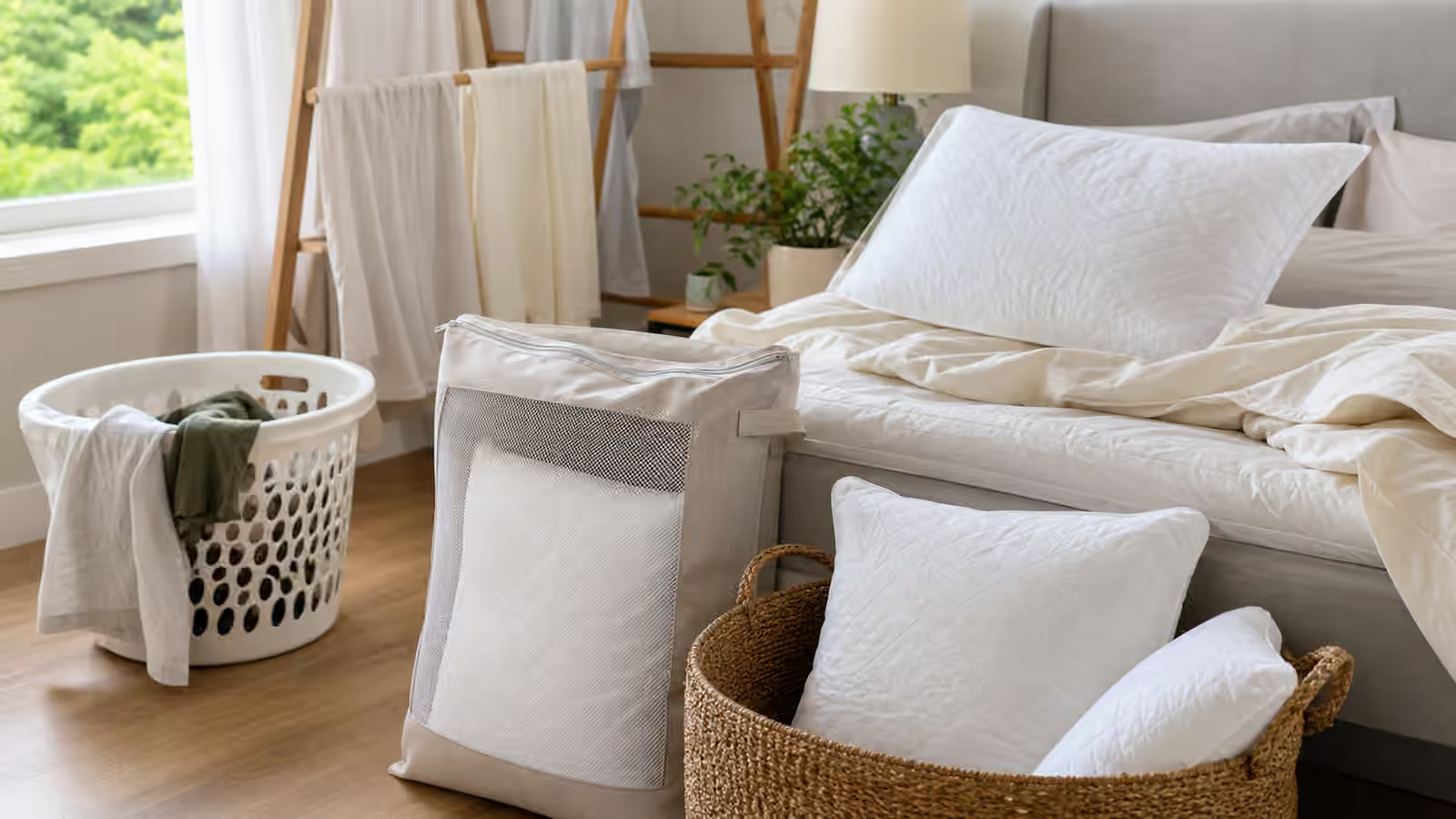
Store clean bedding in a dry place with enough air around it. Avoid stuffing slightly damp bedding into bins. If a set smells stale when you pull it out, the storage plan is not working.
Match the routine to real laundry
The best rotation is the one that survives a normal week. If laundry only happens on weekends, keep enough pillowcases and sheets to bridge that gap without making the bed feel neglected. If pets sleep on the bed, treat throws and top layers as washable shields rather than decoration. If the dryer is small, avoid oversized layers that turn every wash into a half-day project. Buying bedding without checking the laundry path is how a simple bed becomes a chore you keep postponing.
Shopping shortcut
The easiest maintenance cart is zippered pillow protectors , a breathable mattress protector , and breathable bedding storage bags if off-season layers are piling up.
Avoid laundry traps
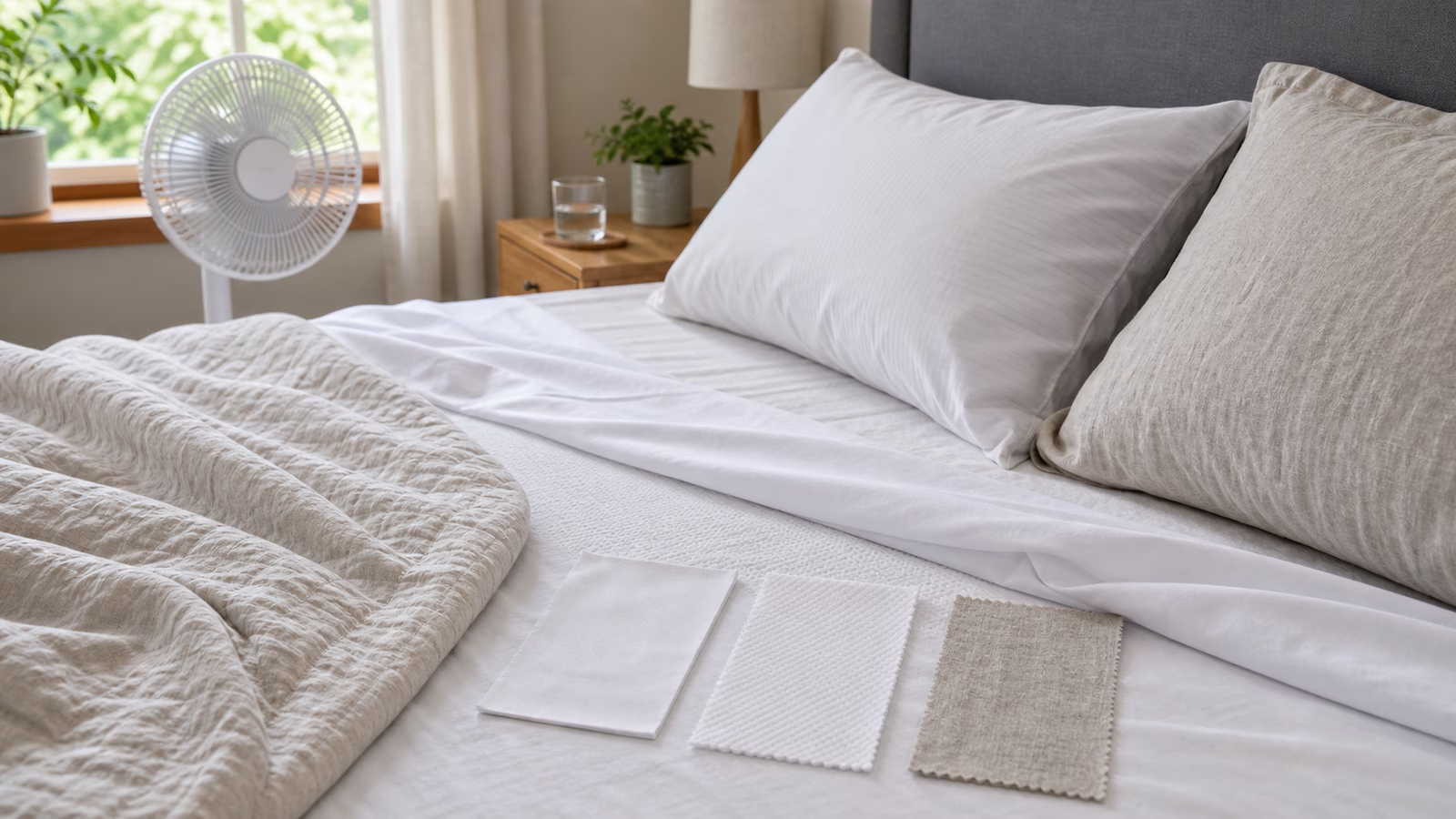
Do not buy white or delicate bedding if your laundry routine is rough. Do not own one excellent sheet set and no backup. Deep mattresses need deeper fitted sheets, especially after a protector or topper is added. A comforter that only fits a commercial washer may be beautiful but impractical. Old pillows, throws, and blankets should not stay forever just because they are hidden in bins.
Good default
Own two sheet sets that you genuinely like and can wash easily. Rotation lowers stress and makes it easier to keep the bed usable while laundry is in progress.
Next step
Make the laundry path part of every bedding purchase. The best layer is one you can clean before it becomes a project.
Apply this guide as a decision record
Use Bedding Wash and Rotation: Sheets, Pillowcases, Protectors, and Throws to turn a vague household question into a checkable one. Its scope is specific: A practical bedroom maintenance guide for washing, rotating, drying, and storing bedding. Before changing the setup, write down the condition you are trying to change, the constraint that matters most, and the evidence you still lack.
For a first pass through bedding wash and rotation, compare the current state with a relevant baseline and record one observation, measurement, or conversation. Make the smallest reversible change available. Keep the manual, model number, room condition, schedule, or maintenance note beside the decision so a future check does not depend on memory. Keep bedding maintenance, laundry, sheets in view as separate signals instead of treating them as one verdict.
A useful follow-up asks whether Bedding Wash and Rotation: Sheets, Pillowcases, Protectors, and Throws improved the named problem without creating a new one. Check the tradeoff that fits this subject — heat, noise, comfort, water, power, wear, effort, or cost — and describe the result in plain language. If a boundary is safety-critical, stop at the guide’s limit and bring the details to a qualified local professional.
The conclusion for bedding wash and rotation should stay narrow. Record what was observed, which condition made the result possible, what maintenance keeps it dependable, and what would make you revisit the choice. That turns a guidebook into a decision record you can use again rather than a promise to remember.