Temperature comfort is a room-and-bedding problem. A fan cannot fix a heat-trapping blanket stack, and new sheets cannot fix a closed-off room with no airflow.
Start with what you can adjust tonight.
Separate bed heat from room heat
The fix depends on where the warmth starts.
Warmth under the torso often points to the mattress protector, topper, or foam comfort layer. Warmth around the head may be pillow fill, pillowcase fabric, or hair coverage. Warmth under the top layer points toward the blanket, duvet, comforter, or weighted layer. A whole room that is hot before bed may be about sun exposure, HVAC timing, or window use. Stale corners often come from fan placement, blocked returns, or cluttered floor paths. One hot side of a shared bed may call for split bedding or a directional fan.
Check bedding layers, protector feel, pajamas, pillowcase fabric, fan direction, HVAC vents, blocked returns, window timing, curtain heat gain, rug thickness, and clutter around airflow paths before buying active cooling gear.
Fan and airflow choices
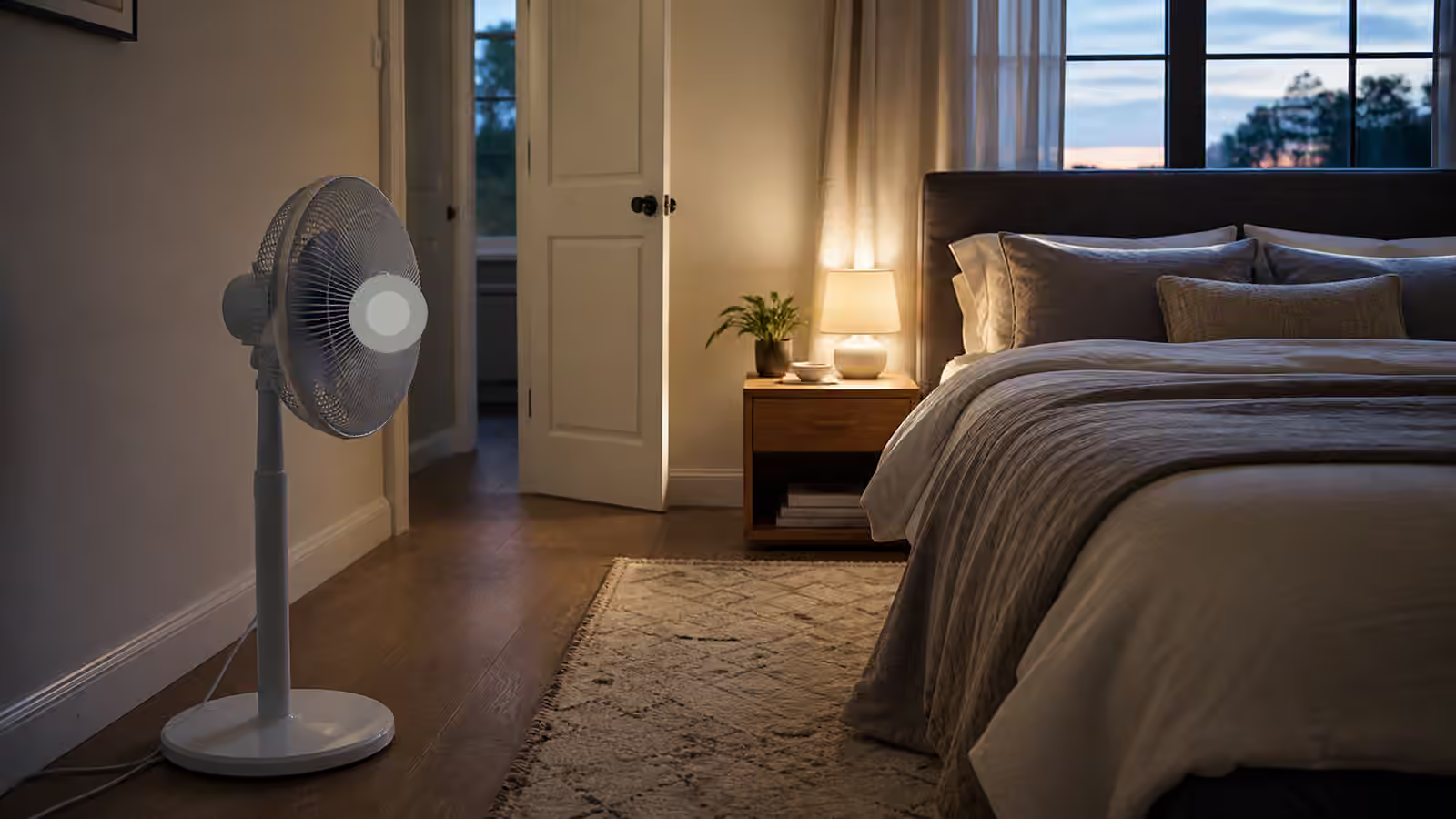
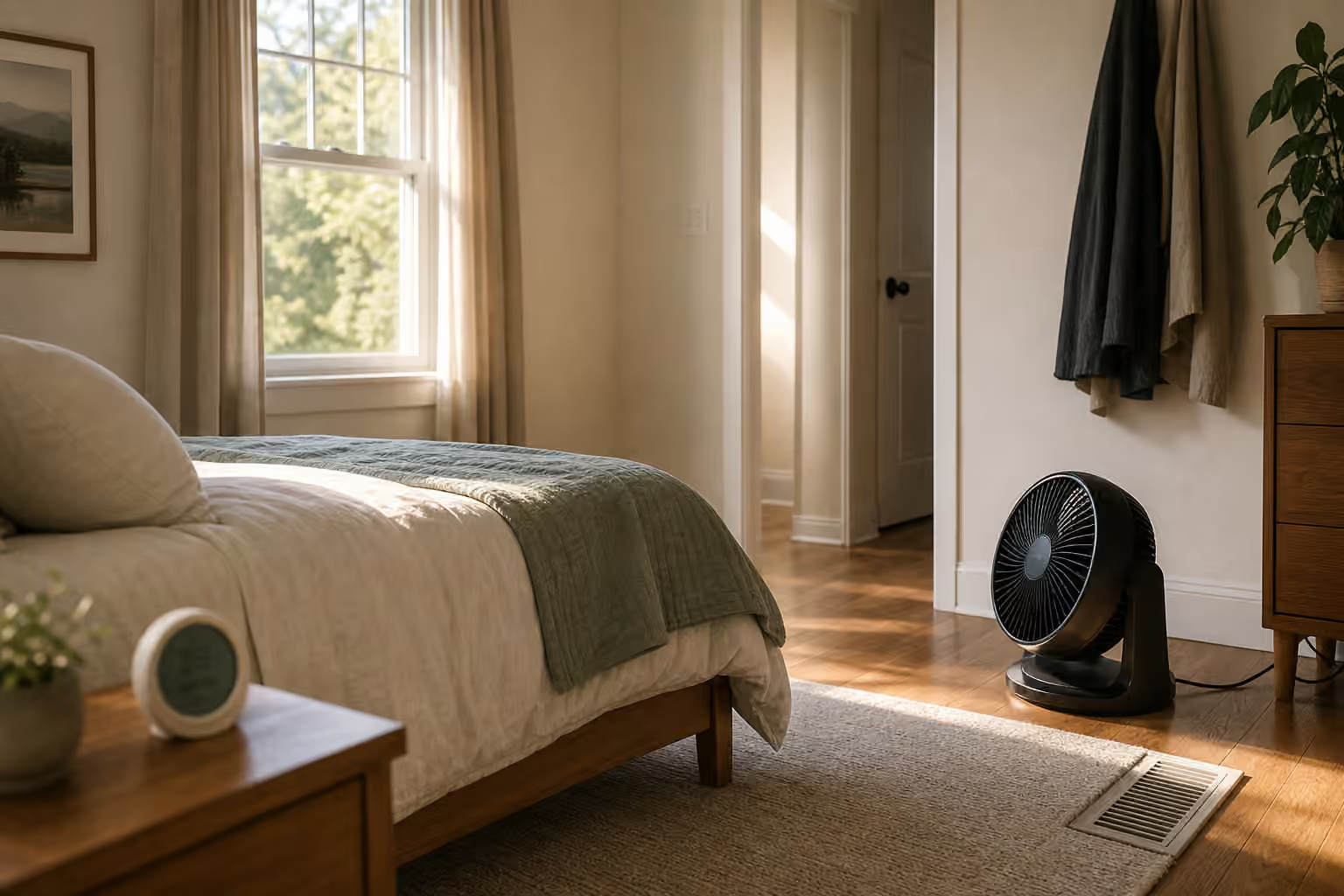
A bedroom fan does not need to be powerful. It needs to be quiet, stable, easy to clean, and usable at a low setting. Tower fans save floor width but can be harder to clean. Box fans move a lot of air but can be visually bulky. Clip fans can work in small rooms if mounted securely and kept away from loose bedding.
Use airflow across the room, not necessarily directly at your face. Direct airflow feels good for some people and distracting for others.
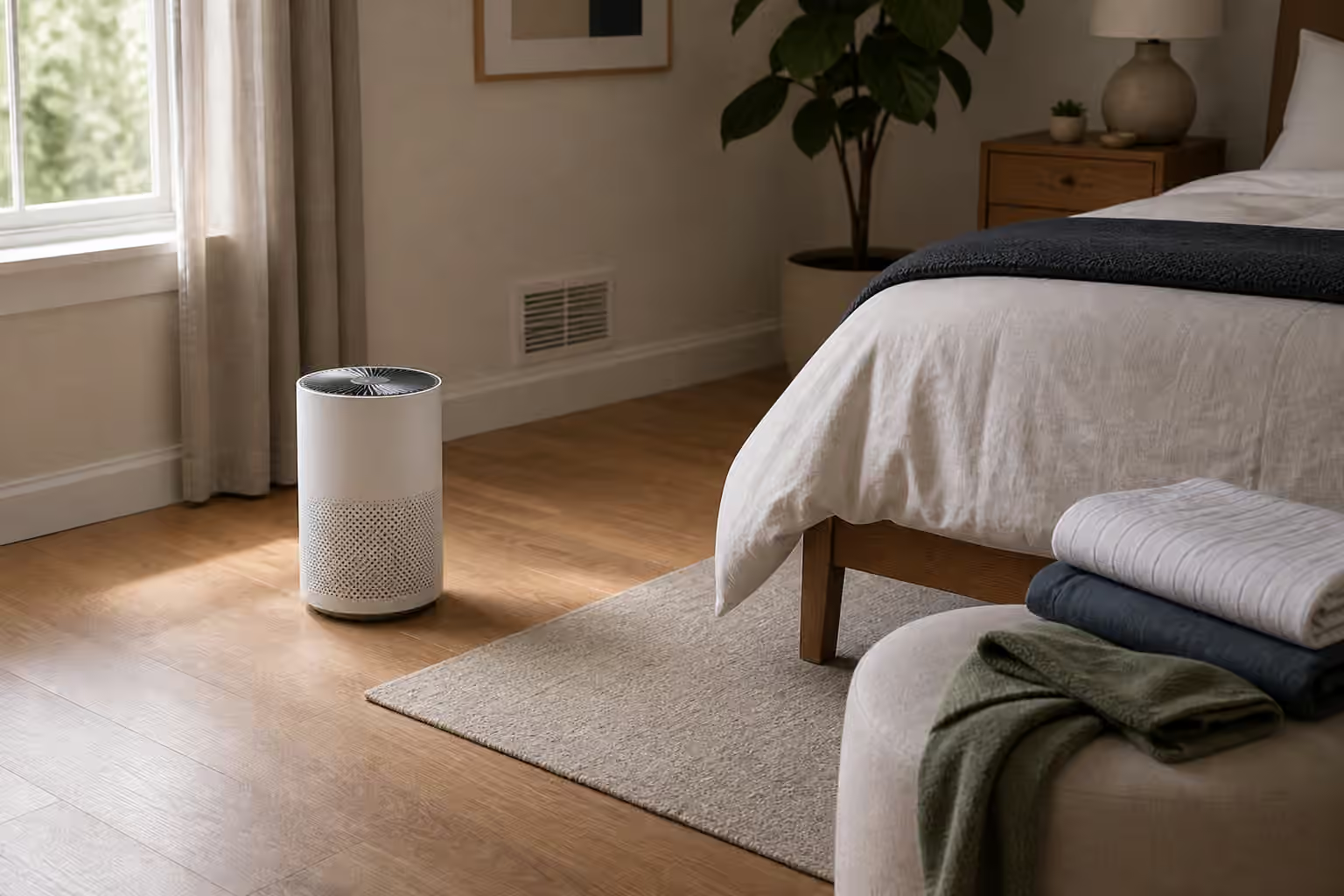
Airflow also depends on where air can return, not just where it enters. A bed skirt, under-bed bins, a thick rug, or a chair pushed against a return can make a room feel stale even when the fan is running. Before buying another fan, move the obvious blockers and notice whether the room cools more evenly before bedtime.
Tune the bed before blaming the room
The room temperature is only one part of the sleep climate. Foam, protectors, heavy duvets, flannel sheets, memory-foam pillows, pets, and closed doors can all trap heat near the body. Before pushing the thermostat further, try changing one layer at a time: a lighter blanket, a more breathable protector, a fan that moves air across the room instead of directly at your face, or a pillow that does not hold heat. If the bed cools down while the room stays the same, the fix is cheaper and easier to repeat.
Shopping shortcut
If the room is the problem, compare quiet bedroom fans . If you are still guessing whether the issue is heat or humidity, start with an indoor thermometer-hygrometer .
Seasonal setup
In warm months, reduce heavy layers and keep curtains from trapping heat around the bed. In cool months, avoid overcorrecting with one bulky blanket if two lighter layers would let you adjust. Recheck airflow after moving furniture or adding under-bed storage.
Seasonal changes should be small enough to repeat. A summer setup might be lighter top bedding, a clearer vent path, and curtains that block afternoon heat without sealing the room into a pocket. A winter setup might be warmer layers that can be peeled back, rather than one heavy comforter that turns every mild night into a compromise.
Good default
Simplify bedding before buying active cooling gear. Remove one layer, switch to a lighter blanket, and test fan direction. If the bed still runs warm, compare protectors, pads, and mattress materials.
Notice the air, not just the number
A thermostat reading can be technically correct while the room still feels wrong. Air may sit heavy in one corner, blow directly across a face, dry out the throat, or trap heat under a thick comforter. Before buying another gadget, stand in the room at bedtime and again at 3 a.m. Notice where the air moves, where it stalls, and which bedding layer is doing the most work. Small changes often teach more than a new appliance: a cracked door, a lower fan setting, lighter sleepwear, cleaner filters, or a blanket that can be peeled back without waking everyone.
Next step
Change the room and the bedding separately so you can tell which one helped. Heat problems are easier to solve when the warm spot is named.
Apply this guide as a decision record
Use Bedroom Temperature and Airflow: Fans, Layers, Vents, and Seasonal Adjustments to turn a vague household question into a checkable one. Its scope is specific: A practical room setup guide for airflow, bedding layers, fans, vents, and seasonal bedroom comfort. Before changing the setup, write down the condition you are trying to change, the constraint that matters most, and the evidence you still lack.
For a first pass through bedroom temperature and airflow, compare the current state with a relevant baseline and record one observation, measurement, or conversation. Make the smallest reversible change available. Keep the manual, model number, room condition, schedule, or maintenance note beside the decision so a future check does not depend on memory. Keep bedroom temperature, airflow, fan in view as separate signals instead of treating them as one verdict.
A useful follow-up asks whether Bedroom Temperature and Airflow: Fans, Layers, Vents, and Seasonal Adjustments improved the named problem without creating a new one. Check the tradeoff that fits this subject — heat, noise, comfort, water, power, wear, effort, or cost — and describe the result in plain language. If a boundary is safety-critical, stop at the guide’s limit and bring the details to a qualified local professional.
The conclusion for bedroom temperature and airflow should stay narrow. Record what was observed, which condition made the result possible, what maintenance keeps it dependable, and what would make you revisit the choice. That turns a guidebook into a decision record you can use again rather than a promise to remember.