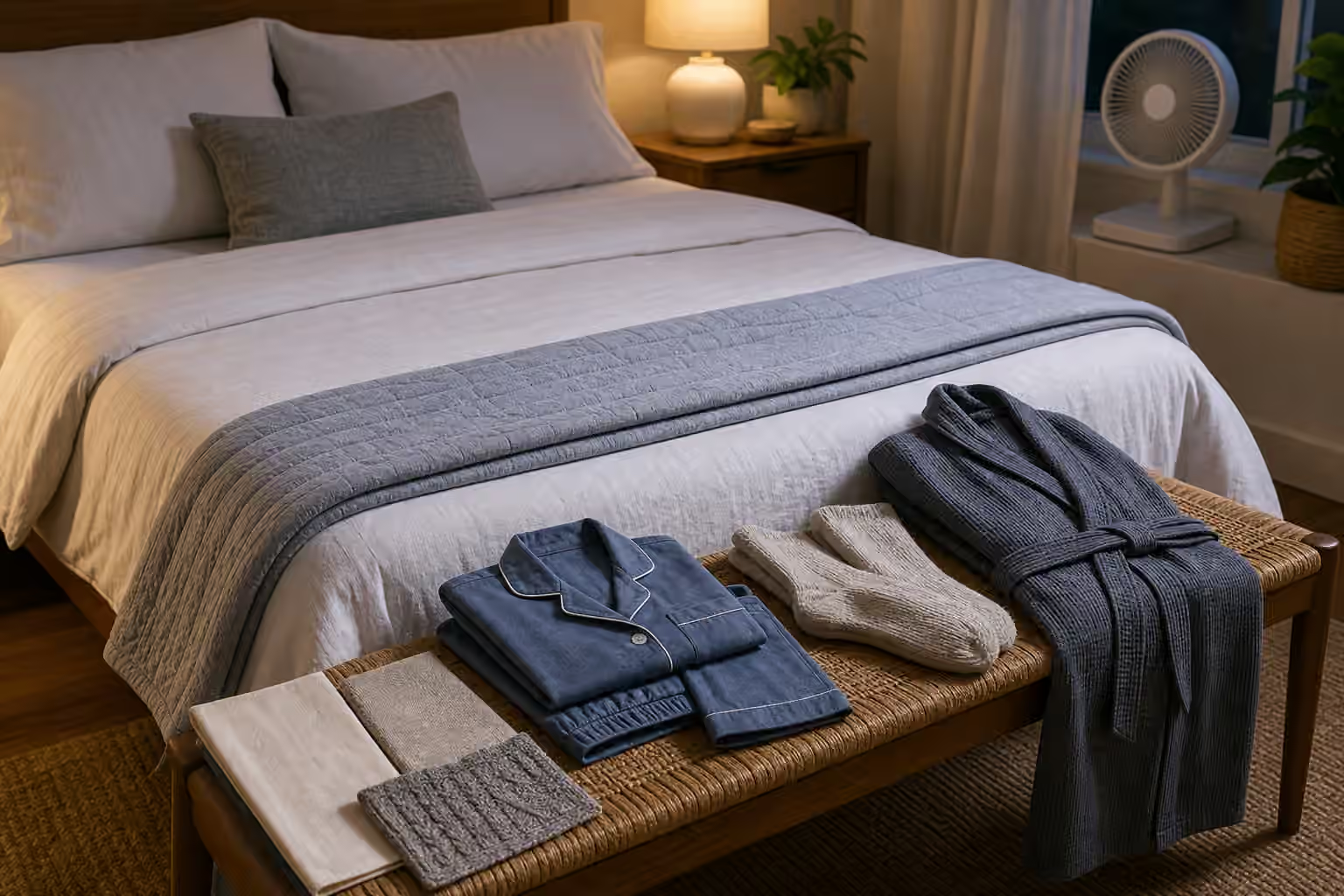
A hot bed is often a stack problem. Foam, protectors, heavy blankets, dense sheets, and poor airflow can trap warmth together.
Work from the skin outward before buying a complicated gadget.
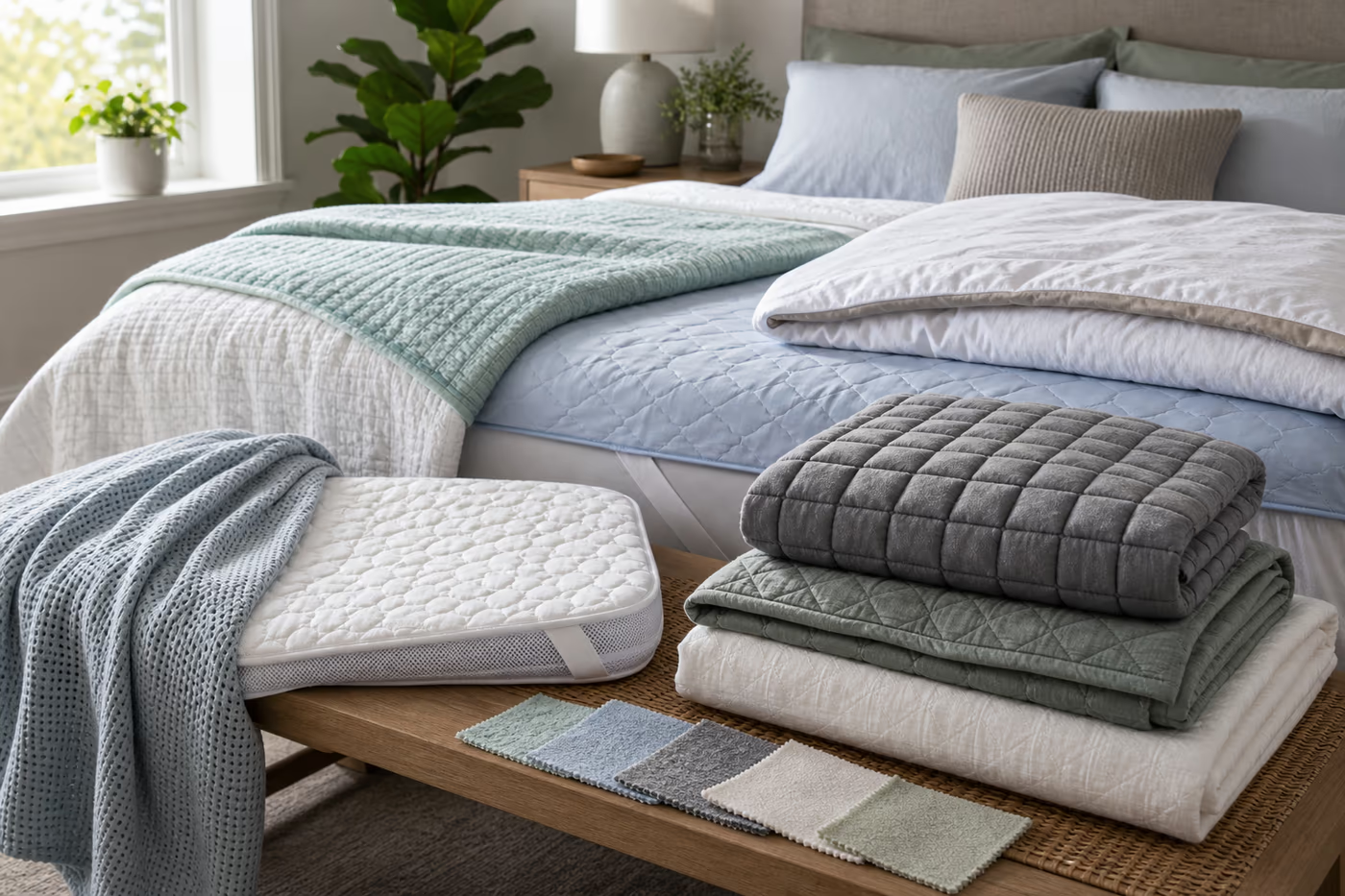
Find the warm layer
Use a simple test before shopping. Change one layer for a few nights and keep the rest of the bed the same.
Removing the top blanket tells you whether the top layer is too warm. Swapping pillowcase fabric shows whether heat is concentrated around the head. Lighter sleepwear reveals whether clothing is part of the stack. Sleeping with only a sheet and light quilt can show whether the duvet or comforter is the issue. A quiet fan across the room tests whether airflow matters more than bedding. Removing a thick topper temporarily can reveal whether the comfort layer traps warmth.
Work from the skin outward: sleepwear, sheets, pillowcase, mattress protector, pad, comfort layer, topper, blanket, quilt, duvet, weighted layer, and then room airflow. Changing the outermost product first may miss the layer that actually creates the heat.
Give each test more than one night when possible. A humid night, a late workout, a closed door, or a different blanket-sharing pattern can make a single result misleading. The pattern matters more than one dramatic night.
Materials to compare
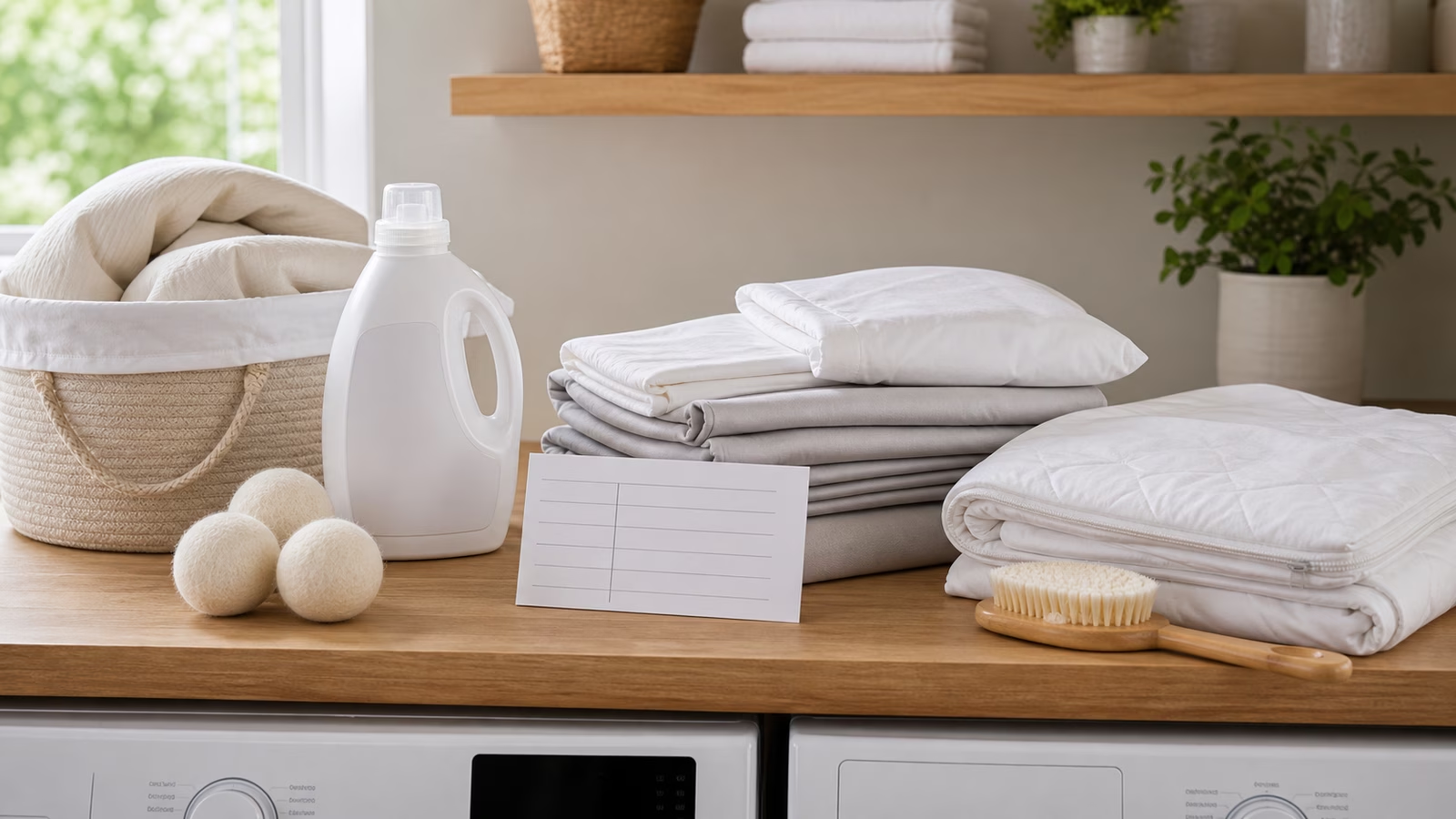
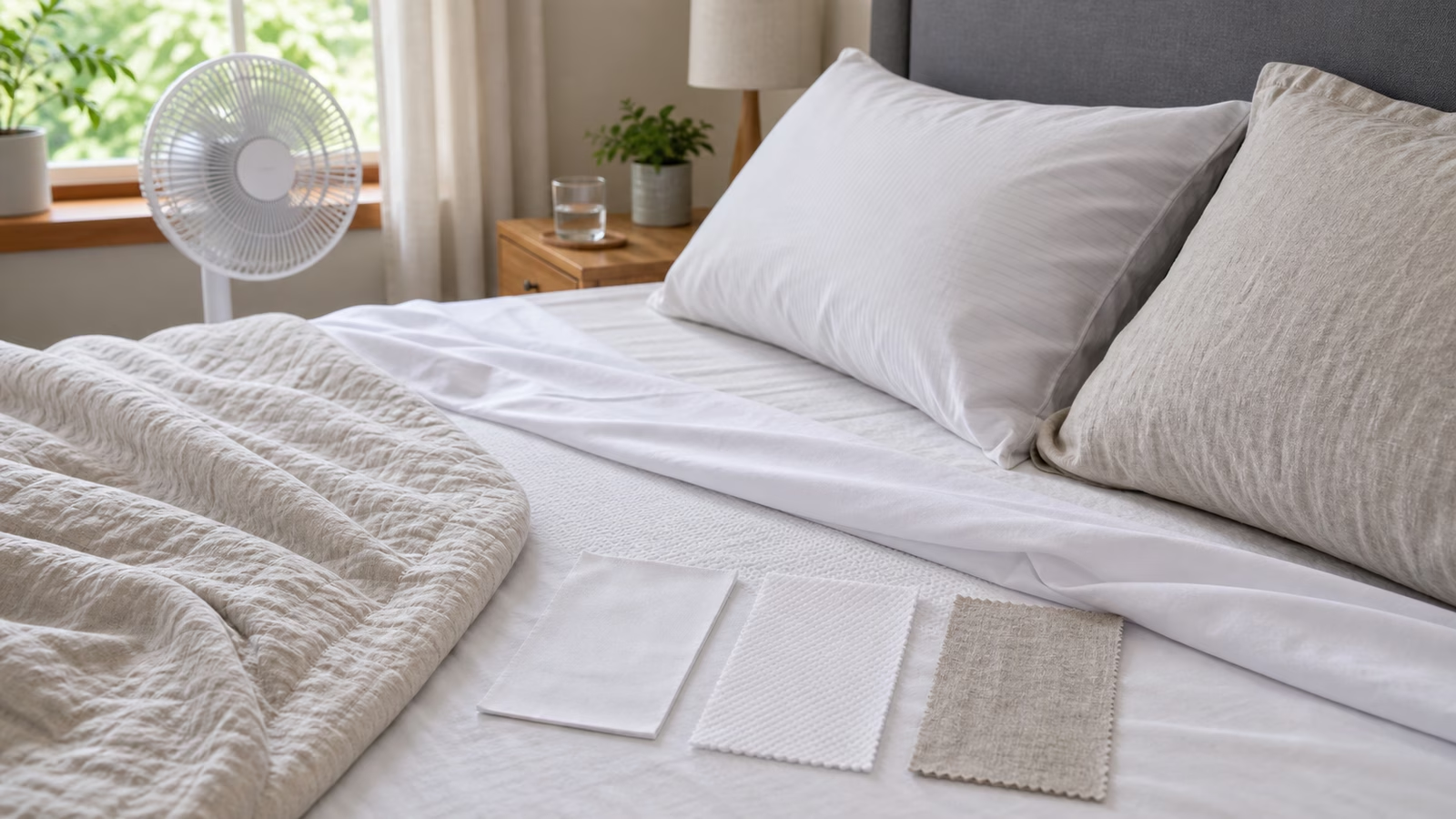
Cooling language gets vague quickly, so compare feel and maintenance instead of promises. Percale cotton is crisp, airy, and easy to wash. Linen is textured, breathable, and relaxed, though not everyone likes the feel. Sateen cotton is smooth and soft, usually denser than percale. Light quilts are easier to layer and wash than bulky comforters. Breathable protectors help when the current protector feels plasticky or loud. Cooling pads are worth considering only when they solve a specific heat layer.
What not to buy first
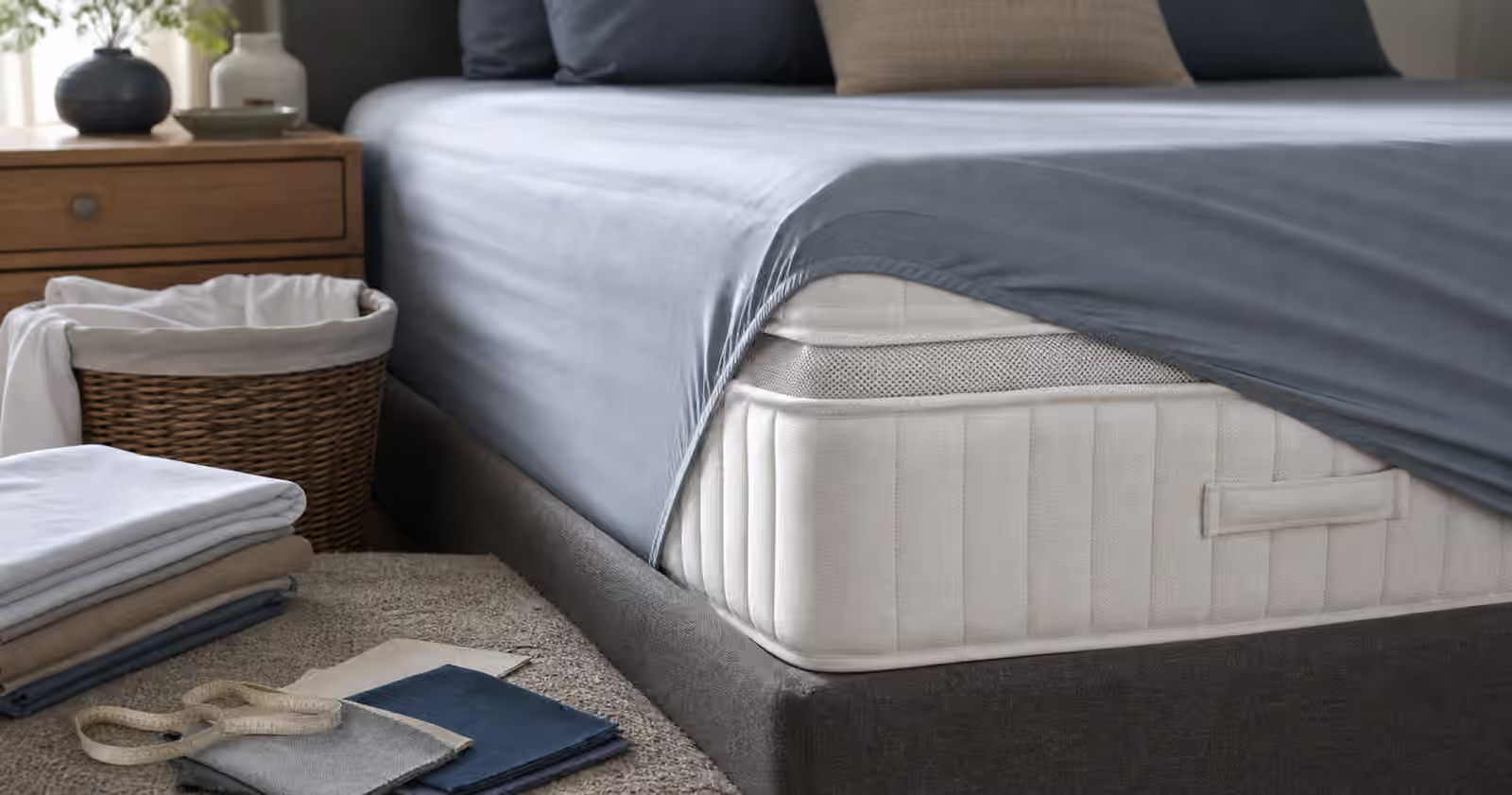
Do not start with the most expensive active-cooling device unless you already know the bed stack is not the issue. Also be careful with toppers. They can make a firm mattress feel better, but they add height, may trap warmth, and can make fitted sheets fail.
Active cooling can be useful, but it should not be asked to solve every layer below it. If the current protector feels plasticky, the duvet is too heavy, and the room has no airflow, a device may only mask a setup that still fights the sleeper. Simple layers are easier to wash, easier to return, and easier to understand.
Shopping shortcut
The most practical cooling cart is usually a crisp percale sheet set , a breathable protector , or a lightweight quilt . Buy the layer that matches the warm spot you identified.
Good default
Try a breathable protector, crisp sheets, and a washable light quilt before adding a cooling topper. Toppers can change mattress feel, sheet fit, and bed height, so they should solve a specific problem.
For room-side changes, read Bedroom Temperature and Airflow .
Next step
Change the layer that gets warm first, then give the bed several nights under normal room conditions. Cooling works best when the stack is understood before the cart fills up.
Apply this guide as a decision record
Use Cooling Bedding Layers: Build a Cooler Bed Without Buying Everything to turn a vague household question into a checkable one. Its scope is specific: How to compare cooling sheets, mattress pads, quilts, fans, and breathable layers without medical claims. Before changing the setup, write down the condition you are trying to change, the constraint that matters most, and the evidence you still lack.
For a first pass through cooling bedding layers, compare the current state with a relevant baseline and record one observation, measurement, or conversation. Make the smallest reversible change available. Keep the manual, model number, room condition, schedule, or maintenance note beside the decision so a future check does not depend on memory. Keep cooling bedding, sheets, blankets in view as separate signals instead of treating them as one verdict.
A useful follow-up asks whether Cooling Bedding Layers: Build a Cooler Bed Without Buying Everything improved the named problem without creating a new one. Check the tradeoff that fits this subject — heat, noise, comfort, water, power, wear, effort, or cost — and describe the result in plain language. If a boundary is safety-critical, stop at the guide’s limit and bring the details to a qualified local professional.
The conclusion for cooling bedding layers should stay narrow. Record what was observed, which condition made the result possible, what maintenance keeps it dependable, and what would make you revisit the choice. That turns a guidebook into a decision record you can use again rather than a promise to remember.