A shared mattress has to manage two sets of preferences. The mistake is letting the louder complaint choose the whole bed.
Write down both sleepers’ needs before shopping.
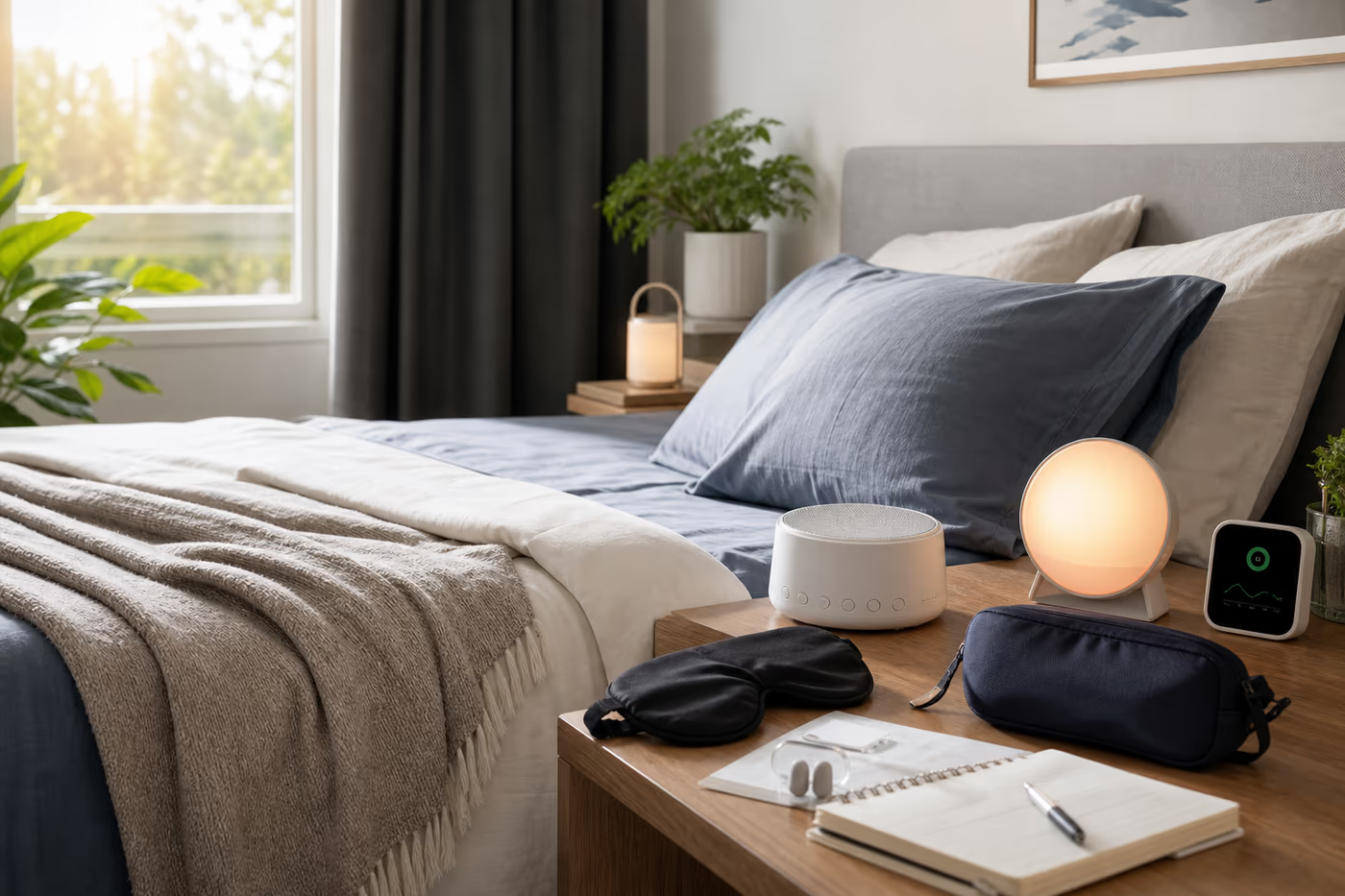
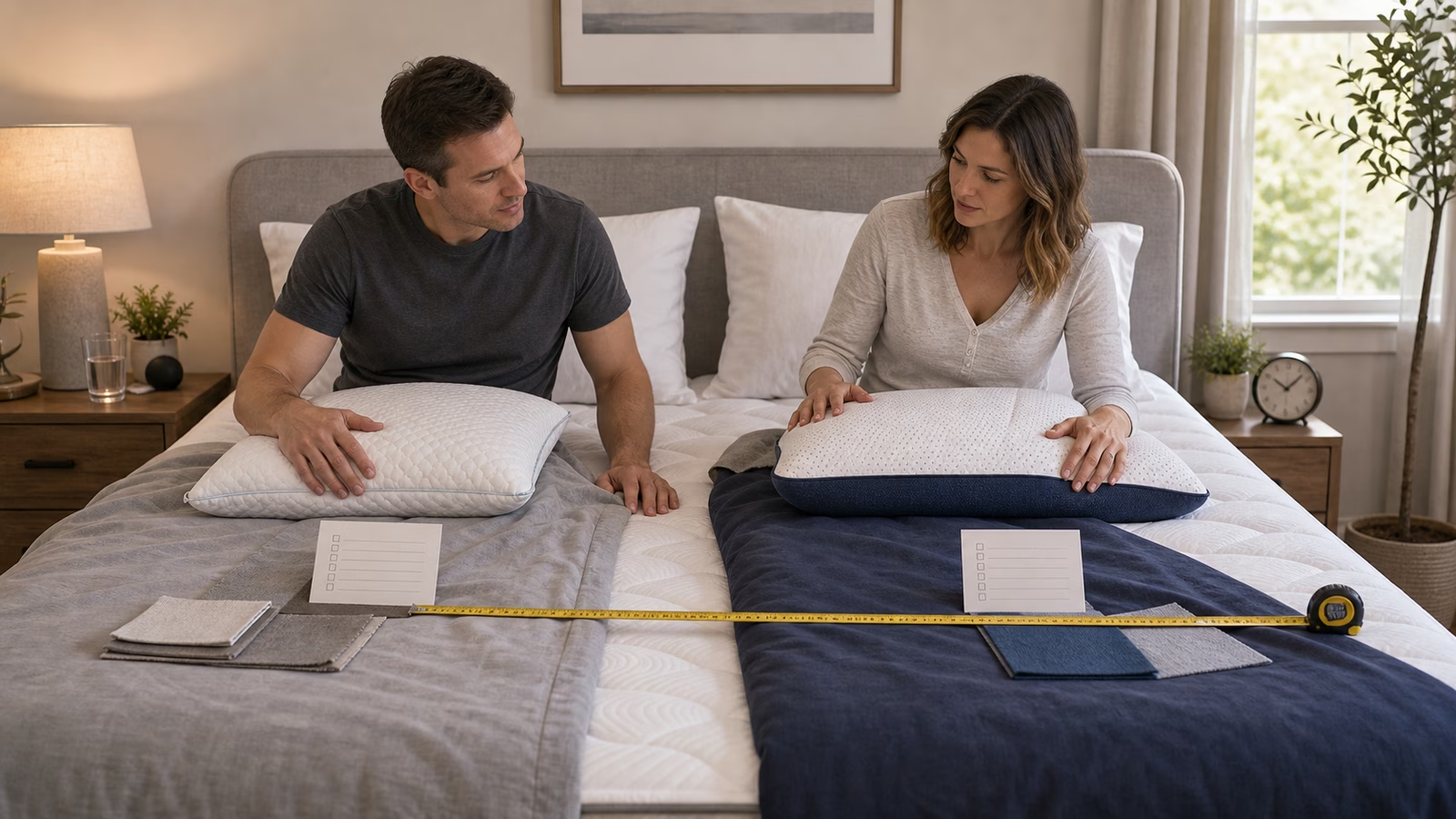
Take separate notes first
Each person should write their top three complaints before comparing products. Keep the language specific.
Too much motion when one person turns is a different problem from not enough width. A weak edge is different from a surface that feels too soft. A bed that feels too warm may be a bedding problem, a mattress problem, or a room airflow problem. A pillow that no longer matches the mattress can make the whole bed feel wrong even when the mattress is fine. A squeaky frame can masquerade as mattress failure.
This prevents one person from describing a bedding problem while the other shops for a mattress.
Shopping shortcut
Before shopping for a shared mattress, make the cheap split tests first: adjustable-fill pillows for each side and separate twin XL blankets if warmth is the conflict.
Name the real conflict
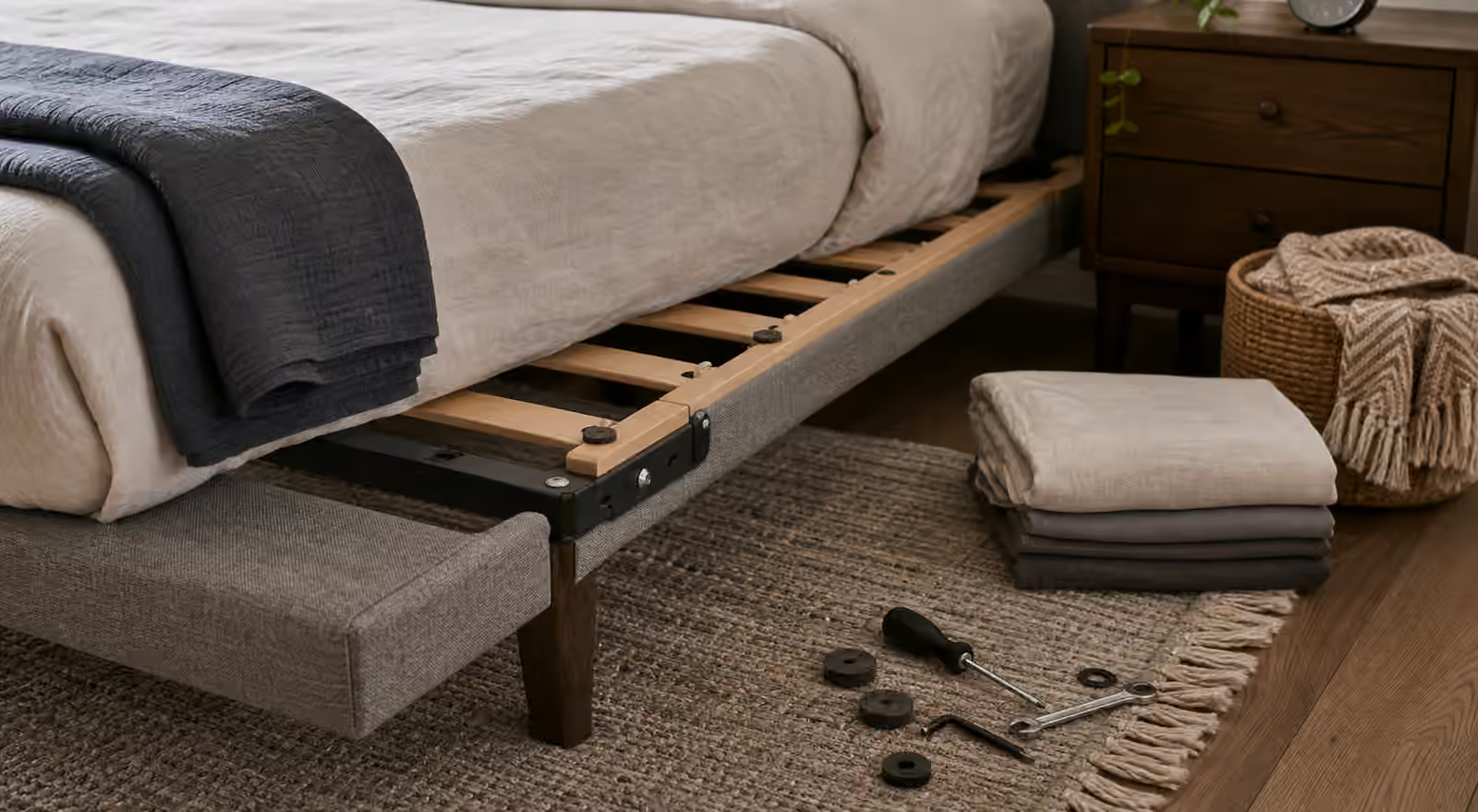
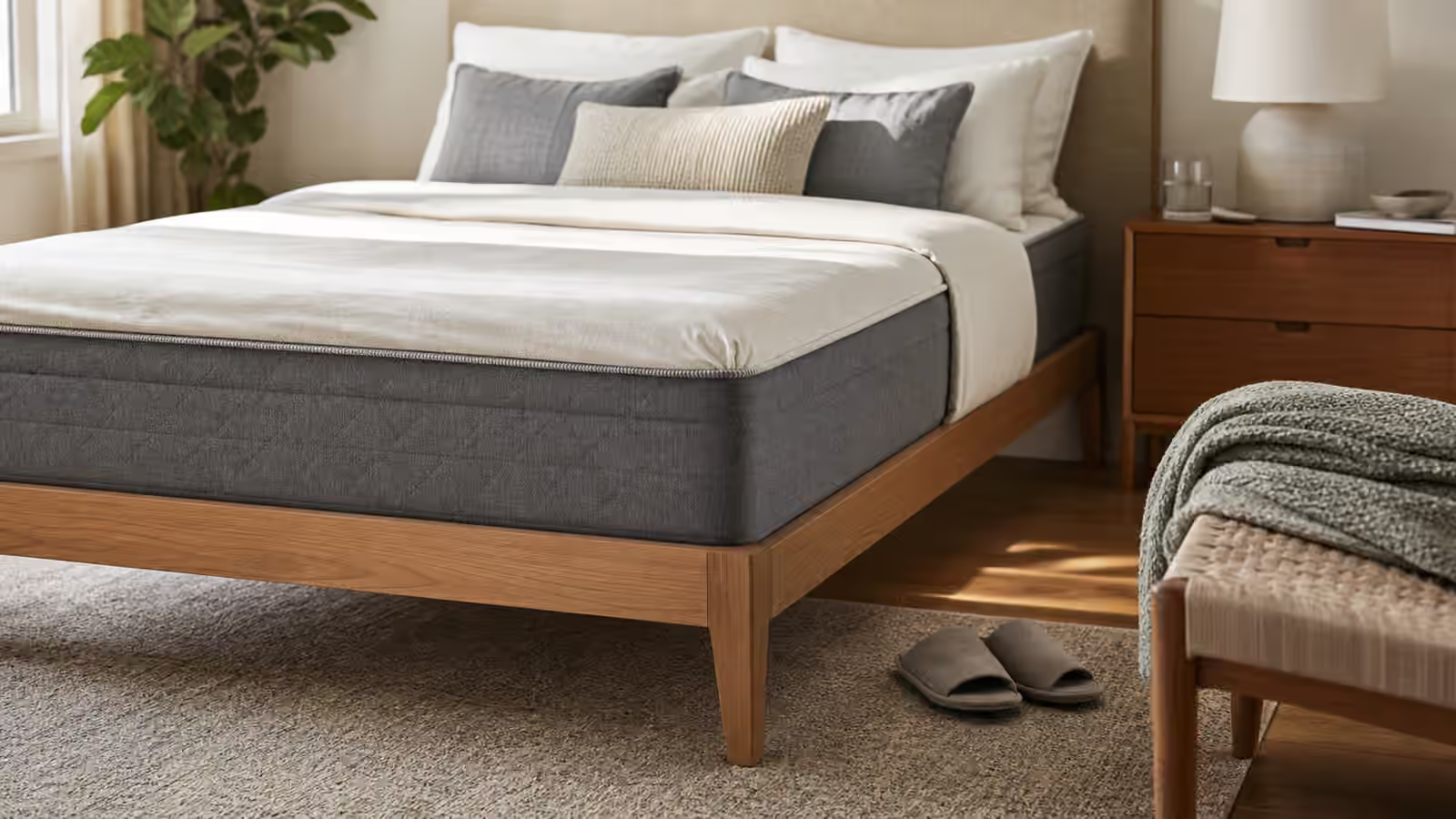
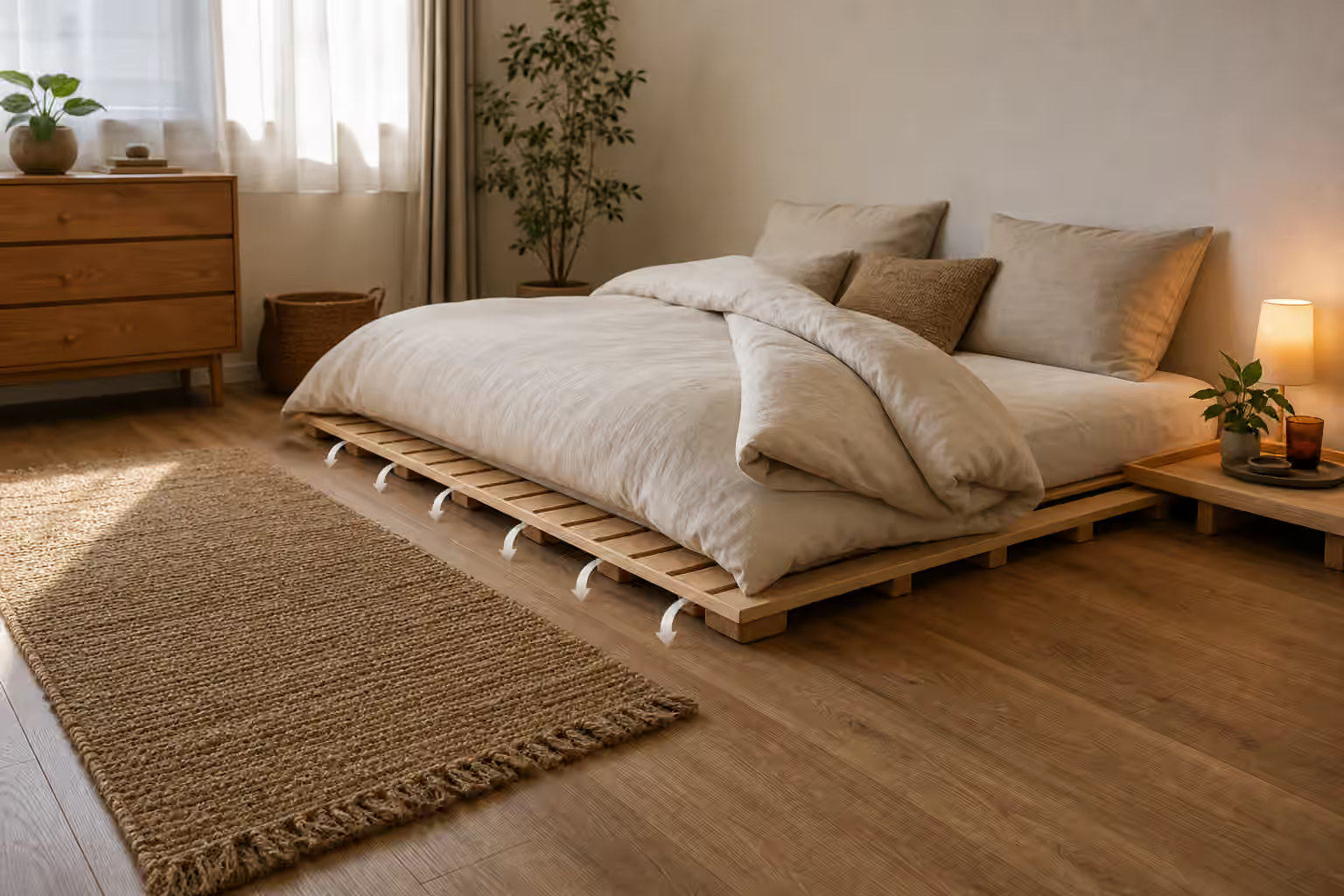
Warmth conflicts often deserve split blankets, a lighter top layer, or fan placement before a new mattress. Motion problems deserve a frame and foundation check before assuming foam or hybrid construction is the answer. Space problems need room measurements, not just a larger online cart. Firmness conflict may be improved by pillows, a topper on one side, or a split mattress. Edge problems may come from the frame as much as the mattress. Noise often belongs to hardware, slats, headboard joints, or floor contact points.
A split king or adjustable setup can be excellent, but it brings cost, a center gap, sheet decisions, and more moving parts. It should solve a named conflict, not simply feel like the most advanced option.
A shared bed also has logistics. A return window only works if both people can test the mattress under normal conditions and if someone knows how a return would actually happen. Delivery, pickup, stairs, old mattress removal, and replacement bedding become shared decisions too. A mattress that is theoretically comfortable but impossible to return cleanly can create pressure to keep a bad fit.
Trial rules for two people
Use the same bedding for the first few nights so you can judge the mattress itself. Then change one variable at a time: pillows, top layers, protector, or fan. If only one person is unhappy, do not rush to replace the whole bed until you know whether the conflict is mattress feel, pillow height, warmth, or motion.
During the trial, compare notes separately before trying to negotiate the answer. One person may notice shoulder pressure while the other notices heat. One may blame motion when the frame is actually moving. Separate notes keep the conversation from becoming a vote on who slept worse.
Good default
Test motion and edge support deliberately. One person should roll, sit, and get up while the other notices how much movement travels. It feels silly in a store, but it is better than guessing.
Next step
Make one shared-bed change and let both people describe the result separately. The quietest compromise usually appears after the problem is named accurately.
Apply this guide as a decision record
Use Couples Mattress Decisions: Motion, Edge Support, Heat, and Compromise to turn a vague household question into a checkable one. Its scope is specific: How two sleepers can compare mattress size, motion transfer, edge support, firmness, and bedding preferences. Before changing the setup, write down the condition you are trying to change, the constraint that matters most, and the evidence you still lack.
For a first pass through couples mattress decisions, compare the current state with a relevant baseline and record one observation, measurement, or conversation. Make the smallest reversible change available. Keep the manual, model number, room condition, schedule, or maintenance note beside the decision so a future check does not depend on memory. Keep couples mattress, shared bed in view as separate signals instead of treating them as one verdict.
A useful follow-up asks whether Couples Mattress Decisions: Motion, Edge Support, Heat, and Compromise improved the named problem without creating a new one. Check the tradeoff that fits this subject — heat, noise, comfort, water, power, wear, effort, or cost — and describe the result in plain language. If a boundary is safety-critical, stop at the guide’s limit and bring the details to a qualified local professional.
The conclusion for couples mattress decisions should stay narrow. Record what was observed, which condition made the result possible, what maintenance keeps it dependable, and what would make you revisit the choice. That turns a guidebook into a decision record you can use again rather than a promise to remember.