Top bedding controls warmth, weight, texture, and how easy the bed is to reset in the morning.
A duvet, comforter, quilt, and blanket can all work. The right choice depends on climate, laundry access, and whether you like tucked-in order or loose layers.

Start with the wash problem
Top bedding is only practical if you can clean it. Before choosing warmth, check washer capacity, dryer rules, air-drying space, pet hair, kids, spills, and how often the cover touches skin.
If laundry access is limited, a duvet cover or light quilt may be easier than a large one-piece comforter. If you wash often, avoid layers that take all day to dry.
Shopping shortcut
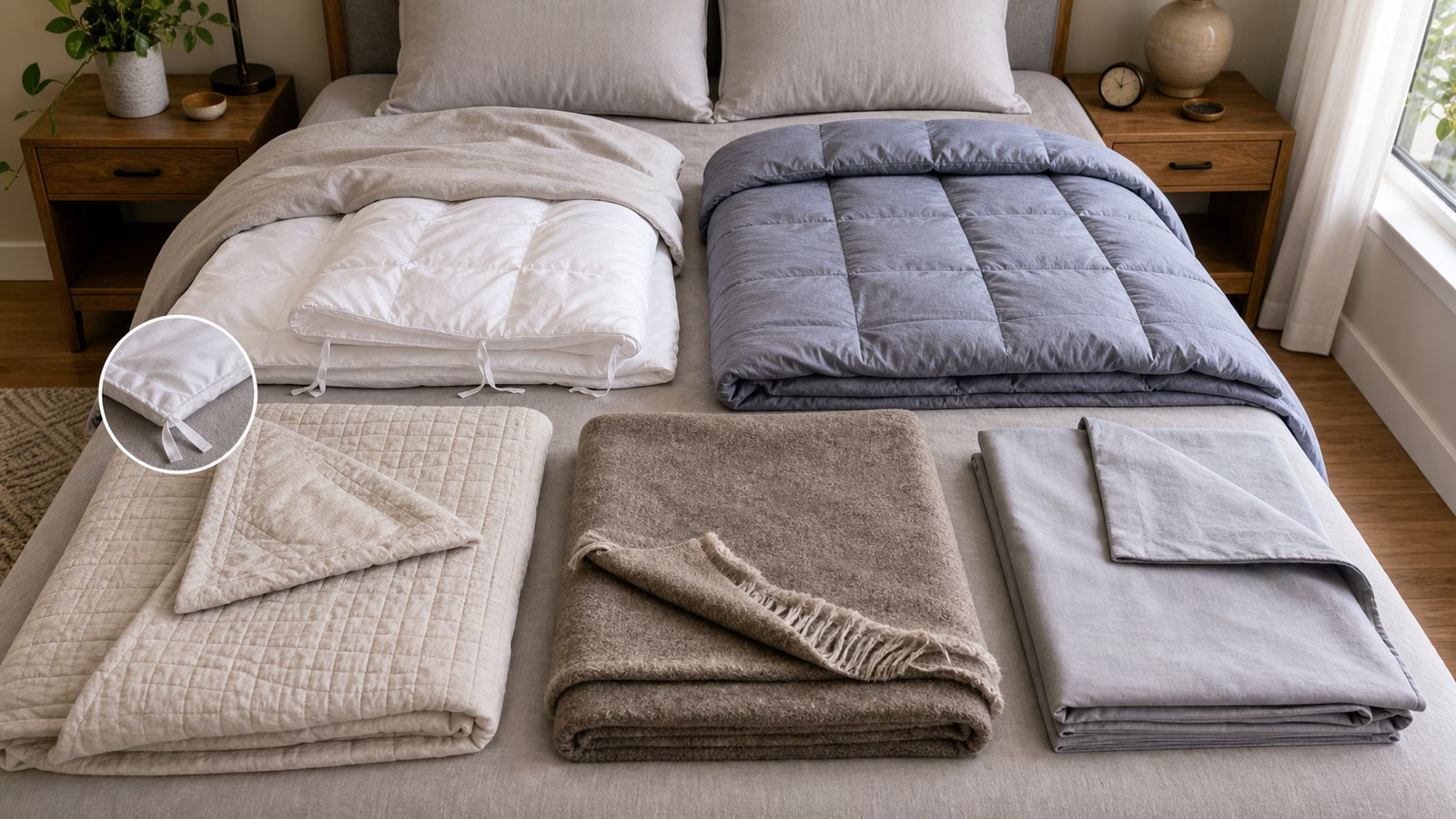
For easiest upkeep, compare lightweight cotton quilts before oversized comforters. If you prefer a duvet, make sure the listing shows corner ties or loops, then compare duvet covers with corner ties .
Compare the options
A duvet with a cover makes washing the outer layer easier and allows seasonal insert swaps, but the insert can shift or bunch if the cover lacks ties, loops, or clips. A comforter keeps the bed simple because it is one piece, but washing and drying can be bulky. A quilt is light, washable, and tidy, though it may need extra warmth in winter. A blanket stack is flexible, but loose layers can migrate and make the bed look messy.
Warmth level should follow the room, not the coldest night you can imagine. Oversizing helps with side coverage but can drag or overwhelm a small room. Cover material should feel good with the sheets. Shared beds may need separate warmth zones. Off-season storage needs to exist before the extra layer comes home.
Think about how the bed resets in the morning. A duvet can look full and soft, but only if the insert stays aligned. A quilt can make the bed feel tidy with very little effort. A blanket stack gives the most adjustment, but it asks for more daily straightening. The right choice is the one that matches both the night and the reset.
Avoid top-layer mistakes
Do not buy the warmest option for a mildly cool room. Do not forget that thick comforters need large machines. Do not choose a duvet without checking insert ties. Do not add so many decorative throws that nobody washes them. If two sleepers need different warmth, consider split bedding before forcing one shared layer to solve two different bodies.
Top bedding also changes the feel of the mattress below it. A heavy layer can make a responsive bed feel pinned down. A slippery cover can make the bed feel restless. A breathable quilt can make the same sheets feel cooler. Treat the top layer as part of the whole sleep surface, not just the decoration people see first.
Good default
A light quilt plus a seasonal blanket is often easier to manage than one oversized comforter. If you like a duvet, use ties, corner loops, or clips so the insert does not drift.
Next step
Change top bedding by season and laundry reality, not by product category. The best layer is warm enough, washable enough, and simple enough to reset.
Apply this guide as a decision record
Use Duvet, Comforter, and Blanket Choices: Warmth Without a Messy Bed to turn a vague household question into a checkable one. Its scope is specific: A beginner guide to duvet inserts, comforters, quilts, blankets, covers, warmth levels, and cleaning tradeoffs. Before changing the setup, write down the condition you are trying to change, the constraint that matters most, and the evidence you still lack.
For a first pass through duvet comforter blanket, compare the current state with a relevant baseline and record one observation, measurement, or conversation. Make the smallest reversible change available. Keep the manual, model number, room condition, schedule, or maintenance note beside the decision so a future check does not depend on memory. Keep duvet, comforter, blanket in view as separate signals instead of treating them as one verdict.
A useful follow-up asks whether Duvet, Comforter, and Blanket Choices: Warmth Without a Messy Bed improved the named problem without creating a new one. Check the tradeoff that fits this subject — heat, noise, comfort, water, power, wear, effort, or cost — and describe the result in plain language. If a boundary is safety-critical, stop at the guide’s limit and bring the details to a qualified local professional.
The conclusion for duvet comforter blanket should stay narrow. Record what was observed, which condition made the result possible, what maintenance keeps it dependable, and what would make you revisit the choice. That turns a guidebook into a decision record you can use again rather than a promise to remember.