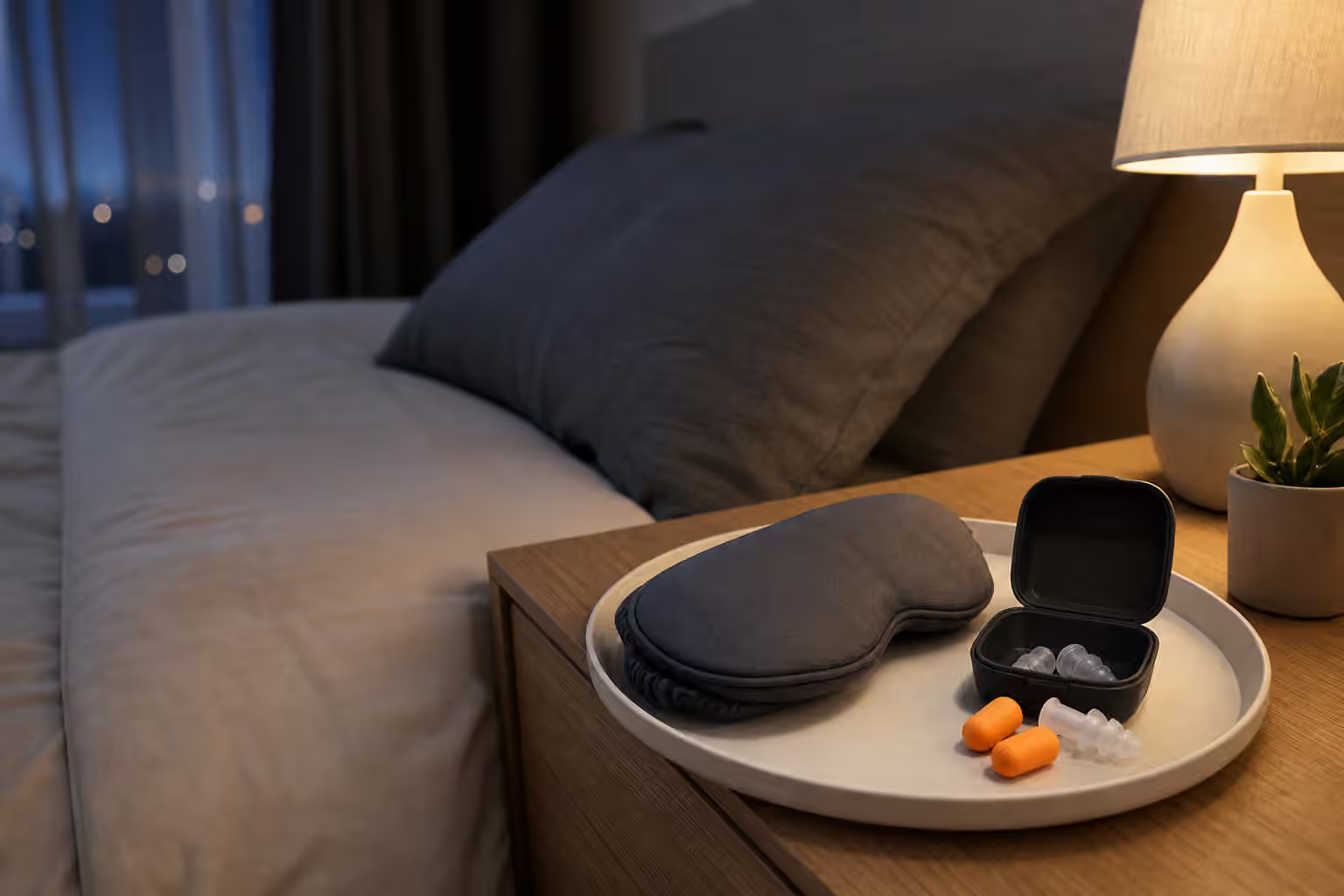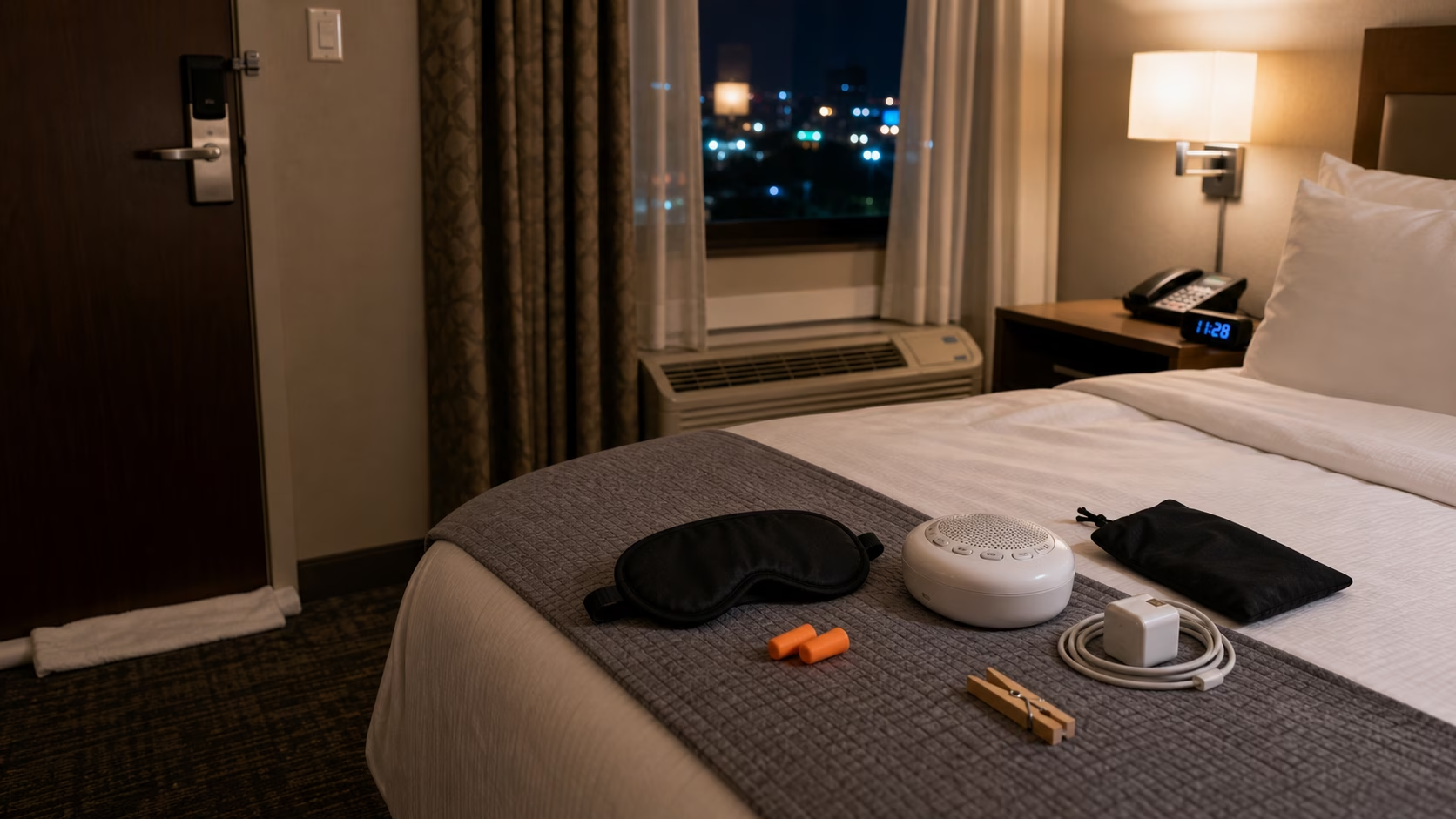
A hotel room feels easier when you reset it before you are tired. Ten minutes at arrival can remove the most common annoyances.
Do the practical checks while the lights are still on.
Before unpacking
Put your bag down, then fix the room while surfaces are still clear.
Curtain gaps, bright clocks, mystery thermostats, short charging cables, pillow mismatch, and hallway noise are easier to solve at 6 p.m. than at midnight. Close the curtains and look for edge leaks before the room is dark. Turn, dim, cover, or safely unplug the tiny lights that will become enormous later. Find the thermostat or fan controls while you still have patience. Put the charger where it will not be forgotten, and choose the quieter side of the bed if the room has one.
Set the room before it fills up
The arrival reset should happen before clothes cover the bed. Check whether the closet has extra pillows or blankets, or whether the front desk can provide a better option. Decide whether the sound source belongs near the bed or closer to the door, where hallway noise often enters. Test the alarm plan, especially if the phone will be across the room, and make sure any charging cable reaches without pulling tight.
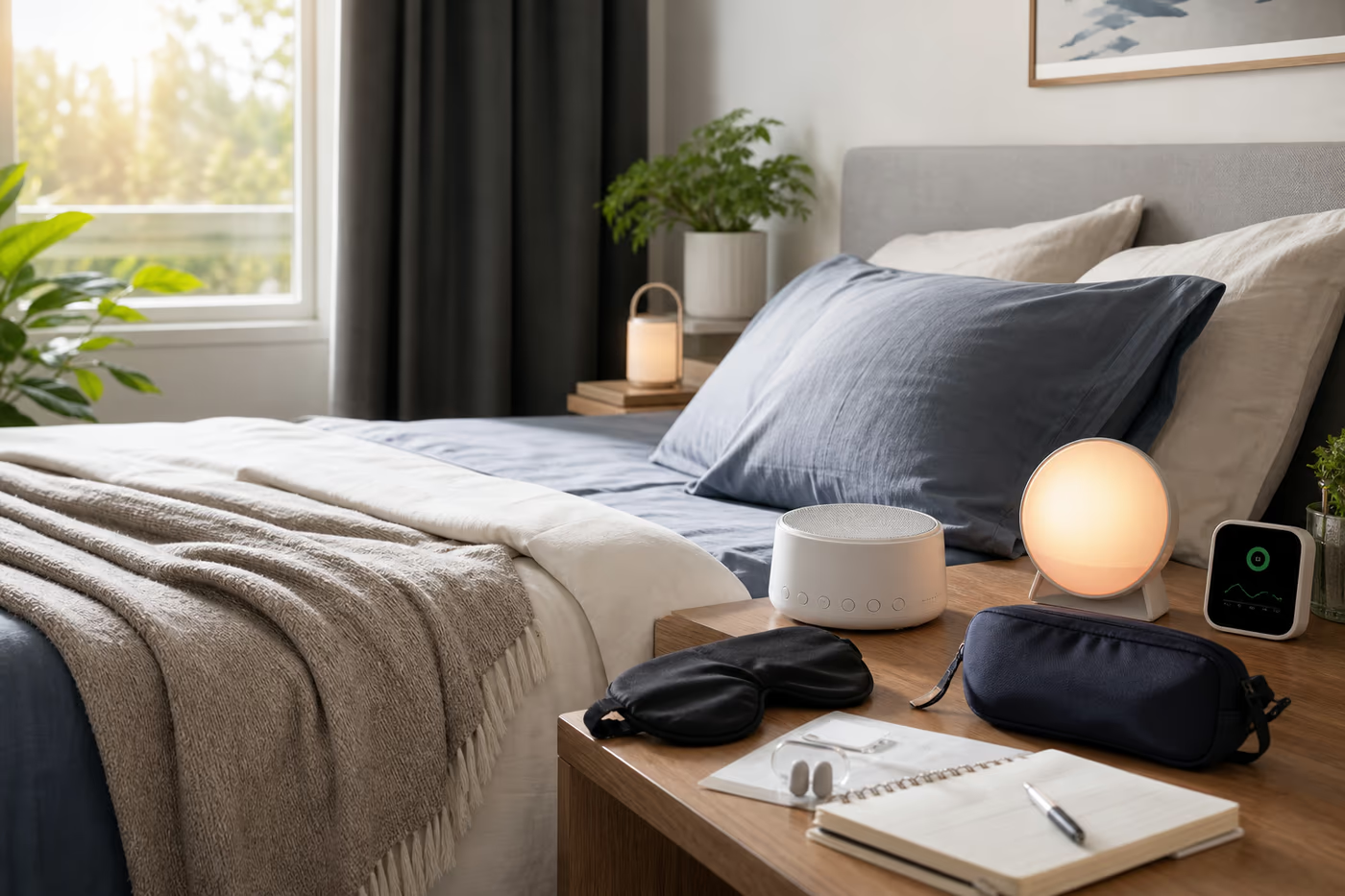
Morning is easier when the travel kit has one home. Put the mask, earplugs, sound device, and small sleep items back in the pouch before packing clothes. Check the outlets, nightstand drawer, bed edge, and bathroom counter before the room becomes a blur. If you borrowed pillows or extra blankets, leave them where hotel staff can see them. If you changed the thermostat heavily, reset it to something reasonable before leaving.
Shopping shortcut
The hotel kit should stay tiny: travel curtain clips , a comfortable sleep mask , and a longer charging cable solve more real hotel friction than most specialty gadgets.
Keep the kit honest
A travel sleep kit should earn its space. Curtain clips only matter if hotel gaps bother you. A mask only helps if it is comfortable for side sleeping. A longer charging cable is often more useful than another gadget. A compact white-noise device may beat phone audio if it lets the phone stay quiet. A packable pillowcase can make unfamiliar pillows feel cleaner and more familiar without filling the bag.
The common hotel mistakes are all timing mistakes. People wait until bedtime to discover the curtain gap, leave the phone across the room because the cable is too short, use the TV or bathroom light as a night light, forget a sound machine in the outlet, or pack comfort gear so bulky that it never gets used.
Keep one travel routine
Hotel sleep gets easier when the reset is the same every time. Pick one place for the charger, one place for the pouch, one side of the sink for small items, and one quick scan before checkout. The point is not perfection; it is reducing the number of decisions you make while tired in an unfamiliar room. A simple routine also protects your kit. Earplugs, clips, adapters, and chargers are cheap individually, but replacing them after every trip is its own kind of friction.
Good default
Set up the room before unpacking fully. It is easier to move lamps, close curtains, and route cables when the bed is not covered with clothes.
Next step
Try the ten-minute arrival reset on the next trip before buying more travel gear. Hotel sleep usually improves fastest when the room is handled early.
Apply this guide as a decision record
Use Hotel Room Sleep Setup: The 10-Minute Arrival Reset to turn a vague household question into a checkable one. Its scope is specific: How to set up a hotel room for darkness, sound, temperature, outlets, pillows, and morning departure. Before changing the setup, write down the condition you are trying to change, the constraint that matters most, and the evidence you still lack.
For a first pass through hotel room sleep setup, compare the current state with a relevant baseline and record one observation, measurement, or conversation. Make the smallest reversible change available. Keep the manual, model number, room condition, schedule, or maintenance note beside the decision so a future check does not depend on memory. Keep hotel room, travel sleep in view as separate signals instead of treating them as one verdict.
A useful follow-up asks whether Hotel Room Sleep Setup: The 10-Minute Arrival Reset improved the named problem without creating a new one. Check the tradeoff that fits this subject — heat, noise, comfort, water, power, wear, effort, or cost — and describe the result in plain language. If a boundary is safety-critical, stop at the guide’s limit and bring the details to a qualified local professional.
The conclusion for hotel room sleep setup should stay narrow. Record what was observed, which condition made the result possible, what maintenance keeps it dependable, and what would make you revisit the choice. That turns a guidebook into a decision record you can use again rather than a promise to remember.