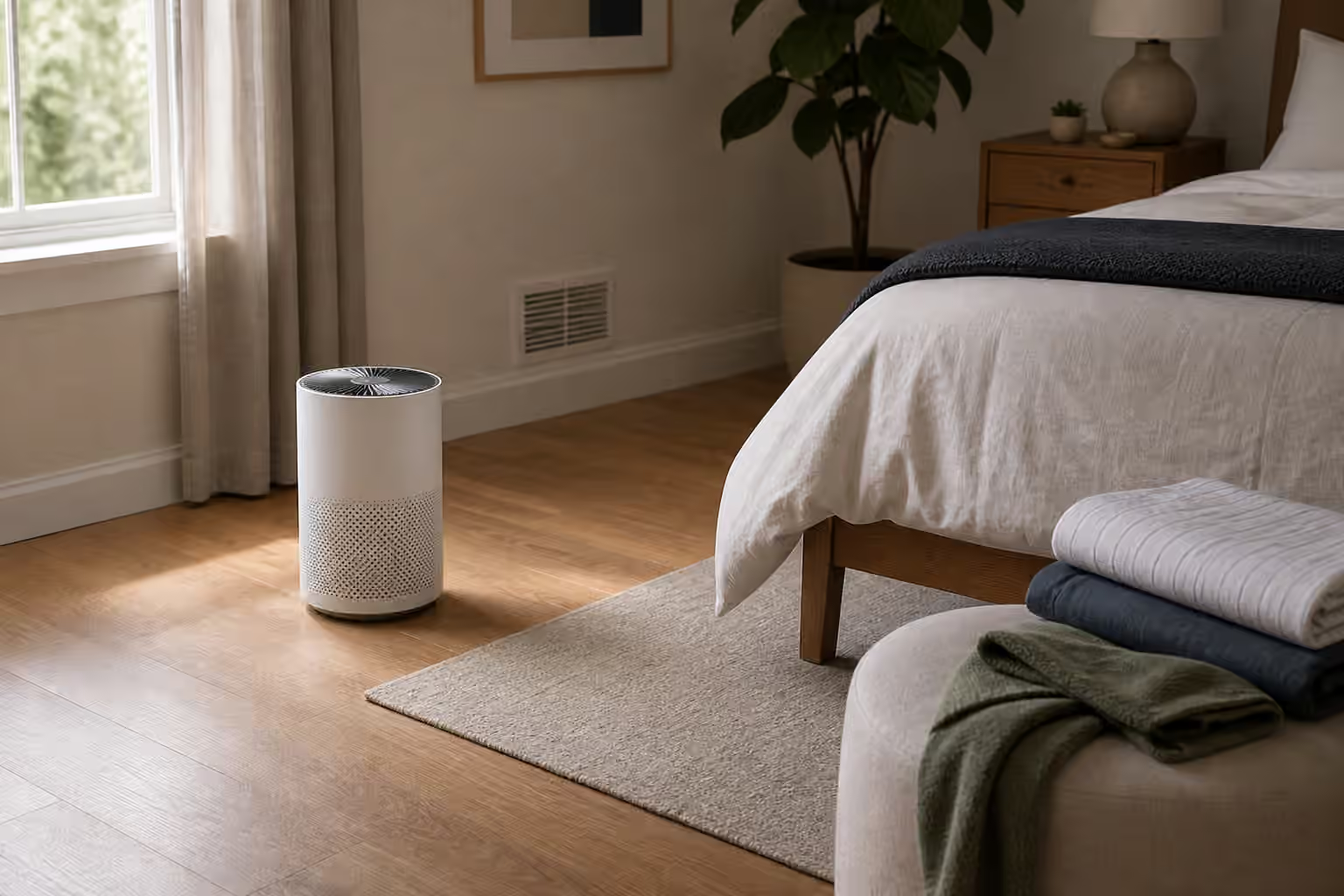
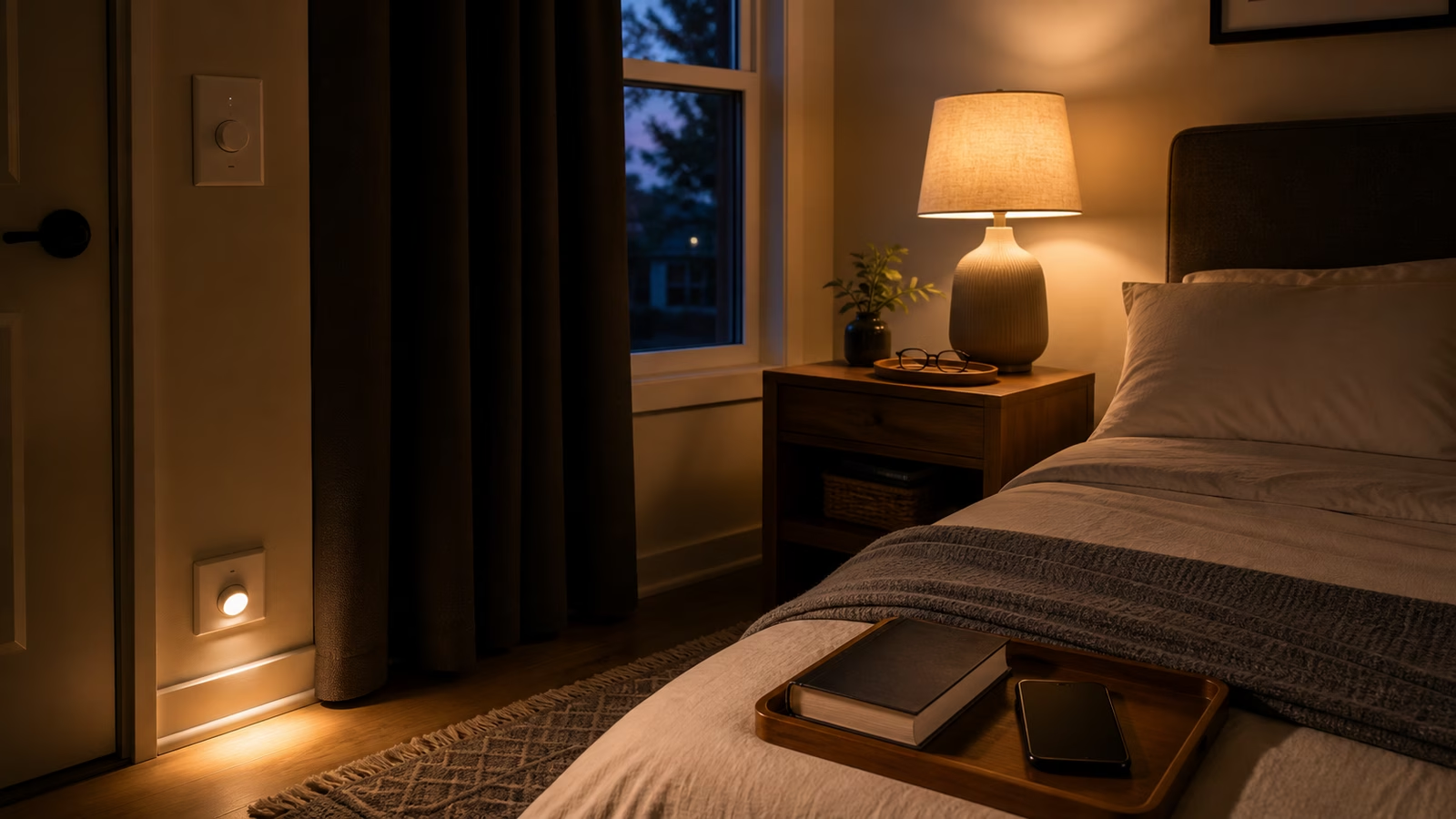
Bedroom lighting should help the room change modes. Bright task light is useful for cleaning and folding laundry. Softer lamps are better for winding down the space.
You do not need a complicated routine. You need fewer irritating signals.
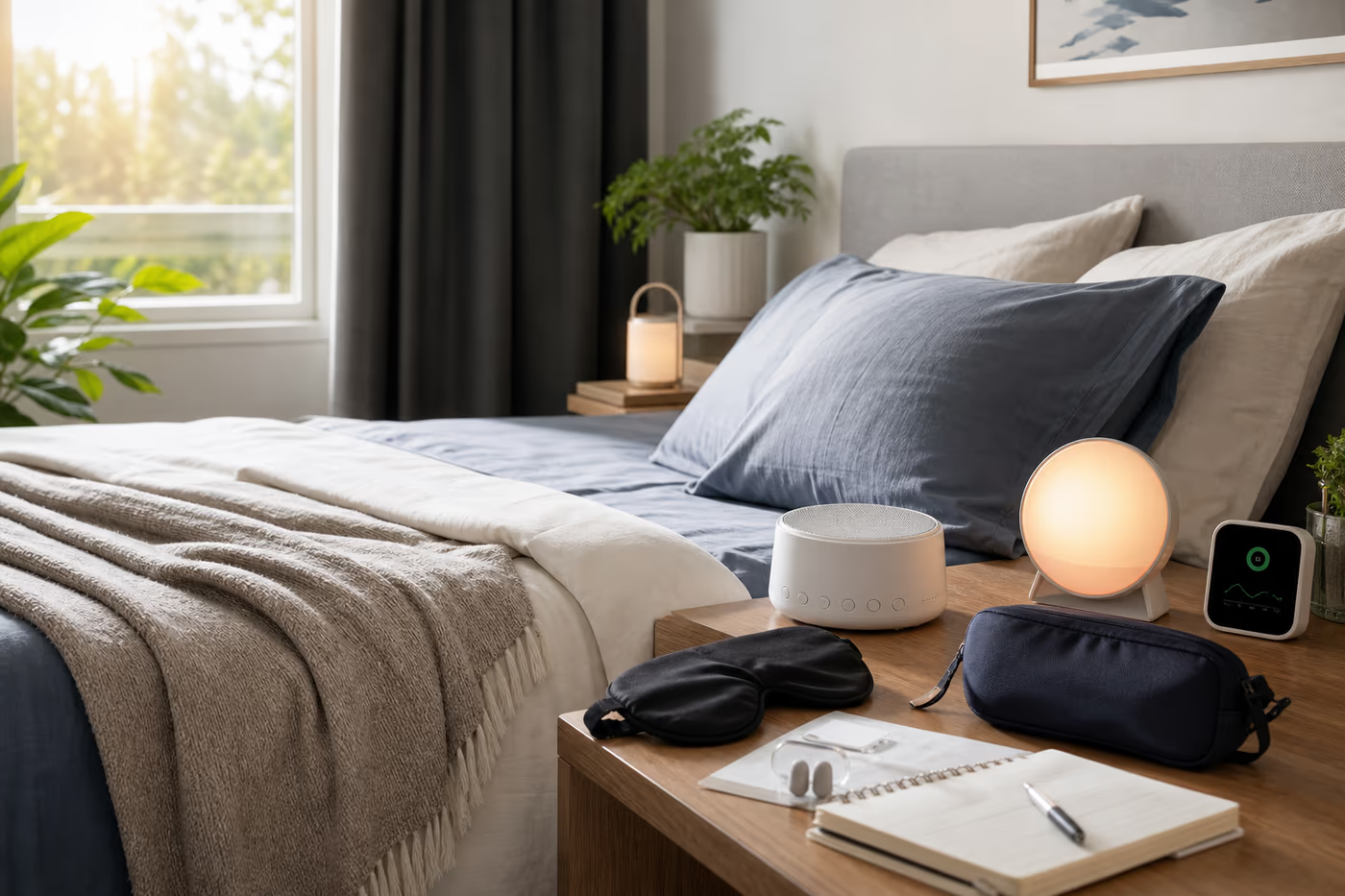
Build three light modes
Think in modes instead of one perfect bulb. Task light should be bright enough for cleaning, folding, packing, and finding a dropped earplug. Evening light should be softer, lower-glare, and easy to reach from bed or the doorway. Night light should protect the walking path without turning the room into a bright screen.
One room can use all three. The mistake is using task lighting for every mode. A ceiling fixture that works beautifully for laundry can feel harsh when the room is supposed to slow down. A bedside lamp that is perfect for reading may be useless if the switch is hard to reach or the shade shines directly into your eyes.
Reset the signals
The evening reset is less about discipline than friction. Glasses, books, chargers, and water need a home. Laundry belongs in a hamper rather than on the sleeping surface. The floor path should be visible. Bright standby lights should be turned, covered, dimmed, or removed. The lamp or alarm needed in the morning should be set before the room goes dark.
Buying notes
Choose lamp placement before buying smart bulbs or dimmers. A warm bulb in a glaring shade is still glare. A beautiful lamp with a hard-to-reach switch will not be used consistently. If cords cross a walking path, solve cable routing before adding more devices.
For shared rooms, directional light matters. A reading lamp that points at a book is usually better than a bright whole-room lamp.
What changes the feeling fastest
Small lighting fixes often do more than a full routine. Put the strongest light where work happens, not where sleep happens. Move the phone so the screen is not the brightest object in the room. Turn indicator lights away from the pillow. Use the same lamp for the same evening cue, so the room starts to feel different before you think about it. If the bedroom still looks like daytime at 11 p.m., the problem is not willpower. The room is sending the wrong signal.
Shopping shortcut
If glare is the problem, compare dimmable bedside lamps before smart controls. If clutter is the problem, adhesive cable clips and a small tray often beat another gadget.
The quiet test
Ask what is irritating the room at night. If the lamp switch is hard to reach, placement matters more than bulb temperature. If the nightstand is overloaded, storage matters more than lighting. If a charger throws a bright indicator at the bed, no dimmer will fix the wrong device. If the room stops working as soon as it gets messy, the system needs fewer objects, not more automation.
Good default
Fix glare before buying smart controls. A shaded lamp, better bulb, and clear cable path often make the bedroom feel calmer than another connected device.
Next step
Make one evening signal quieter, then watch whether the room changes modes more naturally. The best lighting setup is the one you use without thinking about it.
Apply this guide as a decision record
Use Lighting and Evening Reset: Lamps, Dimmers, Clutter, and Bedside Cues to turn a vague household question into a checkable one. Its scope is specific: How to set up bedroom lighting and simple evening reset habits without turning the room into a project. Before changing the setup, write down the condition you are trying to change, the constraint that matters most, and the evidence you still lack.
For a first pass through lighting and evening reset, compare the current state with a relevant baseline and record one observation, measurement, or conversation. Make the smallest reversible change available. Keep the manual, model number, room condition, schedule, or maintenance note beside the decision so a future check does not depend on memory. Keep bedroom lighting, evening routine in view as separate signals instead of treating them as one verdict.
A useful follow-up asks whether Lighting and Evening Reset: Lamps, Dimmers, Clutter, and Bedside Cues improved the named problem without creating a new one. Check the tradeoff that fits this subject — heat, noise, comfort, water, power, wear, effort, or cost — and describe the result in plain language. If a boundary is safety-critical, stop at the guide’s limit and bring the details to a qualified local professional.
The conclusion for lighting and evening reset should stay narrow. Record what was observed, which condition made the result possible, what maintenance keeps it dependable, and what would make you revisit the choice. That turns a guidebook into a decision record you can use again rather than a promise to remember.