A mattress protector is not exciting, but it can protect the most expensive item in the room and make cleaning less stressful.
Choose one that fits your mattress height and comfort needs.
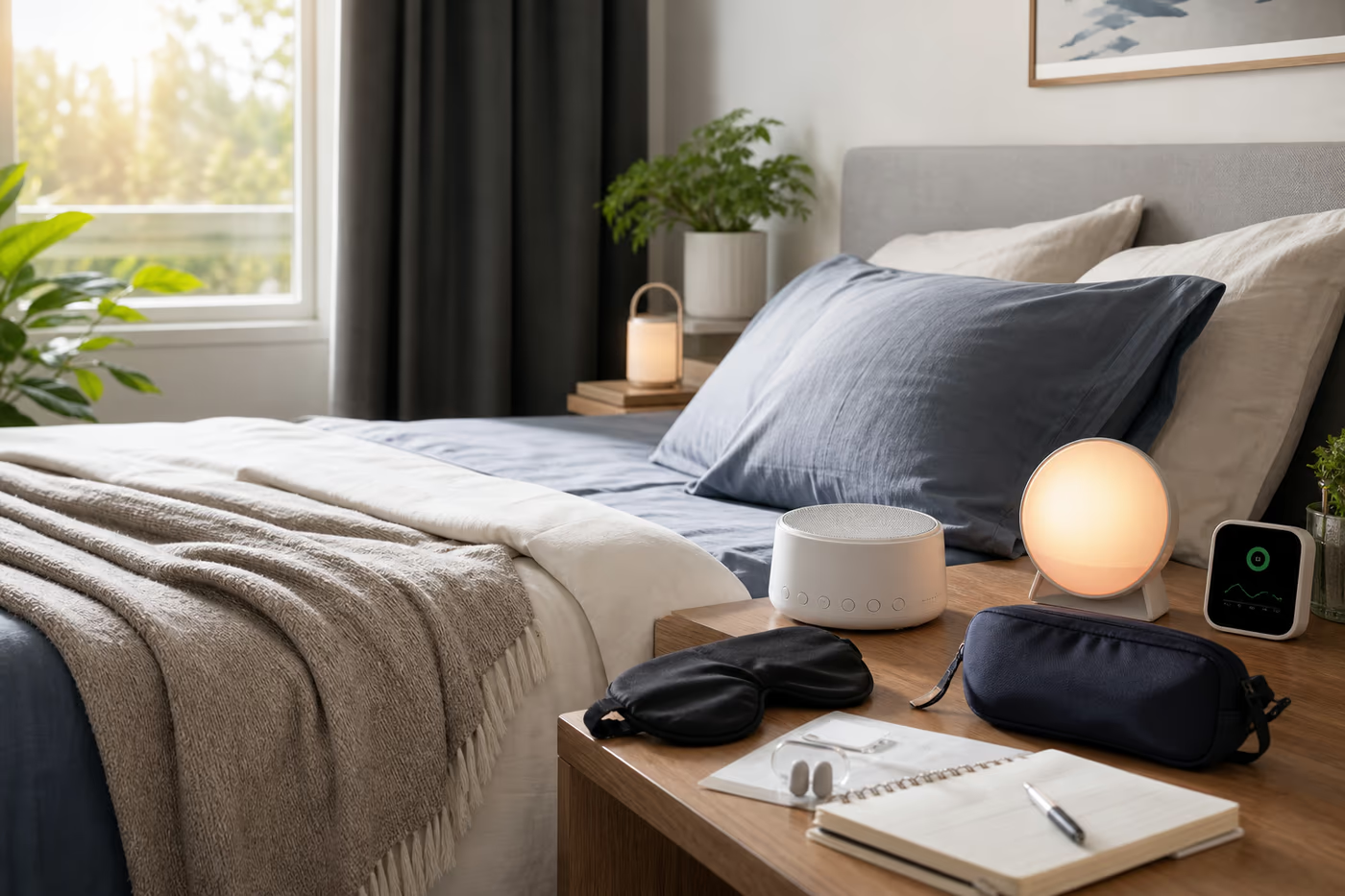
Protector types
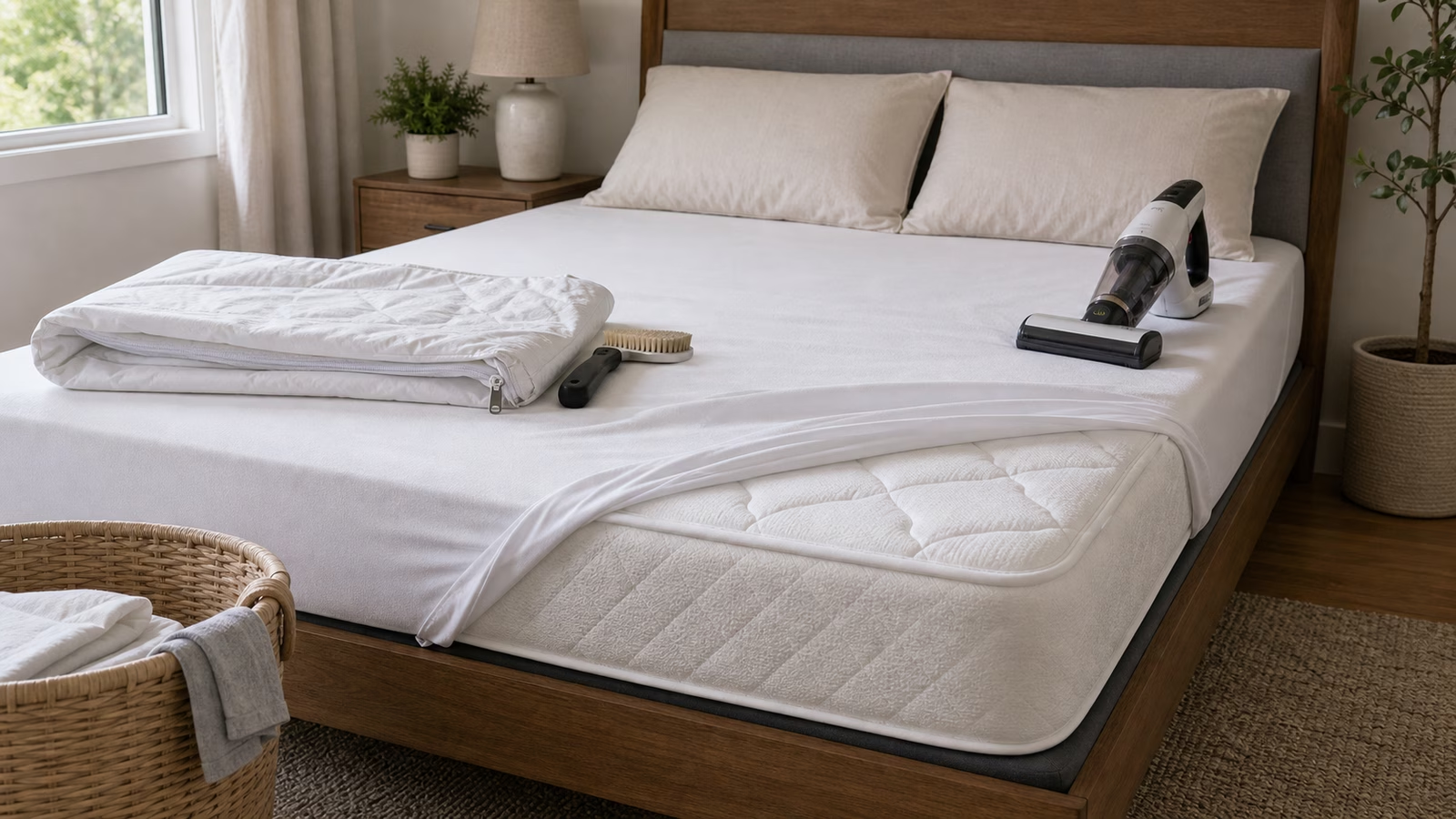
A five-sided fitted protector is the everyday choice for spill and surface protection, though the sides may still be exposed. A full encasement gives more complete coverage during moves, storage, or higher-risk homes, but it is harder to install and remove. A quilted pad adds a little cushion and washability while changing the feel. A cooling or breathable protector can help when a plasticky protector traps heat, usually at higher cost. A waterproof layer is useful for spills, kids, pets, or rentals, but it must be quiet and breathable enough for the bed.
What to maintain
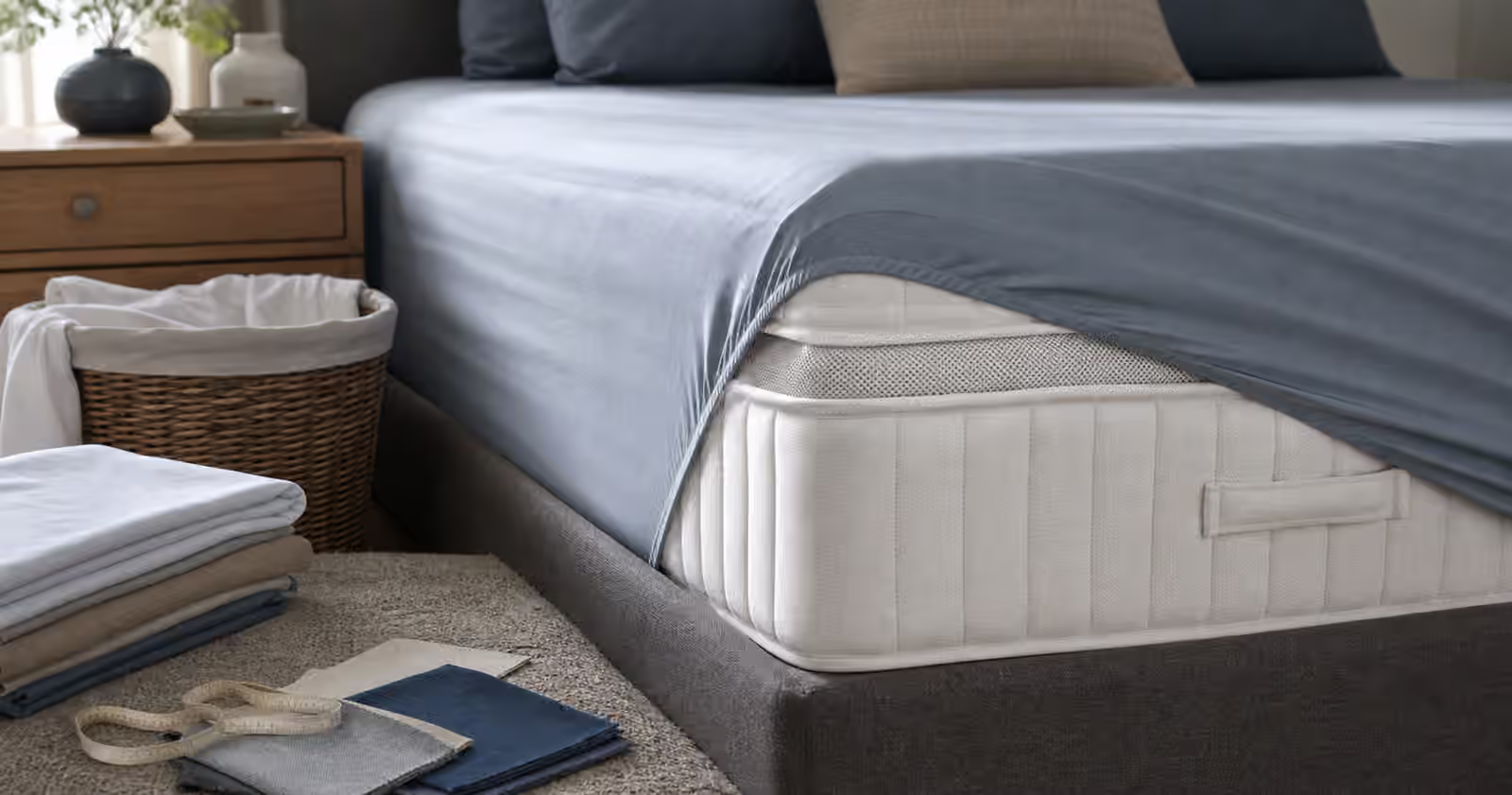
Protector fit and breathability matter every night. Sheet pocket depth has to account for the protector and any topper. Frame bolts, slat support, under-bed dust, airflow, stains, spills, and the mattress maker’s rotation guidance all belong to care, not just comfort.
Care schedule
Use the mattress maker’s care instructions first, but keep a simple room checklist too.
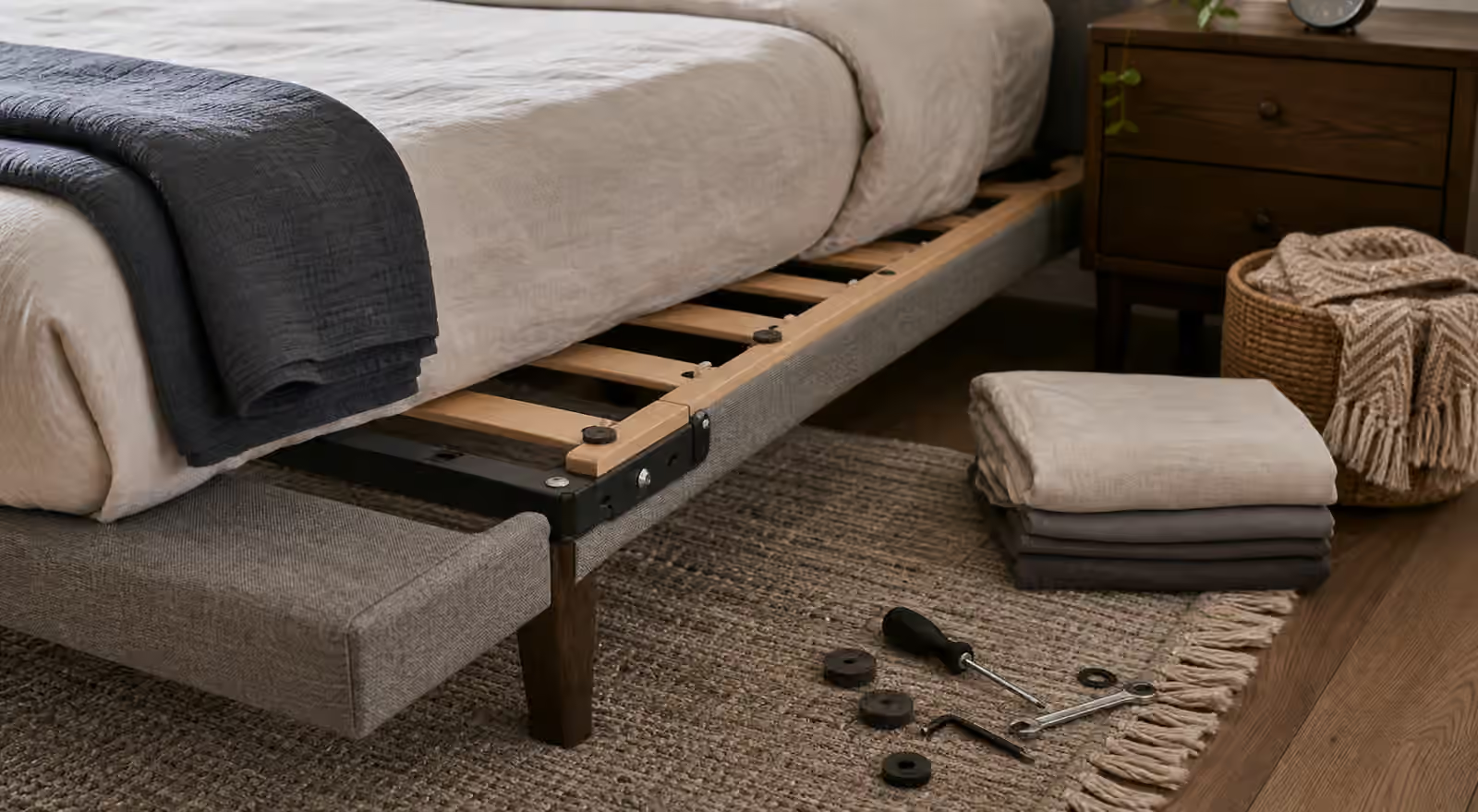
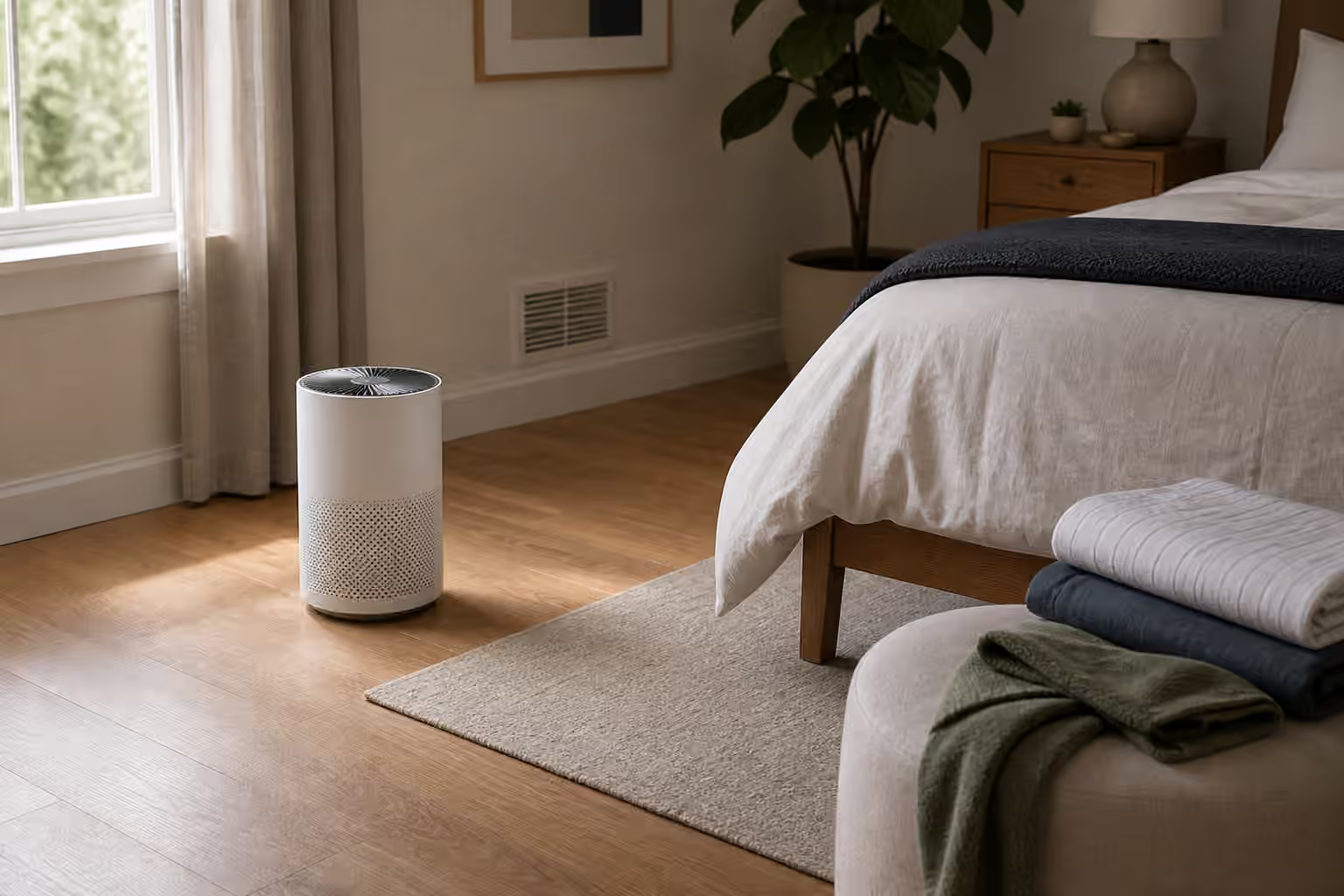
Check frame bolts and center support every few months. Look for broken slats, bent legs, or squeaks. Vacuum under the bed before dust builds into storage zones. Wash the protector according to its label. Rotate only if the mattress maker recommends it. Keep liquids, uncovered mugs, and messy snacks off the bed if returns or warranties matter.
When choosing a protector, ask whether it fits the mattress depth, stays quiet when you move, changes heat or feel, washes and dries at home, and stays tight under the fitted sheet. The right style depends on whether you need an encasement, five-sided protection, or only top protection.
Trial and return details
Read return rules before the mattress arrives. Some trials require the bed to be clean, unstained, and supported correctly. A protector, a proper foundation, and basic documentation can prevent a boring logistics problem from becoming expensive.
Keep the order confirmation, model name, foundation requirements, and pickup instructions in one note. If the mattress fails, you should be deciding based on comfort, not searching for policies.
When to choose more protection
Most adults do fine with a quiet five-sided protector, but some beds need more coverage. A guest room, rental, storage move, bed used by kids or pets, or mattress in a damp-prone room may justify an encasement or a second washable layer. More protection is not automatically better, though. Thick or plasticky layers can change heat, sound, and feel. The right protector is the one you will actually keep on the bed after the first week.
Shopping shortcut
For a new or still-good mattress, compare breathable waterproof protectors first. If you need more complete coverage for storage, moving, or higher-risk homes, compare zippered mattress encasements .
Good default
Buy the protector with the mattress, not after the first spill. Then test sheets over the full stack: mattress, protector, topper if any, and fitted sheet.
Next step
Treat mattress care as part of the bed, not an accessory afterthought. The protector, frame, and cleaning routine decide how easy the mattress is to keep.
Apply this guide as a decision record
Use Mattress Care and Protectors: Keep the Bed Easier to Maintain to turn a vague household question into a checkable one. Its scope is specific: How to choose mattress protectors, topper covers, rotation habits, frame checks, and basic mattress care. Before changing the setup, write down the condition you are trying to change, the constraint that matters most, and the evidence you still lack.
For a first pass through mattress care and protectors, compare the current state with a relevant baseline and record one observation, measurement, or conversation. Make the smallest reversible change available. Keep the manual, model number, room condition, schedule, or maintenance note beside the decision so a future check does not depend on memory. Keep mattress protector, mattress care in view as separate signals instead of treating them as one verdict.
A useful follow-up asks whether Mattress Care and Protectors: Keep the Bed Easier to Maintain improved the named problem without creating a new one. Check the tradeoff that fits this subject — heat, noise, comfort, water, power, wear, effort, or cost — and describe the result in plain language. If a boundary is safety-critical, stop at the guide’s limit and bring the details to a qualified local professional.
The conclusion for mattress care and protectors should stay narrow. Record what was observed, which condition made the result possible, what maintenance keeps it dependable, and what would make you revisit the choice. That turns a guidebook into a decision record you can use again rather than a promise to remember.