Mattress shopping gets noisy because every page tries to sound final. Treat it like a controlled trial instead.
Your job is to reduce risk: choose the right size, know your feel preference, verify support requirements, understand the return process, and test with your actual bedding.
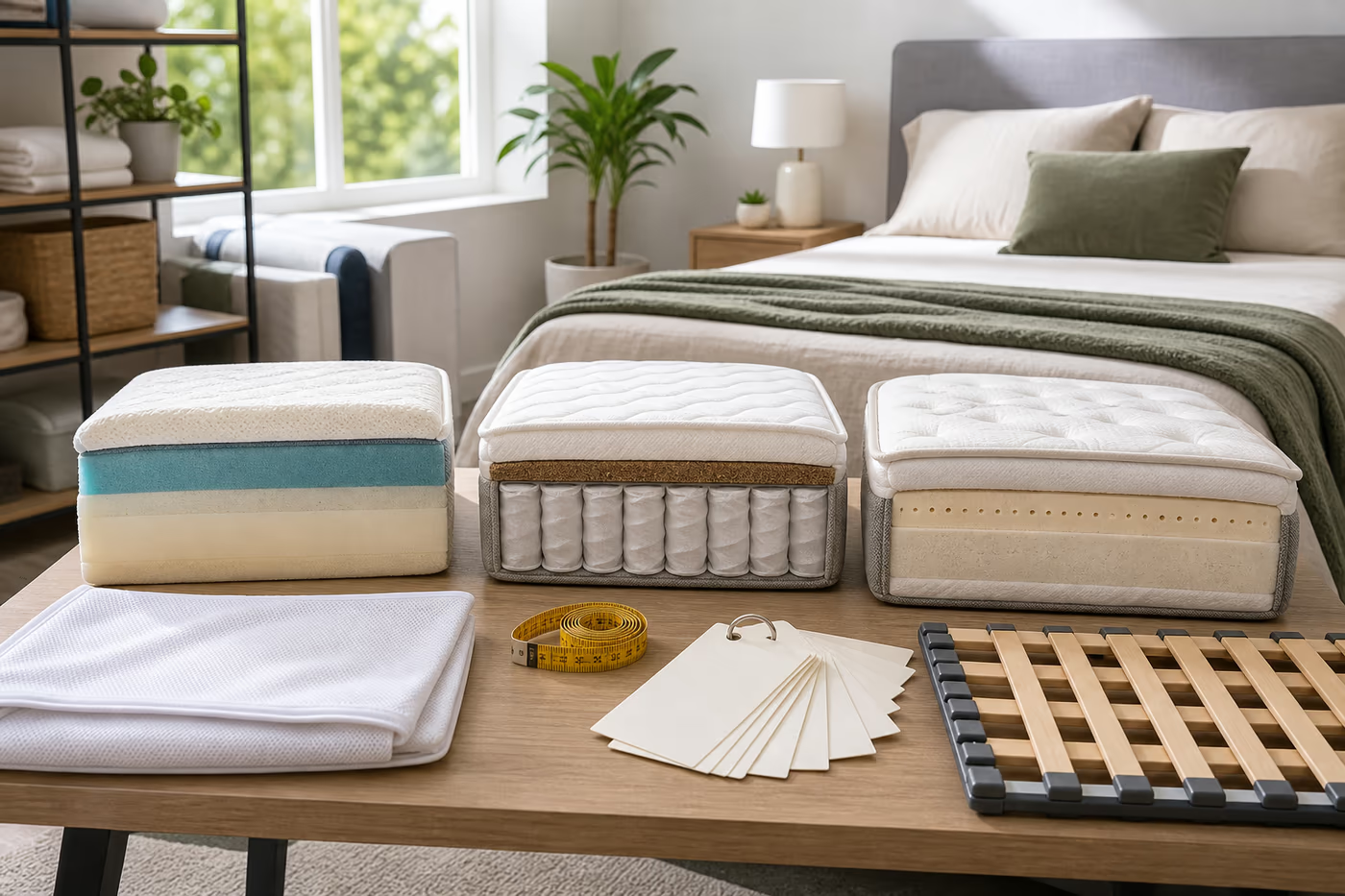
Compare fewer beds more carefully
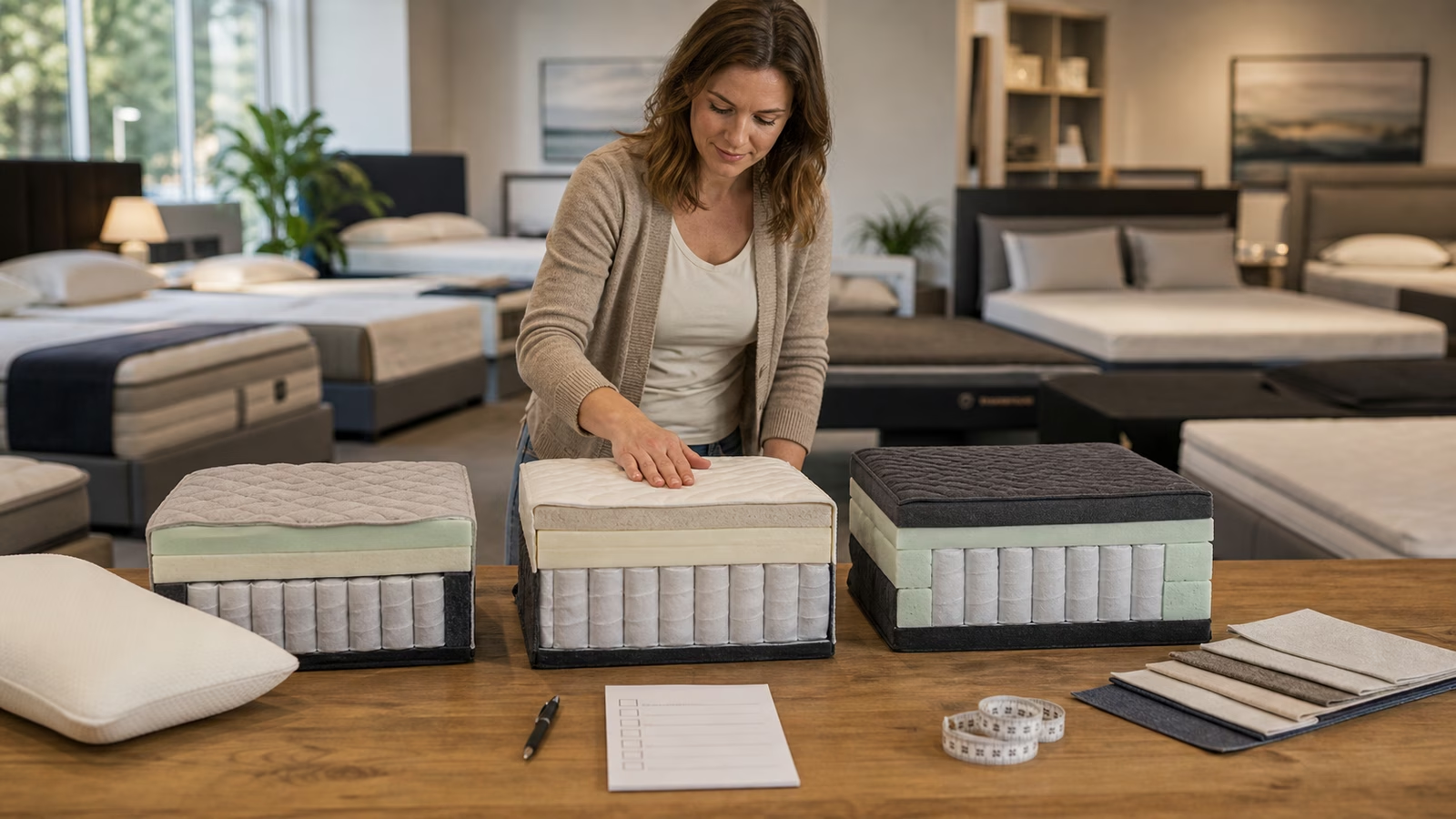
Compare no more than three serious options at a time. For each one, write a plain sentence explaining what problem it solves better than the current mattress. If the answer is vague, the mattress is not ready for the cart. Then note the type, height, firmness description, heat or airflow design, edge support, motion behavior, foundation requirements, delivery method, trial length, return cost, and pickup process.
Real-user firmness language is more useful than a brand scale by itself. One company’s medium-firm can feel like another company’s plush, especially when sleeper weight, position, room temperature, and foundation change the feel. Edge support matters if you sit on the side or sleep near the edge. Motion behavior matters if you share the bed. Heat management matters if the room runs warm or the bedding traps heat.
Read the return process first
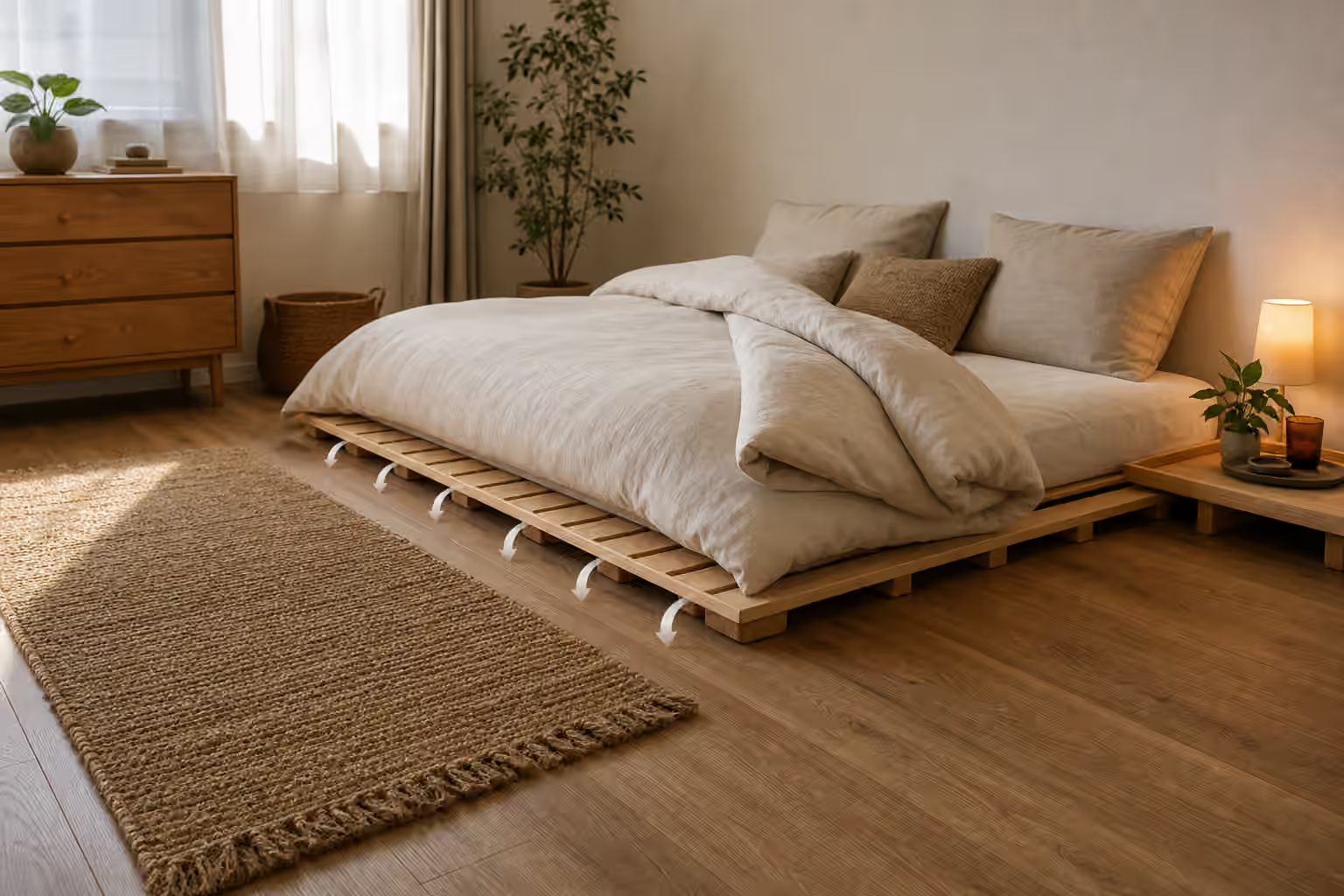
The return policy is part of the product. A mattress with a vague pickup process, expensive return fee, hidden foundation requirement, or packaging rule you cannot meet is riskier than the marketing suggests. If the trial requires keeping a giant box you cannot store, know that before delivery. If stains, weight limits, protector rules, or foundation requirements affect eligibility, know that too.
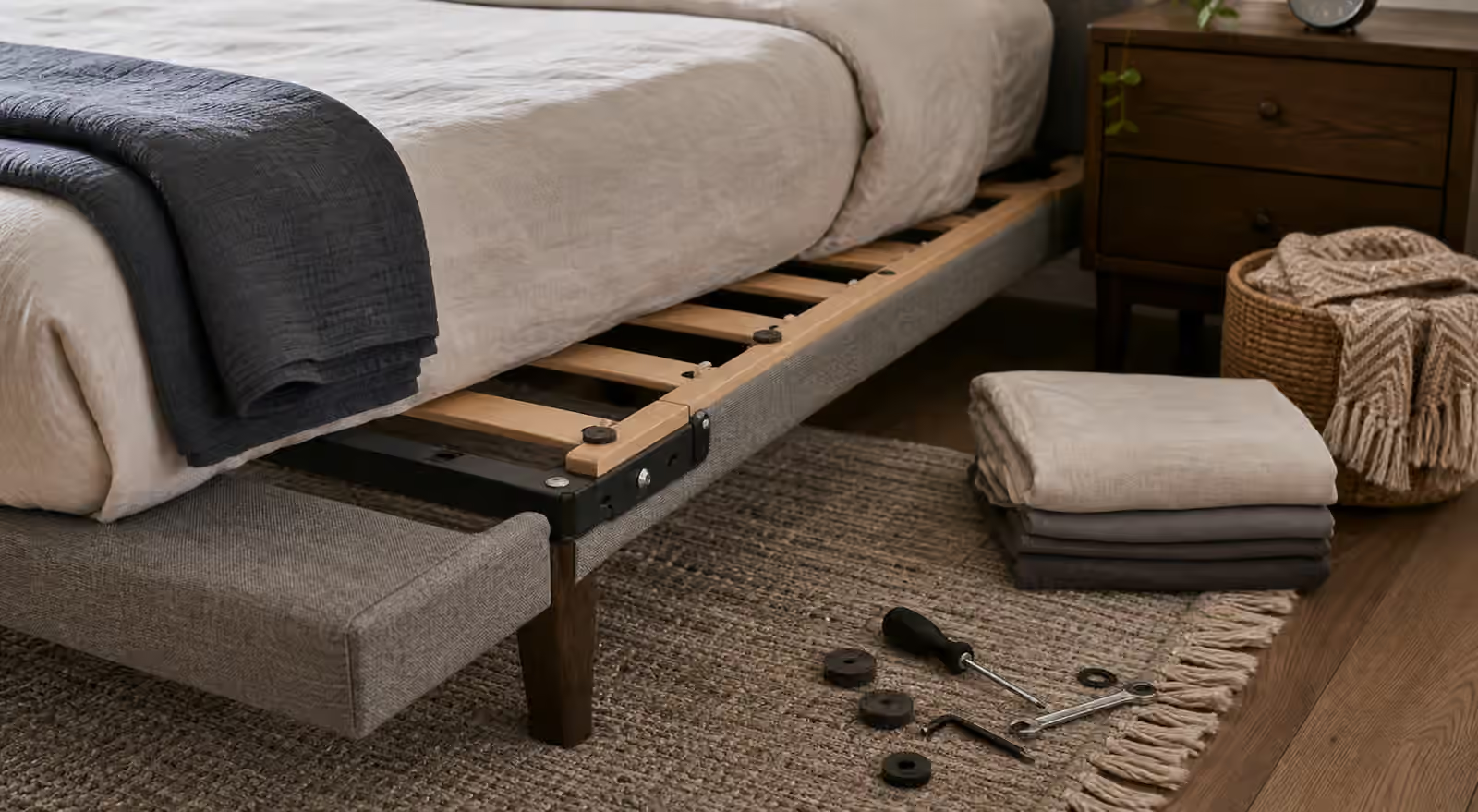
Do not buy a mattress that solves no complaint you can name. Also check the side effects. A taller mattress may require different sheets. A different firmness may change pillow height. A new size may require a new protector, bed frame, or room layout. The mattress is the main purchase, but it is rarely the only purchase.
After it arrives
Use a protector from day one, confirm the mattress is on the right support, and give your body time to notice the bed under normal conditions. Do not change mattress, pillow, sheets, and blanket all at once unless you are replacing an unusable setup. Too many changes make the trial hard to read.
If the mattress fails, start the return process early. Waiting until the final week adds stress and may limit pickup options.
Compare the boring details
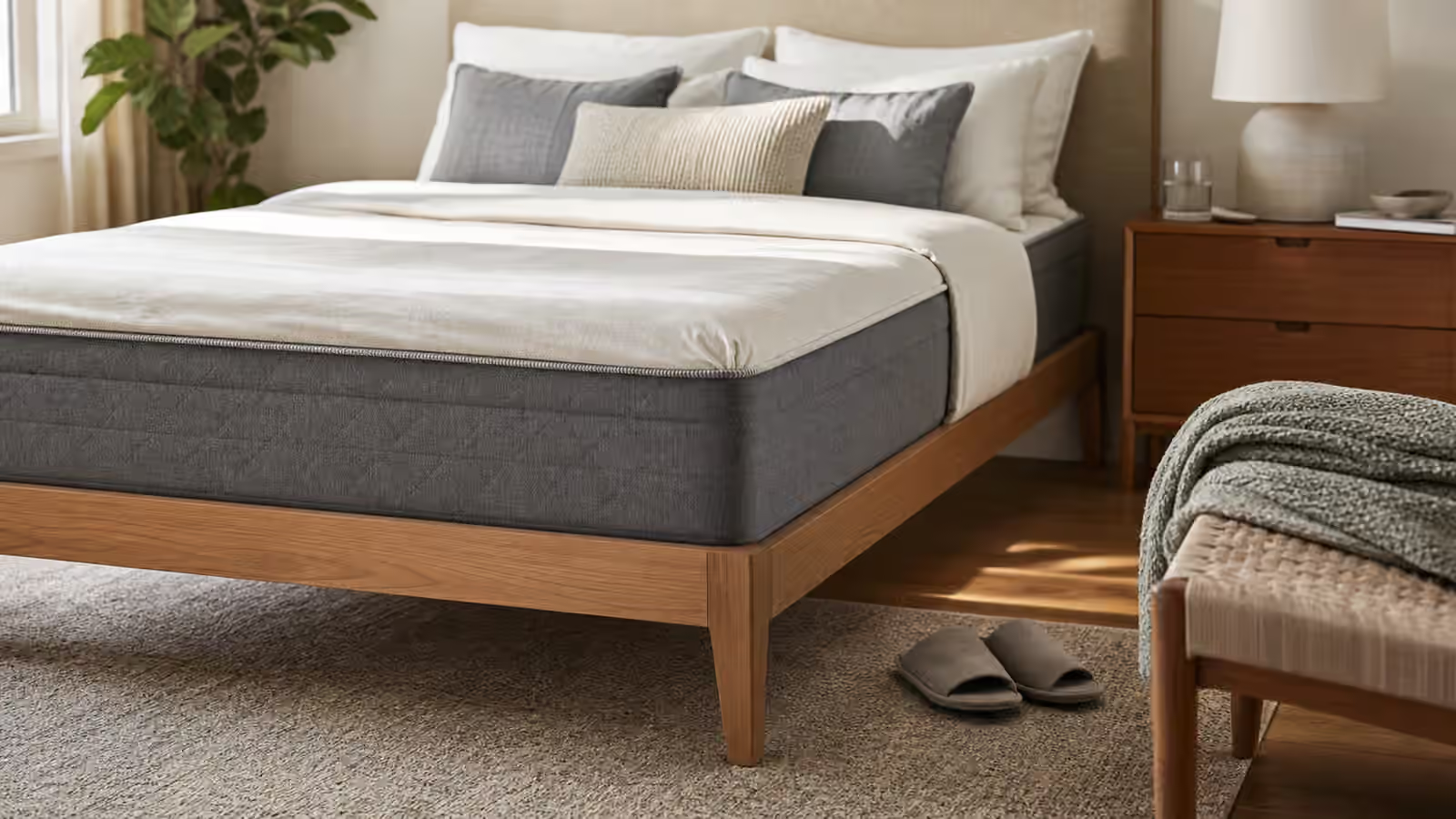
The unglamorous details decide whether a mattress works after delivery. Measure finished bed height, not just mattress height. Confirm the foundation is allowed. Check whether the edge feels stable when you sit to put on shoes. Notice whether your pillow still holds your neck at a natural angle. If you share the bed, test motion with both people on it instead of guessing from product copy. A mattress that looks perfect online can still fail because the room, frame, bedding, or return logistics were never part of the decision.
Shopping shortcut
When a mattress is actually entering the cart, add a breathable mattress protector immediately and check whether your current sheets need replacing with deep-pocket sheets . Those are the two accessories most likely to matter during the trial.
The calm buying path
Shortlist three models at most and compare them in plain language. If the main differences are unclear, you are comparing marketing, not decisions.
When in doubt, choose the option with the clearest return process over the one with the loudest claims.
Next step
Make one change at a time once the mattress arrives. The trial is only useful if you can tell whether the mattress changed the sleep setup or everything changed at once.
Apply this guide as a decision record
Use Mattress Shopping Checklist: Trial, Fit, Materials, and Return Rules to turn a vague household question into a checkable one. Its scope is specific: A product-decision checklist for buying a mattress without getting lost in marketing language. Before changing the setup, write down the condition you are trying to change, the constraint that matters most, and the evidence you still lack.
For a first pass through mattress shopping checklist, compare the current state with a relevant baseline and record one observation, measurement, or conversation. Make the smallest reversible change available. Keep the manual, model number, room condition, schedule, or maintenance note beside the decision so a future check does not depend on memory. Keep mattress shopping, buying guide in view as separate signals instead of treating them as one verdict.
A useful follow-up asks whether Mattress Shopping Checklist: Trial, Fit, Materials, and Return Rules improved the named problem without creating a new one. Check the tradeoff that fits this subject — heat, noise, comfort, water, power, wear, effort, or cost — and describe the result in plain language. If a boundary is safety-critical, stop at the guide’s limit and bring the details to a qualified local professional.
The conclusion for mattress shopping checklist should stay narrow. Record what was observed, which condition made the result possible, what maintenance keeps it dependable, and what would make you revisit the choice. That turns a guidebook into a decision record you can use again rather than a promise to remember.