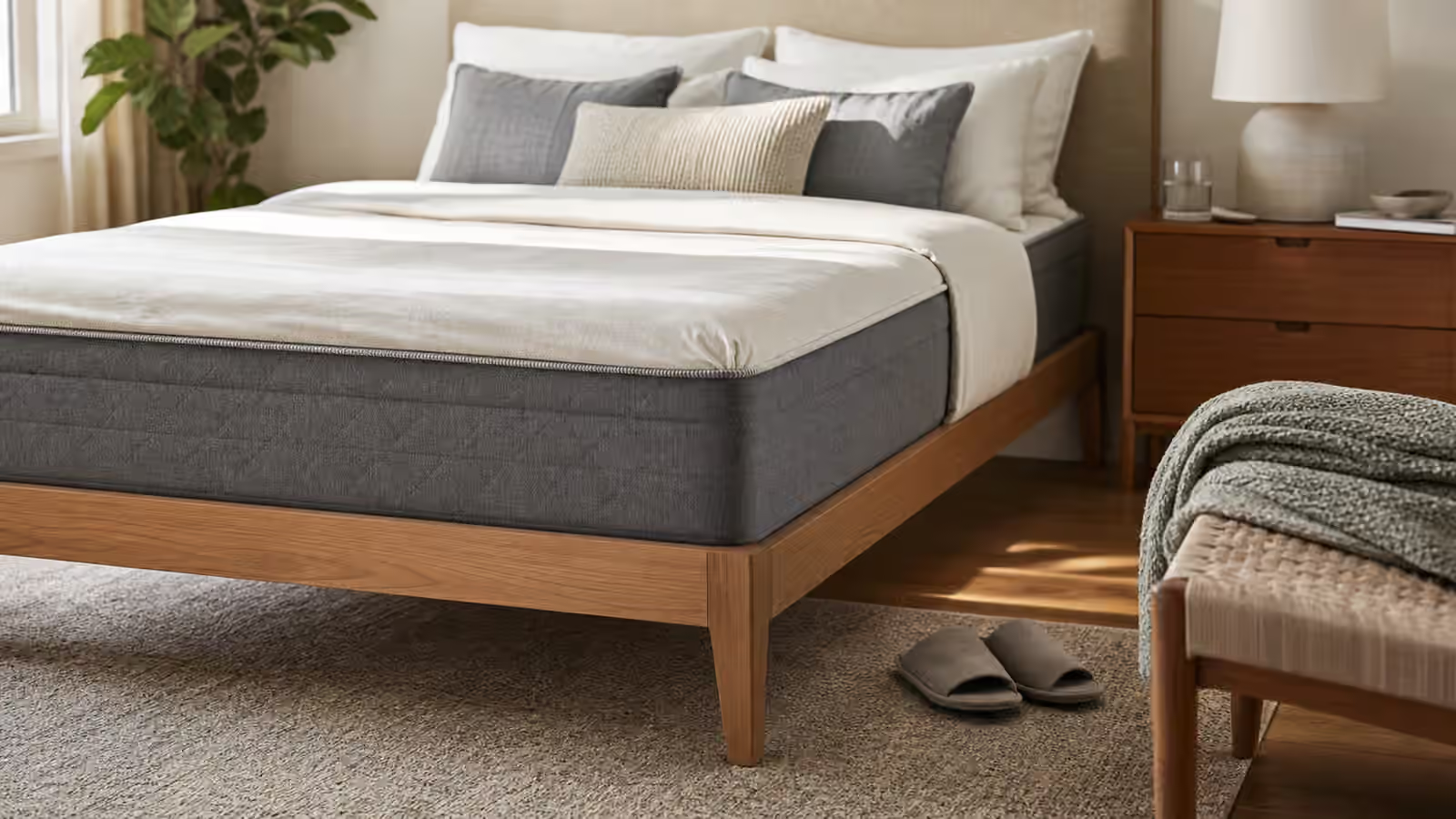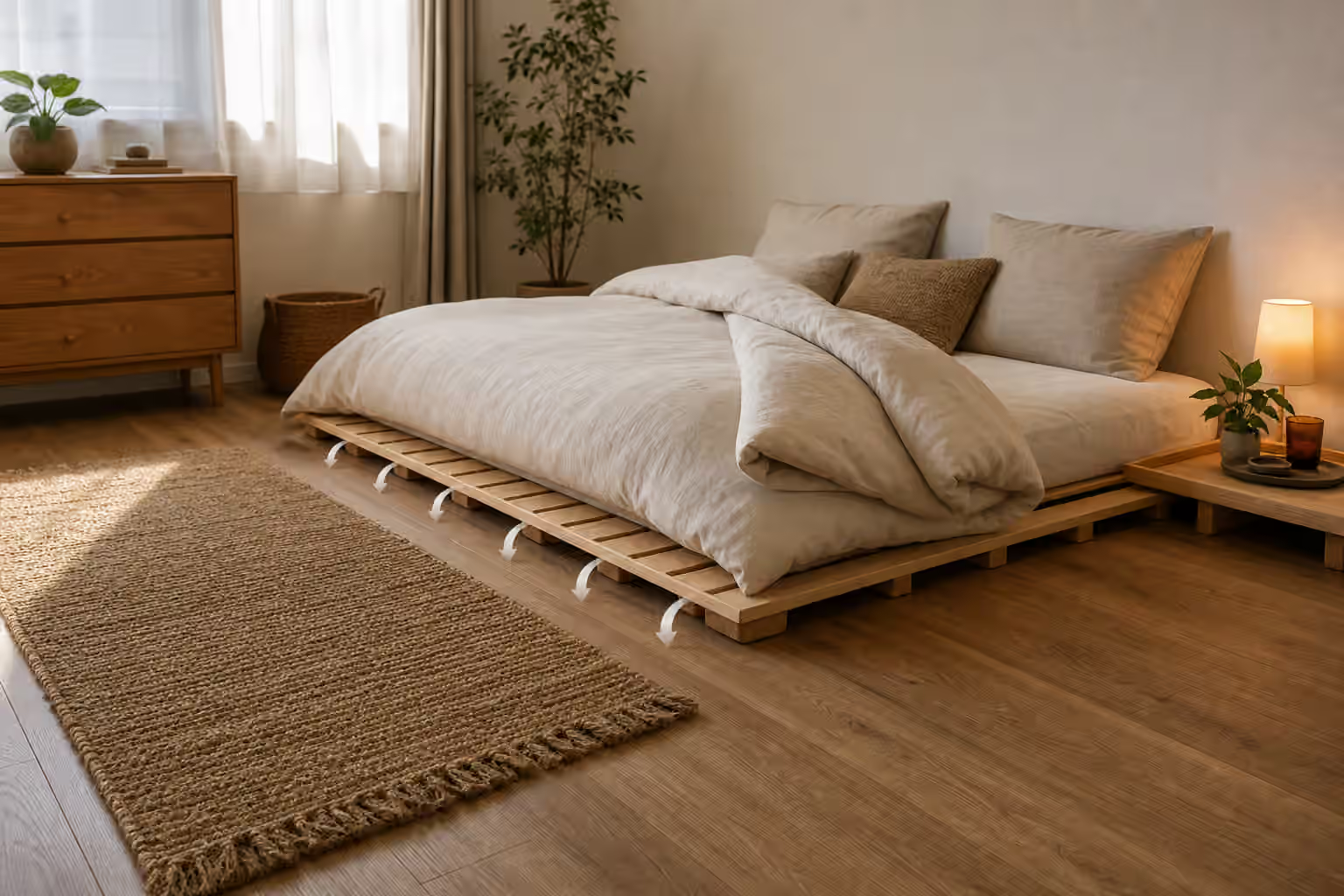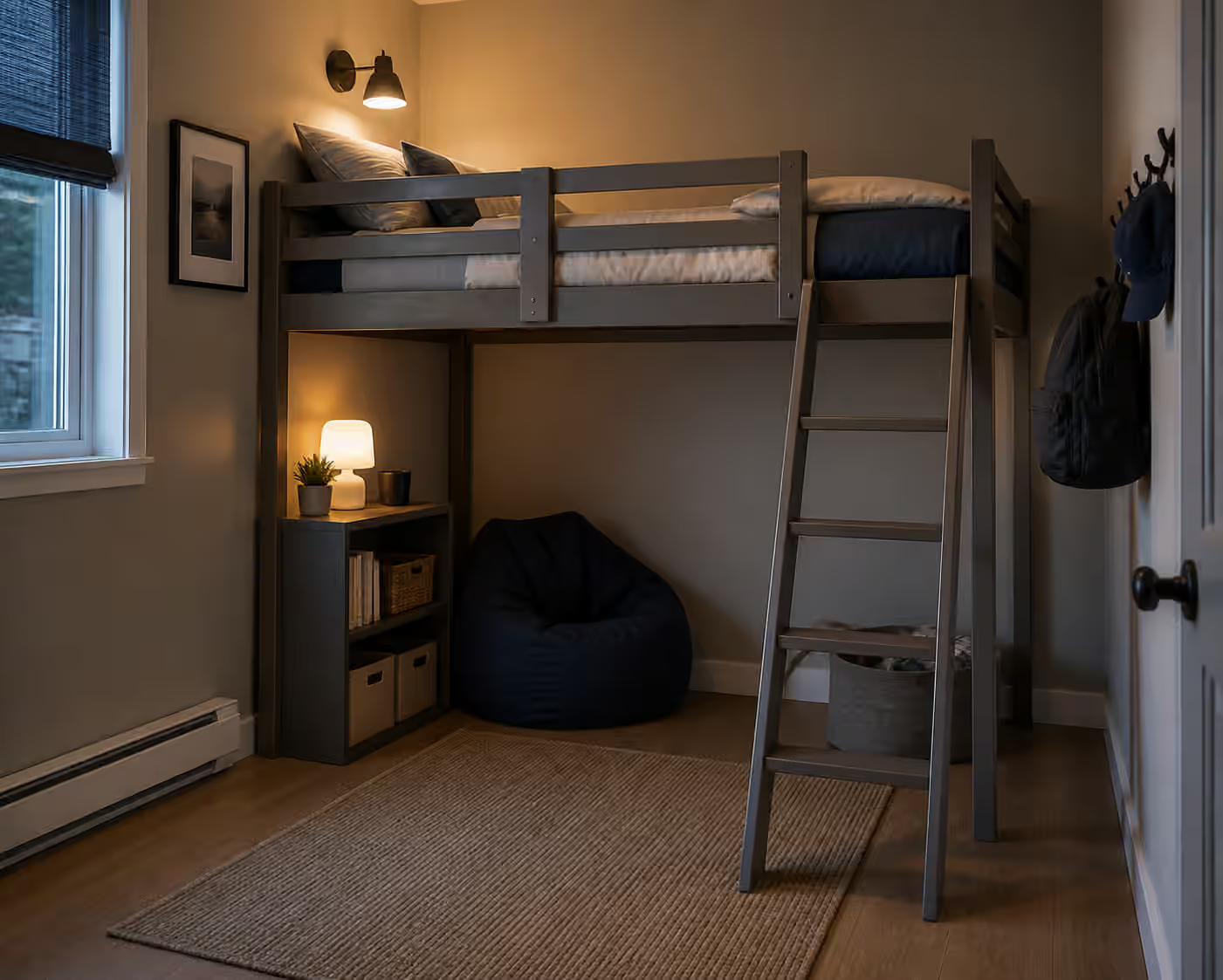
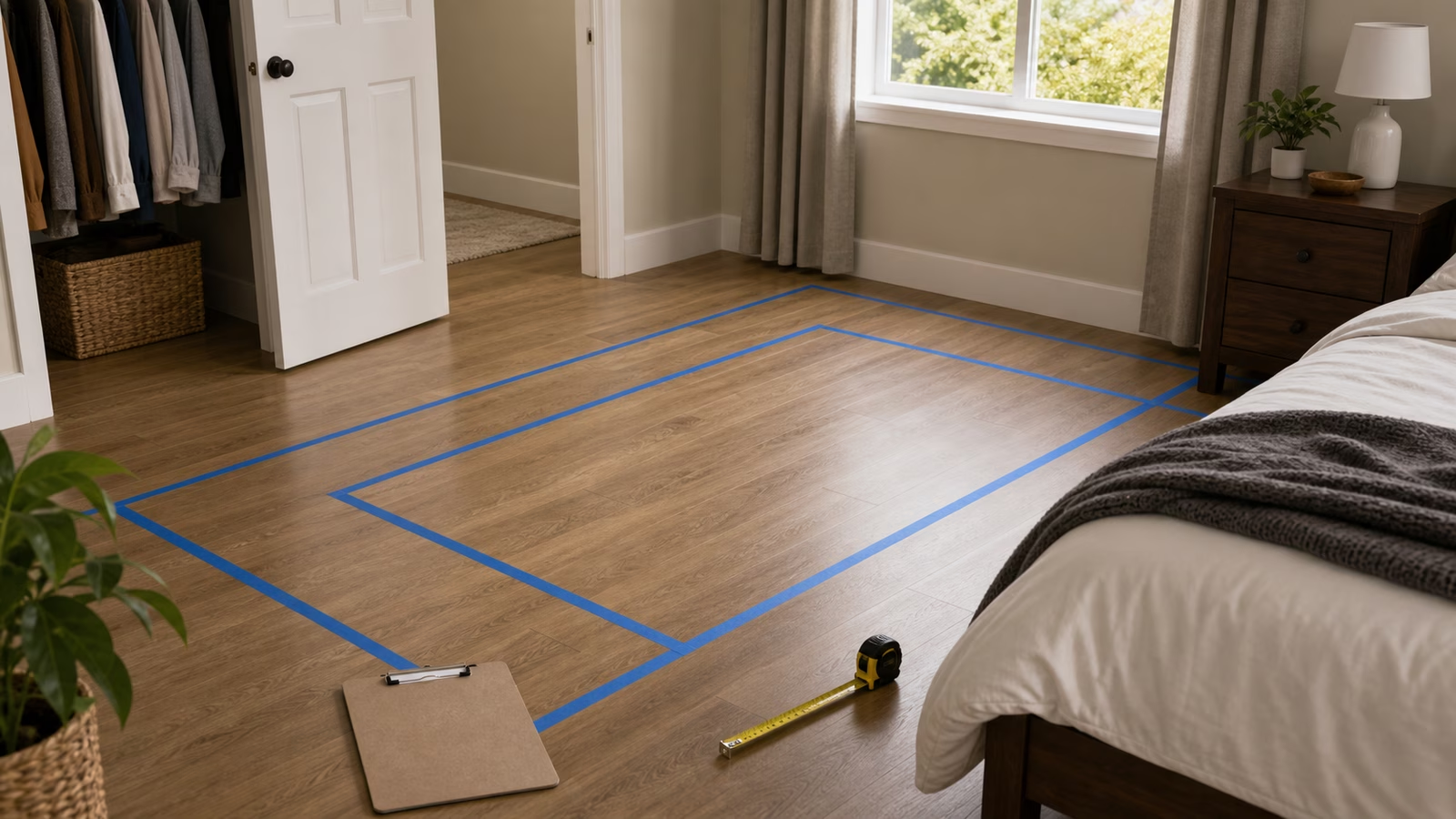
A larger mattress can make a room feel calmer if it solves crowding in the bed. It can also make the room worse if you lose drawers, walking space, door swing, or nightstand access.
Measure the room before you fall in love with a size.
Size tradeoffs
A move from full to queen can help one sleeper spread out or make two sleepers less cramped, but it changes room width and bedding cost. A queen-to-king move gives two sleepers more personal space, while also demanding a larger frame, clearer walking paths, and a real delivery path. A split king can solve different bases or firmness needs, but it brings a center gap, sheet logistics, and higher cost. A larger bed in a small room works only when bed comfort is the top priority. A smaller bed with a better layout can make the whole room function better, even if it gives up some sleeping width.
The right size is the one that improves the whole room, not just the mattress footprint.
Clearances to check
Check walking paths on both sides if two people use the bed. Open drawers and closet doors. Swing the bedroom door. Include nightstand width, outlet access, laundry baskets, hampers, fans, pet beds, and anything that lives on the floor. Then check the hallway, stairs, elevator, and doorways that the mattress and frame must pass through before they ever reach the bedroom.
Measure beyond the bedroom
Delivery can fail before the mattress reaches the room. Check stairs, elevator dimensions, tight hallway turns, door widths, low ceilings, and whether the frame or foundation ships in one piece. Split foundations are often easier to move than one large rigid base.
Also measure what happens after setup: can you pull the fitted sheet over the far corner, open the closet, and walk around the bed with laundry in your hands?
Think in routes, not rectangles
A bedroom floor plan can make a mattress look easier than it is. Walk the route from the front door to the bed, then walk the route around the bed as if you were changing sheets, opening drawers, carrying laundry, or helping someone get up at night. If every normal movement becomes a sidestep, the size is probably too ambitious. The best mattress size gives you enough sleeping surface without turning the room into a storage puzzle.
Shopping shortcut
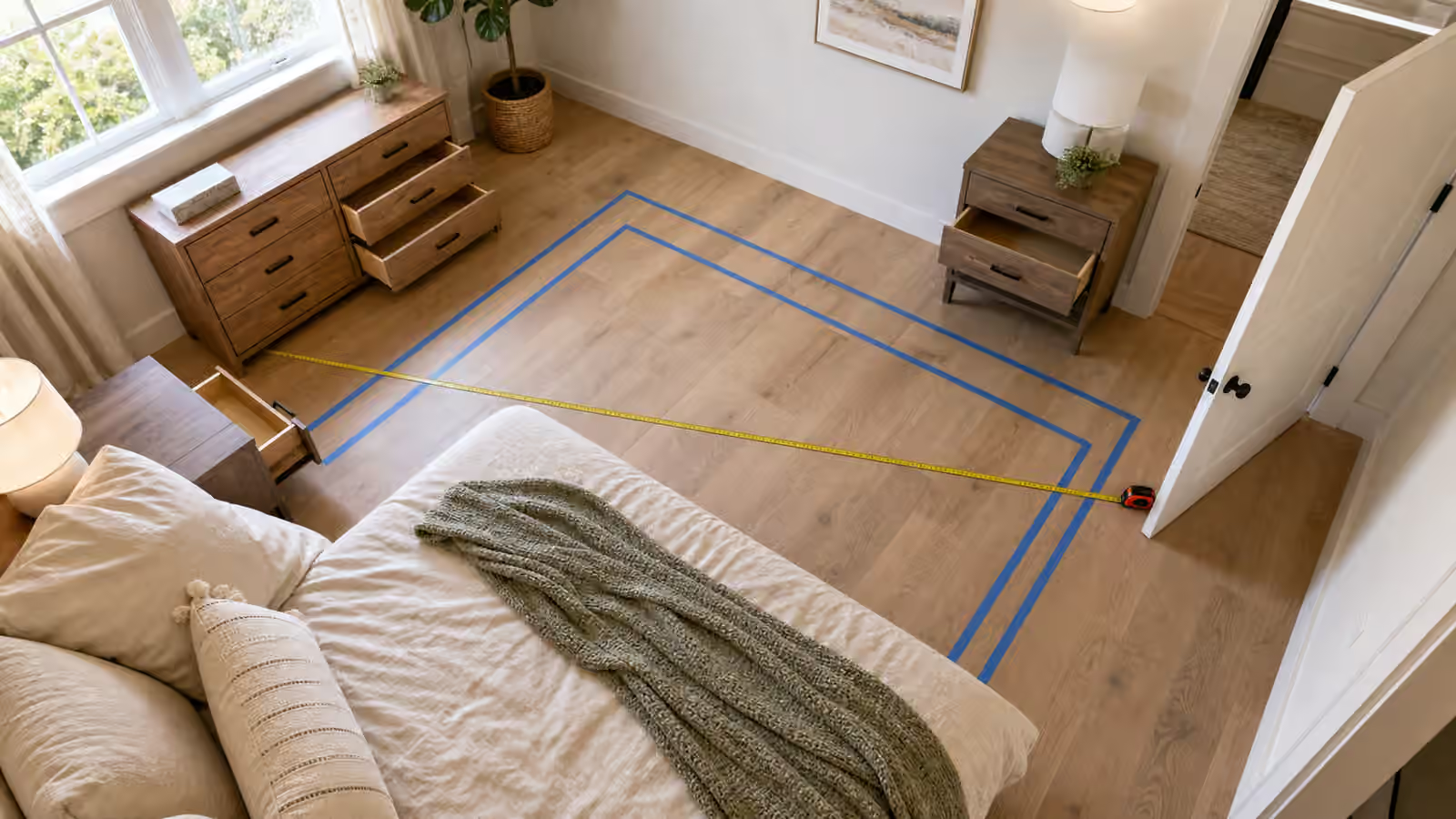
If size is still abstract, use a laser measuring tape or painter’s tape before browsing frames. For storage-heavy rooms, compare platform bed frames with storage only after you know drawers can actually open.
Avoid sizing mistakes
Measure the frame, not just the mattress. Include nightstands and lamps. Respect drawers that need full pullout. Notice whether a tall mattress will make the bed awkwardly high. Do not choose a size that blocks curtain access or airflow. If the frame can be assembled inside the room, delivery is easier; if the foundation is one rigid piece, the route matters more.
Good default
Choose the mattress size that solves the real problem. If the issue is partner space, size may matter. If the issue is heat, motion, pillow fit, or frame noise, a larger mattress may simply make an expensive problem wider.
Small bedrooms often do better with a slightly smaller bed plus better storage and lighting. See Small Bedroom Layout .
Next step
Tape the footprint before buying. A larger mattress is only an upgrade when the room still works around it.
Apply this guide as a decision record
Use Mattress Size and Room Fit: Measure the Bedroom Before the Bed to turn a vague household question into a checkable one. Its scope is specific: How to choose mattress size by room clearance, partner needs, storage, doorways, and everyday movement. Before changing the setup, write down the condition you are trying to change, the constraint that matters most, and the evidence you still lack.
For a first pass through mattress size and room fit, compare the current state with a relevant baseline and record one observation, measurement, or conversation. Make the smallest reversible change available. Keep the manual, model number, room condition, schedule, or maintenance note beside the decision so a future check does not depend on memory. Keep mattress size, bedroom layout in view as separate signals instead of treating them as one verdict.
A useful follow-up asks whether Mattress Size and Room Fit: Measure the Bedroom Before the Bed improved the named problem without creating a new one. Check the tradeoff that fits this subject — heat, noise, comfort, water, power, wear, effort, or cost — and describe the result in plain language. If a boundary is safety-critical, stop at the guide’s limit and bring the details to a qualified local professional.
The conclusion for mattress size and room fit should stay narrow. Record what was observed, which condition made the result possible, what maintenance keeps it dependable, and what would make you revisit the choice. That turns a guidebook into a decision record you can use again rather than a promise to remember.