A pillow is the small hinge between your mattress and your head position. It is also one of the cheapest things to get wrong repeatedly.

The useful question is not “soft or firm?” It is “how much height and resistance do I need on this mattress?”
Match pillow to mattress feel
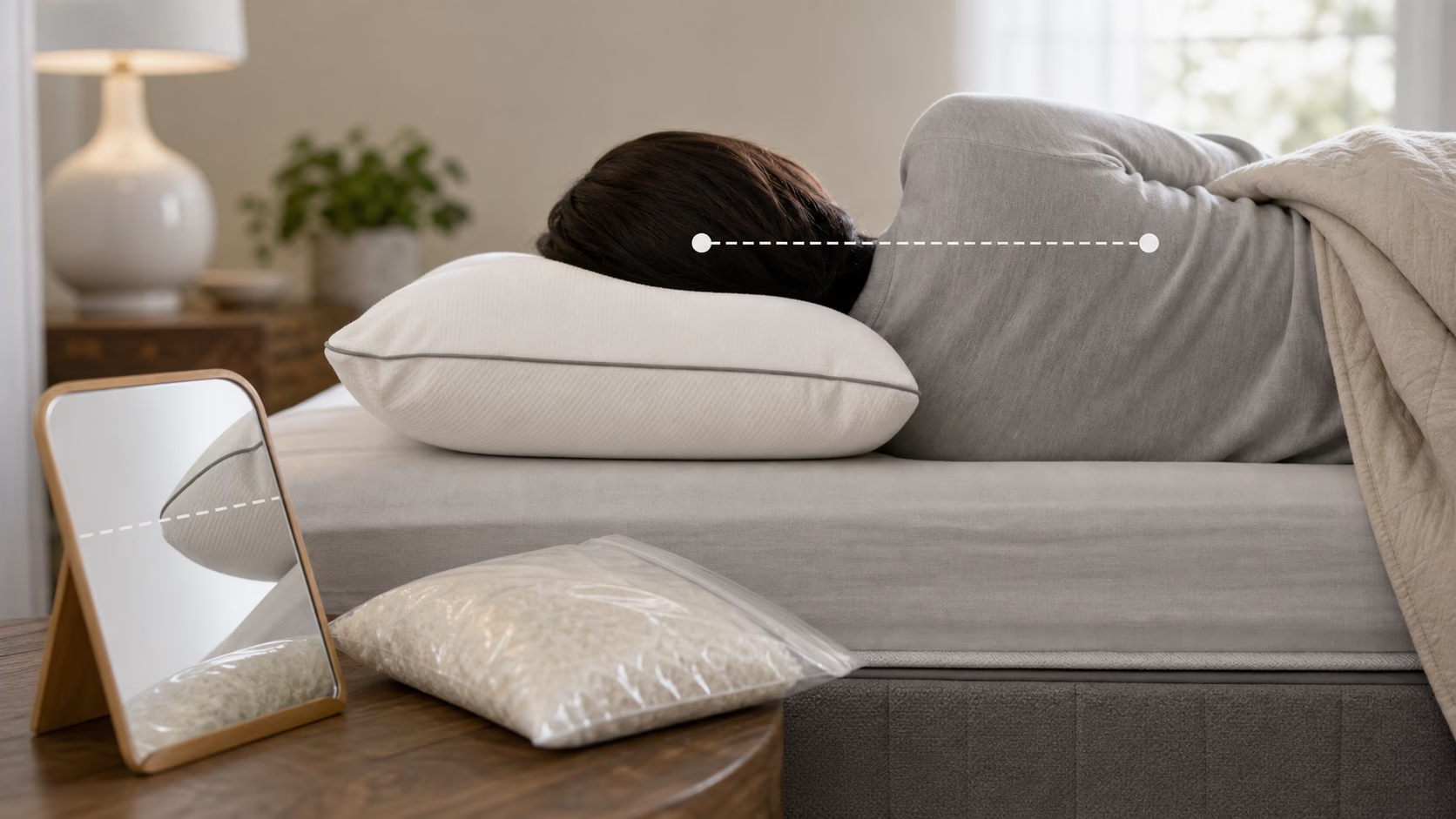
A plush mattress lets shoulders sink more, so the pillow may need less loft. A firmer mattress keeps shoulders higher, so the same sleeper may need more loft. That is why a pillow can feel perfect on one bed and strange on another.
If you changed mattresses recently, retest the pillow before assuming the new mattress is wrong.
What to compare
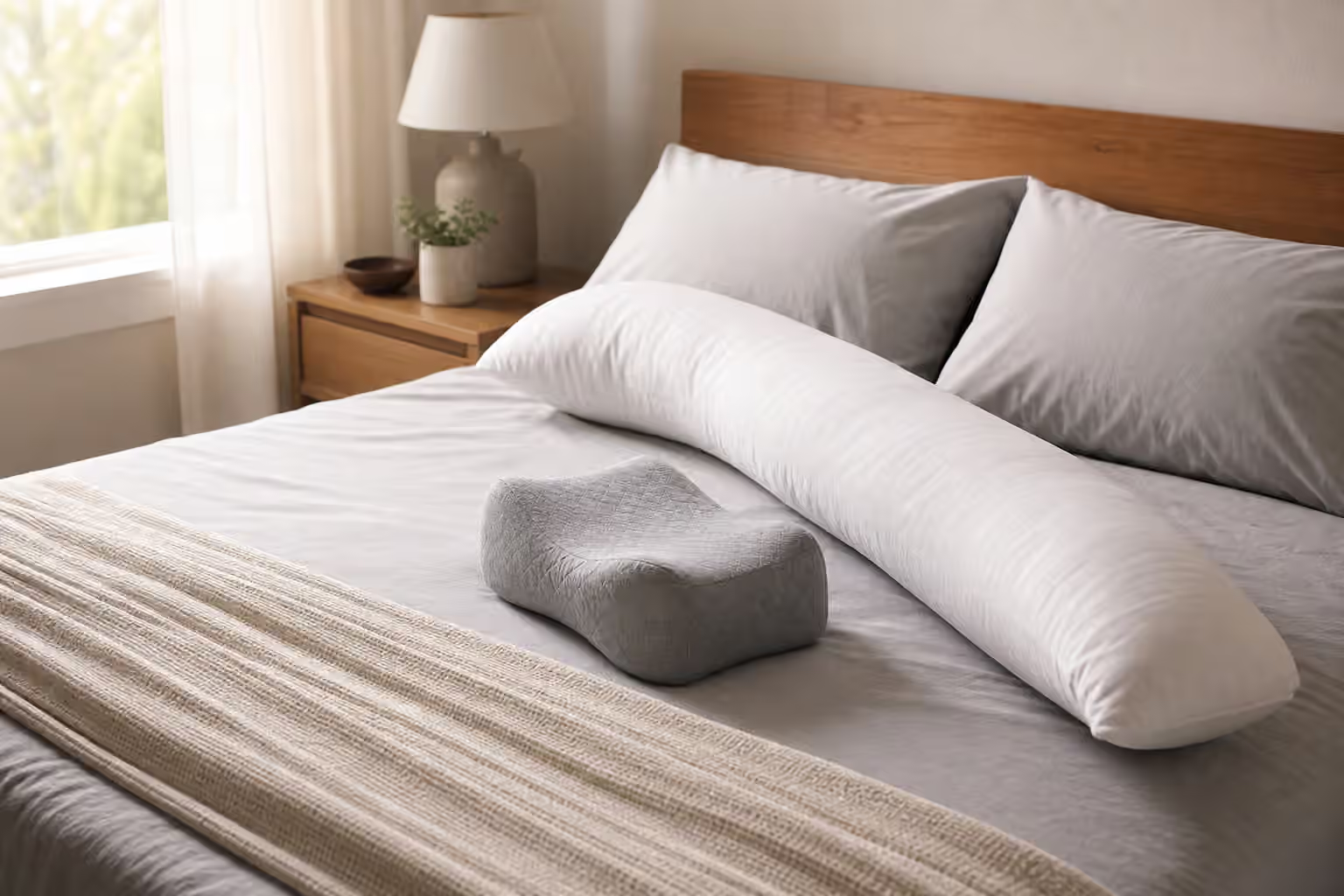
Loft changes the head and neck angle. Fill affects shape, spring, heat, and cleaning. Adjustability lets you add or remove material rather than guessing one fixed height. Shape can mean a standard pillow, contour pillow, body pillow, wedge, or travel form. The cover affects feel, breathability, and washability. A protector helps the pillow join the regular cleaning routine.
Down and down alternative feel soft and moldable, but they may compress more than expected. Shredded foam offers adjustable loft and contour, though some people notice lumps. Solid foam keeps a consistent shape but is less adjustable. Latex feels buoyant and resilient, with a distinct springy character. Buckwheat or hull pillows are highly adjustable and firm, but they bring noise, weight, and texture.
Adjustable fill is useful for beginners because it turns one purchase into a fit experiment.
Read your current pillow habits
Your current habits are clues. If you fold, stack, punch, or shove the pillow away, the loft or resistance is probably wrong. If you wake up warm around the head, cover fabric and fill matter. If the pillow cannot be washed or protected, it may not fit the maintenance routine. Return policy matters because a pillow needs an actual home trial, not only a hand squeeze in a store.
Home fit test
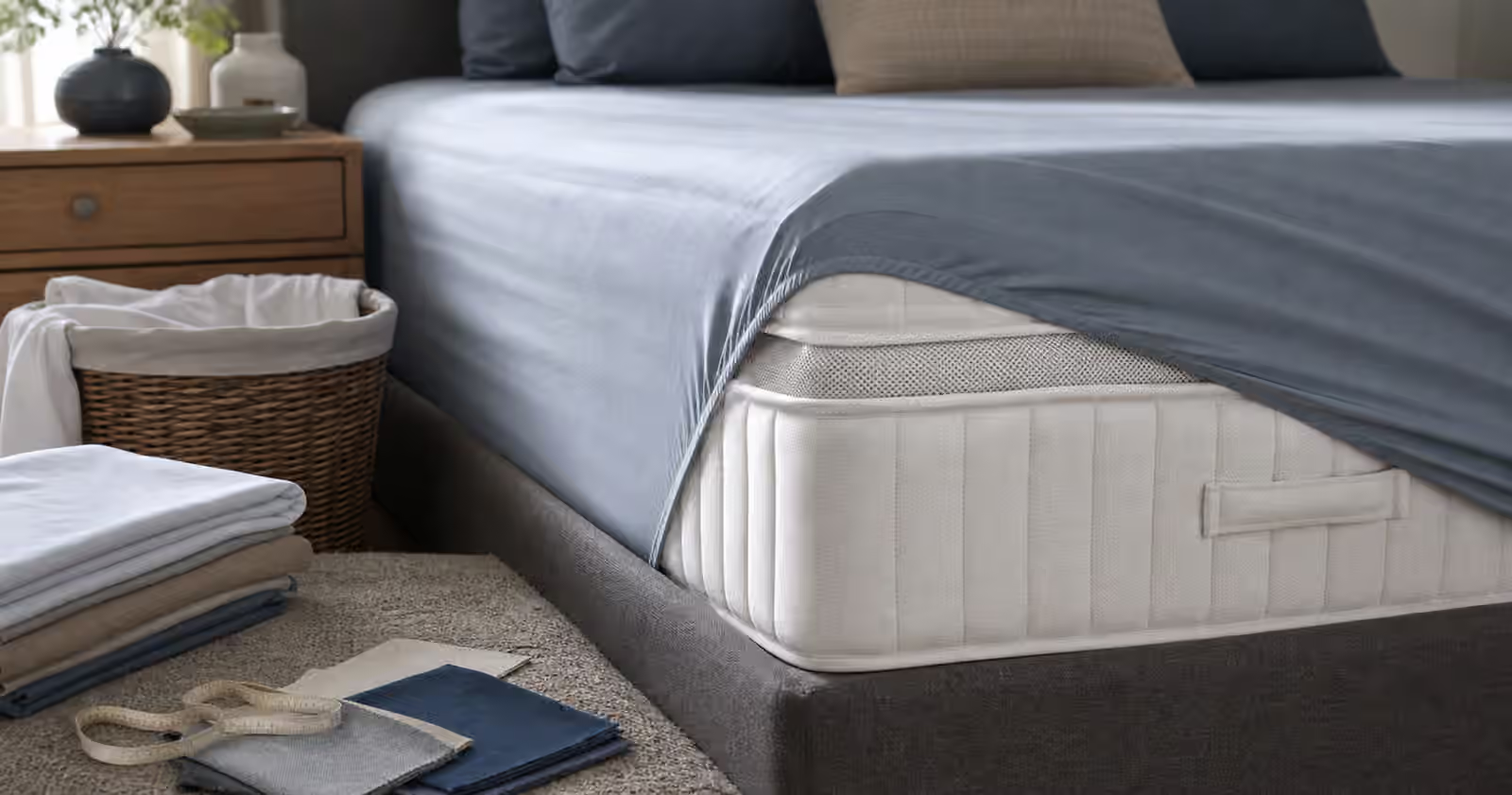
Test the pillow with your normal sheet set and mattress protector. Lie in your normal starting position, then switch positions. Notice whether you keep folding the pillow, pushing it away, stacking another pillow, or waking up with it off the bed. Those habits are fit clues.
Do not judge the pillow only by hand feel. Many pillows feel luxurious in the store and wrong after a full night.
Let your current pillow diagnose the next one
Your old pillow usually explains what to try next. If you fold it in half, you probably need more height or firmness. If you shove it away during the night, it may be too tall, too warm, or too springy. If you wake with your shoulder jammed forward, the pillow may not be filling the space between neck and mattress. If you stack two pillows and still feel unsupported, the mattress or sleep position may be part of the problem. Buy from the complaint, not from the label.
Shopping shortcut
If you keep folding or stacking pillows, start with an adjustable-fill pillow instead of guessing another fixed loft. Add zippered pillow protectors if you want the pillow to fit into the regular wash routine.
Good default
If you are unsure, start with an adjustable-fill pillow and remove fill until it stops pushing your head up. Keep the extra fill in a labeled bag so you can retune later.
A pillow that worked on an old mattress may fail on a new one. Recheck pillow loft after any mattress change.
Give the pillow a real trial
A pillow needs more than one dramatic first night. Heat, stress, laundry timing, travel, alcohol, allergies, and a new mattress pad can all distort the test. Try the pillow for several ordinary nights, then judge the pattern rather than the best or worst sleep. If you adjust fill, remove a small amount at a time and keep the extra in a bag. If you change the cover or protector, test again before blaming the fill. The right pillow should disappear into the night: no folding, no shoving, no shoulder bargaining, no morning argument with your neck.
Next step
Retune the pillow when the mattress changes. The right loft is not universal; it belongs to a specific bed and sleep position.
Apply this guide as a decision record
Use Pillow Fit Guide: Loft, Fill, Shape, and Washability to turn a vague household question into a checkable one. Its scope is specific: How to choose a pillow by loft, fill, mattress feel, sleep position, and cleaning needs. Before changing the setup, write down the condition you are trying to change, the constraint that matters most, and the evidence you still lack.
For a first pass through pillow fit guide, compare the current state with a relevant baseline and record one observation, measurement, or conversation. Make the smallest reversible change available. Keep the manual, model number, room condition, schedule, or maintenance note beside the decision so a future check does not depend on memory. Keep pillows, pillow loft, bedding in view as separate signals instead of treating them as one verdict.
A useful follow-up asks whether Pillow Fit Guide: Loft, Fill, Shape, and Washability improved the named problem without creating a new one. Check the tradeoff that fits this subject — heat, noise, comfort, water, power, wear, effort, or cost — and describe the result in plain language. If a boundary is safety-critical, stop at the guide’s limit and bring the details to a qualified local professional.
The conclusion for pillow fit guide should stay narrow. Record what was observed, which condition made the result possible, what maintenance keeps it dependable, and what would make you revisit the choice. That turns a guidebook into a decision record you can use again rather than a promise to remember.