Rentals make sleep setup more constrained: limited drilling, odd blinds, thin doors, shared walls, small rooms, and fewer layout choices.
The trick is choosing reversible fixes that solve the biggest annoyance first.
Start with the lease and the surface
Rental-friendly does not only mean no drill. It means the fix can be removed from your actual wall, window frame, paint, tile, or trim without damage.
Test adhesives in a hidden spot, keep original hardware in a labeled bag, and take a quick photo before changing window treatments. If a solution depends on tension, make sure it cannot fall onto the bed or block an exit.
Reversible fixes that matter
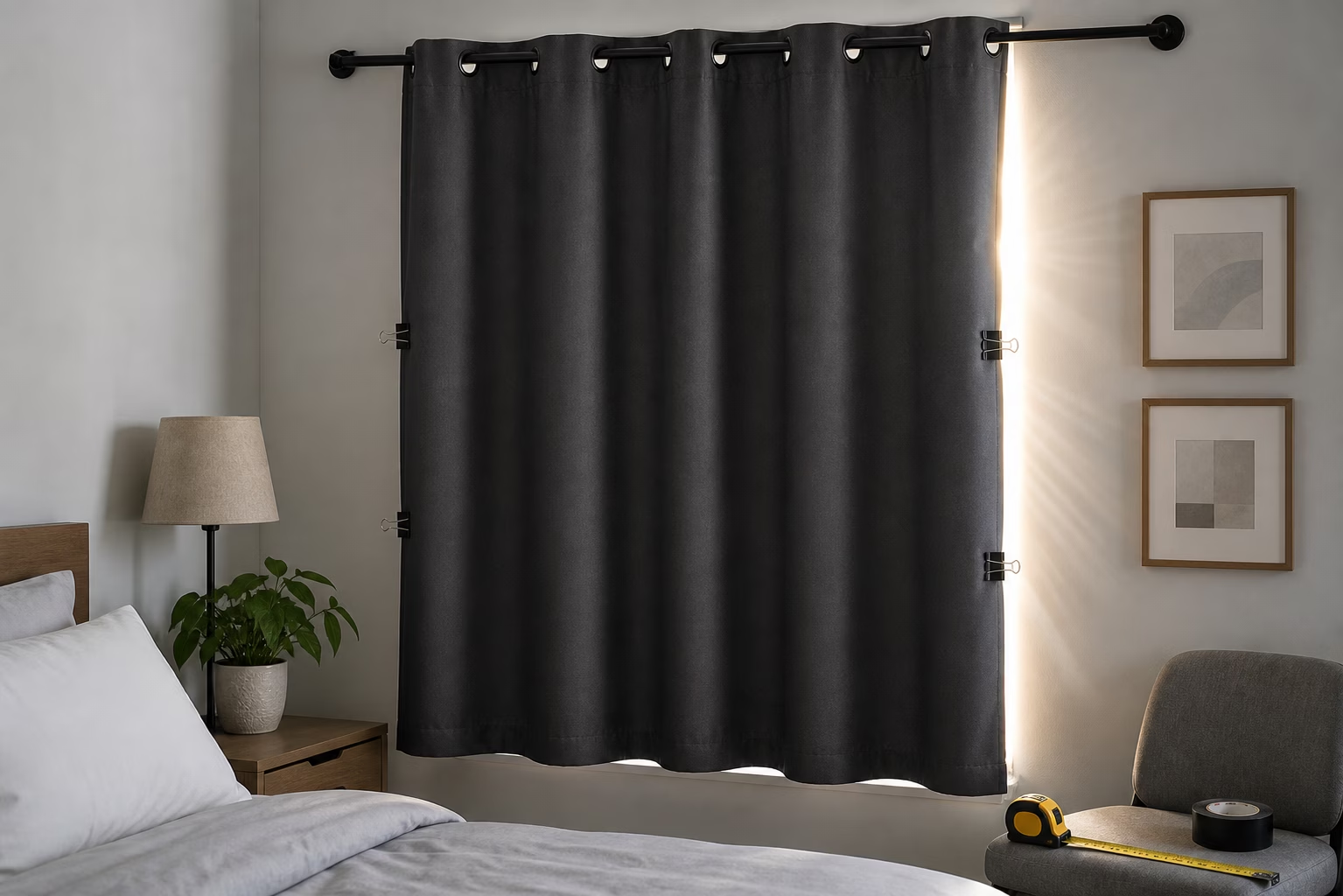
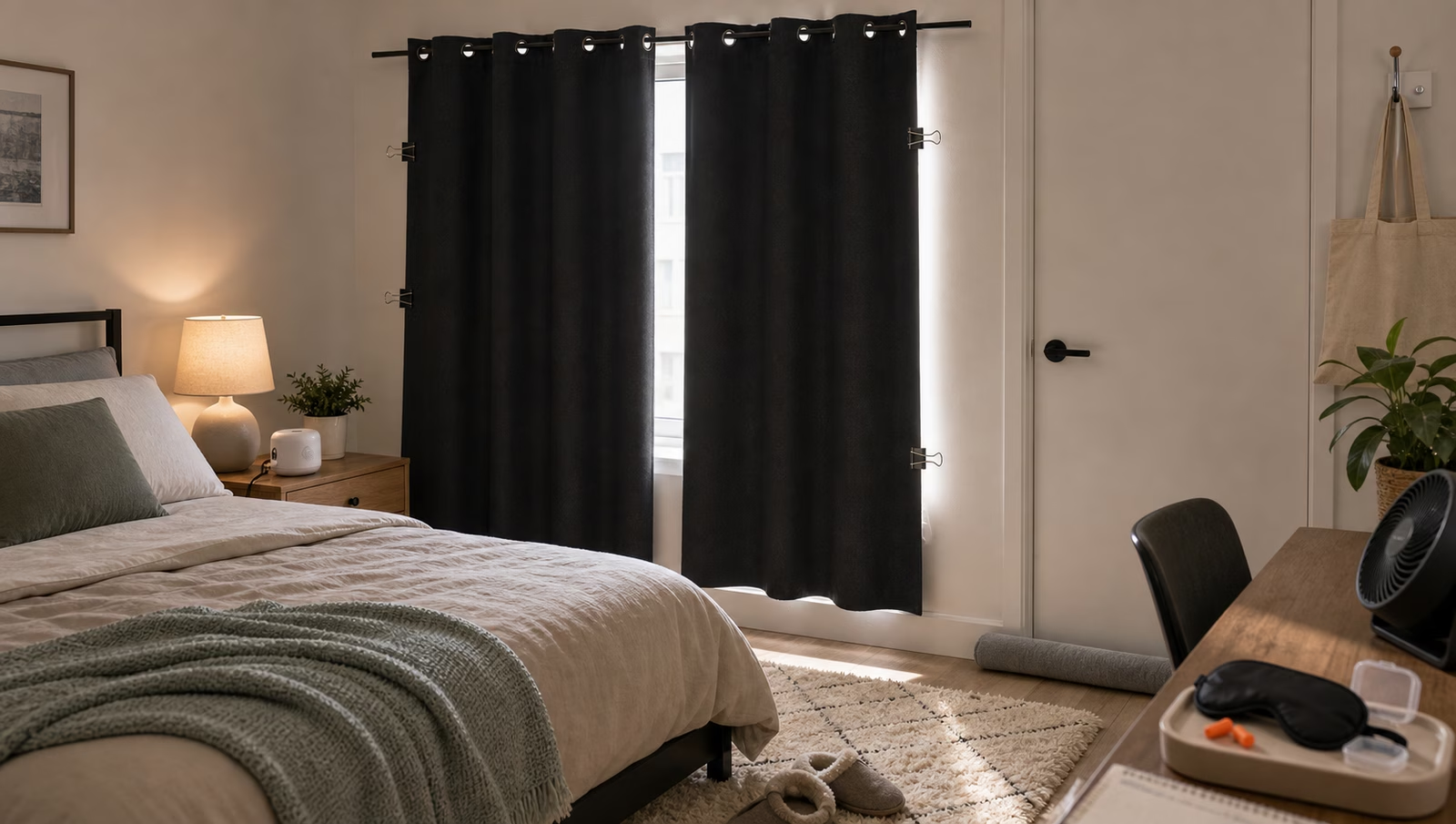
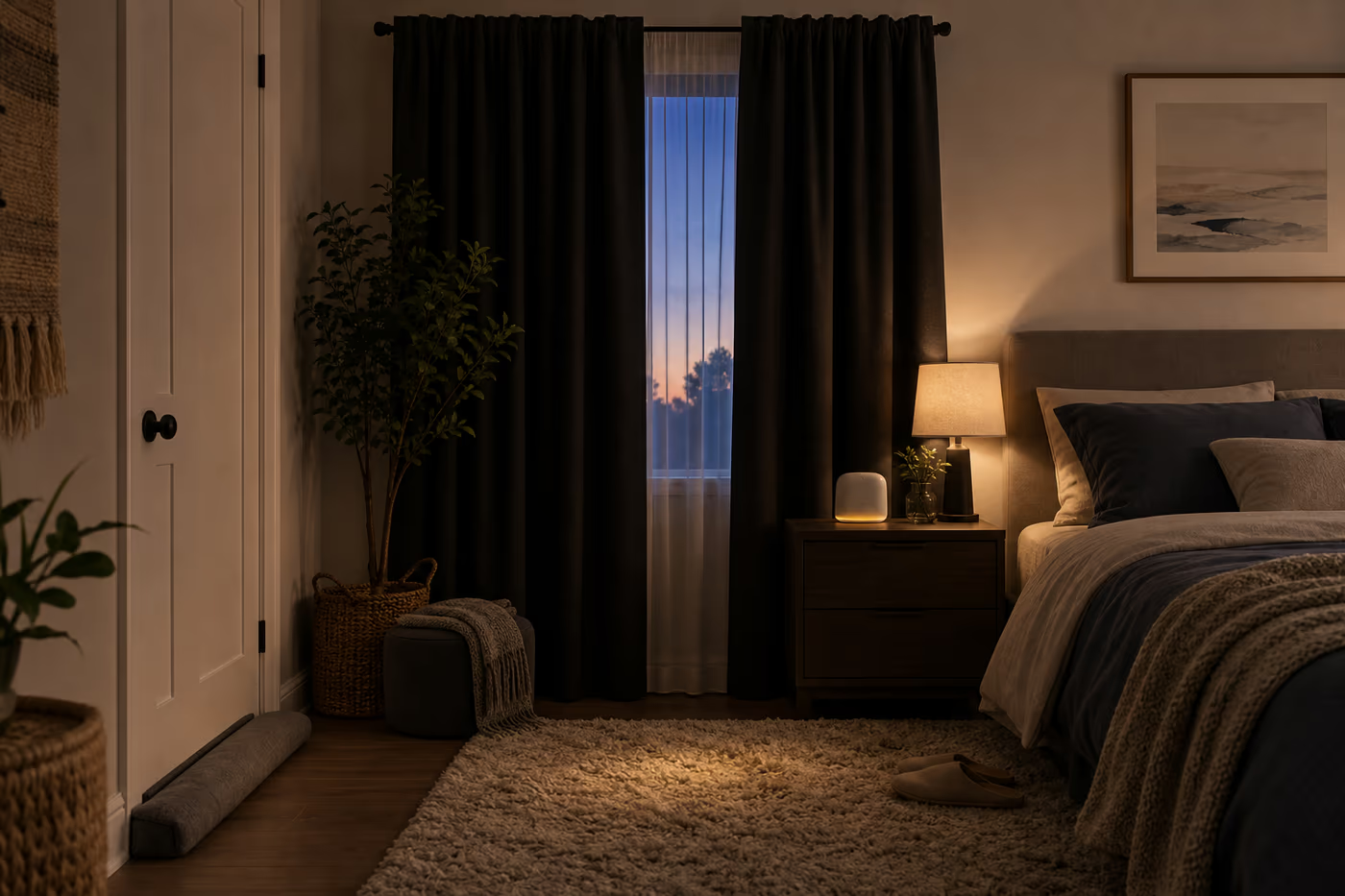
Tension rods and no-drill curtain brackets can help when they are safe on the actual trim. Removable blackout liners or temporary shade panels can reduce window light without changing the building. A door draft stopper can soften hallway light and small sound leaks. Rugs and soft surfaces can reduce room echo. A white-noise machine works best when it sits near the noise source rather than wherever the outlet happens to be. Cable clips, trays, and movable lamps can make the room calmer without creating a repair job at move-out.
Use the smallest reversible fix that addresses the real annoyance. Light around blinds may start with a mask or temporary side panels before becoming a blackout-liner project. Hallway light may need a door draft stopper before an interior curtain. Street noise may improve when sound masking sits near the window. Shared-wall noise may improve if the bed moves away from the wall or a bookshelf softens that side. Warm rooms often respond to fan placement and lighter bedding before any larger portable air setup enters the lease conversation.
Choose pressure before hardware
Rental fixes should solve the most painful leak first. If hallway light is the problem, a door sweep or towel test tells you more than new curtains. If the neighbor wall is the problem, moving the bed and adding soft surfaces may beat another sound machine. If morning sun is the issue, removable edge control matters more than the darkest fabric. Reversible upgrades work best when they are aimed at a specific nuisance, not at the vague hope that the room will feel quieter and darker overall.
Shopping shortcut
For rental darkness, compare no-drill curtain brackets and door draft stoppers before anything permanent. Both are easy to remove and useful in the next apartment.
Avoid rental damage
Read the lease and respect the surface. Strong adhesive on weak paint can create more trouble than a small screw would have. Any fix that blocks vents, radiators, sprinklers, heaters, or egress windows is not a sleep improvement. Custom-size curtains rarely make sense for a short lease unless the window problem is severe. Temporary blackout panels should not trap moisture against glass. No-drill products still need judgment because every trim shape and wall surface behaves differently.
Good default
Keep the original hardware in a labeled bag. A reversible setup is only renter-friendly if you can undo it without a scramble.
Next step
Make the smallest reversible change that targets the biggest annoyance. A rental sleep setup works best when every fix can come with you or come down cleanly.
Apply this guide as a decision record
Use Renter-Friendly Blackout and Noise: Better Sleep Setup Without Permanent Changes to turn a vague household question into a checkable one. Its scope is specific: Temporary and reversible ways to improve bedroom darkness, sound masking, airflow, and layout in rentals. Before changing the setup, write down the condition you are trying to change, the constraint that matters most, and the evidence you still lack.
For a first pass through renter friendly blackout and noise, compare the current state with a relevant baseline and record one observation, measurement, or conversation. Make the smallest reversible change available. Keep the manual, model number, room condition, schedule, or maintenance note beside the decision so a future check does not depend on memory. Keep renter bedroom, blackout curtains, noise in view as separate signals instead of treating them as one verdict.
A useful follow-up asks whether Renter-Friendly Blackout and Noise: Better Sleep Setup Without Permanent Changes improved the named problem without creating a new one. Check the tradeoff that fits this subject — heat, noise, comfort, water, power, wear, effort, or cost — and describe the result in plain language. If a boundary is safety-critical, stop at the guide’s limit and bring the details to a qualified local professional.
The conclusion for renter friendly blackout and noise should stay narrow. Record what was observed, which condition made the result possible, what maintenance keeps it dependable, and what would make you revisit the choice. That turns a guidebook into a decision record you can use again rather than a promise to remember.