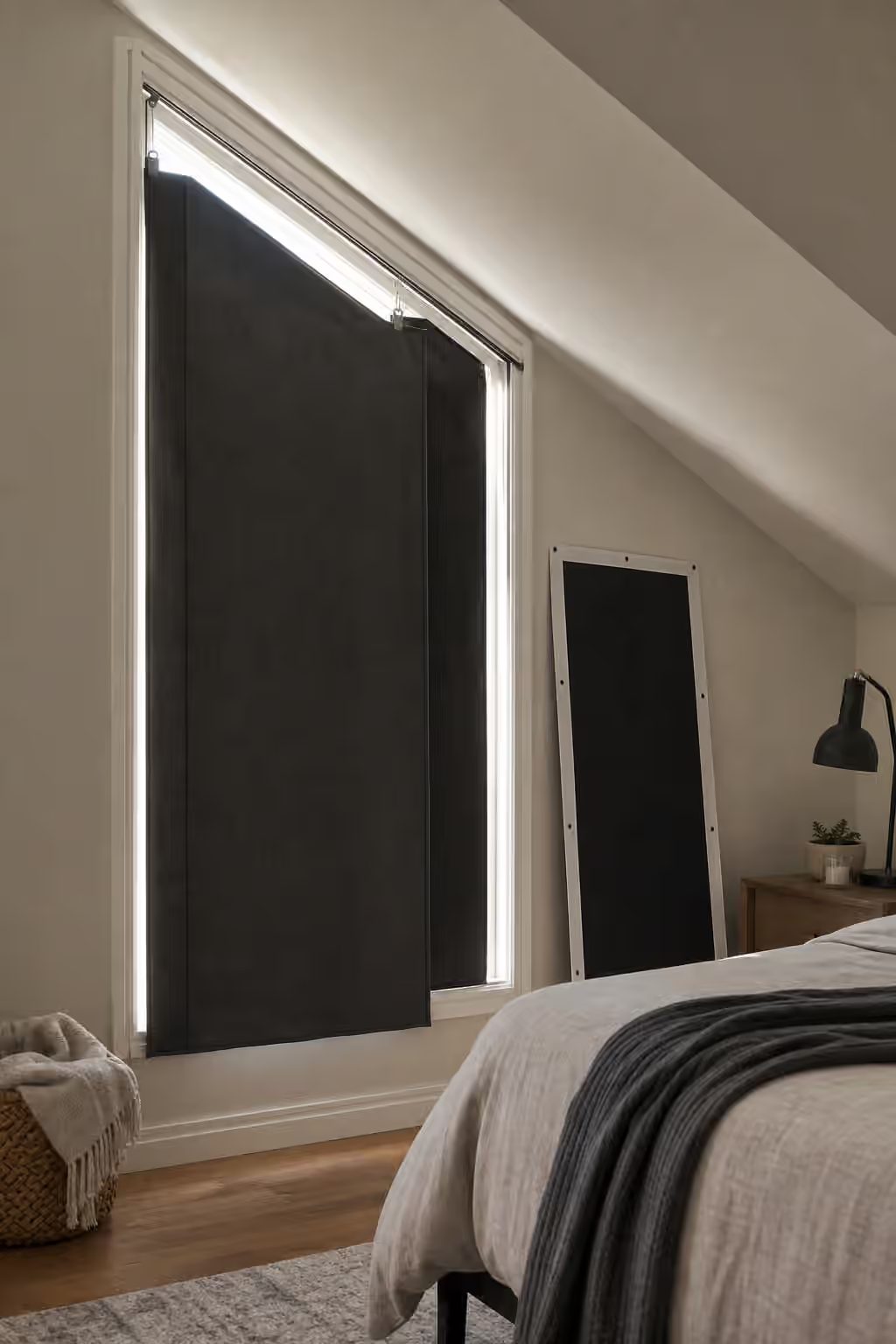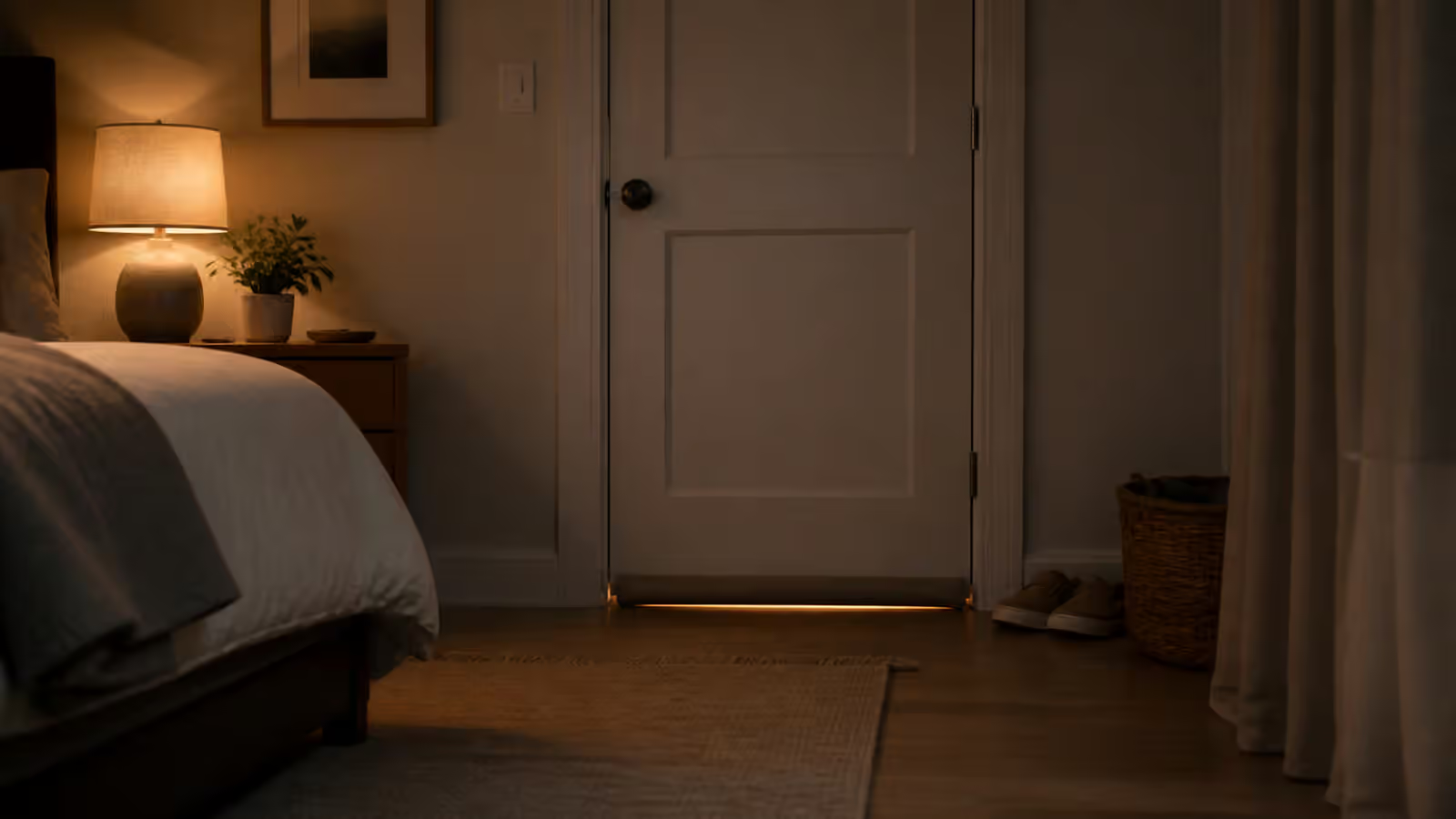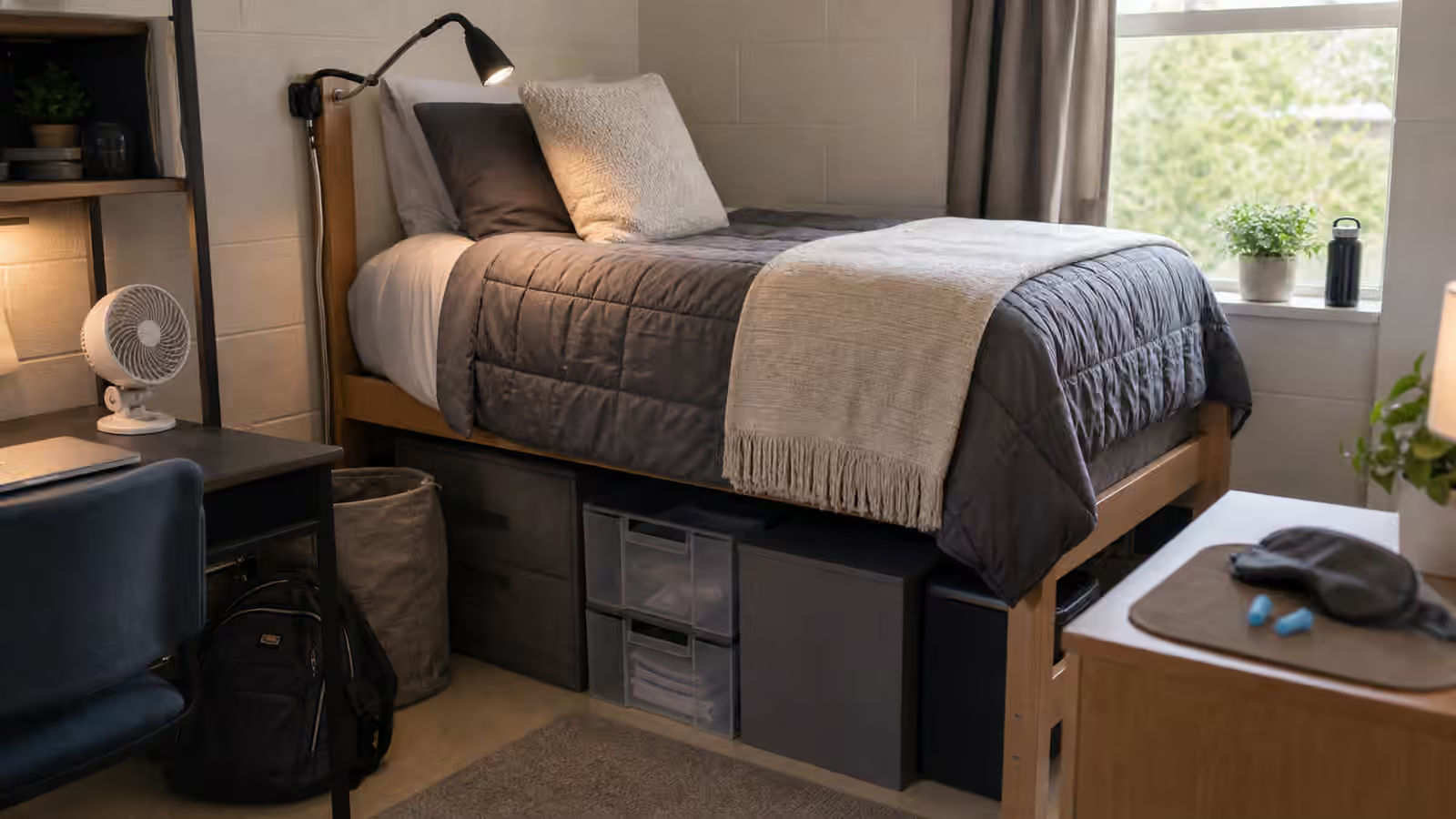
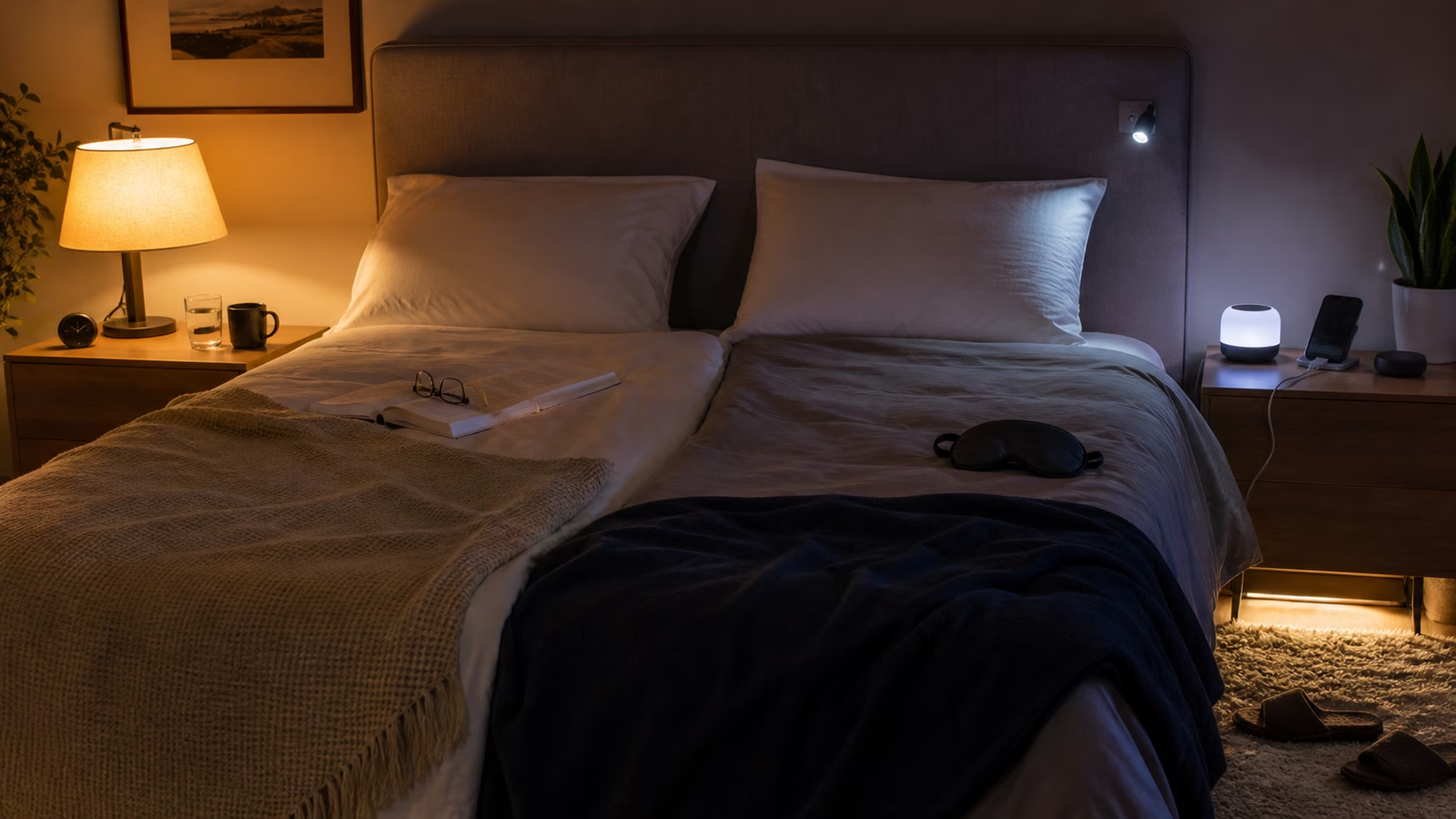
Different schedules turn small bedroom details into recurring friction: lamps, alarms, closet doors, chargers, showers, curtains, and morning noise.
Solve the repeatable disturbance, not the person.
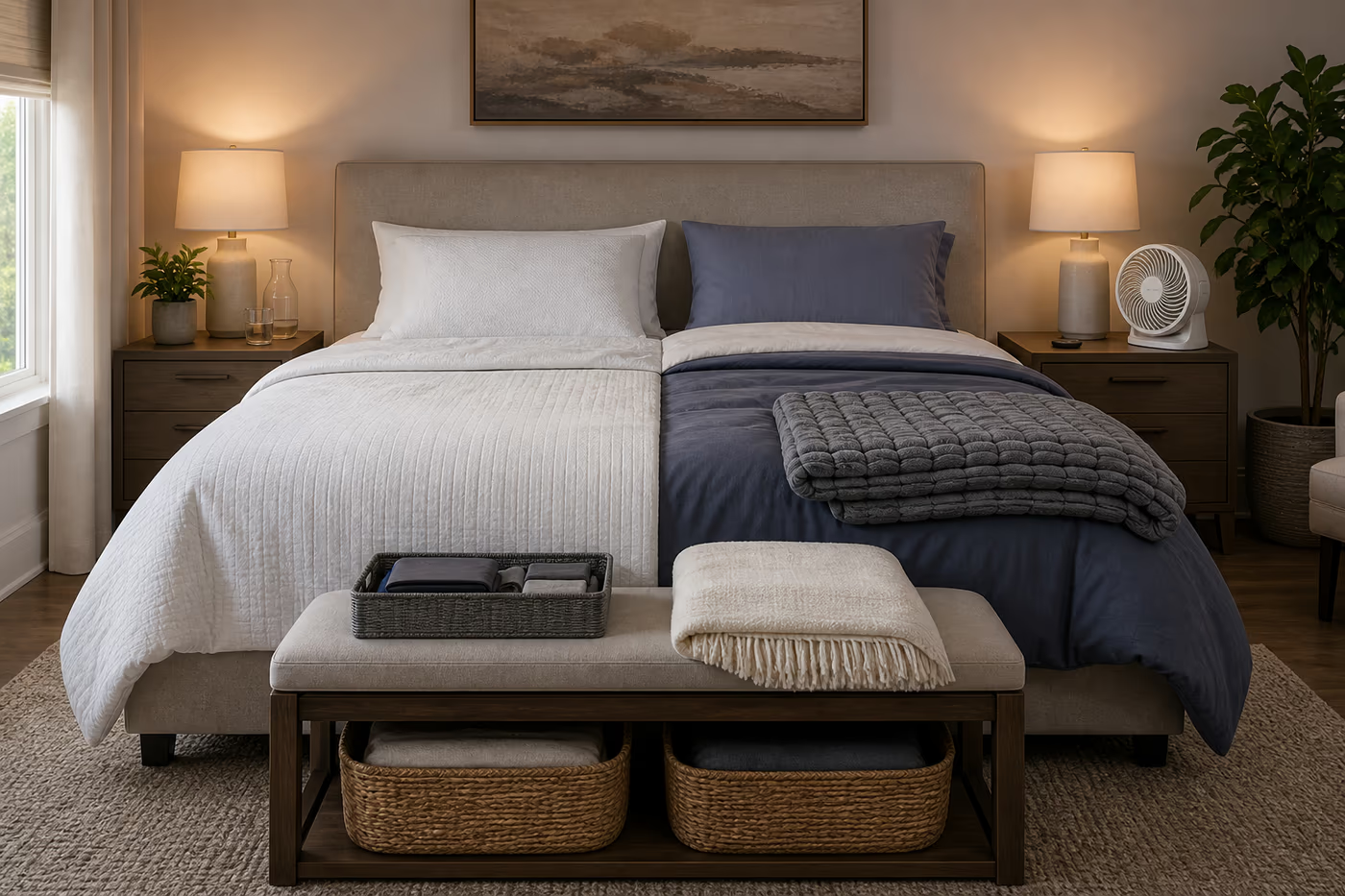
Make a schedule map
Write down the recurring mismatch without blame.
If one person wakes earlier, the setup lever may be a quieter alarm, separate lamp, or clothes staged outside the room. If one person reads later, the answer may be a directional reading light, warmer bulb, or eye mask for the other sleeper. Bathroom light spill may need a door habit, dimmer, or night light outside the bedroom. Closet noise may need soft-close bins, a staging basket, or earlier packing. Different warmth needs may call for split blankets, different pillowcases, or a fan aimed to one side. Different sound preferences may need lower volume, better machine placement, or an earplug test.
The useful map names the repeatable friction: earlier wake-up, late reading, closet light, bathroom spill, alarm sound crossing the bed, phone charging on the wrong side, or white noise that helps one person and bothers the other.
Product options that stay small
Try targeted items before rebuilding the room: a clip-on reading light, dimmable bulb, eye mask, door draft stopper, charging tray on the earlier riser’s side, soft hamper, or separate blanket. These are easier to test than a new mattress or a full smart-home setup.
If both people need alarms, decide whether the second alarm is sound, vibration, light, or phone-based. A sunrise alarm can be useful for one side of the bed, but only if its brightness does not become the other person’s problem.
Shopping shortcut
For schedule mismatch, the best small buys are targeted: a warm clip-on reading light for late reading and a vibrating alarm clock when sound is the conflict.
Make the agreement physical
The best agreement is not a speech; it is a setup both people can use when tired. Decide which light can turn on after one person is in bed, which alarm is the backup, where work clothes or gym bags are staged, who controls white noise and fan speed, and what belongs on each nightstand. A physical switch both people understand is better than a clever system only one person remembers.
Staging matters because most schedule conflict happens at the edges of the day. Morning clothes, work bags, medication, headphones, and chargers can often live just outside the bedroom or on the side of the person who wakes first. Late-night reading gear can be kept within one small pool of light. The more the room is arranged around the repeated movement, the less each routine feels like an intrusion.
Good default
Give each side control over its own light and small storage. Shared systems should be simple: one curtain rule, one sound rule, and one alarm backup plan.
When a change helps, keep it boring. A consistent staging basket, a lamp that points in one direction, or a charger moved to the other side of the bed can do more for shared sleep than a complicated agreement that has to be renegotiated every week.
Next step
Make the recurring disturbance smaller before buying a large shared system. Bedrooms with different schedules work best when the repeated points of friction are made quiet.
Apply this guide as a decision record
Use Shared Bedroom Light and Schedule: Reduce Friction Without Overbuilding to turn a vague household question into a checkable one. Its scope is specific: How couples and roommates can manage lamps, alarms, curtains, sound, and different schedules in one bedroom. Before changing the setup, write down the condition you are trying to change, the constraint that matters most, and the evidence you still lack.
For a first pass through shared bedroom light and schedule, compare the current state with a relevant baseline and record one observation, measurement, or conversation. Make the smallest reversible change available. Keep the manual, model number, room condition, schedule, or maintenance note beside the decision so a future check does not depend on memory. Keep shared bedroom, alarms, bedroom light in view as separate signals instead of treating them as one verdict.
A useful follow-up asks whether Shared Bedroom Light and Schedule: Reduce Friction Without Overbuilding improved the named problem without creating a new one. Check the tradeoff that fits this subject — heat, noise, comfort, water, power, wear, effort, or cost — and describe the result in plain language. If a boundary is safety-critical, stop at the guide’s limit and bring the details to a qualified local professional.
The conclusion for shared bedroom light and schedule should stay narrow. Record what was observed, which condition made the result possible, what maintenance keeps it dependable, and what would make you revisit the choice. That turns a guidebook into a decision record you can use again rather than a promise to remember.