A sleep tracker is only useful if it changes a practical decision. If it gives you numbers that make you anxious or confused, it is not earning its place.
Use trackers for patterns, not self-diagnosis.
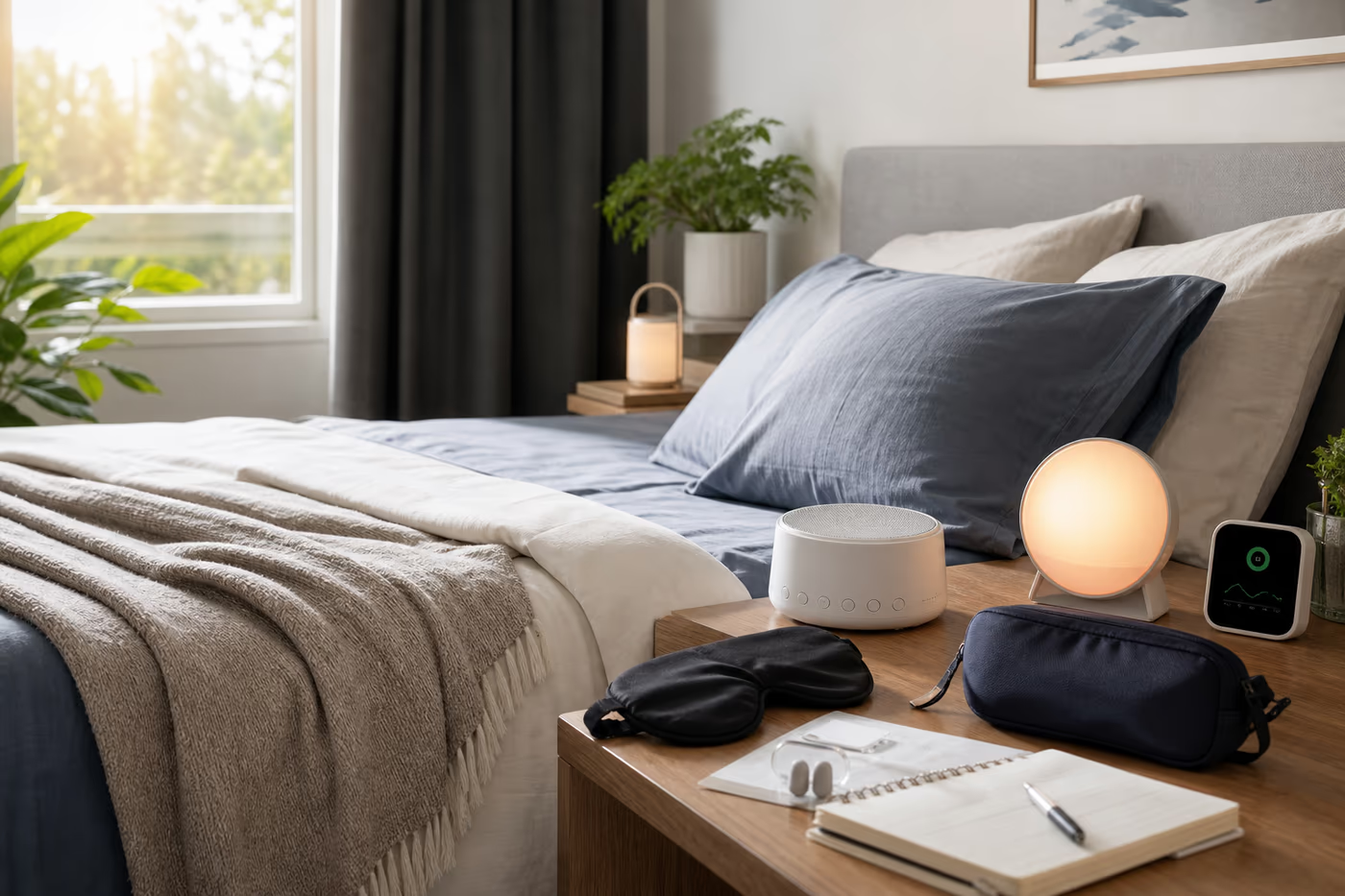
What trackers are good at
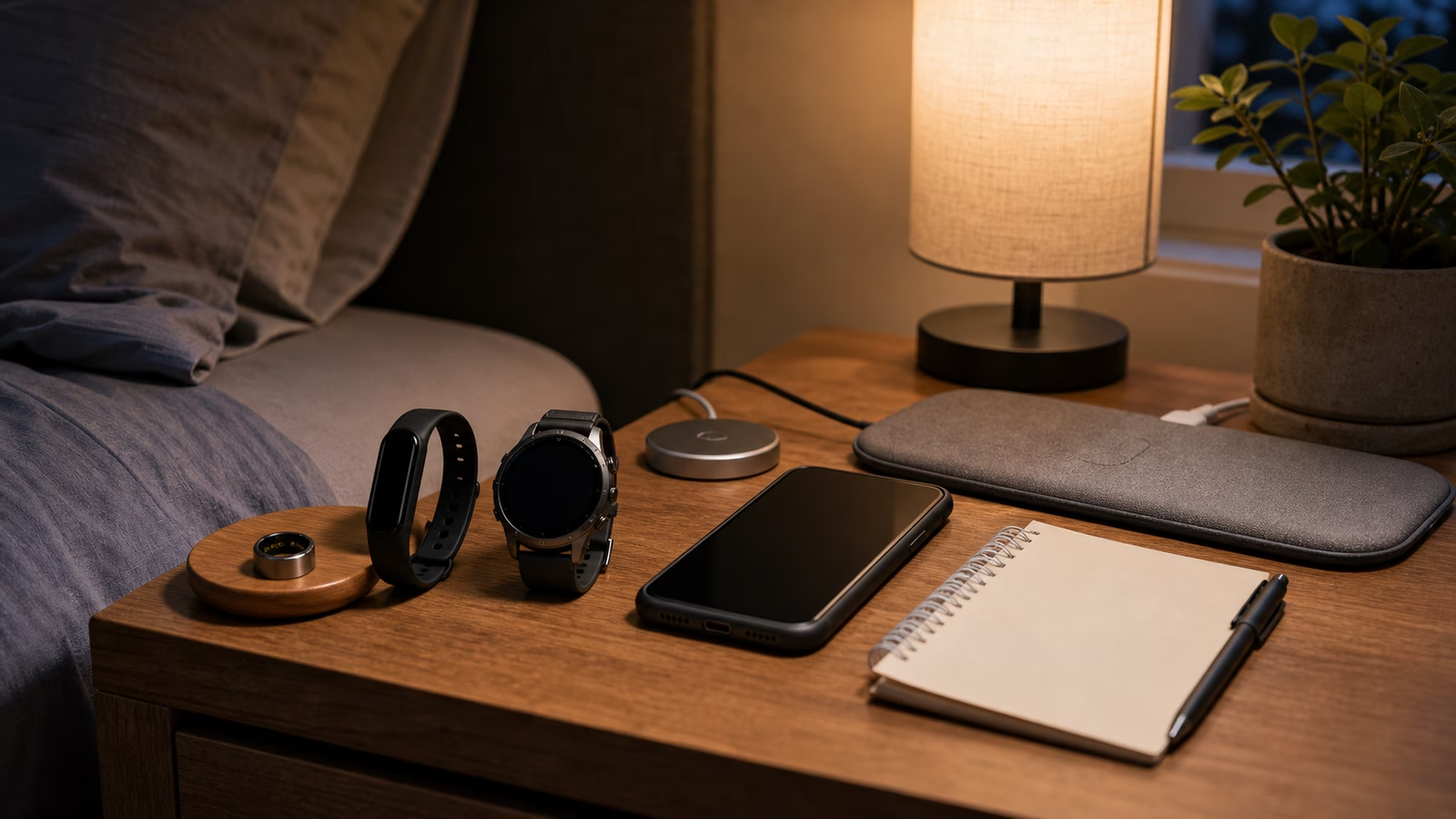
Consumer trackers can help you notice routines: bedtimes, wake times, charging habits, room changes, travel disruption, caffeine timing, or whether you keep using the setup you bought. They are less useful when you treat a single score as a verdict.
Use the device to support practical experiments: darker curtains, different bedding, quieter alarm, better room temperature, or a phone-charging change.
Use the data as a prompt
Sleep data is most useful when it starts a practical question. Did late caffeine line up with lighter sleep? Did the room run hotter on the nights you woke up often? Did travel, alcohol, illness, stress, or a new pillow explain a bad stretch? A tracker cannot tell the whole story from your wrist or mattress. It can help you notice patterns you would otherwise forget. Treat the numbers like notes from a witness, not a verdict from a judge.
Shopping shortcut
If you want passive tracking with less screen temptation, compare sleep-tracker rings . If you already want daytime activity features too, compare fitness trackers with sleep tracking and check subscriptions before buying.
What to compare
Comfort comes first because a tracker that bothers your wrist, finger, or bedside routine will not be worn consistently. Battery life matters because charging should fit a time when you are not using the device. A screen that can stay dark is important in a bedroom. App clarity matters because confusing charts rarely lead to better decisions. Notification control, privacy settings, data export, subscription costs, and whether the insights map to actions are all part of the real purchase.
Do not start with every metric. Pick one practical question for two weeks. If the room may be too bright, track curtain changes and wake timing. If travel disrupts your routine, compare hotel setup notes to home notes. If bedding runs warm, record layer changes and room temperature. If the device itself is annoying, track comfort, charging, and screen disturbance. If the data is not changing behavior, write down what decision it actually helped you make.
Privacy and subscriptions
A tracker is not only a piece of hardware. It is also an app, an account, and often a subscription. Before buying, check whether the core features work without a paid plan, whether notifications can be silenced, whether the screen can stay dark, whether data can be exported or deleted, and whether the app shares data with services you do not use. A cheaper tracker or a simple paper note may answer the same setup question with less burden.
Good default
Track only a few setup variables at first: bedtime, wake time, room temperature, caffeine timing, light leaks, noise, and bedding changes. Those are easier to act on than a single mysterious score.
For persistent sleep concerns, use a qualified professional. This page is only about consumer-device decisions.
Next step
Use the tracker to support one experiment, not to grade every night. The device earns its place when it makes the next bedroom decision clearer.
Apply this guide as a decision record
Use Sleep Trackers: What to Compare Before You Wear One to turn a vague household question into a checkable one. Its scope is specific: A non-medical guide to comparing sleep trackers by comfort, battery, app burden, privacy, and useful decisions. Before changing the setup, write down the condition you are trying to change, the constraint that matters most, and the evidence you still lack.
For a first pass through sleep trackers what to compare, compare the current state with a relevant baseline and record one observation, measurement, or conversation. Make the smallest reversible change available. Keep the manual, model number, room condition, schedule, or maintenance note beside the decision so a future check does not depend on memory. Keep sleep trackers, wearables, sleep tech in view as separate signals instead of treating them as one verdict.
A useful follow-up asks whether Sleep Trackers: What to Compare Before You Wear One improved the named problem without creating a new one. Check the tradeoff that fits this subject — heat, noise, comfort, water, power, wear, effort, or cost — and describe the result in plain language. If a boundary is safety-critical, stop at the guide’s limit and bring the details to a qualified local professional.
The conclusion for sleep trackers what to compare should stay narrow. Record what was observed, which condition made the result possible, what maintenance keeps it dependable, and what would make you revisit the choice. That turns a guidebook into a decision record you can use again rather than a promise to remember.