Bedroom clutter often comes from homeless items: books, glasses, chargers, laundry, returns, water cups, sleep masks, earplugs, and receipts.
Storage works when it matches the item’s real path.
Do the pile audit
Look at the room at its messiest normal moment, not after cleaning. Write down what lands on the bed, floor, chair, dresser, and nightstand. Each item needs one of three decisions: give it a home, remove it from the room, or stop pretending it belongs there.
Common bedroom piles come from laundry, returns, devices, books, skincare, water cups, travel gear, pet items, and off-season bedding.
Give each zone one job
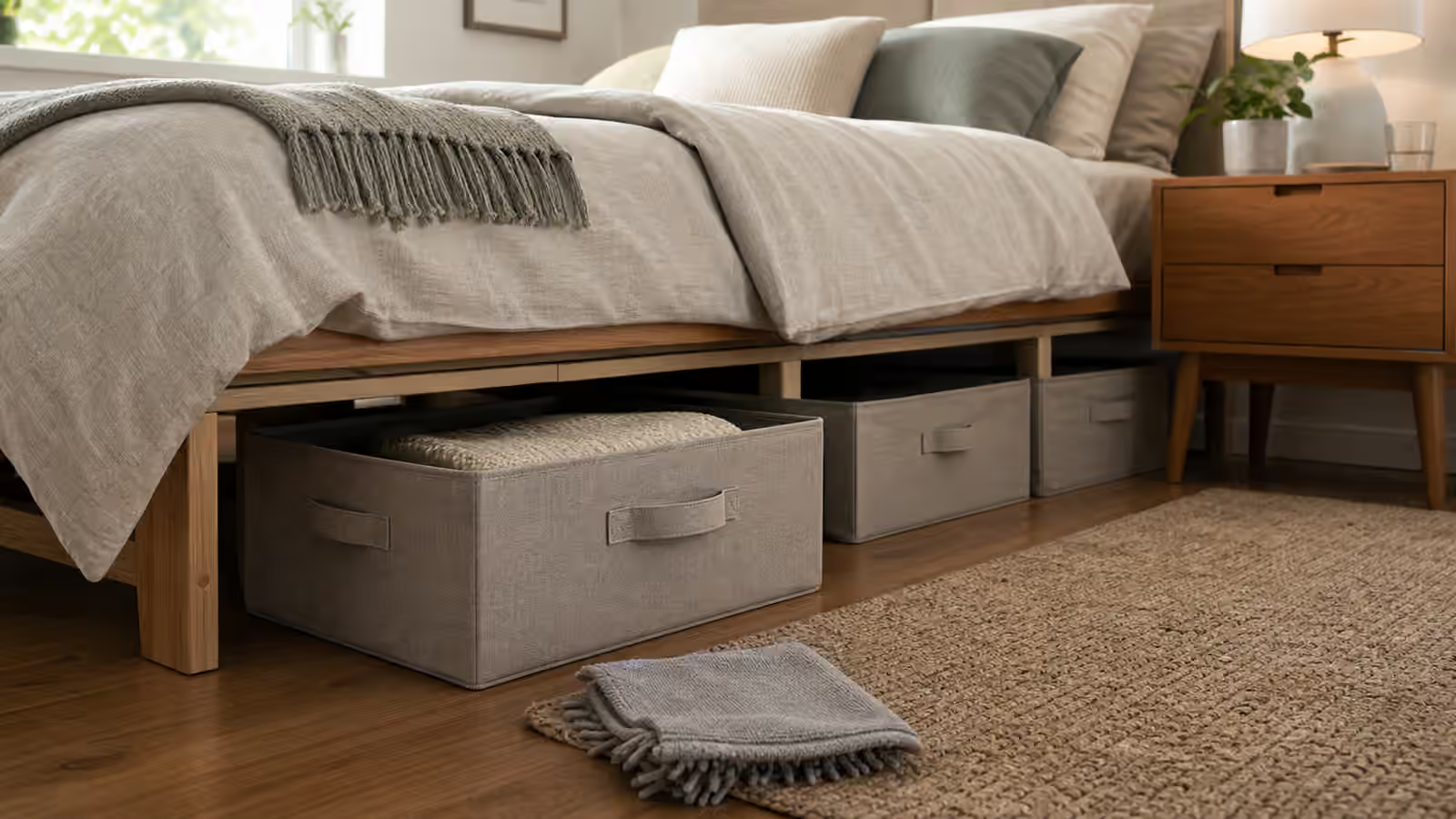
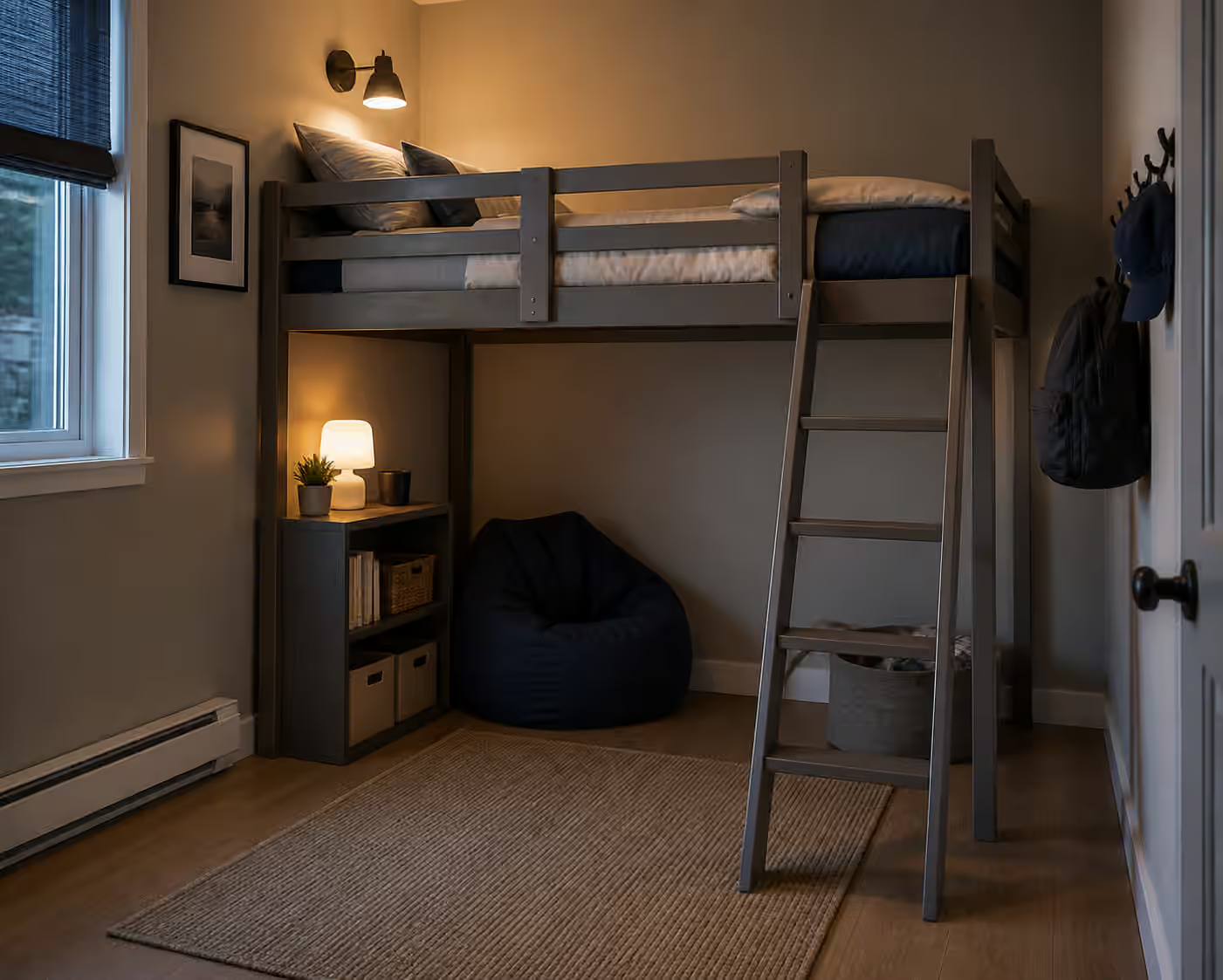
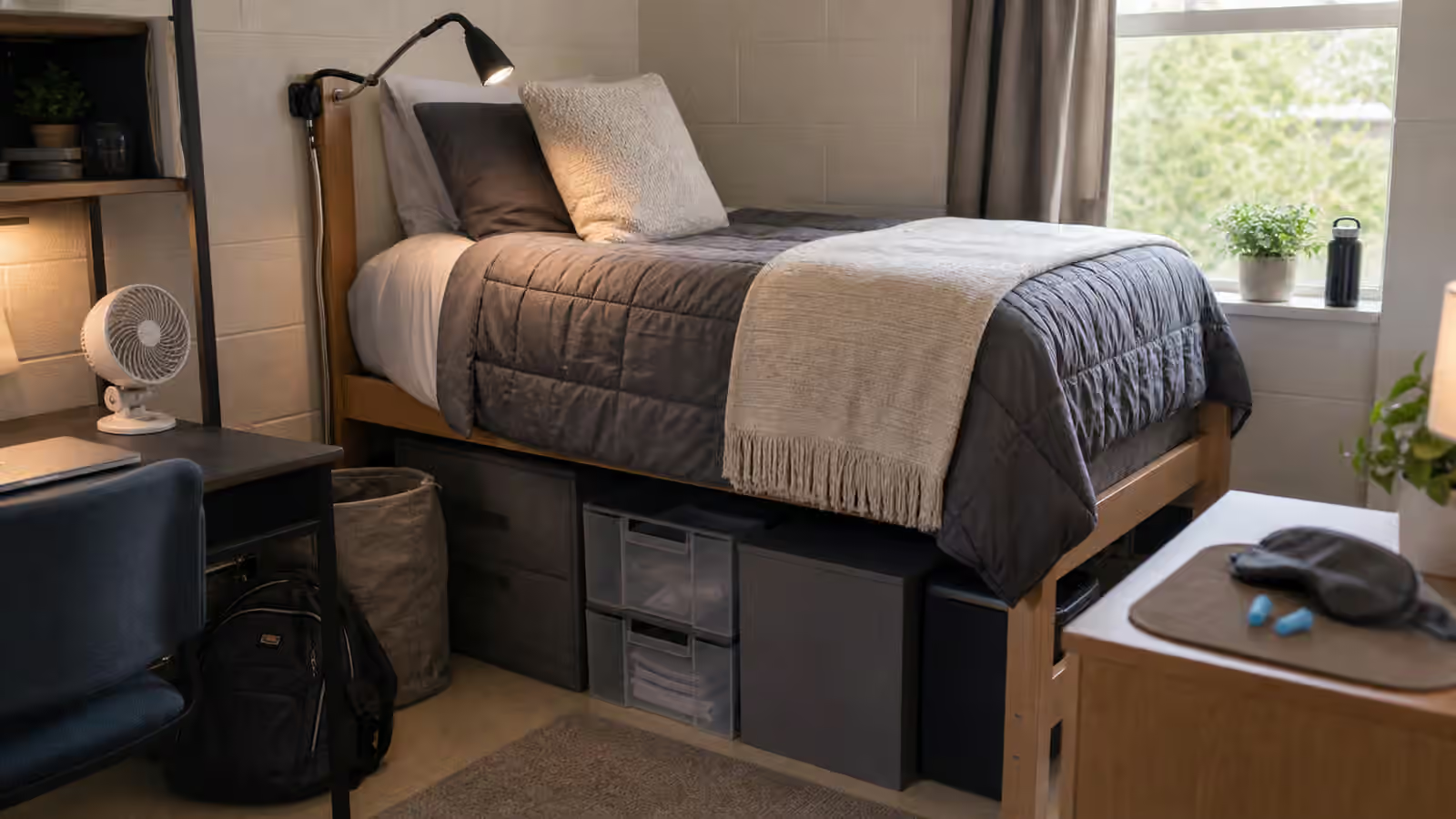
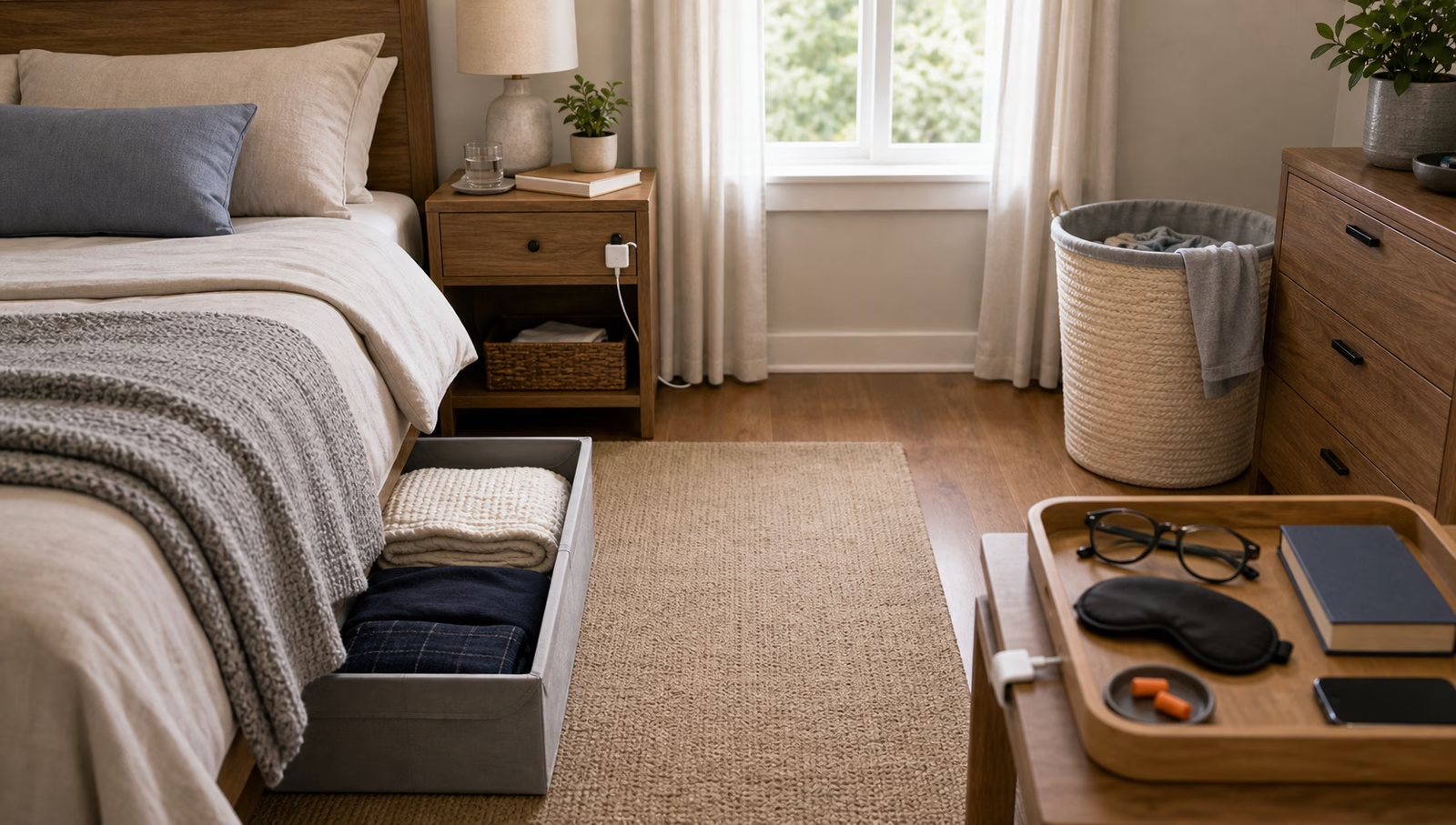
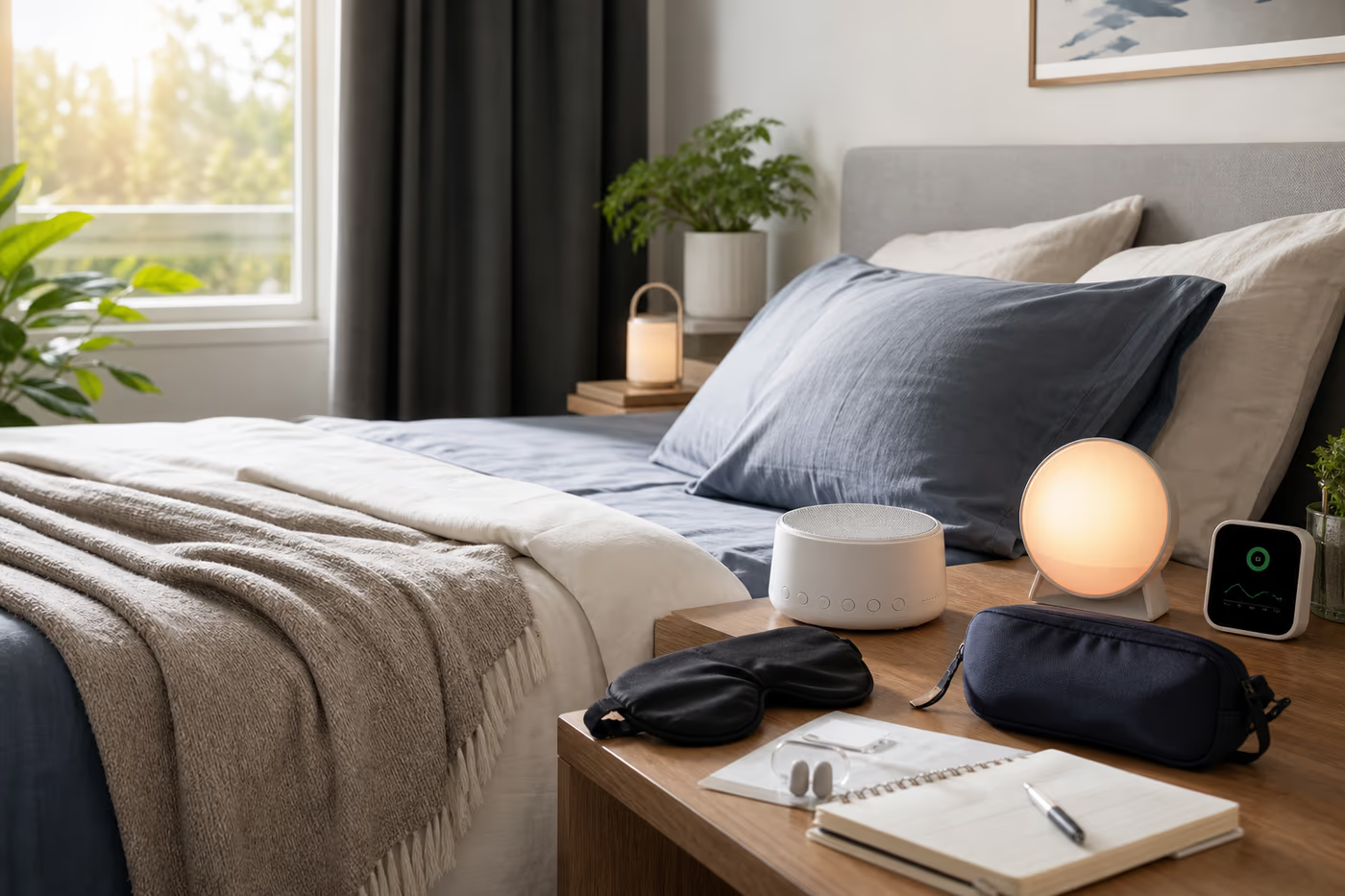
A good storage plan is usually smaller than expected. The nightstand needs a tray or drawer for the few objects that are touched every night. Travel and tech extras need a pouch or drawer away from the sleeping surface. Clothes need a hamper where they actually land, not where the room would look best in a catalog. Under-bed bins should hold low-use items only, because anything needed weekly will make the room feel like a storage unit. Hooks can be excellent for a robe or tomorrow’s layer, but they fail when they become permanent overflow.
Furniture should serve the mess you actually have. An open nightstand works when only a few objects live nearby, but it punishes anyone bothered by visual clutter. A drawer nightstand hides small items, but it can become a junk archive if nothing inside has a job. A wall shelf saves floor space but needs safe placement. A storage bench can be a graceful landing zone, or it can become a laundry platform with legs.
Make the reset easy
The room should reset in a few minutes. Laundry goes into the hamper, cups and dishes leave the room, chargers return to their clipped path, the bedside tray sheds receipts and packaging, the travel kit returns to its pouch, and the floor path opens again. If that reset feels hard, the storage is asking for too many decisions.
Give the reset a stopping point
Bedside storage needs a visible limit. One tray, one drawer, one shelf, or one basket is enough for most rooms. When that space fills, the answer is editing, not adding another container beside the bed. This keeps the setup honest. A nightstand should hold what helps the night run smoothly: light, water, a book, a charger, glasses, medication if needed, and a few small sleep items. Everything else is usually postponed clutter.
Shopping shortcut
If the same small items keep landing loose, compare bedside tray organizers . If cables are the mess, start with adhesive cable clips before buying furniture.
The mistakes to avoid
Do not buy more bins before removing unused items. Do not let the bedroom chair pretend to be a storage system. Do not fill the under-bed space with objects you need every week, because frequent digging turns storage into friction. Check cable paths before choosing a nightstand, and keep travel gear together instead of scattered across three drawers.
Good default
Choose fewer storage pieces with clearer jobs. A tray, hamper, and cable clip can do more than a decorative basket that becomes a mystery bin.
Next step
Make one storage change and watch the room at its messiest normal moment. If the same object lands in the same wrong place again, the storage plan has not met the path yet.
Apply this guide as a decision record
Use Storage and Bedside Setup: Keep the Room Calm Enough to Use to turn a vague household question into a checkable one. Its scope is specific: How to choose bedside tables, under-bed storage, hampers, trays, hooks, and cable storage for a bedroom. Before changing the setup, write down the condition you are trying to change, the constraint that matters most, and the evidence you still lack.
For a first pass through storage and bedside setup, compare the current state with a relevant baseline and record one observation, measurement, or conversation. Make the smallest reversible change available. Keep the manual, model number, room condition, schedule, or maintenance note beside the decision so a future check does not depend on memory. Keep bedroom storage, nightstand, small bedroom in view as separate signals instead of treating them as one verdict.
A useful follow-up asks whether Storage and Bedside Setup: Keep the Room Calm Enough to Use improved the named problem without creating a new one. Check the tradeoff that fits this subject — heat, noise, comfort, water, power, wear, effort, or cost — and describe the result in plain language. If a boundary is safety-critical, stop at the guide’s limit and bring the details to a qualified local professional.
The conclusion for storage and bedside setup should stay narrow. Record what was observed, which condition made the result possible, what maintenance keeps it dependable, and what would make you revisit the choice. That turns a guidebook into a decision record you can use again rather than a promise to remember.