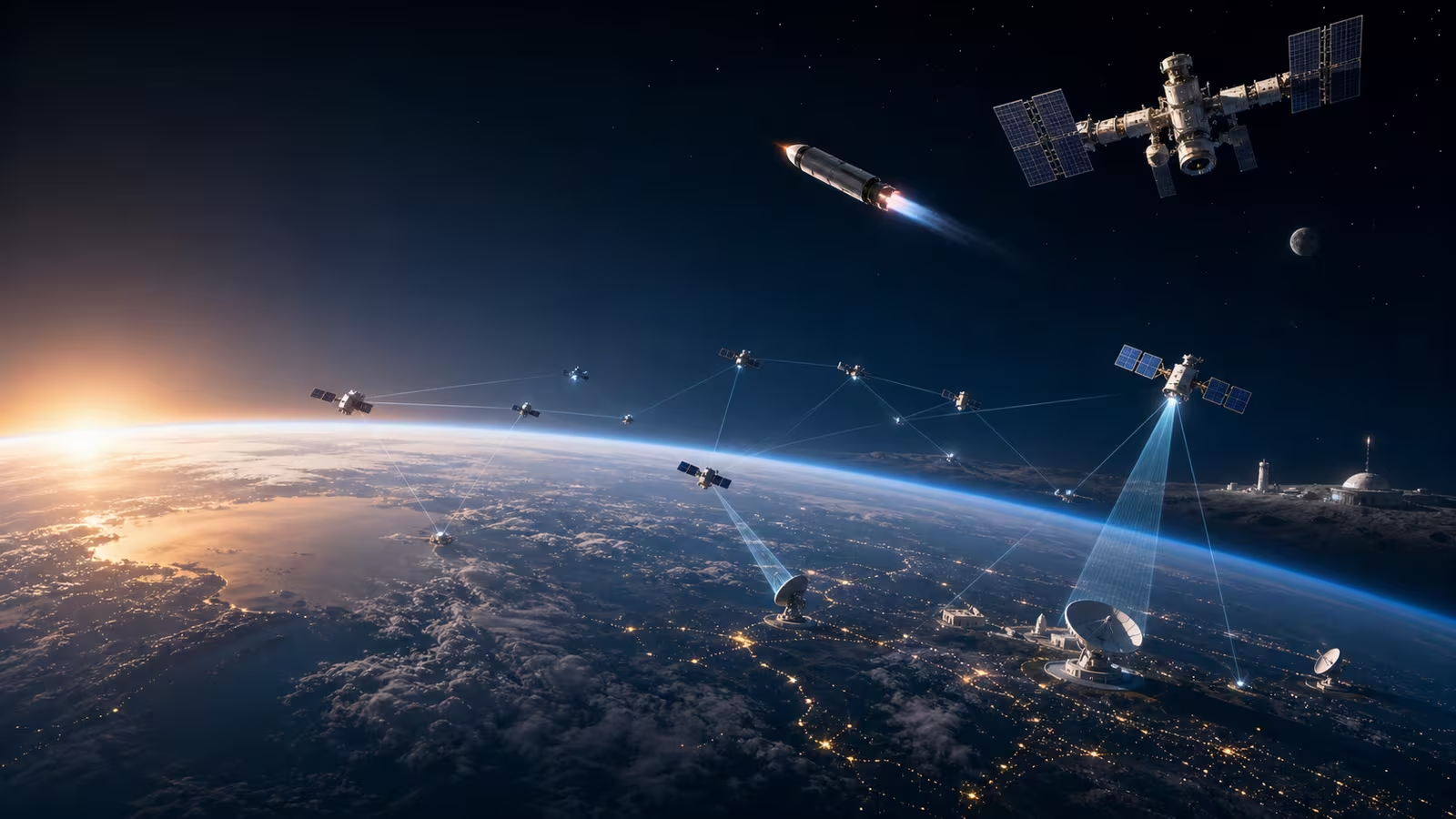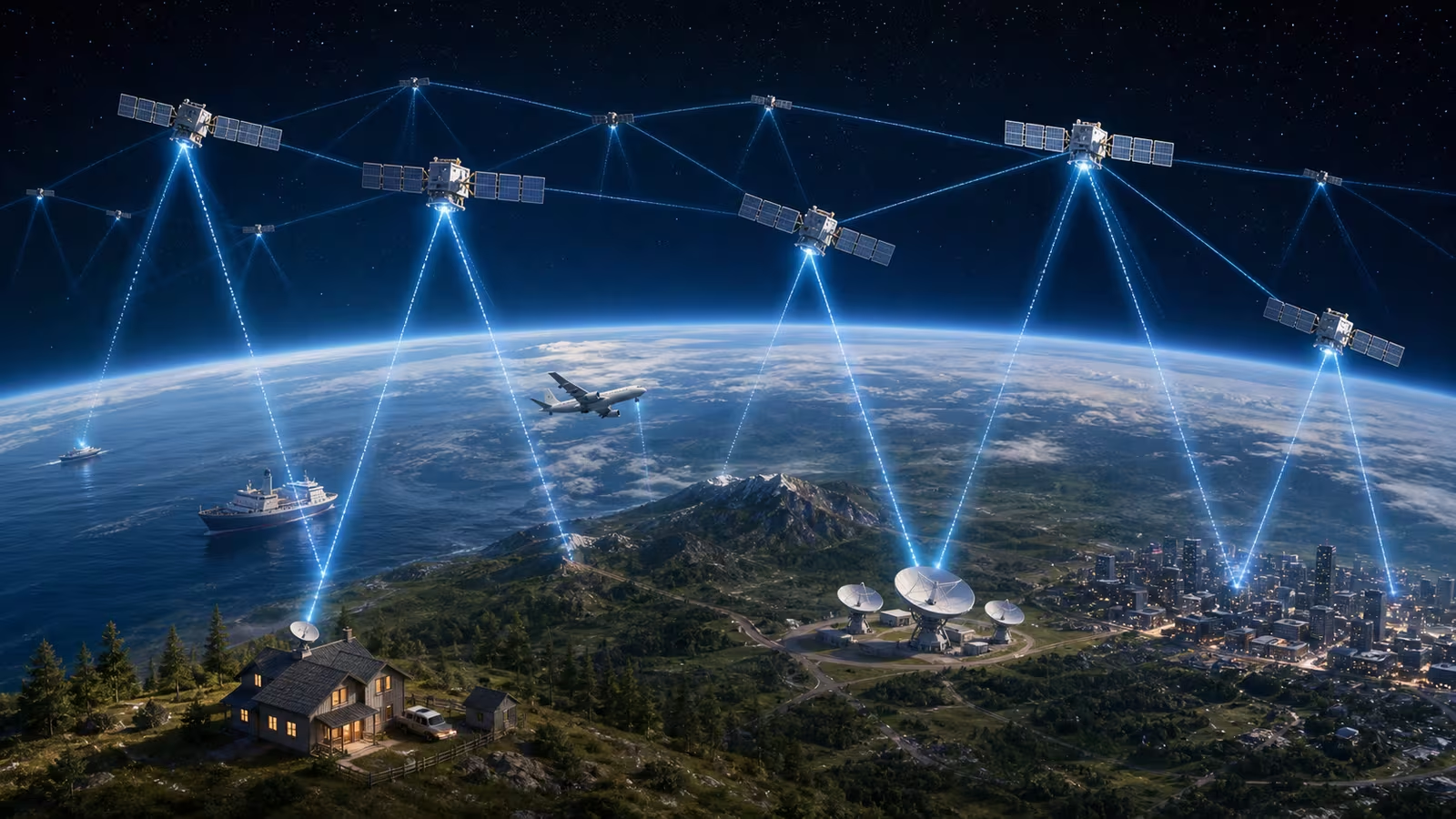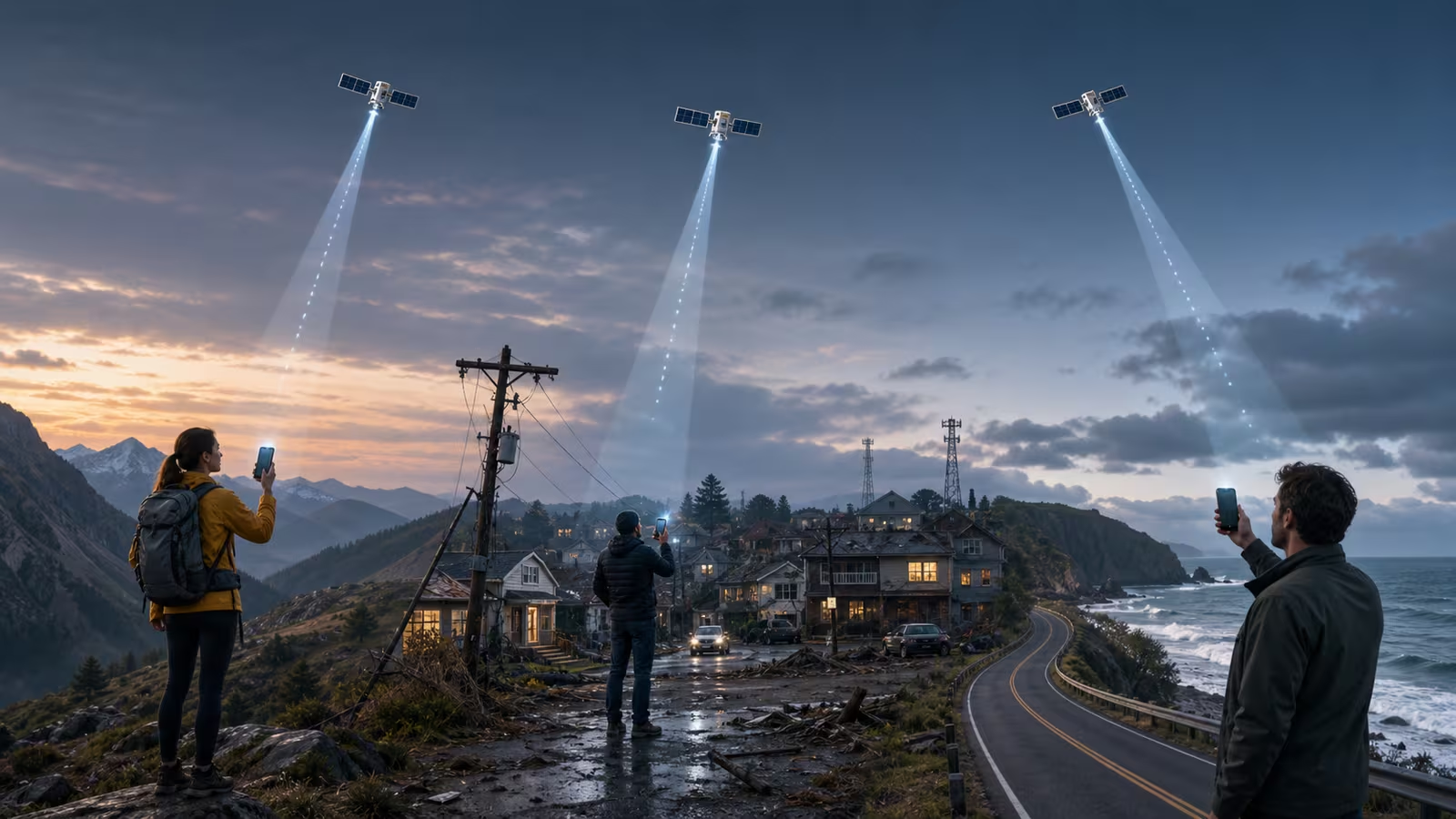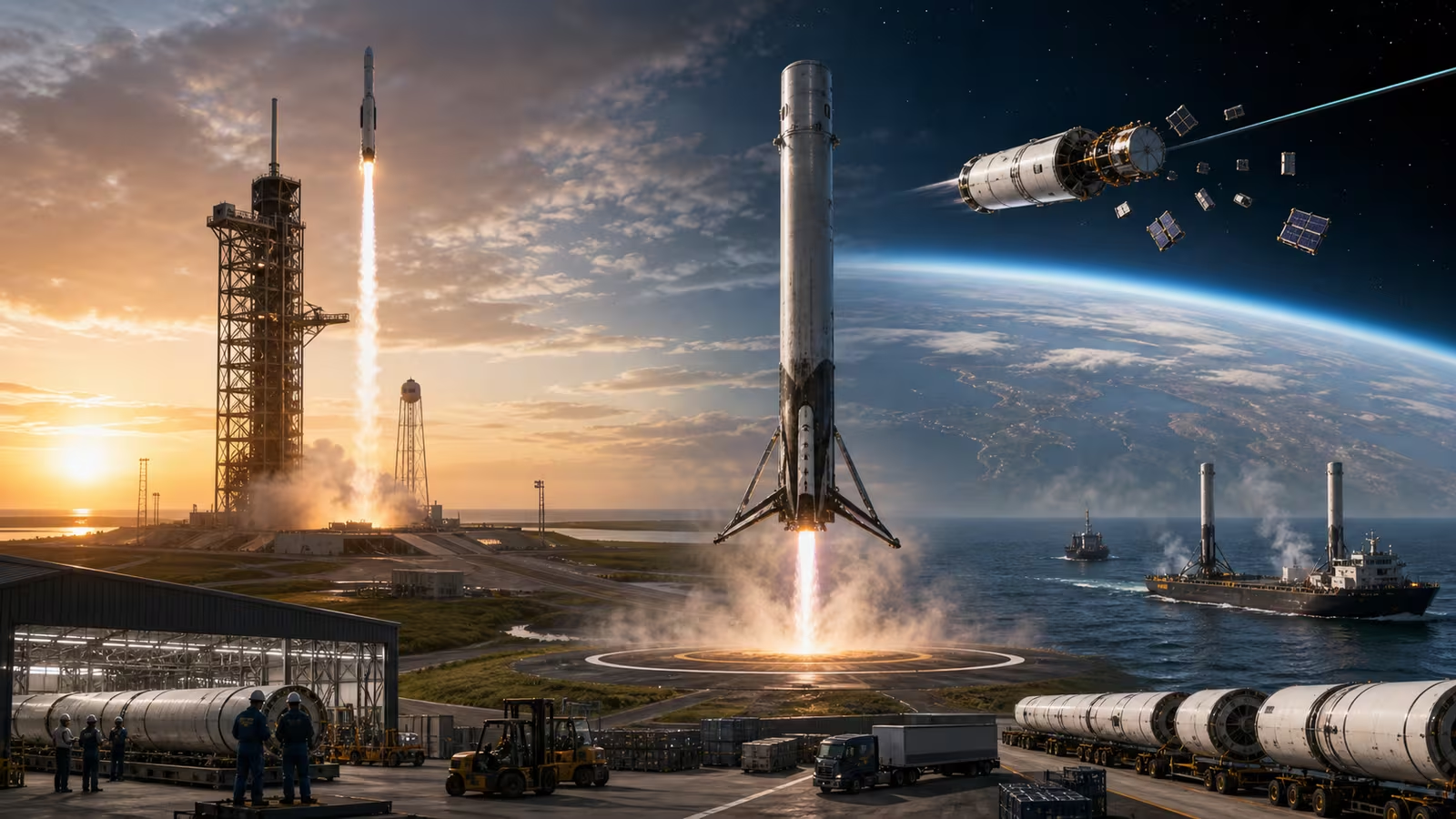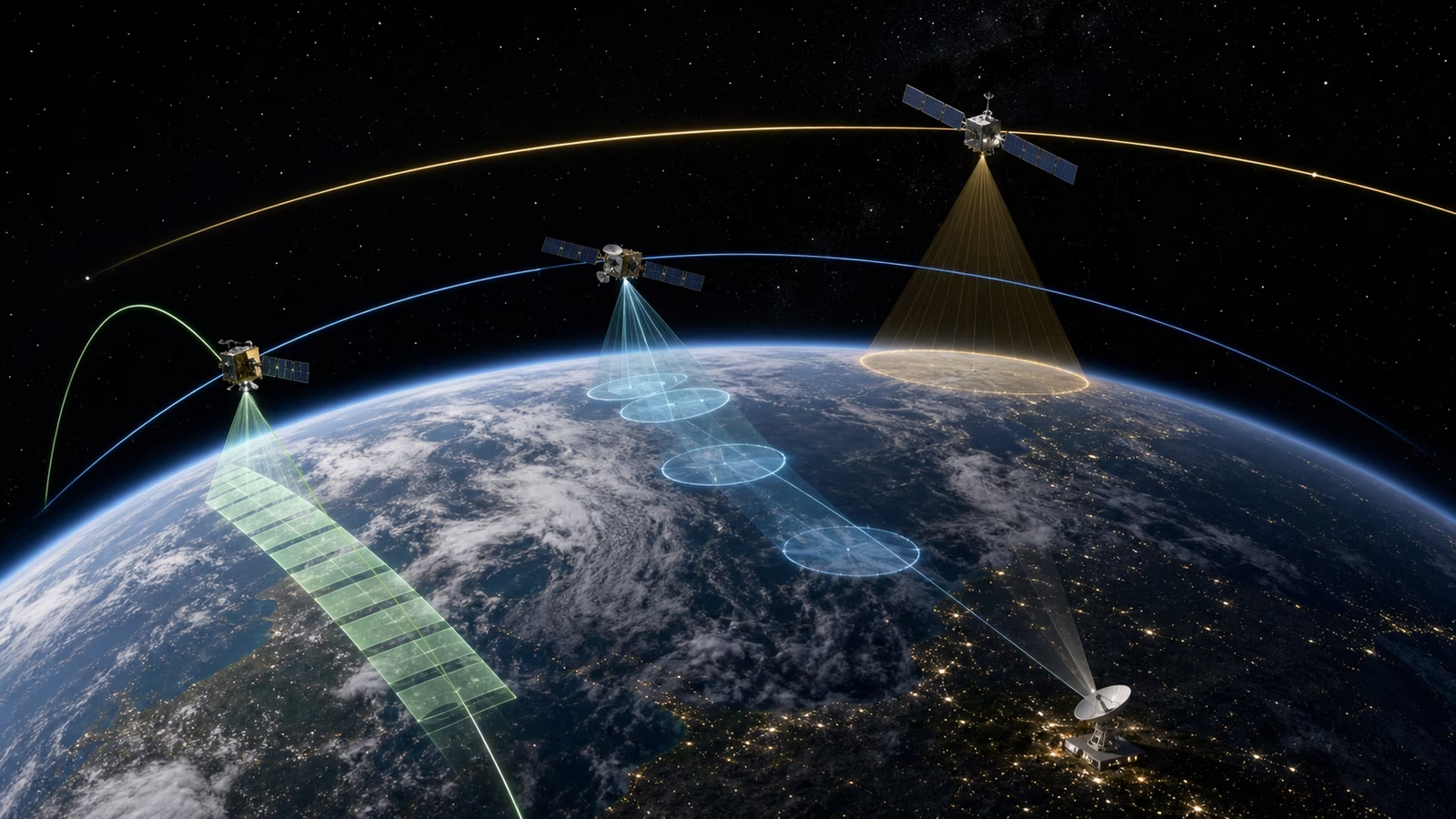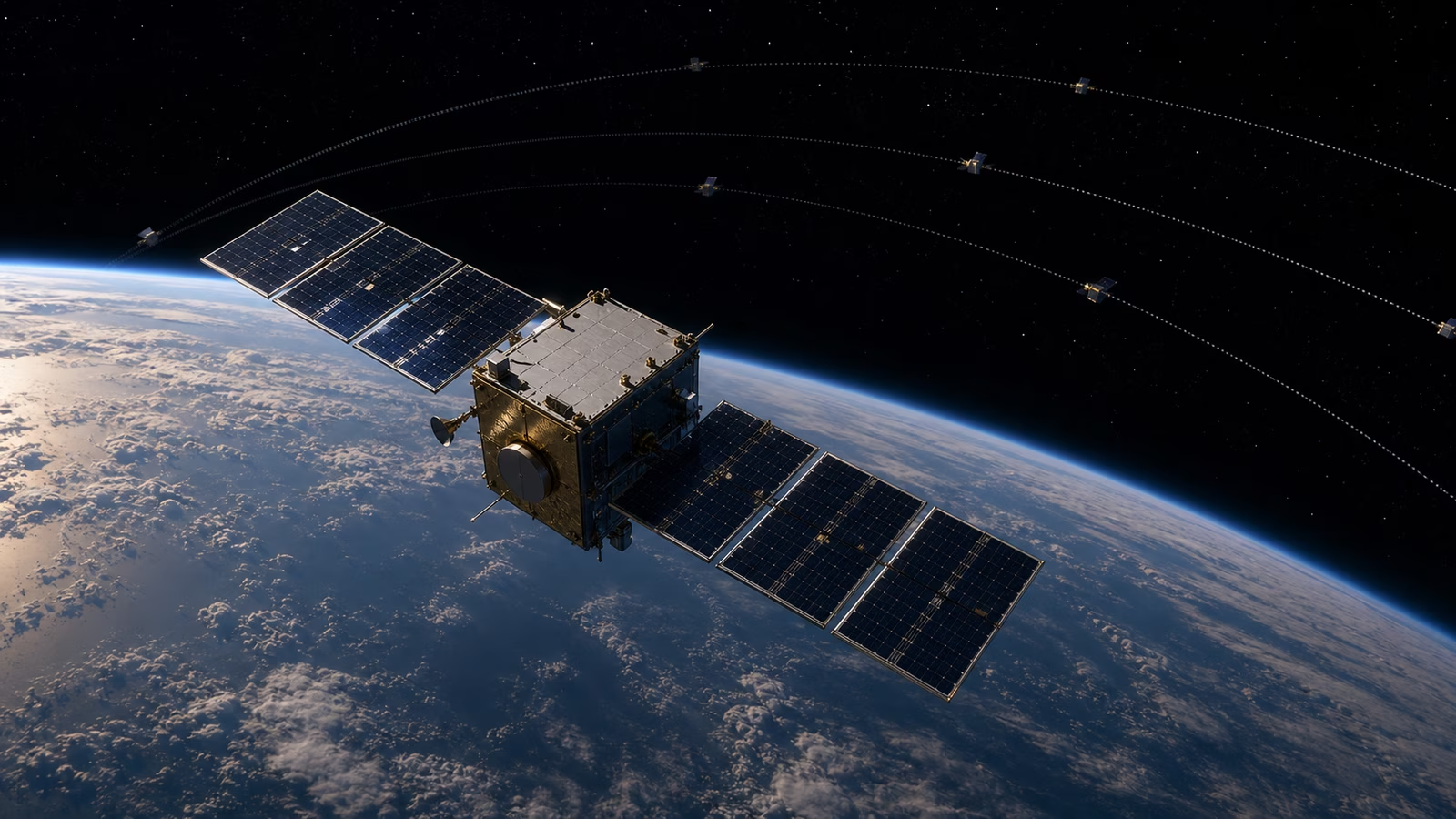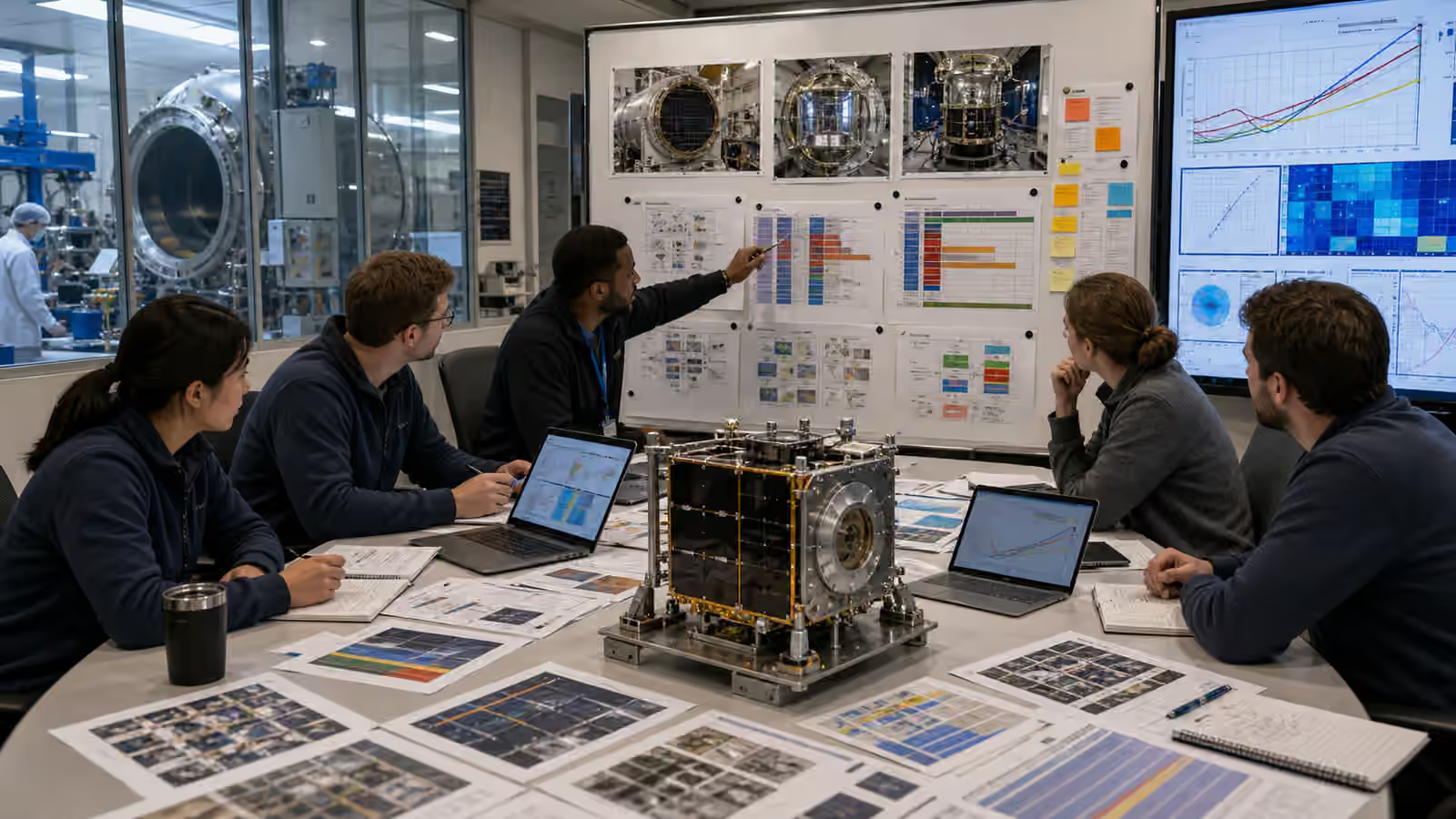
Space is becoming less like a distant stage and more like a layer of infrastructure. These guidebooks explain what is changing in plain language: why low-Earth orbit matters, how reusable rockets reshape economics, why direct-to-phone satellites are different from normal satellite internet, what lunar infrastructure might actually mean, and why debris and law are now practical issues.
Start Here
- Space Is Becoming Everyday Infrastructure
- Satellite Internet and Low-Earth Orbit Networks
- Direct-to-Phone Satellites
- Reusable Rockets and Launch Economics
- Reentry, Heat Shields, and Recovery
- Orbital Regimes and Mission Design
- Flight Dynamics and Orbit Determination
- Space Mission Architecture and Tradeoffs
- Mission Simulation and Digital Twins
- Mission Operations Centers and Flight Rules
- Spacecraft Reliability and Redundancy
- Satellite Constellation Design
- Inter-Satellite Links
- Optical Communications and Laser Links
- Satellite Bus and Payloads
- Small Satellites and CubeSat Mission Design
- Satellite Structures and Deployable Mechanisms
- Spacecraft Materials and Contamination Control
- Satellite Onboard Computers and Data Handling
- Spacecraft Software Verification and Configuration Control
- Satellite Radiation Effects
- Satellite Power Systems
- Deep-Space Power Systems
- Satellite Attitude Control
- Satellite Thermal Control
- Satellite Propulsion and Stationkeeping
- Launch Windows and Mission Timing
- Launch Range Safety and Flight Corridors
- Upper Stages and Orbit Insertion
- Orbital Transfer Vehicles and Space Tugs
- Cryogenic Propellant Storage and Transfer
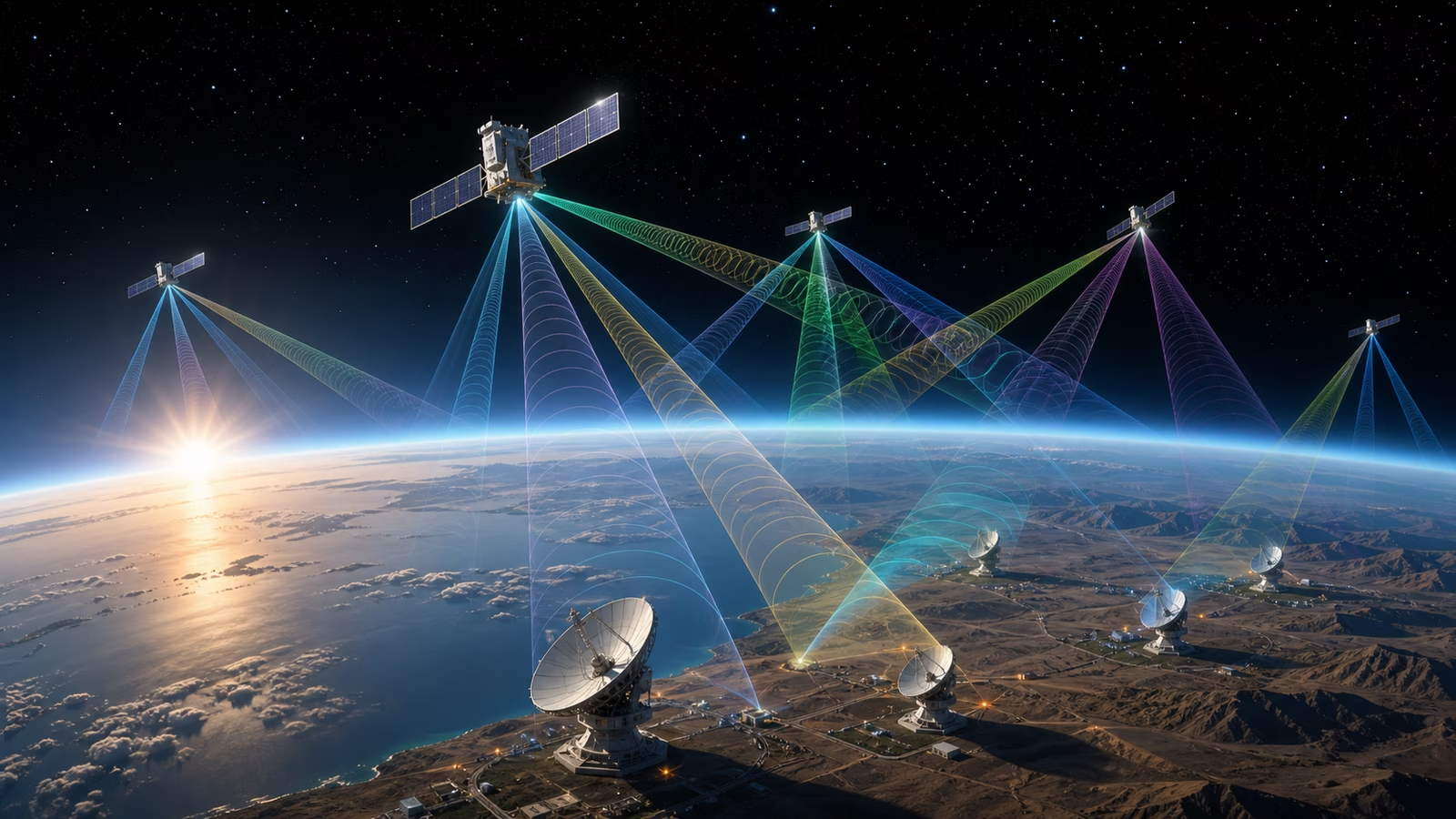
- Ground Stations
- Spacecraft Command, Telemetry, and Tracking
- Satellite Data Pipelines
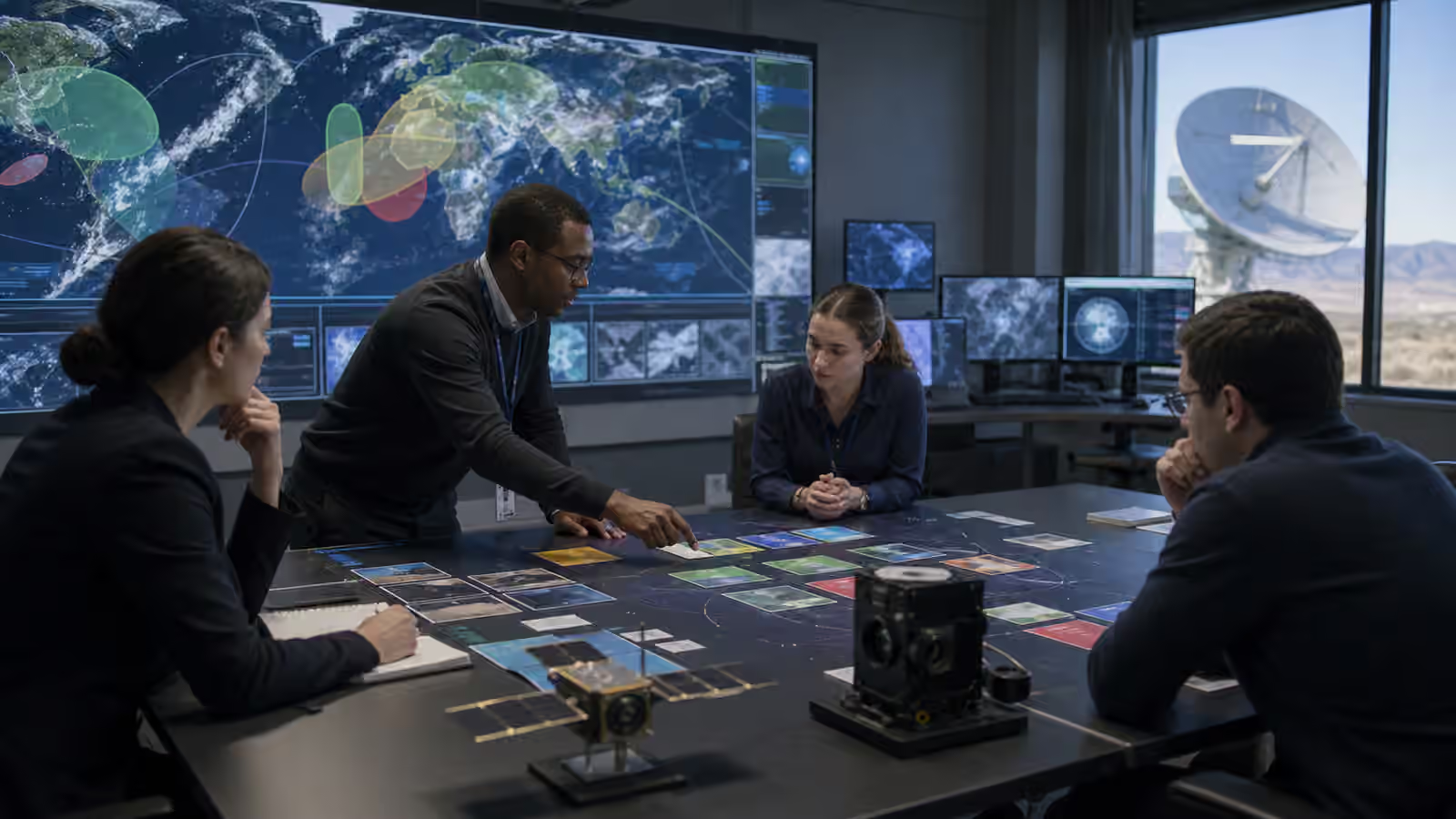
- Satellite Tasking and Payload Operations
- Earth Observation Sensors
- Satellite Spectrum and Interference
- Satellite Navigation and Timing
- Cislunar Communications and Navigation
- Deep-Space Communications Networks
New Places to Work
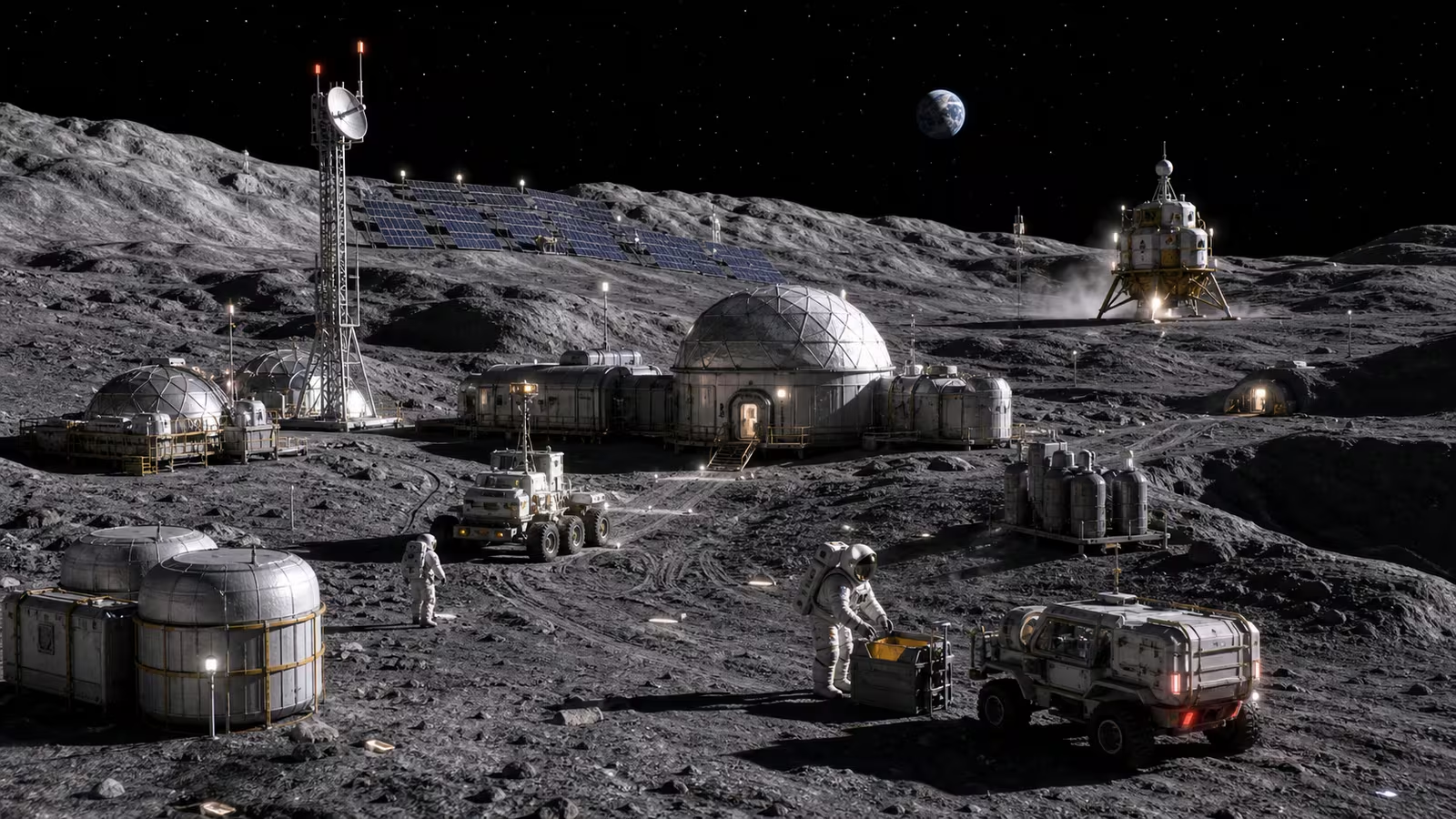
- Lunar Infrastructure
- Lunar Surface Mobility and Rovers
- Lunar Dust Mitigation
- Planetary Landing Systems
- Sample Return Mission Design
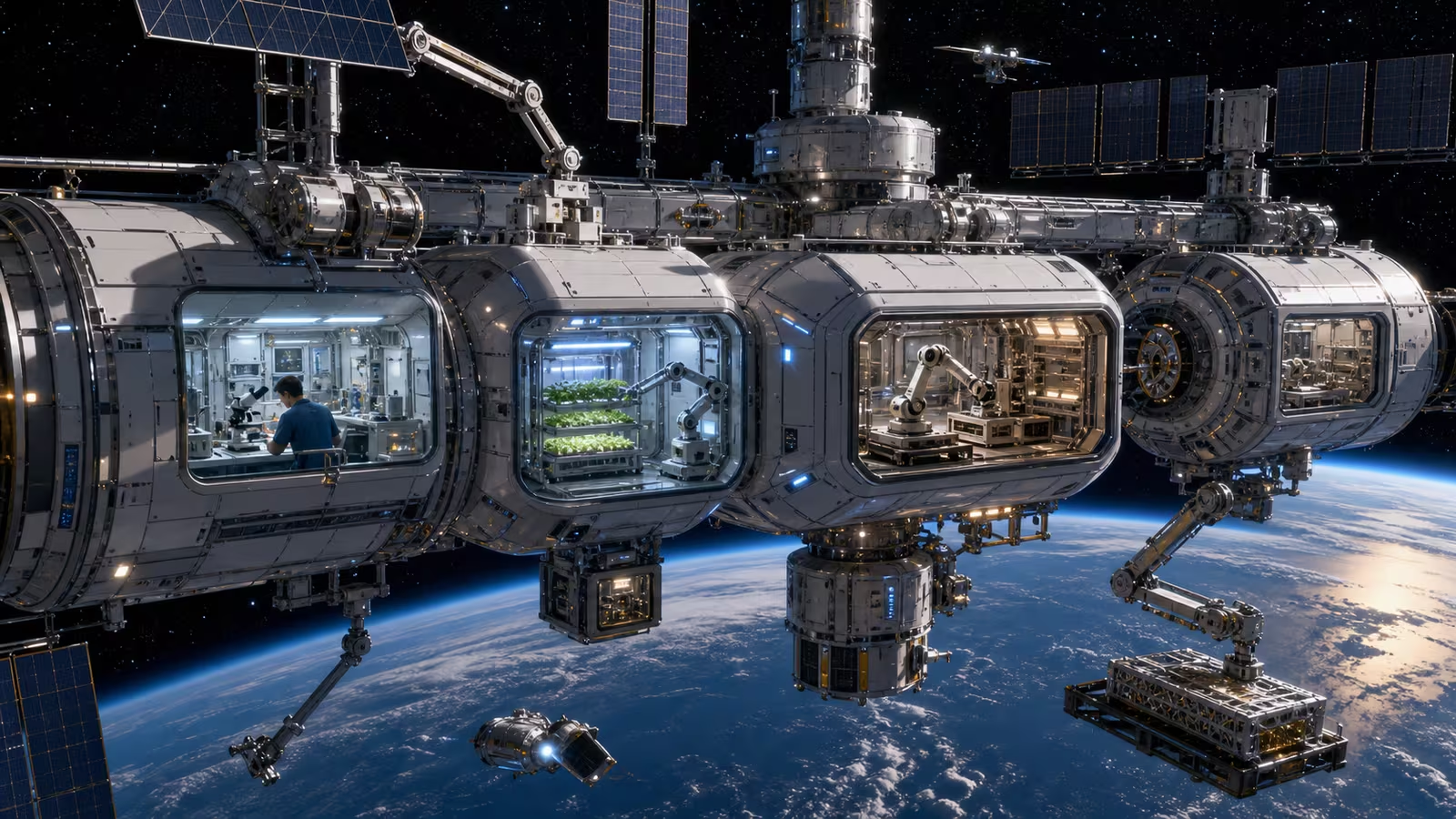
- Space Stations and Orbital Manufacturing
- Space Habitats and Life Support
- Human Radiation Protection in Space
- Spacesuits and EVA Operations
- Rendezvous, Proximity Operations, and Docking
- Space Robotics and Manipulators
- On-Orbit Assembly and Construction
- Space Telescope Observatory Operations
Keeping Space Useful
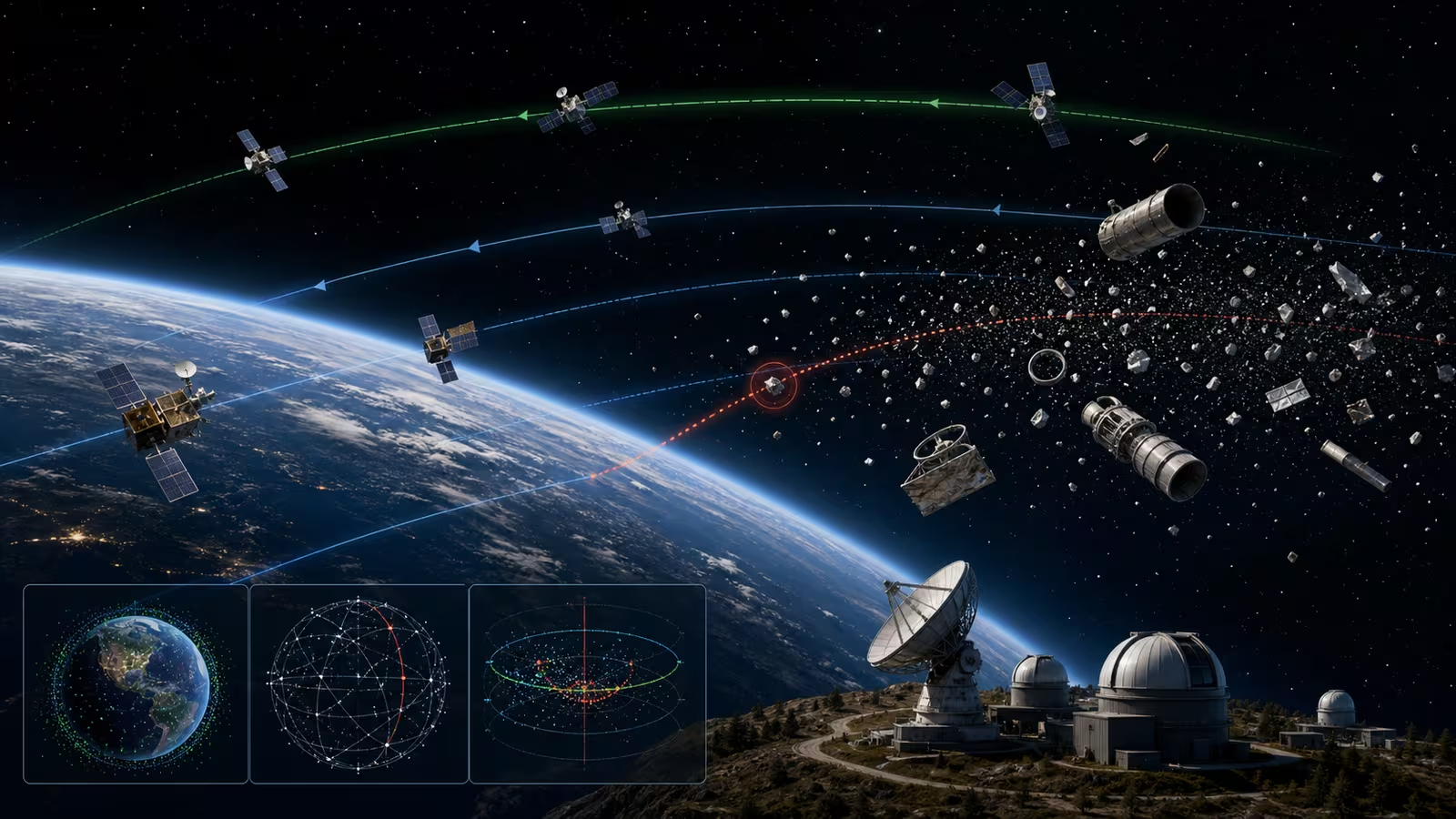
- Space Debris and Orbital Traffic
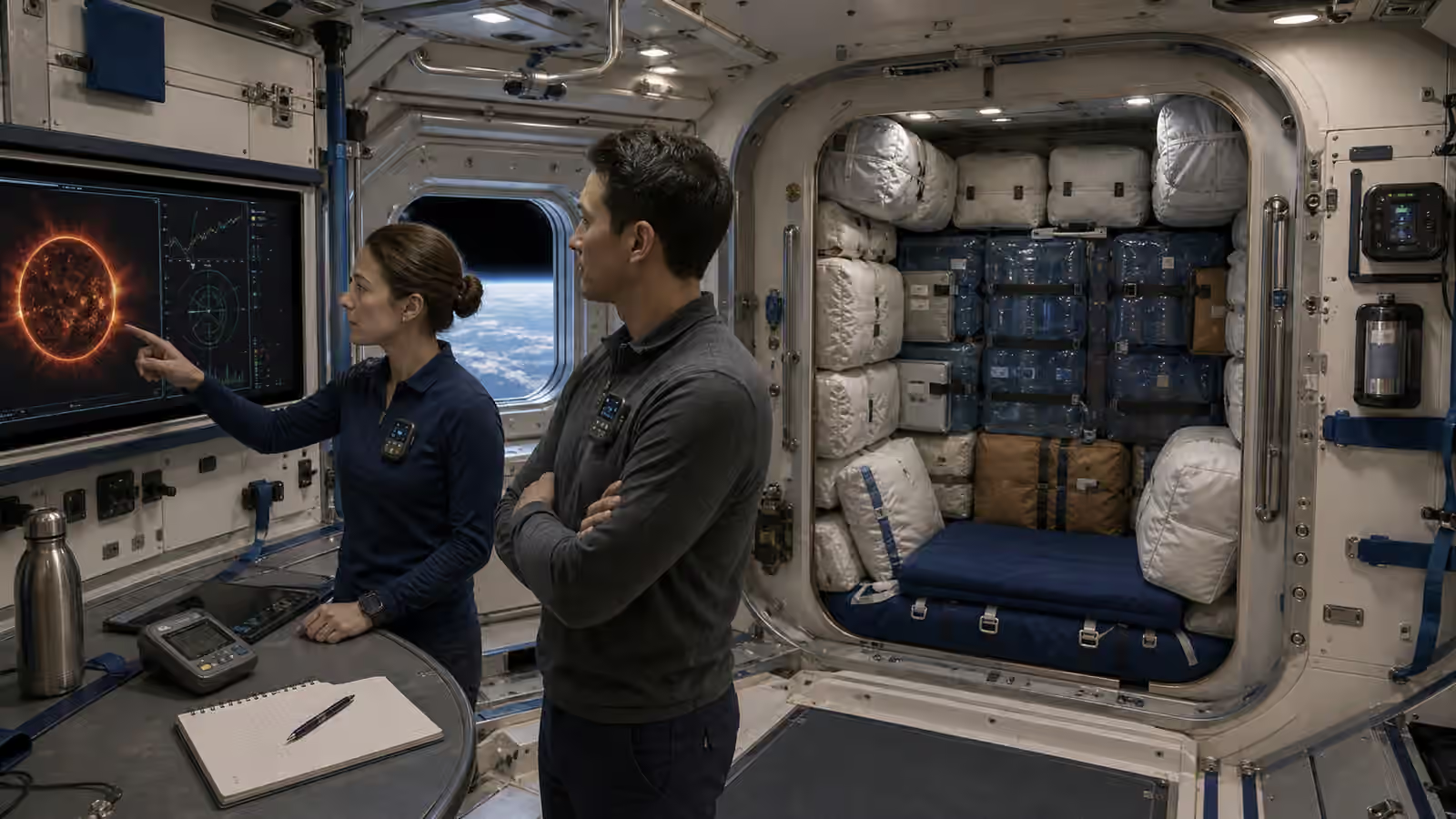
- Space Weather
- Satellite Cybersecurity and Resilience
- Satellite Fault Protection and Autonomy
- Spacecraft Charging and Electrostatic Discharge
- In-Space Servicing and Refueling
- Satellite End of Life
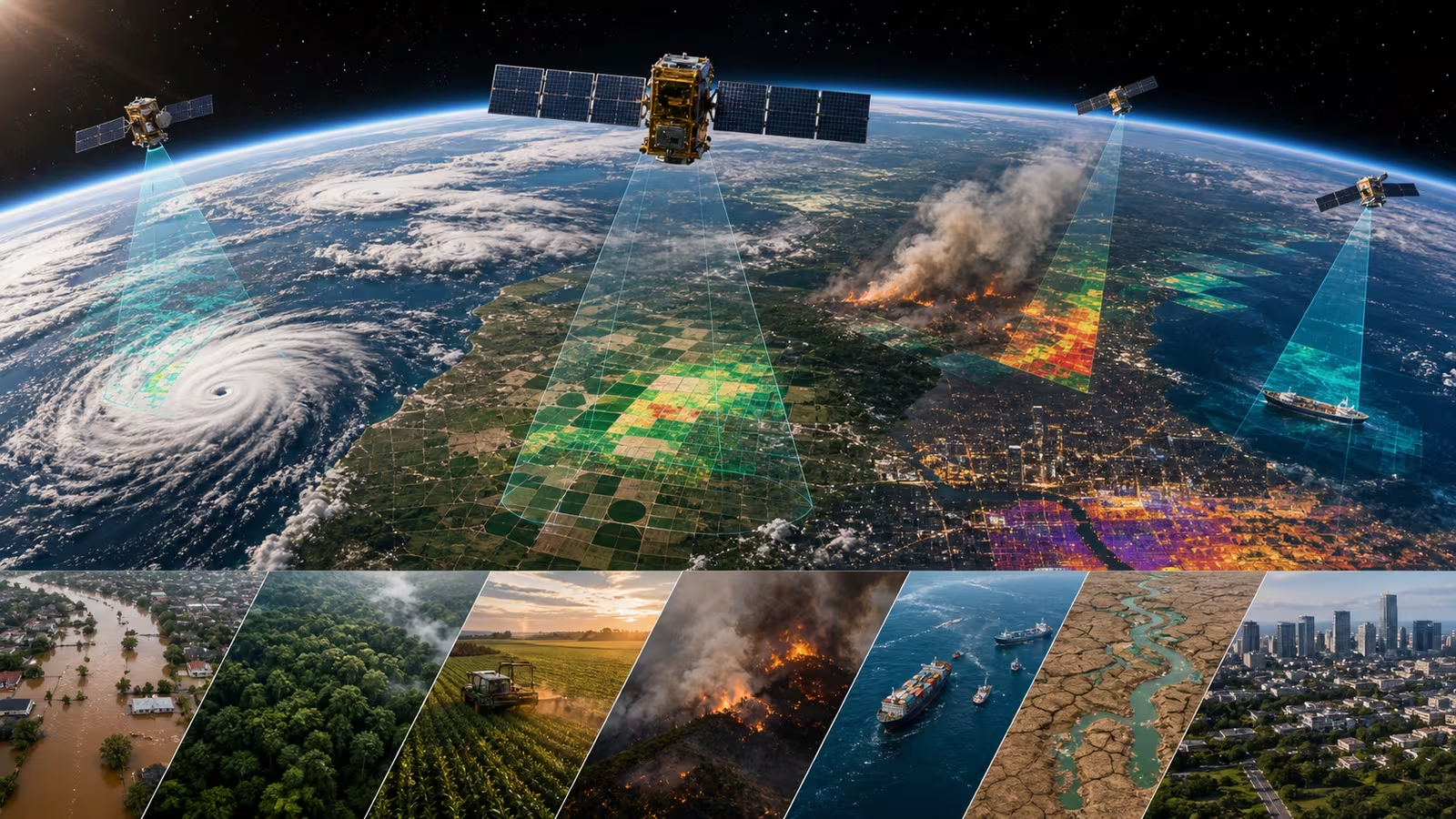
- Earth Observation Is Everyday Infrastructure
- Space Insurance and Mission Risk
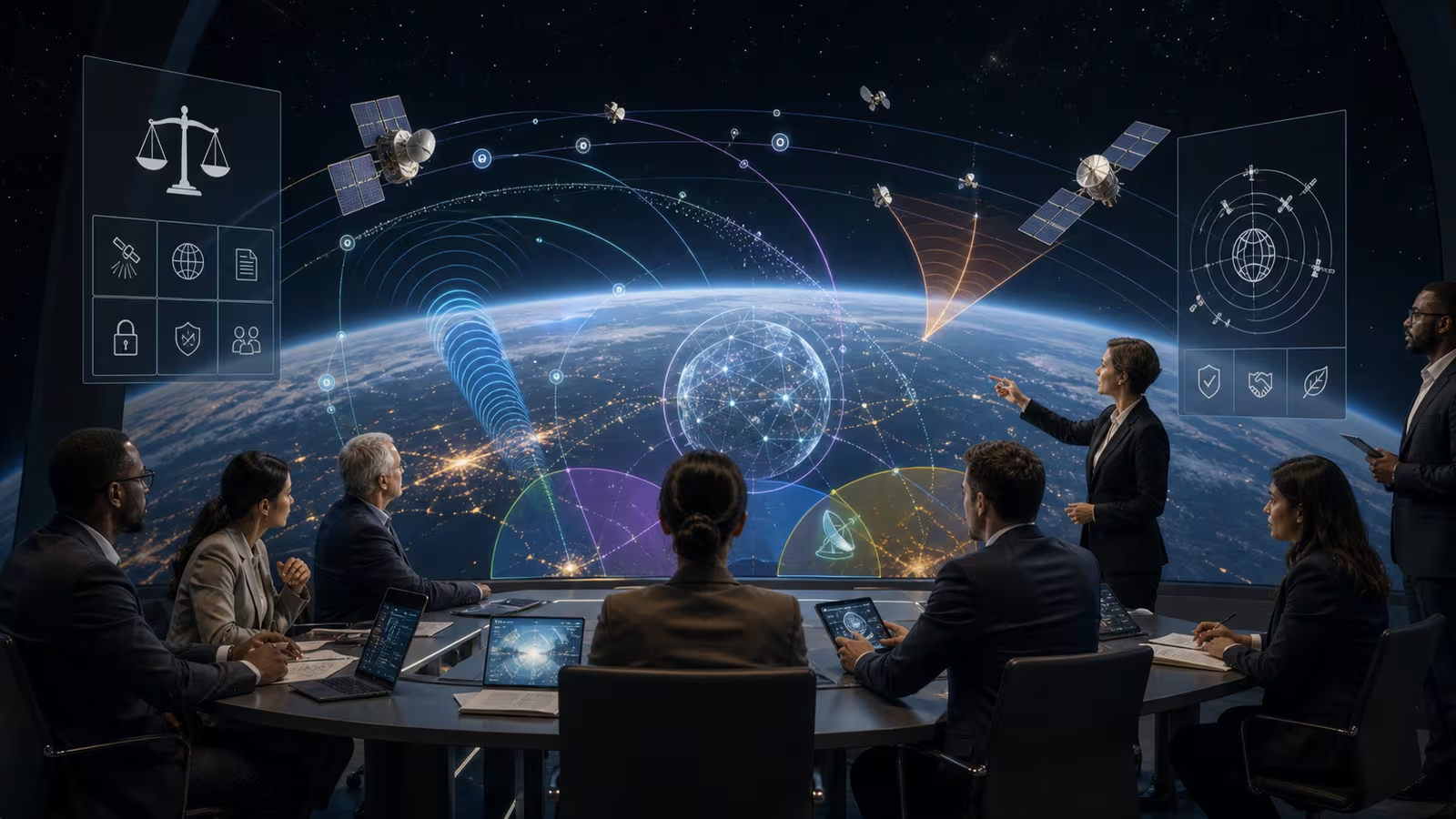
- Space Law and Orbital Governance
- Planetary Protection and Sample Containment
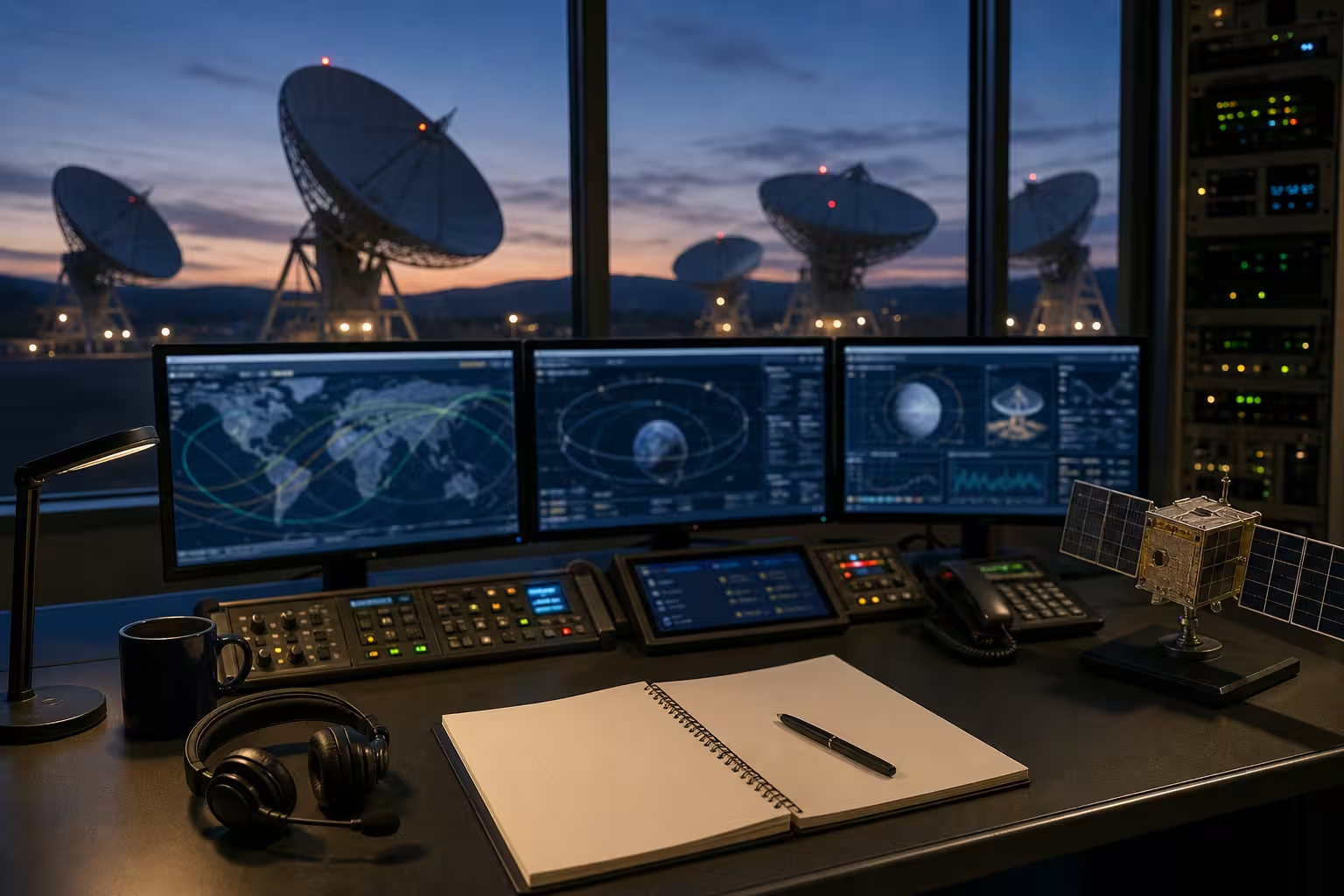
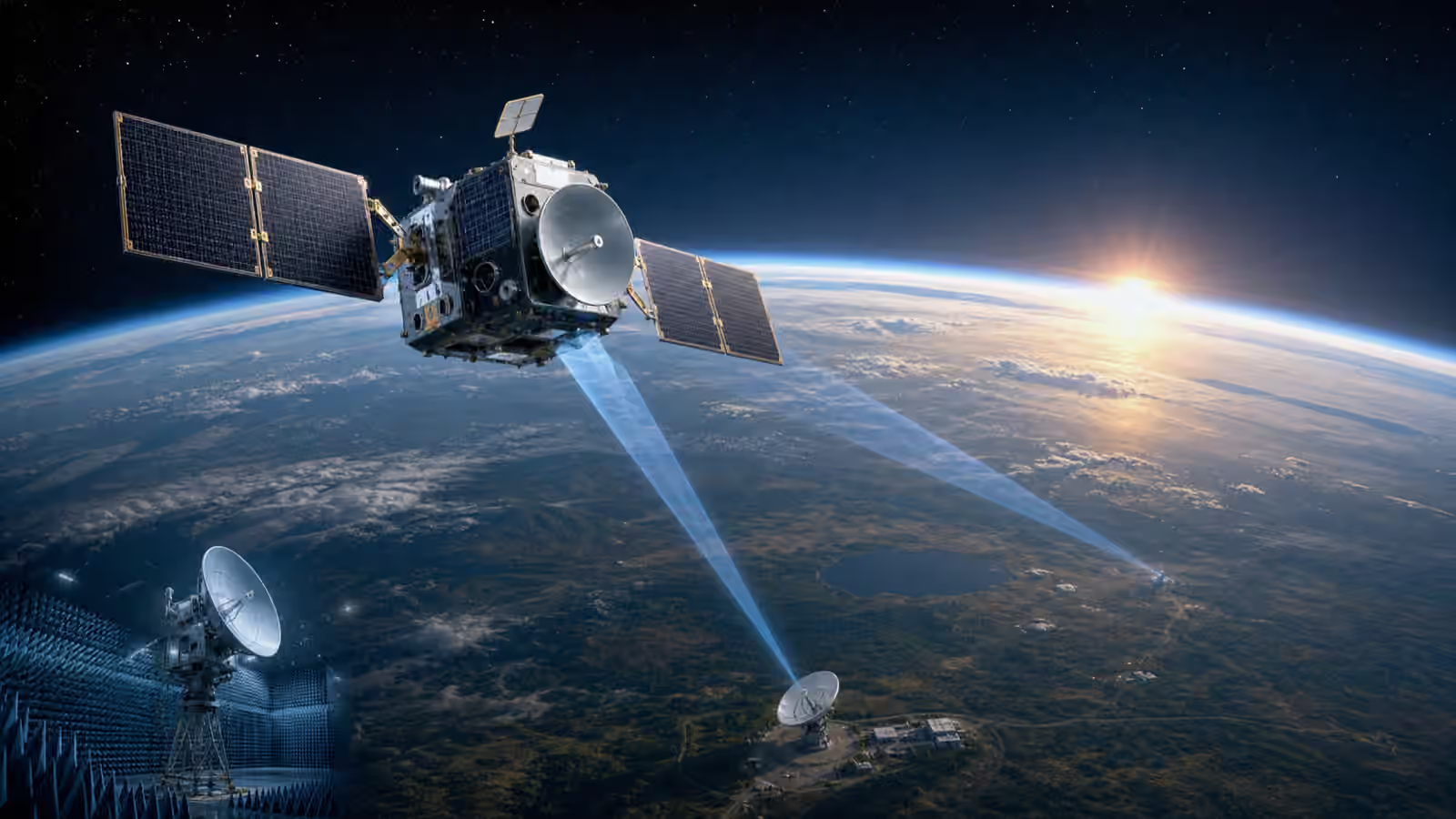
Ground Stations belongs in the first reading cluster because it explains the earthside half of every satellite story. Space infrastructure only becomes useful when commands, data, timing, spectrum, security, and terrestrial networks all work together.
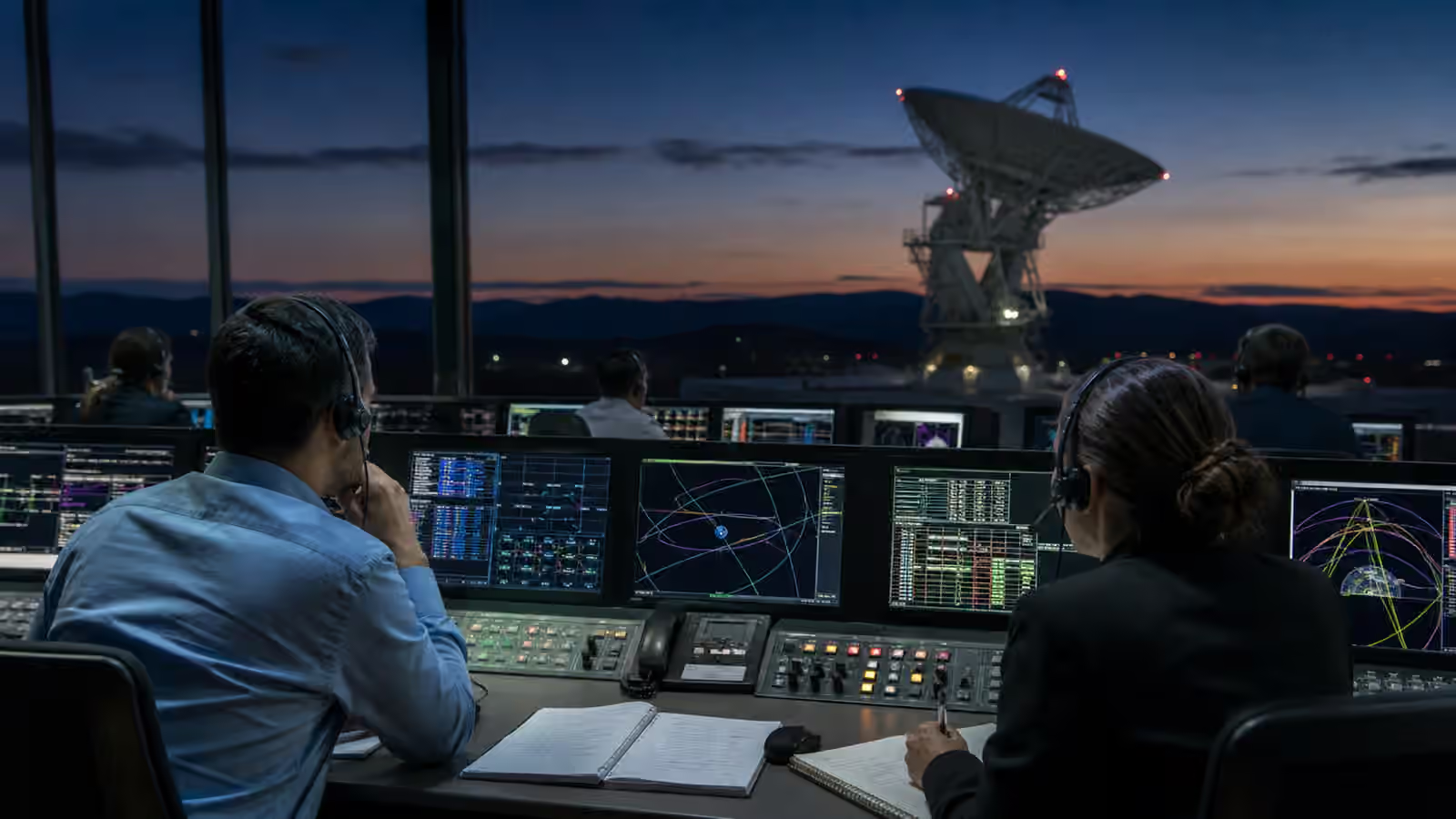
Spacecraft Command, Telemetry, and Tracking gives that earthside link its mission language. It explains how commands, telemetry, tracking data, pass plans, command authority, and records keep operators in disciplined conversation with spacecraft they cannot touch.
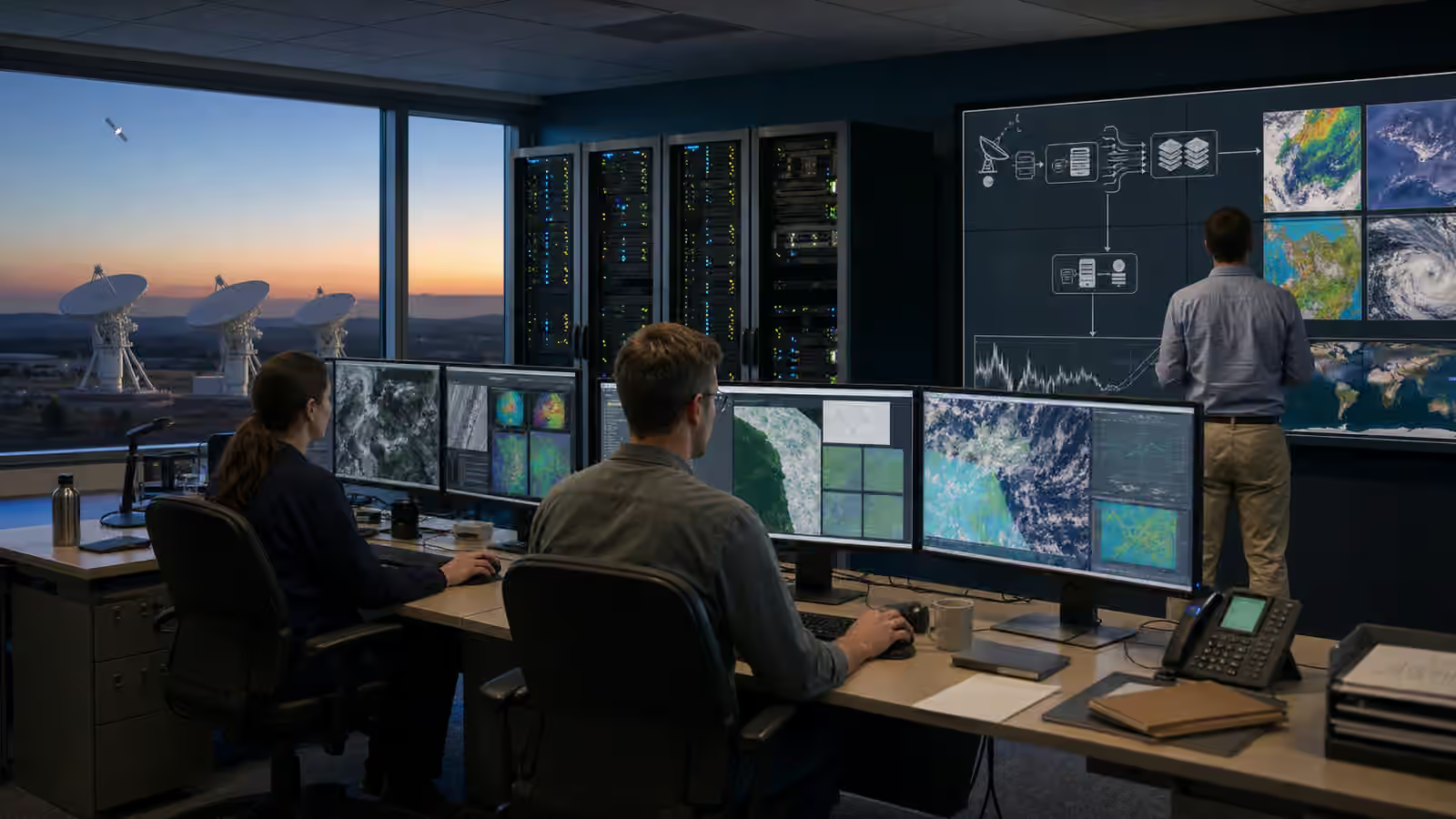
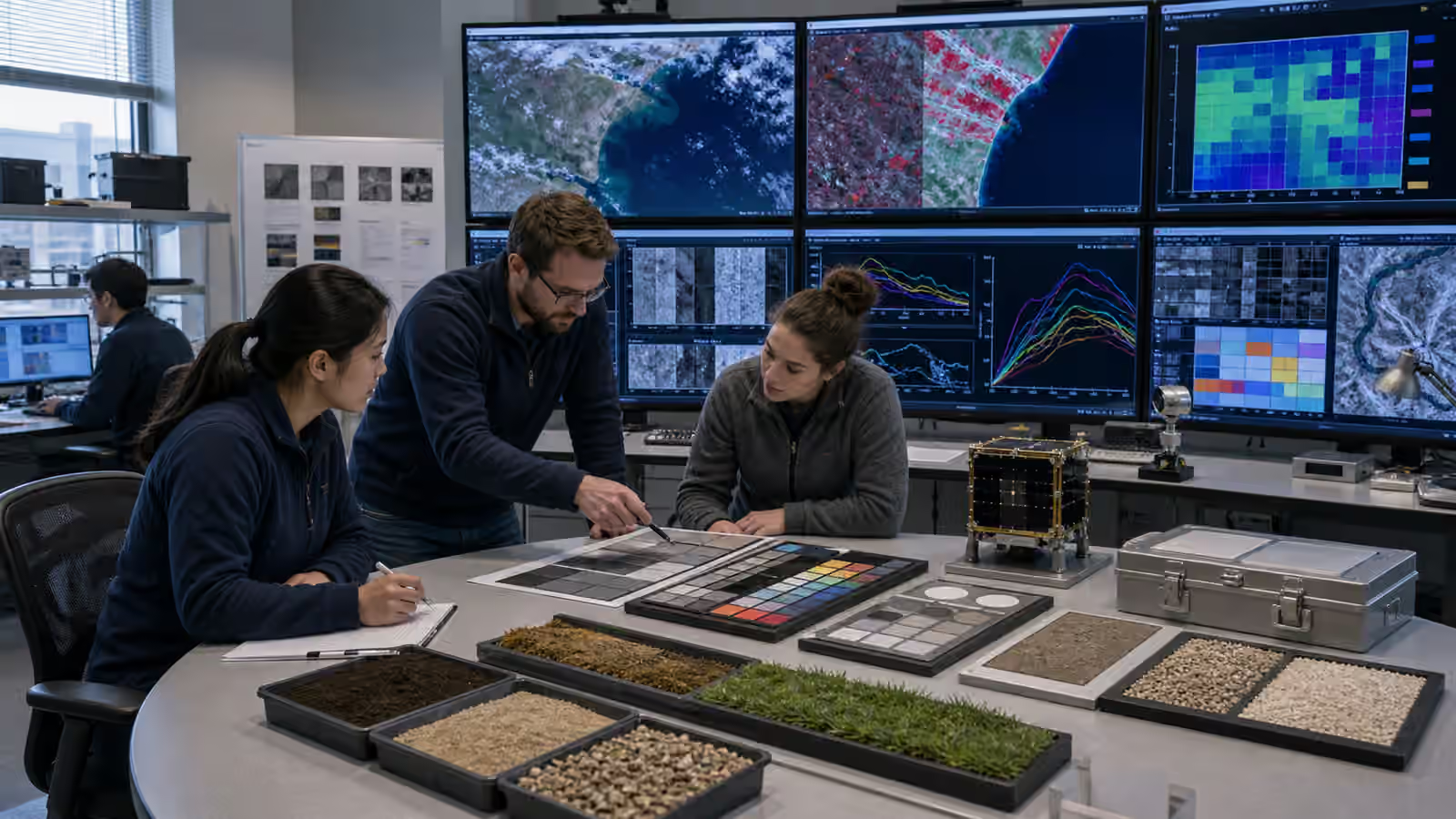
Satellite Data Pipelines fills the processing layer between downlink and decision. It explains how raw measurements, metadata, calibration, quality flags, provenance, latency, and delivery turn orbital observations into products people can actually trust.
Satellite Tasking and Payload Operations fills the planning layer before collection. It explains how observation requests, payload constraints, orbit windows, power, storage, calibration, and downlink limits decide what a spacecraft can responsibly do next.
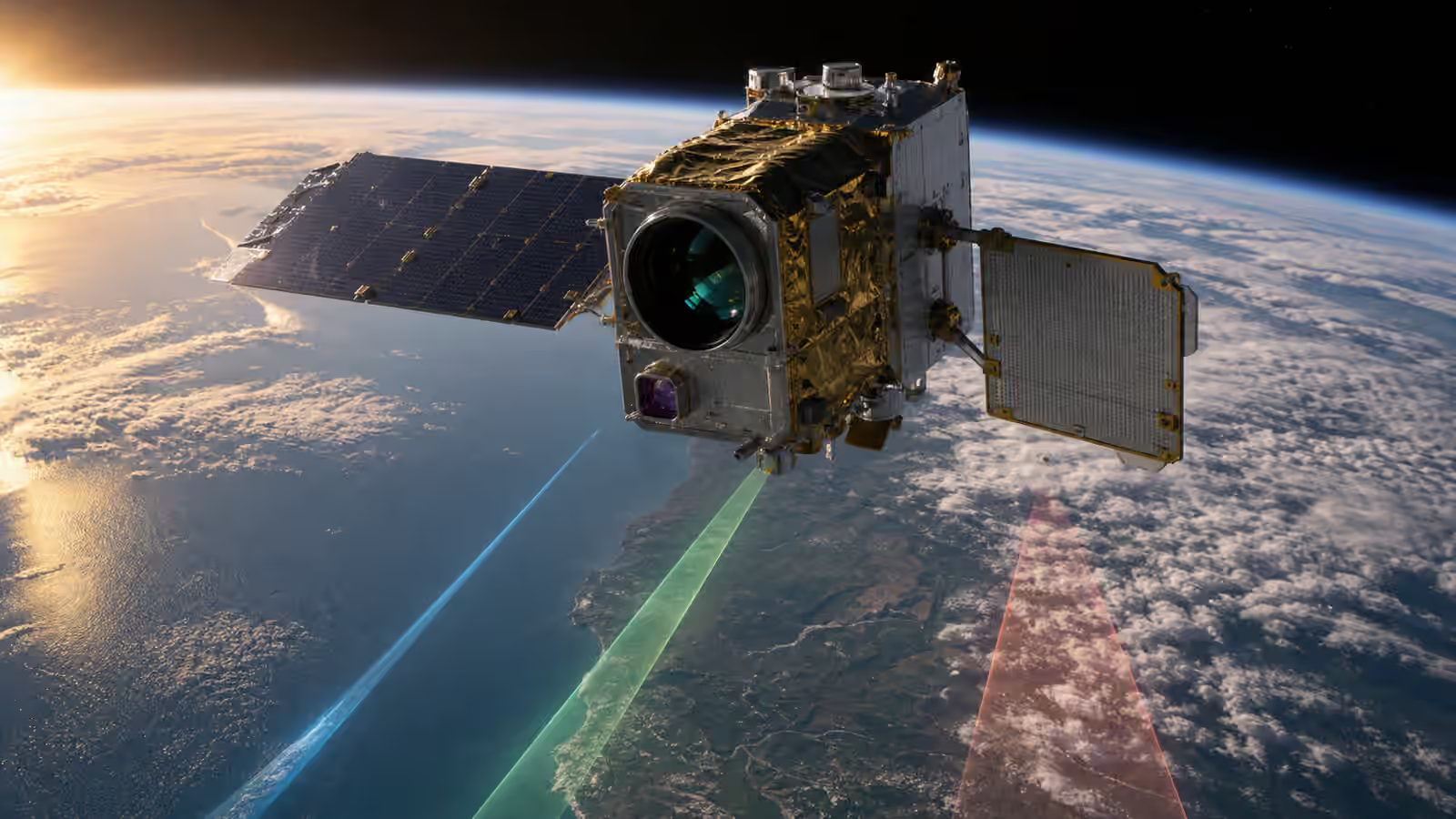
Earth Observation Sensors gives that data story its measurement layer. It explains why optical cameras, radar instruments, infrared sensors, calibration, resolution, and revisit time answer different questions instead of producing one generic view from space.
Satellite Spectrum and Interference fills in the invisible communications layer that the ground-station, satellite-internet, direct-to-phone, navigation, and governance guides all depend on.
Orbital Regimes and Mission Design gives the guidebook shelf its missing map of orbit choices. It explains why low, medium, geostationary, polar, sun-synchronous, and inclined paths shape latency, coverage, revisit time, ground contacts, debris risk, and the services satellites can realistically provide.
Flight Dynamics and Orbit Determination gives that map its operating discipline. It explains how tracking observations, uncertainty, ephemerides, maneuver planning, conjunction assessment, and constellation geometry tell teams where spacecraft really are and where they will be when the next command matters.
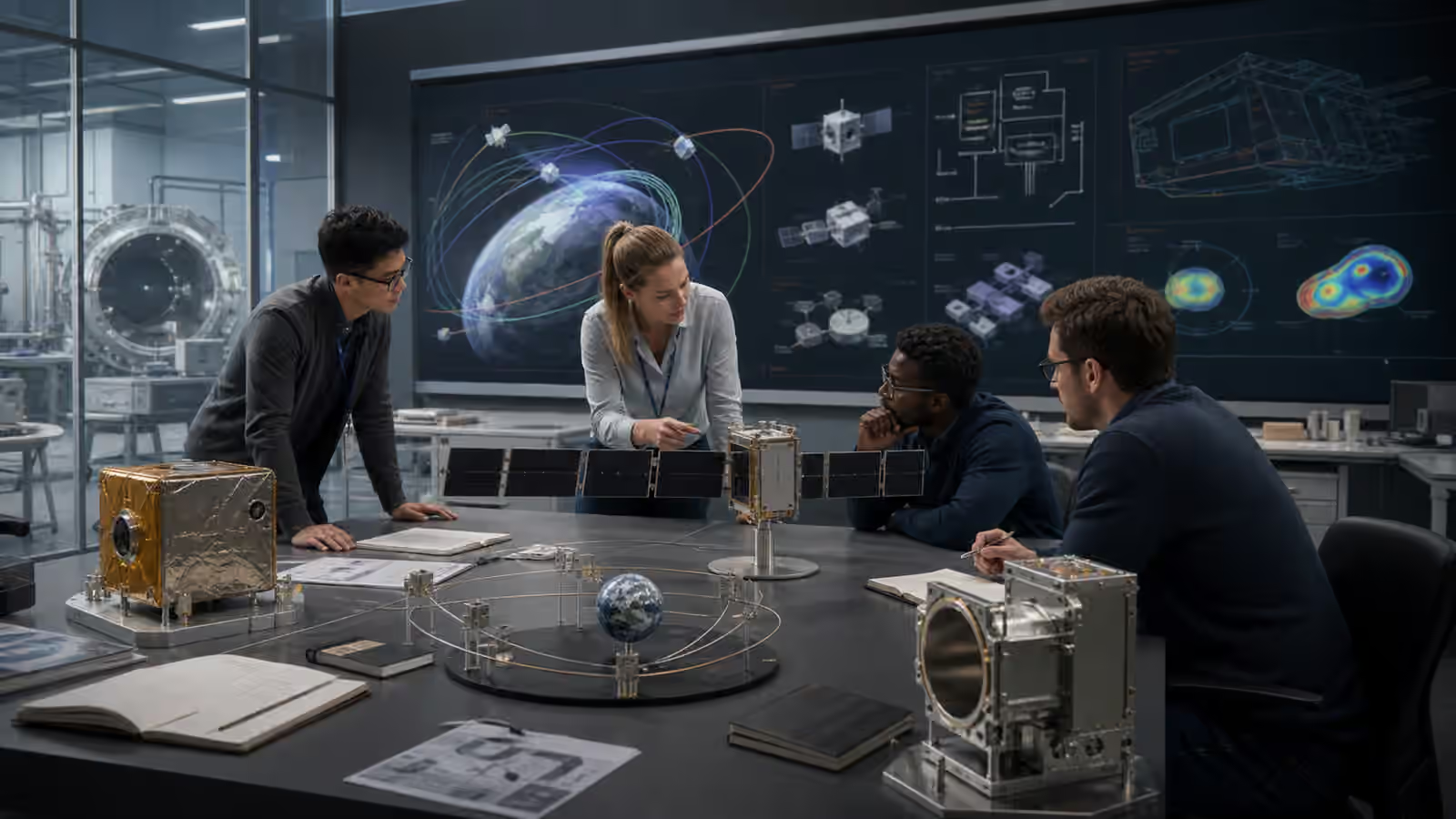
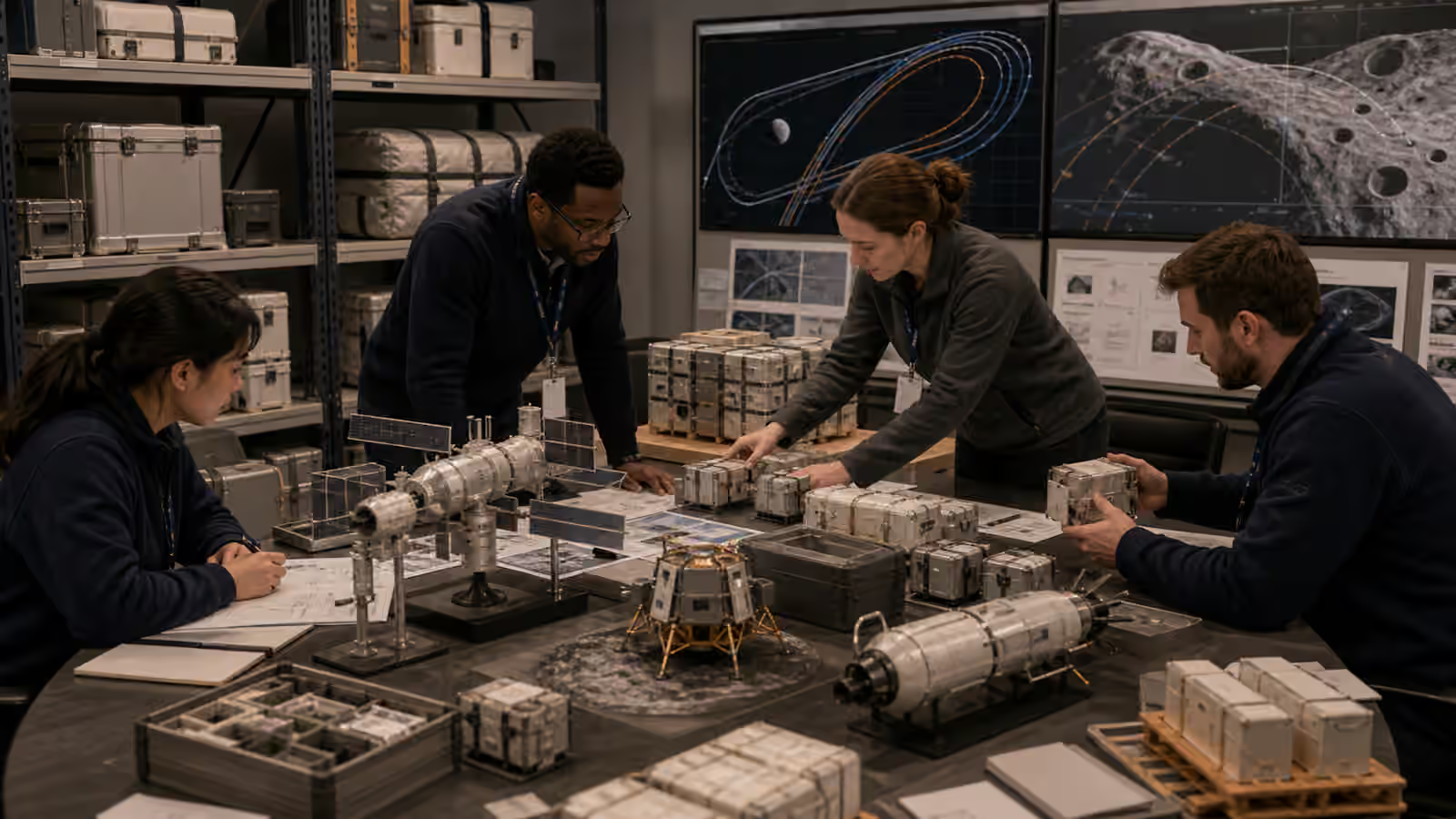
Space Mission Architecture and Tradeoffs moves one step upstream from individual subsystems. It explains how goals become requirements, why payloads, buses, orbits, ground networks, launch paths, margins, and risk have to be traded together, and why a spacecraft design is really a system argument.
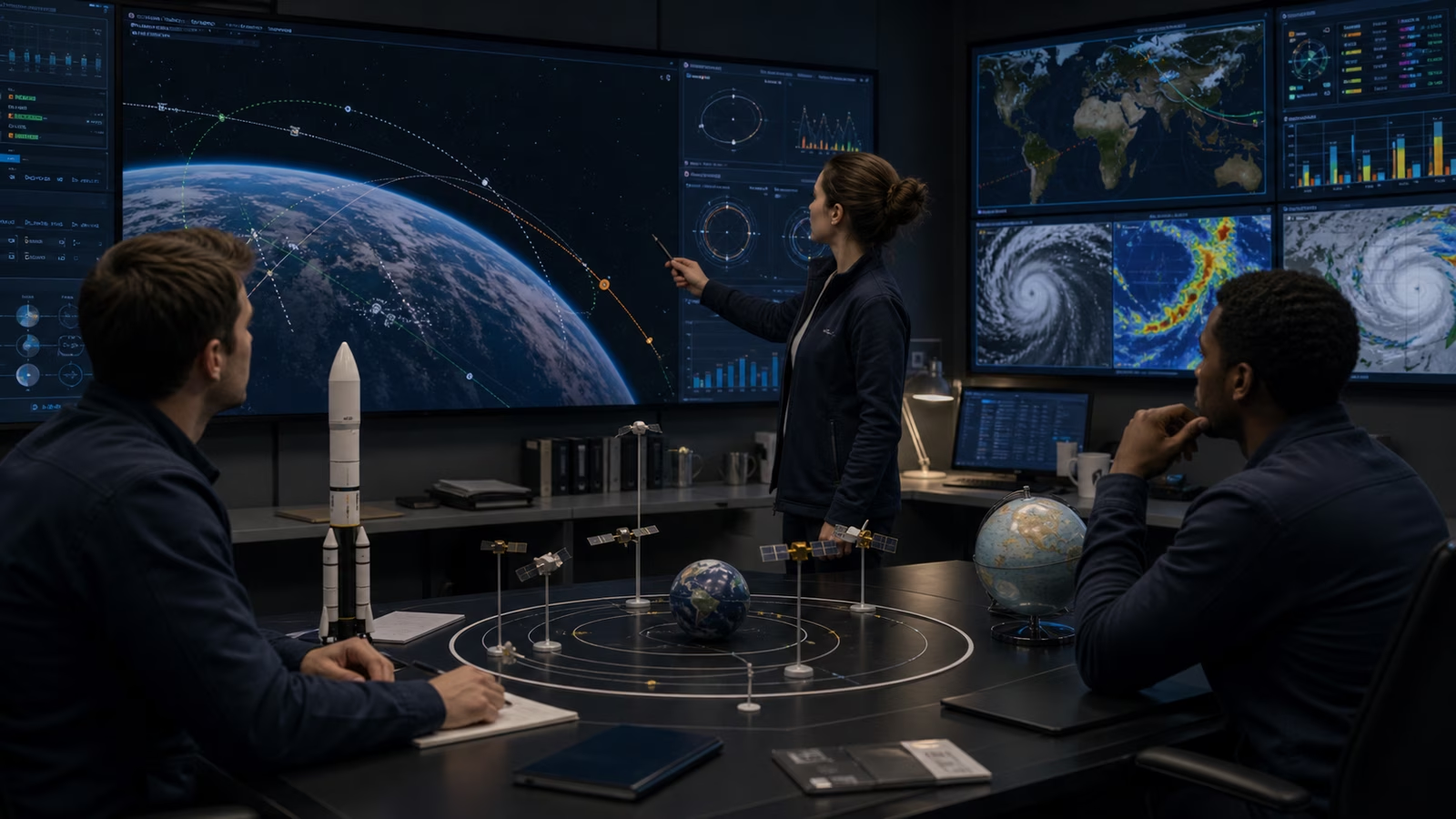
Mission Simulation and Digital Twins tests that system argument before flight. It explains how spacecraft models, ground systems, operations rehearsals, anomaly drills, and configuration discipline help teams discover mission problems while they can still change procedures or design choices.
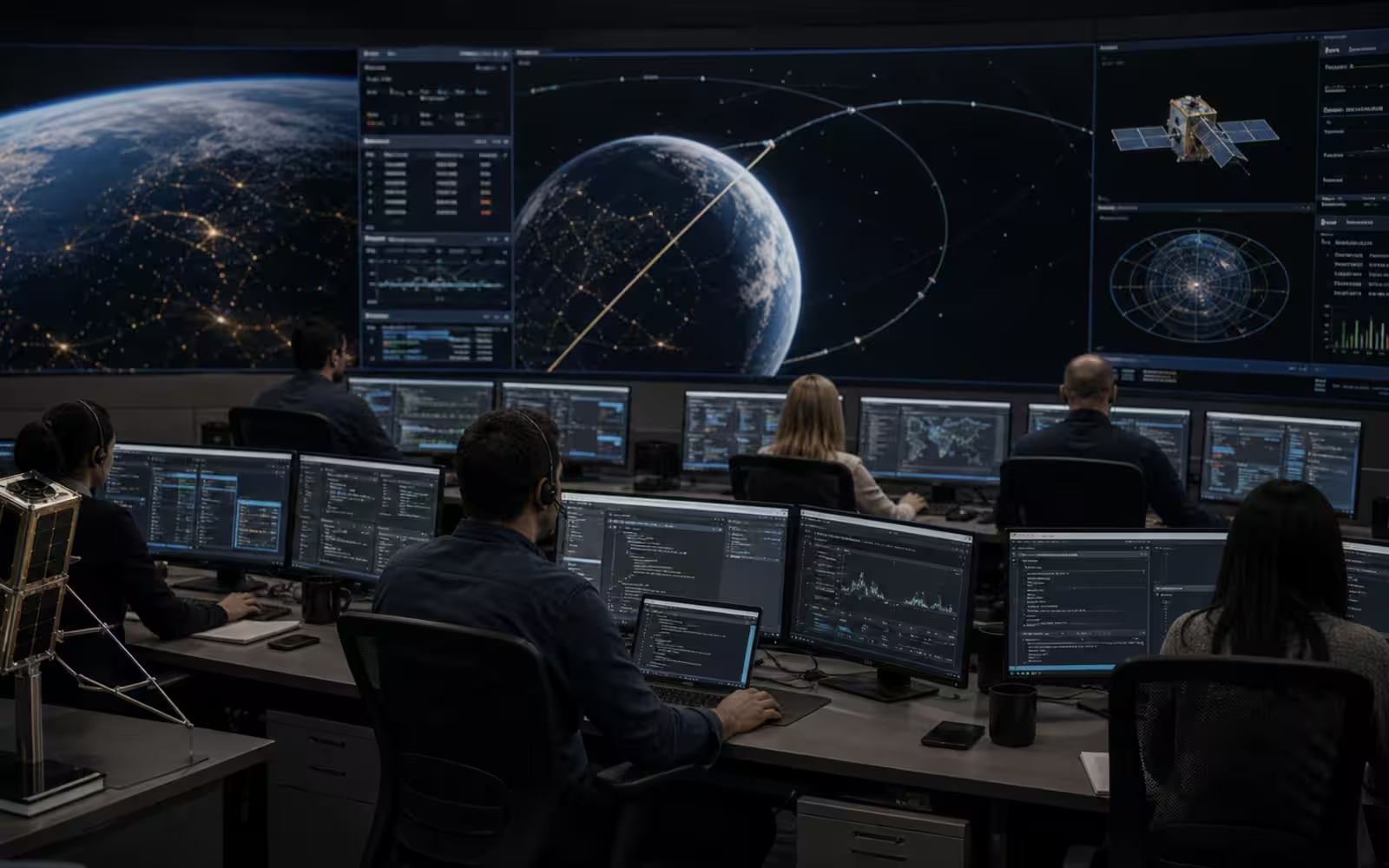
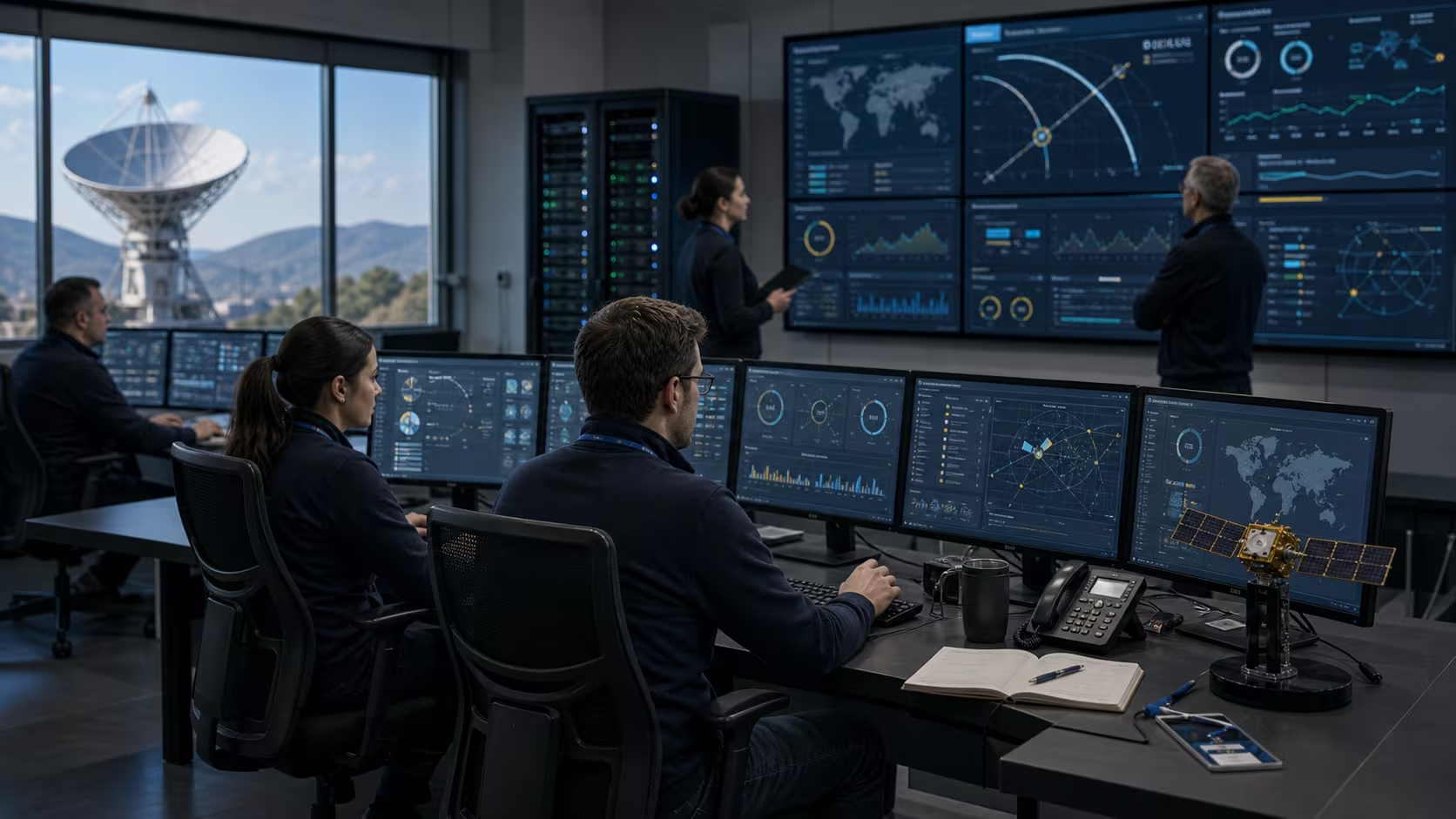
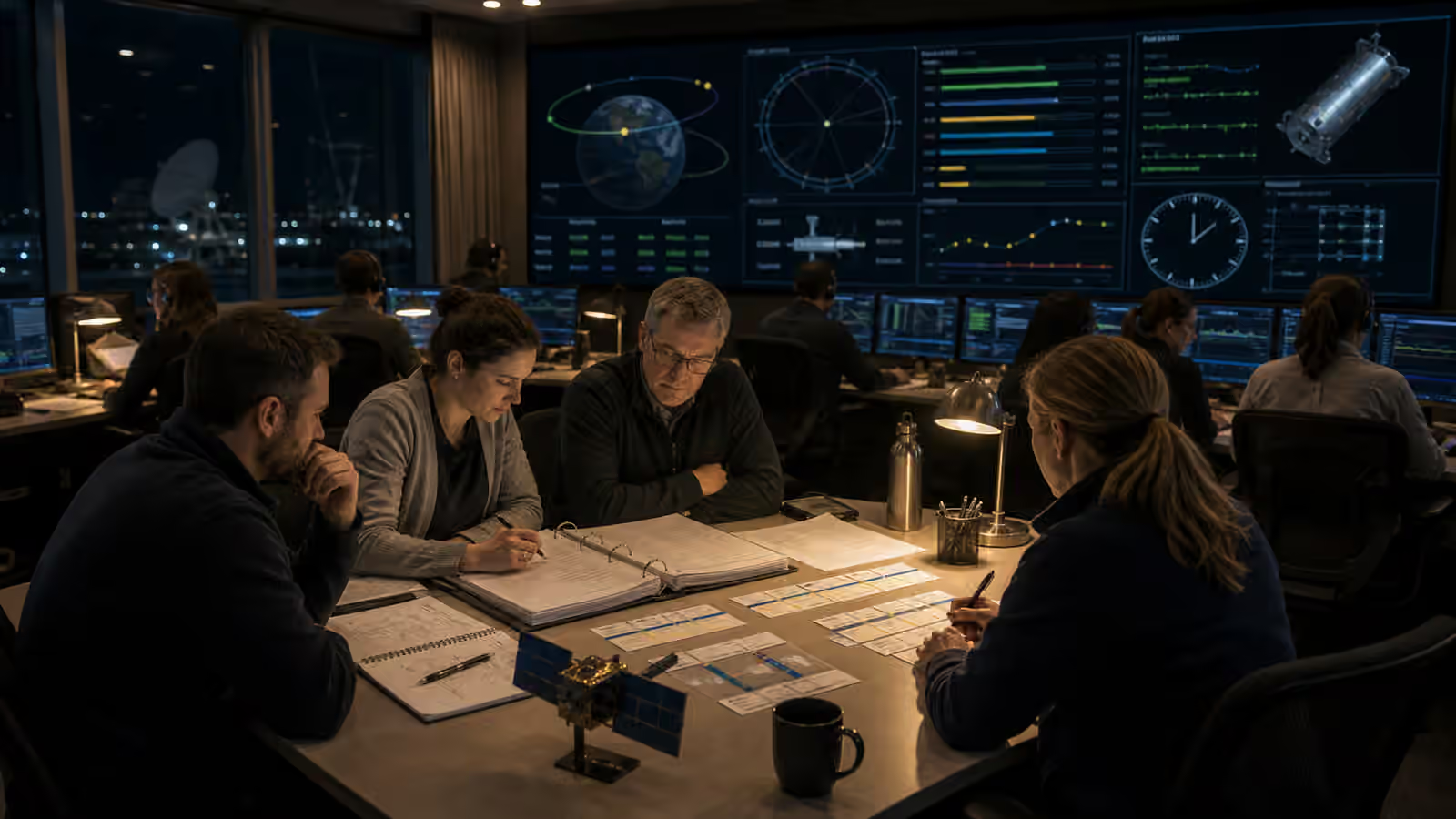
Mission Operations Centers and Flight Rules gives those rehearsals their real-time home. It explains how console roles, pass plans, flight rules, anomaly evidence, and calm communication keep teams from improvising around spacecraft they cannot touch.
Spacecraft Reliability and Redundancy fills the dependability layer behind mission assurance, fault protection, and architecture trades. It explains single-point failures, backup paths, graceful degradation, margins, and why redundancy only helps when operators still understand the spacecraft.
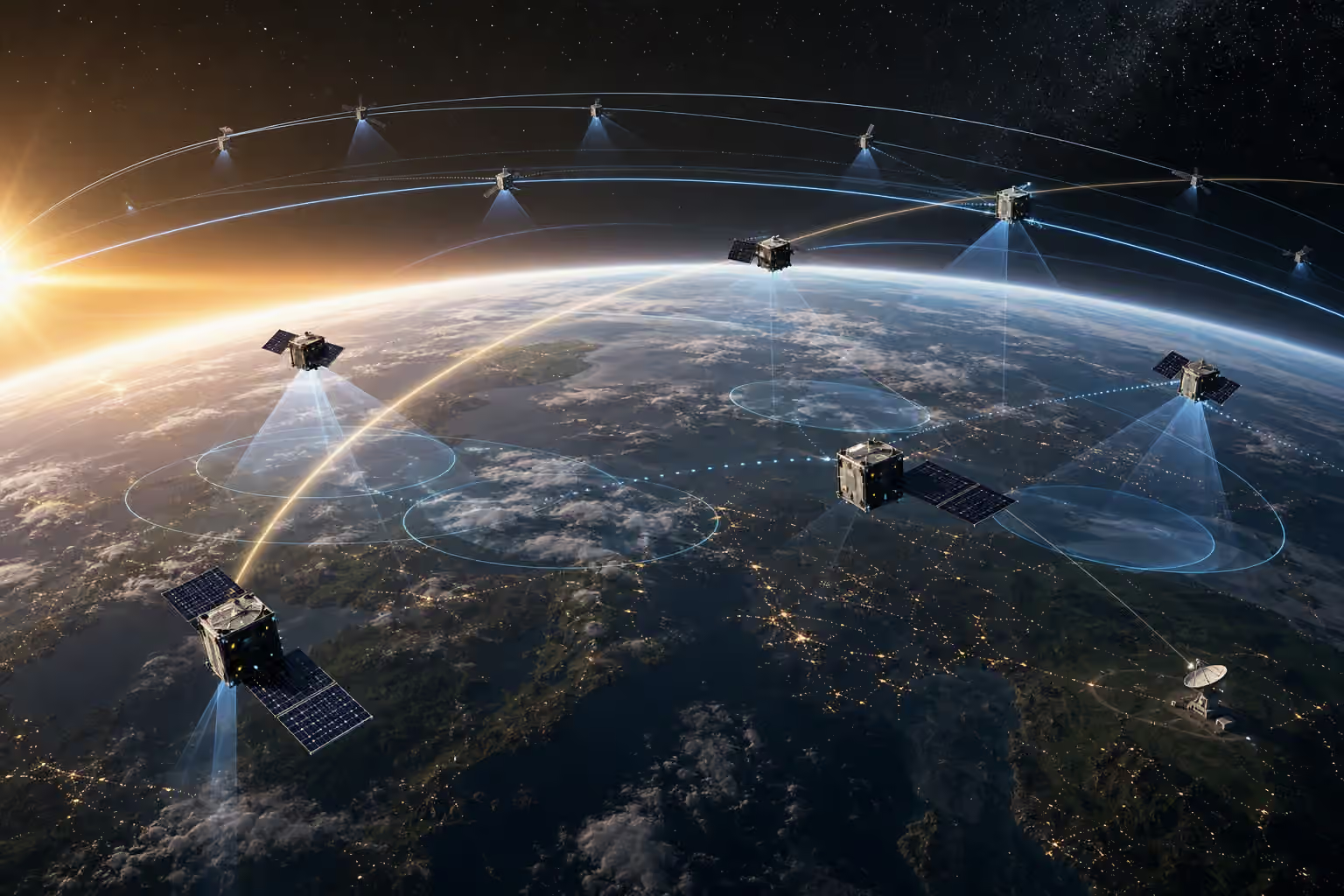
Satellite Constellation Design gives that orbital map its fleet-scale layer. It explains how coverage, phasing, handovers, capacity, replenishment, ground networks, spectrum discipline, and end-of-life planning turn many moving satellites into one service.
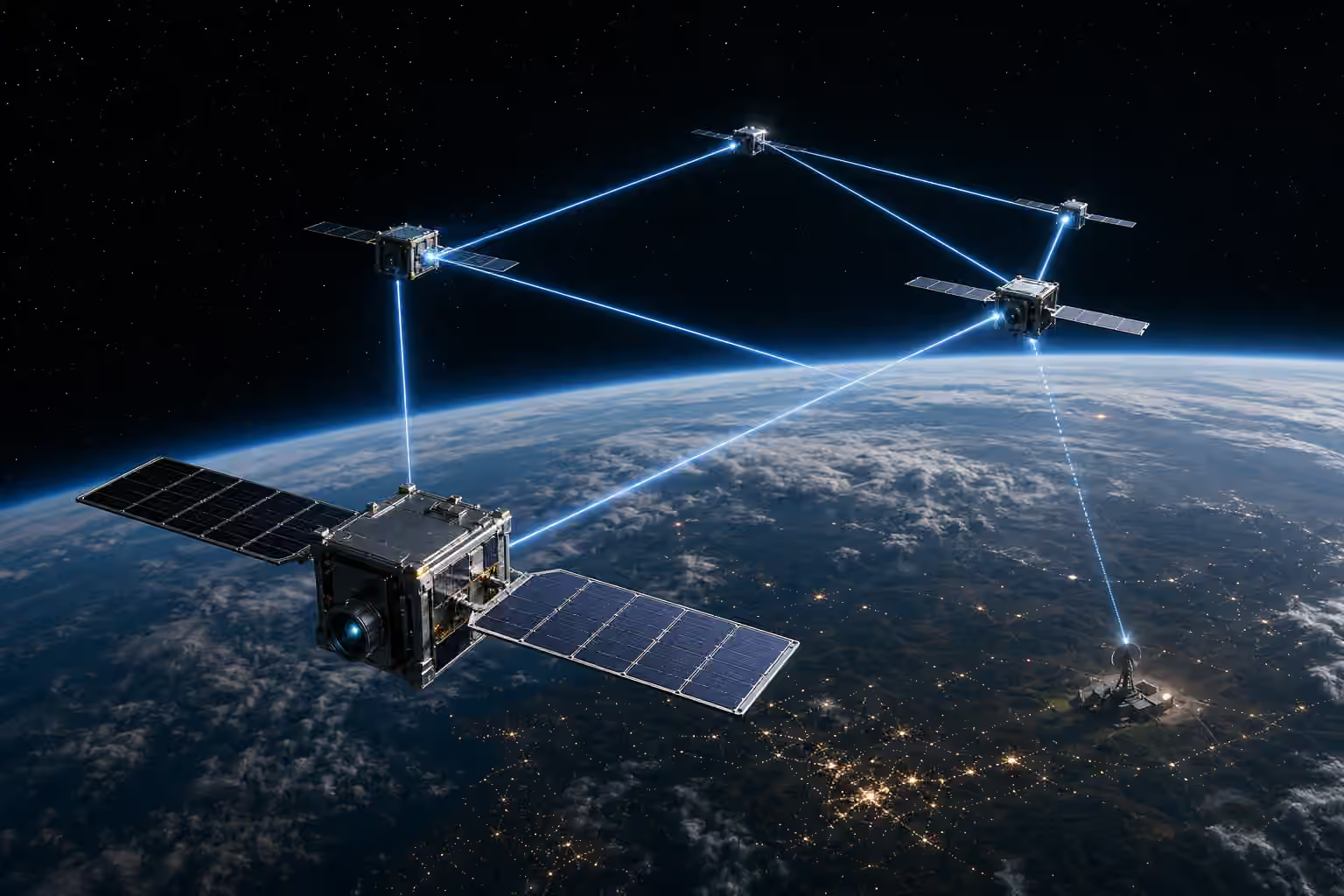
Inter-Satellite Links gives the constellation story its networking layer. It explains how optical and radio crosslinks, orbital routing, pointing discipline, gateway relief, onboard queues, security, and fleet operations let satellites move data through space before it returns to Earth.
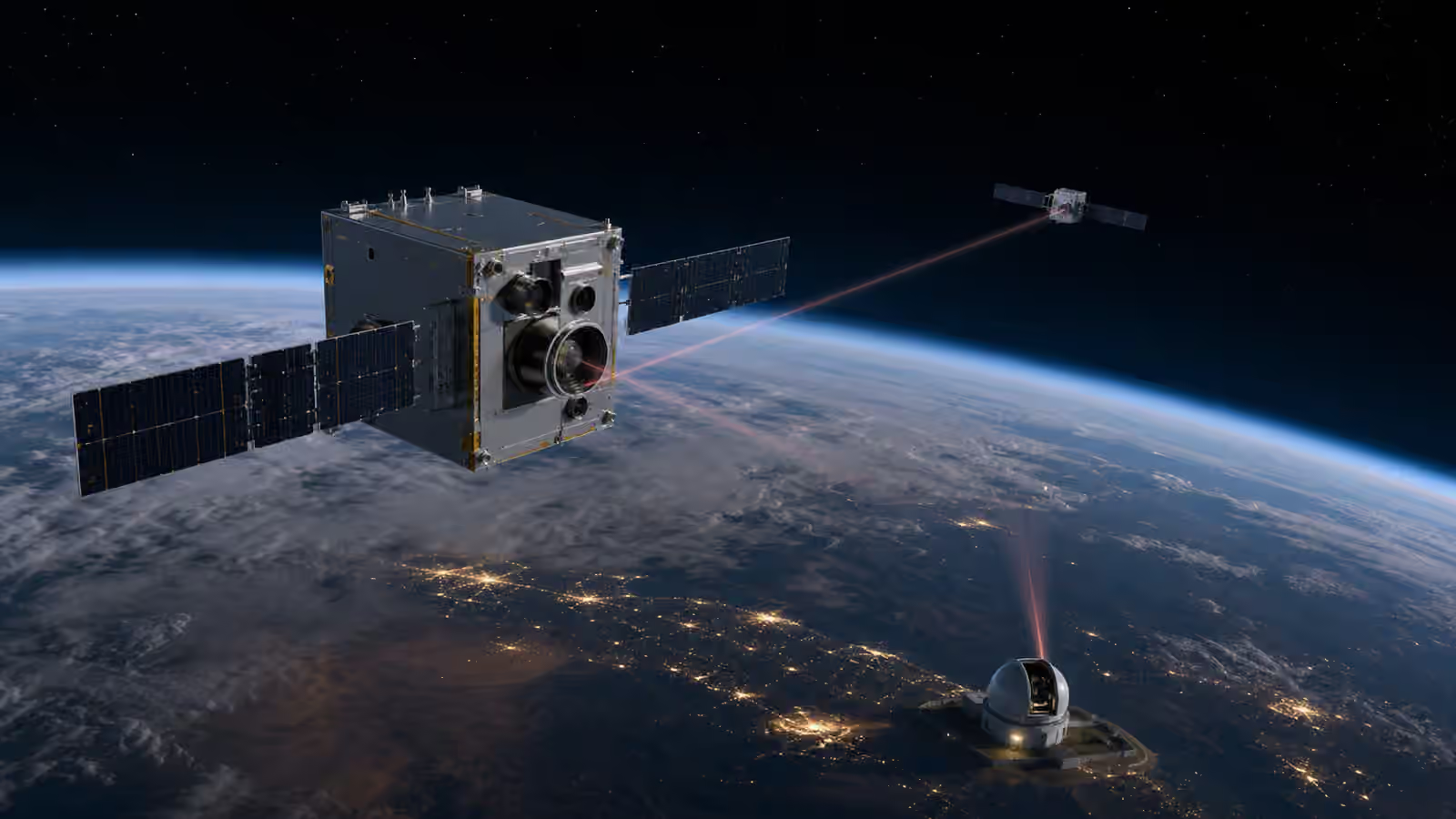
Optical Communications and Laser Links gives that network layer its narrow-beam option. It explains why laser links can move large data volumes, why pointing and weather matter, and why fast downlinks still depend on ground diversity, storage, routing, and disciplined operations.
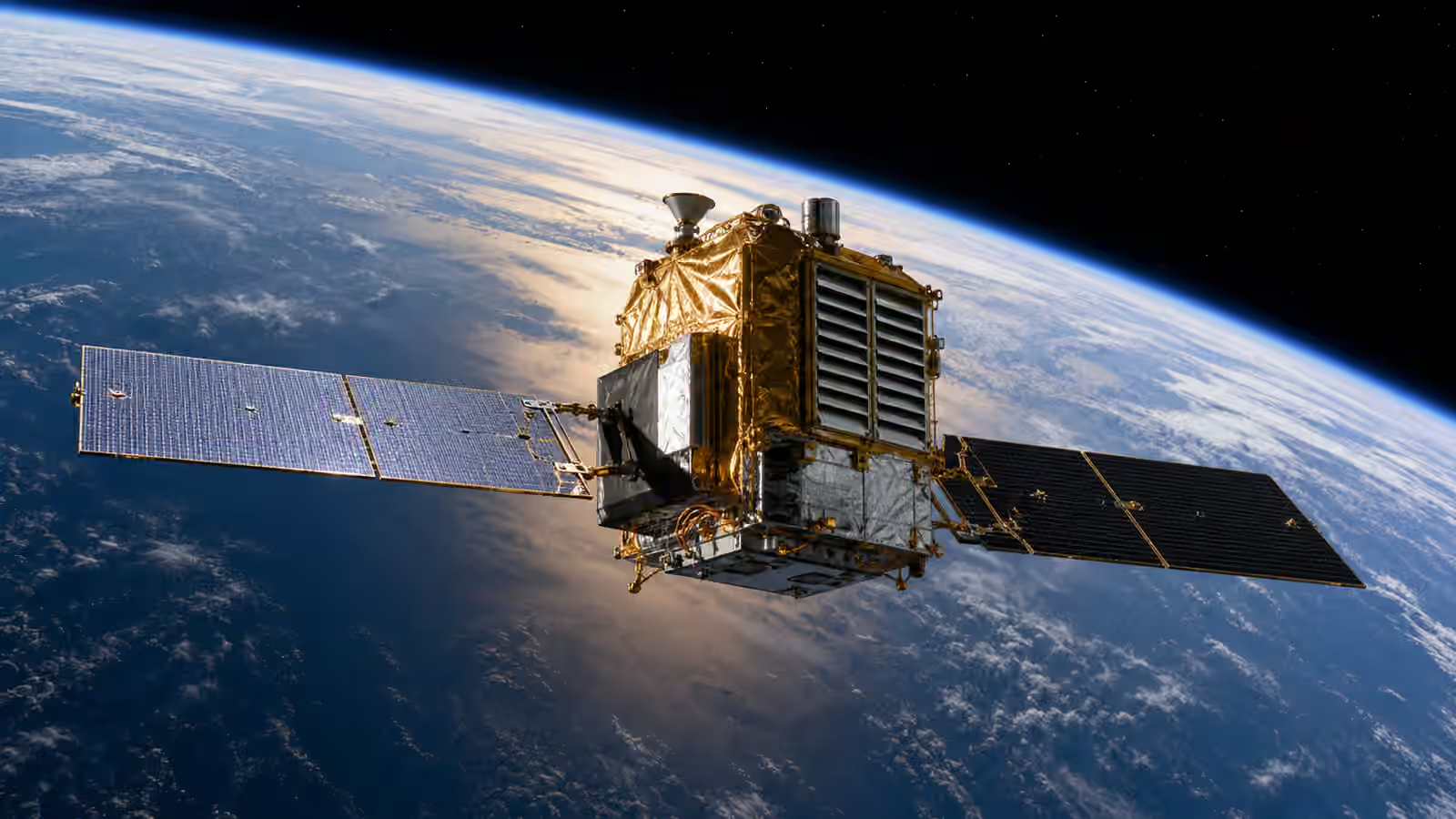
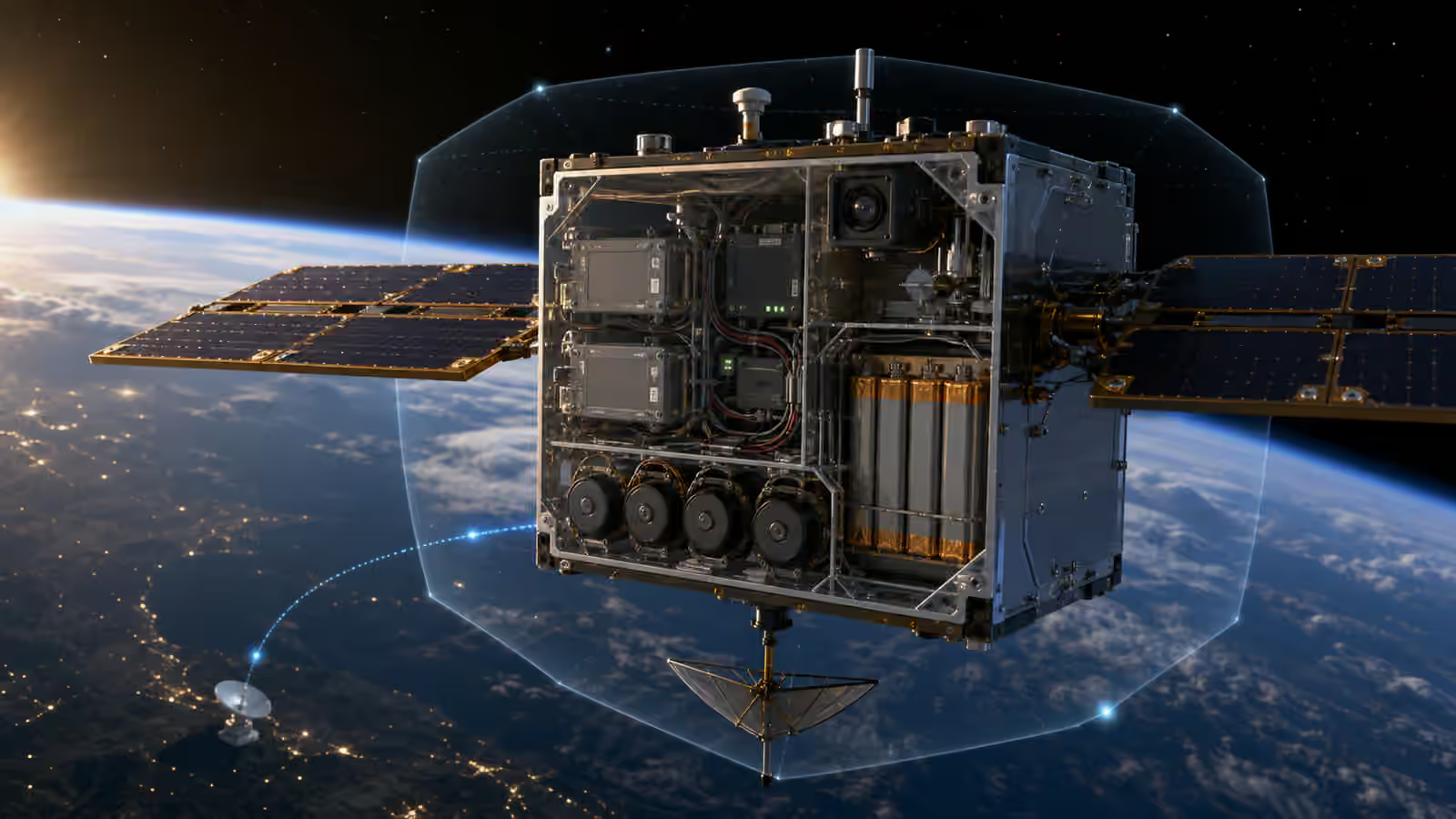
Satellite Bus and Payloads fills in the spacecraft itself: the payload that creates value and the bus that keeps it powered, pointed, cooled, connected, and ready for responsible operations.
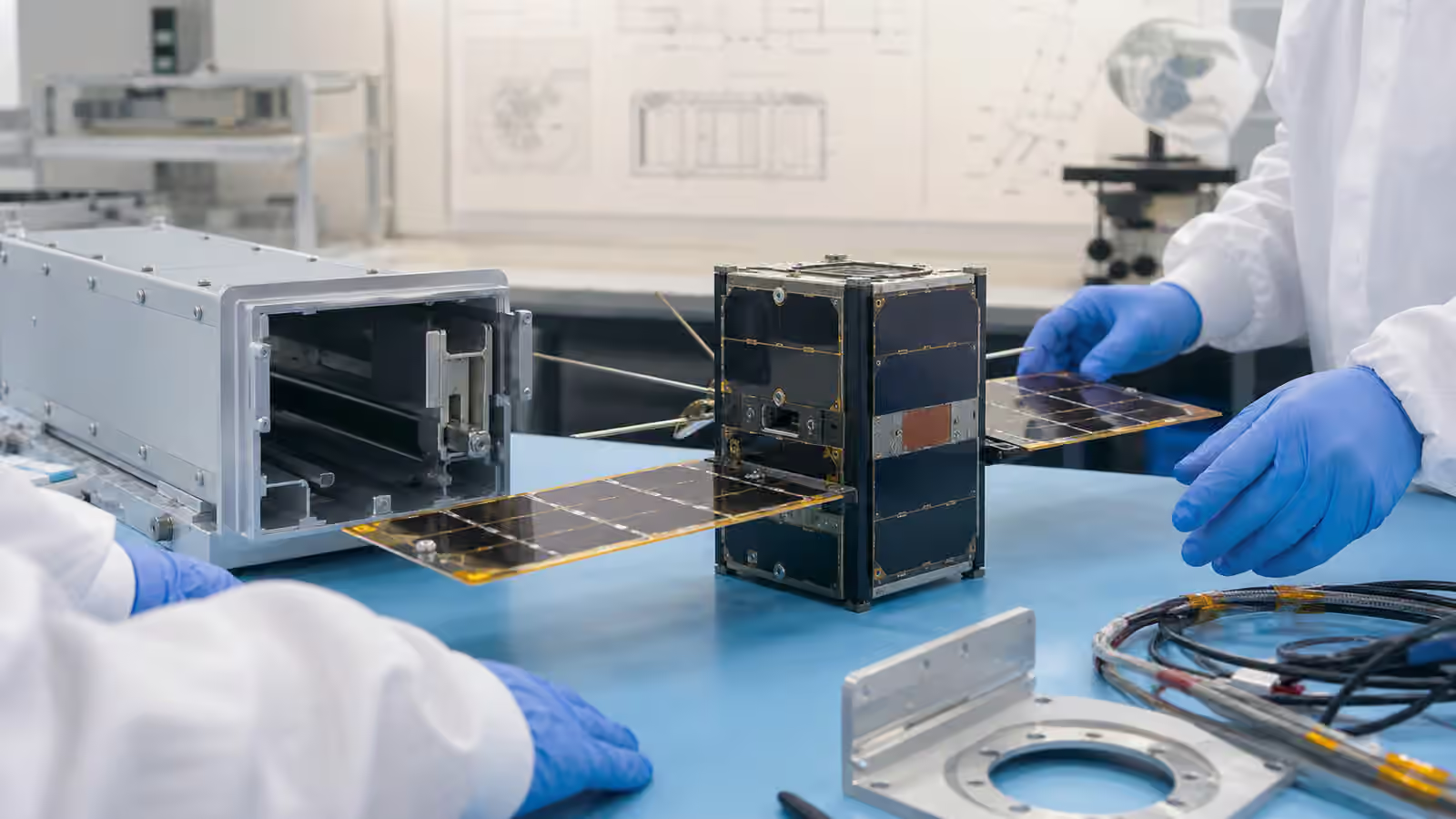
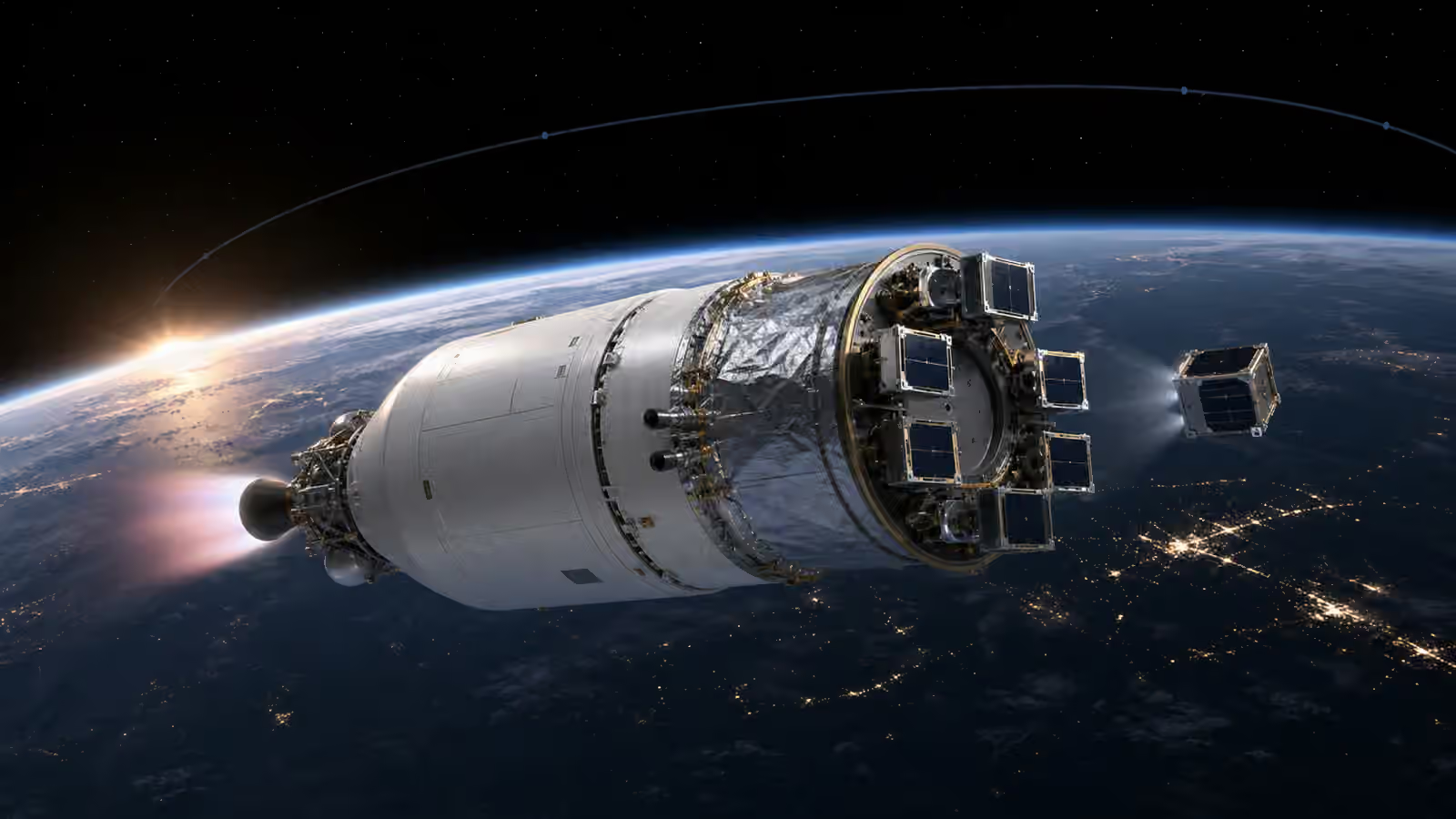
Small Satellites and CubeSat Mission Design adds the compact-mission layer. It explains how standard form factors, rideshare constraints, limited power and volume, testing discipline, constellations, operations, and end-of-life planning change when the spacecraft shrinks.
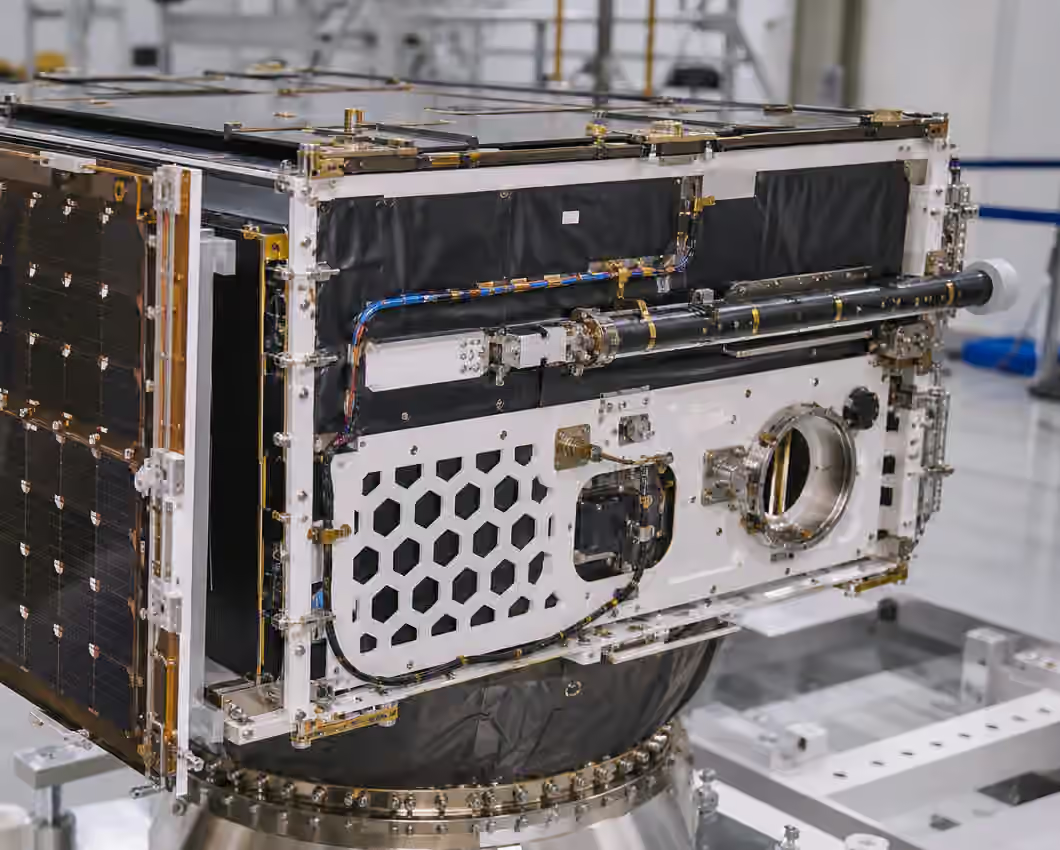
Satellite Structures and Deployable Mechanisms gives that bus story its physical layer. It explains launch loads, stiffness, alignment, folded solar arrays, antenna booms, release devices, hinges, latches, material choices, and why spacecraft shape is part of mission behavior.
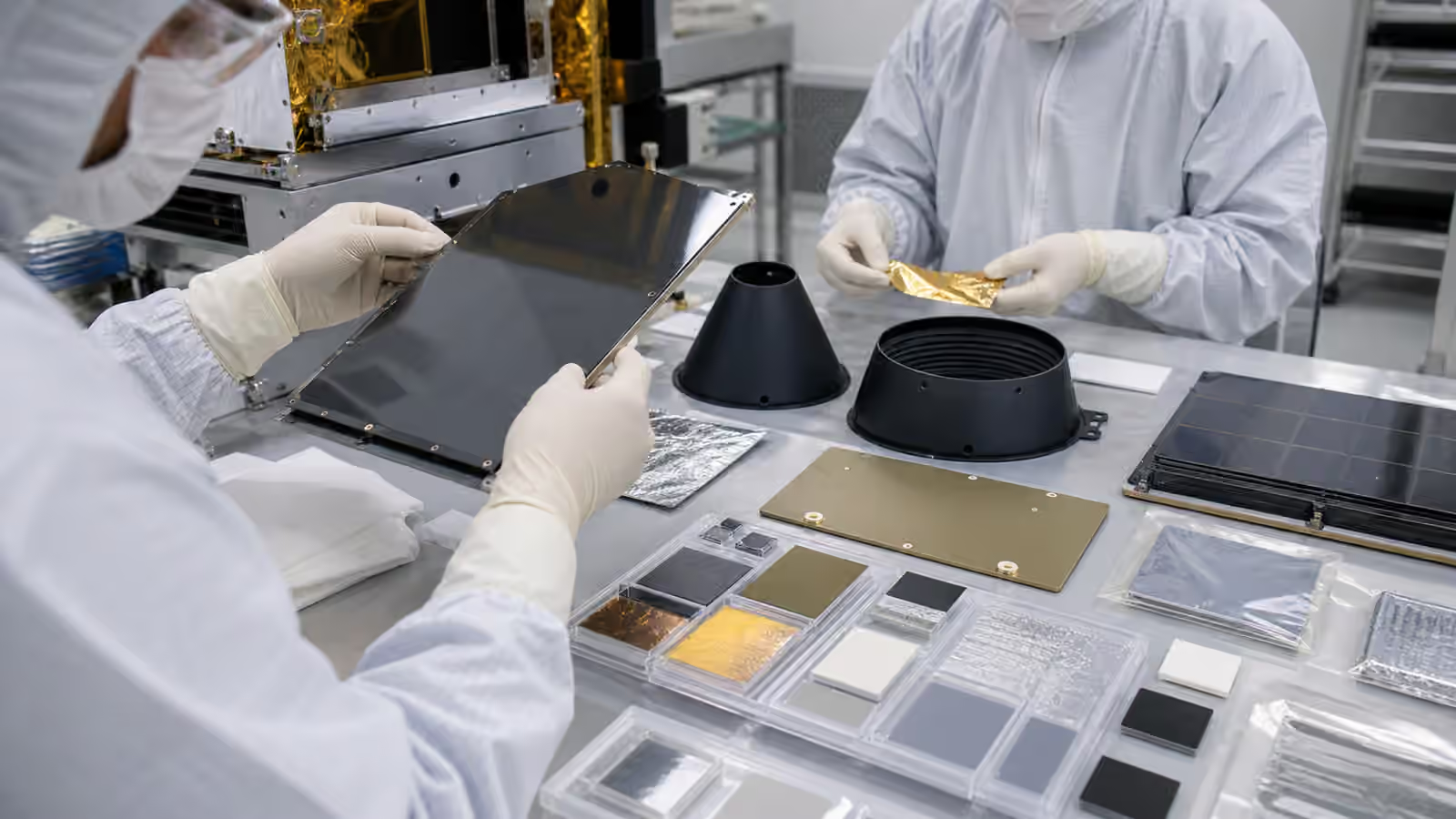
Spacecraft Materials and Contamination Control fills the surface-behavior layer behind clean rooms and spacecraft design. It explains outgassing, particles, coatings, optical cleanliness, atomic oxygen, thermal surfaces, handling records, and why materials choices keep missions honest after launch.
Satellite Onboard Computers and Data Handling gives that bus story its avionics layer. It explains how commands, flight software, memory, telemetry, fault protection, timing, autonomy, and downlink priorities turn hardware into behavior operators can understand and trust.
Spacecraft Software Verification and Configuration Control gives that avionics story its evidence layer. It explains how tests, hardware-in-the-loop benches, command rehearsals, configuration records, safe updates, logs, and recovery paths help teams trust code they cannot casually repair after launch.
Satellite Radiation Effects gives the electronics story its environmental layer. It explains how charged particles, single-event upsets, total dose, shielding, parts selection, testing, fault protection, and operations discipline shape spacecraft that must keep thinking after years in orbit.
Spacecraft Charging and Electrostatic Discharge adds the electrical surface layer beside radiation and materials. It explains how plasma, sunlight, shadow, internal charging, grounding, and discharge risks shape spacecraft design and anomaly reasoning.
Satellite Power Systems gives the bus story its energy layer. It explains how solar arrays, batteries, eclipse periods, power modes, aging, heaters, peaks, margins, and end-of-life needs decide what a spacecraft can safely do across the whole mission.
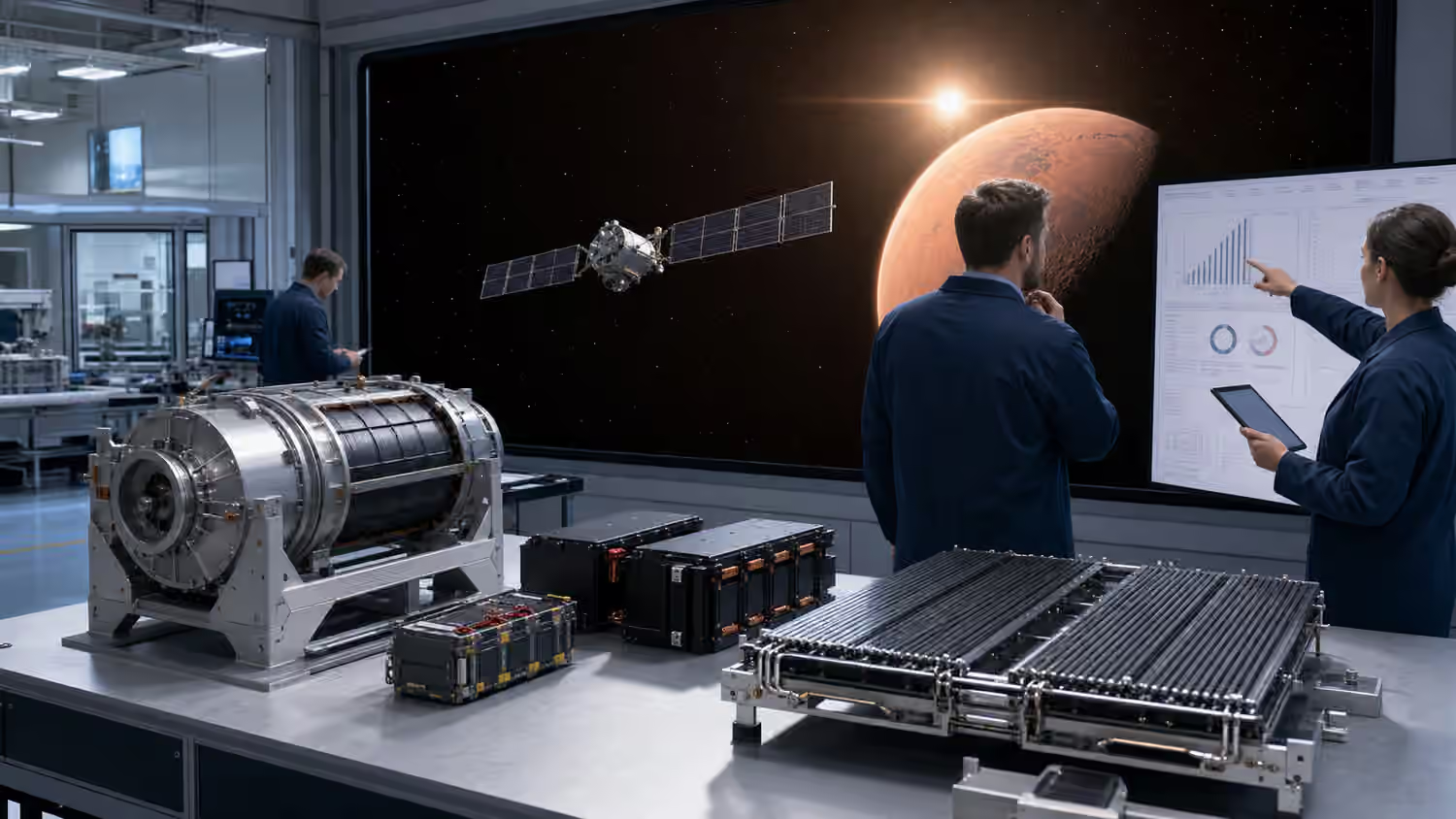
Deep-Space Power Systems extends that energy layer beyond ordinary Earth-orbit assumptions. It explains solar limits, battery discipline, radioisotope power, fission concepts, thermal rejection, communication loads, and why power architecture shapes missions far from easy sunlight.
Satellite Attitude Control gives the bus story its pointing layer. It explains how star trackers, Sun sensors, gyros, reaction wheels, magnetorquers, thrusters, safe modes, jitter, and pointing budgets turn an object in orbit into a spacecraft aimed with purpose.
Satellite Thermal Control gives the bus story its heat-management layer. It explains how sunlight, eclipse, radiators, insulation, heaters, thermal vacuum testing, and operating rules keep spacecraft within limits across thousands of orbits.
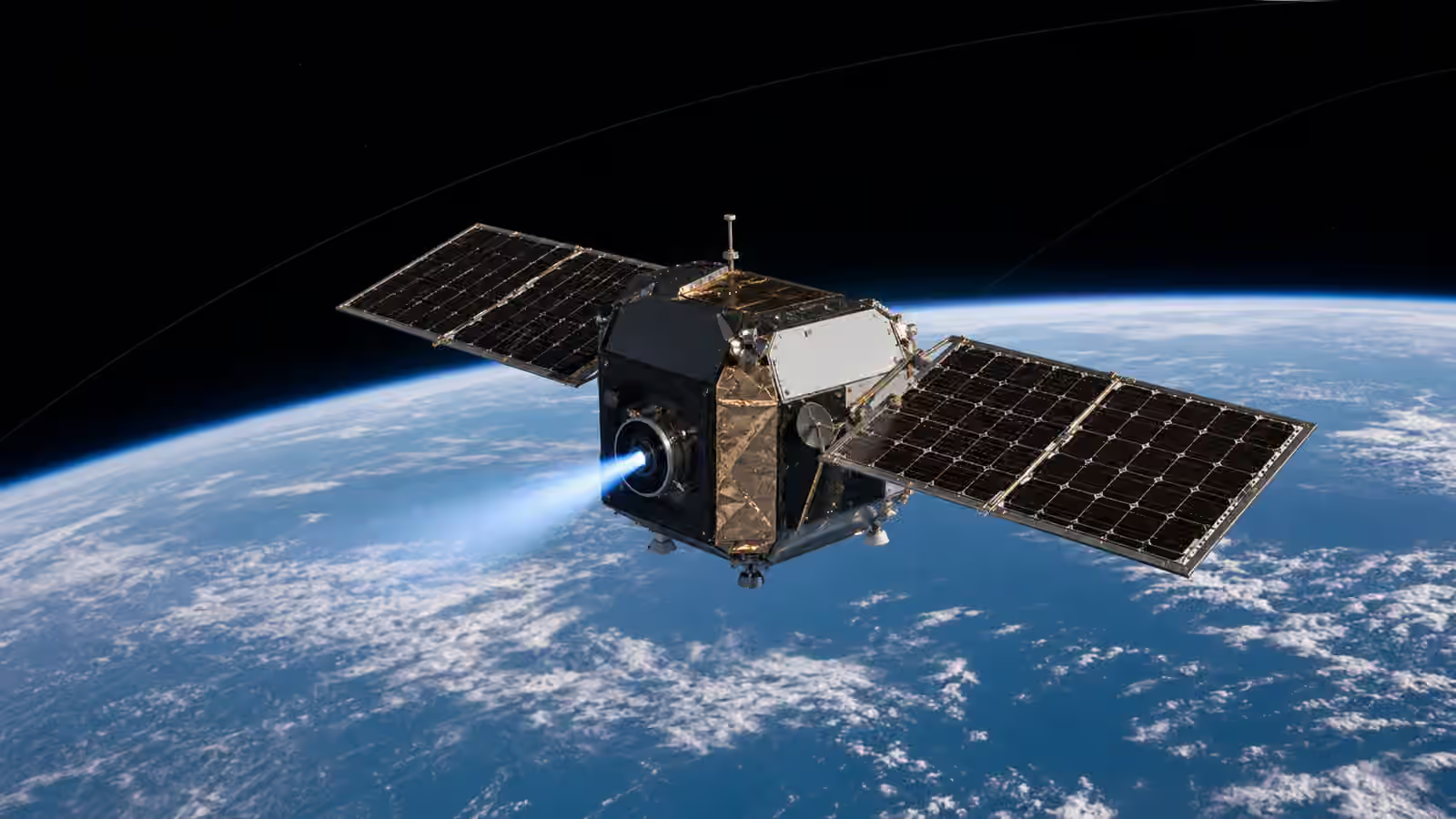
Satellite Propulsion and Stationkeeping gives the shelf its missing maneuvering layer. It explains how small burns, electric and chemical propulsion, drag, collision avoidance, fuel margins, and final disposal plans keep spacecraft useful after launch.
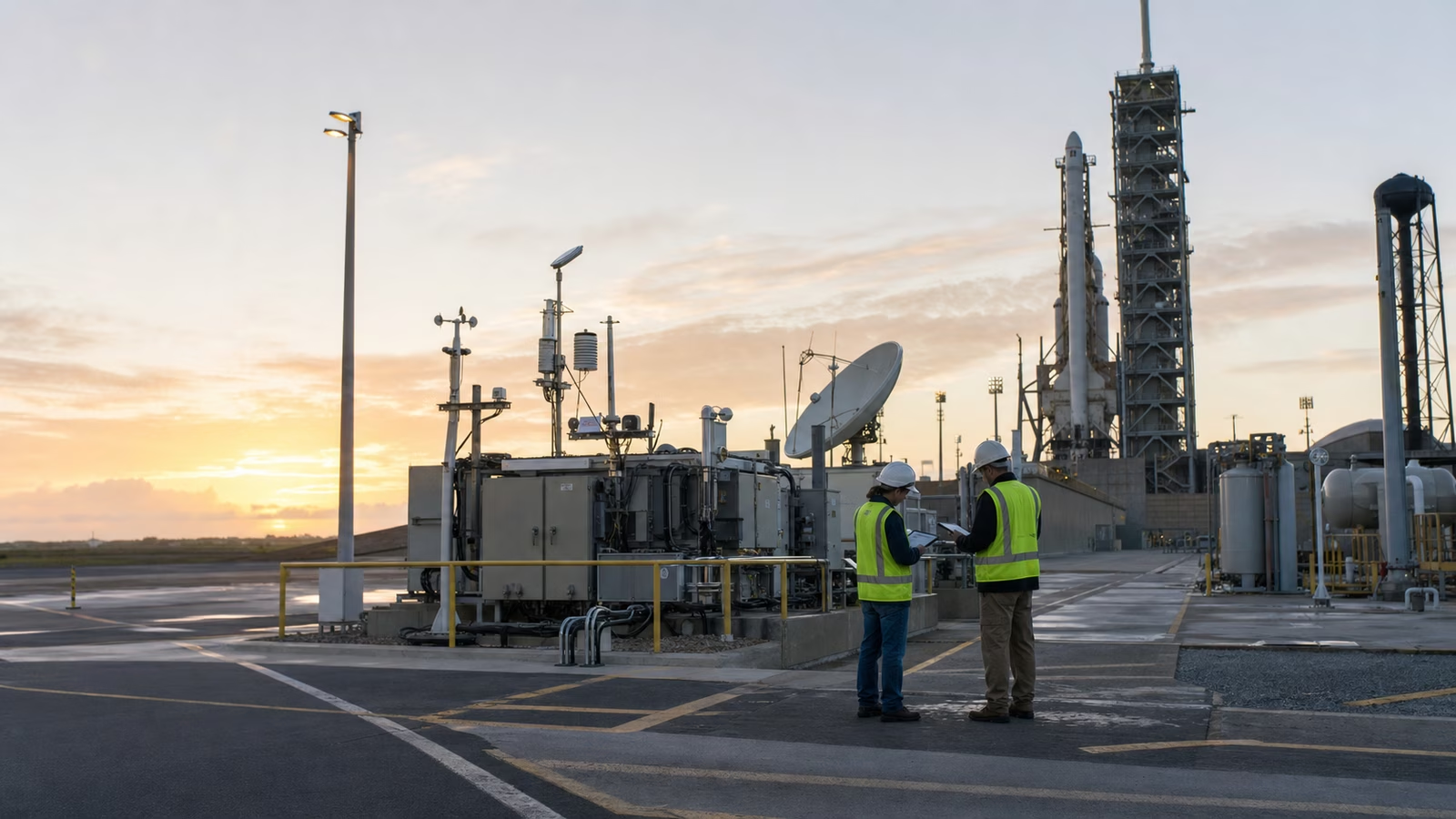
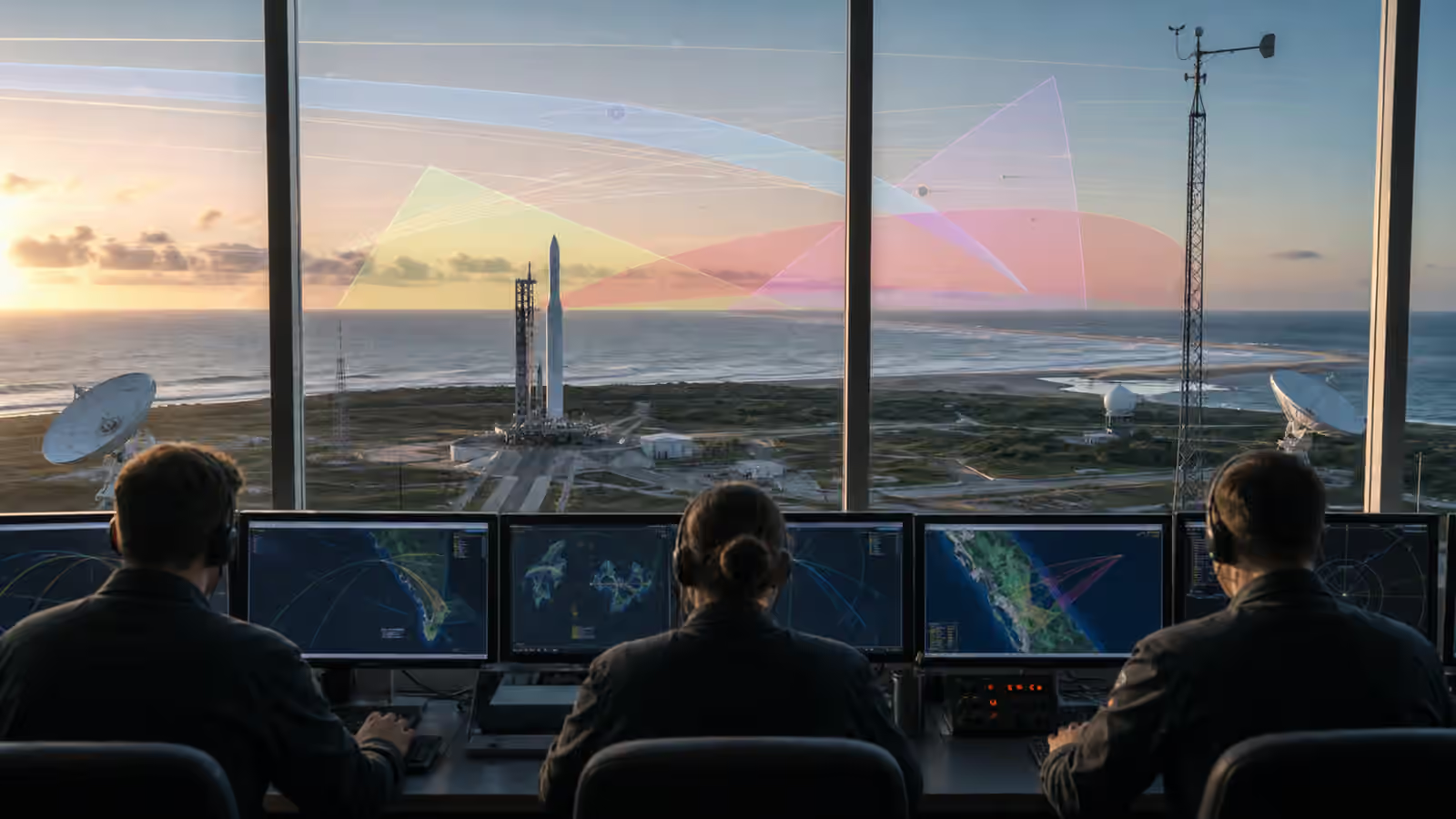
The Spaceport Ground System belongs beside the launch and ground-infrastructure guides because rockets do not lift off from an empty stage. Pads, range systems, weather work, payload flow, propellant handling, data links, and safety procedures decide whether a launch campaign can move from countdown to flight.
Launch Windows and Mission Timing adds the clock to the launch story. It explains why rockets wait for orbital planes, weather, range safety, rendezvous geometry, planetary transfer windows, payload needs, and the moving target that mission timing really is.
Launch Range Safety and Flight Corridors gives that clock its public-safety boundary. It explains how flight corridors, weather rules, tracking assets, airspace and marine coordination, and flight termination systems let launch attempts leave Earth responsibly.
Upper Stages and Orbit Insertion adds the final rocket handoff. It explains coast phases, restartable engines, payload deployment, injection accuracy, rideshare compromises, passivation, and why the last stage shapes the satellite’s first hours.
Orbital Transfer Vehicles and Space Tugs adds the in-space logistics layer after that handoff. It explains last-mile delivery, orbit raising, hosted payloads, rideshare flexibility, payload interfaces, traffic coordination, and why the first orbit does not have to be the final working orbit.
Cryogenic Propellant Storage and Transfer adds the difficult fuel-handling layer behind depots, tugs, lunar logistics, and refueling. It explains boiloff, thermal control, fluid behavior, transfer interfaces, measurement, and why propellant is only useful when it can be stored and moved reliably.
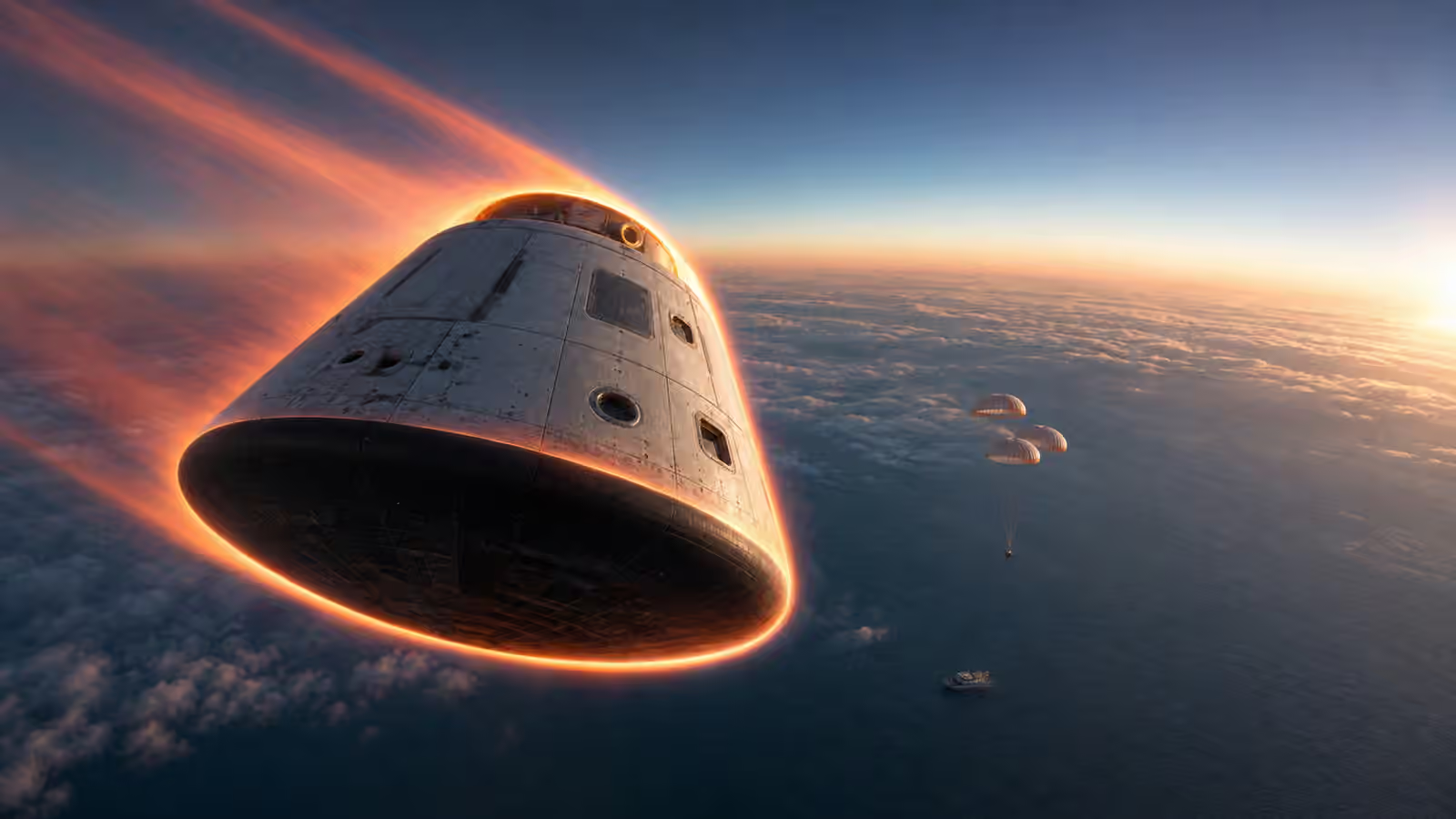
Reentry, Heat Shields, and Recovery adds the return leg that launch stories often skip. It explains deorbit timing, heat shields, guidance corridors, parachutes, landing zones, recovery teams, and why bringing hardware home is also space infrastructure.
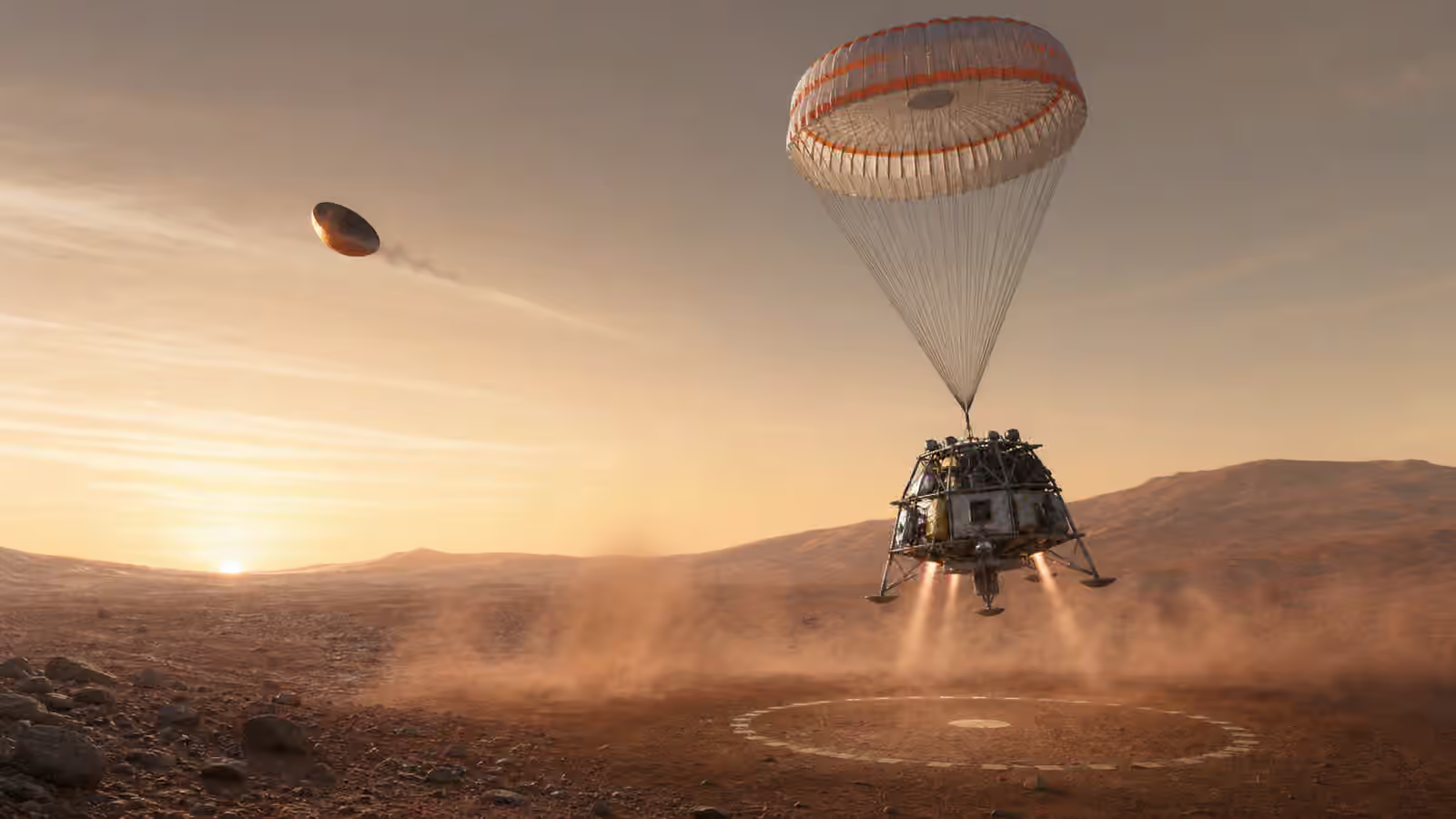
Planetary Landing Systems adds the arrival leg for other worlds. It explains entry corridors, heat shields, parachutes, retrorockets, terrain sensing, autonomy, dust, landing ellipses, and why touchdown is a chain of evidence rather than a single dramatic instant.
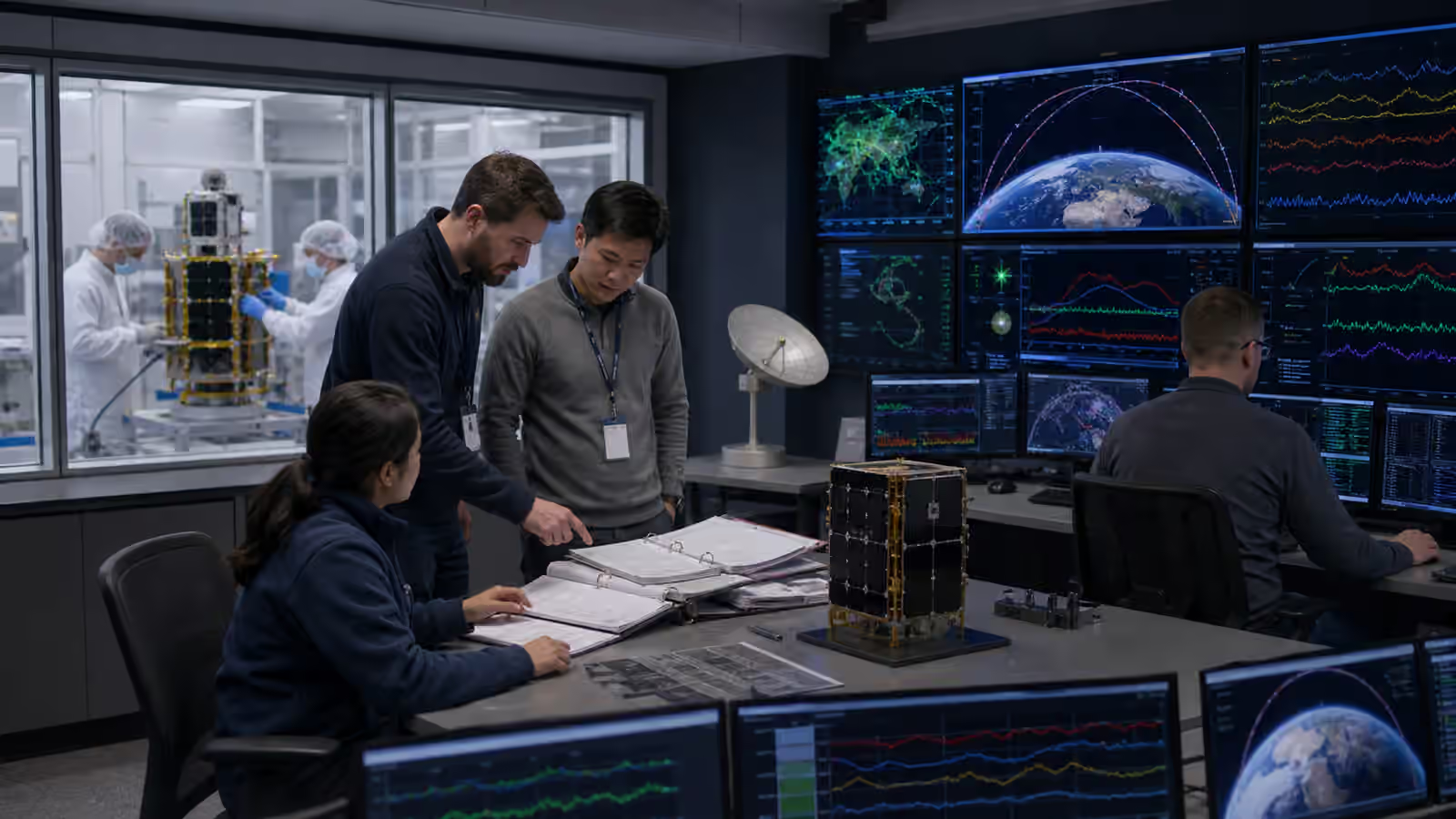
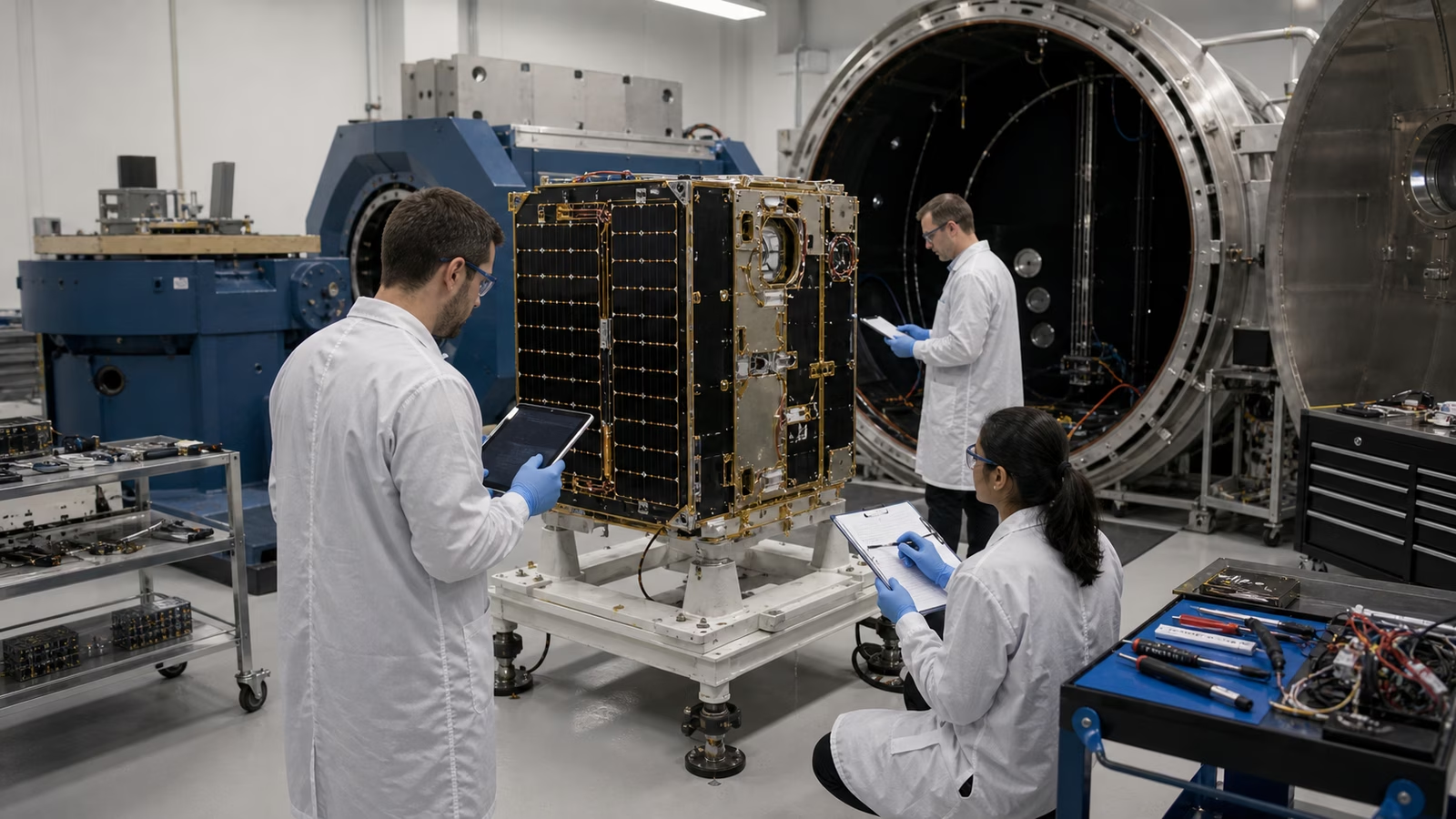
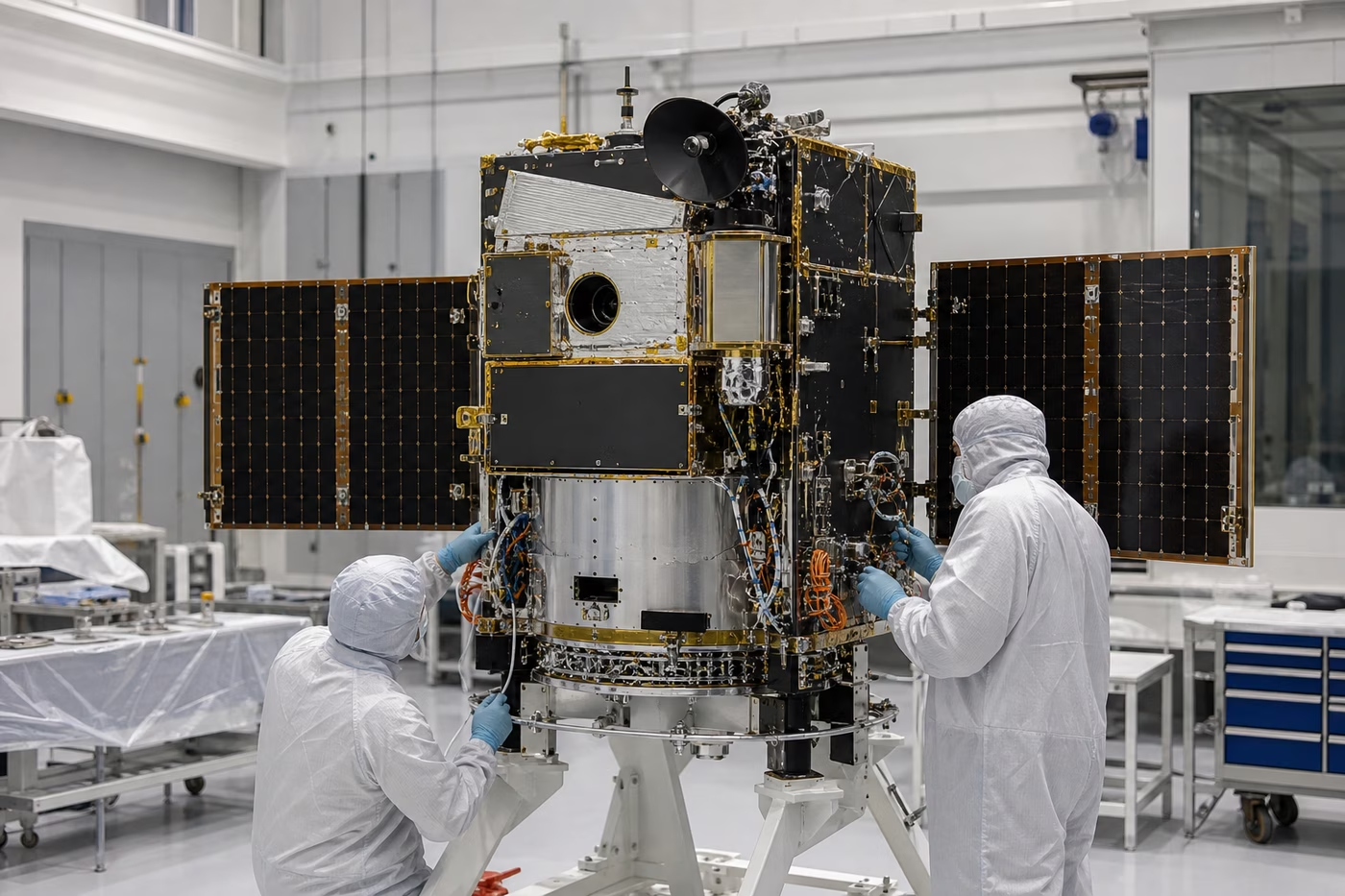
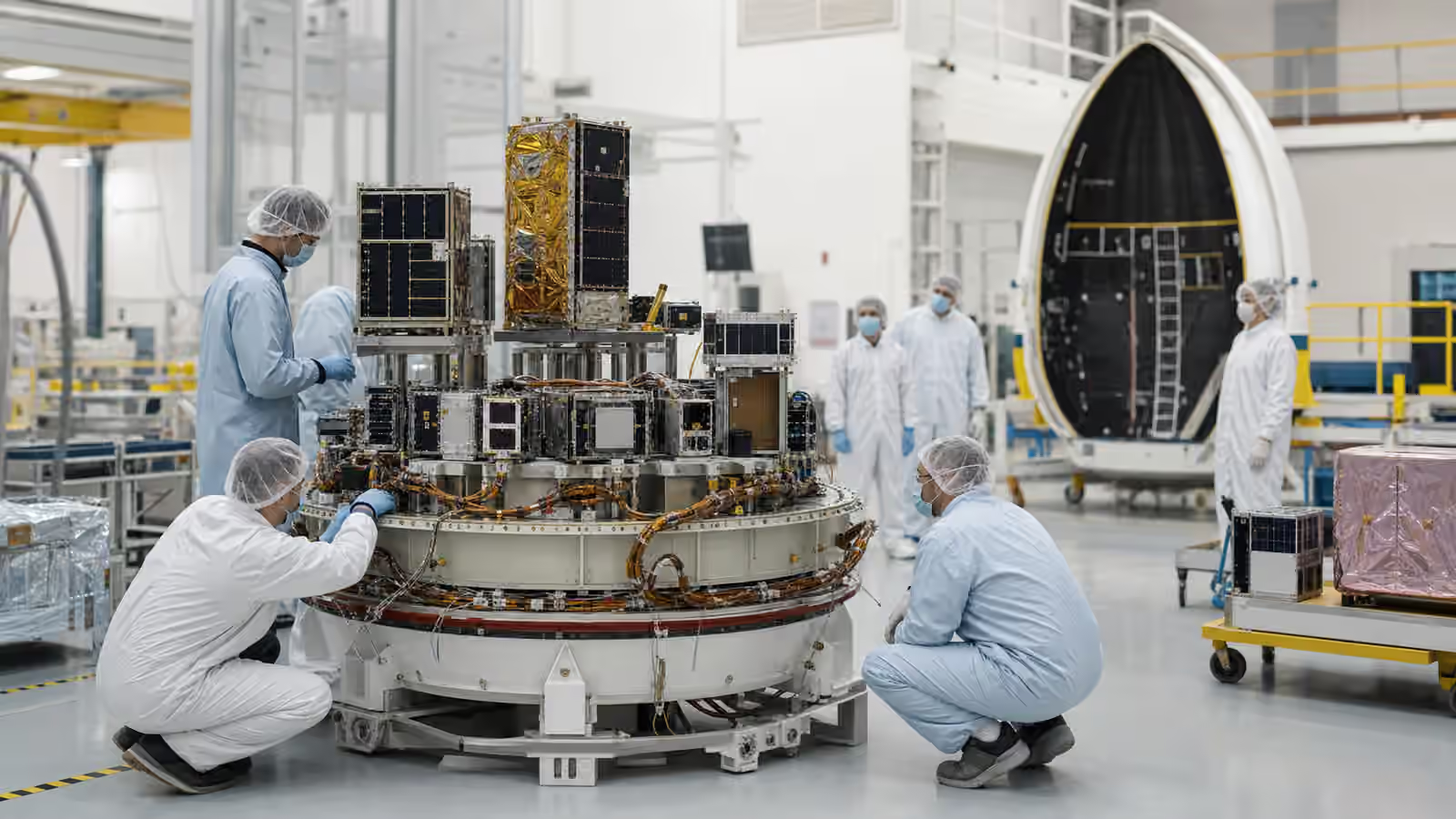
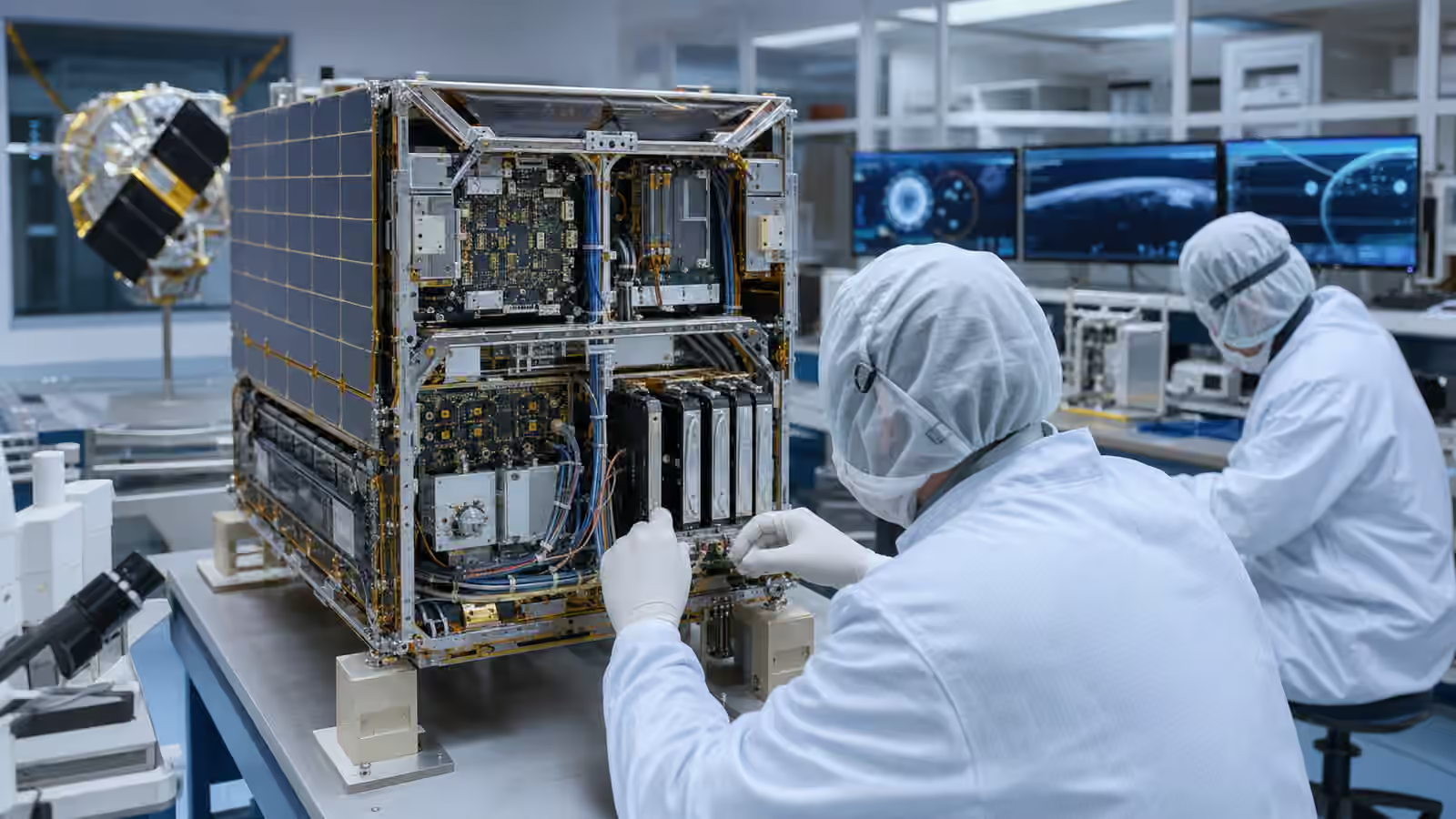
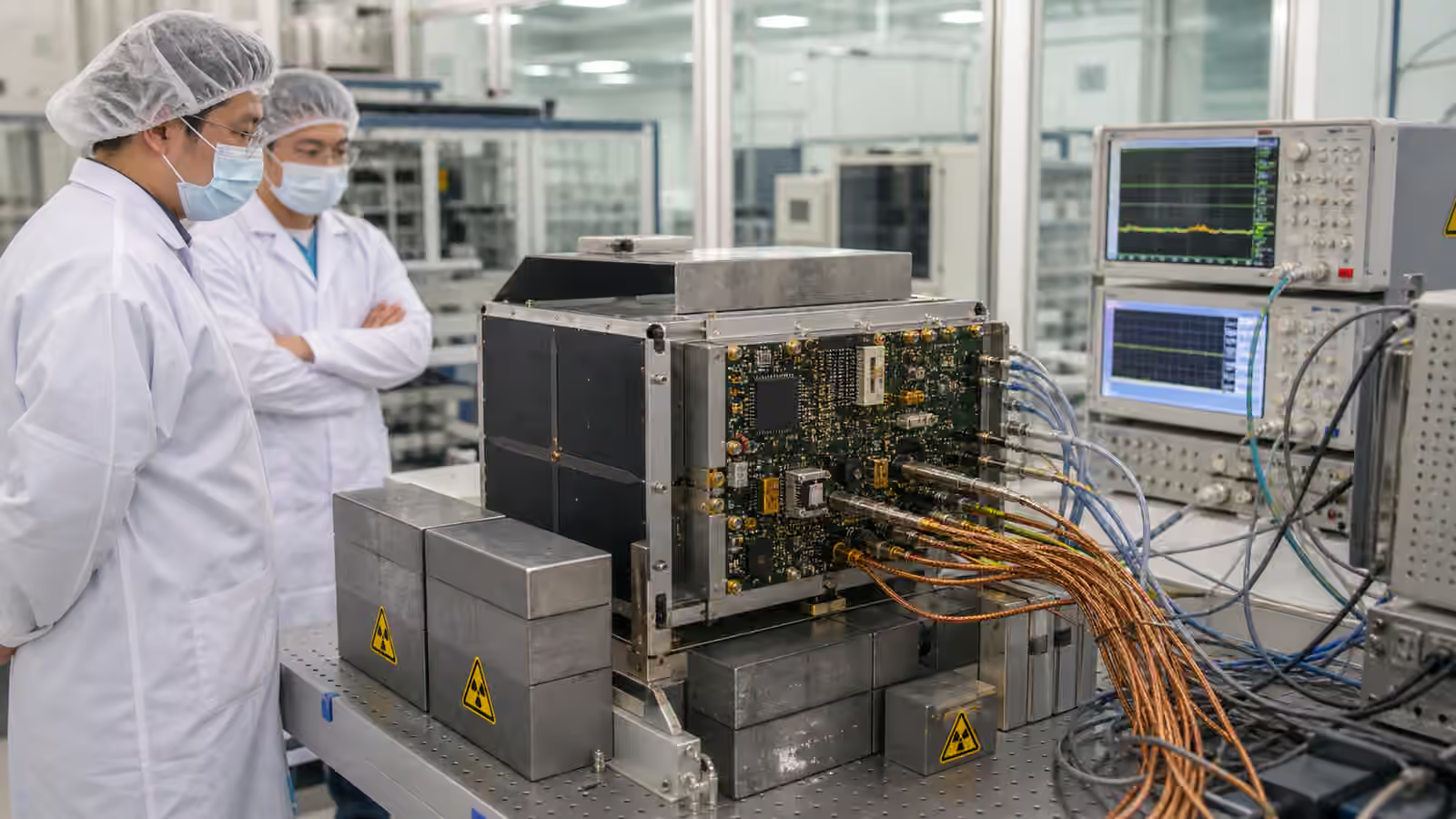
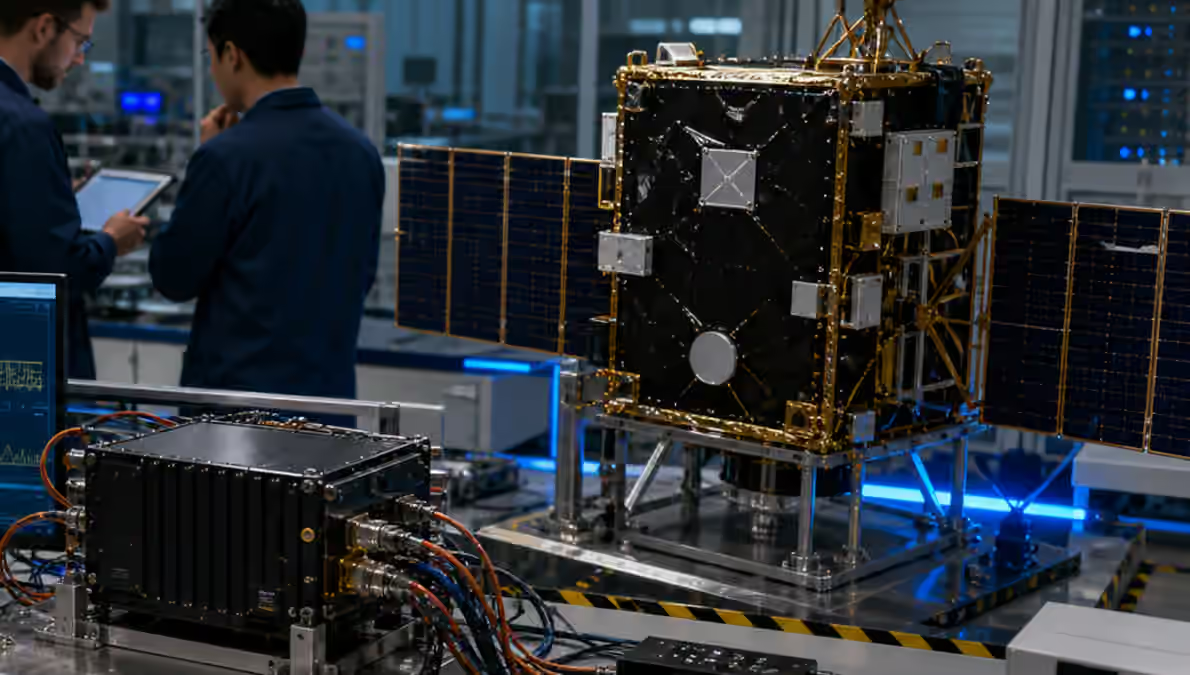
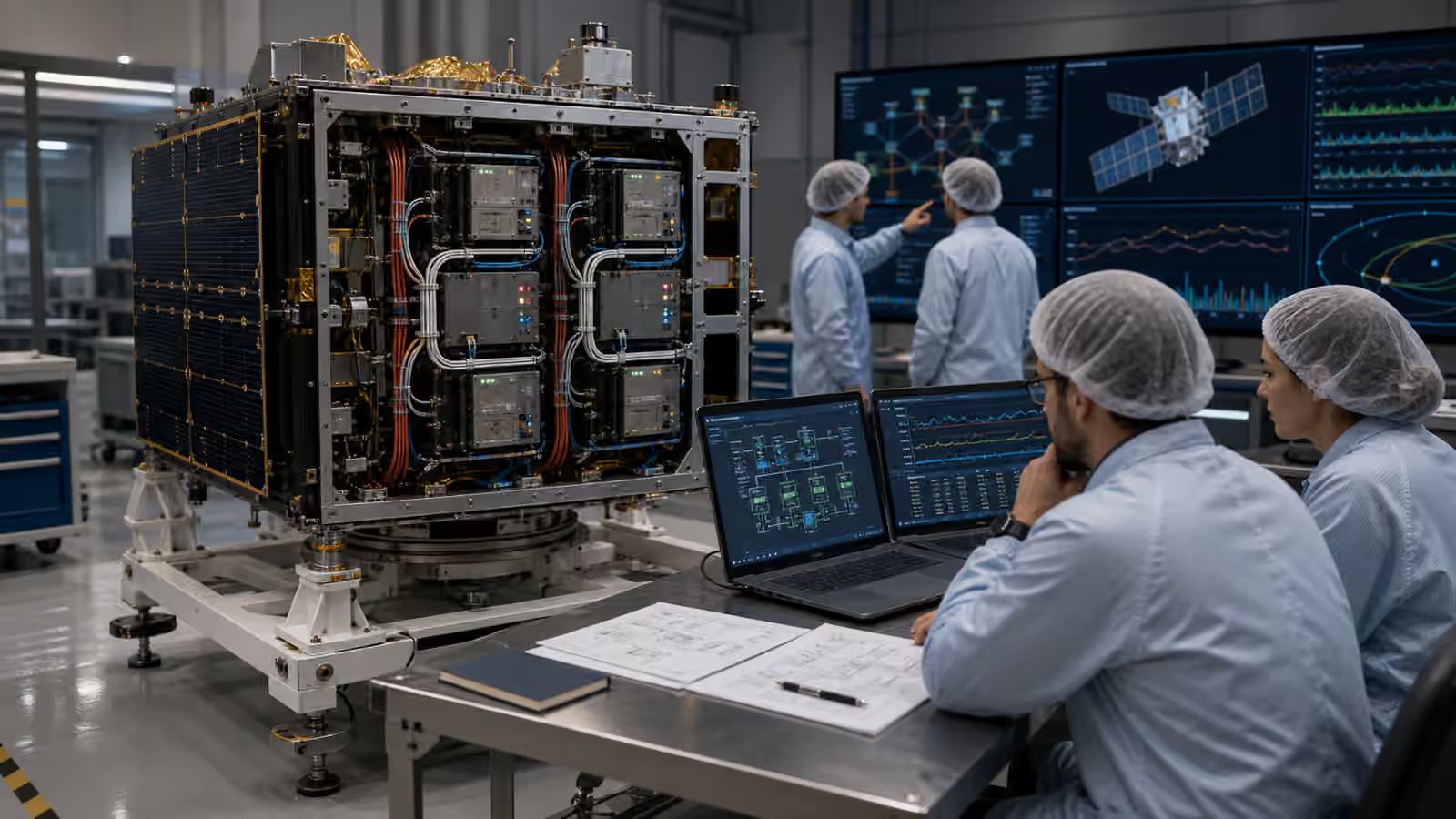
Satellite Manufacturing and Testing moves upstream from launch into clean rooms, integration stands, vibration fixtures, thermal vacuum chambers, documentation, workmanship, and the environmental tests that try to find failures while engineers can still touch the spacecraft.
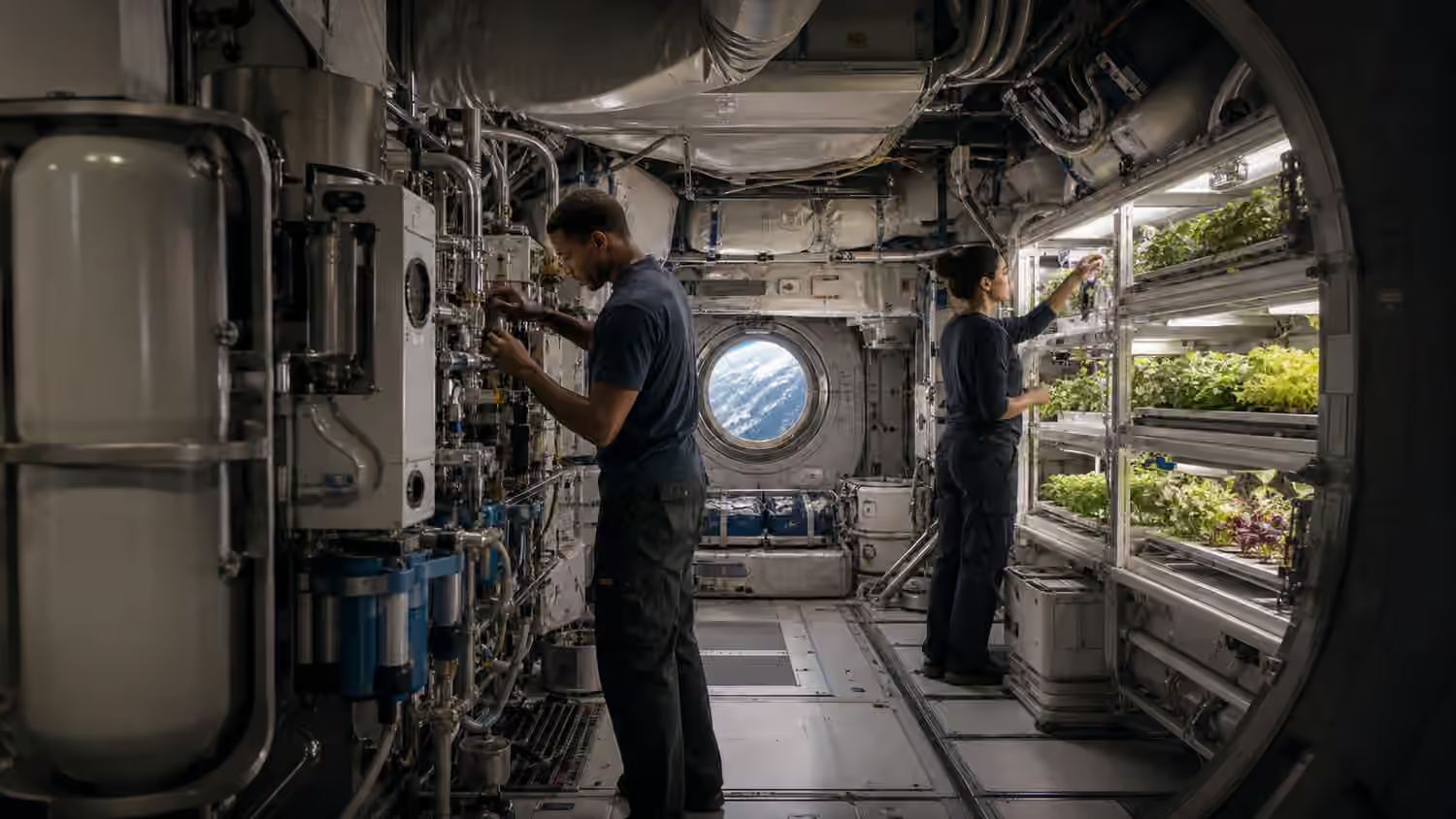
Space Habitats and Life Support adds the human survival layer behind orbital workplaces and lunar plans. It explains air revitalization, water recovery, waste handling, fire safety, crew time, plant systems, and why a habitat is a living infrastructure system rather than a pressure shell with furniture.
Human Radiation Protection in Space adds the invisible crew-risk layer beside habitats, suits, space weather, and lunar planning. It explains shielding placement, storm shelters, dosimetry, operations timing, and why protection is a chain rather than a single material.
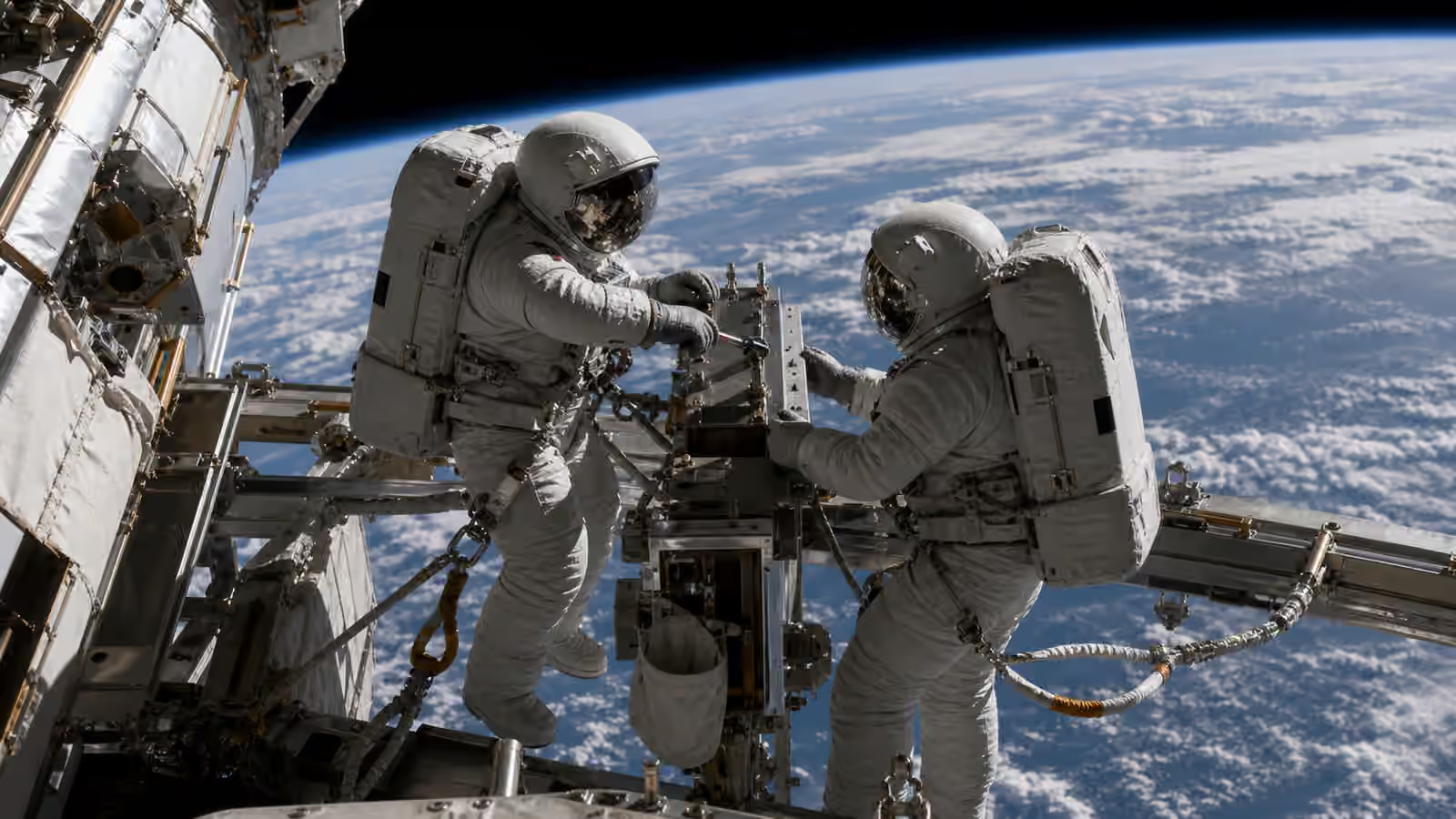
Spacesuits and EVA Operations carries that life-support story outside the hatch. It explains pressure garments, portable life support, gloves, tools, tethers, fatigue, training, dust, and why a suit is a small spacecraft people wear when infrastructure needs hands in hard places.
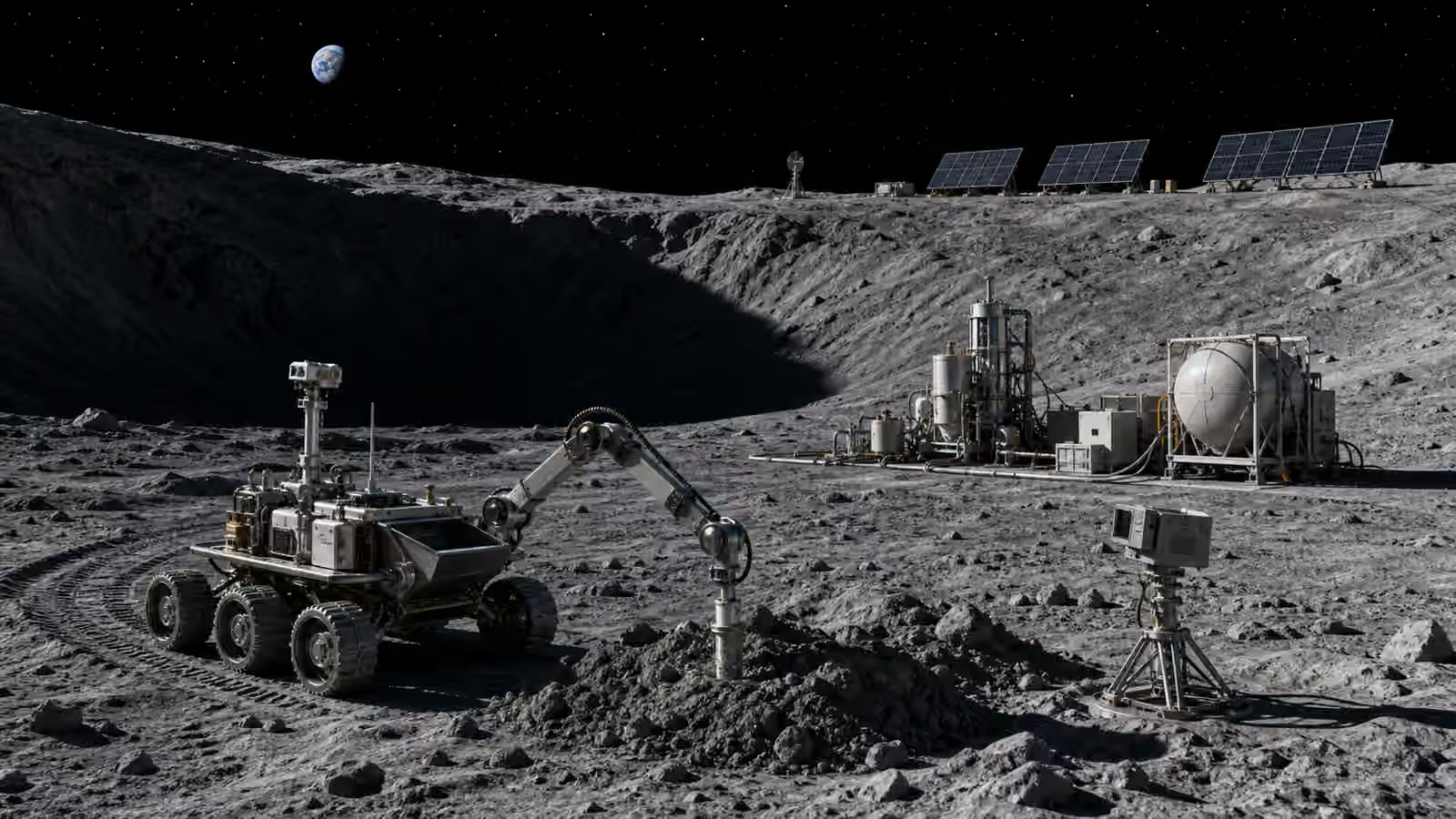
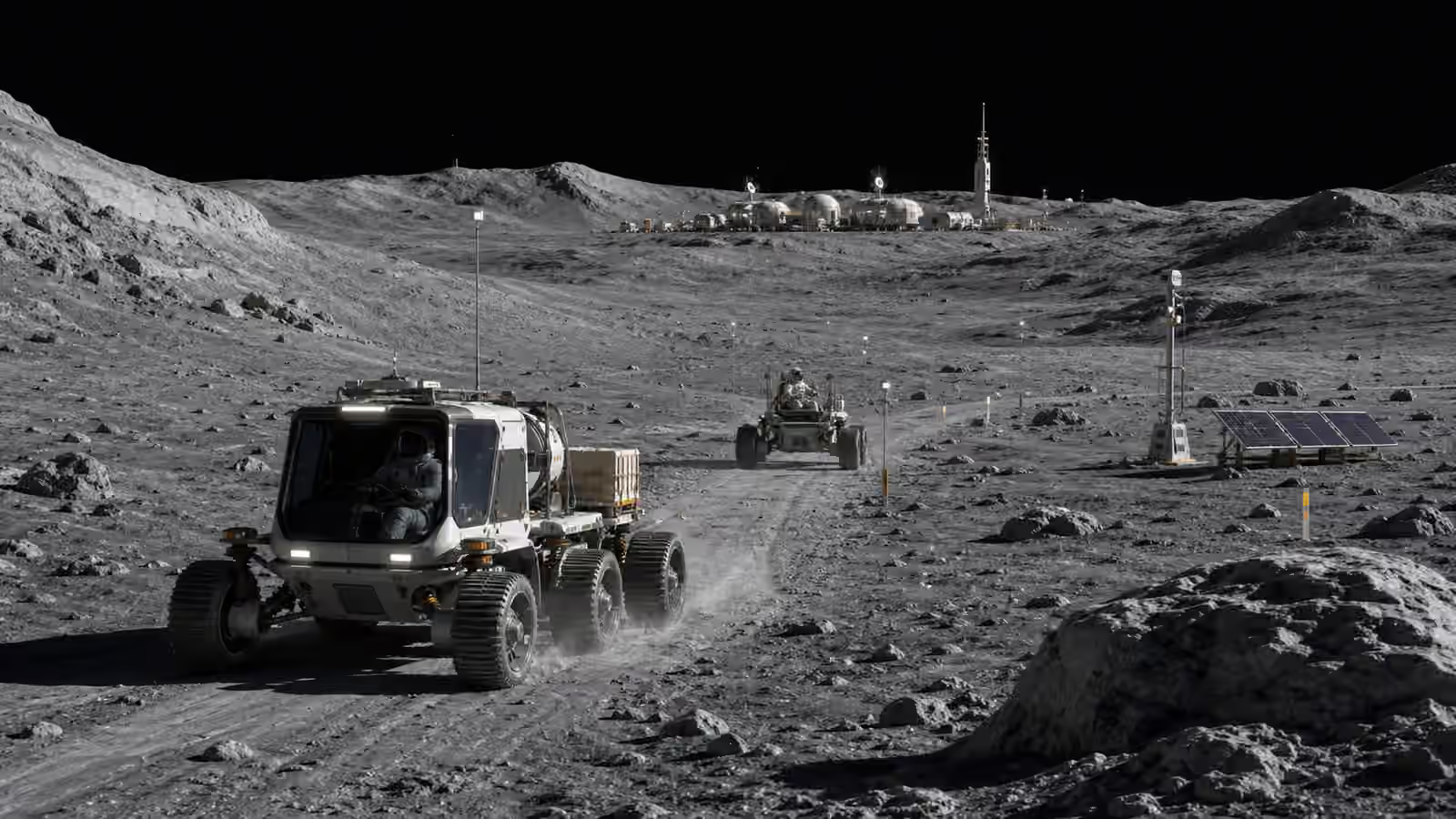
Lunar Surface Mobility and Rovers turns lunar infrastructure into routes and work. It explains terrain, dust, power, navigation, cargo movement, crew rovers, robotic autonomy, maintenance, and why repeated traverses make a landing site less isolated.
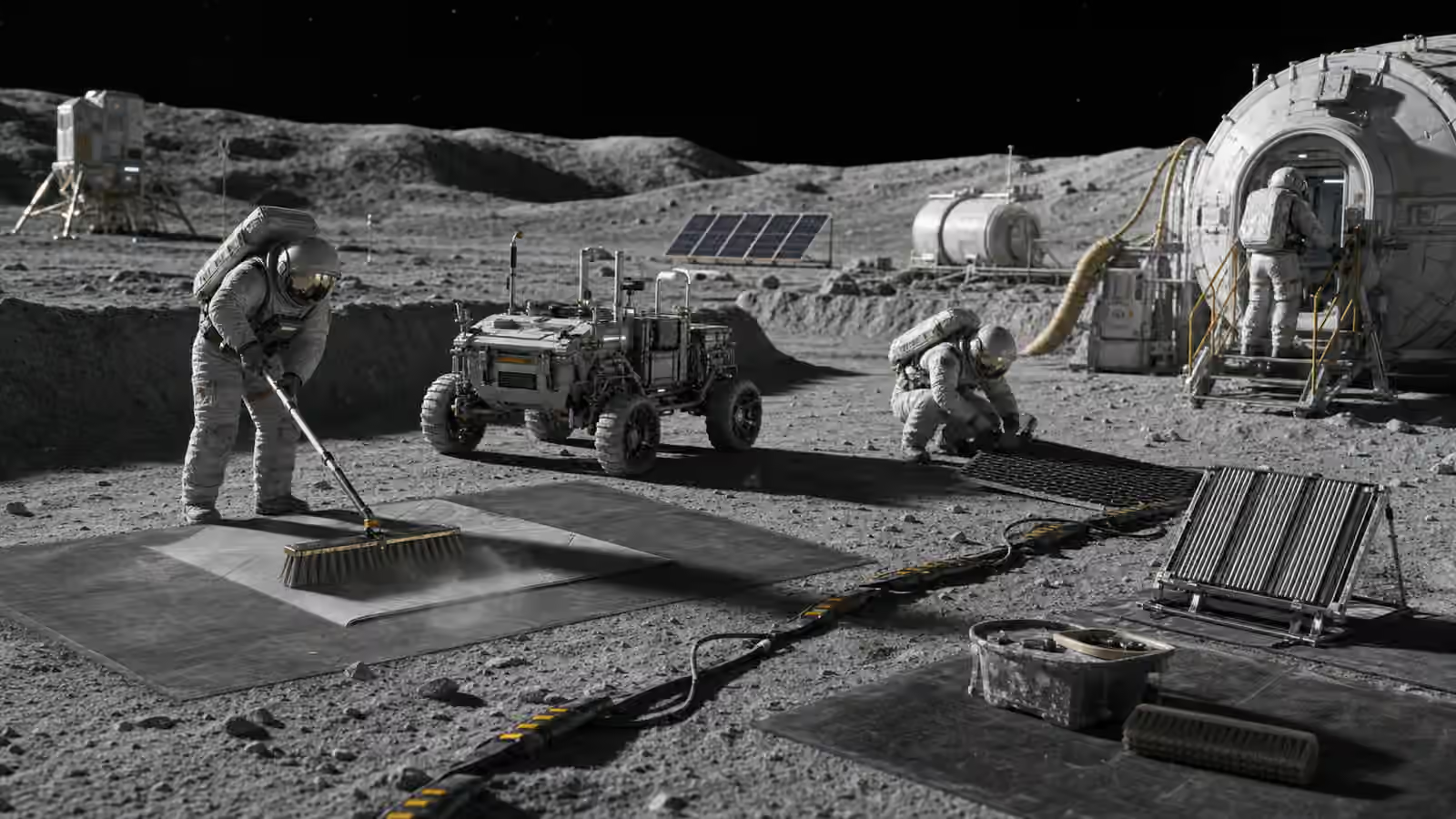
Lunar Dust Mitigation gives that surface work its wear-and-cleanliness layer. It explains how abrasive regolith affects pads, rovers, suits, seals, radiators, arrays, airlocks, cleaning procedures, and the lifetime of a lunar worksite.
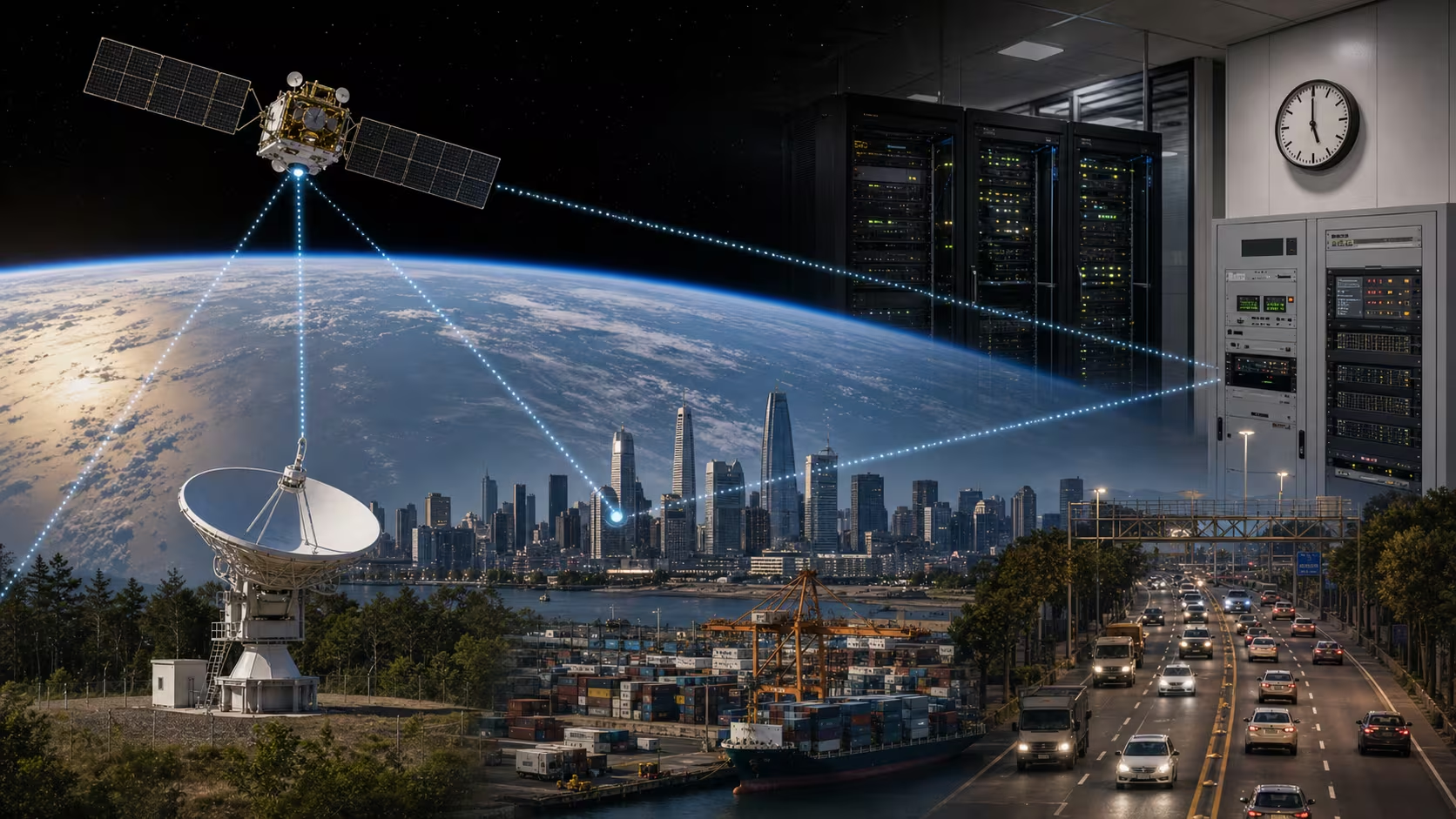
Satellite Navigation and Timing belongs beside the communications guides because positioning, navigation, and timing are some of the most widely used space services on Earth. The blue dot is only the visible part; timing signals also support telecom, finance, grids, shipping, and logistics.
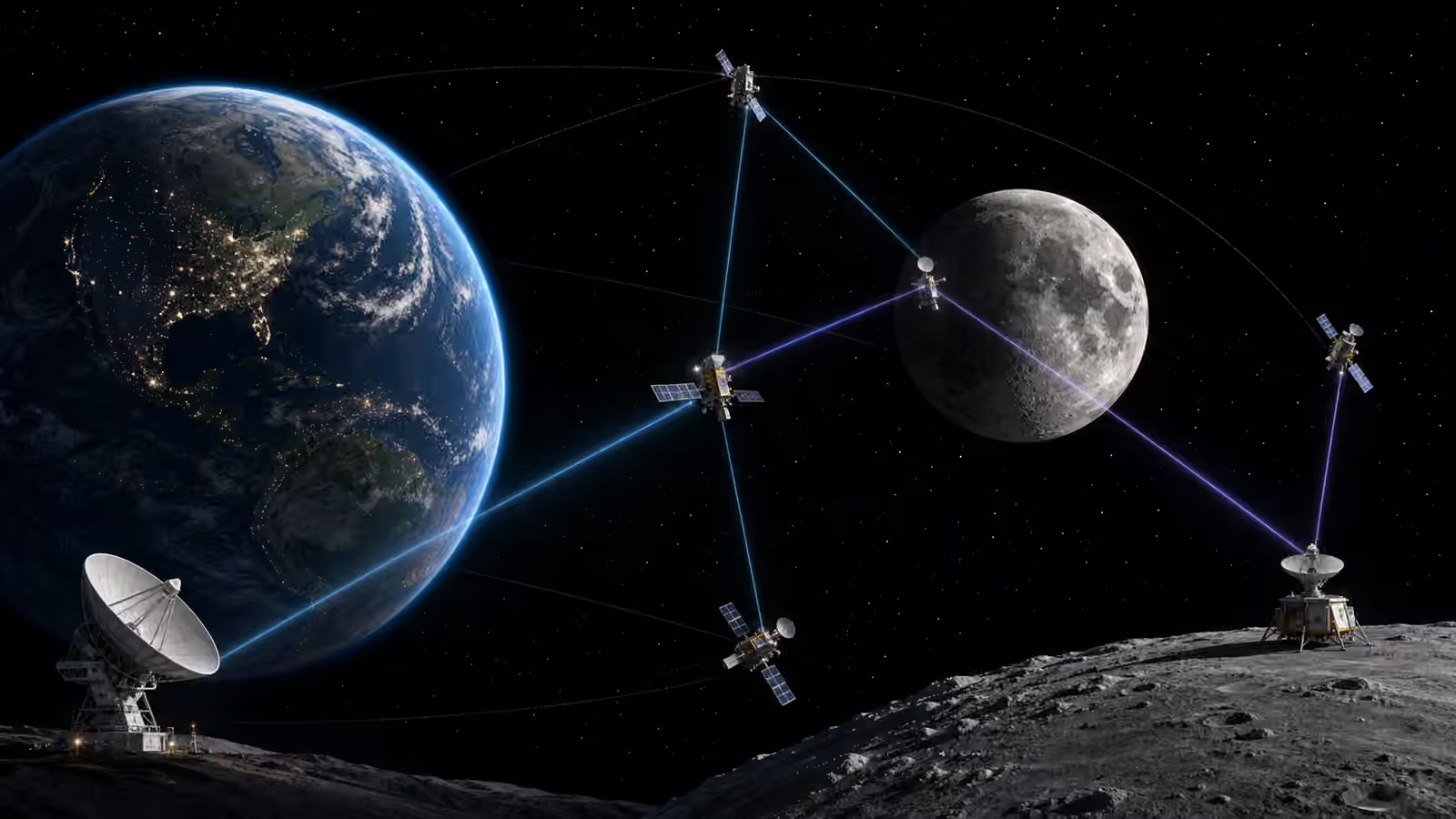
Cislunar Communications and Navigation extends that network story beyond low Earth orbit. It explains lunar relays, surface links, weak signals, delay, timing, navigation references, bandwidth limits, and why Moon infrastructure needs dependable paths for commands, telemetry, and location.
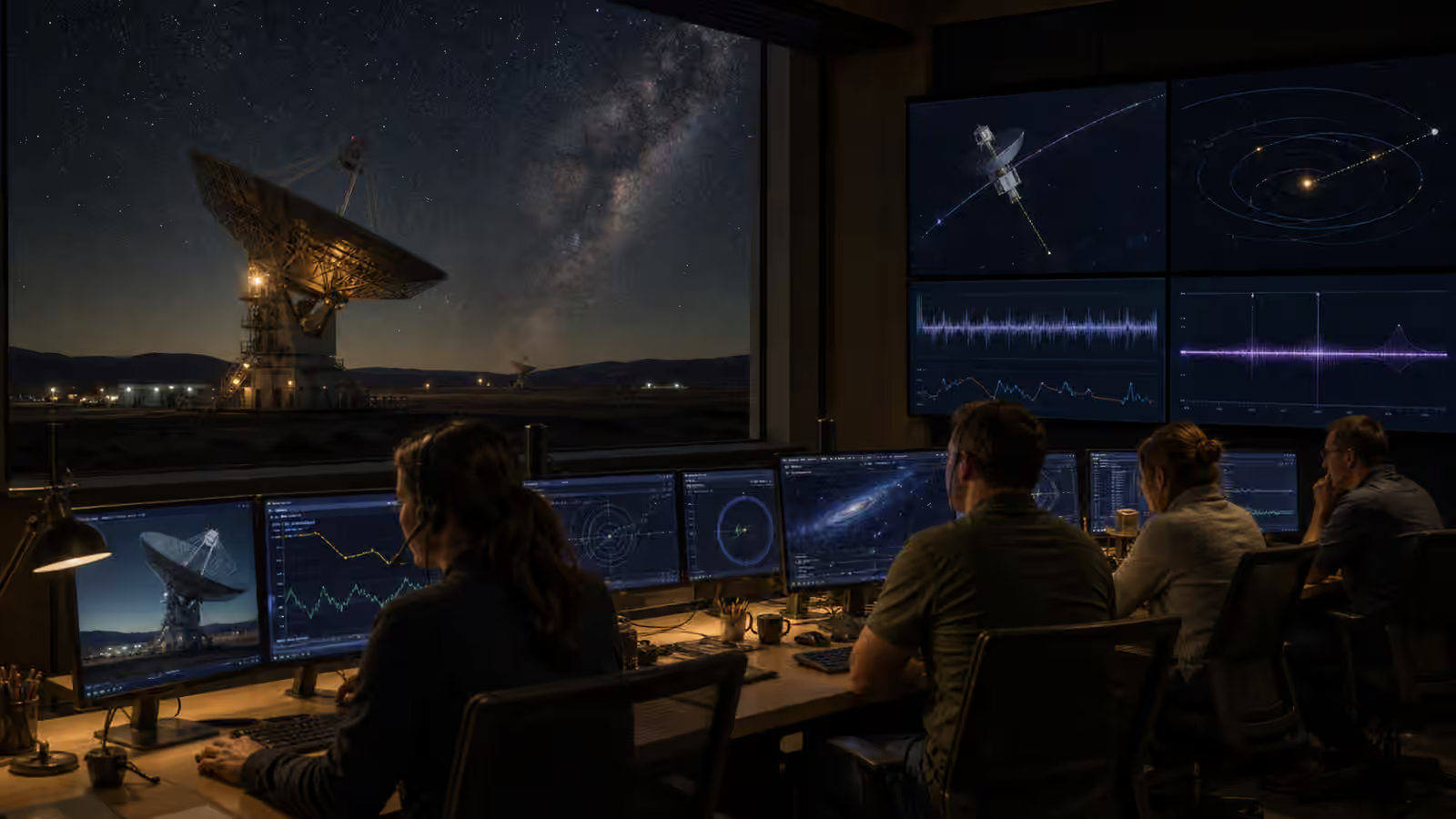
Deep-Space Communications Networks pushes that link problem beyond the Moon. It explains large antennas, faint signals, delay, antenna scheduling, spacecraft pointing, data priority, and the patient network discipline that keeps interplanetary missions inside human care.
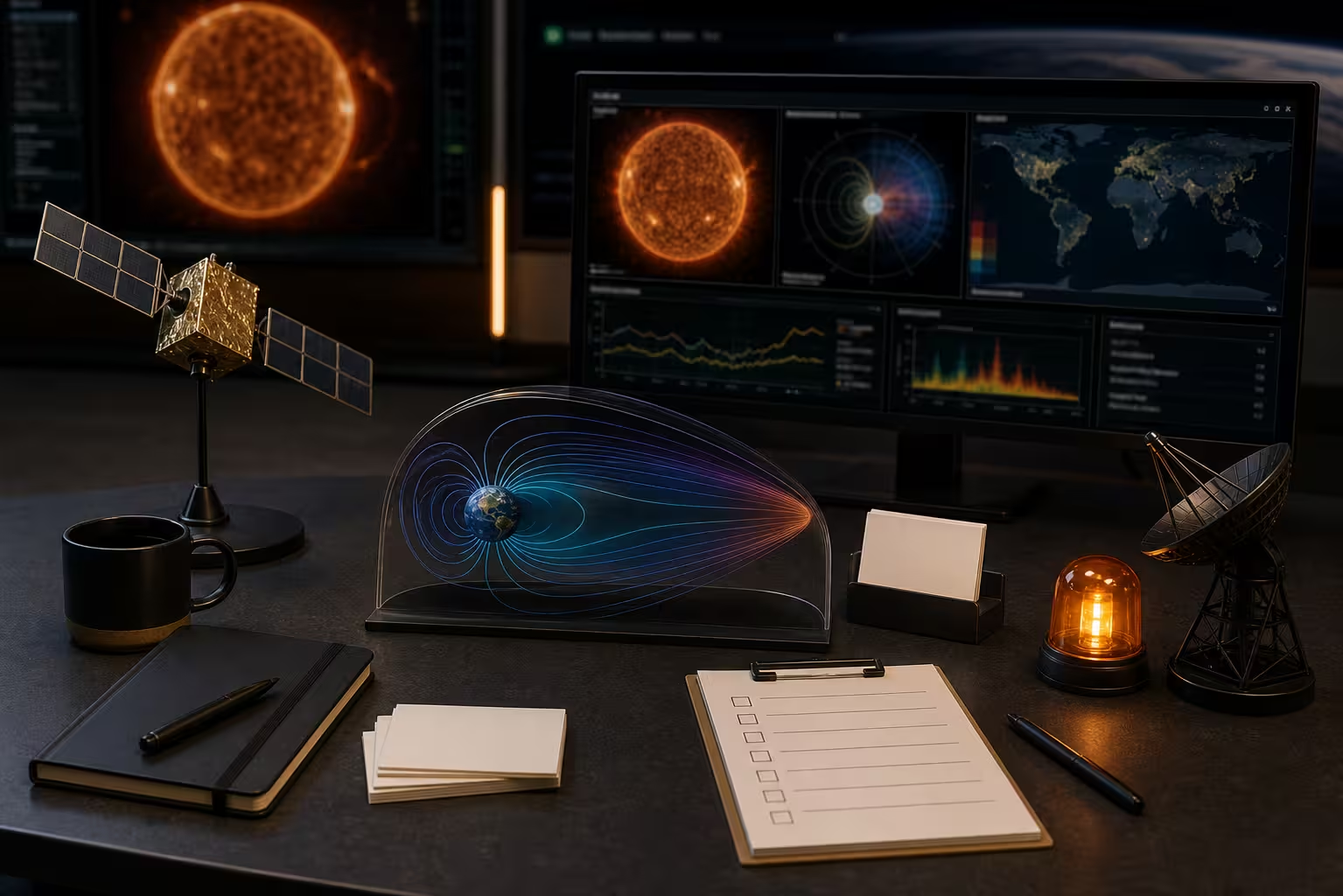
Space Weather belongs in the resilience cluster because solar storms, radiation, ionospheric disruption, and geomagnetic effects are part of the operating environment for satellites, radio links, navigation, and grids.
Satellite Cybersecurity and Resilience belongs in the same cluster because space infrastructure also depends on secure command paths, trusted data, ground systems, supply chains, monitoring, and recovery procedures.
Satellite Fault Protection and Autonomy belongs beside operations and resilience because spacecraft need bounded onboard judgment when contact is delayed, telemetry is confusing, batteries are low, or a safe mode is the difference between a recoverable anomaly and a lost mission.
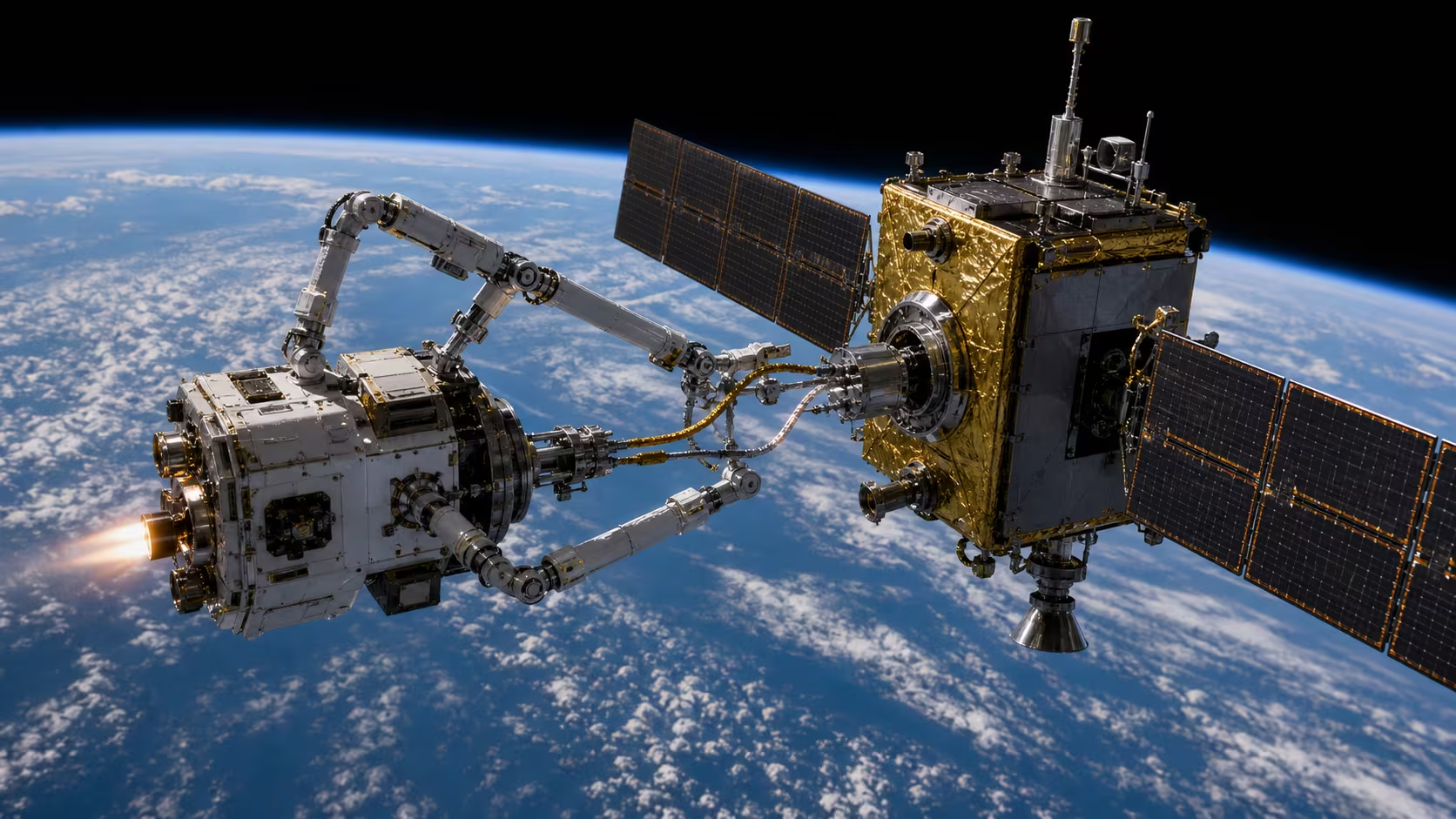
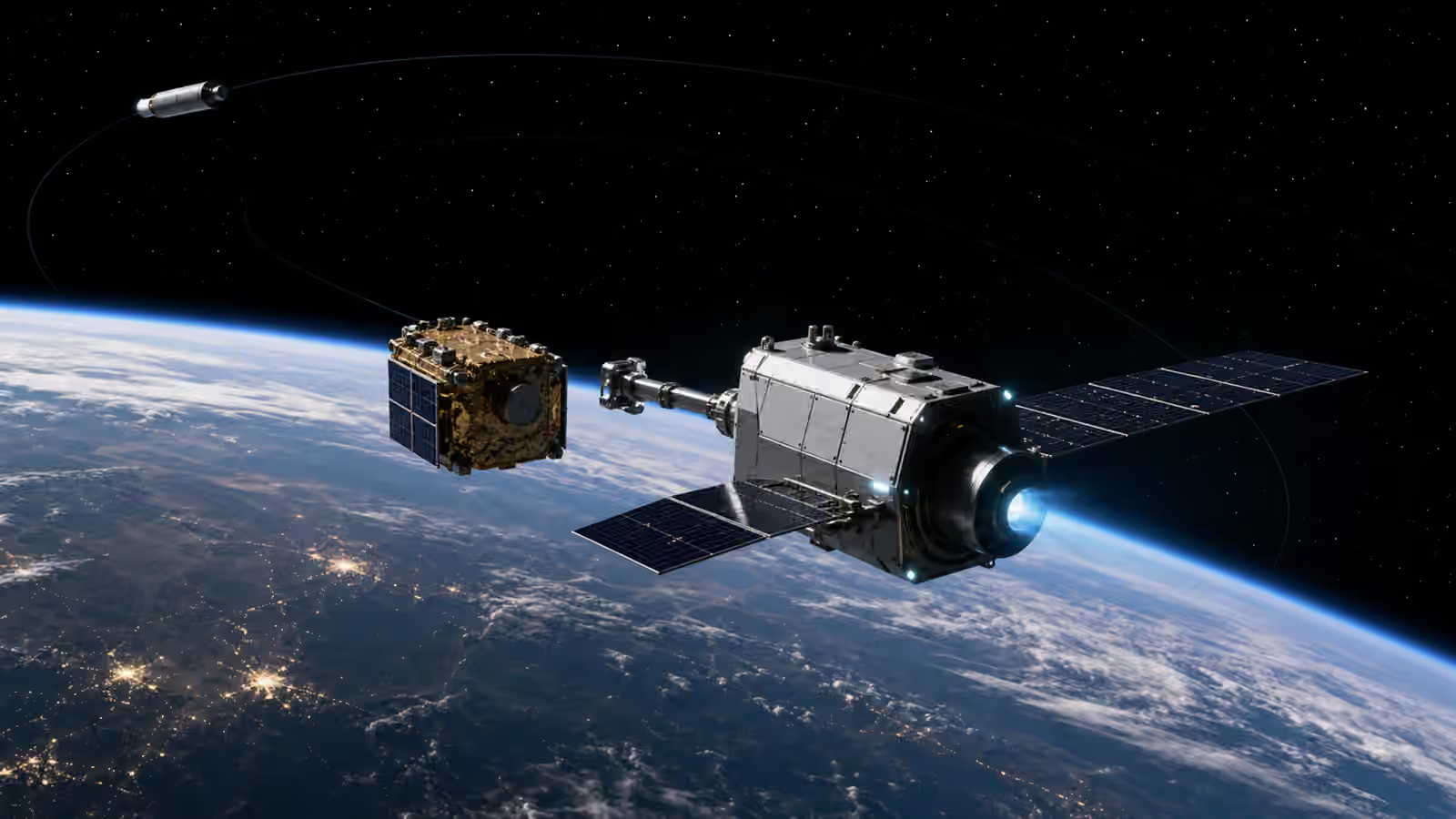
In-Space Servicing and Refueling belongs beside debris and operations because a mature orbital economy needs inspection, refueling, repair, life extension, and end-of-life handling instead of treating every satellite as untouchable after launch.
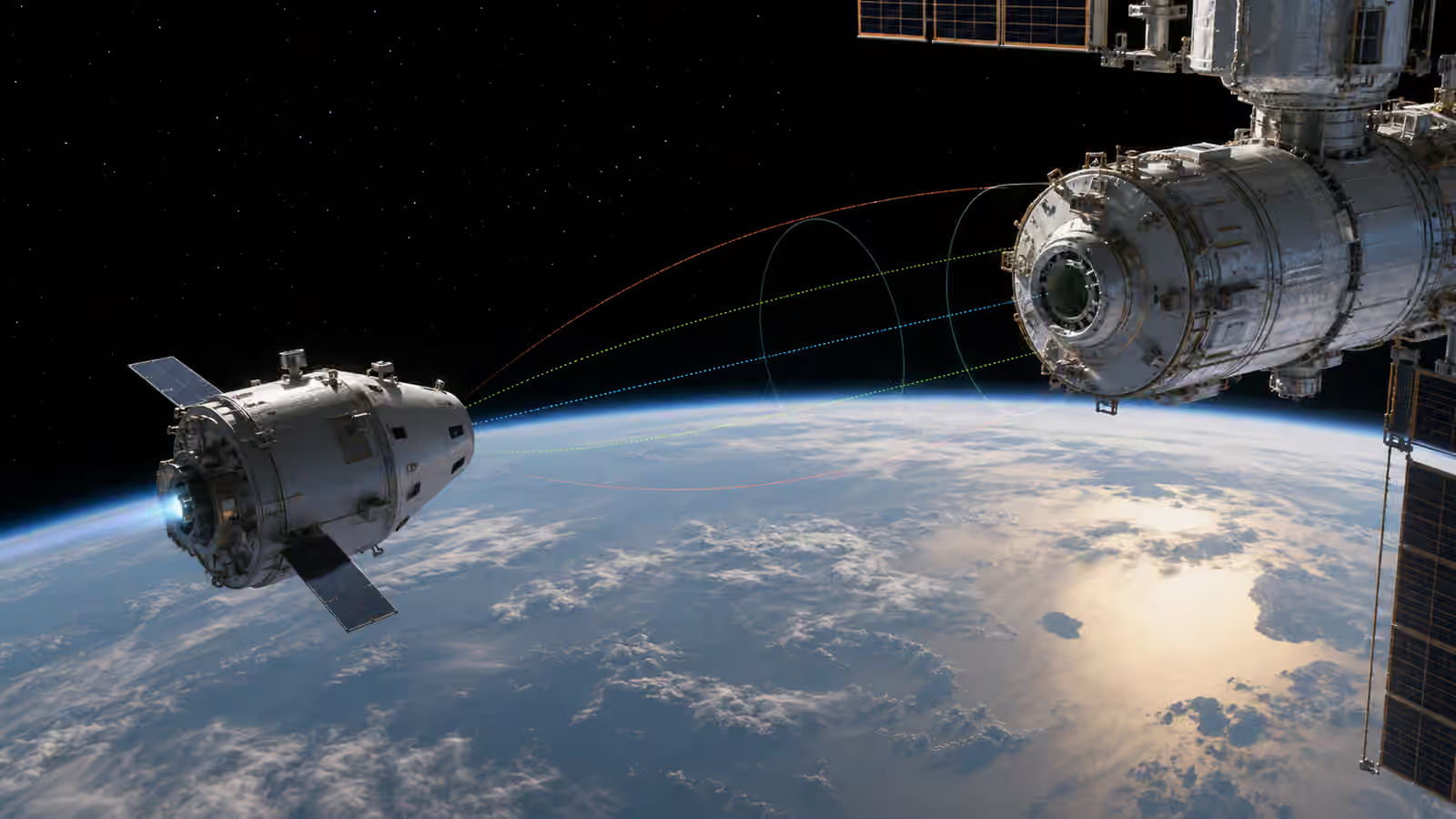
Rendezvous, Proximity Operations, and Docking gives servicing, stations, tugs, cargo flights, and future assembly work their close-approach discipline. It explains relative navigation, hold points, approach corridors, docking, bounded autonomy, consent, and why proximity has to be earned rather than improvised.
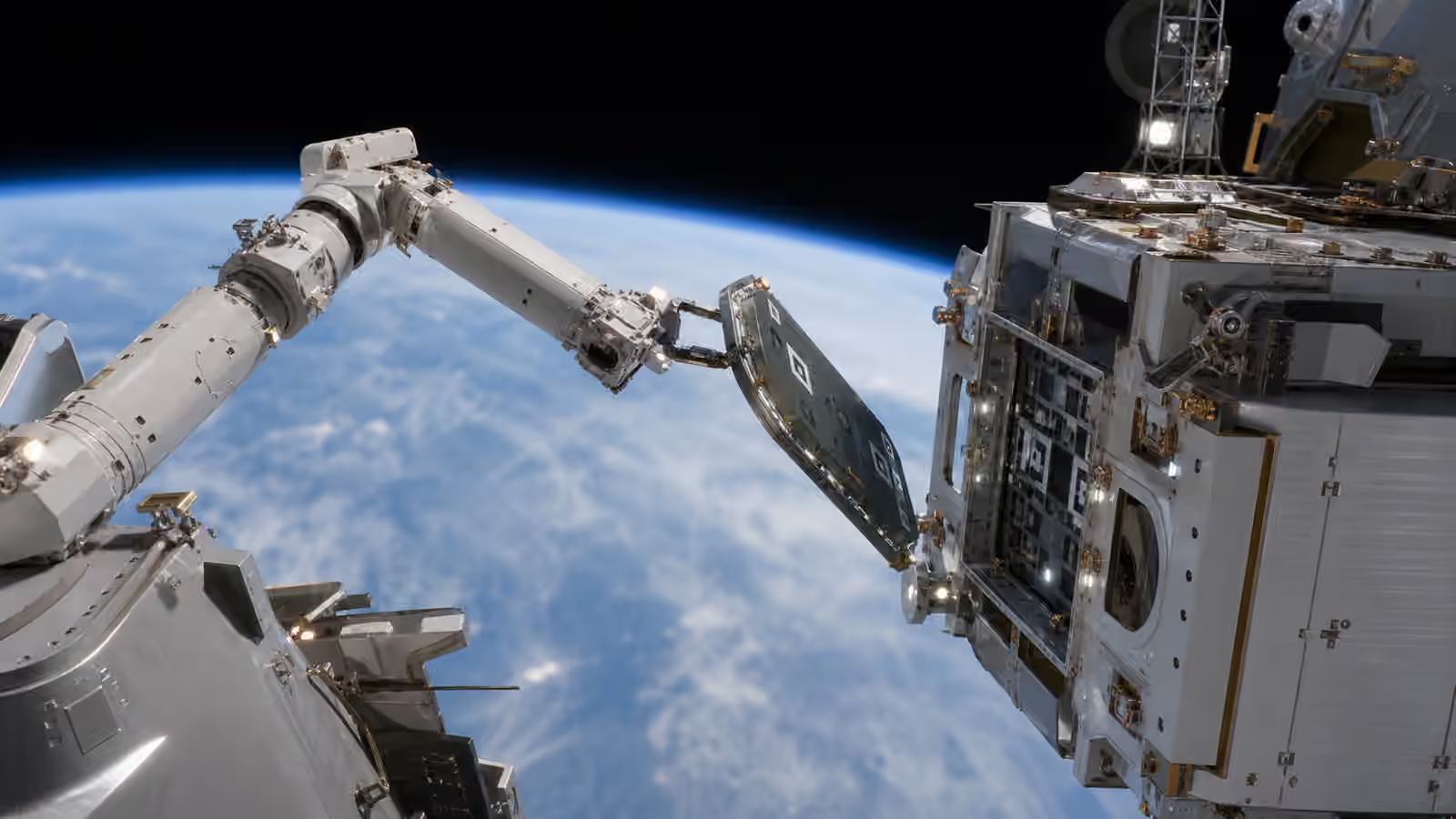
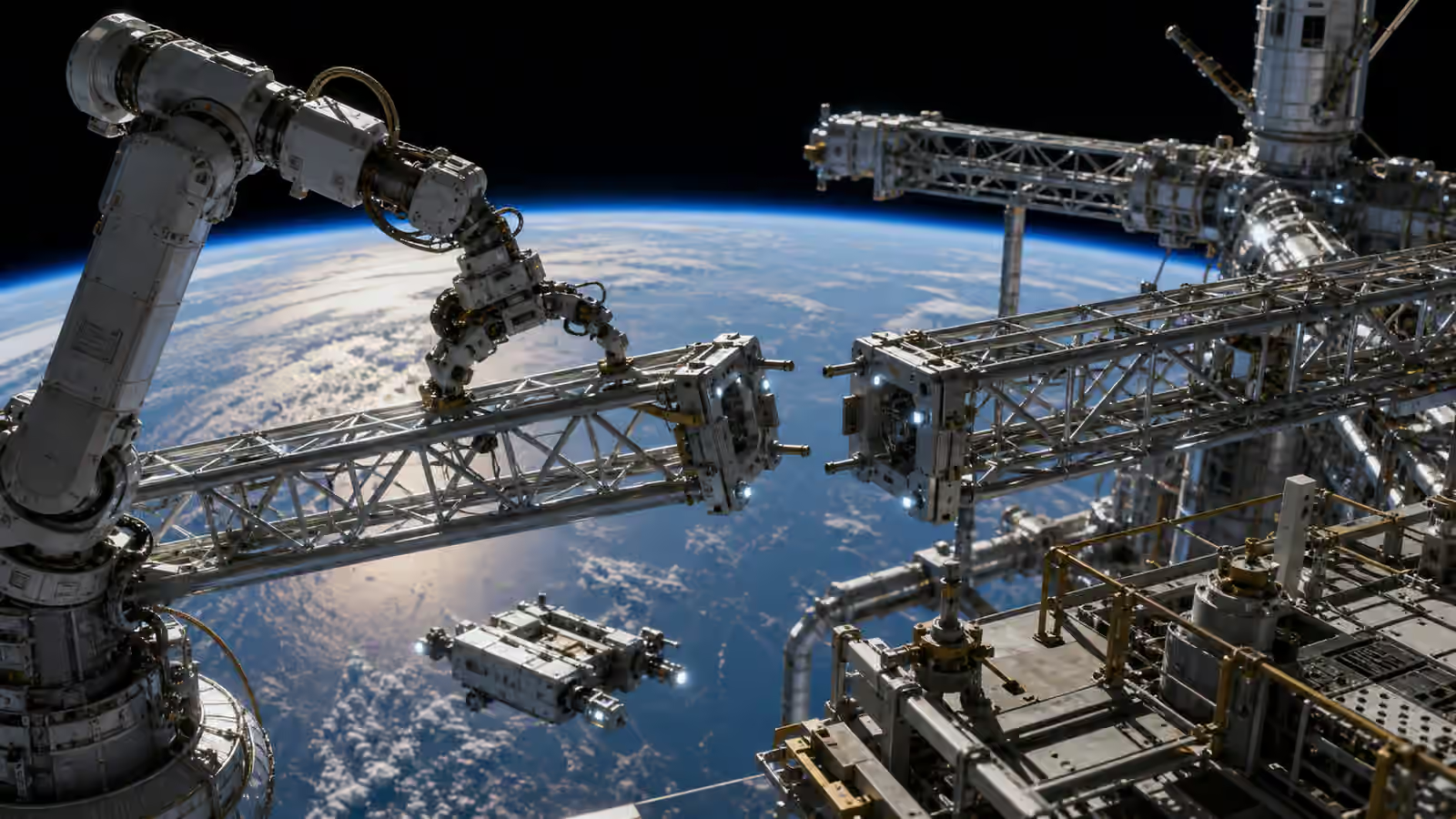
Space Robotics and Manipulators gives close work its hands. It explains robotic arms, end effectors, servicing interfaces, force control, camera limits, EVA support, autonomy boundaries, and why useful orbital work needs careful contact.
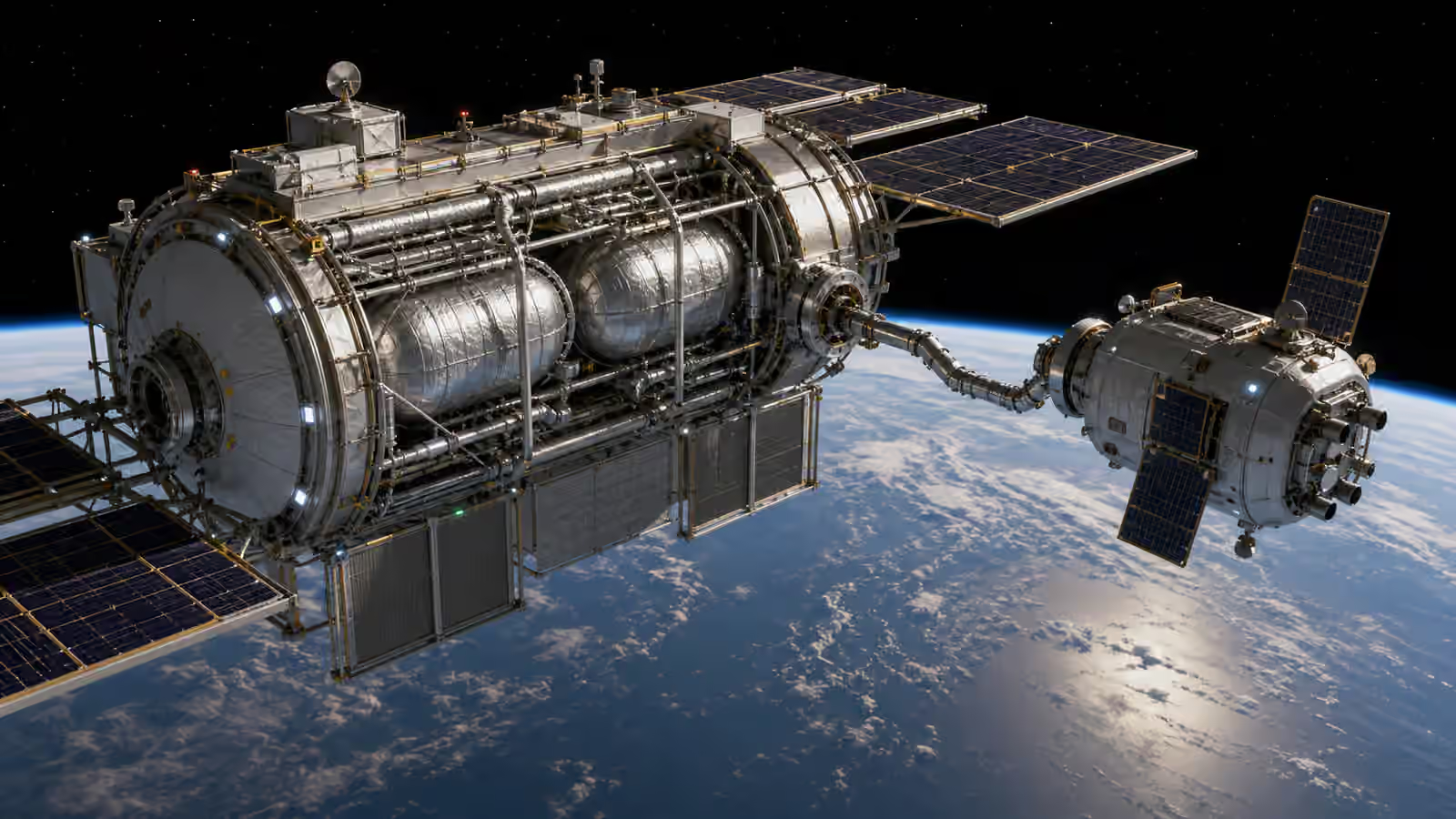
On-Orbit Assembly and Construction turns those careful hands into a construction layer. It explains modular structures, alignment, grapple fixtures, inspection, large structure dynamics, worksite governance, and why building in orbit depends on interfaces as much as robots.
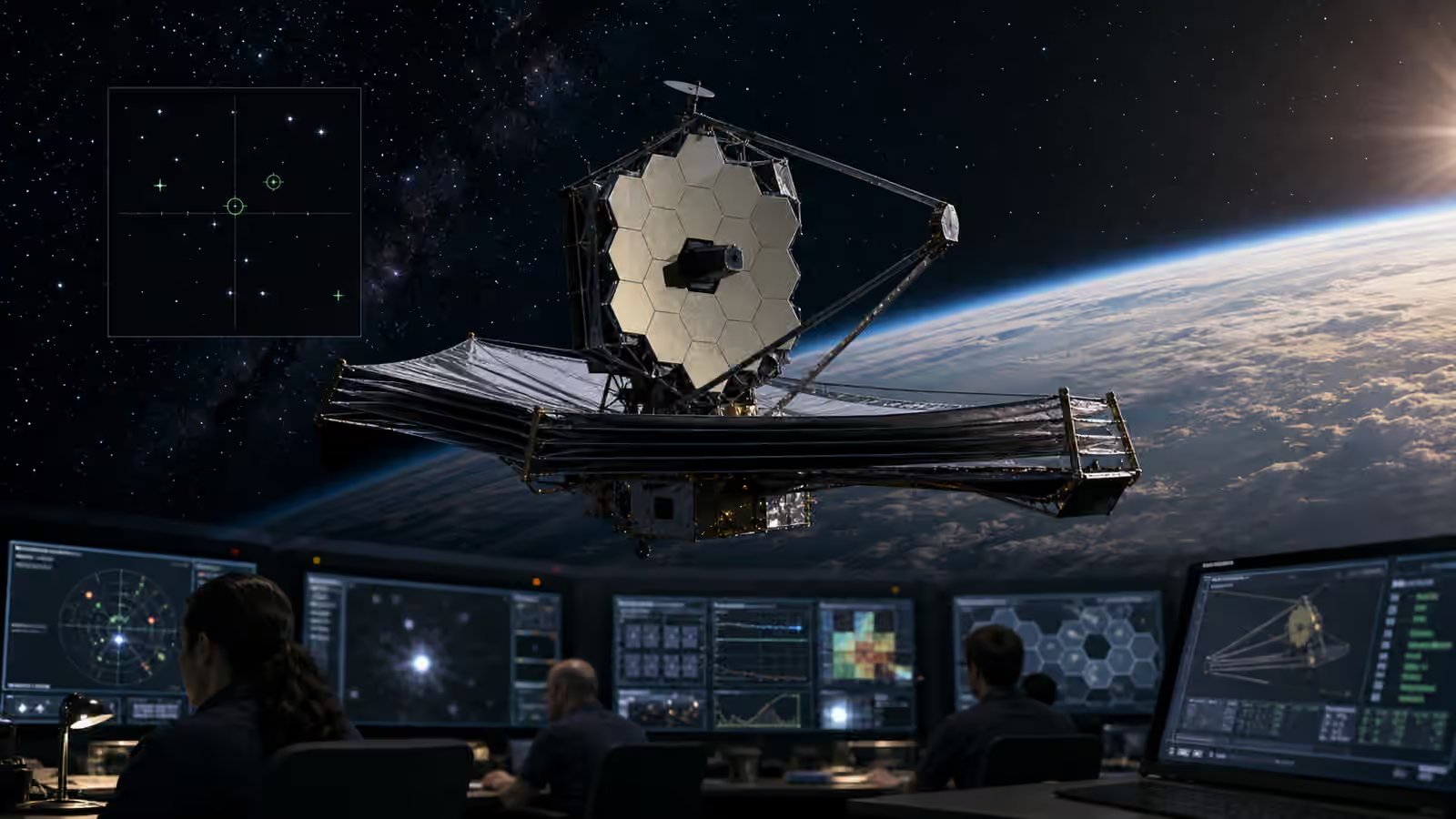
Space Telescope Observatory Operations adds the science-infrastructure layer that turns a spacecraft into a trusted instrument. It explains pointing, thermal stability, calibration, observing schedules, data archives, and why a memorable image depends on disciplined operations.
Satellite End of Life gives that responsibility its own guide. It explains deorbiting, disposal orbits, passivation, final operations, constellation risk, and why the last maneuver is part of the mission rather than a cleanup note after the useful work is over.
Space Insurance and Mission Risk adds the economic risk layer around launch and orbital operations. It explains underwriting, mission evidence, partial failures, in-orbit hazards, claims, and why risk transfer cannot replace the engineering work that reduces risk in the first place.
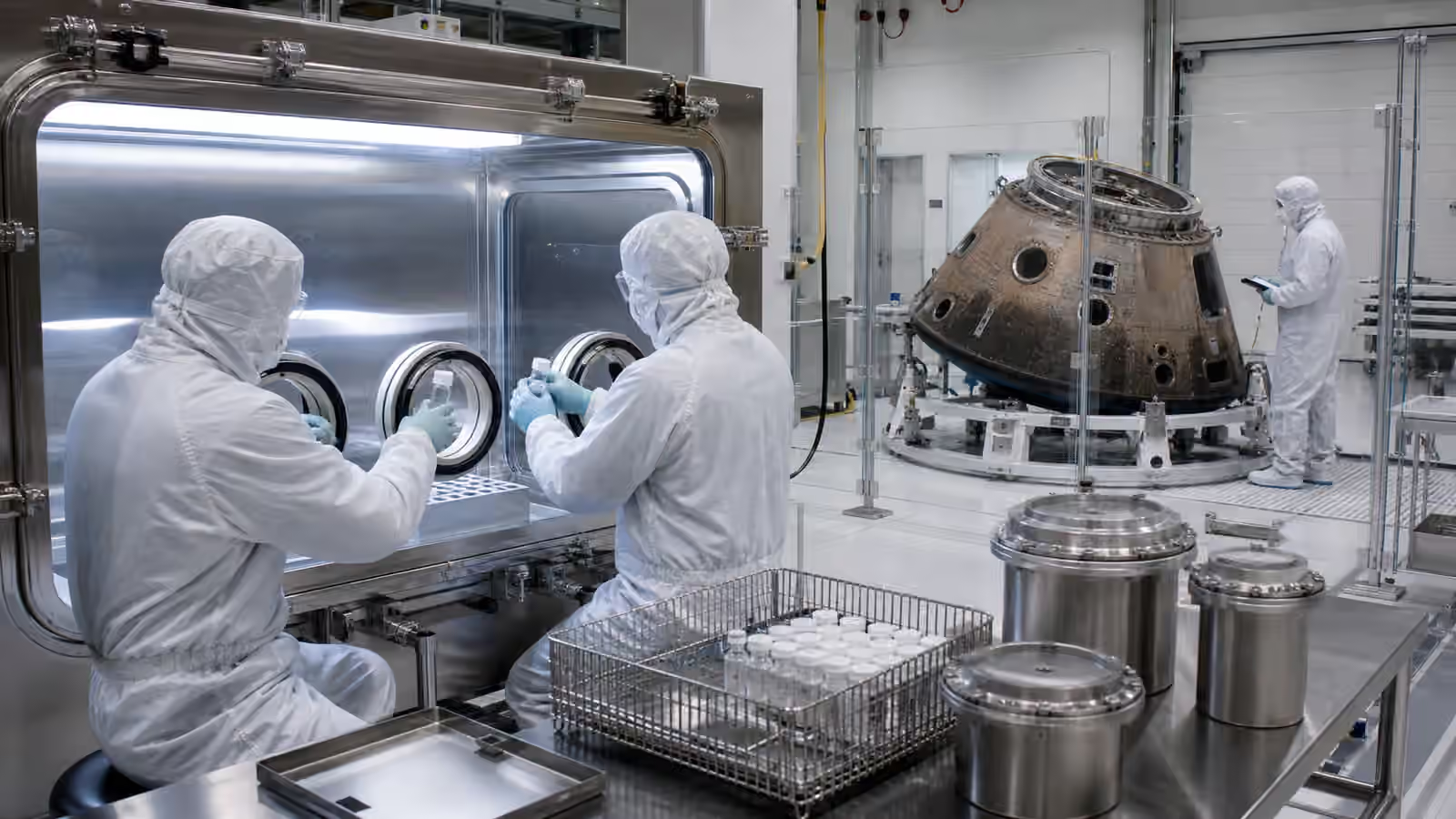
Planetary Protection and Sample Containment adds the stewardship layer for exploration. It explains forward contamination, returned sample containment, clean-room evidence trails, mission design constraints, and why future science depends on careful handling now.
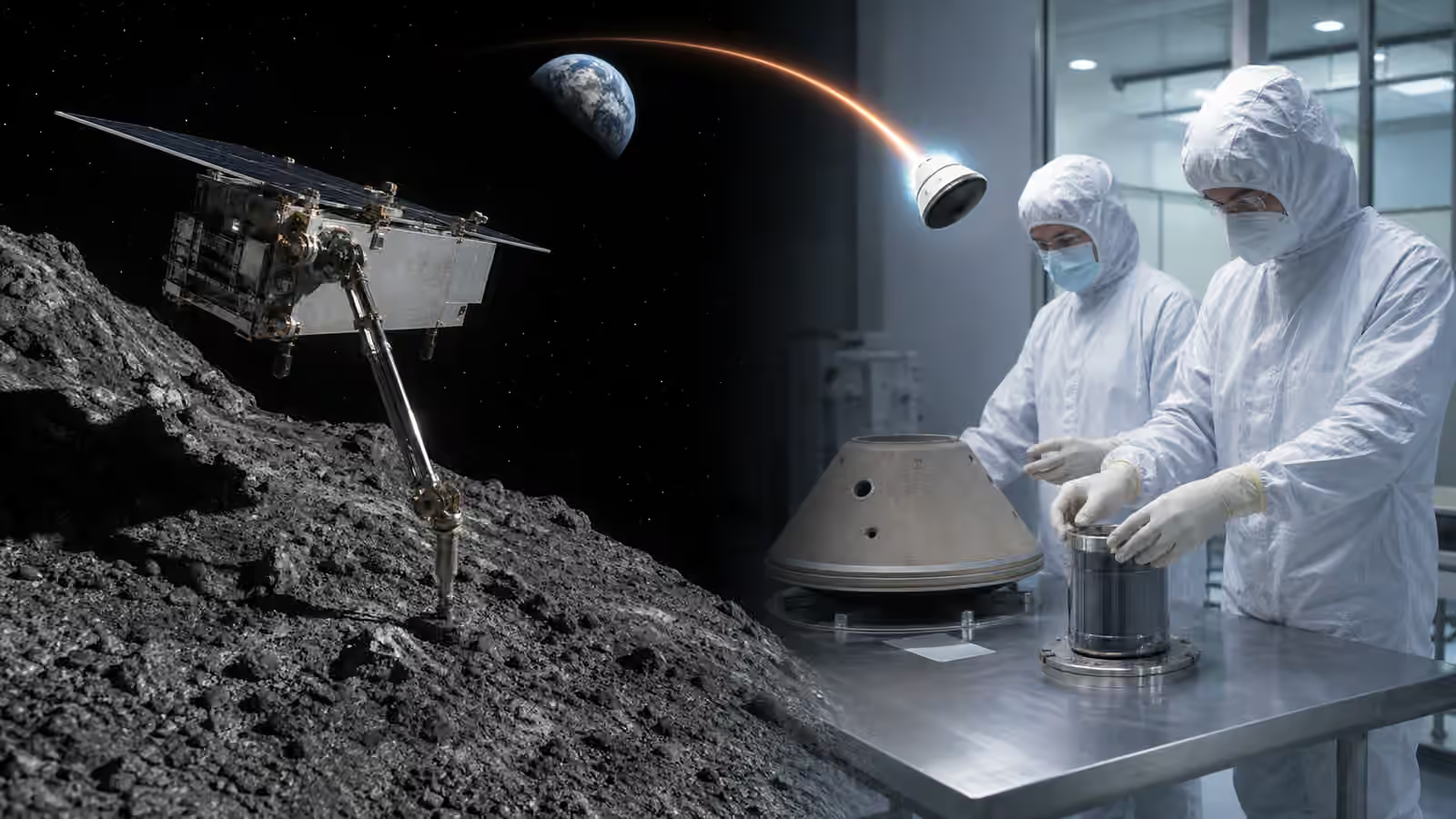
Sample Return Mission Design connects that stewardship to architecture. It explains site selection, collection tools, containment, return capsules, recovery, curation, and why bringing material home means preserving the sample’s story as well as the sample itself.
Every guidebook has a matching lesson in the Spacefront game track , so the topic reads like a mini-course instead of a loose article shelf.