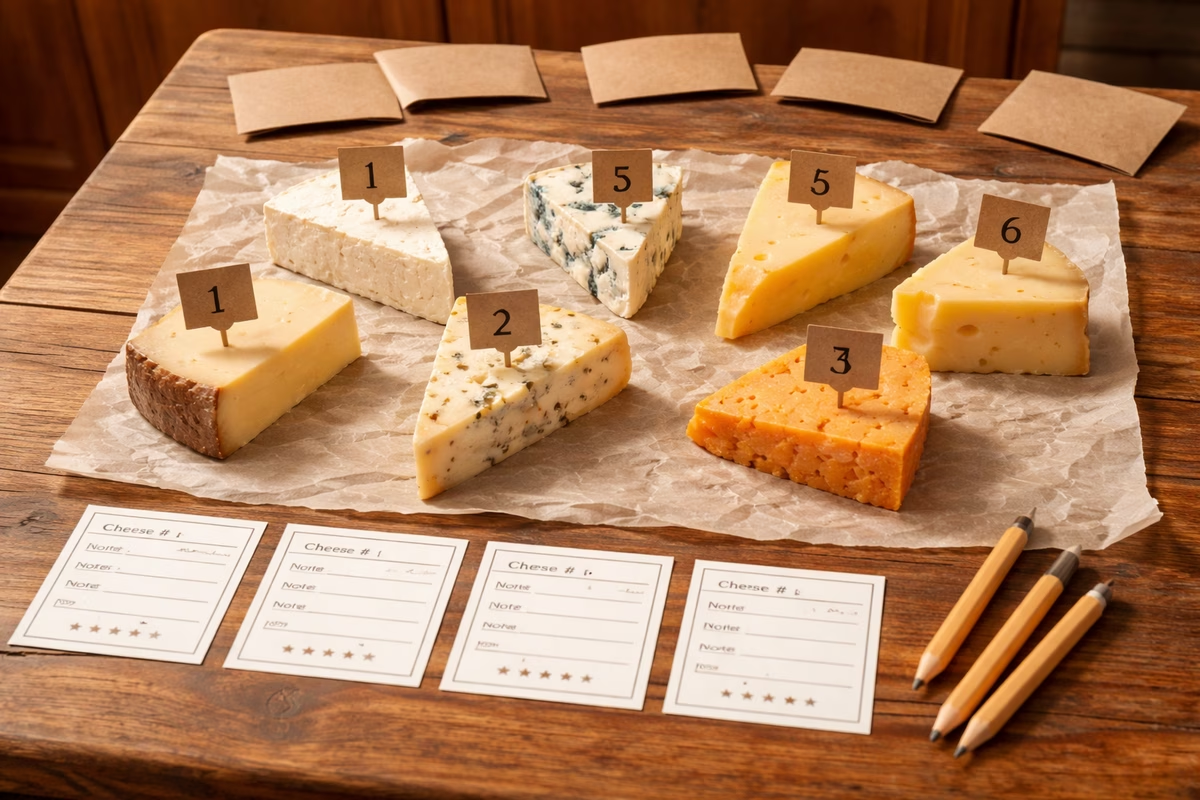

The Common Table
Tiny Table, First Four: Why Small Is the Social Design Advantage
Use a four-person table as the easiest starting scale for conversation, safety, timing, and repeat invitations.
The Common Table
Use a four-person table as the easiest starting scale for conversation, safety, timing, and repeat invitations.
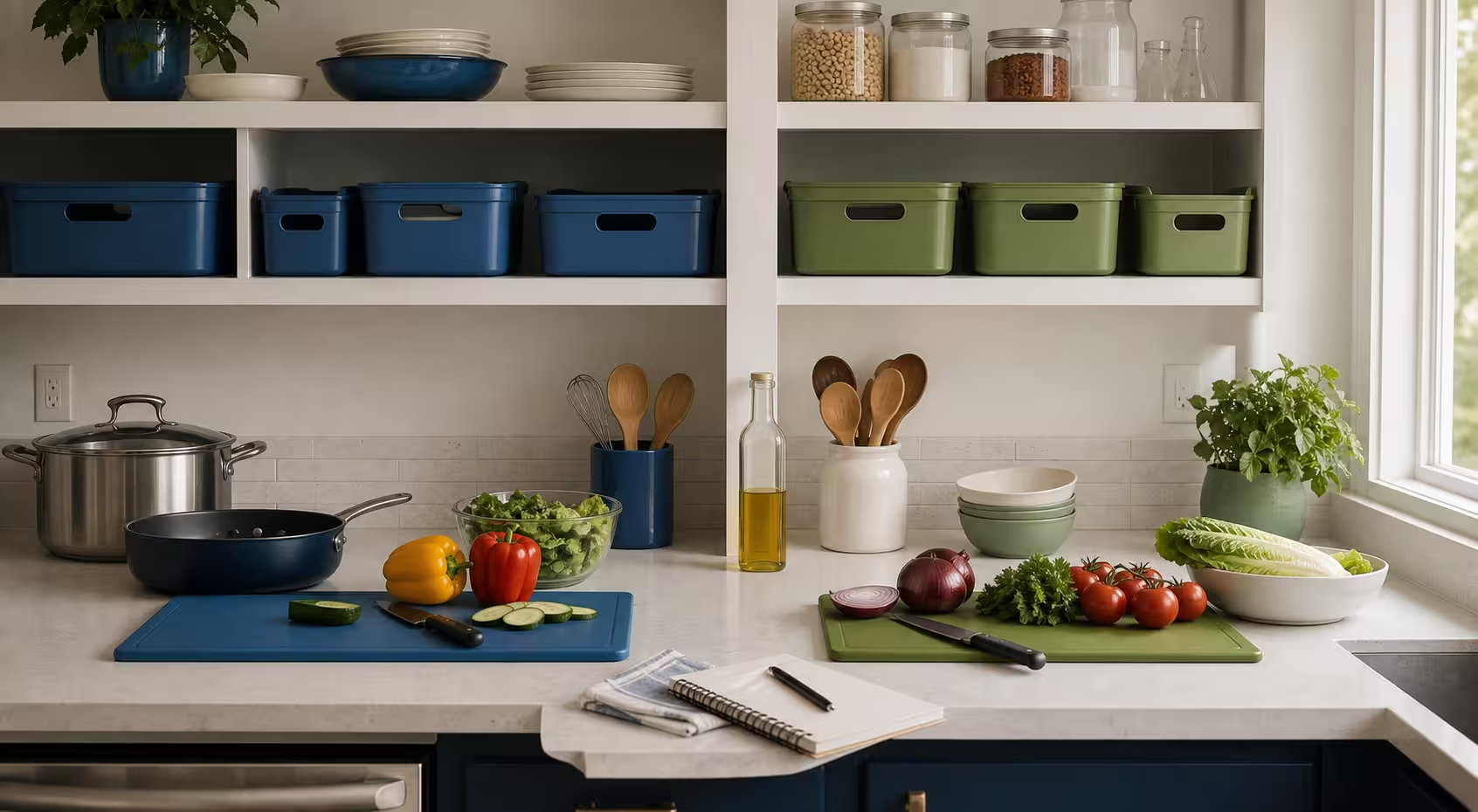
Jewish Life Guide
A narrative beginner guide to kosher food practice, kitchen separation, certifications, hosting, and respectful …

The Common Table
Pick the ritual shape first so food, drinks, timing, and invitations support the same recurring promise.

The Common Table
Make alcohol-free drinks the default design layer with texture, glassware, temperature, and no explanation required.
The Common Table
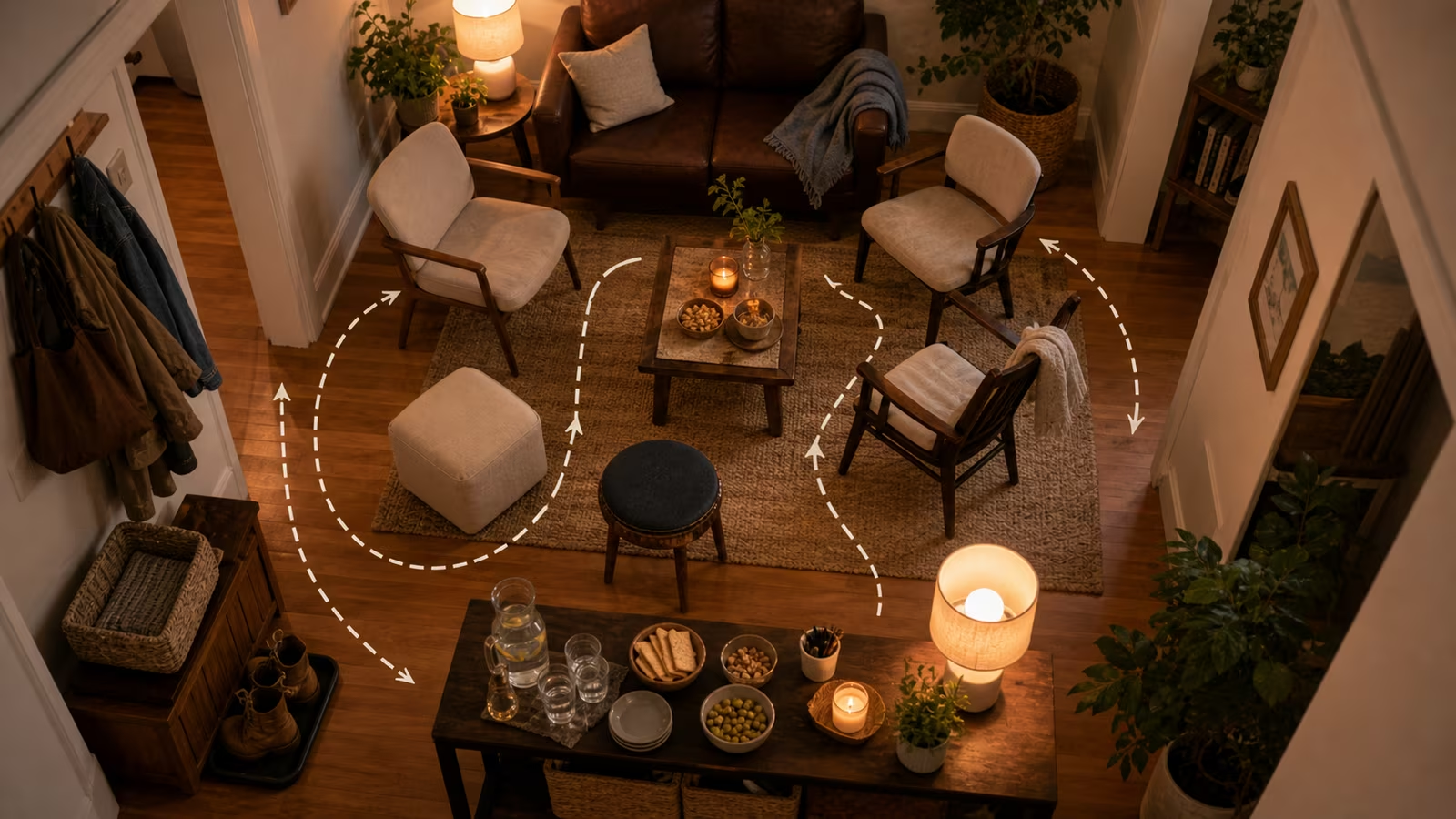
Arrange chairs, food, and paths so a small room supports movement, quieter guests, and clean exits.
The Common Table
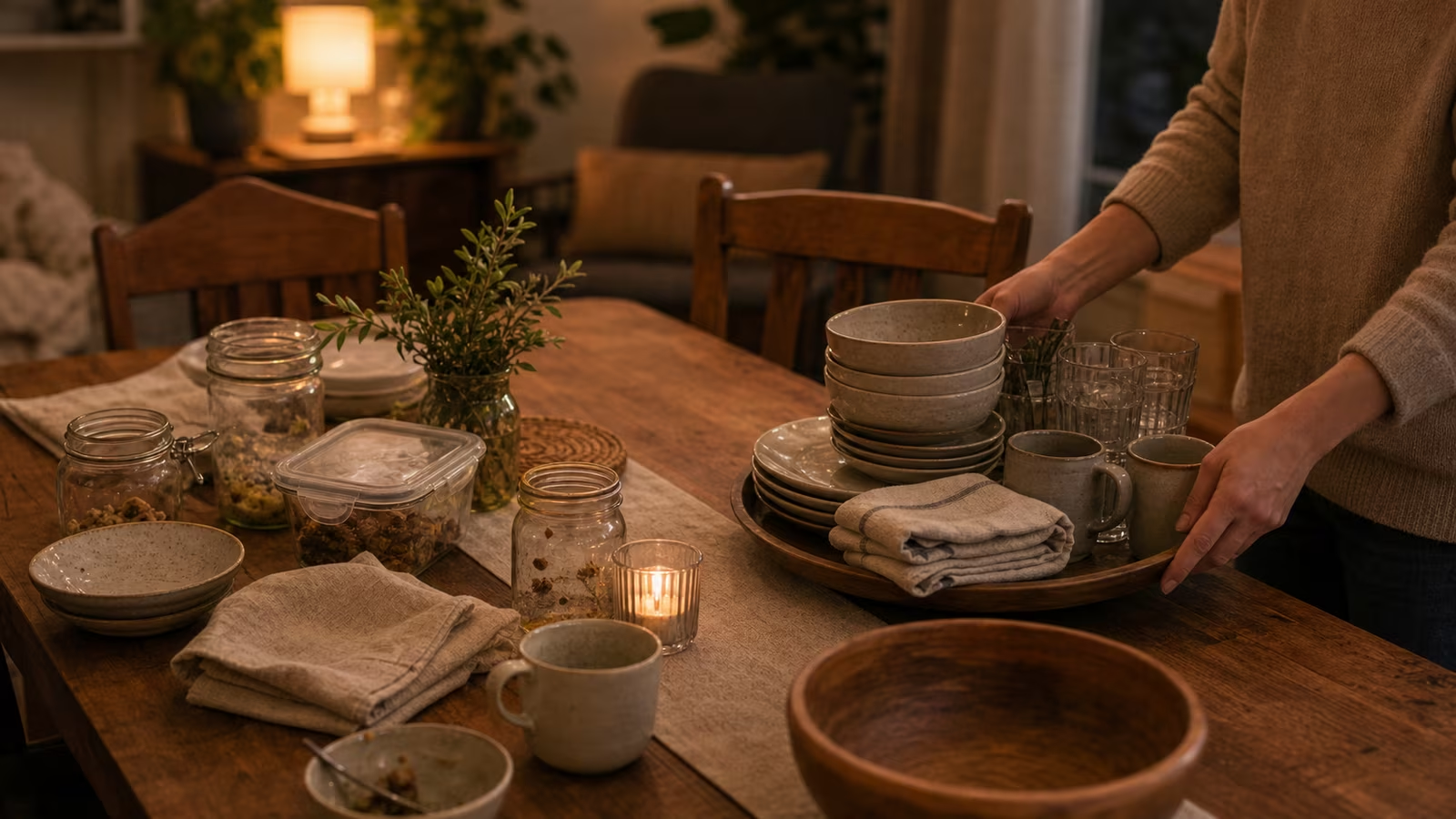
Create a closing cleanup beat that restores the room, gives guests a light role, and protects the host from resentment.

The Common Table
Send simple follow-up that thanks, remembers, and names the next step without demanding emotional processing.
The Common Table
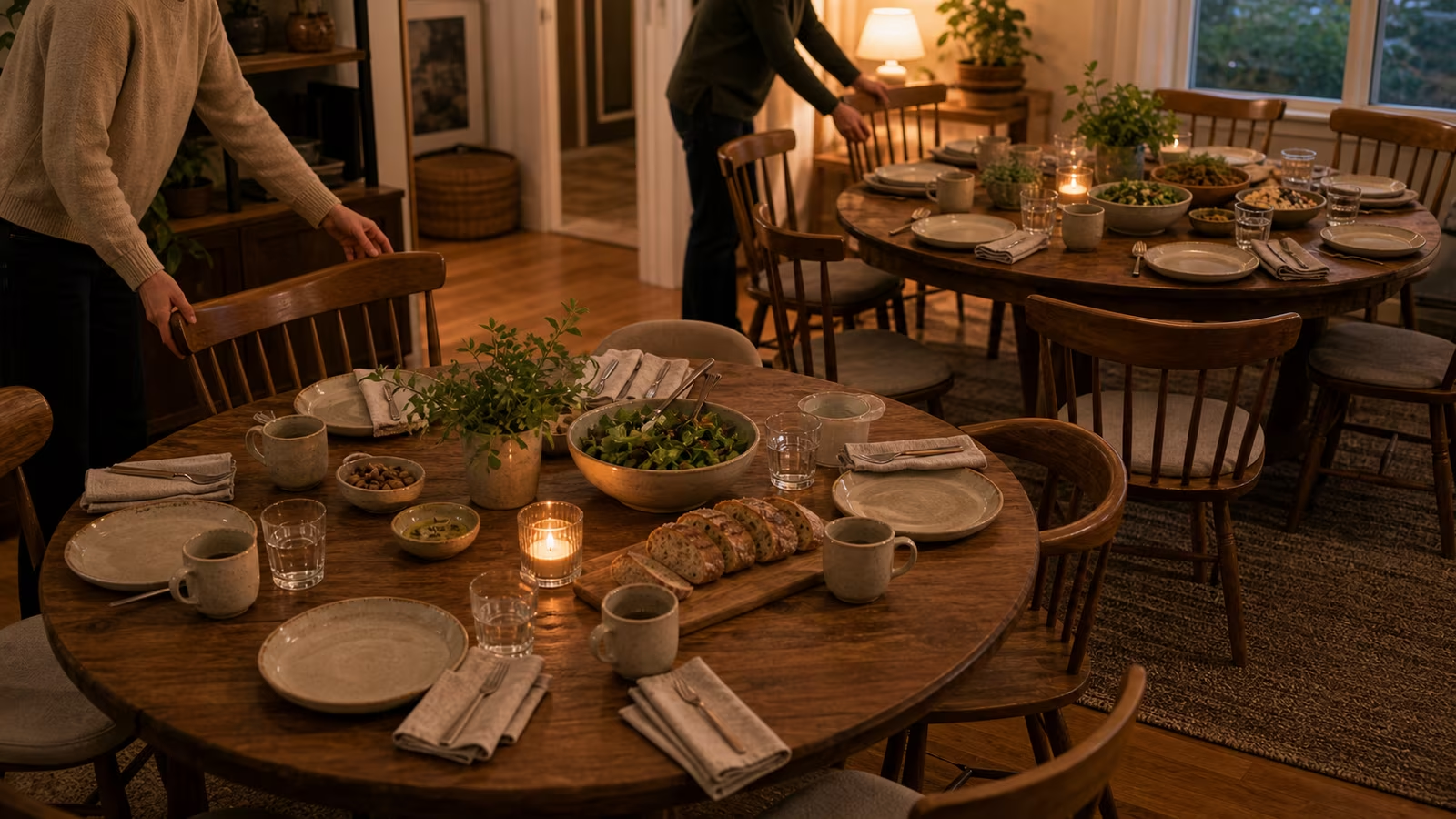
Grow a small gathering by changing structure, seating, food, and openings before the guest list doubles.

The Common Table
Evaluate a small ritual by repeatability, ease, warmth, clarity, and return rather than compliments or photos.

Tiny Home Living
Plan a tiny home for realistic hosting with flexible seating, guest sleep options, bathroom privacy, outdoor space, …

Wine Explorer
A practical wine and cheese pairing guide built around texture, salt, fat, rind style, acidity, sweetness, tannin, and …
Cheese Atlas
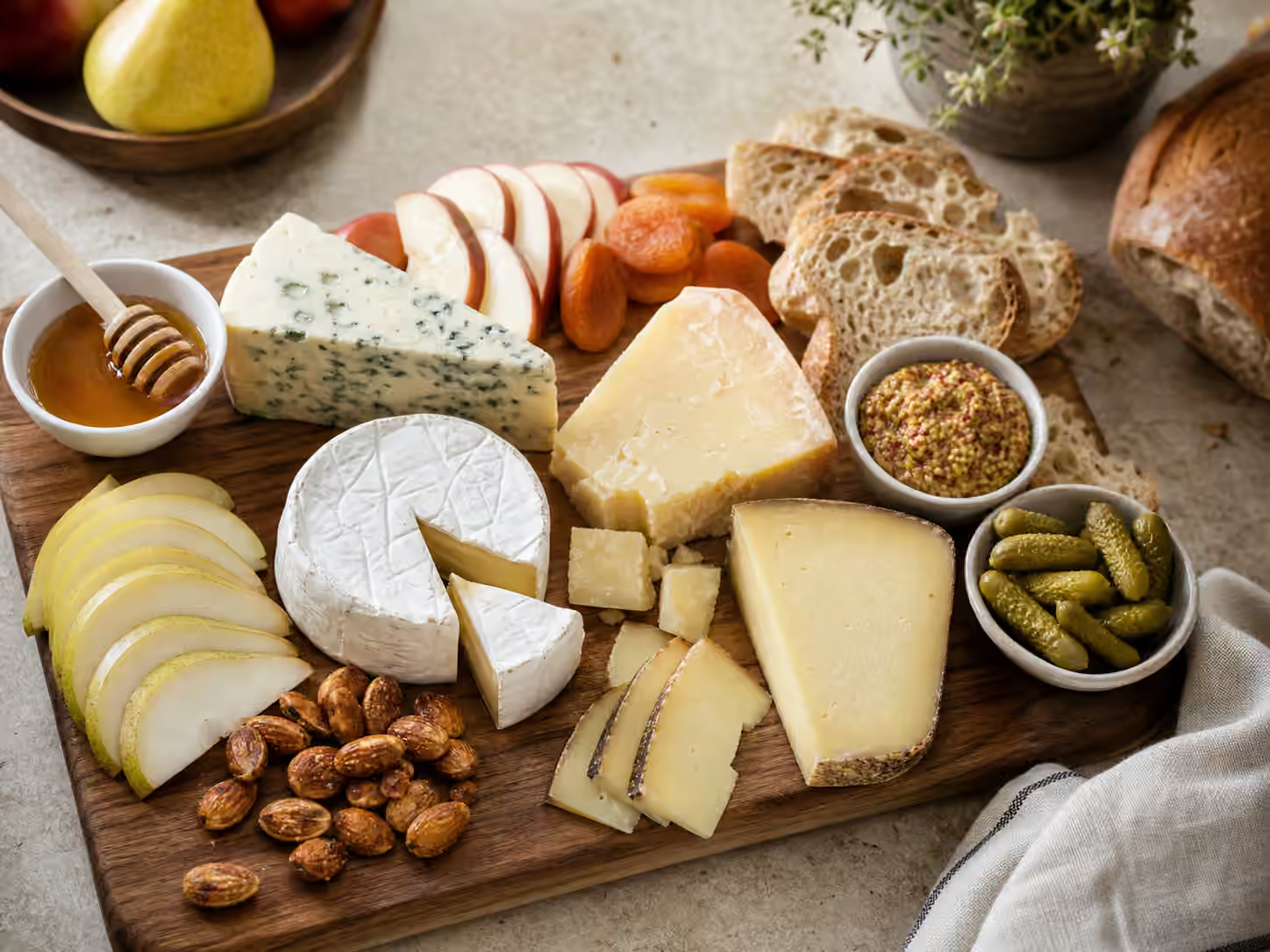
A practical guide to choosing cheese accompaniments with purpose, from bread and crackers to fruit, pickles, honey, …
Cheese Atlas
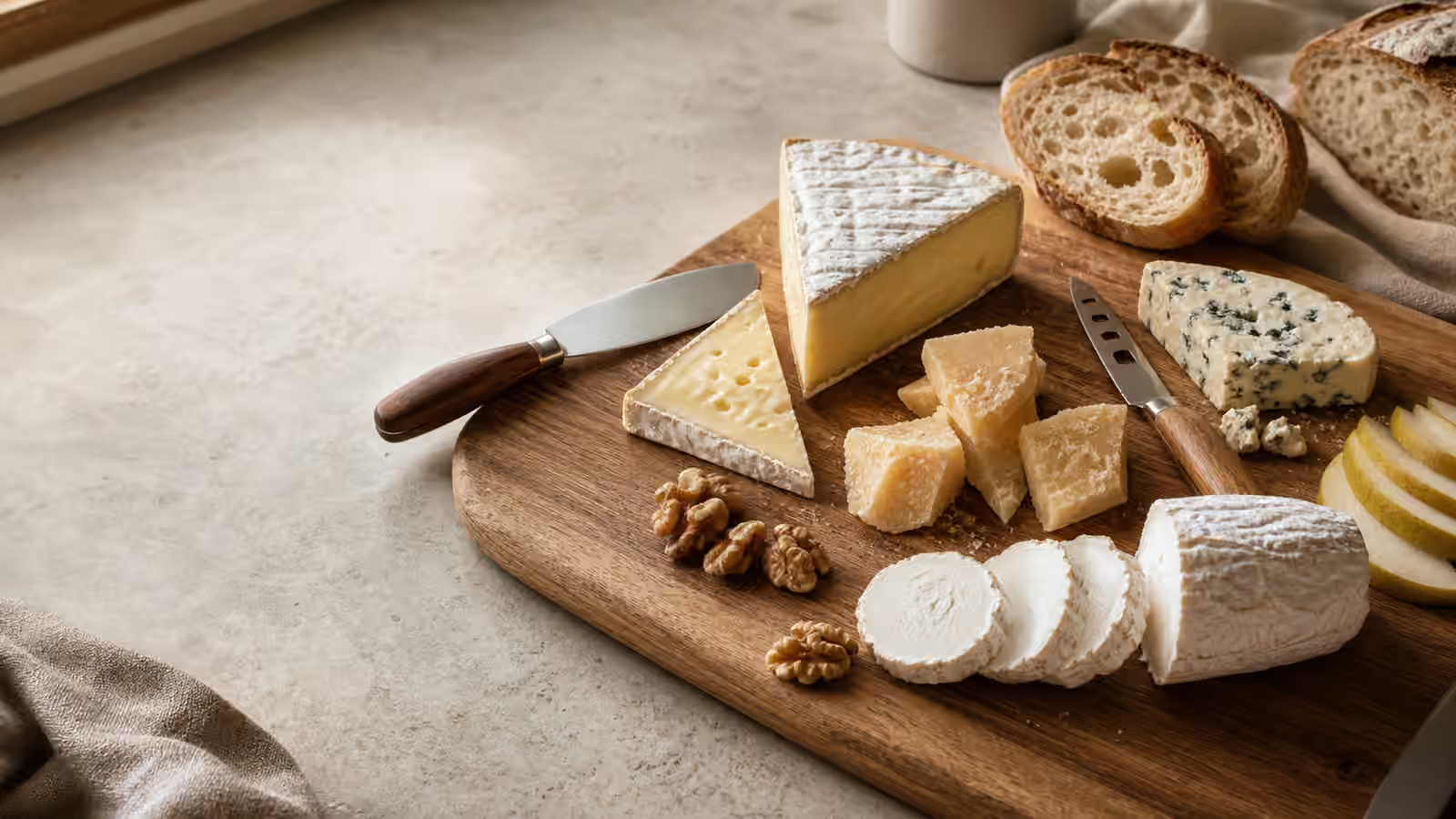
A practical guide to cutting and serving cheese by style, so every guest gets the right mix of rind, paste, texture, …