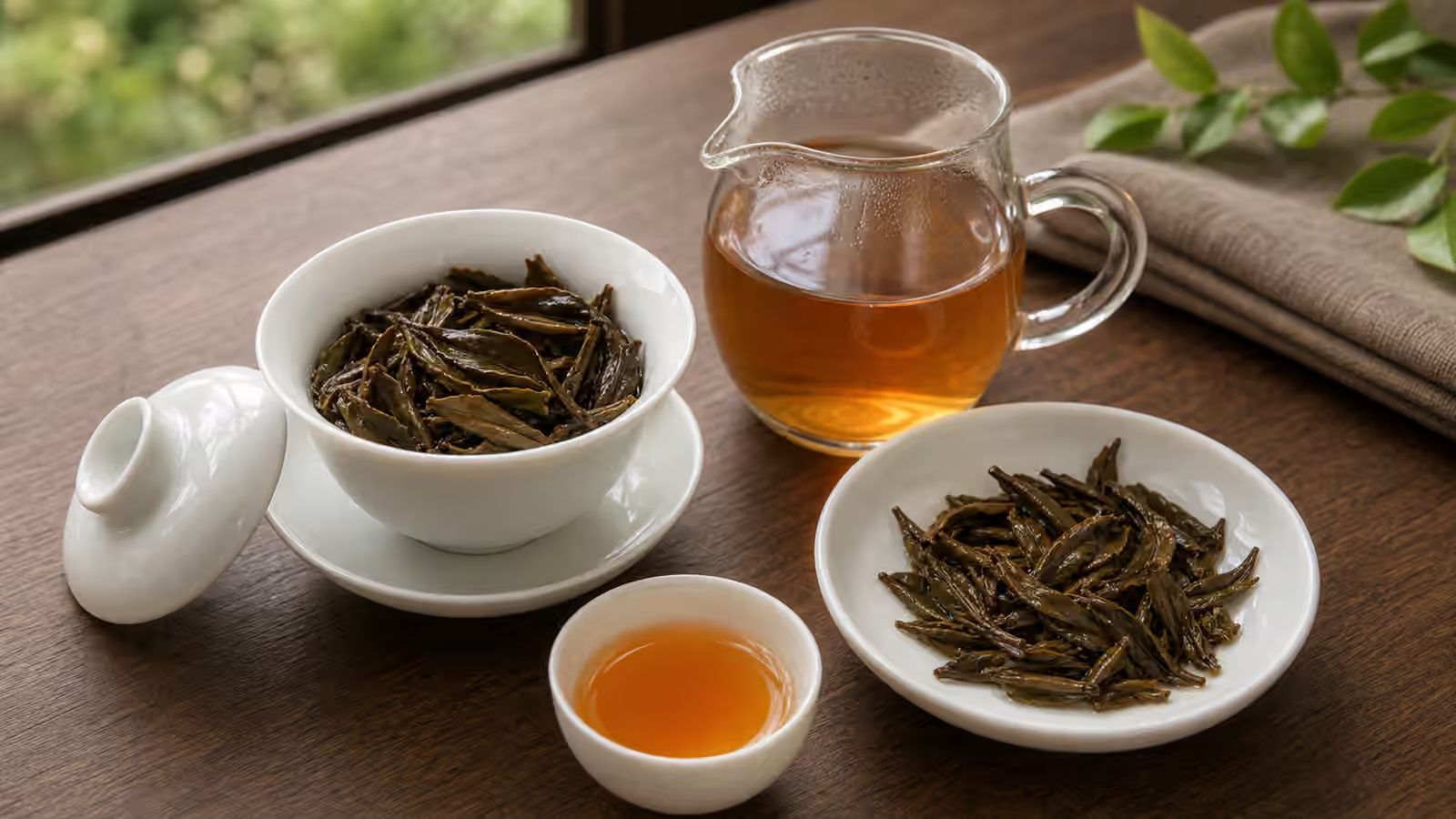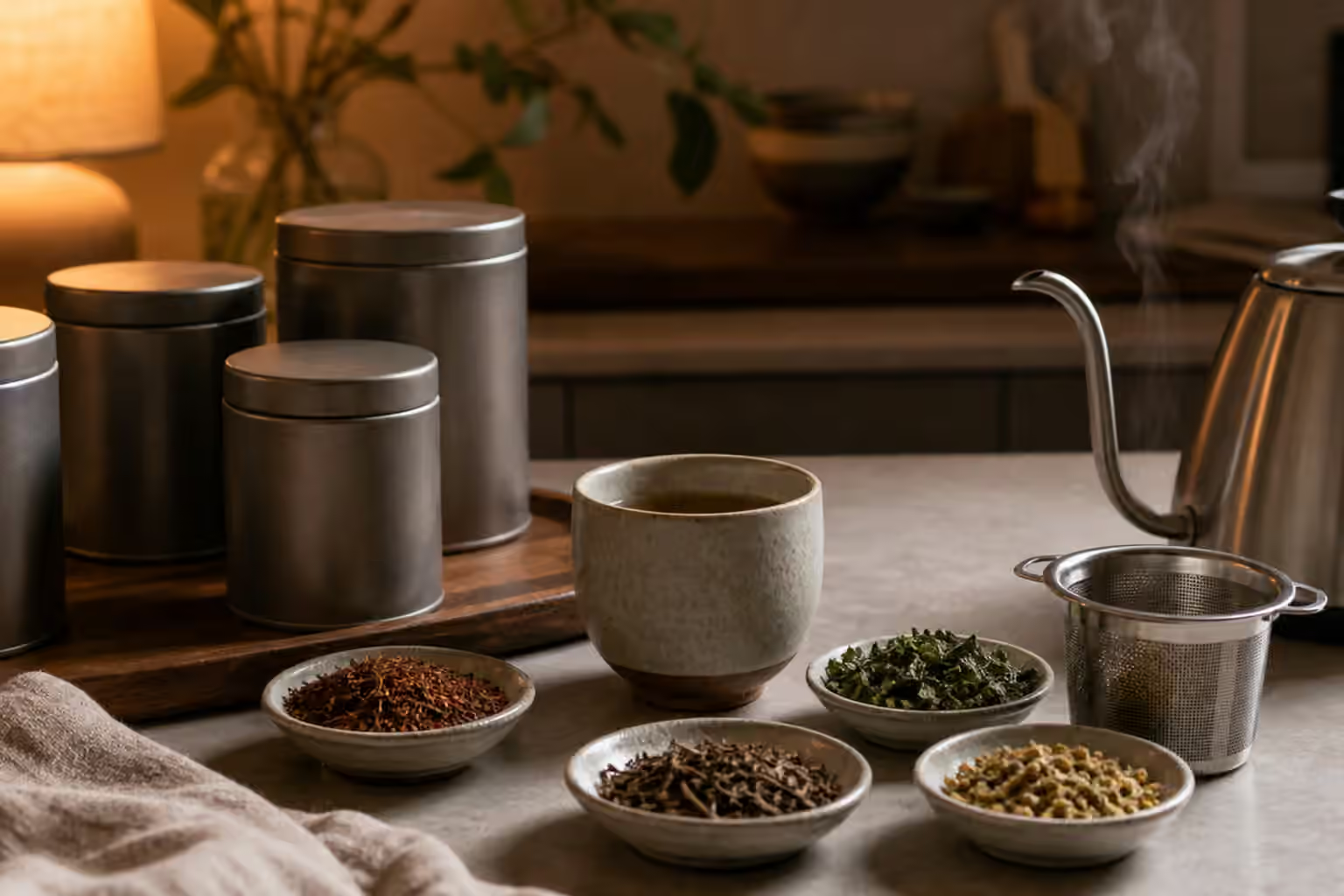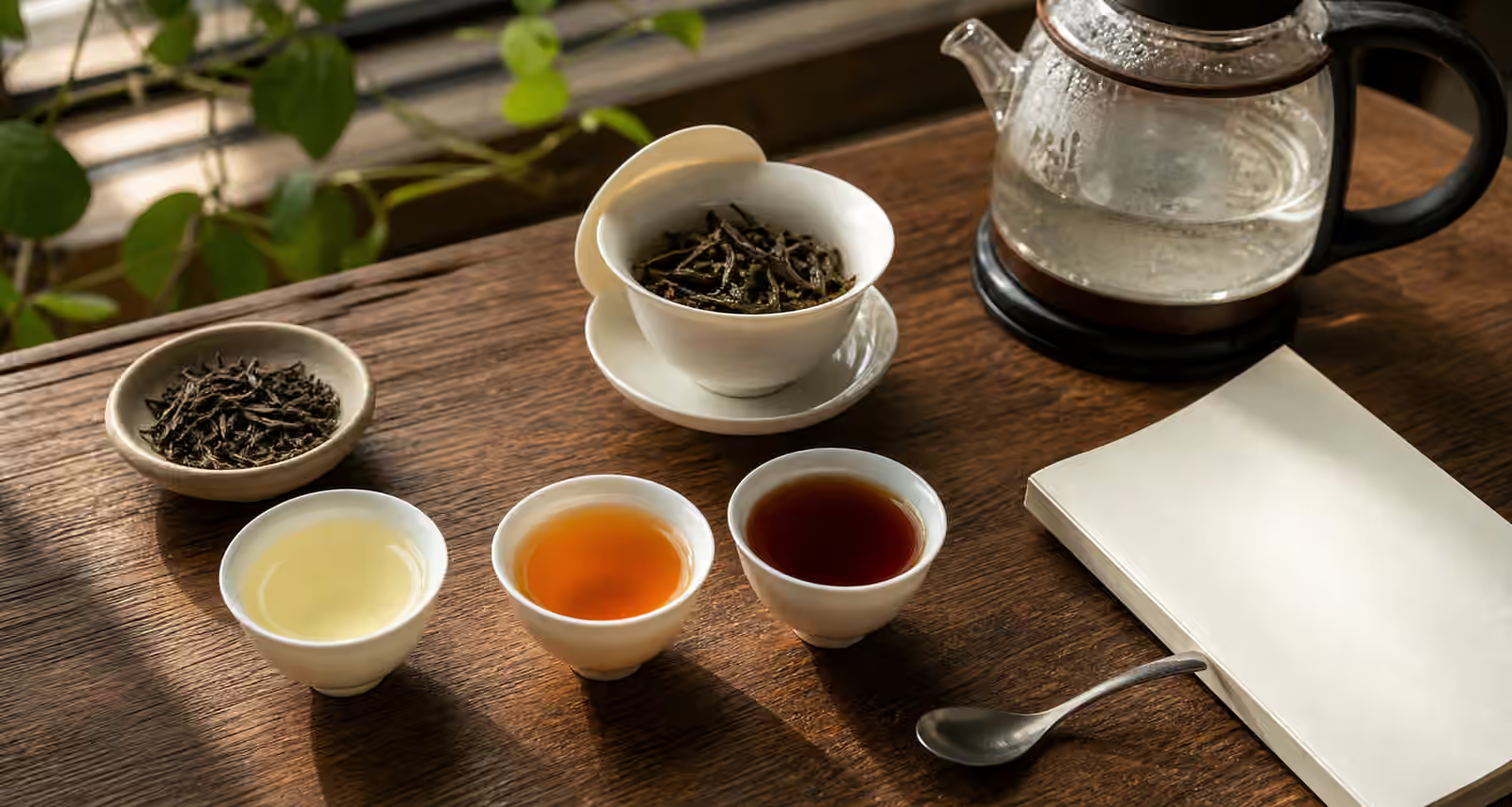
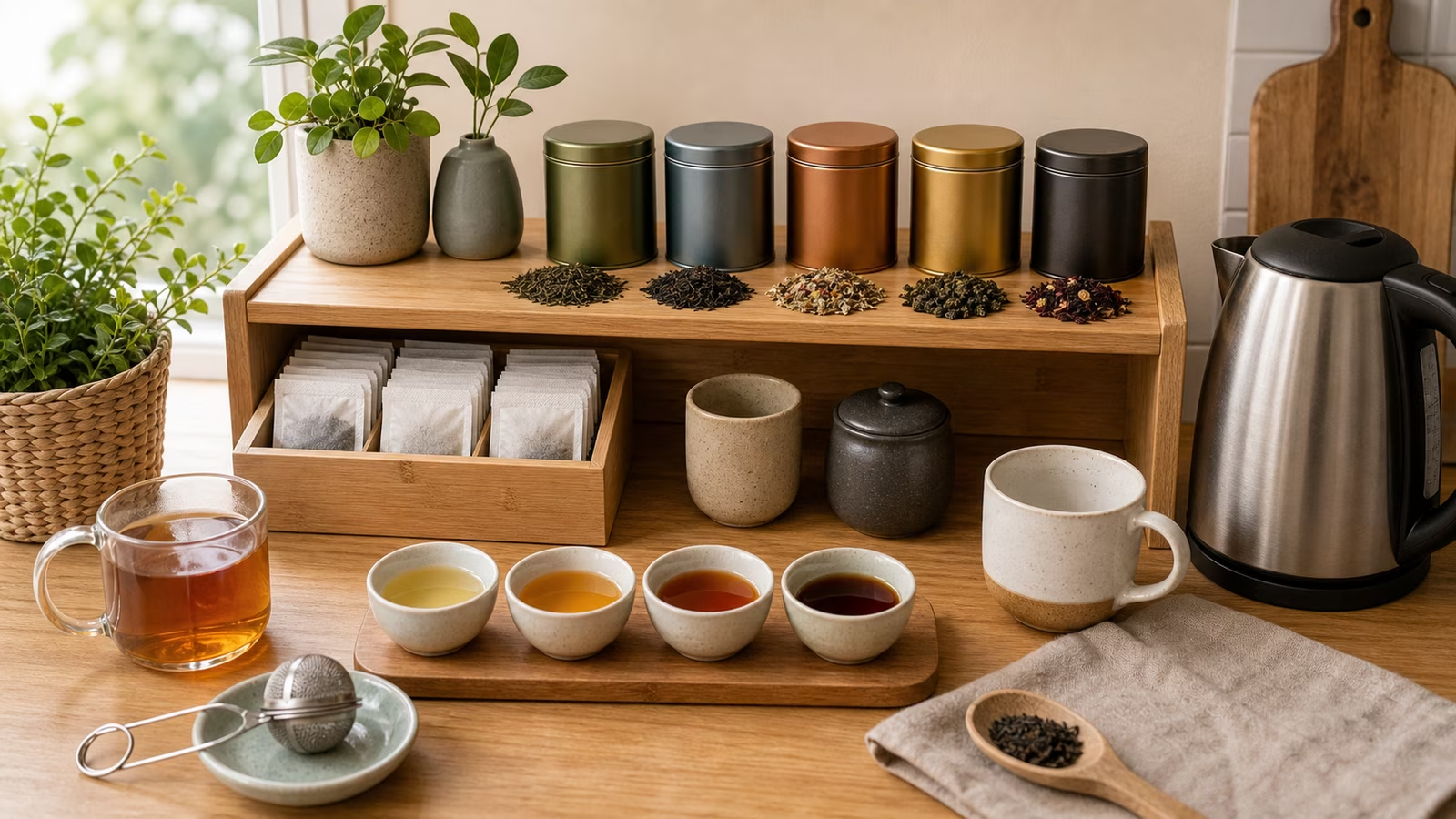
A first tea shelf goes wrong most often not from buying bad tea but from buying too much of it. The romantic version of getting into tea is a wall of tins in every color, a shelf that looks like a small shop. The version that actually teaches you something is smaller and duller to look at: four or five leaves you will genuinely finish, one way of brewing you trust, a container that keeps them fresh, and a habit of writing down what happened. This guide is about assembling that quieter shelf, the one that makes your next cup better rather than your kitchen more crowded.
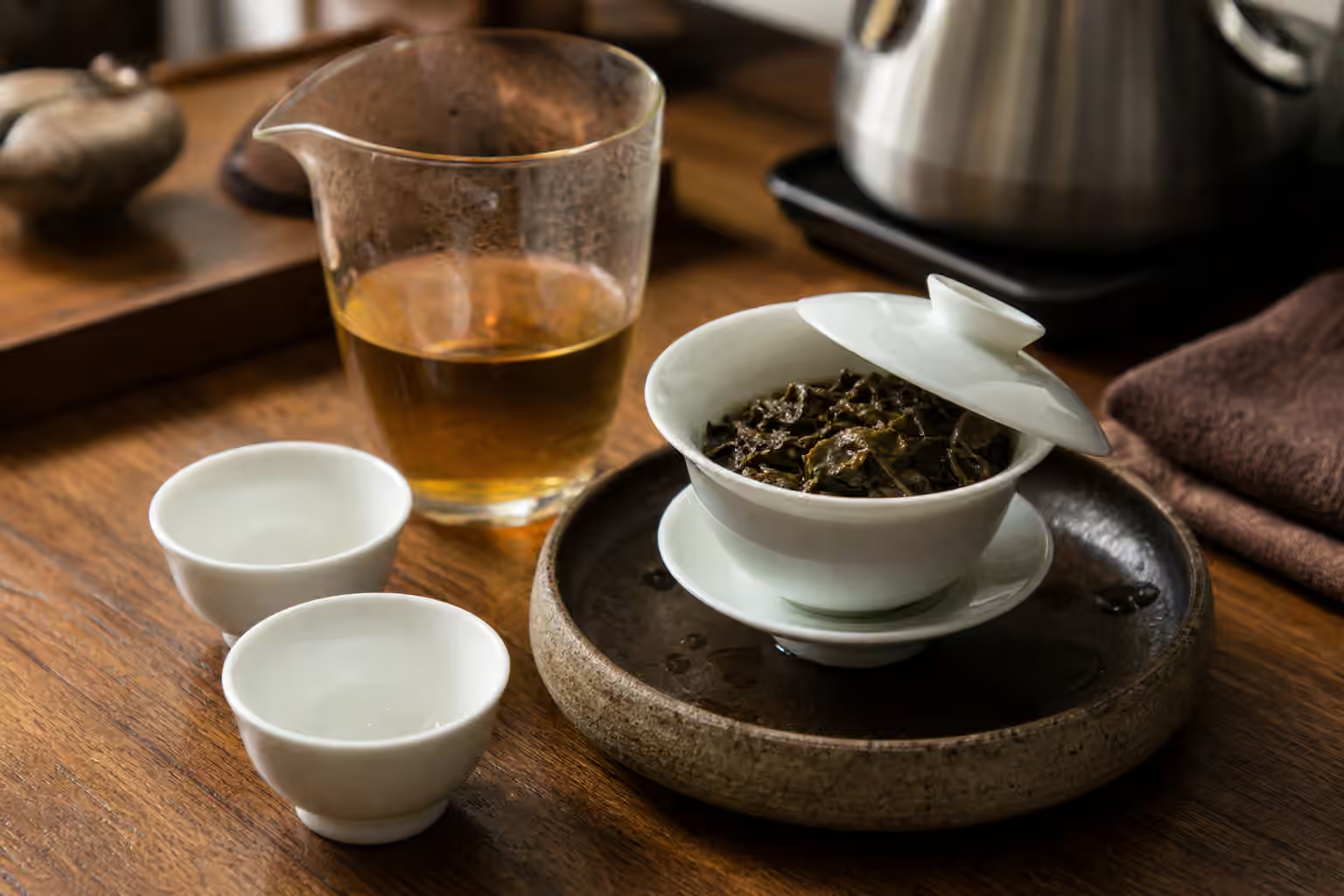
Choose leaves by the slot they fill in your week
Instead of buying by prestige, buy by the moments you already have. Most people have three or four recurring tea situations: the morning cup that needs to be brisk and forgiving, the afternoon cup that should not keep you up, the evening drink that should have no caffeine at all, and the occasional cup you brew slowly because you have time to pay attention. A shelf that covers those four slots is more complete than a shelf of twelve fashionable teas that all compete for the same ten o’clock spot.
For the morning slot, a sturdy black tea or an everyday breakfast blend earns its place because it tastes good even when you are half awake and slightly careless with the timer. For the afternoon, a green tea or a light oolong gives you flavor without much weight. For the evening, a caffeine-free infusion such as rooibos, peppermint, or chamomile lets you keep the ritual without the alertness. The slow cup can be whatever seduced you into this hobby in the first place, an oolong or a pu-erh you brew in a small pot and refill several times. Five teas chosen this way will teach you more than fifteen chosen by their labels, because you will actually drink each one often enough to learn its habits.
One brewing method you trust before you own three
The temptation early on is to acquire vessels the way you acquire leaves: a gaiwan because it looks elegant, a cast iron pot because it looks serious, a novelty infuser shaped like an animal. Resist that for a few weeks. Pick a single method and repeat it until it feels automatic. For most beginners that means a mug with a large basket infuser, or a small teapot with a built-in strainer. What matters is that the leaves have room to unfurl and that you can separate them from the water when the time is up. Cramped mesh balls that pack the leaves into a fist are the most common reason a good tea tastes thin and papery.
Once one method is second nature, a second vessel makes sense, because now you have a baseline to compare it against. Brew the same green tea in your basket mug and then in a small gaiwan, and the difference in aroma will teach you what the vessel actually contributes. Buying the gaiwan first, before you have that reference cup in memory, just adds a variable you cannot yet interpret. If you want to understand where a shelf full of vessels eventually leads, Teapots, Gaiwans, Kyusu, and Infusers lays out the options without pushing you to own all of them at once.
Storage is the cheapest upgrade you can make
Fresh tea and stale tea can be the same leaf a few months apart, and storage is what decides which one you drink. Tea does not spoil in a way that harms you, but it fades: aroma dulls first, then the brightness of the flavor, until a once-lively green tastes like warm hay. The enemies are simple to name and simple to defeat. Air oxidizes the leaf, light bleaches it, heat accelerates everything, moisture invites mustiness, and strong kitchen smells migrate straight into the leaf because tea is quietly absorbent. A shelf next to the stove, in a clear jar, by a sunny window is the worst of all worlds even though it looks charming.
The fix costs almost nothing. Keep leaves in opaque, airtight tins away from the stove and the window, and away from spices and coffee whose aromas will colonize a delicate green within days. Buy amounts you will finish within a few months rather than a year, because even good storage only slows the fade, it does not stop it. If you find yourself with more of one tea than you can drink before it tires, that is useful information for the next purchase, not a failure. The deeper version of all this lives in Tea Storage: Freshness, Light, Air, Heat, and Scent , but the one-sentence rule carries you a long way: dark, sealed, cool, and away from anything that smells.
Tasting notes that stay light enough to keep
The last piece of the shelf is not physical. It is the small habit of noticing, in plain words, what a cup did. You do not need a vocabulary of a hundred flavor descriptors or a scoring system. You need five ordinary observations that you can make while the cup is still warm in your hand: how it smells, how heavy or light it feels in the mouth, whether there is any sweetness, whether it dries your tongue, and what lingers after you swallow. “Bright and a little sharp, faded fast” tells you something you can act on next time. So does “round and malty, took milk well.” The point is not eloquence, it is a record you can compare against.
Keep the record short enough that writing it never becomes a chore, because a chore gets abandoned. A single line per cup, jotted on your phone or a scrap by the kettle, is plenty. Over a few weeks those lines start to rhyme with each other, and you notice patterns you would never hold in memory: that you steep greens too long, that a particular black tea is always better with a shorter brew, that your afternoon oolong is best on its second infusion. That is the whole payoff of a beginner shelf, the moment when the tea stops being a collection of guesses and starts being a set of things you know.
Change one thing, keep one note
When a cup disappoints, the instinct is to change everything at once: more leaf, hotter water, longer steep, all in the same reach for improvement. That approach cures the symptom sometimes but teaches you nothing, because you never learn which change did the work. The more useful move is to treat each brew as one small experiment. If the cup is harsh, lower the temperature or shorten the steep, and change only that. If it is thin, add a little leaf or a little time, but not both. A single deliberate change, followed by one honest note, is how a beginner shelf turns into a practiced one.
None of this requires special discipline, only a willingness to go slowly at the start. Fresh water, a method you trust, storage that protects your leaves, and a light habit of noticing will do more for your cups than any rare tea bought on impulse. When you are ready to expand, The Tea House for Beginners and Tea Buying Without Getting Lost point toward the next few teas worth adding. If a question ever touches caffeine sensitivity, pregnancy, medications, or a medical condition, treat that as a conversation for a qualified clinician rather than a tea page. The shelf is here to make a pleasurable drink more repeatable, one attentive cup at a time.