Caffeine in tea is surrounded by more confident-sounding claims than almost any other subject in the drink, and most of them collapse the moment you look closely. You will hear that green tea has less caffeine than black, that a long steep pulls out less than a short one, that a particular leaf is “naturally low,” each stated as a fixed fact. The honest picture is messier and more interesting: how much caffeine ends up in your cup depends on the leaf, the amount you use, the water temperature, how long you steep, and, just as much, on how your own body responds. This guide is about understanding those variables well enough to shape a cup toward more or less alertness, without pretending the numbers are more precise than they are.
Why the “green has less than black” rule misleads
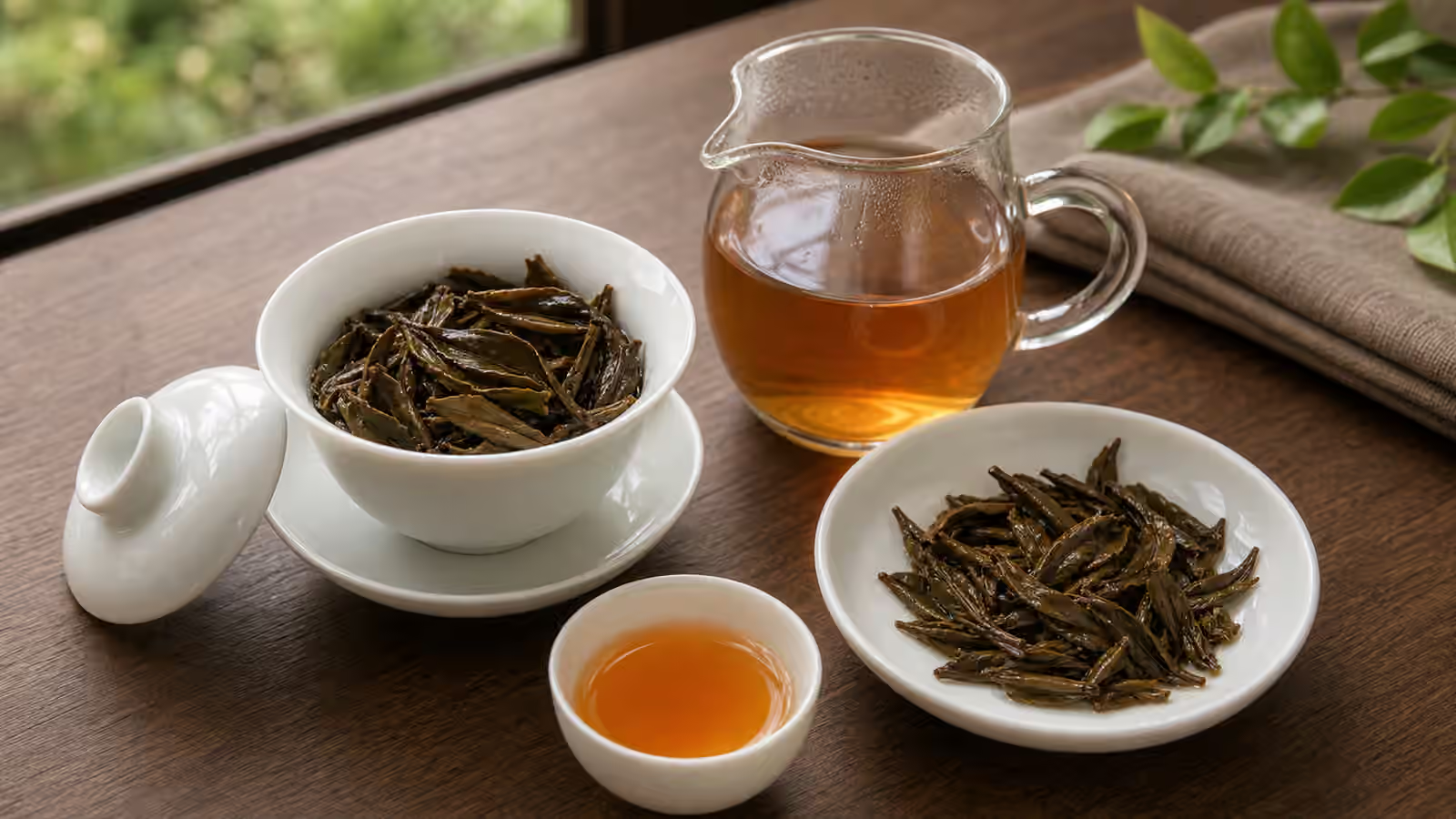
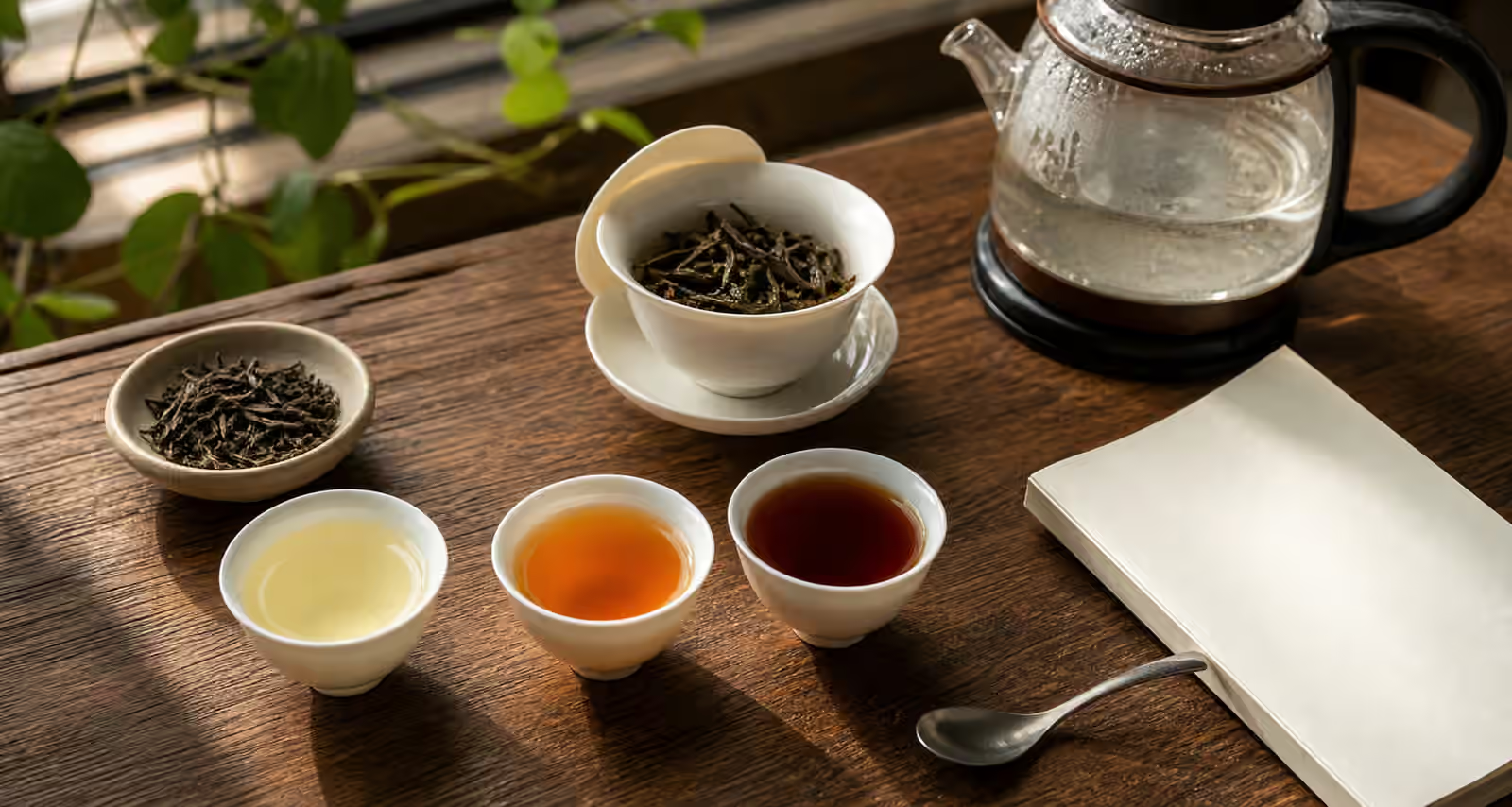
The popular hierarchy that ranks white below green below oolong below black is not so much wrong as badly oversimplified. All true tea comes from the same plant, and the caffeine is in the leaf before any processing happens, so oxidation, the step that separates green from black, does not meaningfully destroy or create it. What actually drives the caffeine in a given cup is the plant material itself: young buds and tips tend to carry more caffeine than older leaves, so a bud-heavy green can easily out-caffeinate a coarse black tea despite the folk ranking. The color of the leaf is a weak predictor. The age and part of the leaf, and how much of it you put in the pot, predict far better.
This is why blanket statements deserve suspicion. A finely broken black tea in a bag, brewed hot and fast, can deliver a brisk jolt, while a whole-leaf silver-needle white brewed at a cool temperature can be surprisingly gentle even though white “should” be low on the chart. If you want to steer your caffeine, the leaf type is only one lever among several, and not the strongest one.
The levers you actually control
The most direct lever is simply how much leaf you use. Double the leaf and you roughly double the caffeine available to extract, which is why a heaping scoop in a small cup hits harder than a modest pinch in a large mug regardless of the tea’s reputation. Serving size compounds this: a small tasting cup and a tall travel mug of the same tea are not remotely the same dose.
Water temperature and steep time are the next levers, and they push in the same direction. Caffeine dissolves more readily in hotter water and continues coming out the longer the leaves sit, so a near-boiling five-minute steep pulls more than a cooler two-minute one. This is the grain of truth behind the “long steep, less caffeine” myth, which has it exactly backward: a longer steep extracts more caffeine, not less. The confusion may come from the old, discredited idea that a quick rinse removes most of the caffeine, which research has not supported; a short rinse discards only a small fraction, not the bulk. If you genuinely want less caffeine, use less leaf, cooler water, or a shorter steep, or choose a naturally low option, rather than relying on a rinse to do the work.
Cold brew, resteeps, and blends
Brew style changes the picture in ways worth knowing. Cold brewing, where leaves steep for hours in cold water, extracts caffeine slowly and often yields a smoother, somewhat gentler cup than the same leaf brewed hot, though “gentler-tasting” and “low-caffeine” are not the same thing, and a long overnight cold brew can still accumulate a fair amount. Resteeping matters too: the first infusion carries a large share of the caffeine, so a second or third steep of the same leaves is typically milder, which makes multiple short infusions a natural way to spread out both flavor and stimulation across an afternoon. Cold Brew Tea and Resteeping Tea Leaves go further into both techniques.
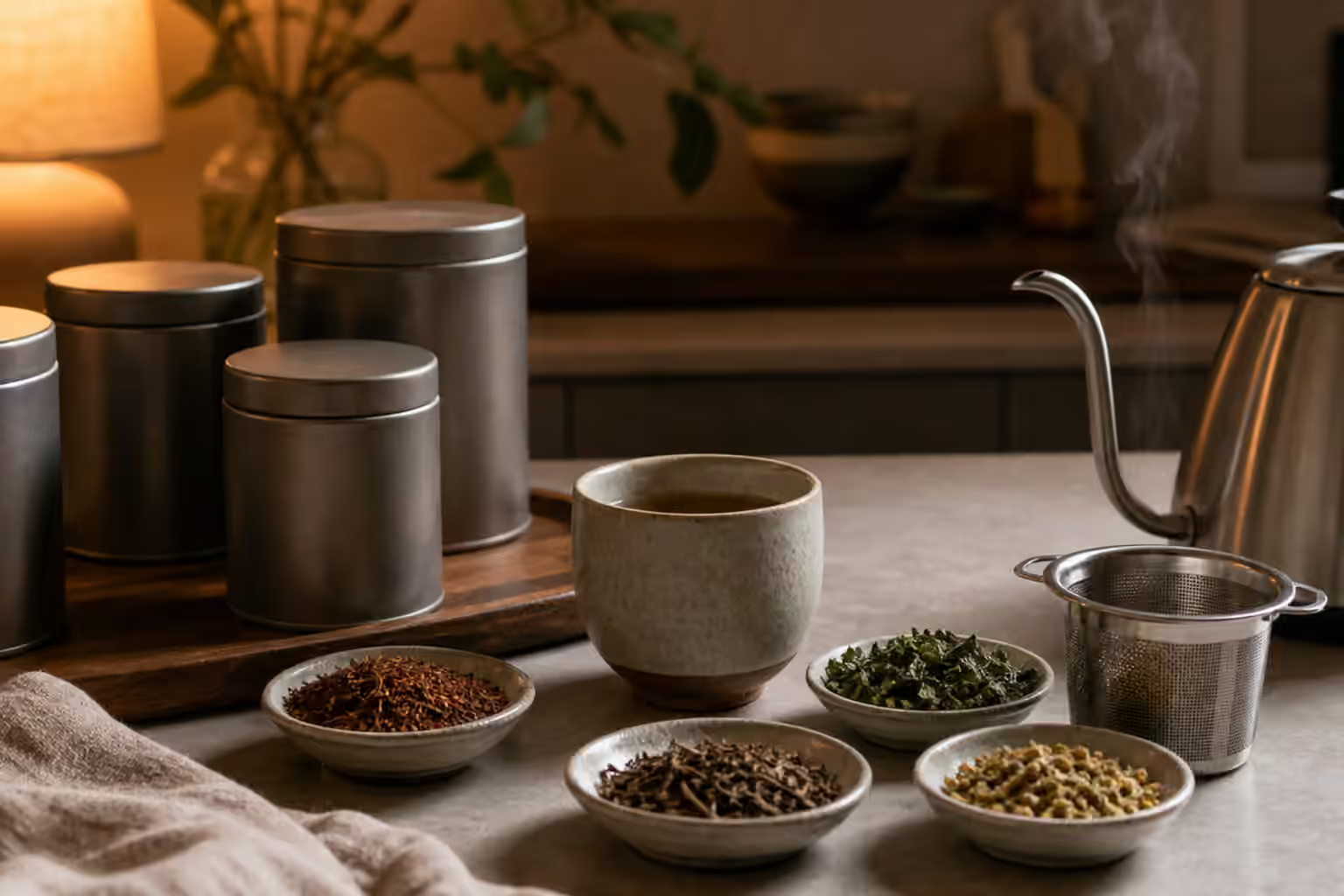
Blends are where labels earn extra scrutiny. A tea sold as an herbal or “wellness” blend may still contain green or black tea, and a decaffeinated tea is reduced, not necessarily caffeine-free. If avoiding caffeine matters to you, the ingredient list is more trustworthy than the marketing name on the front. Truly caffeine-free options come from plants other than the tea bush entirely, which is the territory of Common Herbal Infusions and Decaf and Low-Caffeine Tea Routines .
Timing and the cup you drink by the clock
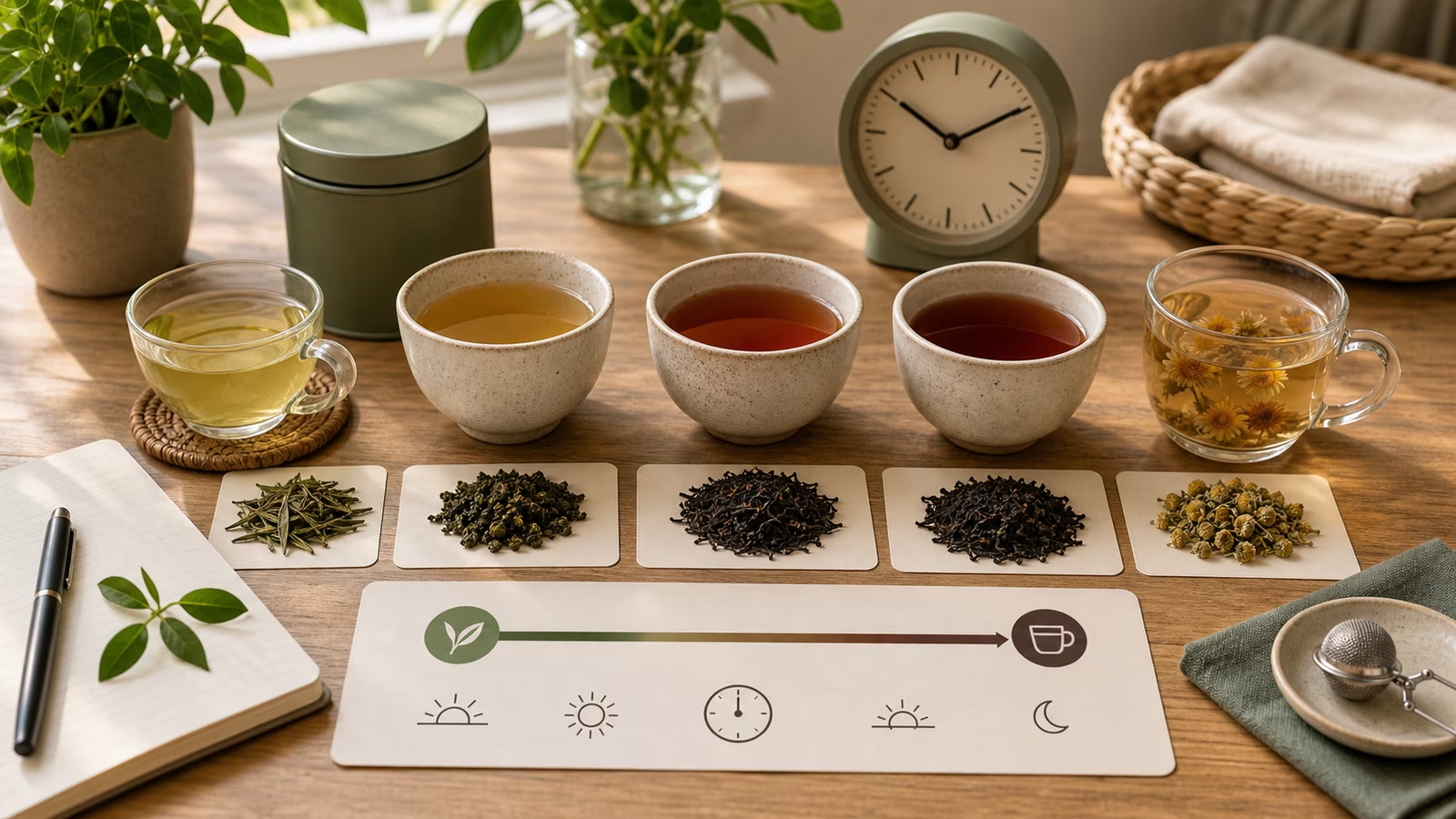
Caffeine does not leave the body the instant the cup is empty; it lingers for hours, and how long depends heavily on the individual. That is why the same afternoon cup can be unremarkable for one person and a reason for a wakeful night for another. Rather than chasing a universal cutoff time, it is more useful to learn your own by paying attention. If a mid-afternoon black tea reliably keeps you up, shifting to a lighter green earlier in the day, or to a caffeine-free infusion after a certain hour, is a practical adjustment you can make from your own observations. Building a rhythm, brisk in the morning, gentler in the afternoon, caffeine-free in the evening, lets you keep the ritual of a warm cup all day without the alertness stacking up.
Sensitivity is personal, and honest observation is the tool
The largest variable of all is you. People differ enormously in how strongly caffeine affects them and how quickly they process it, so no chart of milligrams can tell you how a given cup will feel. What works is treating your own response as the measurement that matters: notice which teas, at which times, in which amounts, leave you comfortable or jittery, and adjust the leaf, temperature, steep, and hour accordingly. A light note by the kettle, “afternoon black, too strong, restless later,” is worth more to you than any published average, because it describes your body rather than a hypothetical one.
All of this is flavor-and-comfort knowledge, not health guidance, and the boundary in the box above is the one that counts. Tea can be tuned toward more or less caffeine through the levers described here, but questions about caffeine sensitivity, pregnancy, medications, or any medical condition belong with a qualified clinician who knows your situation. Within that boundary, the practical takeaway is simple: the leaf’s color tells you little, the amount and the steep tell you more, and your own attention tells you most. To see how caffeine varies across the families, Tea Types Explained and Black Tea put the leaf differences in context.