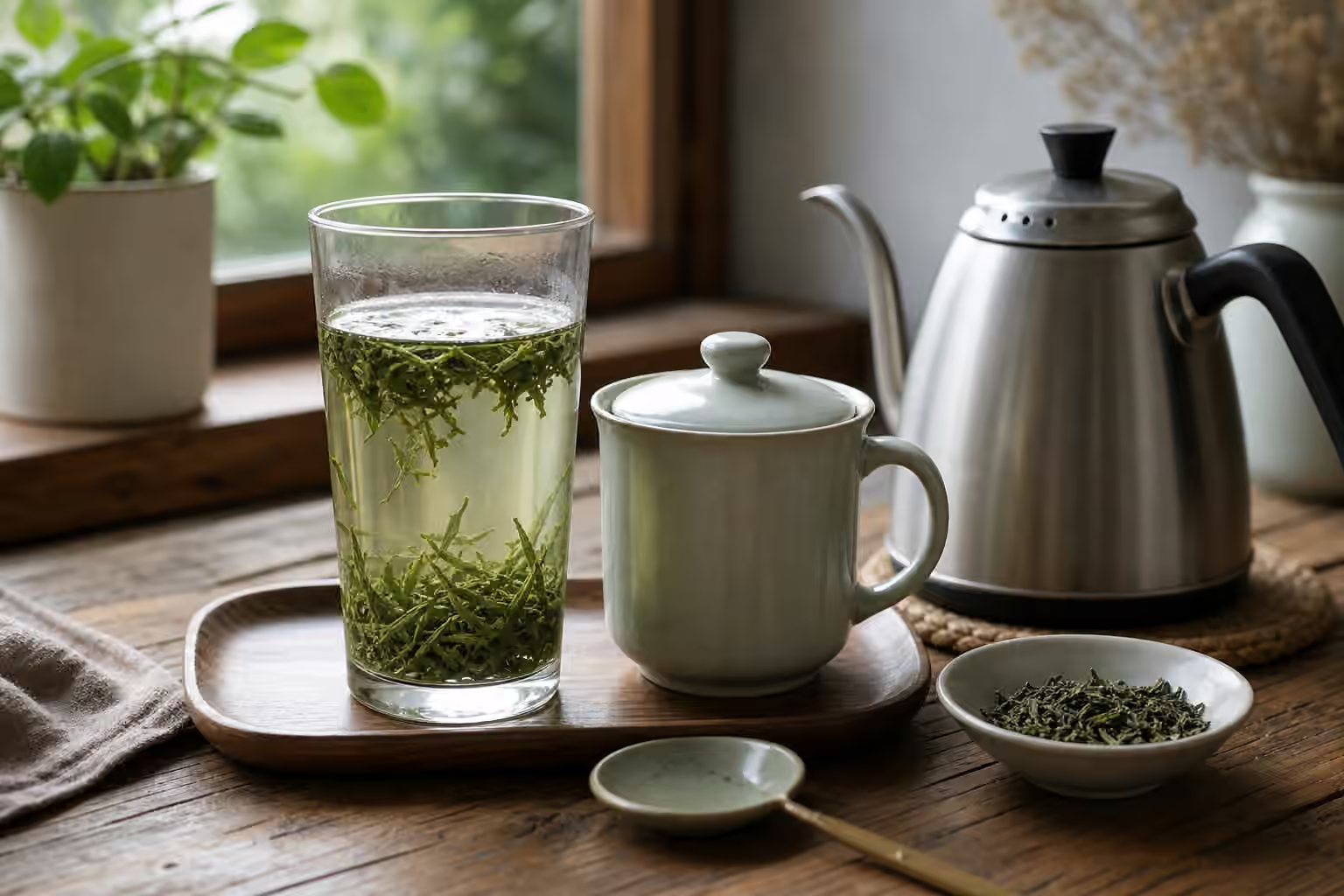
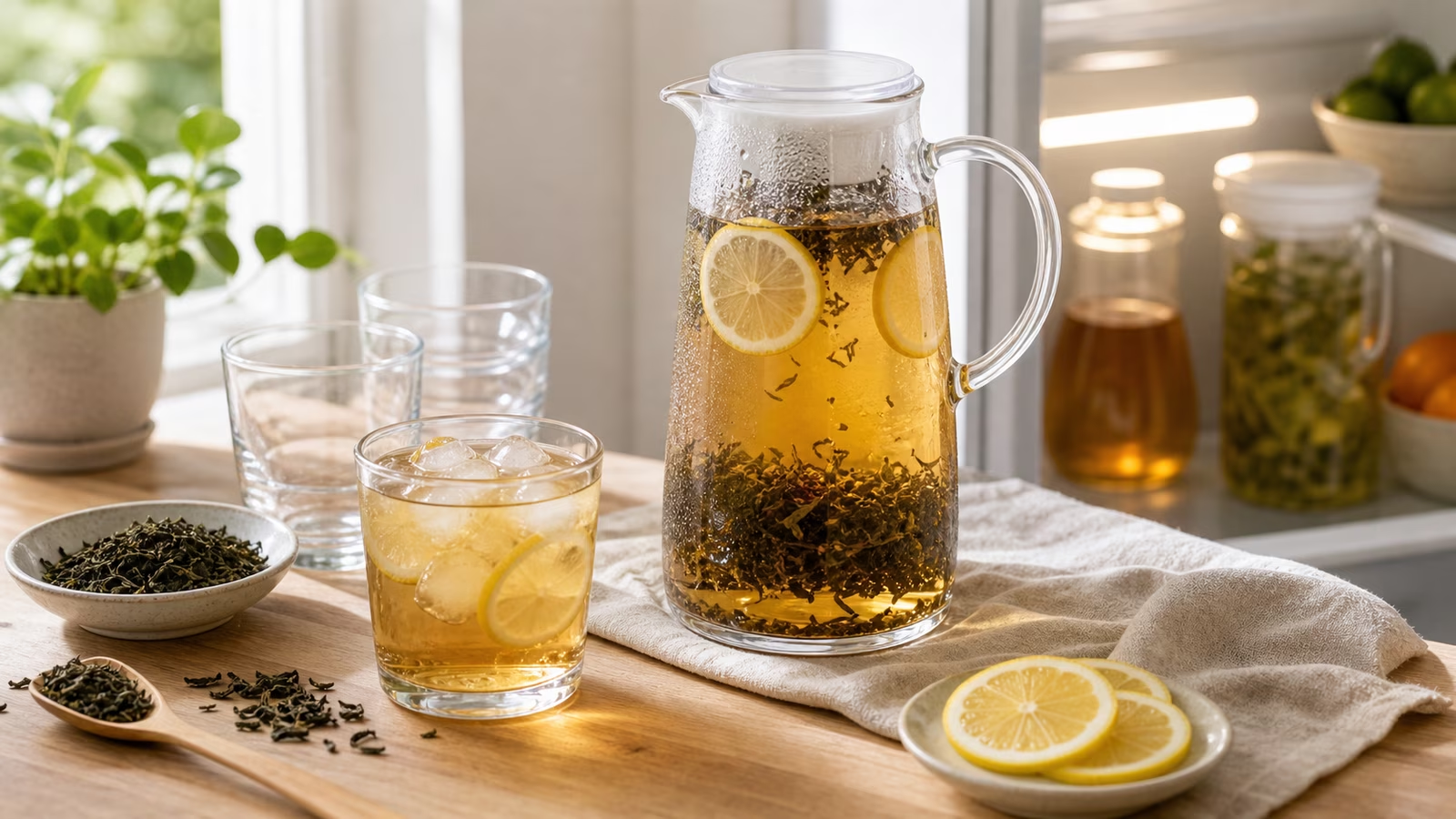
Cold brew is the most forgiving way to make tea, and understanding why makes the whole method click. When you steep leaves in cold or room-temperature water, extraction slows to a crawl. Heat is what pushes the astringent tannins and the sharp, bitter catechins out of a leaf quickly; take the heat away and those compounds leach out far more reluctantly, while the sweeter, more soluble amino acids and aromatic sugars still find their way into the water given enough time. The result is a cup that tastes rounder, sweeter, and cleaner than the same leaf brewed hot and then chilled, with almost none of the drying grip that turns a rushed iced tea harsh.
Why time replaces temperature
The trade you are making with cold brew is patience for gentleness. A hot infusion is done in seconds to a few minutes because heat accelerates everything at once. Cold water asks for hours, and it rewards you by pulling flavor selectively rather than all at once. This is why a green tea that scorches into bitterness the moment you overshoot the temperature by ten degrees becomes almost impossible to ruin in the fridge. The leaf simply cannot dump its harshest compounds fast enough for you to notice. If you have ever struggled with a fussy sencha or a delicate white tea, cold brew is the method that finally lets those leaves show their sweetness without a fight.
Because timing does the work, your main lever is how long you let the jar sit. A useful starting point for most teas is a rounded tablespoon of loose leaf per liter of cold water, left in the refrigerator for six to eight hours or overnight. Greens and whites often taste lovely by the four-hour mark; blacks and oolongs usually want the longer end. There is a generous window here rather than a knife-edge, which is exactly what makes the method so approachable. If you forget the jar and it steeps for twelve or fourteen hours, the worst that usually happens is a slightly stronger, still-drinkable brew rather than the wall of bitterness a forgotten hot steep would give you.
Choosing leaves that shine cold
Not every tea behaves the same in cold water, and choosing well is half the pleasure. Aromatic, naturally sweet leaves tend to blossom: jasmine greens turn into something like floral spring water, high-mountain oolongs get creamy and buttery, and a good Darjeeling keeps its muscatel lift while shedding its edge. Fruity and floral blacks are reliably excellent. Fruit-forward herbal blends and hibiscus infusions make gorgeous, jewel-colored cold brews that need no sweetener at all. Heavily roasted teas and smoky teas are less obvious candidates because cold water mutes their toasted top notes, though some people enjoy the quieter version.
If you brew a lot of iced tea in summer, it is worth reading the companion guide on iced tea without bitterness , which covers the hot-brew-then-chill approach and the flash-chilling trick for when you want a glass in minutes rather than hours. Cold brew and flash chilling solve the same problem from opposite directions, and knowing both means you always have a route to a good cold cup.
A method you can actually keep
The practical rhythm of cold brew is what makes it stick as a habit. Fill a clean jar or pitcher with cold filtered water, add your leaves loose so they can tumble and open fully, cap it, and put it in the fridge before bed or before you leave for the day. When you come back, strain the leaves out through a fine mesh so the tea does not keep extracting and slide toward bitterness. Strained cold brew keeps its freshness for a couple of days in the refrigerator; after that the aromatics fade and it starts tasting flat, so brew in amounts you will actually drink. You can leave the leaves in a nylon or fine-mesh bag if fishing them out annoys you, but loose leaves with a good strainer almost always give a fuller cup because nothing is crowded.
Water quality matters more than people expect here, precisely because nothing else is masking it. With no heat and no rush, off-flavors from heavily chlorinated tap water come through plainly. Filtered or spring water gives a noticeably cleaner result, and it is the single easiest upgrade if a batch tastes dull despite good leaf. The tea water guide goes deeper on why the same leaves can taste so different from one kitchen to the next.
Reading and adjusting your batch
Taste your first few batches with a little attention and you will quickly learn what your kitchen and your leaves want. If a cold brew comes out thin or watery, you most likely need more leaf or more time rather than warmer water; nudge the leaf quantity up before anything else. If it tastes faintly bitter or overly tannic, you have probably steeped a robust black or a broken-leaf tea too long, so pull the leaves earlier next time. If the aroma seems muted, check the freshness of the leaf and the water before blaming the method, since stale leaf gives a stale cold brew just as it gives a stale hot one. Keeping one honest sentence about each batch, something as plain as sweeter than expected or needed another hour, teaches you faster than any fixed recipe.
Store your dry leaves the way you would for any brewing, away from light, heat, air, and strong odors, because cold brew cannot rescue tired leaf. The tea storage guide covers this in detail, and if you want to understand how the different families behave before you pick a candidate to steep cold, the overview of tea types explained is a good companion. When caffeine sensitivity, pregnancy, medication interactions, or a medical condition is part of your decision, keep the boundary simple and ask a qualified clinician for personal medical advice; this guide is about flavor and method, not health.
Cold brew rewards a light touch and a bit of patience more than any technique in tea. Fill a jar tonight, strain it tomorrow, taste it plainly, and let that one honest note guide the next batch. Within a week you will have a house style you can make in your sleep.