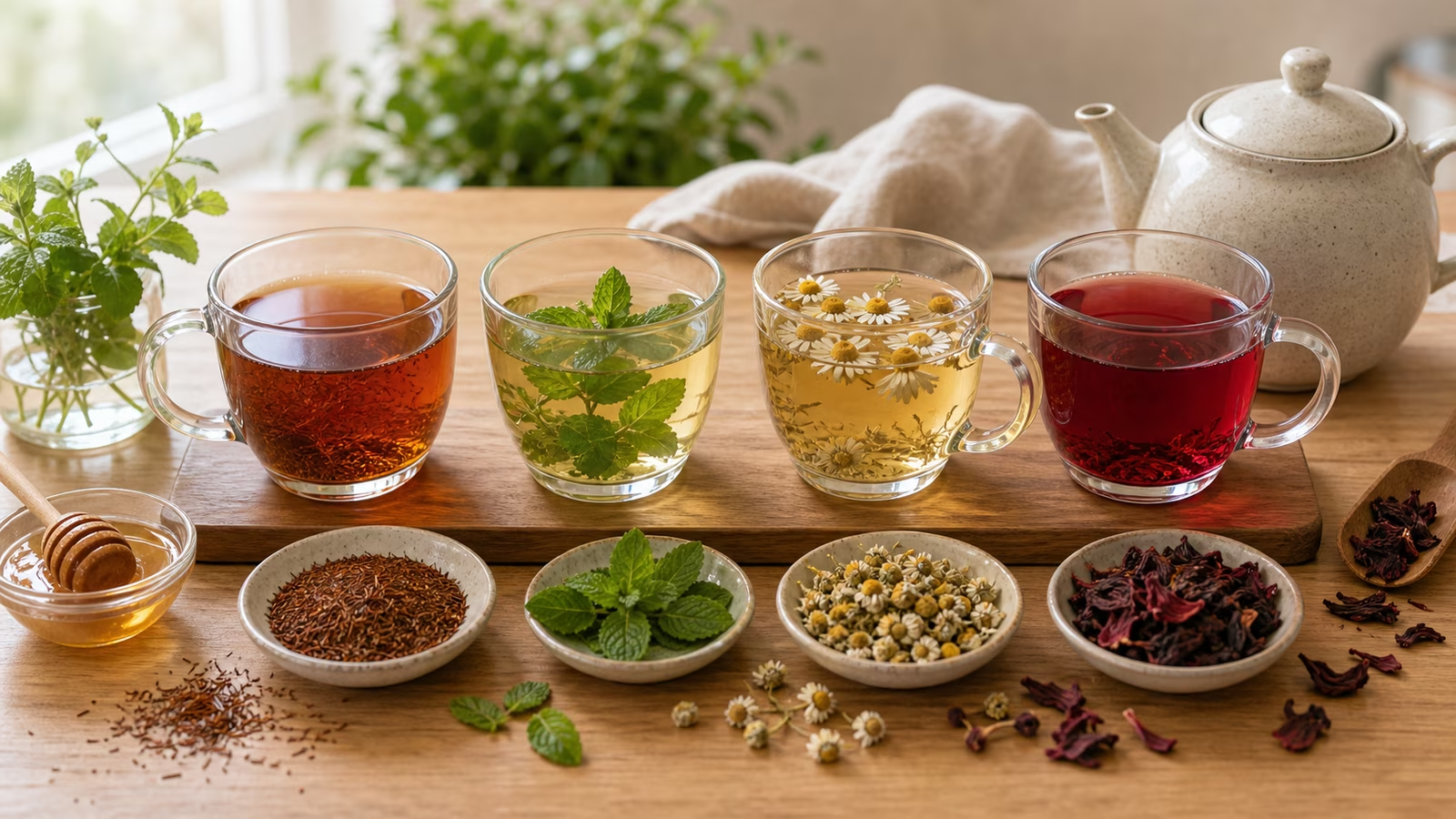
Four infusions do most of the heavy lifting in a caffeine-free cupboard: rooibos, mint, chamomile, and hibiscus. None of them come from the tea plant, so none of the usual worries about scorching delicate leaves apply. What they ask instead is that you understand each one’s personality, because they could hardly be more different from one another. Learn how these four behave and you have a template for almost any herb, flower, or root you will ever steep.
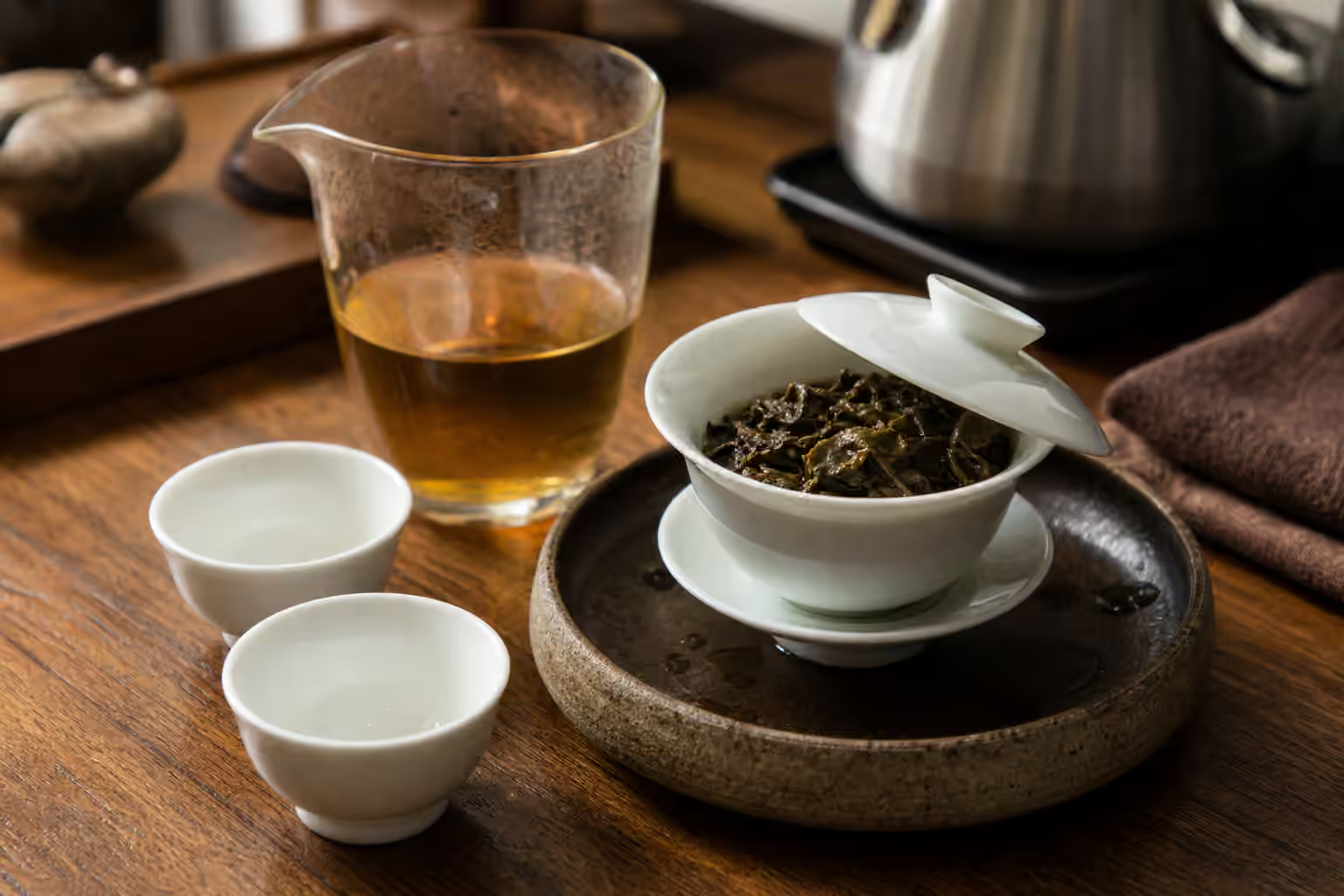
Rooibos: the sturdy red bush
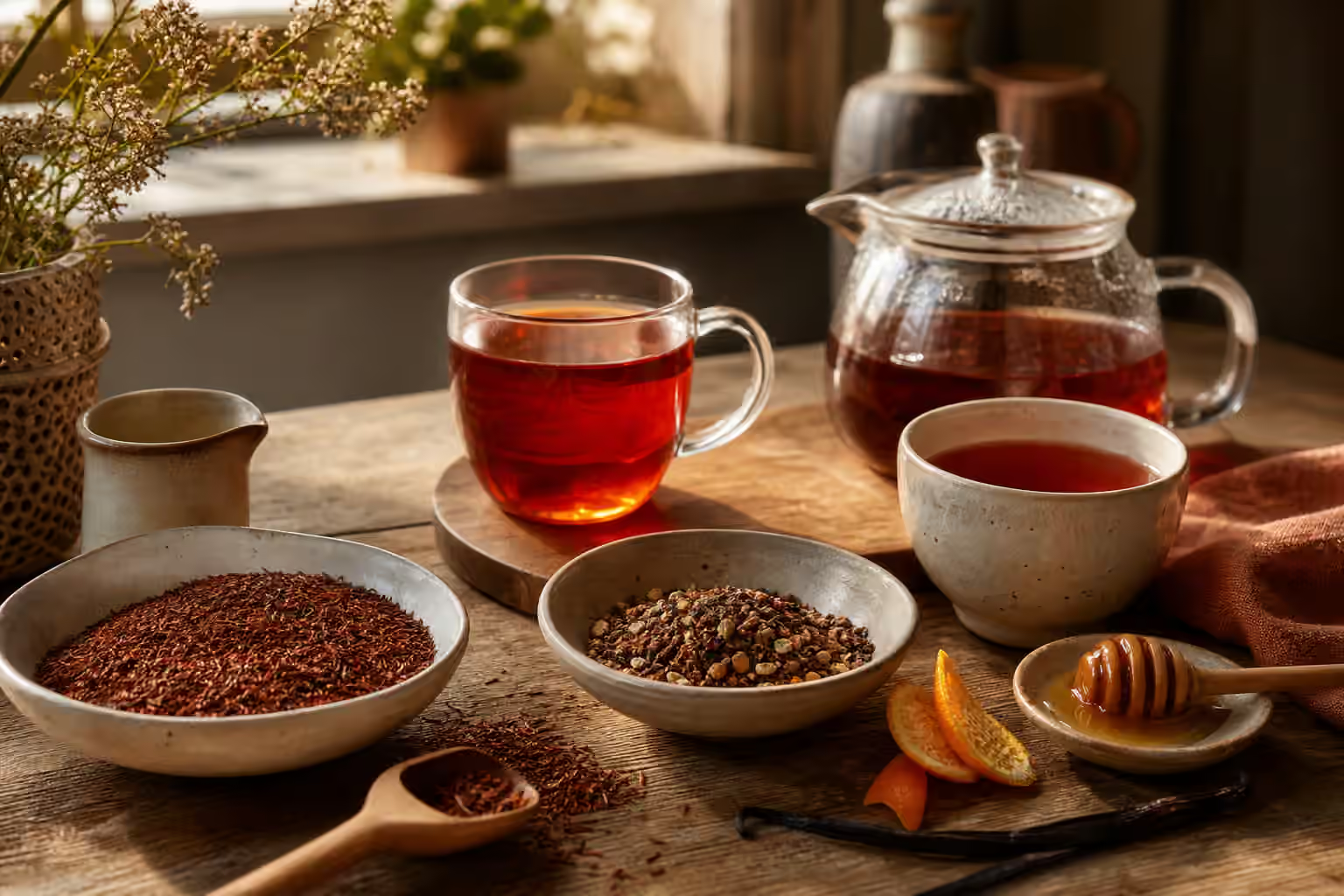
Rooibos, the fine red needles from a South African shrub, is the workhorse of the group. It is naturally sweet, faintly woody, with a soft note that reminds many people of honey or vanilla even before anything is added. Its great virtue is that it cannot turn bitter no matter how you treat it. You can pour full boiling water straight over it, walk away, and come back to a cup that is deeper and rounder rather than harsh. That resilience makes rooibos the natural base for spiced blends and for anyone who wants an evening cup with the color and body of a black tea and none of the caffeine. It takes milk gracefully, holds up in a travel mug for hours, and forgives a heavy hand with the scoop. If you enjoy its cousin honeybush or want to build your own rooibos-based blends, the guide on home tea blending picks up where this one leaves off.
Mint: bright, volatile, best served fresh in feeling
Mint sits at the opposite end from rooibos. Its whole appeal lives in volatile oils that flash off quickly, which changes how you should brew it. A short steep, three or four minutes, captures the cooling brightness at its peak. Push it much longer and you start pulling a green, slightly bitter edge from the leaf itself while the lovely top notes escape as steam. Peppermint is the cooler, sharper of the two common types; spearmint is gentler and sweeter, easier on people who find peppermint aggressive. Cover the cup or pot while it steeps so the aromatic vapor condenses back into the water instead of drifting off across the kitchen. Mint is also one of the finest candidates for cold brew tea , where the slow, cool extraction keeps it crisp and clean.
Chamomile: gentle apples that reward restraint
Chamomile, those small dried daisy-like flowers, gives a mild, applelike, faintly honeyed cup that is easy to underbrew and easy to overbrew. Use too few flowers or too short a steep and you get pale, watery, disappointing tea; steep the flowers too hard and a slight straw-like or hay note creeps in. The sweet spot is a generous pinch, roughly a heaping teaspoon per cup, steeped covered for around five minutes in water just off the boil. Because chamomile is so soft-spoken, it pairs beautifully with a little honey or a strip of lemon peel, and it is a common partner for mint or lavender in evening blends. Handle the flowers gently in storage, since they crush easily into dust that oversteeps too fast.
Hibiscus: tart, loud, and gloriously colored
Hibiscus is the extrovert of the four. The dried calyces produce a startling ruby-magenta liquor and a bracing cranberry-like tartness that can be almost too much on its own. That intensity is exactly why it anchors so many fruit blends: a small amount adds color and a mouthwatering sour lift to gentler ingredients. Brewed hot it is punchy and astringent; brewed cold or over ice it softens into something closer to a fruit cordial. Hibiscus is very forgiving of time but very sensitive to quantity, so measure it with a lighter hand than you would rooibos. It makes a spectacular iced drink with a little sweetener, and the iced tea without bitterness guide covers how to keep that tartness balanced rather than aggressive.
Brewing, pairing, and keeping them fresh
The single most useful habit across all four is to steep each one covered and to taste before you assume it needs sweetening. Rooibos and hibiscus want boiling water and tolerate long steeps; mint and chamomile prefer a shorter steep so their delicate aromatics survive. For pairing, rooibos loves warm spices and baked goods, mint cuts through rich or minty desserts, chamomile flatters honey and soft fruit, and hibiscus stands up to sharp cheeses and bold sweets. The broader logic of matching infusion to food lives in the tea pairing guide .
Store all four away from light, heat, moisture, and strong odors, exactly as you would fine tea, because herbs and flowers lose their aromatic punch quickly once opened. Hibiscus fades in color and brightness, mint goes dull and grassy, chamomile loses its honeyed lift, and even sturdy rooibos flattens over time. Buy in amounts you will finish within a season, keep them in airtight containers, and label them, since dried herbs can look surprisingly alike in a jar. If you want to go wider into the whole caffeine-free world beyond these four staples, the companion overview of herbal infusions and tisanes maps out the territory.
It also helps to taste each of the four on its own before you ever combine them, because a blend only makes sense once you know what each ingredient contributes. Brew a plain cup of rooibos, then plain mint, then chamomile, then hibiscus over a few days, and jot down a single honest impression of each: sweet and woody, bright and cooling, soft and honeyed, tart and loud. Those four impressions become your palette. When you later meet a spiced rooibos chai or a fruit blend built on hibiscus, you will recognize the bones of it immediately and know exactly how to adjust the steep.
These four are the anchors of a caffeine-free shelf precisely because they teach opposite lessons: rooibos forgives everything, hibiscus demands a careful hand, mint rewards speed, and chamomile rewards patience. Brew each one on its own terms, keep a light note on what your kitchen preferred, and you will find the rest of the herbal world falls into place around them.