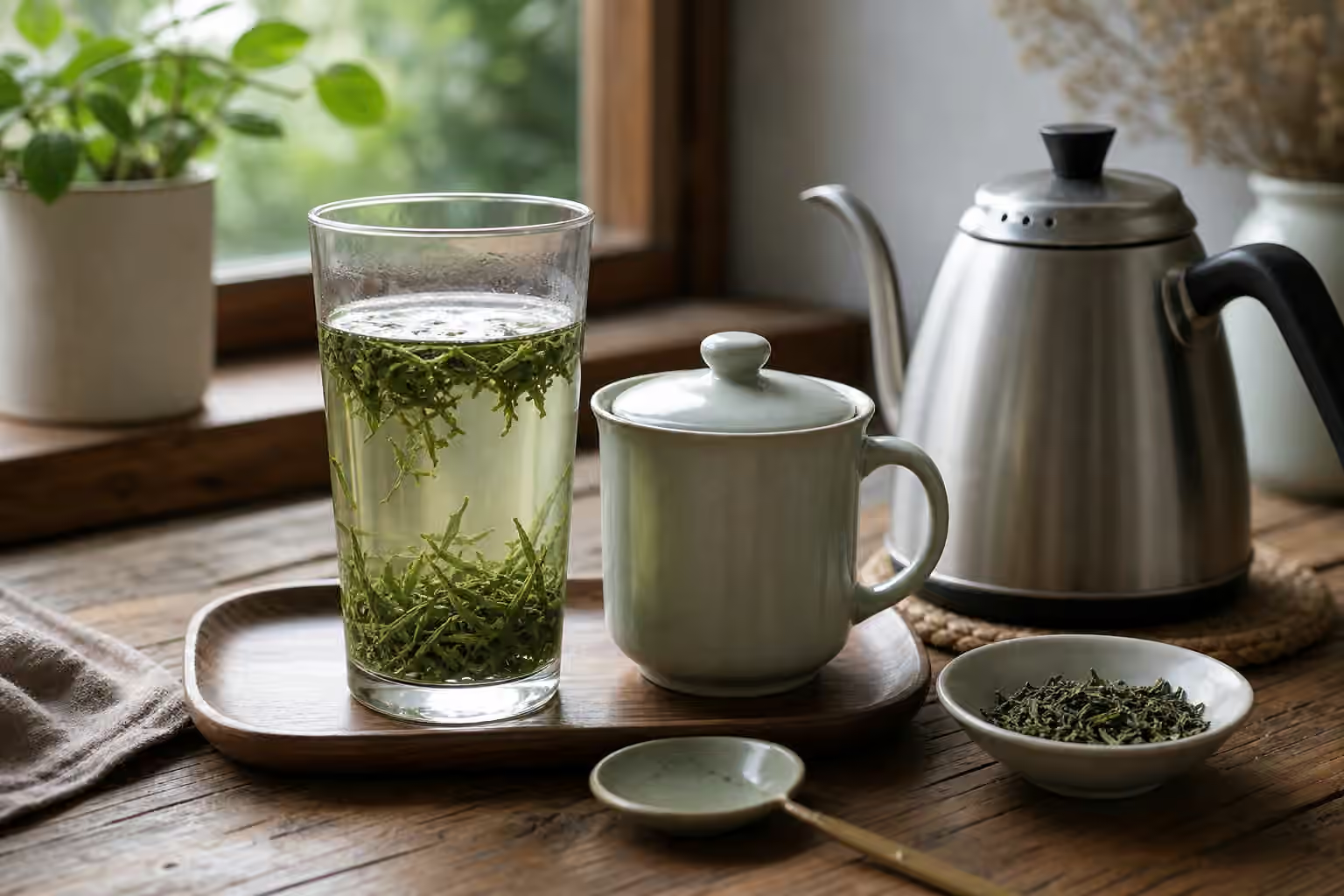
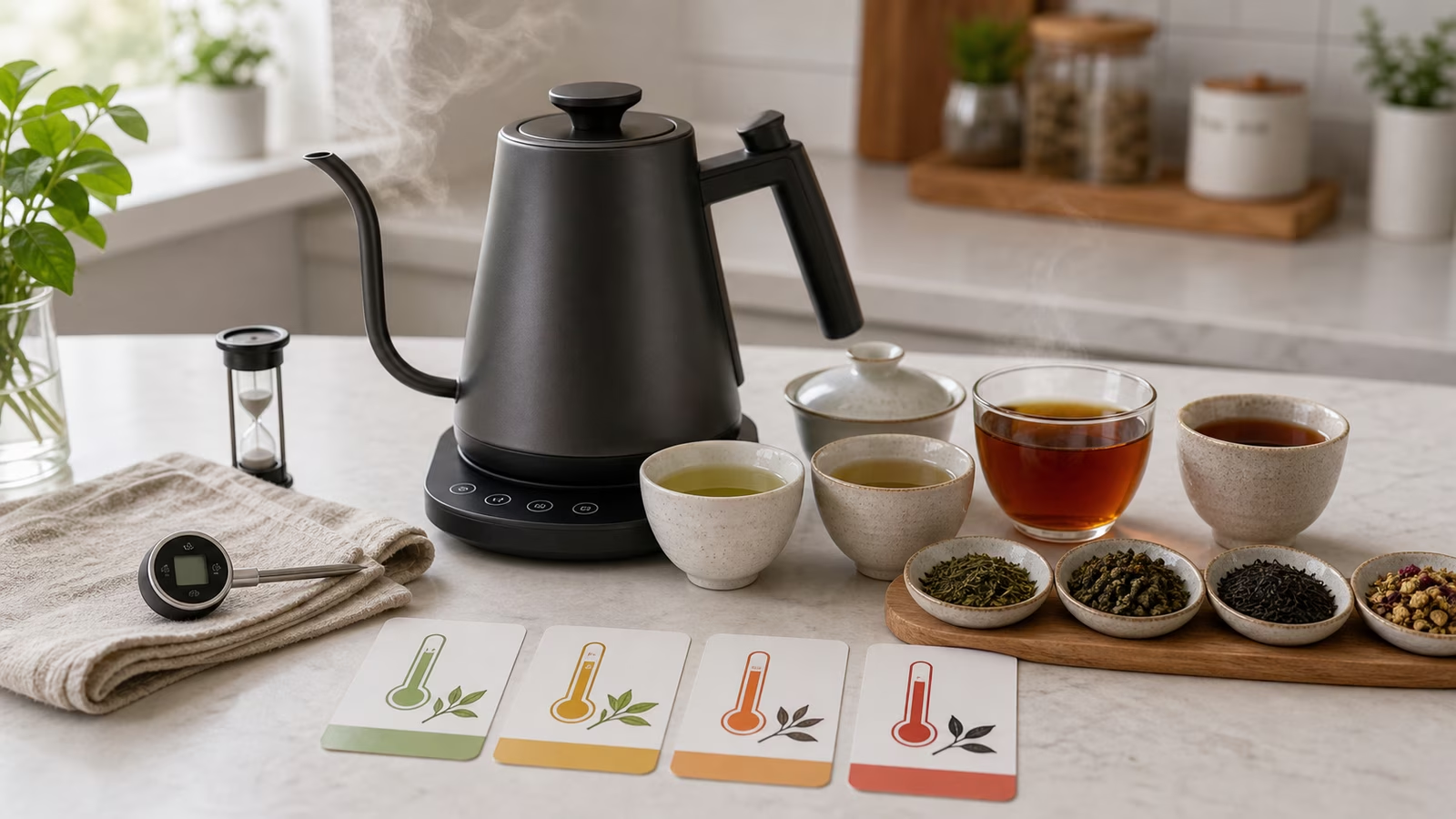
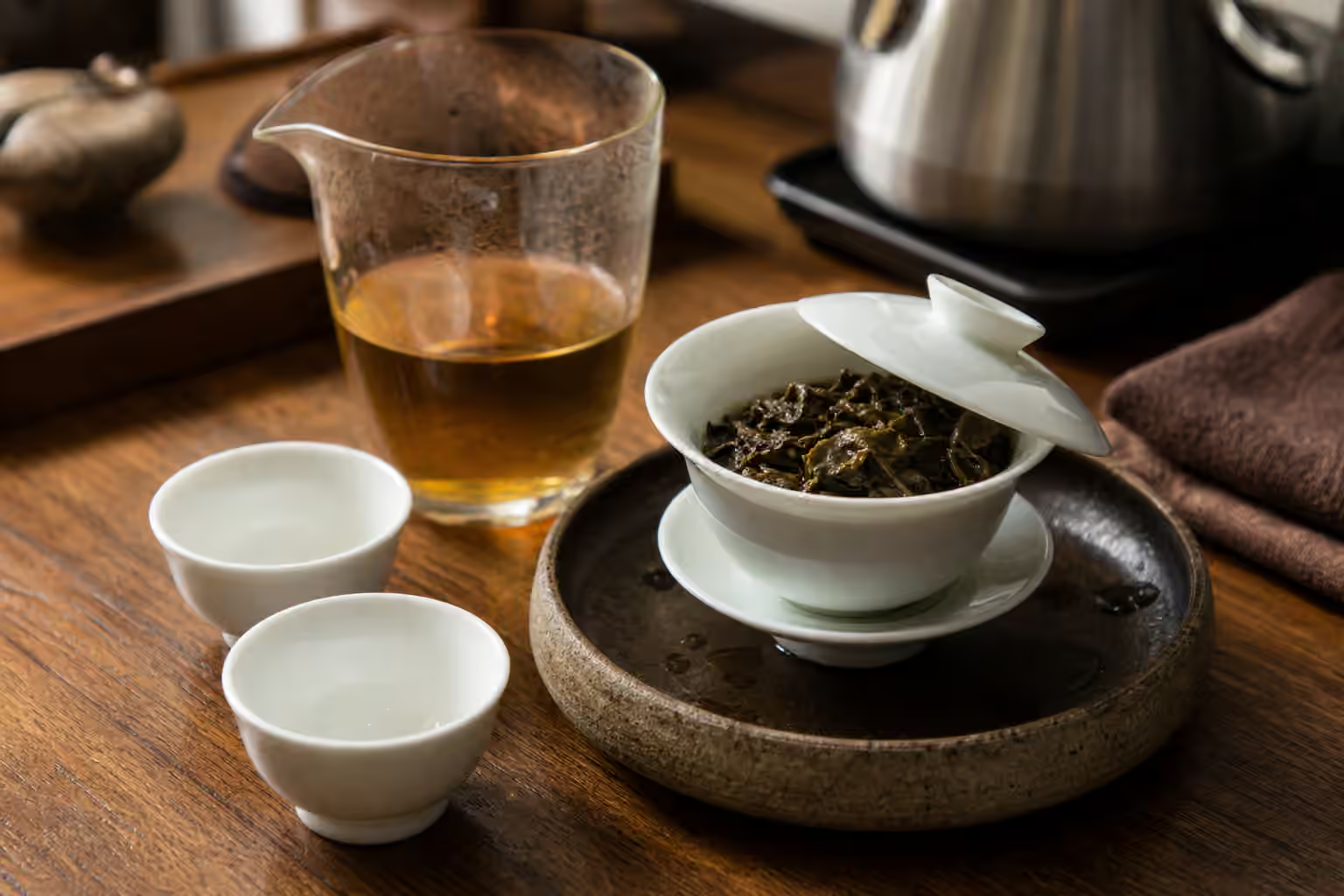
The kettle is the piece of gear that quietly decides how much of your tea shelf you can actually enjoy. A simple boil-only kettle is fine if you drink mostly black tea and robust herbals, which want water at or near a full boil. The moment you start reaching for green tea, white tea, or a delicate oolong, though, temperature stops being an afterthought. Those leaves scorch and turn bitter in water that is too hot, and the difference between a sweet cup and a harsh one can be a matter of ten or fifteen degrees. A kettle that lets you hit and hold a chosen temperature turns that guesswork into something you can repeat every single day.
Why temperature control earns its place
Variable-temperature kettles come in two broad styles. Some have fixed preset buttons keyed to common tea types; others let you dial in any target degree by degree. Presets are friendlier for beginners because they remove the arithmetic, while a fully adjustable dial gives you room to fine-tune once you know that your favorite sencha actually prefers a touch cooler than the green-tea preset suggests. Either way, the real gift is the hold function: a good temperature-control kettle keeps the water at your chosen setting for many minutes, so you are not racing a cooling pot or reboiling between infusions. When you are brewing several short steeps from the same leaves, that steady reservoir of correctly heated water is the difference between a relaxed session and a scramble. The reasoning behind which tea wants which temperature is laid out in the brewing temperature and time guide , and a temperature kettle is simply the tool that makes those numbers effortless to hit.
If you do not own a variable kettle yet, you are not stuck. You can boil water and let it rest, roughly a minute of cooling drops a rolling boil enough for most oolongs, and two to three minutes brings it down toward the green-tea range. But cooling by waiting is imprecise and hard to repeat, and it means a cold kitchen and a hot kitchen give you different results. The value of the kettle is consistency you do not have to think about.
Pour style, capacity, and the gooseneck question
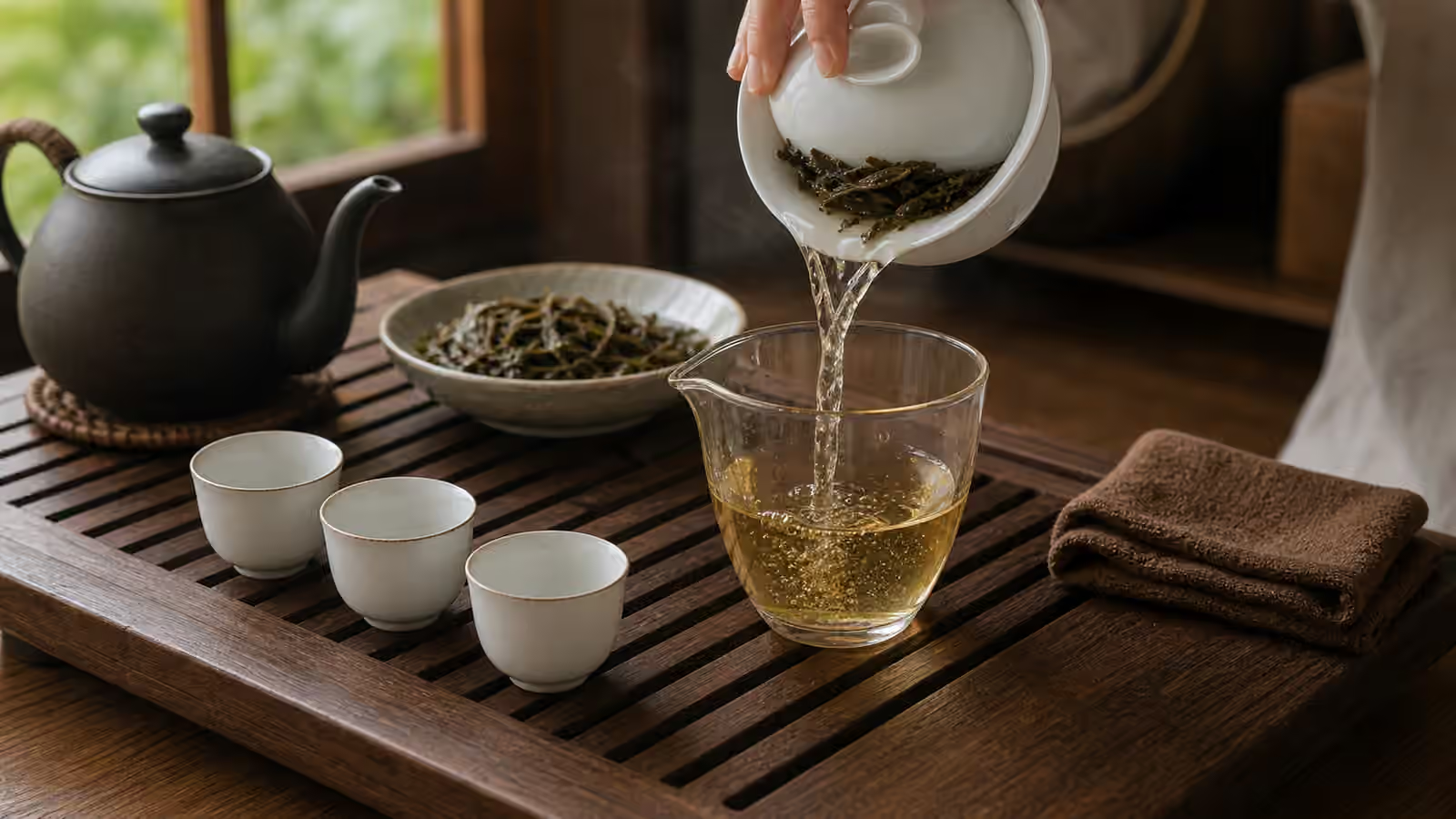
Beyond temperature, the shape of the spout changes how the water behaves. A gooseneck kettle, with its long curved neck, delivers a slow, precise, controllable stream. That precision matters most for gongfu brewing over a small gaiwan or for wetting leaves gently, and it happens to be the same feature pour-over coffee drinkers prize. A wide, standard spout pours faster and is perfectly fine for filling a Western teapot or a big mug, but it makes targeted, gentle pouring harder. Think honestly about which kind of brewing you actually do before paying for a gooseneck you will not use.
Capacity is the next real decision. A small kettle heats quickly and suits solo brewing and gongfu sessions where you only need a few ounces at a time. A larger kettle serves a household or a batch of iced tea but takes longer to come up to temperature and holds a big volume of water that you may reboil repeatedly, which some drinkers feel flattens the taste. Reboiling the same water many times drives off dissolved gases and can make a cup taste slightly dull; starting most sessions with fresh water is a small habit worth keeping regardless of kettle size. The batch brewing and tea service guide is worth a look if you regularly brew for a group.
Materials, counter space, and cleaning
Kettle materials shape both taste and upkeep. A fully stainless or glass interior tends to stay flavor-neutral, which is what you want, since the point of a good kettle is to add nothing to the water. Glass lets you watch the boil and looks handsome on a counter but shows mineral scale readily. Stainless hides scale better but you cannot see the water. Whatever the material, hard water will leave a chalky limescale film inside over time, and that scale can eventually affect heating and taste. A periodic descale with a mild acid solution keeps things clean; the broader routine for looking after all your equipment lives in the cleaning and caring for teaware guide .
Do not overlook the boring practical details, because they determine whether the kettle gets used. Counter footprint and the size of the base station matter in a small kitchen. A comfortable, well-balanced handle makes pouring near-boiling water feel safe rather than nerve-wracking. A wide opening makes filling and cleaning easy. An automatic shutoff and boil-dry protection are worth having for peace of mind. None of these features change the flavor of your tea, but a kettle that is awkward to fill, heavy to lift, or too big for the counter is a kettle that ends up unused while you fall back to whatever is easiest.
Water quality interacts with all of this, since even the best kettle only heats the water you put in it. If your tap water tastes of chlorine or minerals, that character carries straight into the cup no matter how precisely you control the temperature, so the tea water guide is a natural next read.
One more habit is worth building regardless of which kettle you own: only heat as much water as you need, and start most sessions fresh. Repeatedly topping up and reboiling the same standing water over the course of a day drives off dissolved gases and can leave a cup tasting slightly flat, and a large kettle kept simmering all morning is the most common culprit. A smaller pour of freshly drawn water heated to the right temperature almost always makes a livelier cup than a big reservoir that has been boiled three times. If you brew several different teas in a sitting, empty and refill between the ones that want very different temperatures rather than trying to cool a full kettle down and back up.
The kettle you want is the one that removes friction from the brewing you actually do. If you live on green and white teas, prioritize temperature control and hold. If you brew gongfu, prioritize a gooseneck and a modest capacity. If you serve a household, prioritize size and a comfortable pour. Match the tool to the habit rather than the spec sheet, and the right kettle will quietly make every cup easier to repeat.