Gongfu tea sounds intimidating and is actually the opposite. The name points to skill and care rather than ceremony, and the whole approach comes down to one simple inversion of Western habits: instead of a little leaf steeped a long time in a big vessel, you use a lot of leaf steeped for very short bursts in a small one, drawing many separate infusions from the same leaves. The reward is that you get to taste a tea unfold. The first steep, the third, and the sixth are noticeably different cups, and following that arc is the entire pleasure of the method. You do not need a special room or an audience, just a small vessel, a few cups, and a little attention.
The small setup that gets you started
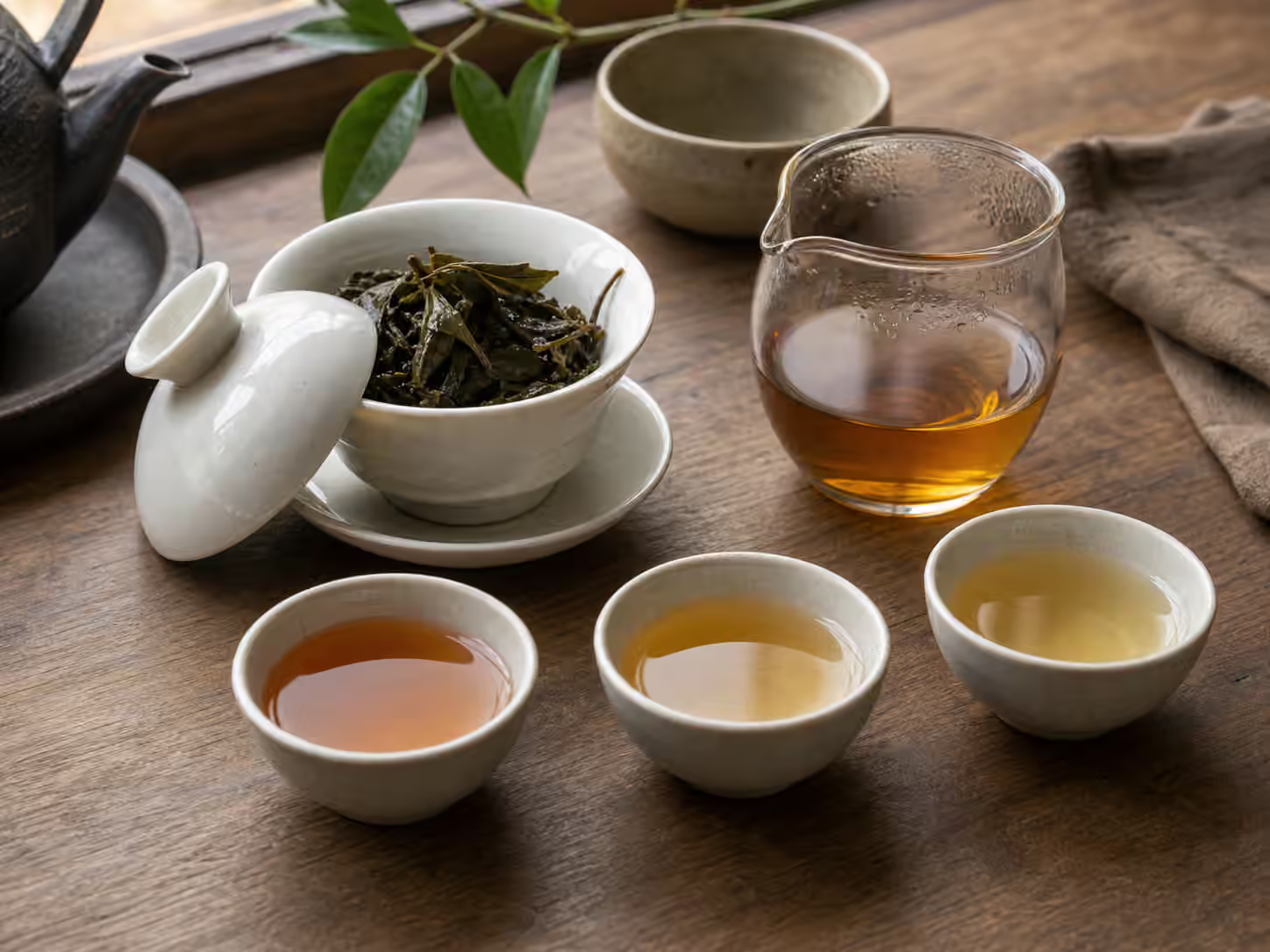
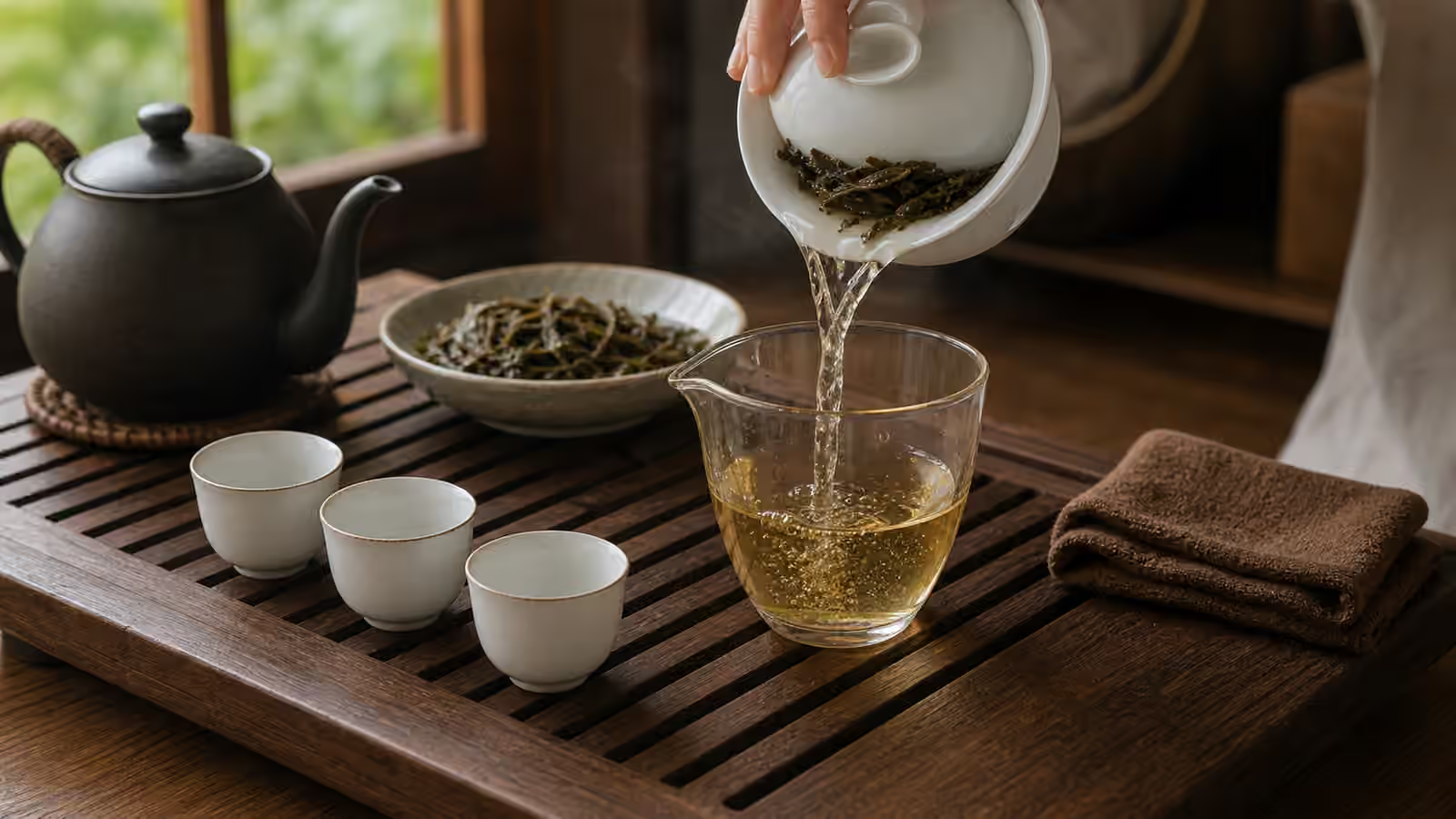
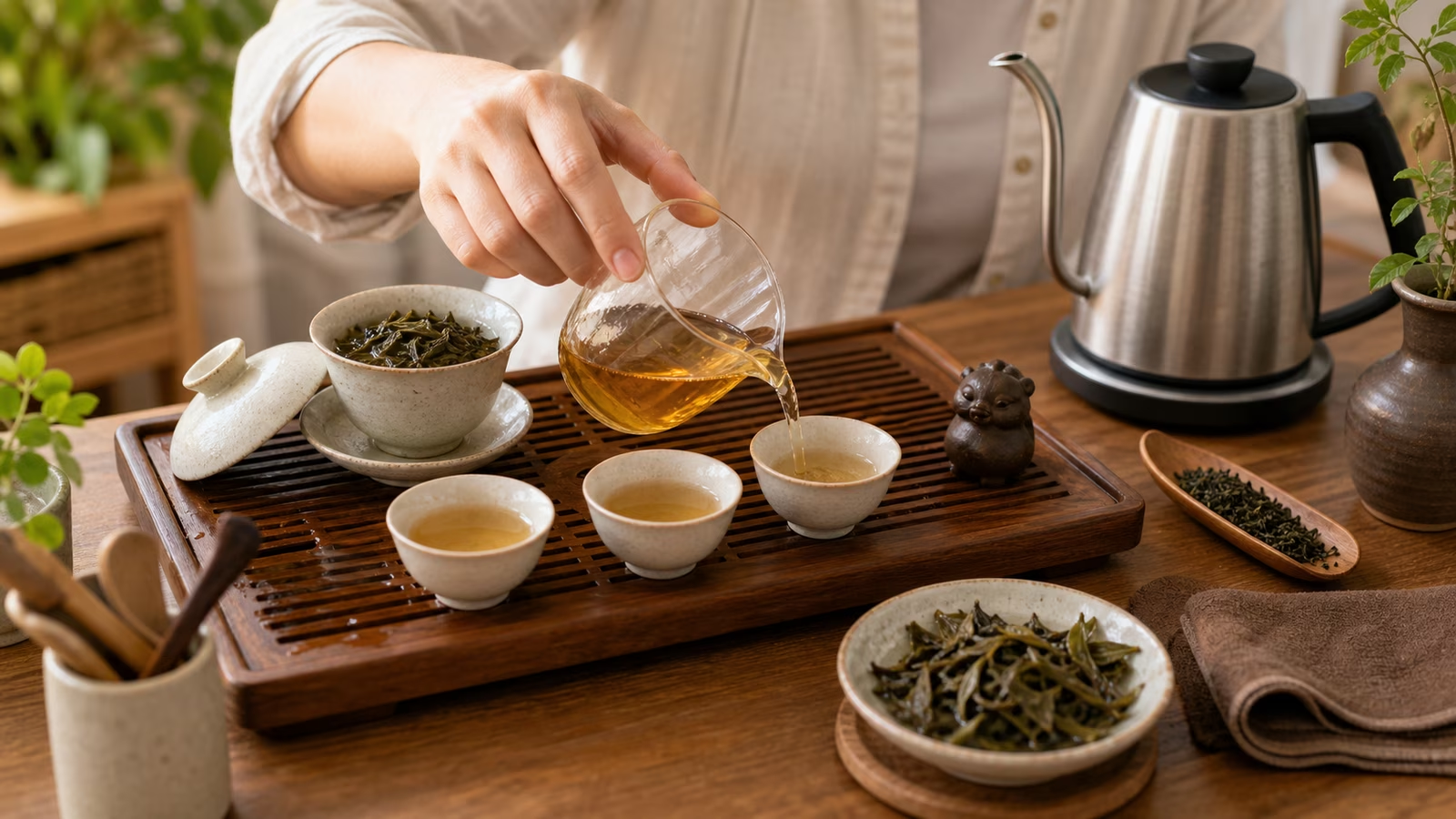
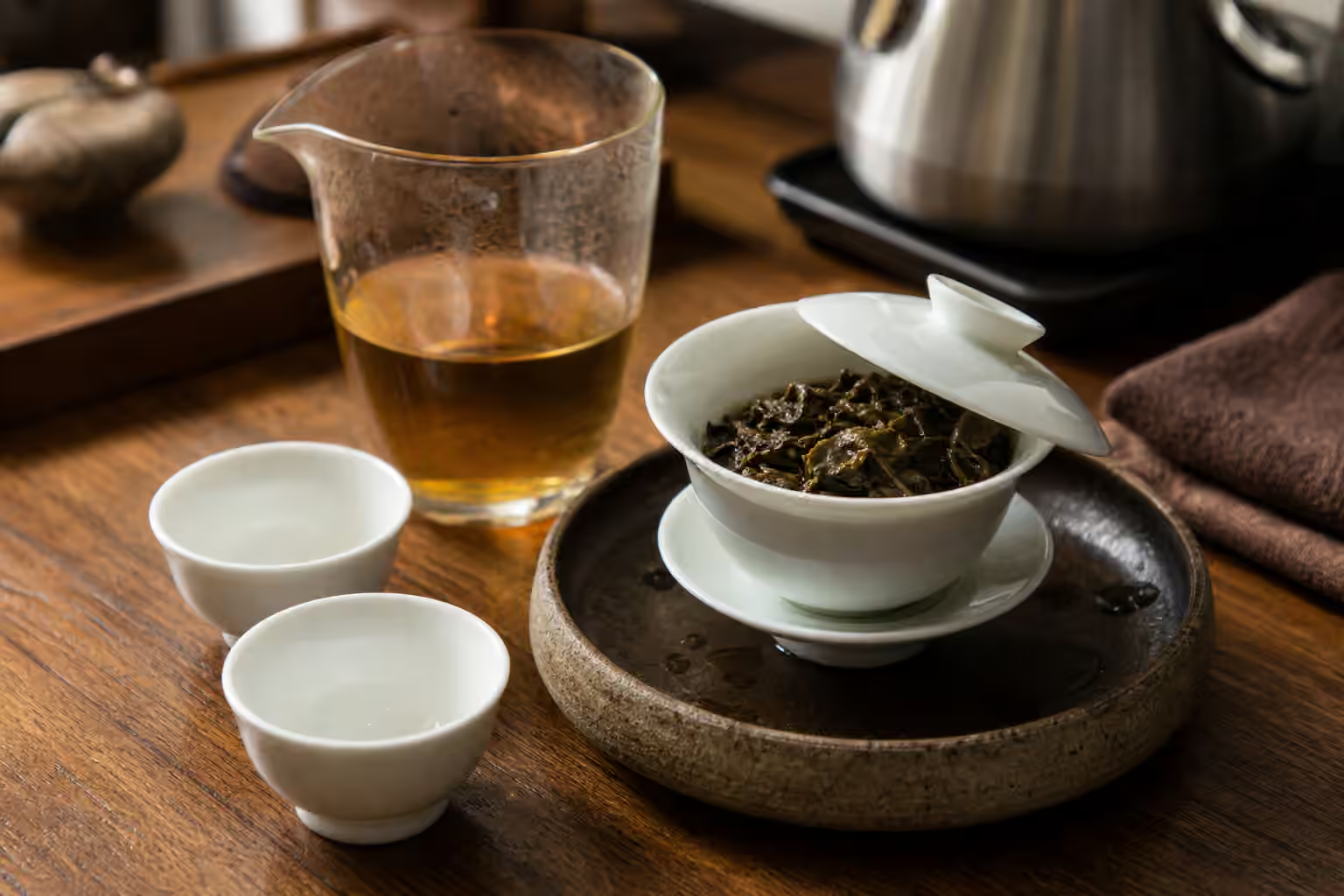
The heart of a gongfu setup is a gaiwan, a lidded bowl of around one hundred to one hundred fifty milliliters that acts as your brewing vessel. It is cheap, endlessly versatile, and the single best tool for learning because it works for every kind of tea. You pour the finished liquor off the leaves through the gap under the lid. Alongside it, a small fairness pitcher catches that liquor so every cup is the same strength, and two or three little cups let you actually taste rather than gulp. That is genuinely all you need to begin; the detailed handling technique for the vessel itself lives in the gaiwan pouring and handling guide , and the wider comparison of vessels is covered in teapots, gaiwans, kyusu, and infusers .
Use more leaf than feels reasonable. A common starting ratio is around five to six grams of leaf for a standard gaiwan, which will look like a lot of dry leaf crowding the bottom of the bowl. That density is the point: it is what lets each infusion be so brief. Rolled oolongs, aged pu-erh, and robust Chinese blacks are the friendliest teas to learn on because they open gradually over many steeps and forgive small mistakes. The Chinese tea path guide is a good map of which leaves reward this style.
Short steeps and the rhythm of many infusions
Here is the rhythm. Warm the empty gaiwan with hot water, then add your leaf. Many people give robust or compressed teas a quick rinse, a few seconds of hot water poured on and immediately poured off, to wake the leaves and rinse away dust; the reasoning is explained in the guide on tea rinses and first infusions . Then pour water at the right temperature over the leaves, put the lid on, and count. Your first real infusion might be only ten to twenty seconds. Pour it all off into the pitcher, share it into the cups, and drink.
Then do it again, and add a handful of seconds to each successive steep because the leaves give up their flavor more slowly as they exhaust. The exact numbers matter far less than the habit of pouring off quickly and adjusting by taste. If a steep comes out too strong or edging toward bitter, shorten the next one. If it comes out thin, lengthen it or nudge the water hotter. Good rolled oolong will happily give you six, eight, or more infusions, each a little different, before it finally fades. This is the opposite instinct from Western brewing, where the goal is one balanced cup; here the goal is a sequence, and the fun is watching where it goes. If the contrast between the two philosophies interests you, the Western brewing vs. gongfu brewing guide lays them side by side.
What to notice, and what to let go
The observation is where beginners grow fastest, and it stays refreshingly informal. Look at the dry leaf, smell the warmed empty gaiwan after you have rinsed it, notice the color deepen from steep to steep, and pay attention to how the aroma and body shift. A young oolong might come on floral and light, then turn creamy and thick around the third infusion, then mellow into something quieter. You do not need tasting vocabulary to enjoy that. Noticing that steep three was the best one, or that the tea got sweeter as it went, is already the whole skill. Because the cups are small and the steeps are fast, mistakes are cheap: a ruined ten-second infusion costs you almost nothing, so you can experiment freely.
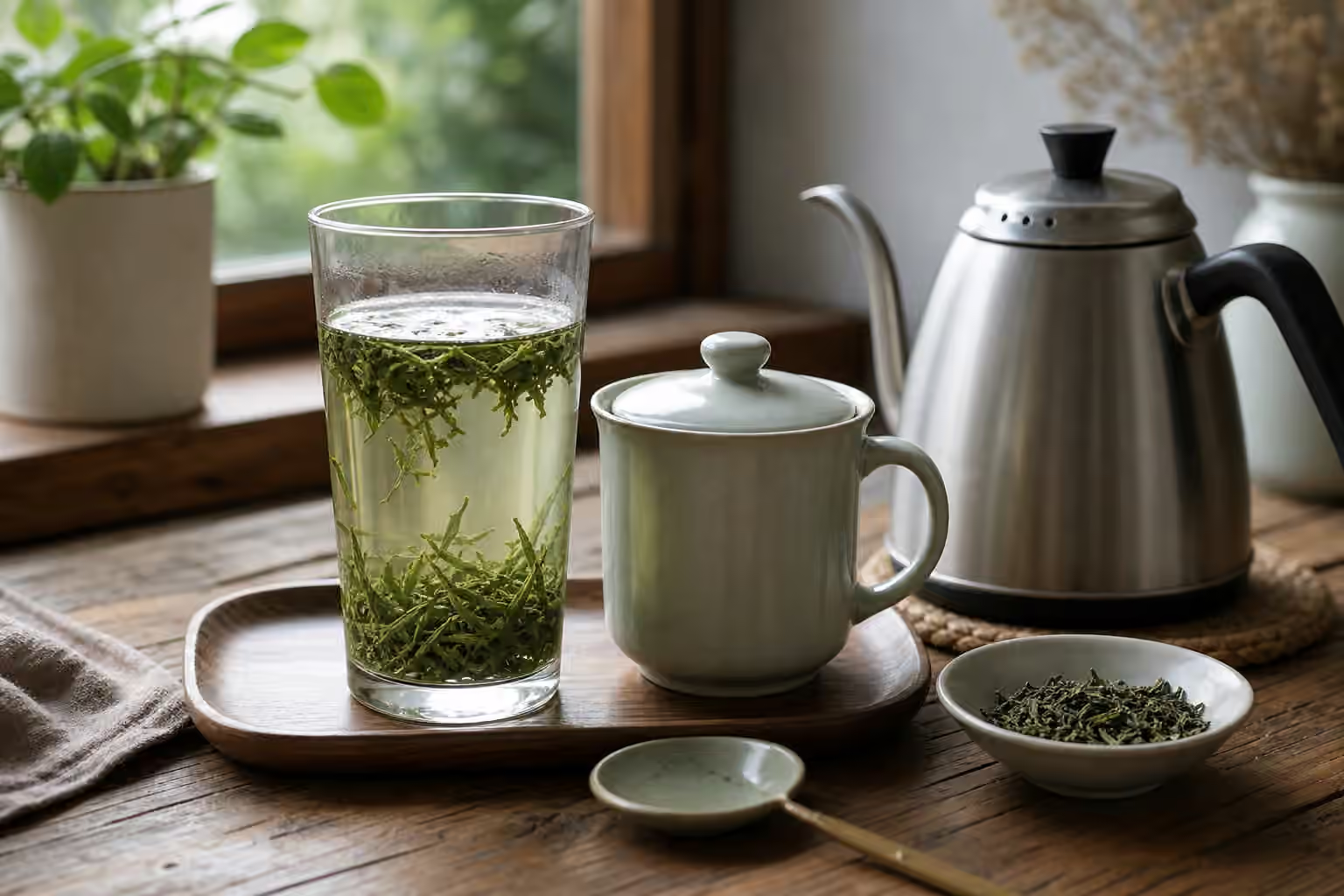
Temperature and water still matter, as they do everywhere in tea. A steady kettle that holds heat between pours makes the sequence far more relaxed, which is why many gongfu drinkers keep a variable-temperature or gooseneck kettle nearby, and the electric kettles guide covers what to look for. Green and white teas want gentler water and shorter steeps; darker oolongs, blacks, and pu-erh want it hotter. When you are done, the wet leaves are worth a look too, since they tell you a lot about the tea’s quality and how far you pushed it, a habit explored in reading wet tea leaves .
It helps to keep the first few sessions deliberately small in ambition. Pick one tea you already like, ideally a rolled oolong or a friendly Chinese black, and brew only that leaf across a whole sitting rather than jumping between teas. Use the same gaiwan and the same cups each time so the only thing changing is the leaf and your timing. Repetition with one tea teaches the rhythm faster than variety does, because you start to feel where its peak steep falls and how it fades, and that felt sense is what you carry over to every other leaf later. A short session of five or six steeps from a single tea, paid attention to, is worth more than an hour of restless sampling.
The one thing to let go of is the idea that there is a correct performance to get right. Gongfu is not choreography; it is a conversation with the leaves in front of you. Crowd the gaiwan, pour fast, taste each steep, and adjust the next one. Keep the session short enough to enjoy rather than endure. Within a few sittings the rhythm becomes second nature, and you will find yourself reaching for the gaiwan not because it is impressive but because it is genuinely the most interesting way to drink a good leaf.