Green tea has an unfair reputation for being bitter, and almost every bitter cup comes down to one fixable cause: water that was too hot. Green teas are barely oxidized. Soon after picking, the leaves are heated to halt the enzymes that would otherwise turn them brown, which is what locks in their fresh, vegetal, sometimes sweet character. That same delicacy is why they punish boiling water. Pour a full boil over green leaves and you strip out a rush of bitter compounds before the sweeter notes have a chance; ease the temperature down and the same leaf turns gentle, brothy, and often faintly sweet. Understanding that single relationship changes green tea from a gamble into one of the most rewarding families to drink every day.
Two ways of stopping oxidation, two flavor worlds
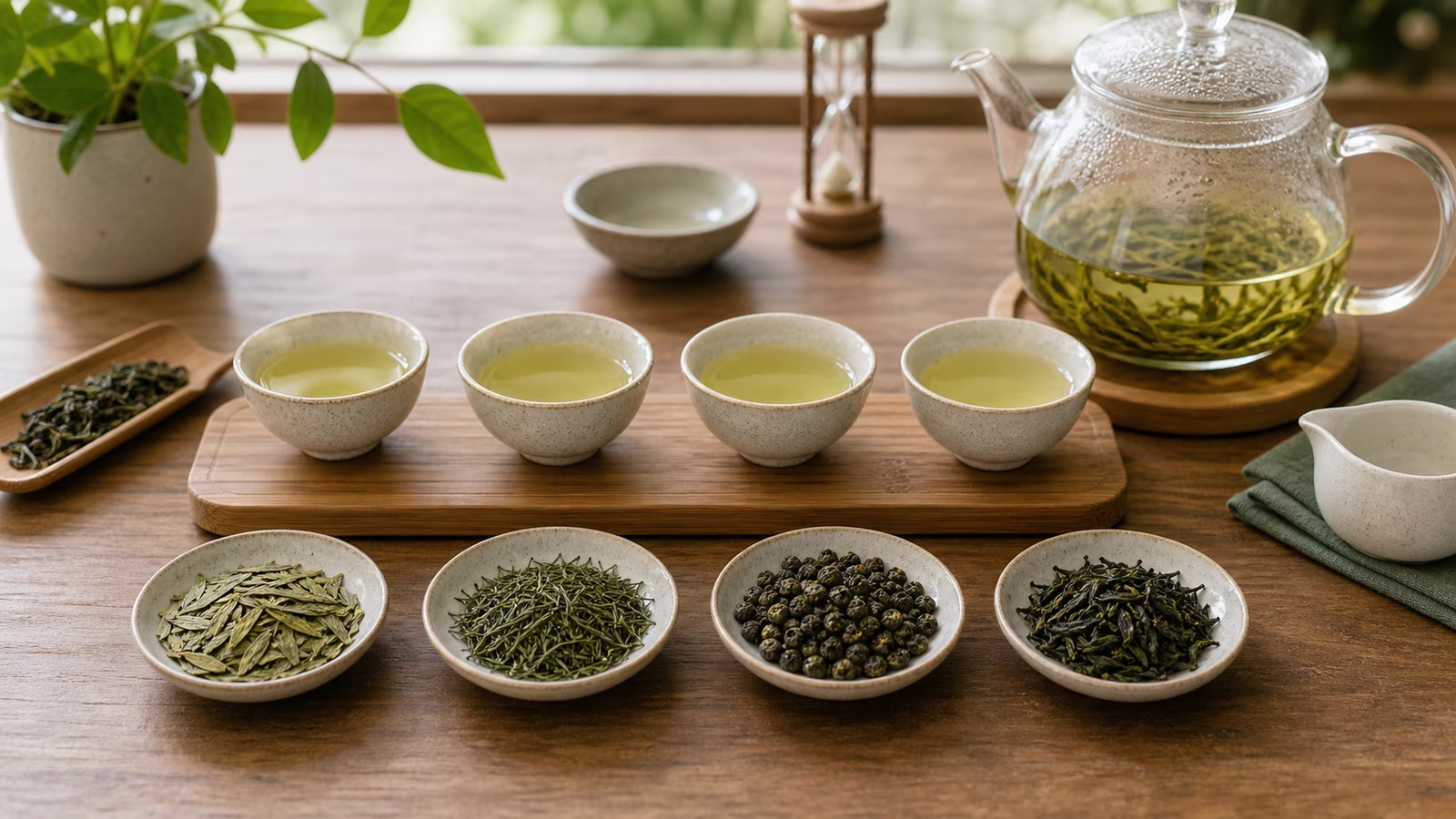
The biggest fork in the green-tea road is how the leaves were first heated, because it splits the whole family into two flavor camps. Japanese greens are mostly steamed, a quick, wet method that preserves a vivid grassy, oceanic, almost umami quality. Sencha, the everyday Japanese standard, is the clearest example: bright green liquor, a savory depth, and a sweetness that comes forward only when you brew it cool. Steamed teas often produce a slightly cloudy cup full of fine leaf particles, and that cloudiness is normal rather than a flaw. If Japanese greens pull you in, the Japanese tea path guide maps the wider family from hojicha to gyokuro.
Chinese greens are more often pan-fired in a hot wok, a dry method that adds a toasty, nutty, sometimes chestnut-like layer on top of the fresh vegetal base. Dragonwell, the famous flat-pressed green from around West Lake, is the classic: smooth, mellow, with a gentle roasted-nut sweetness and none of the seaweed edge of a sencha. Gunpowder tea, rolled into tight little pellets that unfurl as they steep, is sturdier and more robust, holding up to slightly hotter water and making an excellent base for mint tea. The broader Chinese green landscape sits within the Chinese tea path guide . Tasting a steamed sencha next to a pan-fired Dragonwell side by side is the fastest way to feel what oxidation-halting method does to a cup.
Brewing green tea so it stays sweet
The practical rules are forgiving once you accept that green tea wants cooler water than instinct suggests. As a starting point, aim for water well below boiling, roughly in the range that feels hot but not violently rolling, and keep the steep short, often just a minute or two. Delicate steamed greens like a good sencha or gyokuro can want water cooler still and steeps measured in tens of seconds. If you own a variable-temperature kettle this is trivial; if not, boil your water and let it rest a few minutes, or pour it through a cool cup or pitcher first to shed some heat. The electric kettles guide covers why temperature control makes green tea so much easier, and the reasoning behind specific numbers lives in the brewing temperature and time guide .
Watch the leaf-to-water ratio too. Green tea rewards a slightly cooler, slightly shorter approach with a fairly generous pinch of leaf, rather than a small amount cooked hard. If a cup comes out bitter, your first move should almost always be to lower the temperature before you touch anything else; if it comes out thin and grassy-flat, add a little more leaf or a few more seconds. Because greens give up their best in the first infusion or two, they are also excellent candidates for resteeping at a slightly hotter or longer setting, a habit explored in resteeping tea leaves . And if you find you love green tea but not in a hot cup, they make some of the sweetest, most forgiving cold brew tea of any family, since cold water sidesteps the bitterness problem entirely.
Freshness, storage, and everyday enjoyment
Green tea is the most perishable of the true teas, and that fact should shape how you buy and keep it. Because so little was done to the leaf, it holds onto its fresh, lively character for a limited window and fades faster than a black tea or a roasted oolong. Buy green tea in modest amounts you will drink within a season or two rather than stockpiling it, favor recent harvests when you can, and store it with real care, sealed tight, away from light, heat, air, and any strong-smelling neighbors in the cupboard. A green tea that has gone dull, hay-like, or flat is usually not brewed wrong but simply tired, and no adjustment at the kettle can bring back what time took. The full logic of keeping leaf lively is in the tea storage guide .
Water quality shows up plainly in green tea because there is so little robust flavor to hide behind. Chlorinated or heavily mineralized tap water can flatten a delicate sencha or muddy a Dragonwell’s clean sweetness, so filtered or spring water is one of the easiest upgrades if your greens taste dull despite fresh leaf; the tea water guide goes deeper.
Everyday enjoyment of green tea comes from settling into one or two leaves you trust rather than constantly chasing new ones. Because greens are so responsive to small changes, brewing the same sencha or Dragonwell every morning teaches you its particular sweet spot quickly: the temperature it likes, the steep that keeps it sweet, the point where it tips toward grassy or bitter. Once a leaf is familiar, you can read the day’s cup and correct it without thinking, nudging the water a little cooler or the steep a little shorter. That fluency is far more valuable than a shelf of half-known greens, and it is the reason a modest, fresh selection beats an ambitious, aging one.
Green tea rewards attention more than equipment. Cool your water, keep the steep short, buy fresh, store carefully, and taste with a little curiosity about whether your leaf leans steamed-and-oceanic or fired-and-nutty. Do that and the family stops being a bitter risk and becomes what it is for so many drinkers: the clean, gentle, endlessly variable cup you reach for most mornings.