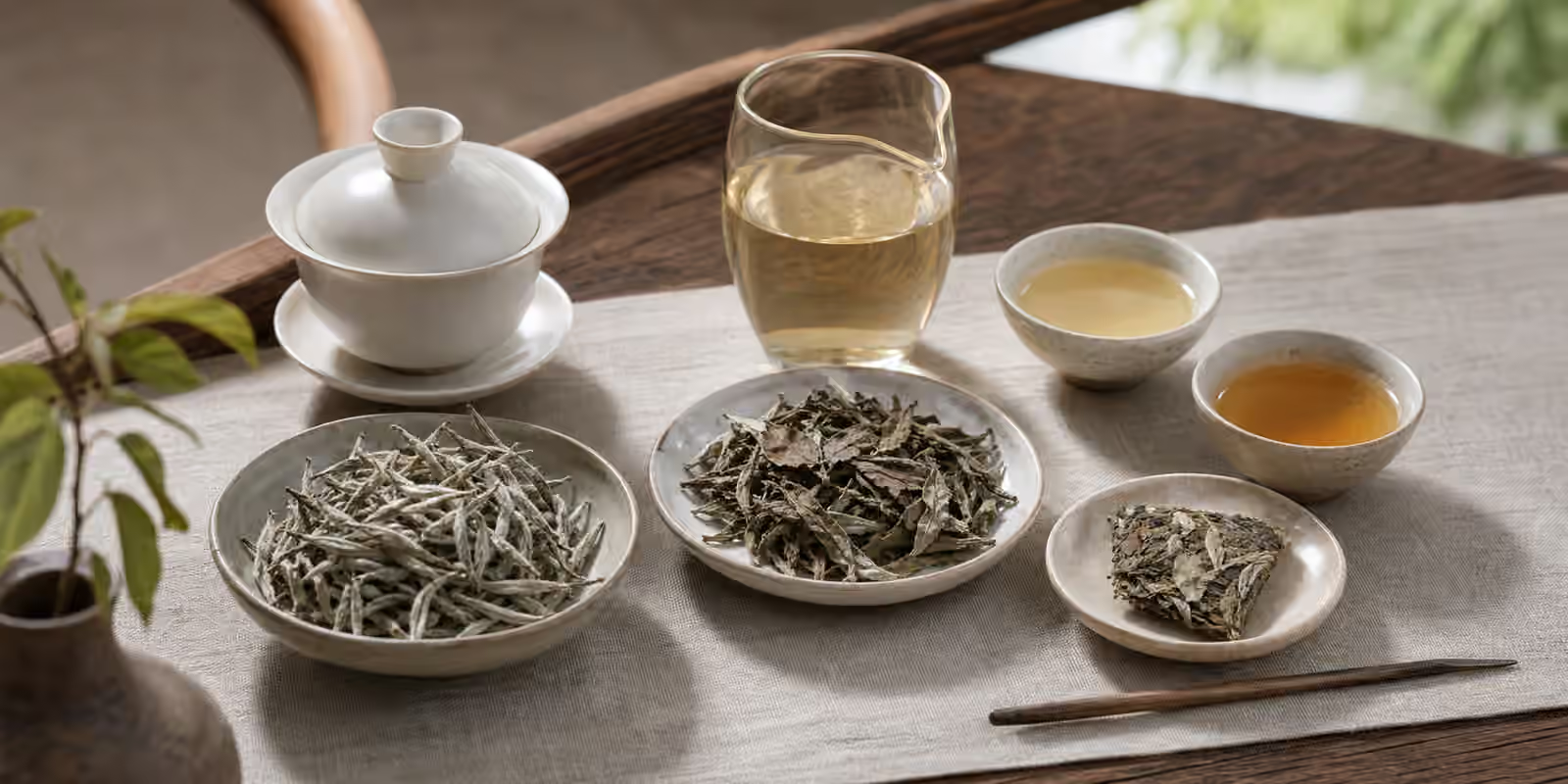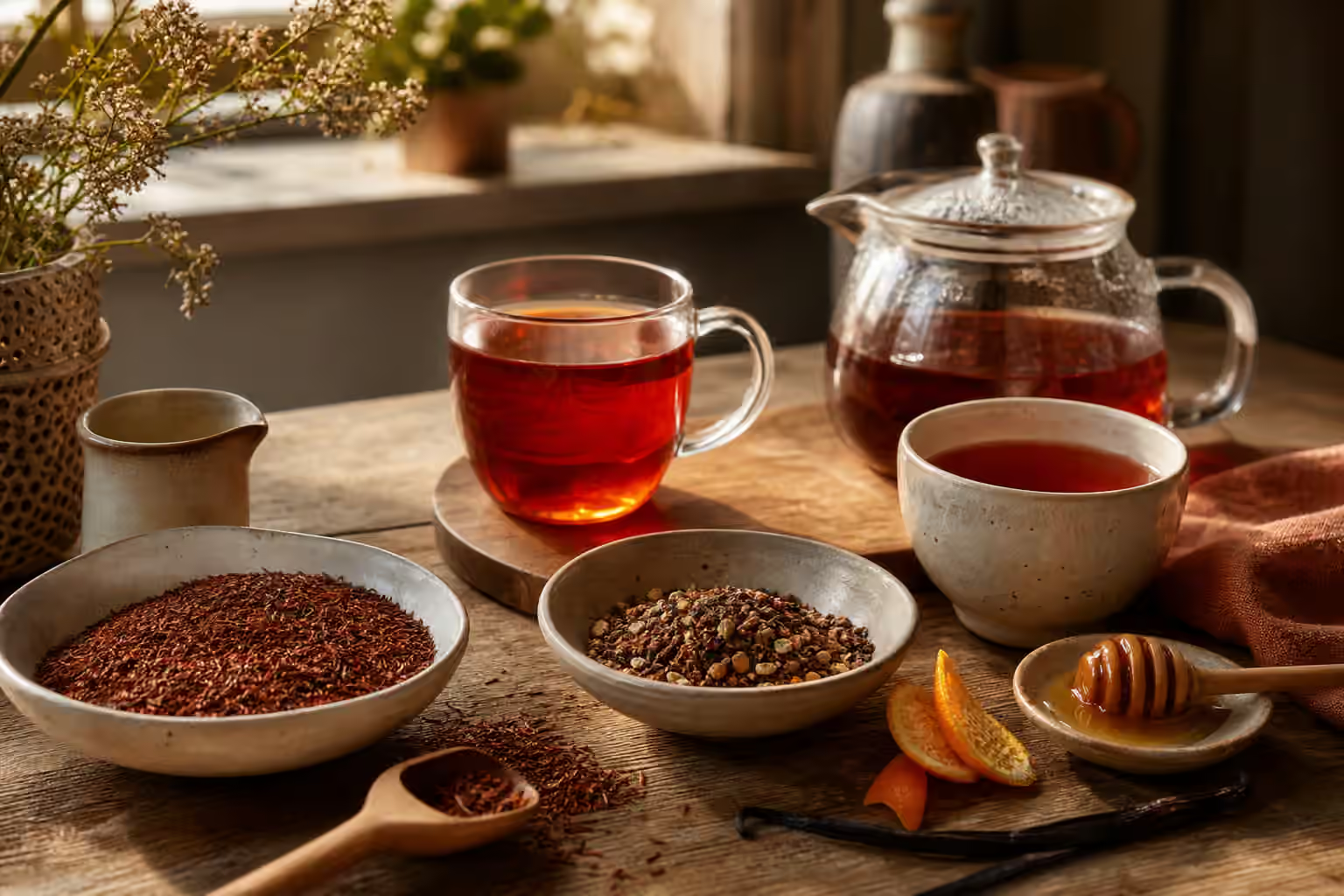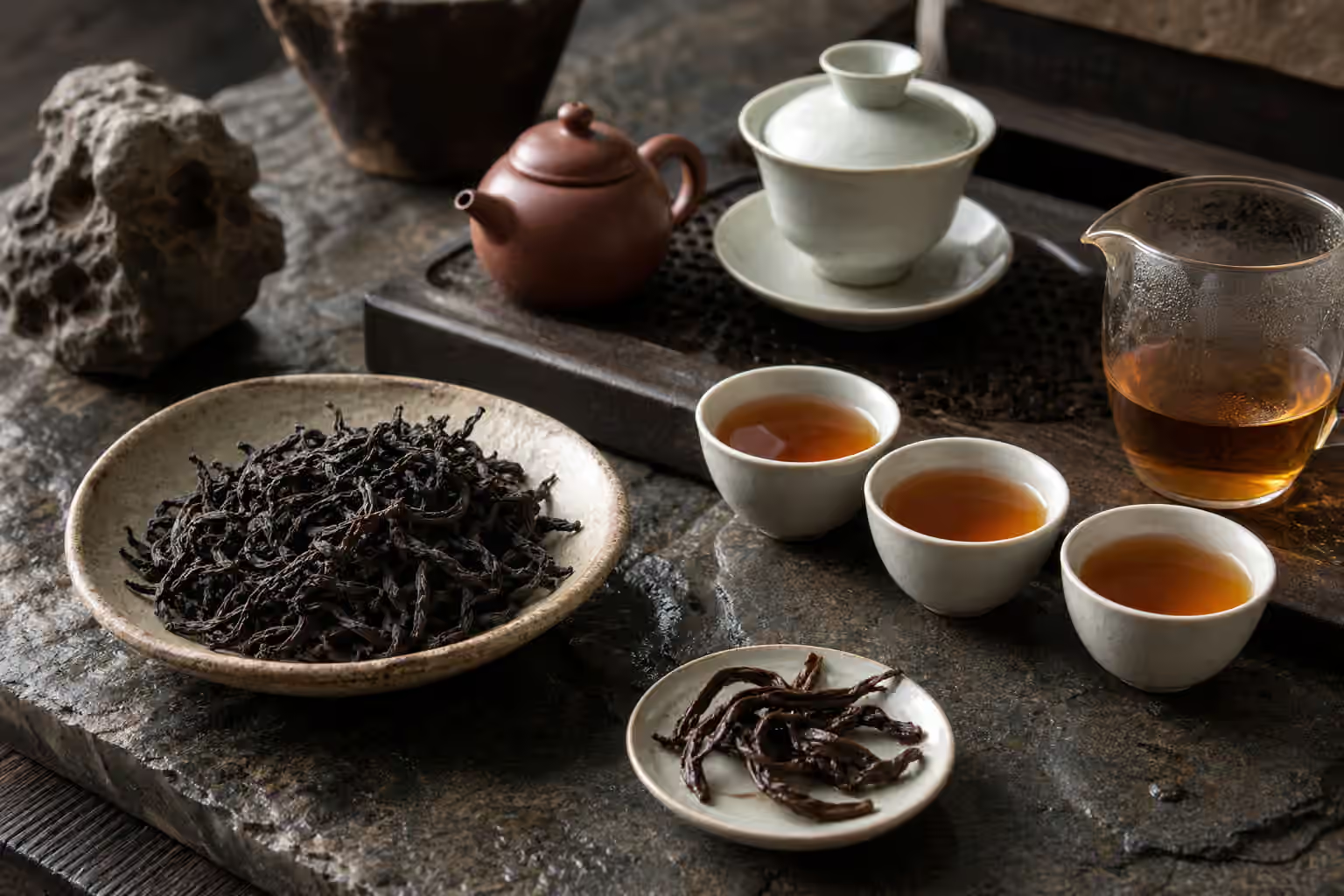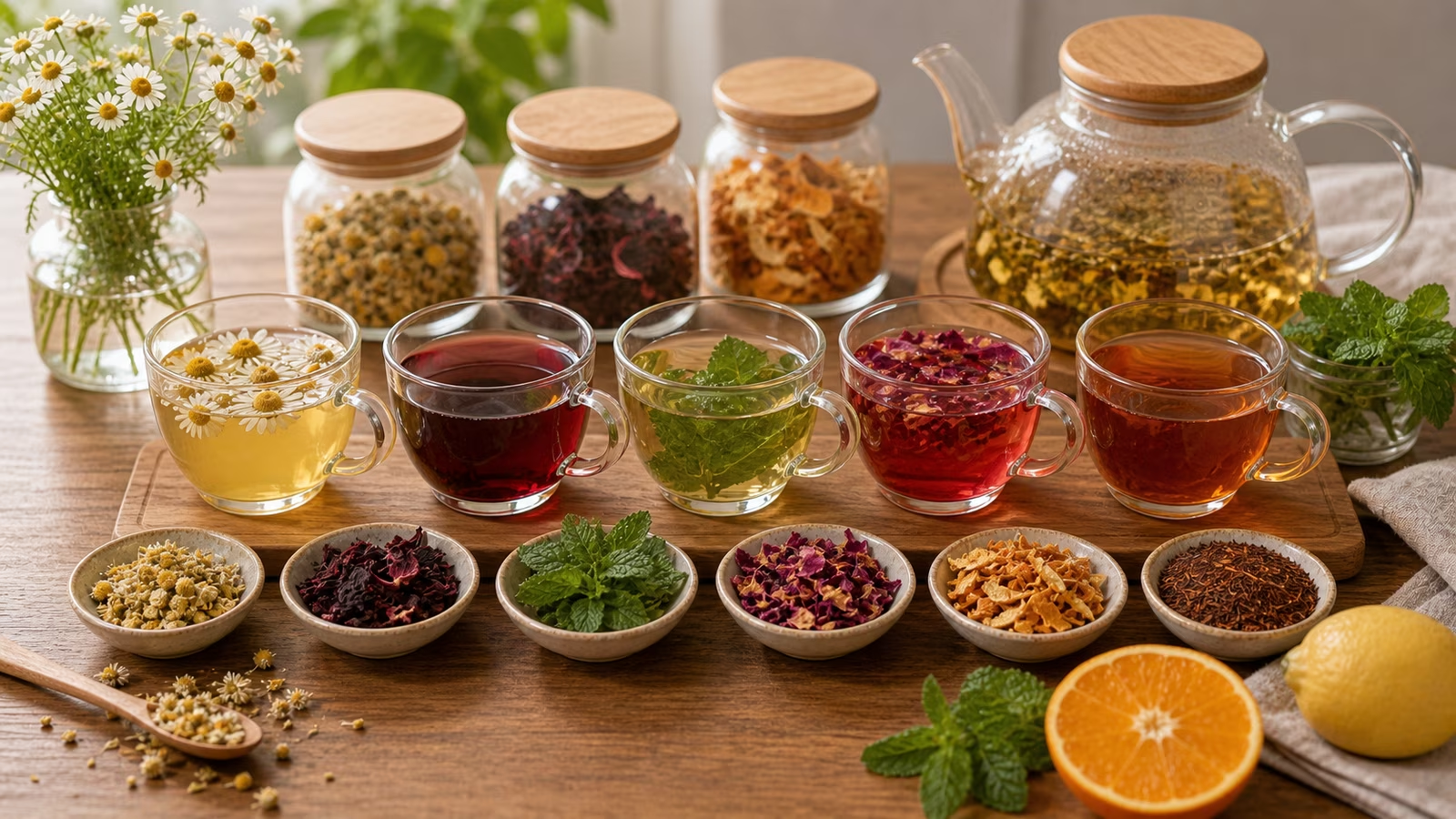
The word tea gets used loosely, and it helps to be clear about a distinction that shapes everything else. True tea, black, green, oolong, white, and pu-erh, all comes from a single plant, Camellia sinensis. Everything else you steep in hot water, every mint, chamomile, hibiscus, rooibos, ginger, or fruit blend, is properly a tisane, or herbal infusion. Calling them all tea is harmless in conversation, but the difference matters at the kettle, because tisanes are not delicate tea leaves and mostly do not behave like them. They come from flowers, roots, barks, seeds, fruit, and the leaves of countless other plants, and each brings its own rules.
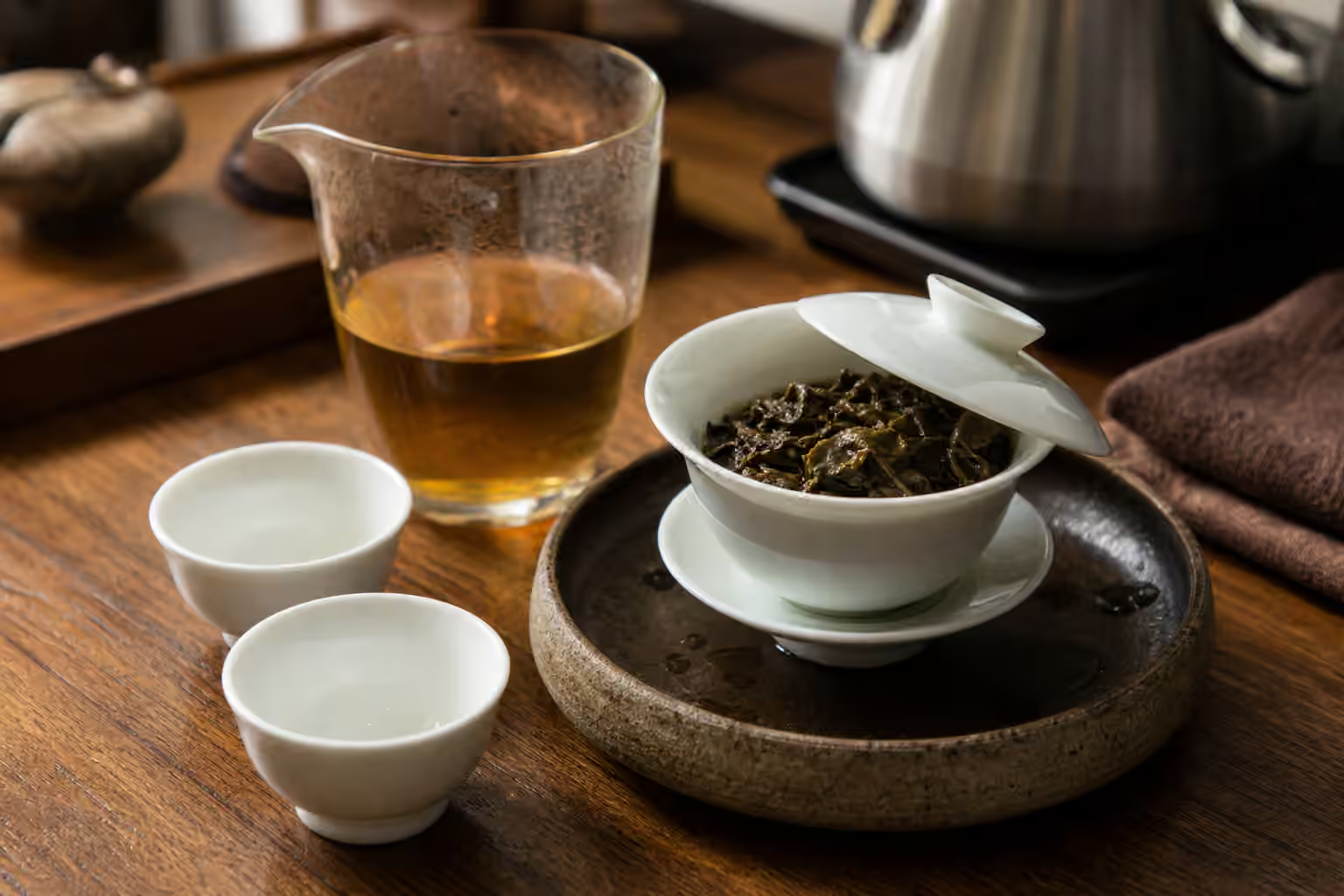
Why tisanes free you from the temperature worries of true tea
The single biggest practical difference is that most tisanes are not fragile the way green and white teas are. A green tea scorches in water that is too hot, which is why so much tea brewing is about restraint. Tougher plant material, dried roots, sturdy flowers like hibiscus, woody rooibos, spices such as ginger and cinnamon, actually wants full boiling water and often a longer steep to give up its flavor at all. You are not going to burn a piece of dried ginger the way you would burn a sencha. That flips the usual instinct: where true tea rewards caution, many tisanes reward heat and time. This is also why herbal blends are so forgiving for beginners and travelers, since there is little to get wrong. If you drink mostly herbals, you may not need the fussy temperature control that green tea demands, though a reliable kettle still helps, as covered in the electric kettles guide .
The exceptions are the delicate ones, and they are worth knowing. Fresh, leafy, aromatic herbs, mint above all, along with chamomile flowers and lemon balm, live in volatile oils that flash off with prolonged heat. These want a shorter steep and a covered vessel so the fragrant vapor condenses back into the cup rather than escaping across the room. So the family splits neatly: sturdy roots, barks, and hardy flowers want boiling water and patience, while soft aromatic leaves and flowers want a gentler, briefer, covered steep. The four staples that anchor most caffeine-free shelves, rooibos, mint, chamomile, and hibiscus, each demonstrate a corner of this range, and the rooibos, mint, chamomile, and hibiscus guide walks through them one by one.
Flavor, caffeine, and honest expectations
The obvious appeal of tisanes is that they are naturally free of the caffeine found in true tea, which makes them the default for evening cups and for anyone cutting back. Be a little careful with blends, though, since a product labeled as a herbal or wellness tea can still contain green or black tea alongside the botanicals, and some contain other stimulating plants. Reading the ingredient list is the only reliable way to know, and the caffeine in tea guide covers where caffeine hides and how it behaves. A pure single-herb infusion or an all-botanical blend is your safe bet for a genuinely caffeine-free cup.
Flavor-wise, tisanes span an enormous range, far wider than true tea. Hibiscus is loud and tart with a startling ruby color. Rooibos is soft, sweet, and woody. Peppermint is cooling and sharp; chamomile is mild and applelike. Ginger and spices bring warmth and bite. Roasted grain infusions like barley tea are toasty and nutty. Because the range is so broad, tisanes take beautifully to blending, and building your own is one of the more creative corners of the hobby, explored in the home tea blending guide . They also make superb iced and cold drinks: hibiscus and fruit blends in particular turn into gorgeous, refreshing glasses over ice, which the iced tea without bitterness guide addresses.
Brewing, storing, and keeping them lively
The general method is easy. For sturdy roots, barks, and hardy flowers, use freshly boiled water and give them a generous steep, often five to ten minutes, since they release their flavor slowly and rarely turn bitter. For soft aromatic herbs and flowers, use just-off-boil water, cover the cup, and keep it shorter so the delicate oils survive. When in doubt, taste as you go rather than assuming; because most tisanes forgive a long steep, you can usually leave them a little longer without harm and pull the delicate ones sooner. Many botanicals also resteep reasonably well, especially the sturdy ones.
Storage follows the same principles as true tea but matters just as much, because dried herbs and flowers lose their aromatic punch surprisingly fast once a package is opened. Keep them airtight, away from light, heat, moisture, and strong odors, and buy in amounts you will actually finish within a season rather than letting a beautiful jar of chamomile fade to dust in the cupboard. A tired herbal infusion tastes flat and papery, and no amount of extra steeping brings back the brightness that time has taken; the tea storage guide lays out the full logic. Label your jars, too, since many dried botanicals look alike once they are out of the bag.
One quiet advantage of tisanes is how well they suit the times of day when true tea does not fit. A caffeine-free cup in the evening lets you keep the ritual of a warm mug without the stimulation, and a soothing chamomile or rooibos can round off a night the way a strong black tea rounds off a morning. They are also generous companions to true tea rather than rivals to it, and many drinkers keep a small caffeine-free shelf beside their green and black teas precisely so there is always something to reach for after dark or when serving guests who avoid caffeine.
Tisanes are the most welcoming room in the whole house of tea. They forgive rough handling, they free you from caffeine when you want an evening cup, and they open onto an almost endless range of flavors and blends. Learn the one real split, sturdy material wants heat and time while soft aromatics want a gentle covered steep, keep them fresh, and taste with curiosity. From there the caffeine-free shelf becomes somewhere you can wander for years.