A tea tasting at home is not a performance, and it works best when nobody at the table feels tested. The whole point is to put a few teas side by side, brew them the same way, and let a small group notice how differently they behave in the mouth. Comparison does the teaching for you. A sencha that seems ordinary on its own suddenly reads as bright and vegetal when a malty Assam sits next to it, and a friend who “doesn’t really taste anything in tea” will almost always find words the moment two cups disagree.
Choosing a flight that actually contrasts
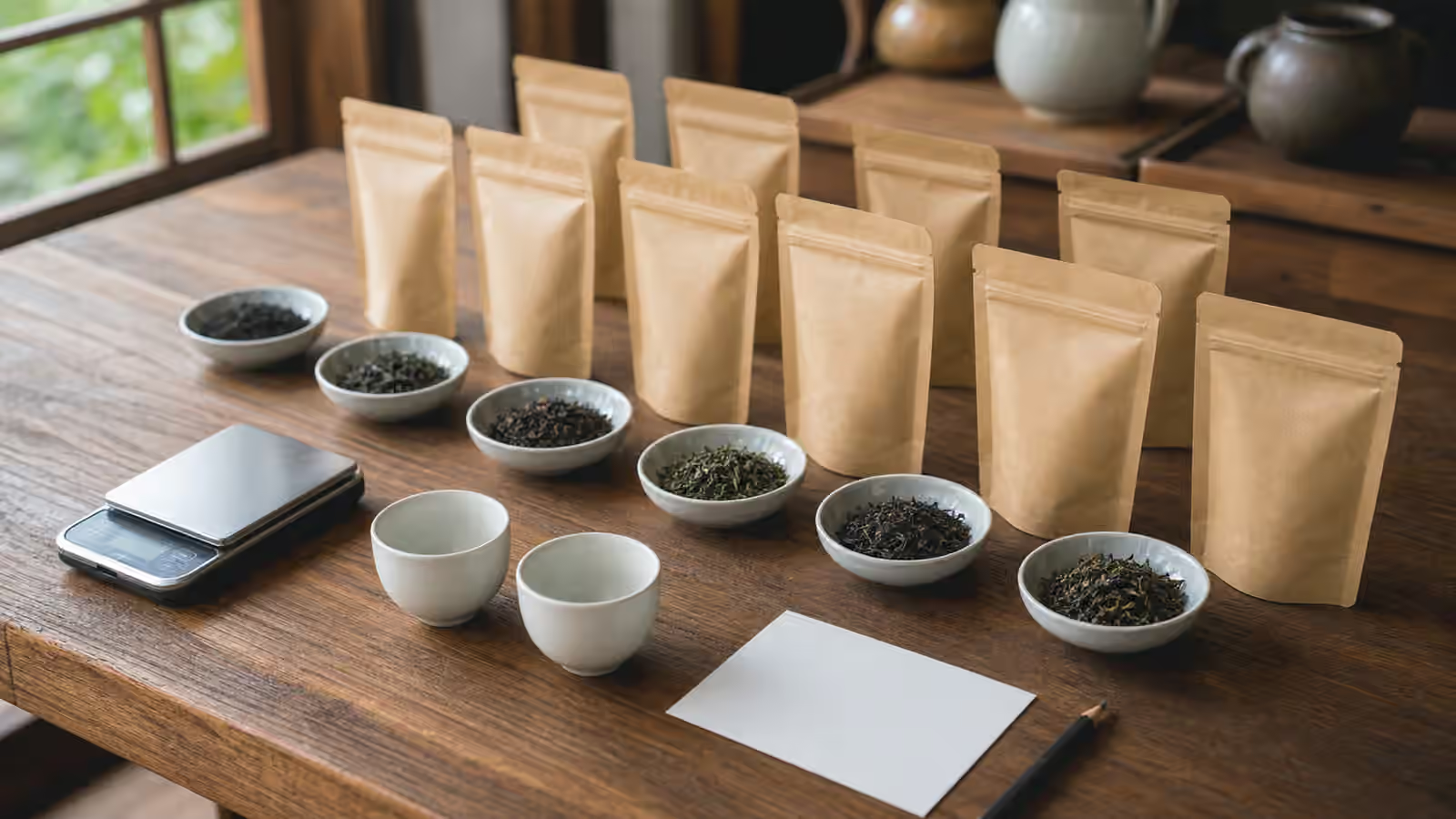
The single biggest decision is which teas to pour, and the trick is to build contrast rather than variety for its own sake. Three teas is plenty for a first tasting; five is the upper limit before palates tire and everyone starts nodding politely. You can organize a flight in a few natural ways. One is a walk across oxidation, moving from a green to an oolong to a black so the group feels the color, body, and sweetness deepen in steps. Another is a single style shown three ways, such as three black teas from different regions, which sharpens the palate on subtler differences and teaches people that “black tea” is a category, not a flavor. A third, and often the most fun, is a blind flight where you brew the same base tea at three different steep times or temperatures, which proves how much the brewer controls the cup before the leaf even gets credit.
Whatever you pick, keep the leaf-to-water ratio identical across the flight so the only variables are the ones you meant to show. If you want to explore where the teas themselves come from before you set the lineup, Tea Buying Without Getting Lost is a useful companion for filling a small shelf without overbuying.
Setting the table so tasting is easy
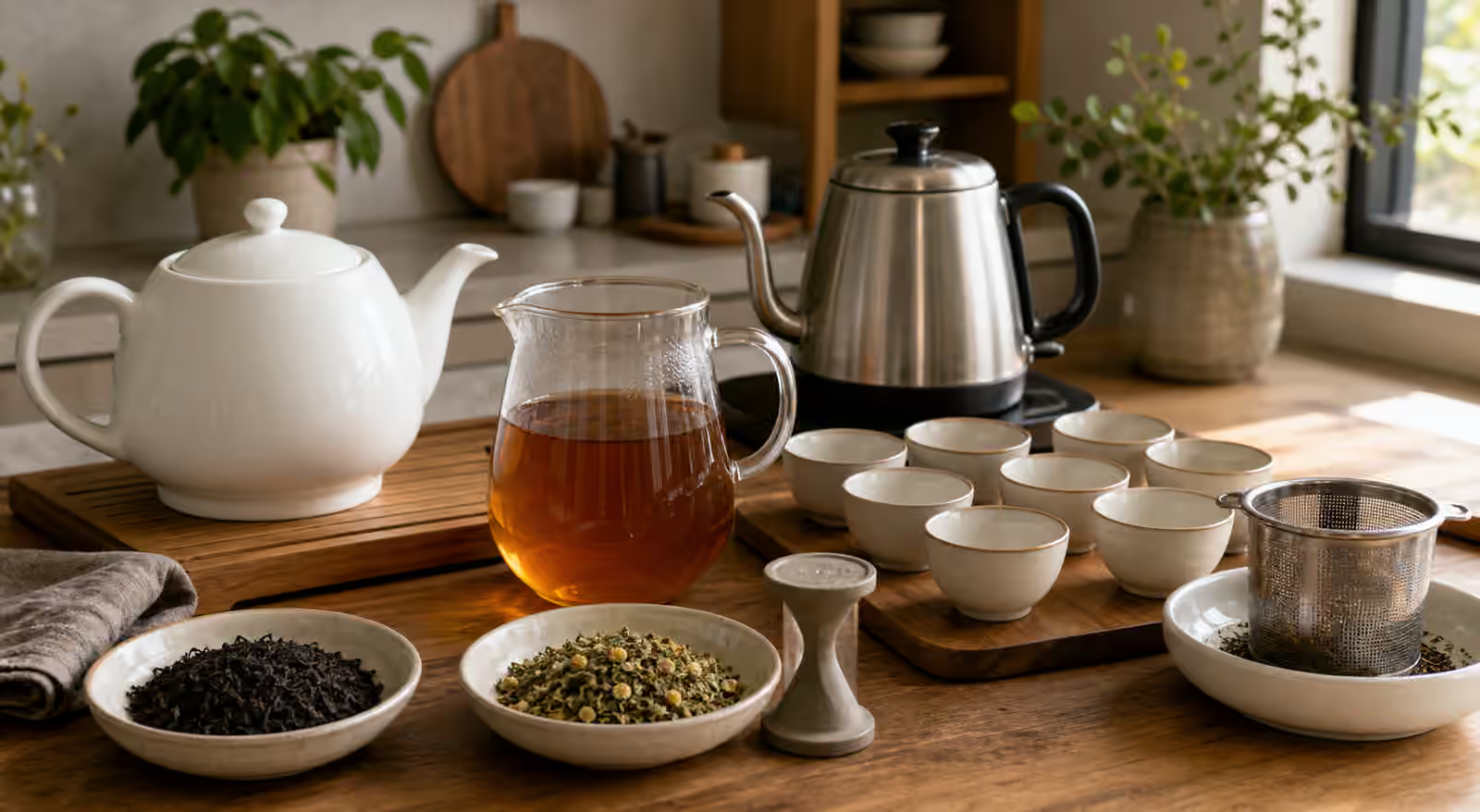
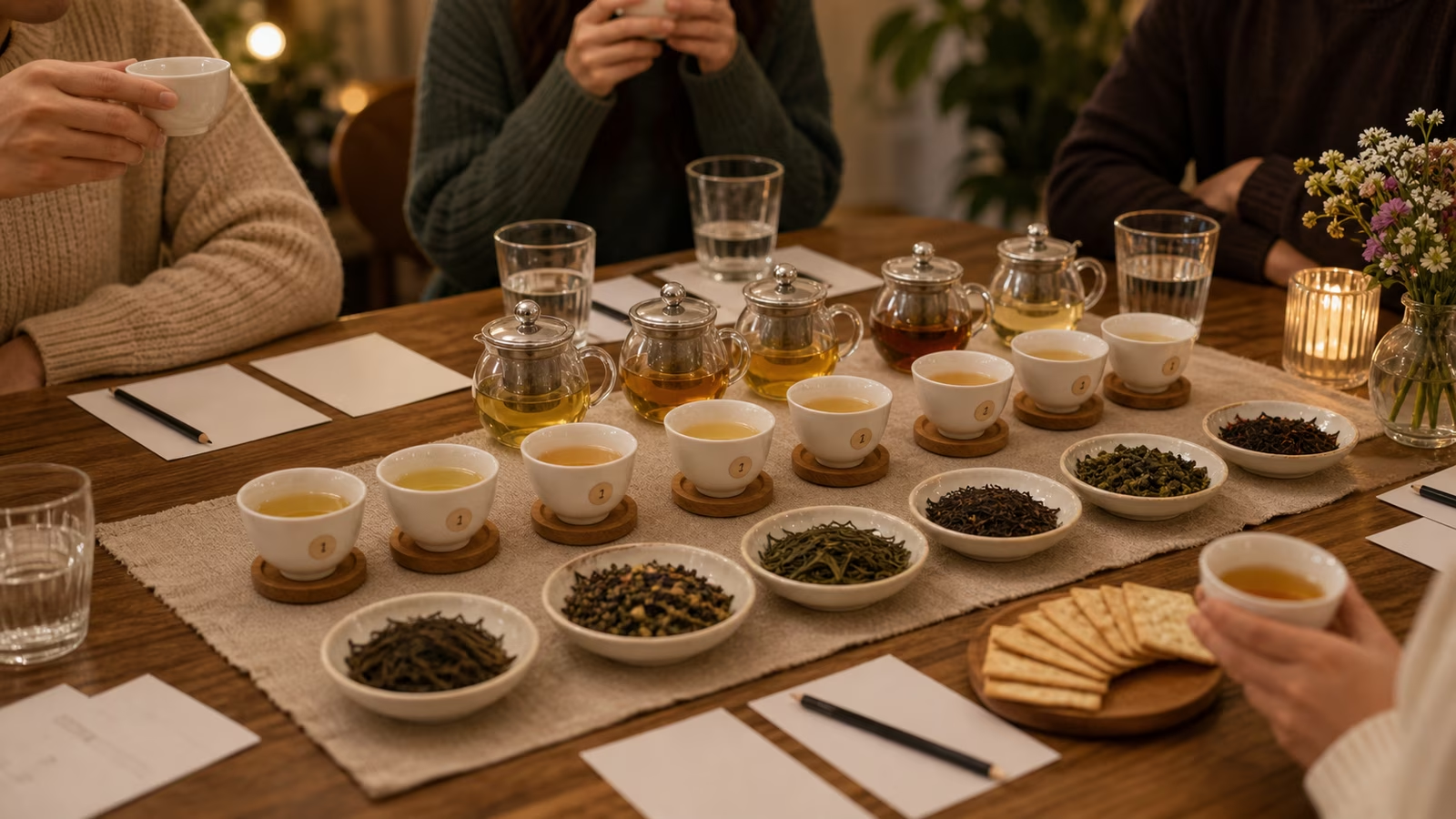
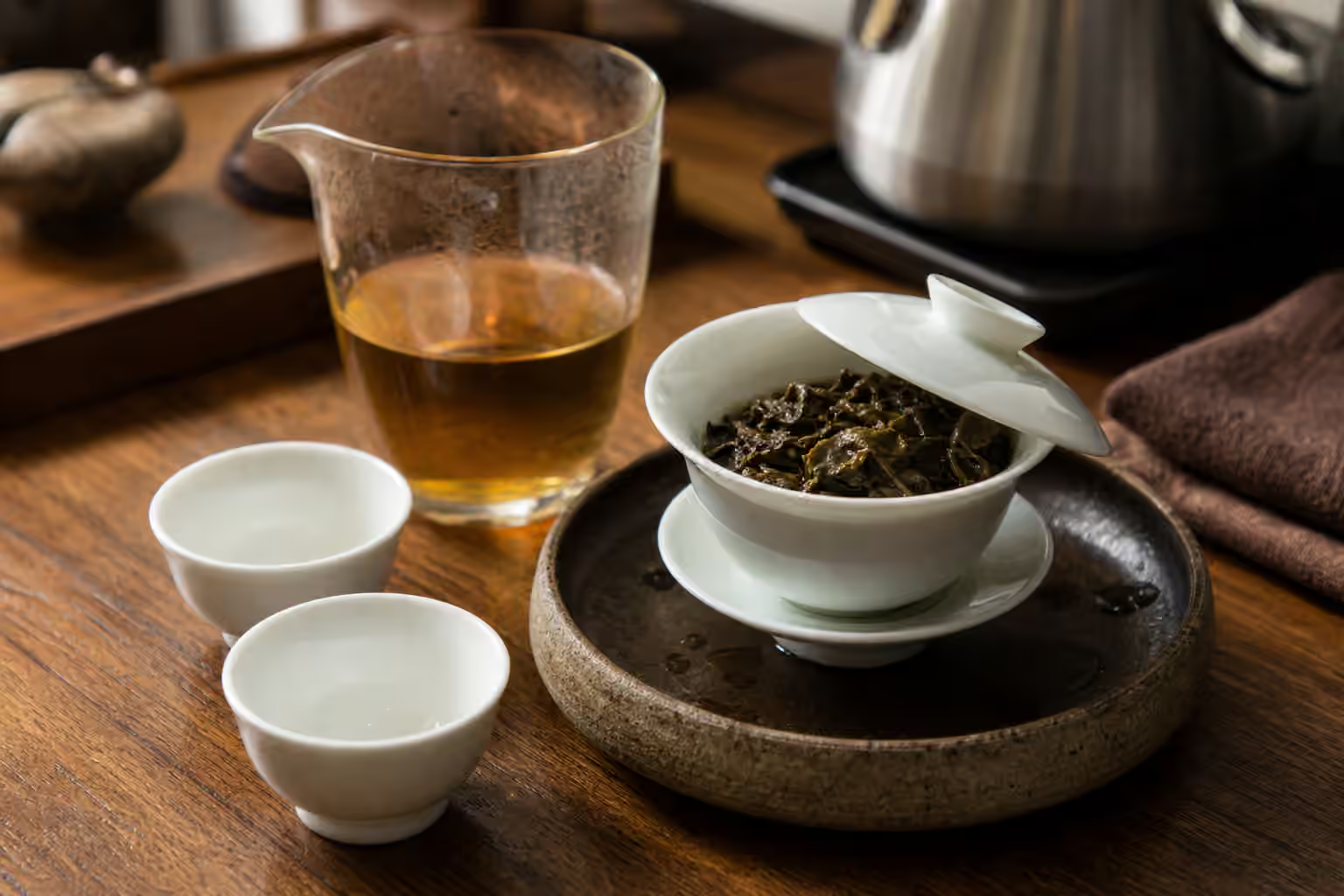
Uniform cups matter more than fine ones. When every cup is the same shape, size, and color, differences in the liquor show honestly instead of being flattered or hidden by the vessel. Small white or clear cups are ideal because they let people read the color of the tea, which is half the fun and a real clue to strength. Put a bowl of the dry leaf beside each cup so guests can smell the leaf before and after brewing; the shift from dry aroma to wet aroma to sipped flavor is often the most memorable part of the evening.
Give everyone plain water and something neutral to reset the palate between rounds, such as a plain cracker or a slice of apple. Keep strongly flavored snacks off the tasting table itself and save them for afterward, because a spiced cookie will rewrite the next three cups. Blank cards and a pencil at each seat encourage people to jot a word or two, and you will find that even reluctant note-takers loosen up once they see that “smells like wet grass” is a perfectly respectable entry.
Running the rounds without rushing
Brew one tea at a time and pour for the whole table at once so everyone is tasting the same infusion at the same age. Announce nothing about the tea beyond what round it is; the less you prime people, the more honestly they taste. Ask three simple questions each round and let them build a shared vocabulary: what do you smell, what does the body feel like, and what happens in the finish after you swallow. You do not need a formal scoring sheet, and you should resist turning the evening into a quiz. One aroma word, one texture word, and one finish word per person is enough to keep the conversation moving and to give quieter guests an easy way in.
Between teas, warm the empty cups with a rinse of hot water if the room is cool, dump it, and reset. Let a little silence happen after each pour. People taste better when they are not being talked at, and the pauses are where someone suddenly blurts out the comparison that makes the whole table nod. If a guest wants to sharpen how they describe what they notice, Tasting Tea Without Pretension is a gentle next step that keeps the language honest rather than showy.
Pairing and the after-party
Once the tasting rounds are done, that is the moment to bring out food and let people revisit their favorites with something to eat. This is where a flight turns social. A malty black tea will suddenly make sense next to a piece of dark chocolate, and a floral oolong will bloom beside a bit of soft cheese or a plain shortbread. Encourage people to notice how the pairing changes the tea, not just the food; a good match usually makes both sides taste rounder and less sharp. If pairing becomes the part everyone loves, Tea Pairing With Breakfast, Dessert, Cheese, and Snacks goes deeper into matching body against body and sweetness against tannin.
Keep the ambitions modest for a first event. A relaxed hour with three teas, clean water, matching cups, and good company teaches more than an exhausting marathon through a dozen rare leaves nobody can remember by the end.
A gentle boundary before anyone brews
Tea is delightful, but a tasting can quietly add up to a lot of caffeine across several strong cups in a short window, so it is kind to offer a caffeine-free herbal option in the flight and to let guests skip rounds without explanation. If any of your guests are managing caffeine intake, are pregnant, take medications that interact with caffeine or with specific herbs, or have a medical condition that tea might touch, treat that as a personal matter for a qualified clinician rather than something to settle at the table. This guide is tea education and hospitality, not medical or nutrition advice, and the honest version of a good host simply makes it easy for people to opt out.
What to keep after the guests leave
The most useful souvenir of a tasting is the small stack of cards people leave behind. Read them the next morning and you will see patterns: which tea drew the warmest words, which one divided the room, which steep time everyone preferred without being told which was which. Those notes are the seed of your own house style, and they will shape the next flight far better than any expert’s ranking. Host one, keep the cards, and let the next tasting build on what your own table actually enjoyed. If you want to turn a good result into a dependable everyday habit, Build a Beginner Tea Shelf helps you stock the winners so they are ready the next time friends come over.