Bitter iced tea is almost always a brewing accident rather than a flaw in the leaf. The usual story is a strong hot brew left to steep too long on the counter, poured warm over a few ice cubes that melt on contact, and then chilled in the fridge while the leaves keep working. By the time it is cold, the tannins have run ahead of the flavor and every sip has that dry, puckering edge. The good news is that iced tea is easy to fix once you understand the two things heat and time are doing to the leaf, and once you decide up front whether you want to brew hot and chill fast or skip the heat entirely.
Why tea turns bitter, and how cold changes the game
Hot water pulls flavor and aroma compounds out of a leaf quickly, but it also pulls tannins, the astringent compounds that give tea its backbone and, in excess, its harshness. At high temperatures and long steep times, the tannins keep extracting after the pleasant flavors have already arrived. That is the source of the bitter edge. Cold water extracts far more slowly and is much gentler on tannins, which is why the same leaf that turns harsh in five minutes of boiling water can steep for hours in the fridge and stay smooth and sweet. Once you internalize that, the whole problem becomes a matter of picking which lever to pull: control the heat and the clock, or take the heat out of the equation.
The flash-chill method for a quick pitcher
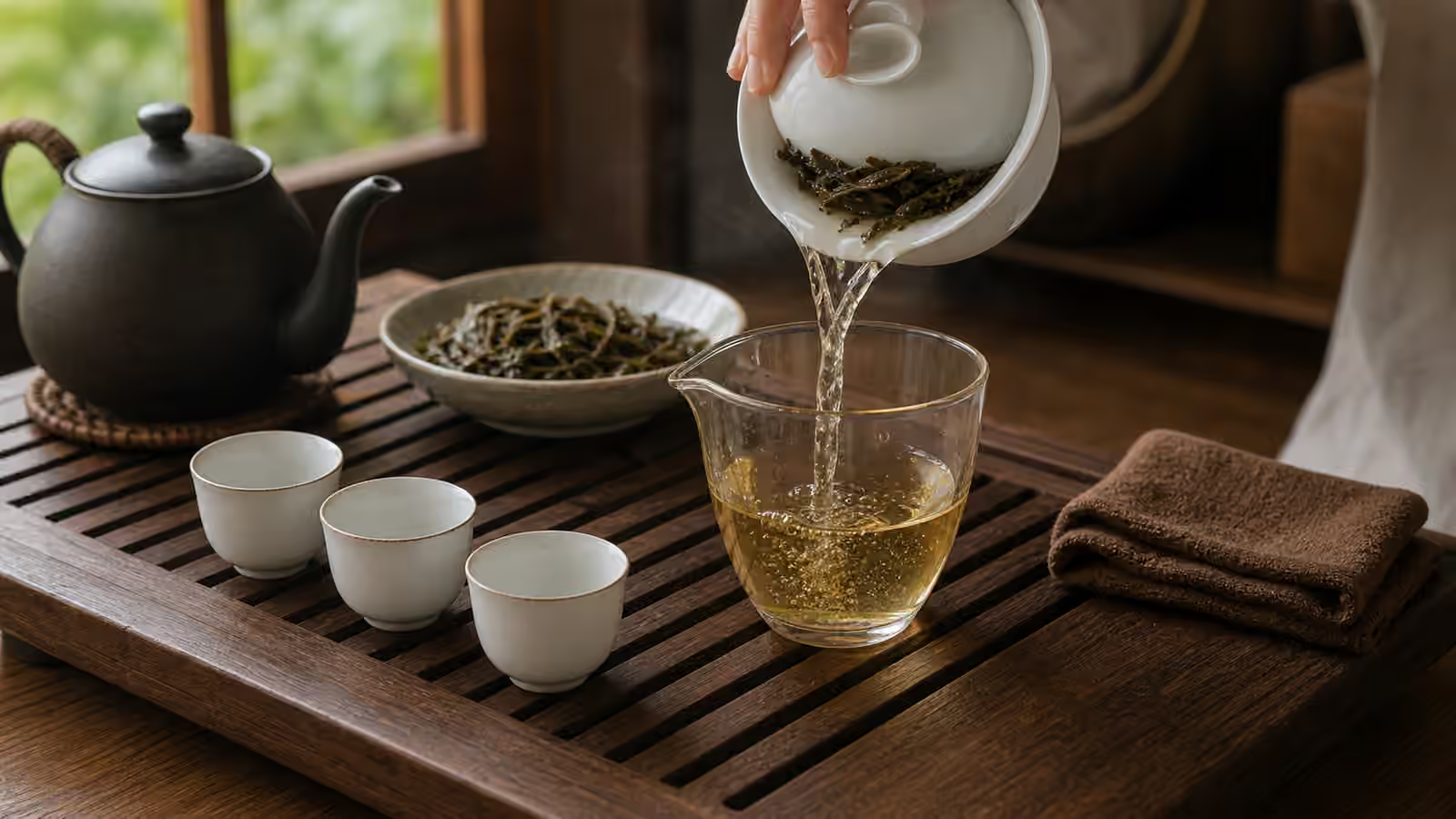
When you want iced tea in the next twenty minutes, brew a hot concentrate and pour it straight onto ice. The idea is to make the tea deliberately strong and then let the melting ice do the diluting, which drops the temperature almost instantly and freezes the extraction in place before bitterness sets in. Use roughly double the leaf you would for a hot cup and steep it in hot water for the normal time for that tea, no longer. Then pour the hot concentrate over a glass or pitcher packed with ice. The tea shocks cold, the ice melts into the extra strength you built in, and you land on a clean, full-flavored glass rather than a stewed one.
The two mistakes that ruin flash-chilling are oversteeping the concentrate because it “needs to be strong,” and skimping on ice so the drink comes out warm and weak. Build the strength with more leaf, not more time, and use more ice than feels reasonable. If your black or green tea still reads slightly harsh, the fix is almost always a shorter steep or slightly cooler water rather than more dilution; the same temperature-and-time discipline that governs a hot cup is at work here, and Brewing Temperature and Time Without Guesswork is worth a read if you want to dial it in.
The cold-brew method for the smoothest result
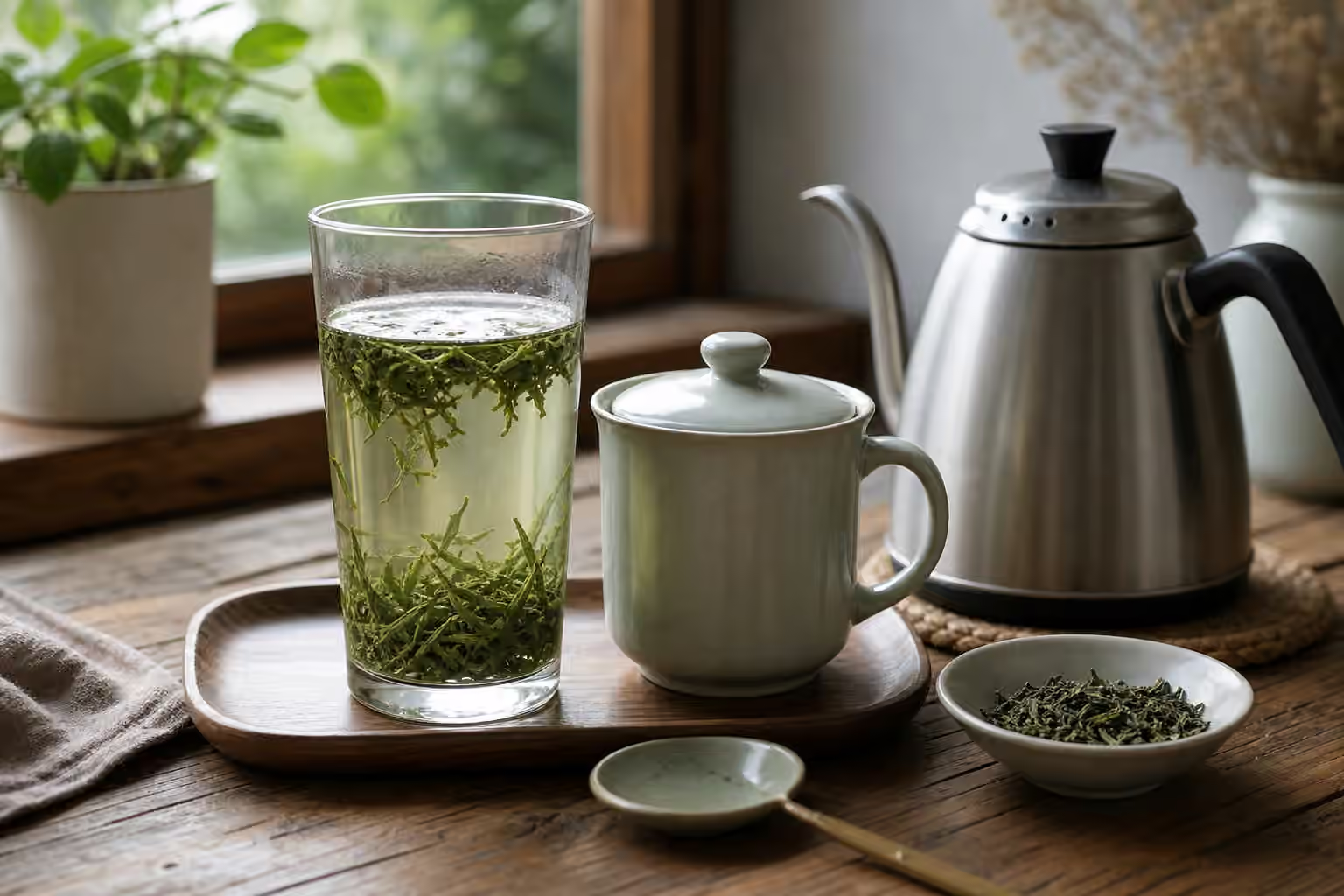
If you can plan a few hours ahead, cold brewing is the most forgiving path to bitterness-free iced tea and my default for a hot week. Combine loose leaf with cold, fresh water in a jar, seal it, and leave it in the refrigerator for several hours or overnight. Because the water never gets hot, the tannins barely extract, and the result is naturally sweet, low in astringency, and remarkably hard to ruin. Green and white teas turn out especially delicate this way, while black teas come out round and mellow without the bite they can develop hot. You use a bit more leaf than a hot brew to make up for the gentler extraction, then strain the leaves out once it reaches the strength you like so it does not keep creeping.
Cold brew rewards patience over precision, which makes it a great method for anyone who finds hot brewing fussy. The full approach, including ratios and timing for different leaf types, lives in Cold Brew Tea , and it pairs naturally with this guide once you decide iced tea is a regular habit rather than an occasional rescue.
Dilution, sweetness, and storage
Once the tea is cold and smooth, a few finishing choices keep it that way. If you sweeten, use a simple syrup rather than granulated sugar, because sugar does not dissolve well in cold liquid and you will end up with a gritty bottom and an undersweet top. Stir any citrus or sweetener in while the tea is fresh. Store the finished tea covered in the fridge and drink it within a day or two; homemade iced tea has no preservatives, and its bright flavor fades and can turn cloudy or sour as it sits, especially if it was brewed with fruit or left at room temperature for a stretch. Serving over ice will dilute the glass as it melts, so if you like a full-strength drink to the last sip, chill the pitcher cold before pouring and use fewer, larger cubes that melt slowly.
For a richer twist, the same principles carry into iced tea lattes, where a strong, smooth base keeps the milk from tasting muddy; Tea Lattes Without Muddy Flavor covers how to build that base without astringency taking over.
A gentle boundary on caffeine
Iced tea slips down fast on a hot day, and it is easy to drink far more of it than you would ever drink hot, which means the caffeine can add up before you notice. If you are watching your caffeine intake, are pregnant, take medications that interact with caffeine, or have a medical condition that tea might affect, treat those questions as personal ones for a qualified clinician rather than something to settle by feel. This guide is tea-brewing education, not medical or nutrition advice, and a cold-brewed herbal or naturally lower-caffeine option is an easy way to keep a big pitcher friendly to everyone at the table.
Finding your house version
Iced tea is personal in a way hot tea sometimes is not, because the strength, sweetness, and dilution all shift to taste and to the weather. Brew a small batch, note whether you liked the flash-chill or the cold-brew result better, and write down the leaf amount and steep so you can repeat the good version. From there it is easy to tune: a touch less leaf if it reads heavy, a longer cold steep if it reads thin, a slower-melting ice cube if the last inch of the glass always tastes watery. A single honest note per batch will get you to a reliable house pitcher faster than any recipe you copy, and the smoothest iced tea you make will almost always be the one you brewed on your own terms.