Japanese green tea has a signature that sets it apart from Chinese greens almost the moment it hits your nose. Where a Chinese green is usually pan-fired and leans toward toasty, nutty, or chestnut notes, most Japanese green tea is steamed within hours of picking, and steaming locks in a vivid, oceanic freshness that people describe as grassy, marine, or like fresh spinach and cut hay. That one processing decision, steaming instead of firing, is the thread that runs through this whole family, and once you can taste it you have the key to the entire path. This guide walks from the everyday cup to the ceremonial bowl, and the through-line is that each tea rewards a slightly different hand at the kettle.
Sencha, the everyday standard
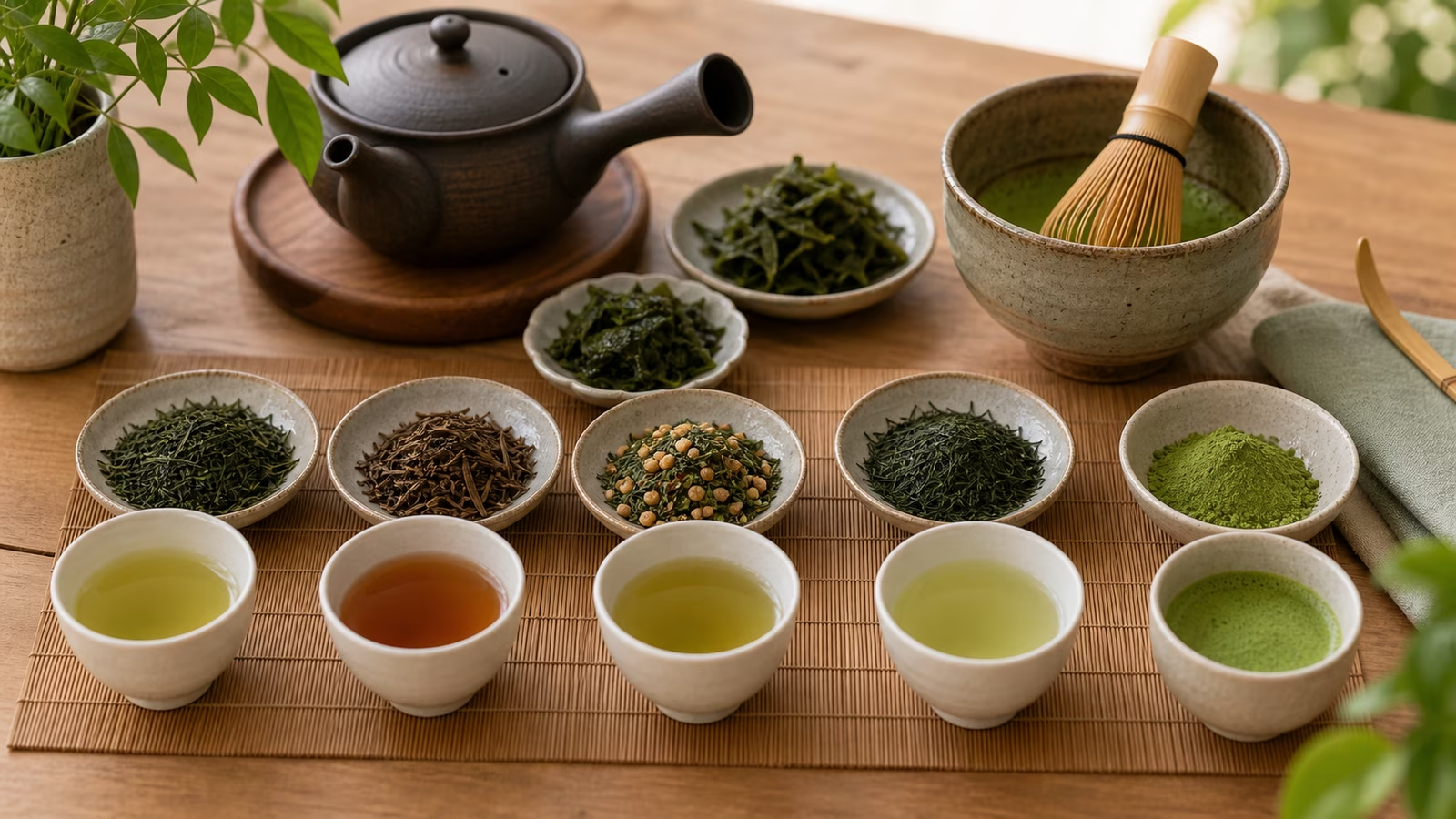
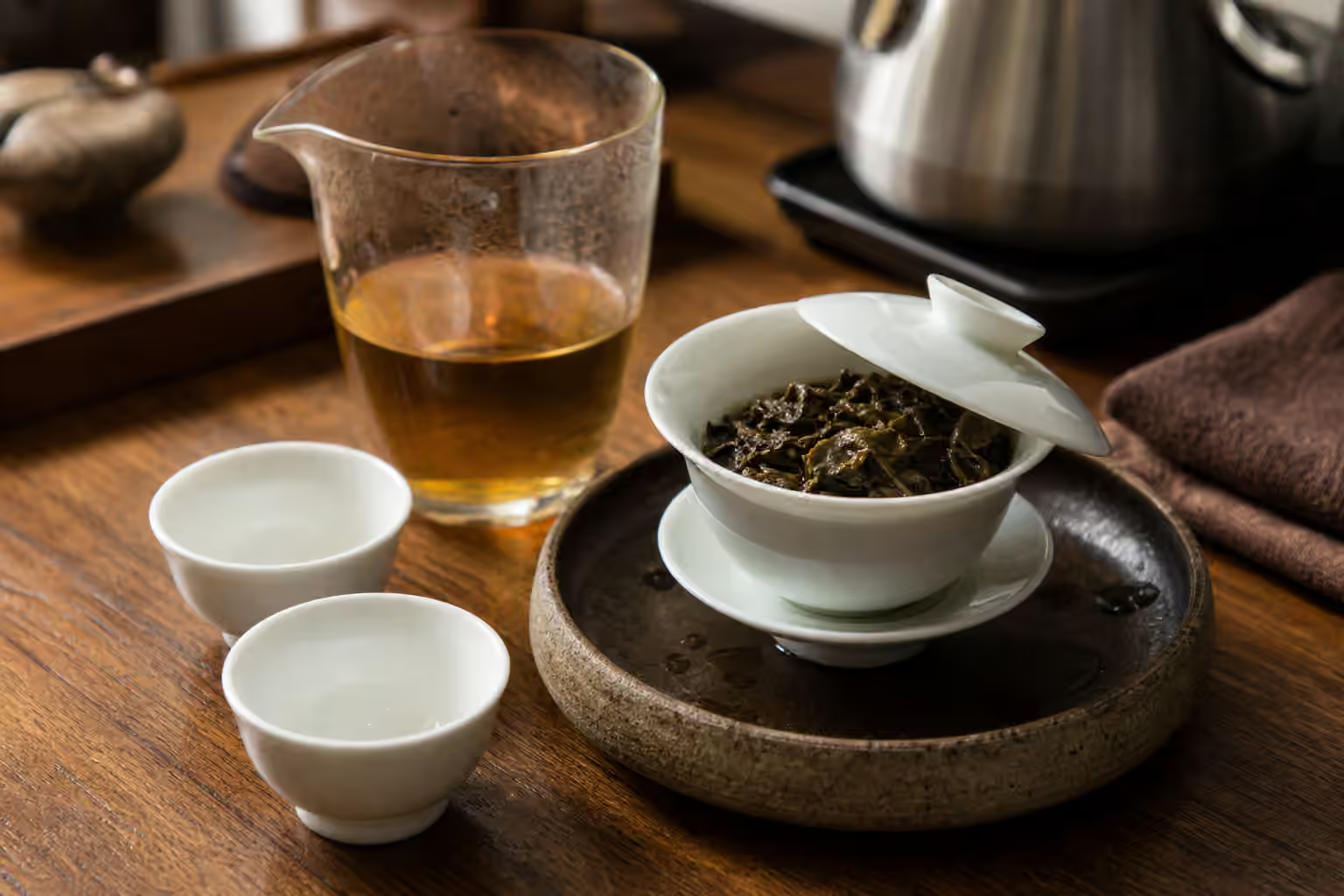
Sencha is the tea most Japanese households drink daily, and it is the right place to start because it teaches you how sensitive steamed green tea is to temperature. Made from leaves grown in full sun and steamed, rolled, and dried, sencha delivers a balance of grassy freshness, gentle sweetness, and a clean astringent snap. That astringency is exactly what turns harsh when the water is too hot. Boiling water scorches sencha and pulls bitter, drying tannins forward before the sweetness arrives, which is why the standard advice is to let the water cool well below a boil before pouring. Brewed cooler and briefly, sencha comes out bright, savory, and slightly sweet, with that hallmark umami that separates good Japanese green from a plain grassy cup.
Sencha also gives more than one infusion. The second steep, made with slightly hotter water and a shorter time, often opens differently than the first, and paying attention to that shift is one of the most useful habits you can build with any Japanese green. If you want to place sencha in the wider world of green tea styles, Green Tea: Sencha, Dragonwell, Gunpowder, and Everyday Brewing sets it beside its Chinese cousins.
Hojicha, the roasted comfort
Hojicha is sencha’s opposite in temperament and a perfect tea for anyone who finds green tea too sharp or too caffeinated for the evening. It is green tea, usually later-harvest leaf and stem, that has been roasted over high heat until it turns reddish-brown. Roasting drives off much of the grassy character and a good deal of the caffeine, leaving a warm, toasty, almost caramel or roasted-chestnut flavor with very little astringency. Because there is little tannin left to scorch, hojicha is the forgiving one in this family: you can brew it with hot, near-boiling water and it stays smooth and comforting. It is the tea to reach for when you want something soothing after dinner, or to serve to a guest who insists they do not like green tea, because it tastes nothing like the grassy sencha they are picturing.
Genmaicha, green tea with toasted rice
Genmaicha takes a base of green tea, often a modest sencha or bancha, and blends it with toasted brown rice, some of which puffs like tiny popcorn during roasting. The result is a savory, nutty, faintly popcorn-like cup that feels like a snack in liquid form. It was historically an economical way to stretch tea leaves, but it has earned a permanent place at the table on flavor alone. Genmaicha brews forgivingly with fairly hot water, the toasted rice softens the green tea’s edge, and it pairs beautifully with food, which makes it a friendly everyday choice. Like hojicha, it is lower in intensity and a comfortable bridge for people easing into Japanese greens.
Gyokuro, the shaded delicacy
Gyokuro is where the path turns luxurious. The tea plants are shaded from direct sun for a few weeks before harvest, which forces the leaves to produce more chlorophyll and, more importantly, more of the amino acid that carries umami. The effect is a tea with intense savory depth, a thick almost brothy body, and a sweetness that has very little of the grassy astringency of sencha. Gyokuro is brewed in a way that looks strange until you taste the result: a generous amount of leaf, a small volume of water cooled to barely warm, and a patient steep. Brewed too hot, its delicacy collapses into bitterness and the expense is wasted. Brewed cool and slow, it produces a small cup of extraordinary concentration that is meant to be sipped, not gulped. It is worth treating gyokuro as an occasional pleasure rather than a daily driver, both for its price and for the attention it asks of you.
Matcha, the whole leaf whisked in
Matcha is the shaded leaf taken one step further: instead of steeping and discarding the leaf, it is destemmed, deveined, and stone-ground into a fine powder that you whisk directly into hot water and drink whole. Because you consume the entire leaf, matcha delivers the fullest expression of that shaded umami and sweetness, along with the vivid green color and the fine froth that come from a good whisking. It sits at the ceremonial end of this path and rewards proper technique, so if it is where you are headed, start with Matcha for Beginners for how to sift, whisk, and avoid clumps, and Matcha Tools: Whisks, Bowls, Sifters, and Scoops for the small kit that makes a smooth bowl repeatable.
A gentle note on caffeine
The shaded teas in this family, gyokuro and especially matcha, can carry more caffeine than an ordinary cup, because shading concentrates it and because with matcha you drink the whole leaf rather than a strained infusion. Hojicha sits at the low end, roasted down to a gentle evening tea. If you are managing your caffeine intake, are pregnant, take medications that interact with caffeine, or have a medical condition that tea might affect, treat those as personal questions for a qualified clinician rather than something to gauge by taste. This guide is tea education, not medical or nutrition advice, and the honest version simply points you toward the roasted, lower-intensity end of the family when you want to keep a cup gentle.
Walking the path at your own pace
The pleasure of the Japanese tea family is that it spans such a wide range of moods from a single tradition. There is the bright everyday snap of sencha, the roasted calm of hojicha, the savory snack of genmaicha, the concentrated depth of gyokuro, and the whisked intensity of matcha, and every one of them responds to how gently you treat the water. Start with sencha to train your hand on temperature, keep hojicha and genmaicha nearby for easy comfort, and save gyokuro and matcha for the days you want to slow down and pay full attention. Brew one, cool the water more than feels natural, and let the leaf show you why steaming makes Japanese green tea taste the way it does.