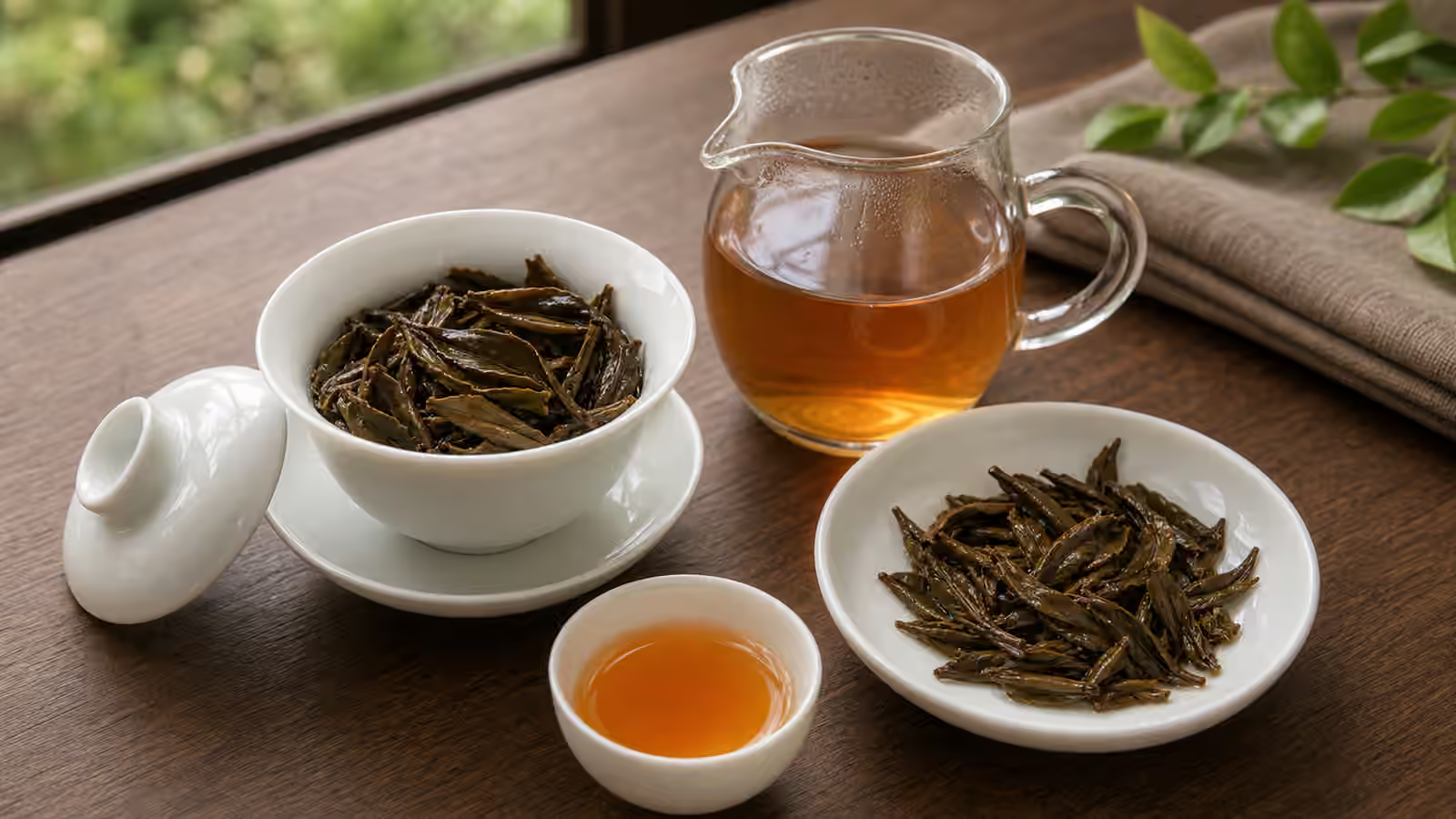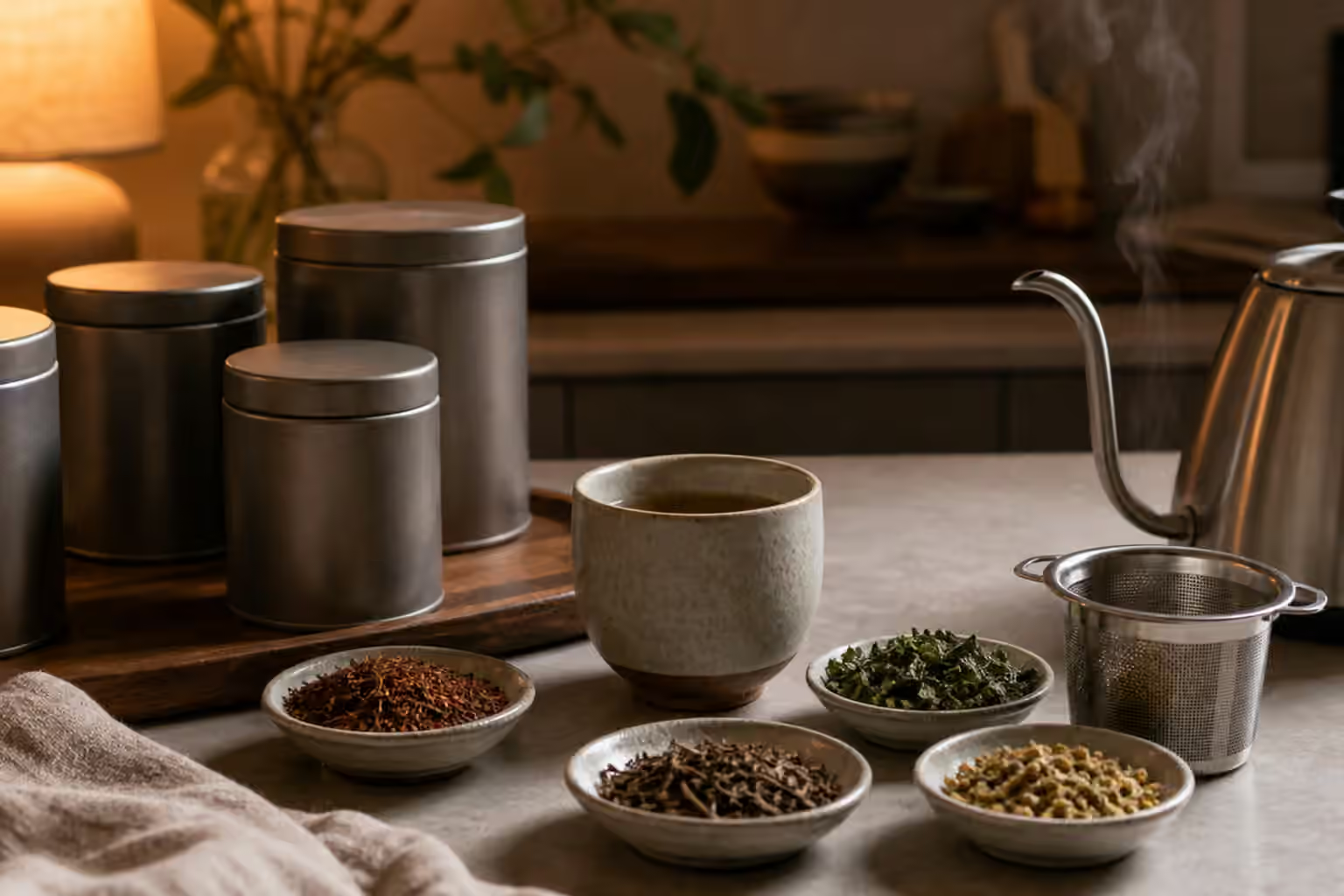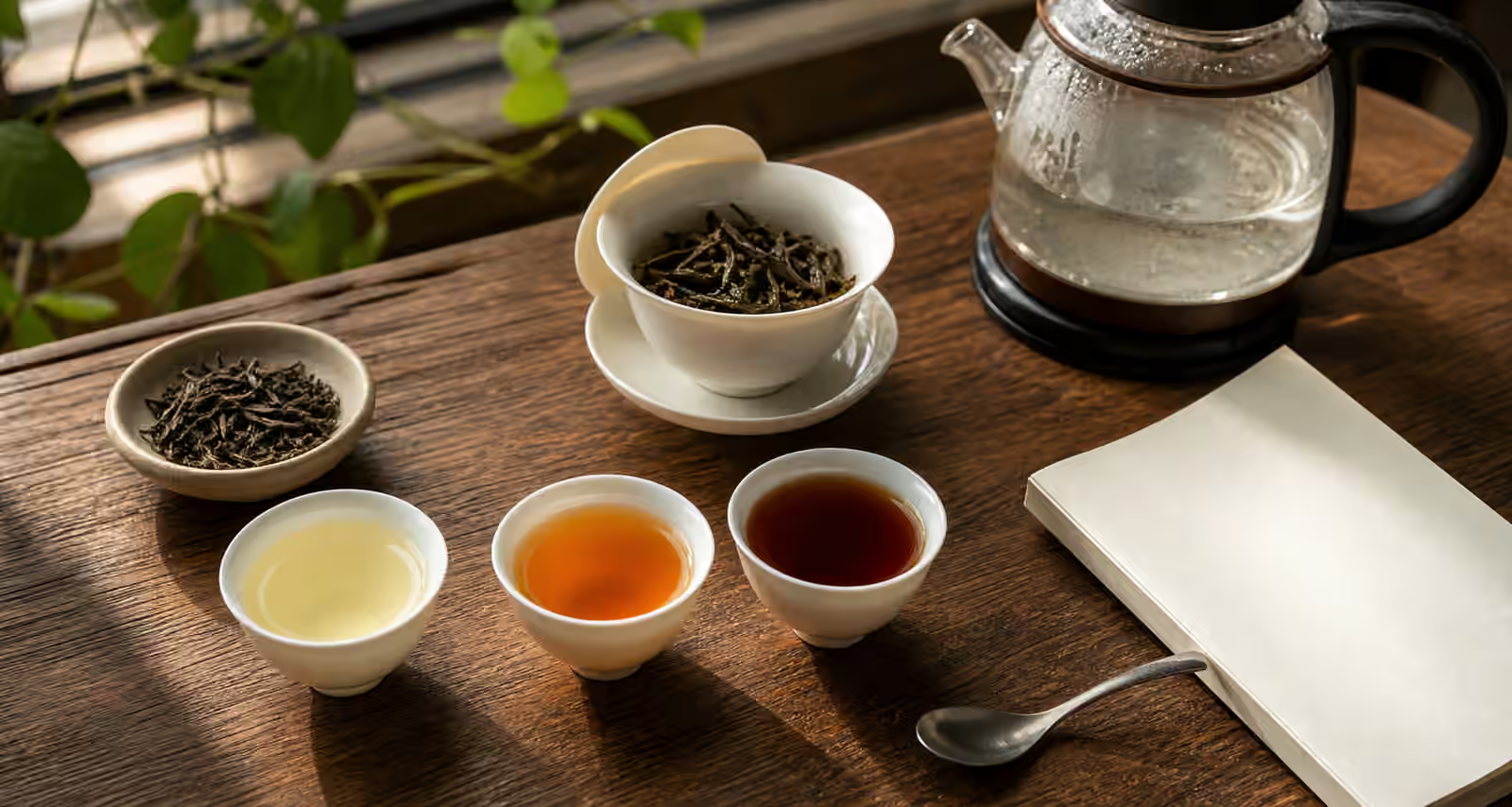
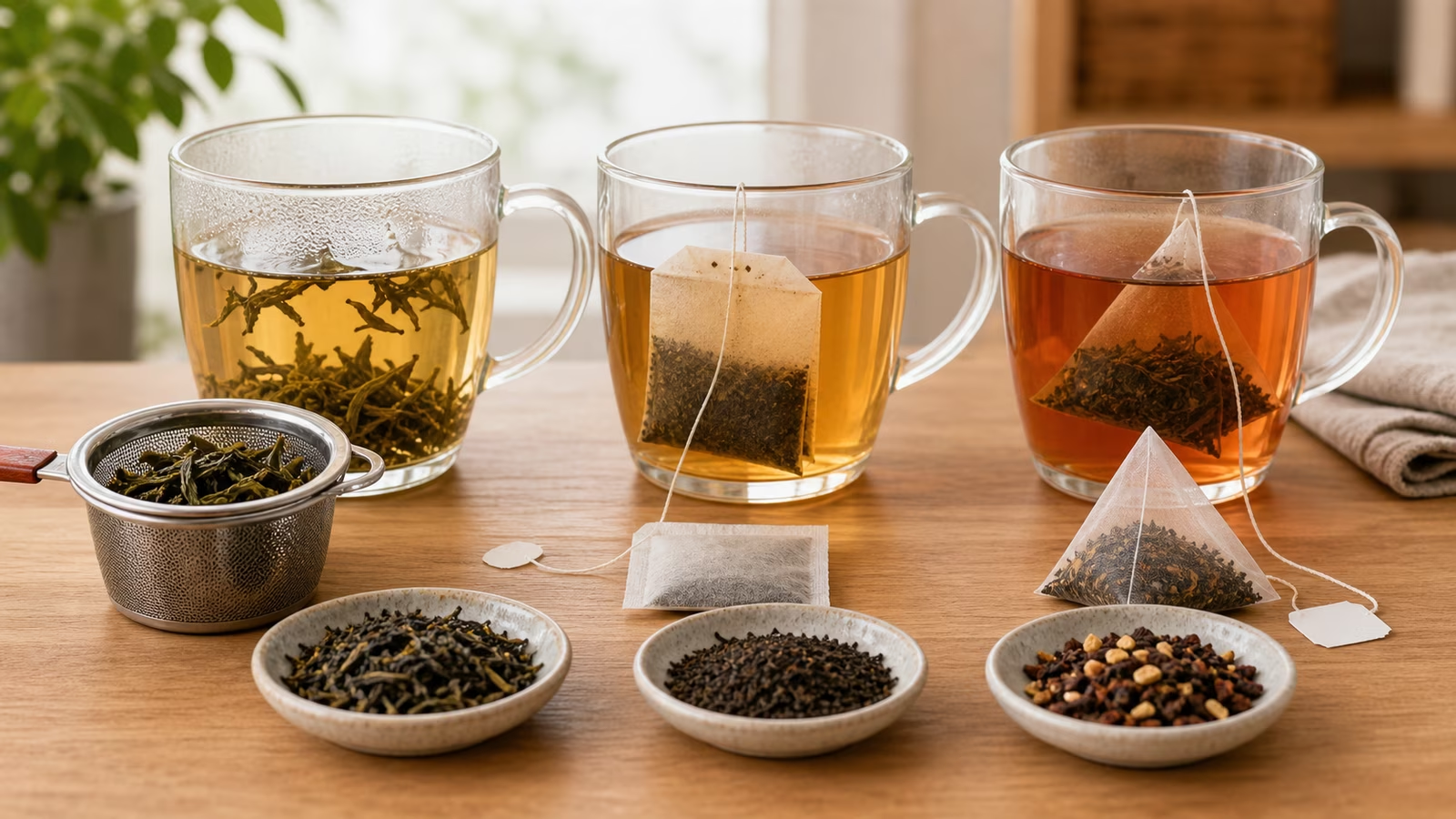
The loose-leaf-versus-tea-bag question gets framed as a matter of snobbery, but it is really a question about leaf size and room to expand, and once you see it that way the whole debate becomes practical rather than tribal. Most standard tea bags are filled with what the trade calls fannings and dust, the small broken bits left over after larger leaves are sorted out. Loose leaf, by contrast, tends to be whole or large-broken leaf. That difference in grade explains almost everything you notice in the cup, from how fast the tea brews to how forgiving it is, and it is the thread to hold onto as you decide what belongs in your cupboard.
Why leaf size changes the cup
Small broken particles have far more surface area exposed to the water than whole leaves do, so they extract fast and hard. That is why a standard tea bag brews strong and dark in a minute or two and can turn bitter if you forget it, and it is also part of why bagged tea often tastes flat and one-dimensional: the quick, aggressive extraction pulls tannins and color forward but leaves less of the delicate aromatic character that lives in whole leaves. Whole loose leaf extracts more slowly and more evenly, which gives you a rounder, more layered cup and a wider margin for error, because the flavor builds gradually instead of slamming to bitter all at once.
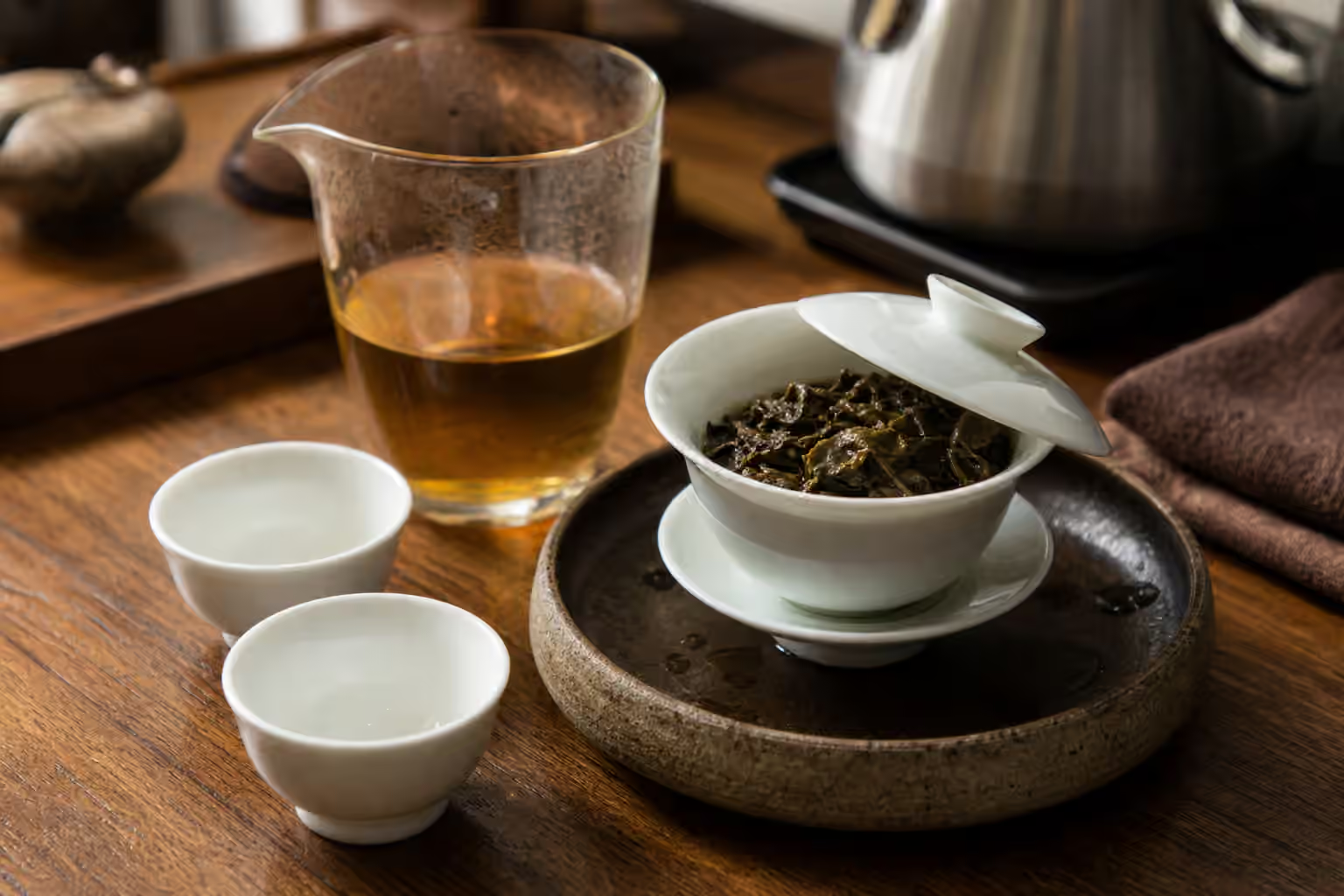
The other half of the story is expansion. Whole tea leaves unfurl dramatically as they brew, sometimes swelling several times their dry size, and they need room to do it. A tightly packed bag physically restricts that movement, so the leaves inside never open fully and never give everything they have, even if the leaf quality is good. This is the single most important idea in the whole comparison, and it is why an infuser you can fit into your cabinet does more for flavor than almost any upgrade in the tea itself; Teapots, Gaiwans, Kyusu, and Infusers walks through the vessels that give leaves that room.
Where flat tea bags earn their place
None of this makes the humble tea bag worthless. Its entire reason for existing is convenience, and convenience is a real value, not a lesser one. A tea bag needs no separate infuser, no measuring, and no straining, and it produces zero loose mess in the cup, which matters at a desk, on a trip, or first thing in the morning when you are not ready to think. The bag also produces a fast, strong, consistent cup, which is exactly what you want when you are adding milk and sugar and looking for a bracing wake-up rather than a nuanced tasting. If your daily habit is a quick mug of robust breakfast tea taken with milk, a good bagged tea serves that job honestly and there is no reason to feel you are doing it wrong. The trade you are accepting is freshness and complexity in exchange for speed and simplicity.
Where the pyramid sachet fits
The pyramid sachet is the format that tries to split the difference, and it mostly succeeds. Sachets are usually filled with whole or large-broken leaf, like loose tea, but sealed into a roomy pyramid-shaped mesh bag that gives those leaves space to expand the way a flat bag never allows. So you get much of the flavor advantage of loose leaf with much of the convenience of a bag: better leaf quality, room to unfurl, and no infuser or cleanup. The catch is cost and packaging. Sachets tend to be the most expensive format per cup, and each one is an individually wrapped piece of mesh, which adds up in both price and waste if you drink several cups a day. As a middle path they are genuinely good, and they are the easiest way for a bag drinker to taste what whole leaf does without changing any equipment.
Freshness, cost, and cleanup in real terms
Freshness quietly favors loose leaf. Whole leaves have less exposed surface area, so they stale more slowly than the broken particles in bags, and loose tea bought in a resealable pouch or tin can be portioned and kept airtight far more effectively than a box of individually stapled bags. How you store any of these formats matters as much as which you buy, and Tea Storage: Freshness, Light, Air, Heat, and Scent covers keeping leaf lively once it is home.
On cost, loose leaf is usually the best value per cup despite the higher sticker price, because you control the dose and because better leaf reinfuses; many loose teas give a good second or even third steep, while a spent tea bag is done. Sachets sit at the premium end, and flat bags are cheap up front but middling in value once you account for the thinner cup. Cleanup is the one clear point for bags and sachets, which lift out in one motion, while loose leaf asks you to deal with wet leaves in an infuser or pot. For most people the honest answer is not to pick a single winner but to keep a fast bagged or sachet option for busy mornings and a loose-leaf option for the cups you actually want to sit with.
A gentle boundary before you commit
Whatever format you settle on, the caffeine in the cup depends on the tea and the brew, not on whether it came loose or in a bag, and a strong bagged black tea can easily out-caffeinate a light loose green. If you are managing your caffeine intake, are pregnant, take medications that interact with caffeine, or have a medical condition that tea might affect, treat those as personal questions for a qualified clinician rather than something to judge by the packaging. This guide is tea education, not medical or nutrition advice, and its job is only to help you choose a format, not a health plan.
Choosing what belongs on your shelf
The practical way to decide is to match format to occasion rather than to loyalty. Keep flat bags or sachets for speed and travel, and keep loose leaf for the teas whose flavor you care about and the mornings you have five extra minutes. If you are just beginning to build that cupboard and want a short list that covers both jobs without overbuying, Tea Buying Without Getting Lost helps you stock a small, useful range. Brew the same tea two ways if you can find it in both formats, taste them side by side, and let the cup rather than the reputation of the format tell you where to spend your attention.