Matcha confuses a lot of newcomers because it breaks the one rule they thought all tea followed: you do not steep it and throw the leaf away. Matcha is green tea leaf that has been stone-ground into a fine powder, and you whisk that powder directly into hot water and drink the whole thing. Nothing gets strained out. That single fact explains why matcha tastes so much more intense than a steeped green, why its color is so vivid, why it can carry more caffeine than a normal cup, and why technique matters so much: there is no filter to hide behind, so a lumpy or scorched bowl goes straight into your mouth. Once you accept that you are drinking the leaf and not an infusion of it, everything else about making matcha starts to make sense.
Ceremonial and culinary grades, and which to buy
The first real decision is grade, and the marketing around it is muddier than it needs to be. In broad terms, ceremonial-grade matcha is made from the youngest, shade-grown leaves and is meant to be whisked with water and drunk plain, where its natural sweetness and smooth umami can show. Culinary-grade matcha is made from later or coarser leaf, tastes stronger and more bitter, and is built to hold its flavor and color when it is mixed into milk, baked goods, or smoothies. If you are learning to drink matcha as a bowl of tea, buy a ceremonial grade, because a good one is naturally sweet and forgiving and will not need masking. If your plan is mostly lattes and cooking, culinary grade is the sensible, cheaper choice, since the milk and sugar will round off the bitterness anyway. Color is your best quick clue to freshness in either grade: fresh matcha is a bright, almost electric green, while a dull, yellowish, or khaki tone signals old or lower-quality powder that will taste flat and hay-like no matter how well you whisk it.
Why matcha clumps, and the sift that fixes it
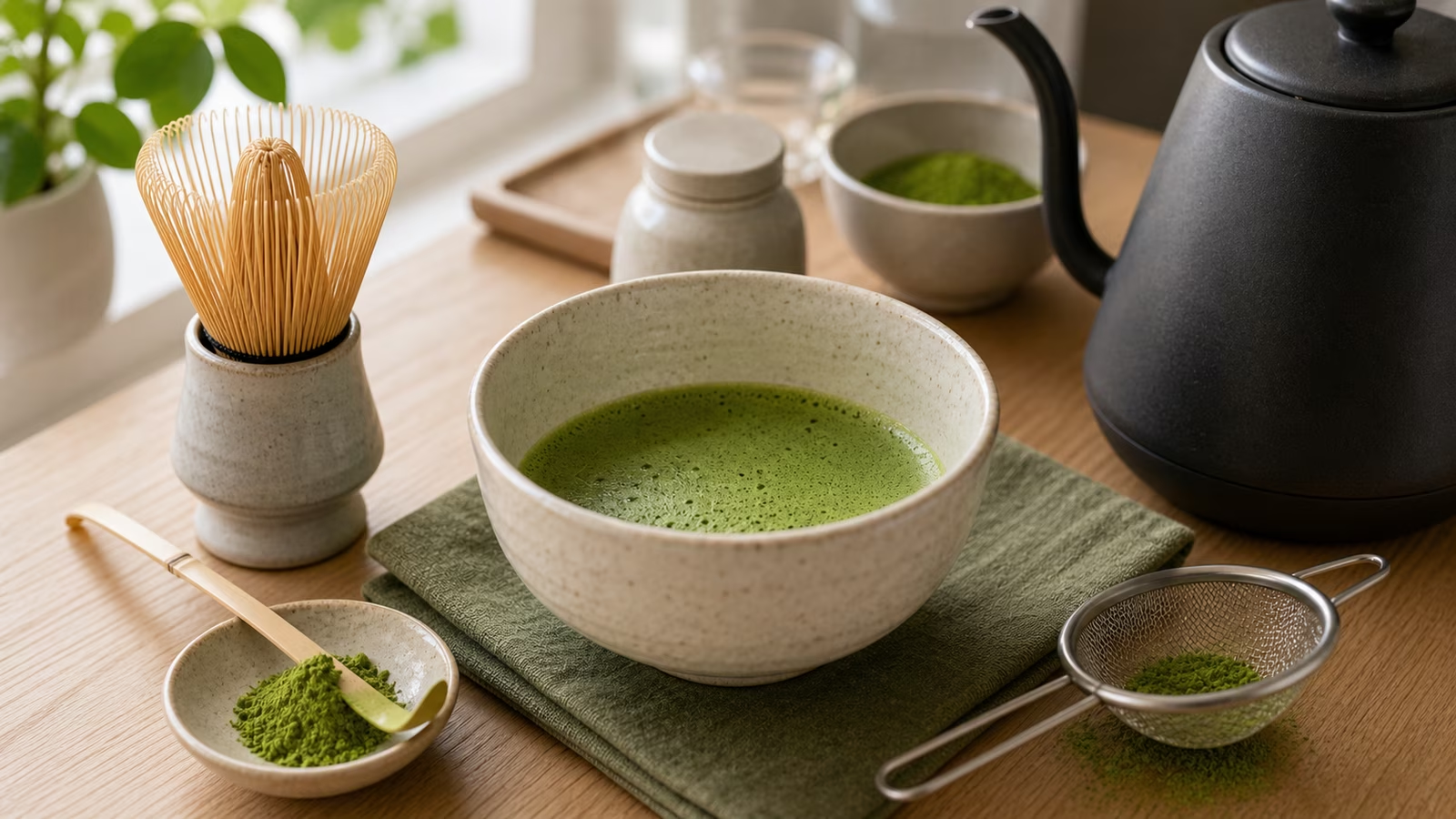
The most common beginner complaint is clumping, and the cause is simple: matcha is a very fine powder that compacts and cakes as it sits in the tin, so it hits the water in tiny dry lumps that the whisk then has to fight. The fix is not more vigorous whisking, it is sifting the powder before it ever touches water. Pushing the matcha through a small fine-mesh sieve into your bowl breaks up those caked bits and gives you loose, airy powder that dissolves smoothly. This one step does more to produce a lump-free bowl than any amount of arm strength, and skipping it is the reason most gritty, clumpy first attempts go wrong. If you would rather not sift, at least whisk a small amount of powder with a little water into a smooth paste first before adding the rest, but sifting is faster and more reliable.
Water temperature and the whisking motion
The second thing that separates a smooth bowl from a bitter one is water temperature. Matcha is delicate shade-grown leaf, and boiling water scorches it, dragging out harsh bitterness and flattening the sweetness. Let the water cool well off the boil before you pour, the same gentle heat you would give a fine green tea, and the natural sweetness survives. Add a small amount of the cooled water to your sifted powder, then whisk. The traditional motion with a bamboo whisk is a brisk back-and-forth zigzag, like writing the letter W, kept up near the surface rather than mashed against the bottom of the bowl. That quick surface motion is what whips air into the tea and raises the fine, pale-green froth that a good bowl of matcha is known for. Whisk for maybe fifteen to thirty seconds until the surface is foamy and even, then drink it fairly soon, because matcha does not stay suspended for long and the powder will settle if you let the bowl sit.
The small kit that makes this repeatable, the bamboo whisk, the wide bowl, the sifter, and the scoop, each does a specific job, and Matcha Tools: Whisks, Bowls, Sifters, and Scoops explains what is genuinely worth owning and what you can improvise. A milk frother can stand in for the whisk if you are only making lattes, though it froths differently than bamboo on a plain bowl.
Making a simple bowl, and an easy latte
For a plain bowl, sift a scoop or two of matcha into your bowl, add a small splash of off-the-boil water, whisk to a smooth paste, then add a little more water and whisk to a froth. That is the whole thing; it takes under a minute once sifting is a habit. For a latte, treat the matcha as a concentrate: whisk the powder with a small amount of hot water into a smooth, strong base first, then pour that over milk, hot or iced. Building the concentrate before the milk goes in is the trick to a smooth, evenly green latte instead of one streaked with undissolved powder, and it is the same principle that keeps any tea latte from tasting muddy, covered in Tea Lattes Without Muddy Flavor . Culinary grade shines here because its stronger flavor cuts through the milk. If you want to understand where matcha sits among its Japanese relatives, from sencha to gyokuro, Japanese Tea Path: Sencha, Hojicha, Genmaicha, Gyokuro, and Matcha places it in the wider family.
A gentle note on caffeine
Because you are drinking the whole ground leaf rather than a strained infusion, a bowl of matcha can deliver more caffeine than a comparable cup of steeped green tea, and it arrives alongside compounds that many people find give it a steadier, less jittery feel than coffee. That is pleasant, but it is still real caffeine and it adds up. If you are managing your caffeine intake, are pregnant, take medications that interact with caffeine, or have a medical condition that tea might affect, treat those as personal questions for a qualified clinician rather than something to judge by how the bowl feels. This guide is tea education, not medical or nutrition advice, and its only aim is to help you make a good bowl.
Building the habit
Matcha becomes easy the moment sifting and cooler water turn into reflexes rather than steps you have to remember. Start with a decent ceremonial powder, sift it every time, keep the water gentle, and whisk near the surface until it froths, and within a week you will be making a smoother bowl than most cafés hand you. Keep the powder sealed away from light and air so its bright green does not fade, make it a little at a time, and let each bowl teach you whether you want it thicker, thinner, sweeter, or stronger. The best matcha you drink will be the one you dialed in to your own taste, one quick whisked bowl at a time.