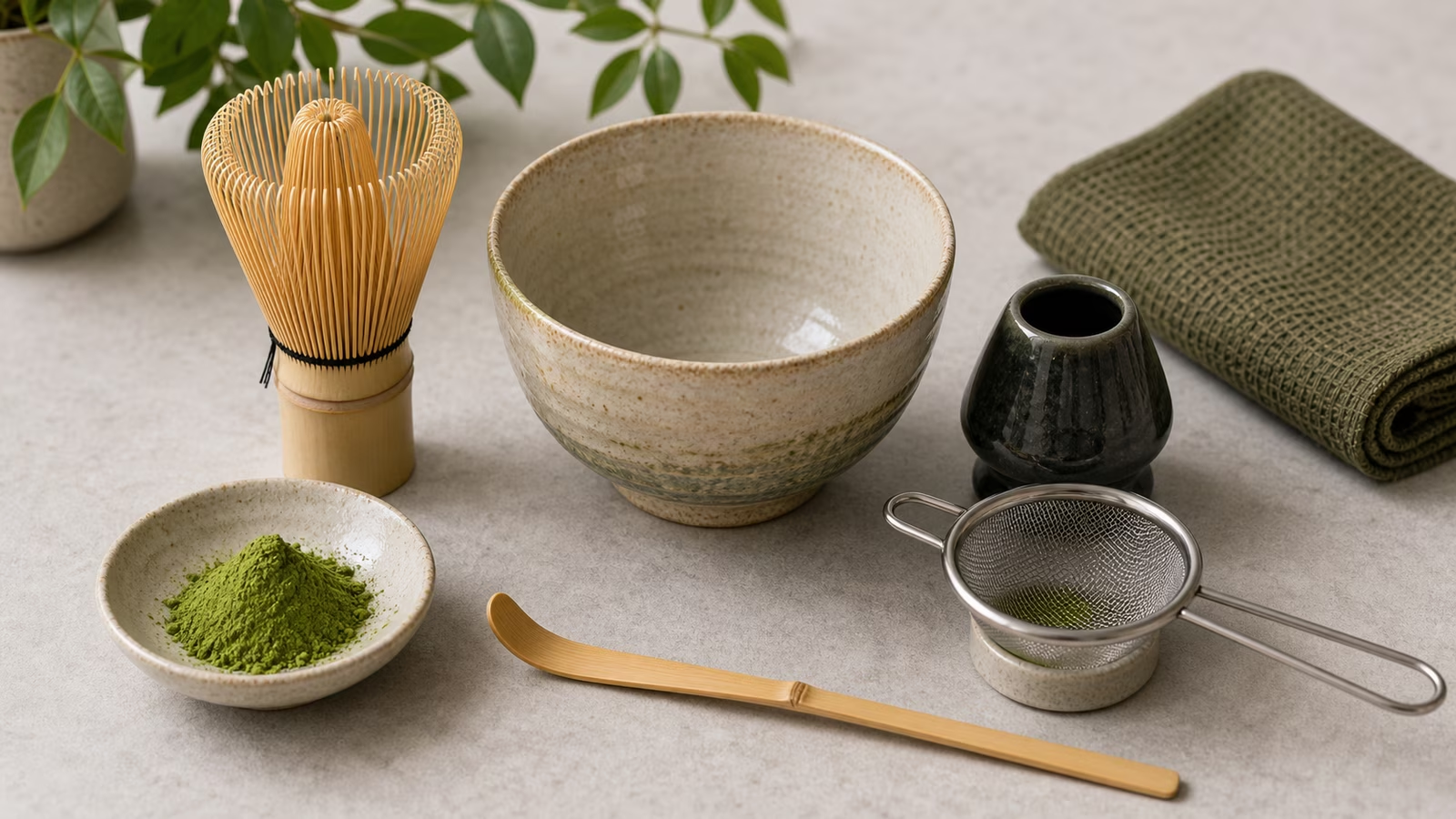
The matcha kit looks precious and a little intimidating in a shop window, but each piece exists to solve one practical problem that comes from whisking powdered leaf into water. Understanding what each tool is actually for tells you which ones earn their place, which ones you can improvise, and how to keep the delicate ones alive for years instead of months. If you are still learning the motion itself, Matcha for Beginners covers the sifting and whisking; this guide is about the equipment that makes that motion easy and repeatable.
The whisk, and why bamboo is shaped the way it is
The bamboo whisk, or chasen, is the tool that does the real work and the one people most often misunderstand. It is carved from a single piece of bamboo split into dozens of fine tines, and that fan of thin, springy prongs is what whips air into the tea and lifts the froth that a good bowl is known for. A metal spring whisk or a kitchen fork simply cannot break up the fine powder and aerate it the same way; the many soft tines reach into the powder and suspend it evenly instead of pushing it around. The number of tines varies, and a whisk with more, finer prongs generally produces a smoother, frothier bowl, which is why an eighty- or hundred-prong whisk is the usual recommendation for drinking matcha straight.
The bamboo whisk is also the most fragile thing you will own for tea, and it is genuinely a consumable: the tines soften and eventually snap with use, and even a well-cared-for whisk wears out over time. That is normal, not a sign you did something wrong. If you mostly make lattes rather than plain bowls, an electric milk frother is a fair substitute because the milk carries the texture, but for a traditional bowl whisked with water alone, nothing matches the bamboo whisk, and it is the one tool worth buying properly rather than improvising.
The bowl, wider than you expect
The matcha bowl, or chawan, is wide and relatively shallow, and that shape is not decoration. The whisking motion is a fast back-and-forth zigzag kept near the surface, and a wide bowl gives your whisk room to move freely and gives the tea enough surface area to froth. A narrow mug fights the whisk, cramps the motion, and makes it hard to build foam, which is why people who try to make matcha in a coffee mug so often end up with a thin, lumpy result. The bowl also needs a rounded interior with no sharp corner where the tines can catch and where dry powder can hide. If you want to improvise, any wide, deep cereal-style bowl works far better than a tall mug, so this is the piece you can most comfortably substitute while you decide whether matcha is a lasting habit.
The sifter, the quiet hero
The fine-mesh sifter is the least glamorous tool and the one that fixes the single most common beginner complaint, clumping. Matcha is an extremely fine powder that compacts and cakes as it sits in the tin, and those dry lumps are what turn into grit and floating clumps in the bowl. Pushing the powder through a small mesh sieve before it touches water breaks up the caking and gives you loose, airy powder that dissolves smoothly, so the whisk can concentrate on aerating rather than fighting lumps. A dedicated matcha sifter is nice, but any small fine-mesh strainer does the same job, which makes this the easiest tool to own cheaply. Do not skip it; a good sift does more for texture than an expensive whisk applied to unsifted powder.
The scoop and the whisk stand
The bamboo scoop, or chashaku, is the curved little spoon used to measure powder out of the tin, and it is the most optional item in the set. It exists for portioning and for the ritual of it, and a standard measuring spoon does exactly the same job with the same result. Buy it if you enjoy the ceremony; skip it without guilt if you do not. The whisk stand, a small ceramic or plastic form shaped like a spool, is more useful than it looks: resting the wet whisk on it after washing lets the tines dry splayed open in their original curved shape and keeps air moving around them, which slows the softening and cracking that ends a whisk’s life. It is optional, but of the two small accessories it is the one that actually earns its keep by extending the life of your most fragile tool.
Cleaning and storing so the bamboo lasts
Care is where most matcha kits quietly die, and the rules are simple. Never use soap on the bamboo whisk or scoop, and never put them anywhere near a dishwasher; bamboo is porous, it will absorb detergent and odors, and the heat and force will destroy the tines. Rinse the whisk in warm water right after use, gently swishing it to release the powder caught in the tines, then shake off the excess and set it to dry with the tines up and open, ideally on a whisk stand, somewhere with air circulation rather than sealed in a cupboard or drawer while damp. Bamboo left wet in a cramped, dark spot grows mold and rots, so airflow is the whole game. The bowl and any metal sifter can be washed normally, though the bowl appreciates gentle handling since ceramic chips. Store everything fully dry, and keep the matcha powder itself sealed away from light, air, heat, and moisture in its own container, because the powder stales far faster than the tools and a dull green tin will undo good equipment; the same storage habits that protect leaf tea, covered in Cleaning and Caring for Teaware , apply here.
A gentle boundary
Tools are about texture and pleasure, not health, and no whisk changes what is in the cup. Matcha does carry caffeine, and because you drink the whole ground leaf it can carry more than a steeped green, so if you are managing your caffeine intake, are pregnant, take medications that interact with caffeine, or have a medical condition that tea might affect, treat those as personal questions for a qualified clinician rather than something to weigh against a bowl. This guide is tea-gear education, not medical or nutrition advice.
Building the kit you will actually use
If you buy in order of impact, get a proper bamboo whisk and a fine-mesh sifter first, use a wide bowl you already own, and add the dedicated bowl, scoop, and stand later if the habit sticks. That short list makes a smooth, frothy bowl without a cabinet full of equipment, and it keeps the fragile bamboo alive by treating it gently and letting it dry open. Where matcha fits among the other Japanese teas, and why its tools are so specific, is worth exploring in Japanese Tea Path: Sencha, Hojicha, Genmaicha, Gyokuro, and Matcha . Start with the two tools that matter, care for them properly, and let the rest of the kit follow your own taste rather than a shopping list.