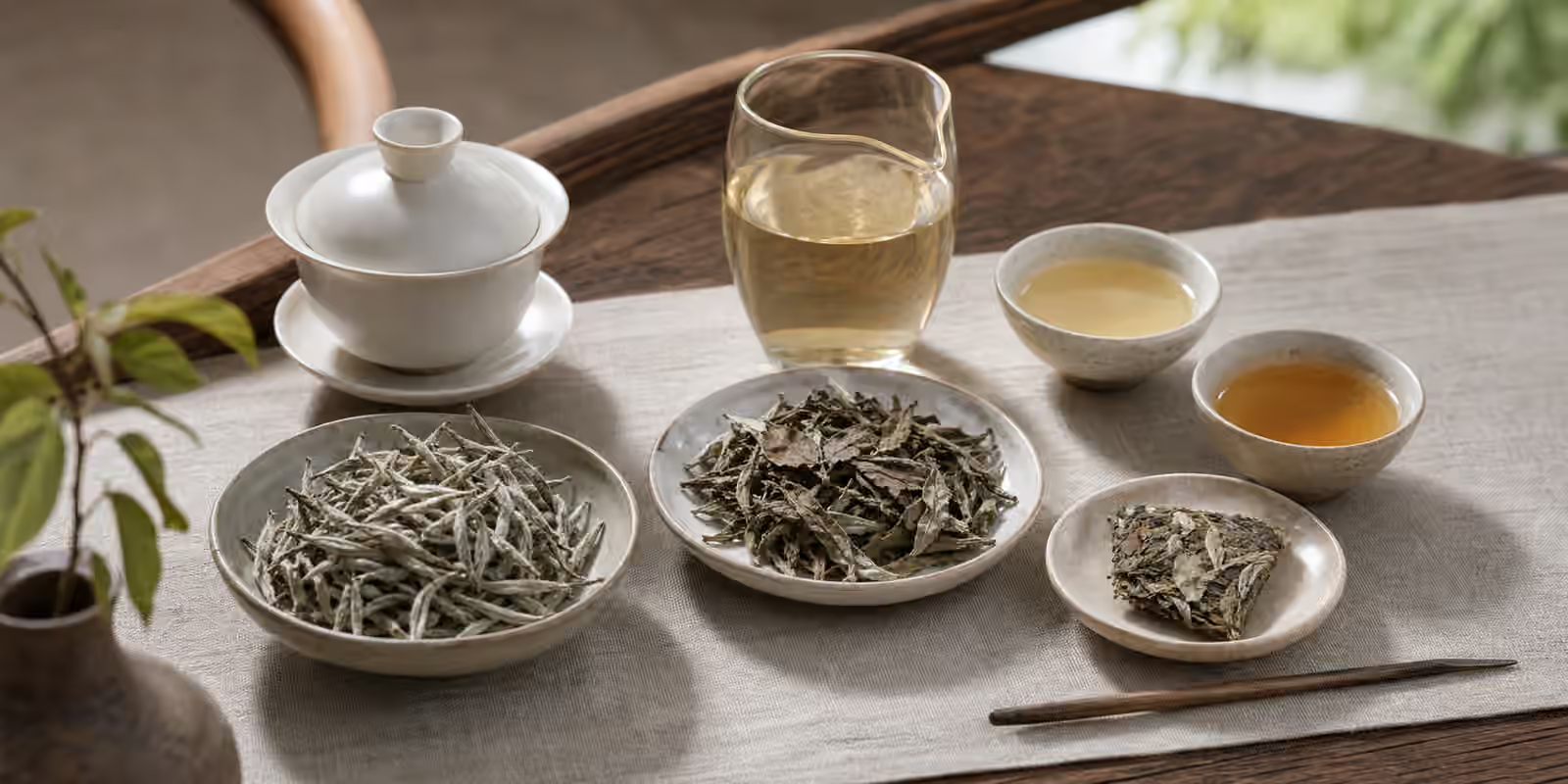
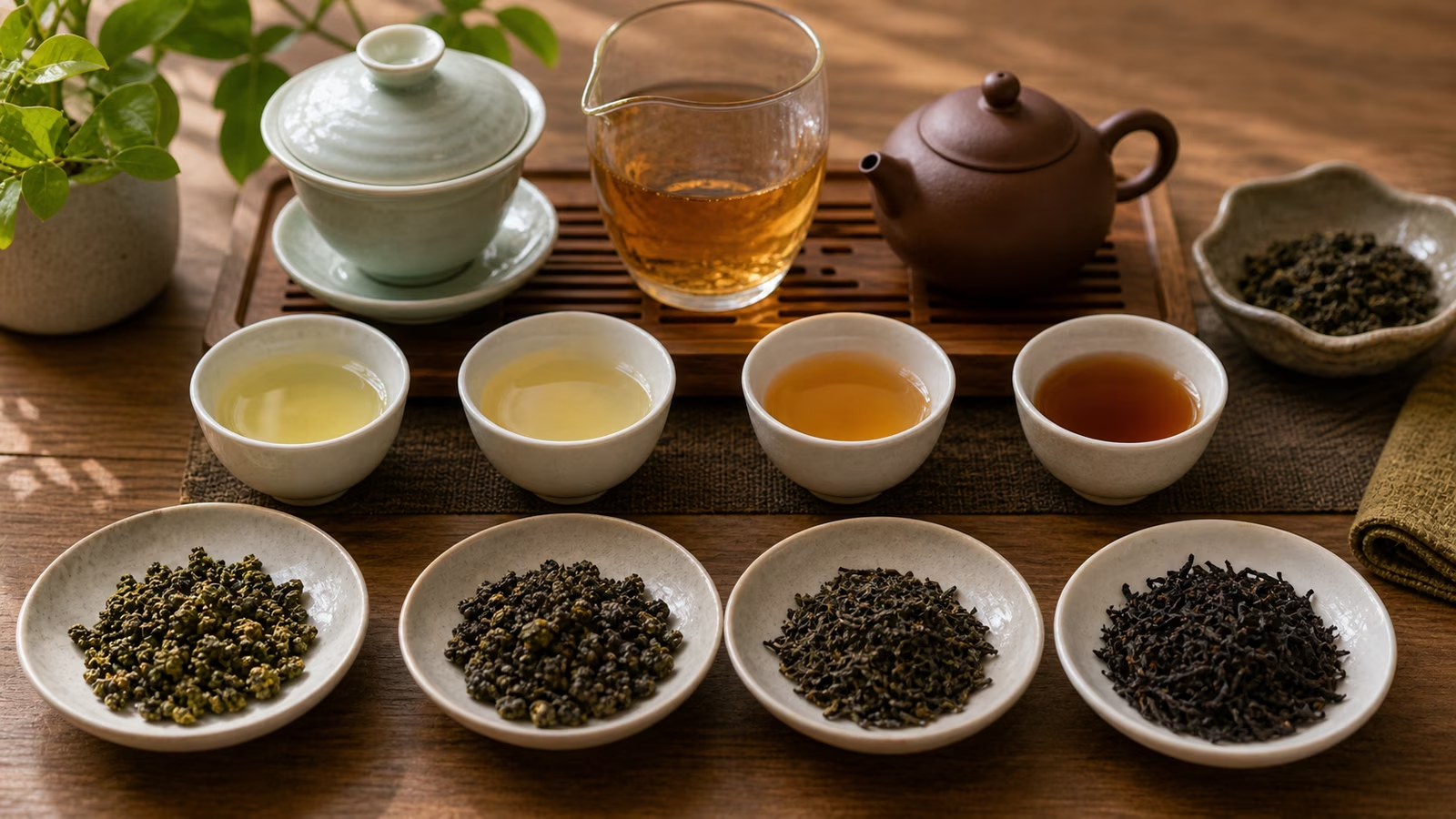
Oolong is the most misunderstood word on the tea shelf, because it does not name a flavor. It names a process, and that process leaves enormous room. An oolong can be pale green and smell like a florist’s cooler, or it can be dark, glossy, and smell like toasted grain and stone fruit, and both are correctly labeled oolong. Once you understand that the category is a spectrum rather than a single taste, the confusion turns into a map you can actually use.
What “partially oxidized” actually means
Every true tea comes from the same plant, and what separates green from black is oxidation — the browning that happens when bruised leaf enzymes meet air, the same reaction that darkens a cut apple. Green tea is heated early to stop it; black tea is allowed to run nearly to completion. Oolong lives in the wide middle, oxidized somewhere between roughly ten percent and eighty percent, and that single lever explains most of what you taste. A lightly oxidized oolong keeps green, floral, and creamy notes. A heavily oxidized one moves toward the honeyed, fruity, darker character that starts to resemble a gentle black tea. If you have read the green tea guide and the black tea guide , oolong is the bridge between them, and tasting one of each in a row makes the whole family click into place.
The two axes: oxidation and roast
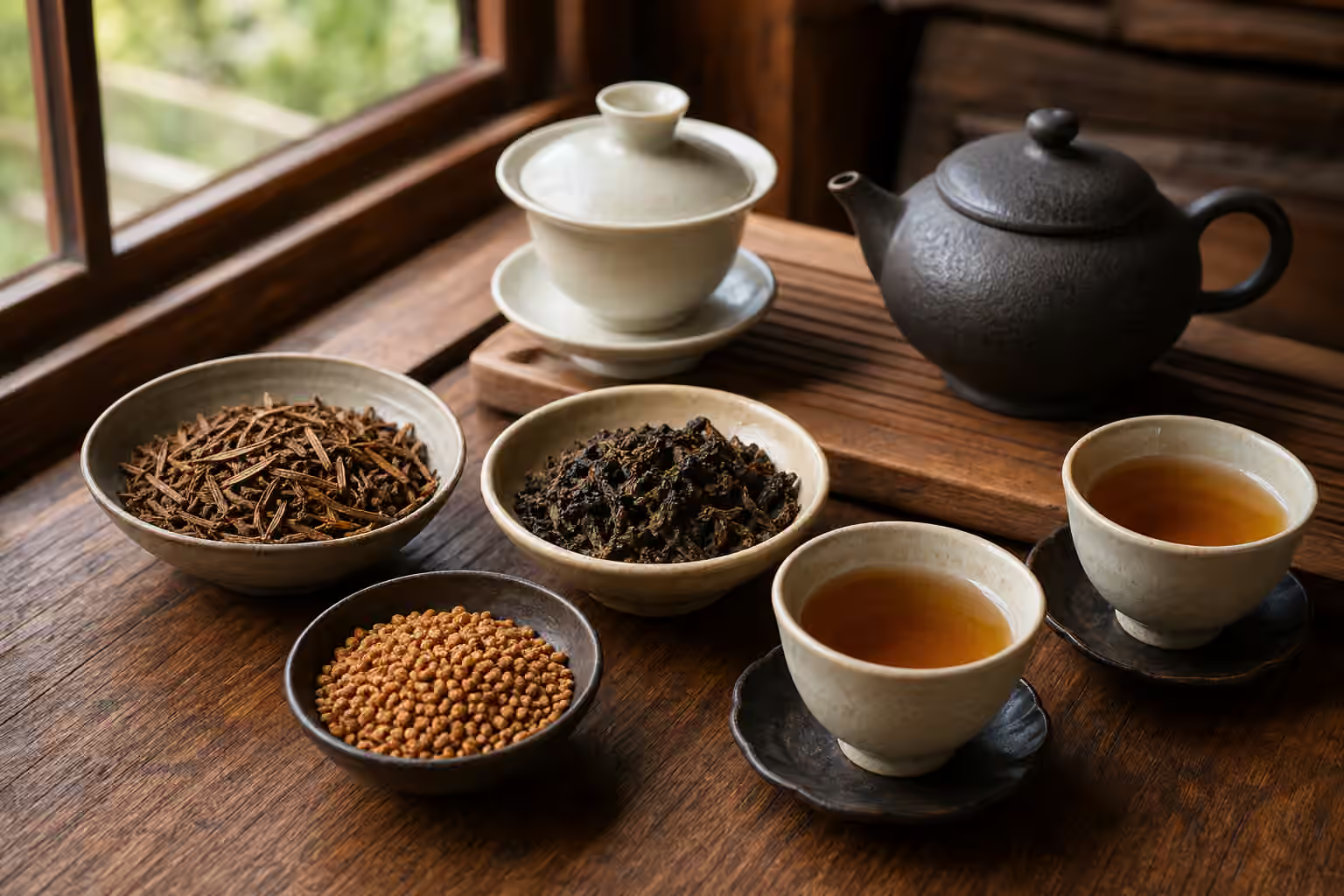
Oxidation is only half the story. After the leaves are shaped, many oolongs are roasted, and roast is a second, independent dial. A green, floral oolong that has been lightly roasted keeps its perfume but gains a warm, rounded edge. Take the same base leaf and roast it long and dark, and the florals recede while caramel, roasted nut, and a mineral warmth step forward. This is why two teas labeled with the same varietal and origin can taste like different beverages: one was left bright and the other was carried through several rounds of charcoal or oven heat. When a vendor lists a roast level, treat it as at least as important as the origin name, and know that heavier roasts tend to taste smoother and less grassy, which many people find easier to enjoy, while lighter styles show off aroma at the cost of some forgiveness in the brewing.
The rolled and the twisted
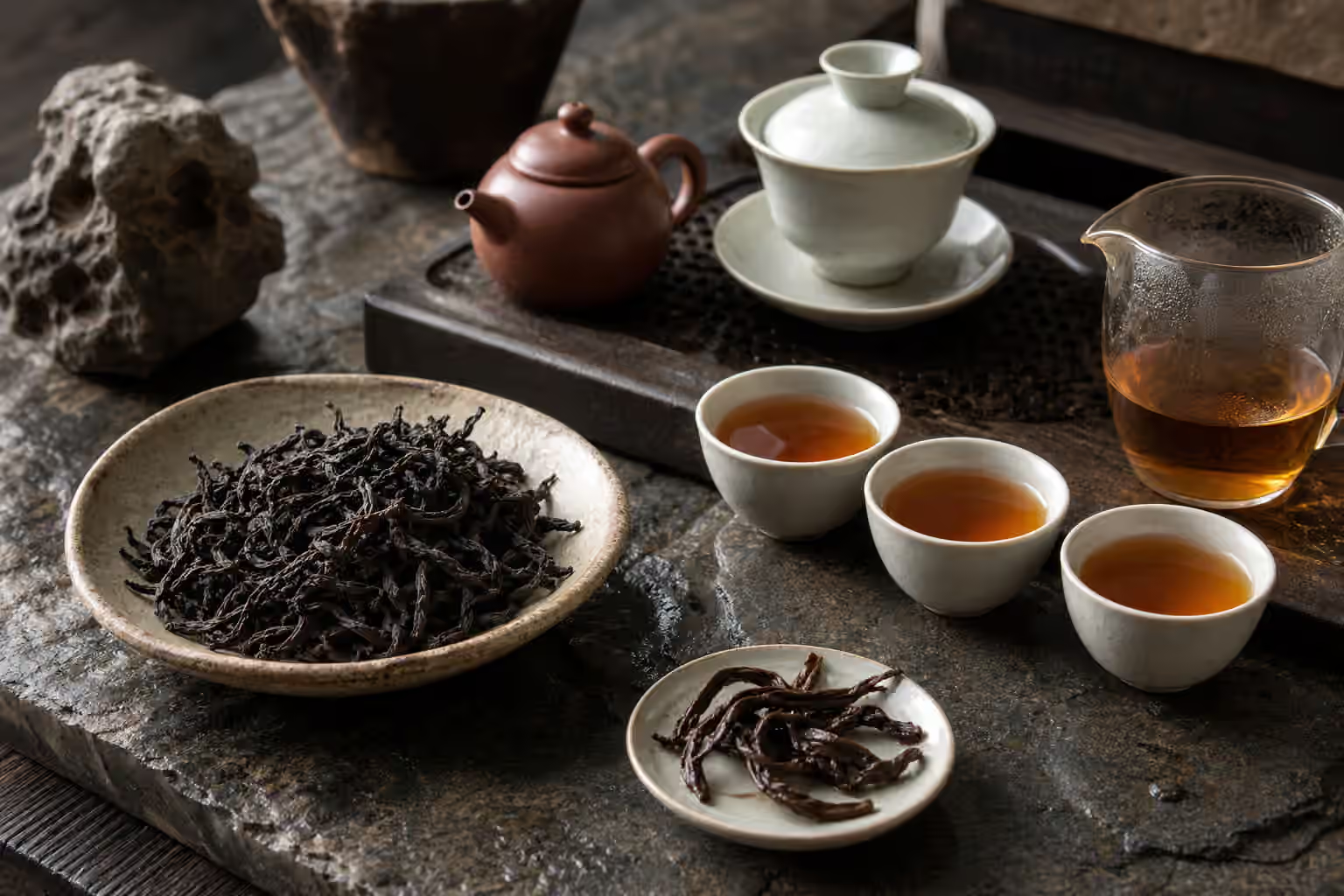
Oolongs also come in two broad shapes, and the shape hints at how to brew them. Many are rolled into tight little balls that look almost like peppercorns; these are common in high-mountain styles and they open dramatically, so a small amount of dry leaf swells to fill the pot and a first short steep may taste thin before the balls have unfurled. Others are left in long, twisted strips, the classic form of the roasted cliff teas discussed in the Wuyi rock oolong guide , and these give up their flavor more evenly from the first pour. Knowing which you have prevents the common disappointment of a weak opening cup: with rolled oolong, patience across the first two infusions is rewarded, not a heavier hand with the leaf.
Brewing so it keeps giving
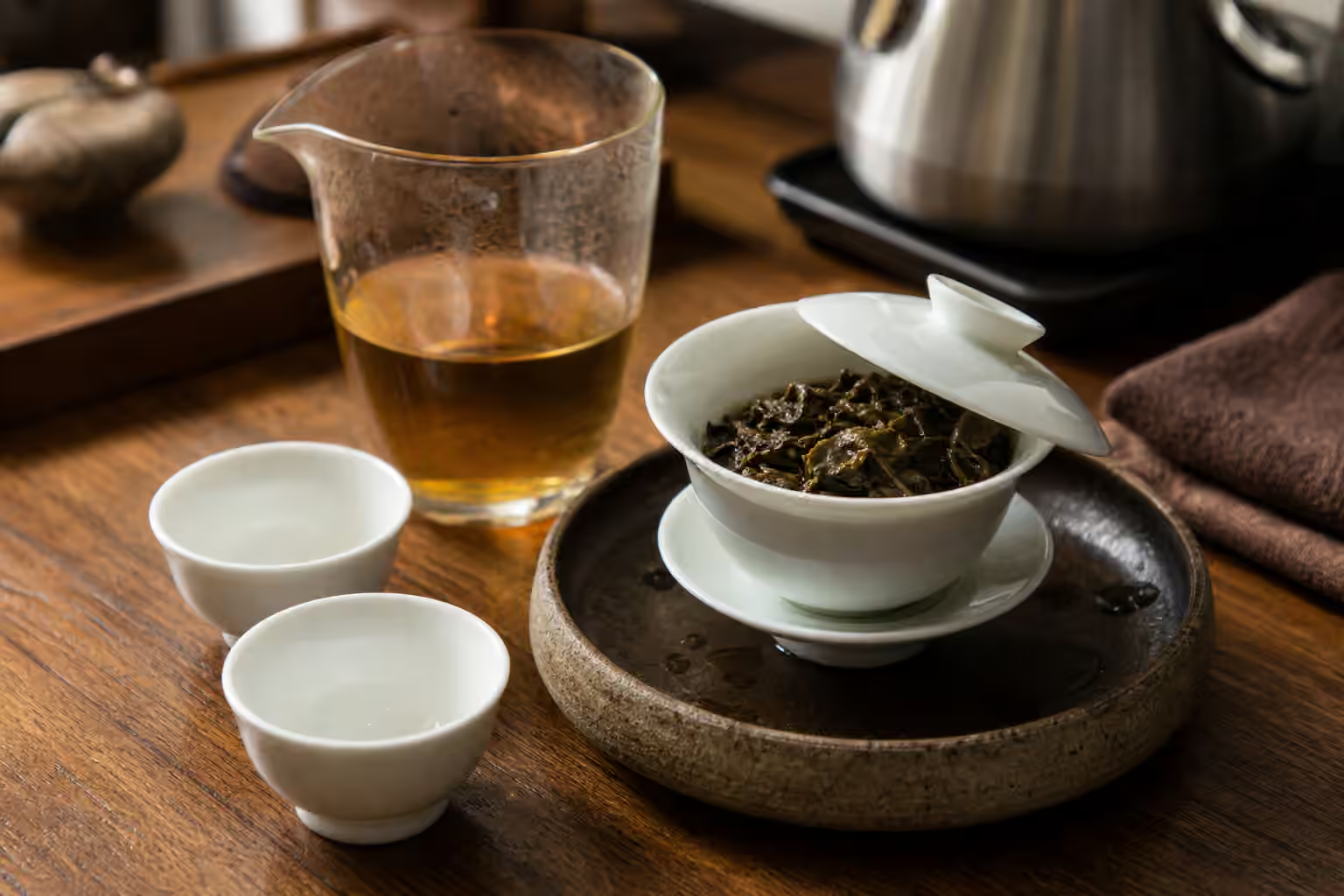
Oolong is the family that most rewards short, repeated infusions, and it is the natural place to try the small-pot approach described in the gongfu tea guide . The idea is simple: use more leaf than you would in a mug, use less water, and steep for short bursts rather than one long soak. Good oolong will give you five, eight, sometimes more than ten infusions from a single measure of leaf, and the flavor evolves as it goes. Early steeps of a rolled floral oolong may be all perfume and cream; the middle ones deepen; the later ones grow sweet and mineral as the leaf finally exhausts itself. Watching that arc is one of the quiet pleasures of the category, and it is covered further in the resteeping guide .
Water temperature depends on where the tea sits on the two dials. Lighter, greener oolongs prefer water pulled back from a full boil, closer to the range you would use for a delicate green, while roasted and darker styles are happy with near-boiling water that helps the roast bloom. If a cup comes out harsh, lower the heat or shorten the steep before you reach for less leaf; the full logic of that adjustment lives in the brewing temperature and time guide .
Tasting and pairing
Give yourself permission to describe oolong in ordinary words. A floral high-mountain tea might read as lilac, butter, and fresh greens; a roasted one as toasted almond, baked apple, and warm stone. Neither is more correct. What matters is that you notice the aroma rising off the warmed empty cup, the weight of the liquid on your tongue, and how long the sweetness lingers after you swallow, since a long, clean finish is one of the marks people prize in this family.
At the table, oolong is unusually versatile precisely because it spans so much range. Light floral styles sit beautifully beside steamed seafood, tofu, and fresh fruit, echoing rather than fighting delicate flavors. Roasted oolongs, with their toasted depth, stand up to richer food, grilled dishes, and even a square of darker chocolate. The trick to pairing is to match the tea’s weight to the food’s weight: a delicate cup drowns under a heavy dish, while a robust roasted oolong makes a light snack feel like nothing at all. When in doubt, put the tea and the food side by side and simply notice whether they lift each other or clash, the same unhurried attention the tea pairing guide encourages. Because caffeine content varies with the leaf and the brewing, and because questions about caffeine, pregnancy, medications, or medical conditions are personal, treat this as tea education rather than medical advice and bring anything health-specific to a qualified clinician.
The best way into oolong is to buy small amounts of two teas that sit far apart — one pale and floral, one dark and roasted — and brew them side by side. The contrast will teach you more about what the word means than any description, and it will quickly tell you which end of the spectrum you want to explore next.