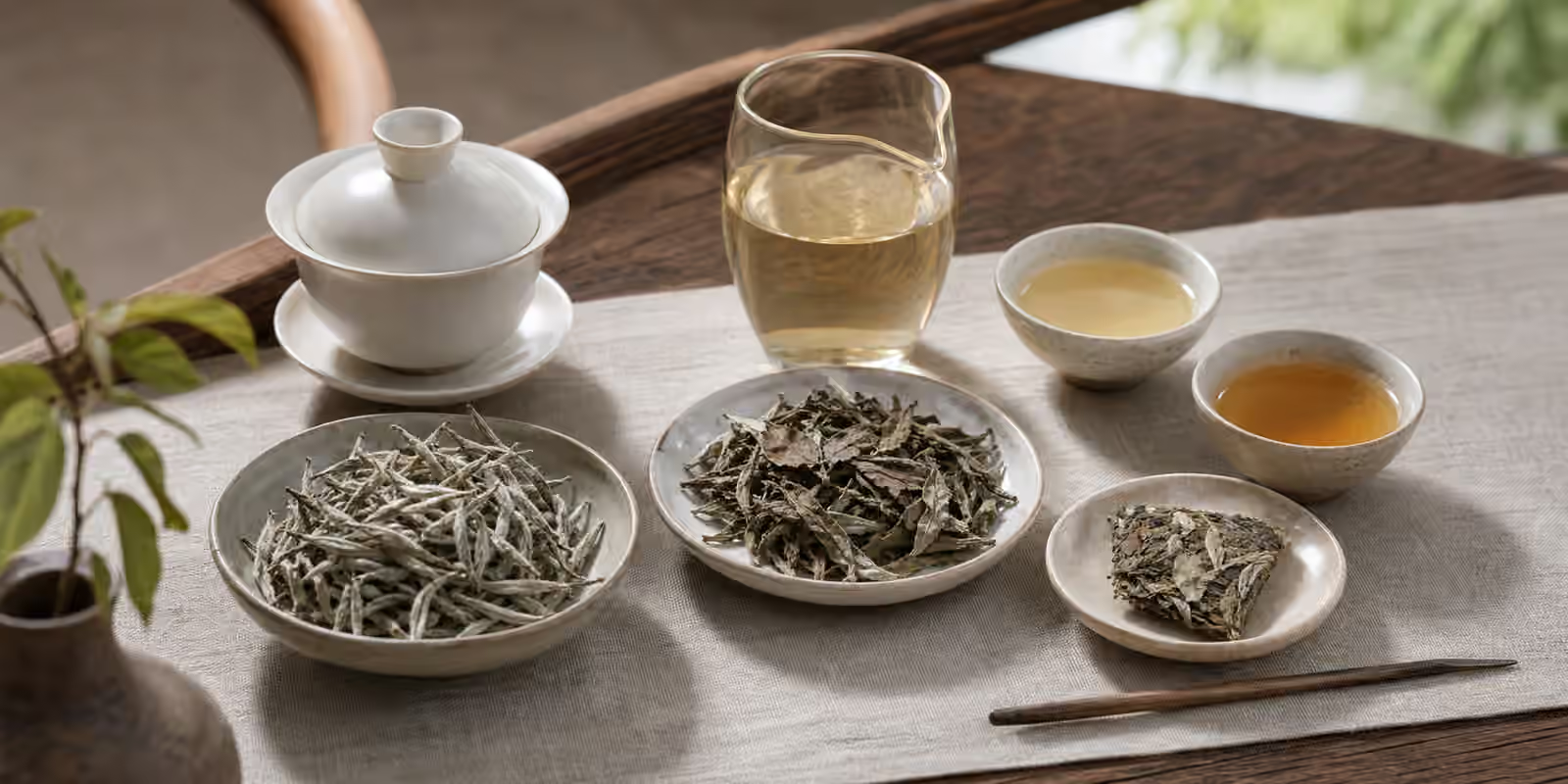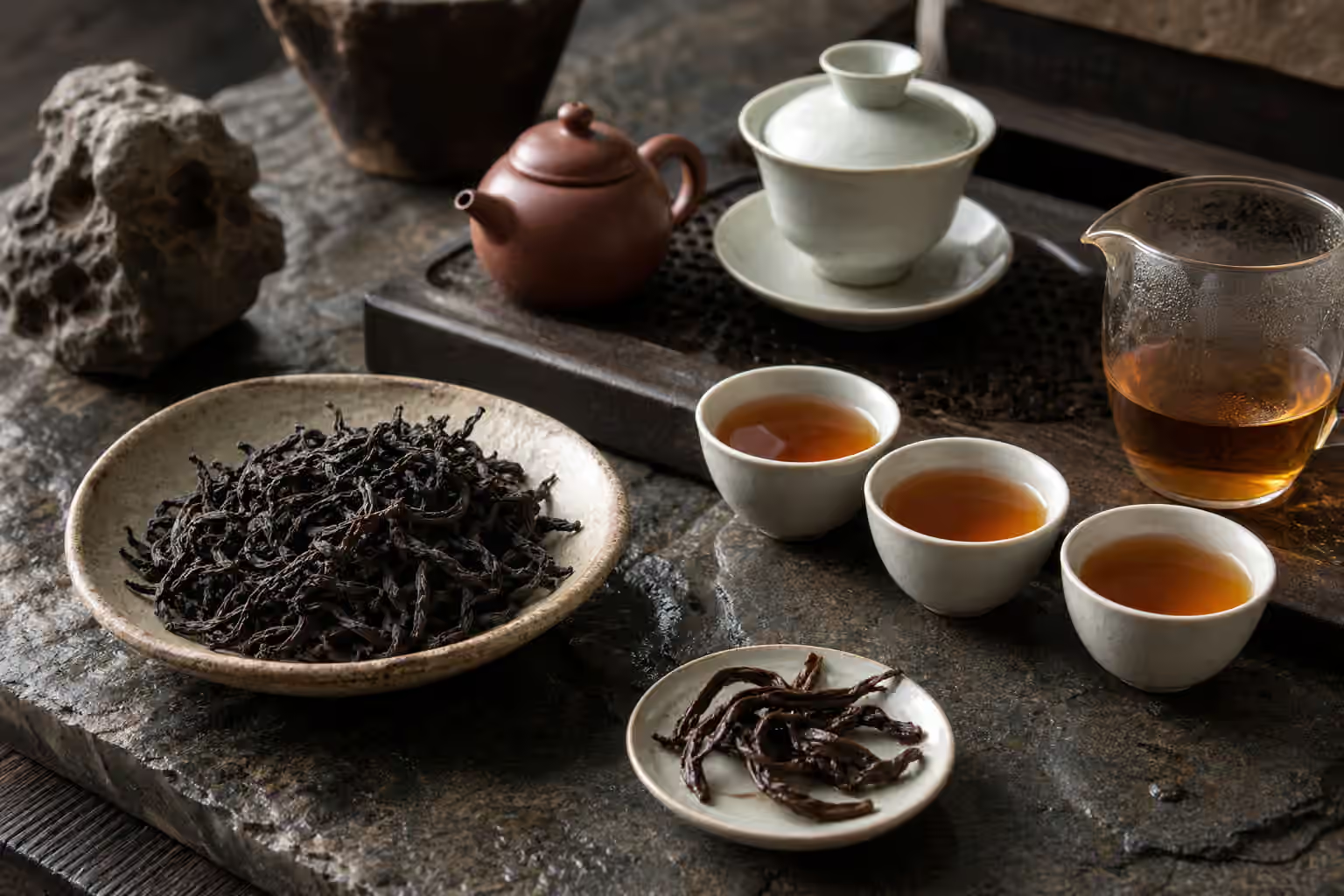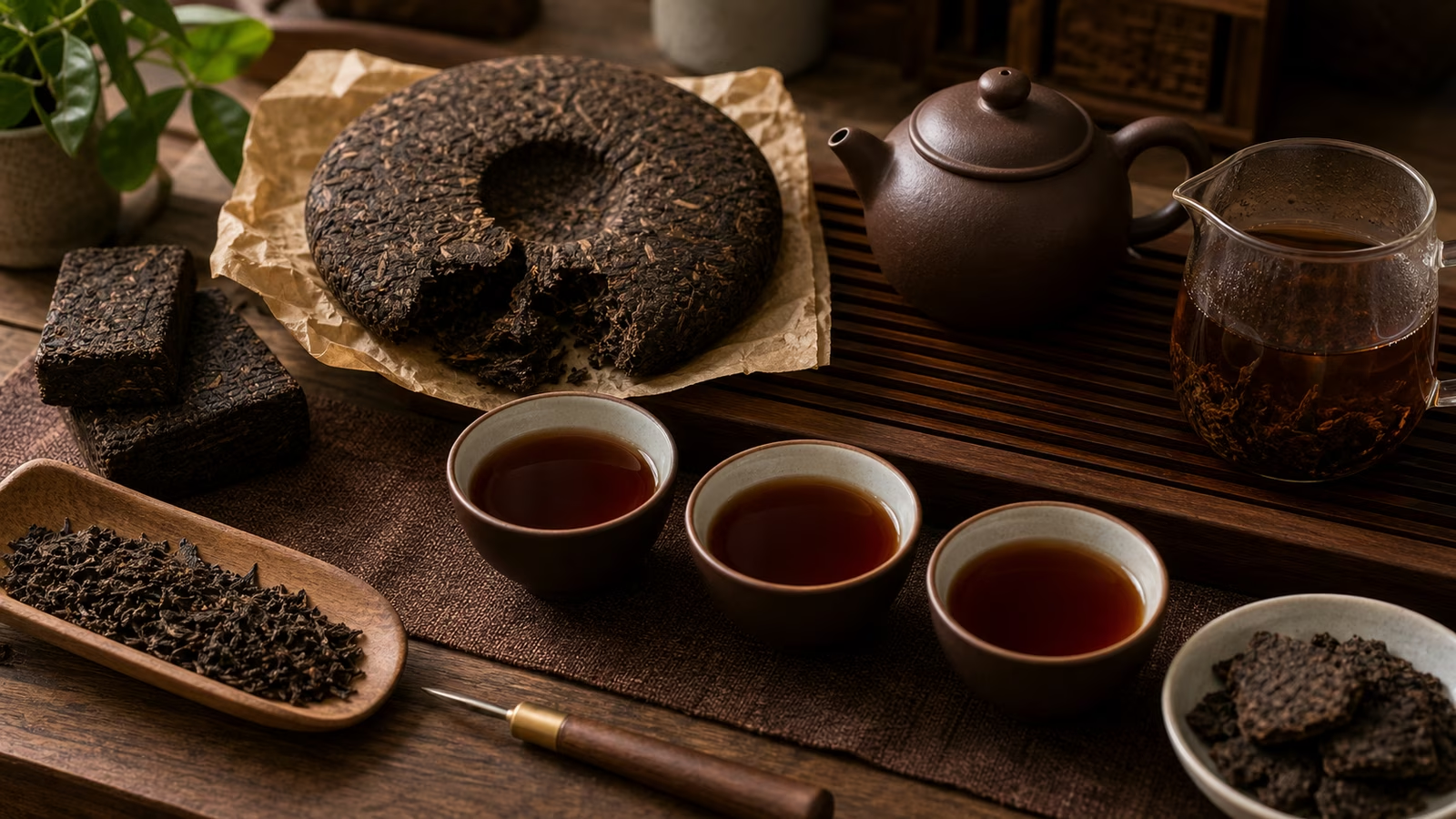
Pu-erh is the tea that most rewards a little patience with the vocabulary before the kettle. It belongs to a broader family often called dark tea, and what sets that family apart from every other tea is a genuine microbial fermentation — not the enzymatic oxidation that makes black tea, but a slower process driven by microbes acting on the leaf over weeks, months, or years. That single difference is why pu-erh tastes the way it does, why it comes pressed into cakes and bricks, and why people talk about it aging like nothing else on the shelf.
Ripe and raw: the fork that matters most
The first thing to sort out is ripe versus raw, because they are almost two different drinks. Ripe pu-erh, sometimes labeled shou or cooked, is fermented deliberately and quickly in controlled piles, and it arrives dark, smooth, and mellow, tasting of damp earth, wood, and sometimes cocoa or dates. It is forgiving and immediately drinkable, which makes it the sensible place for a newcomer to start. Raw pu-erh, labeled sheng, is essentially a green tea that has been pressed and left to ferment slowly on its own over years. Young raw pu-erh can be bracing, bitter, and vividly aromatic, with a fruity or floral sharpness that softens only with age. If you buy one cake blindly and it shocks you, the odds are you got a young raw when you expected the gentleness of a ripe. Knowing which you are holding is the single most useful thing about this category.
Beyond pu-erh proper, the dark tea family includes other fermented and often compressed styles, the world of compressed tea cakes and bricks . They share the earthy, aged character and the trick of coming in solid form, so much of what follows about breaking, rinsing, and brewing applies across the group.
Getting leaf out of a cake
Pressed tea introduces a step loose tea never asks of you: you have to break some off. Resist the urge to snap a chunk by hand or crush it, because both shatter the leaves and give you a muddy, over-strong cup full of broken bits. Instead, slide a blunt tea pick or a sturdy knife into the side of the cake along the natural layers and lever gently, working flakes loose so the leaves stay as whole as possible. Aim to pry rather than dig. A cake is meant to be worked from the edge inward over many sessions, and leaves that come off in intact flakes brew far more evenly than a fistful of powder.
The rinse, and why it earns its place
Most dark tea drinkers give the leaves a quick rinse before the real brewing: near-boiling water poured over the leaf and immediately discarded after just a few seconds. This does two things. It wakes up compressed leaf that has been packed tight for years, letting it begin to open so the first drinking infusion is not thin. And it rinses away loose dust and any storage character sitting on the surface. For ripe pu-erh in particular, a rinse noticeably cleans up the cup. The technique is the same one covered in the tea rinses and first infusions guide ; the difference with pu-erh is that you will almost always want to use it.
Brewing for the long haul
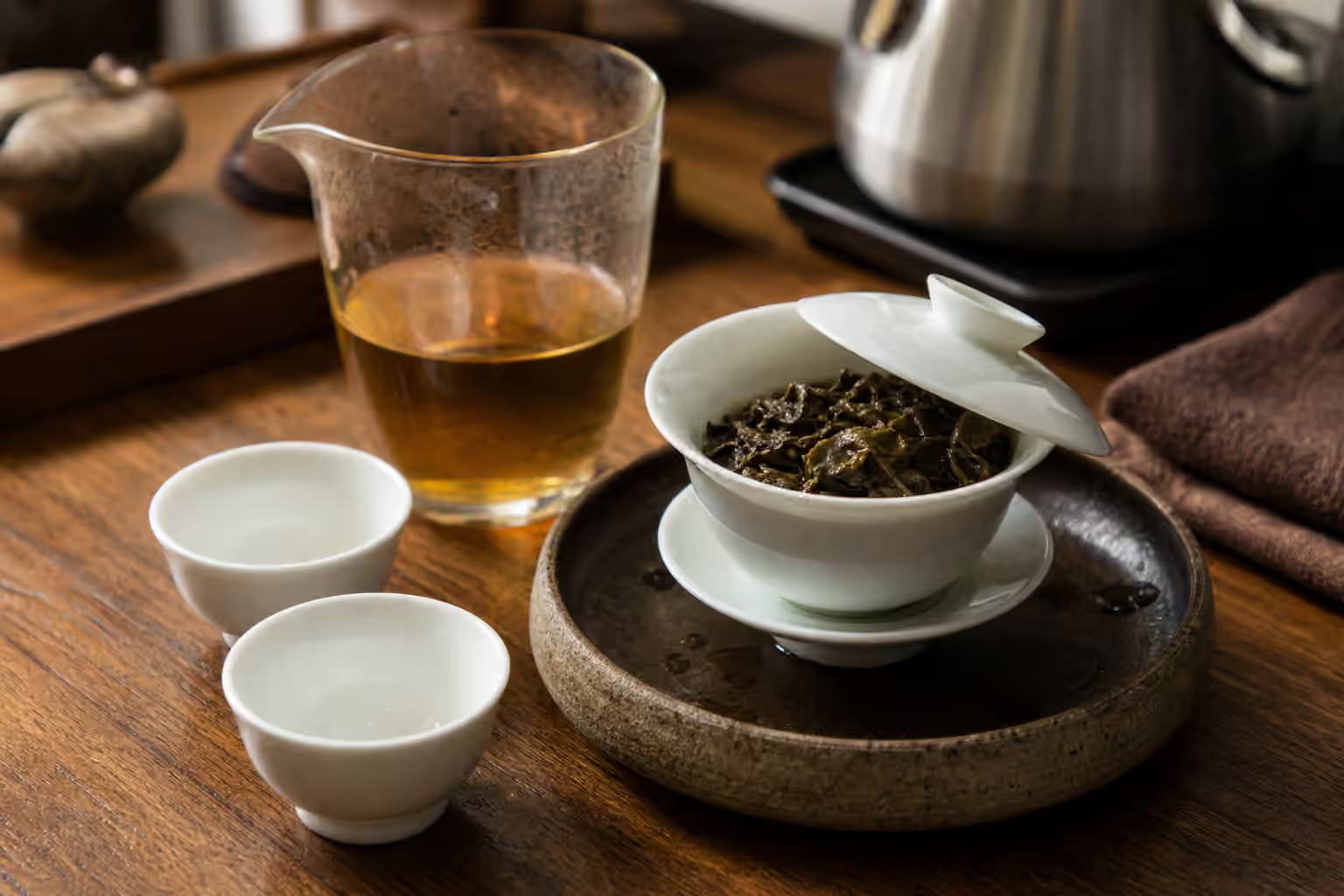
Dark teas love heat and love to be brewed many times, which makes them a natural fit for the small-pot method in the gongfu tea guide . Use water at a full boil — this is not a delicate green that scorches — put a generous pinch of leaf in a small vessel, and steep in short bursts, pouring off completely each time. A good ripe pu-erh will pour a dark, clear, mahogany liquor and keep giving pleasant cups through many infusions, growing sweeter and woodier as it goes. Young raw pu-erh brewed the same way rewards even shorter steeps early on, since its bitterness comes on fast; ease into it. If a cup turns muddy or harsh, shorten the steep before adding leaf, the same first move recommended in the brewing temperature and time guide .
An unglazed clay pot is a traditional companion here, and the unglazed clay teapots guide explains why: the porous clay is thought to round off some of the rougher edges of earthy teas. It is a nice refinement, not a requirement. A plain gaiwan or a small ceramic pot makes perfectly good pu-erh.
Storing it, and drinking it honestly
Dark tea is unusual in that it is not chasing peak freshness. Where a green tea is racing against staleness, a raw pu-erh is slowly changing for the better, so you store it differently from everything else on your shelf. It wants gentle, stable conditions with some air exchange rather than the airtight lockdown you would give a delicate green, kept away from strong kitchen odors, direct light, and dampness that could invite off smells. The broader logic of protecting leaf without suffocating it is covered in the tea storage guide .
A word on the earthy flavor, since it surprises people: ripe pu-erh’s damp, woodsy, cellar-like character is the intended taste of the style, not a flaw. What you do not want is anything genuinely musty, sour, or sharply moldy, which points to poor storage rather than good fermentation. Trust your nose. A clean earthiness invites another sip; a wrong smell tells you to set the cup down.
Because dark teas are often bought as whole cakes that represent a real commitment, buy small first. Many vendors sell samples or small chunks, the smart approach described in the tea samples and small orders guide , so you can decide whether you prefer the smooth comfort of ripe or the evolving edge of raw before you own a whole disc of it. And as always, questions about caffeine, pregnancy, medications, or medical conditions are personal; this is tea education, not medical or nutrition advice, and a qualified clinician is the right person to ask.