Almost everyone who ends up loving tea starts from the same mildly frustrating place: a cup that was supposed to be soothing came out bitter, or thin, or tasted vaguely of the tap. The good news is that tea is not a talent you either have or lack. It is a very short list of variables you learn to feel, and once you can feel them, you stop making the same cup by accident. There are really only five things in front of you: the leaf, the water, the heat, the time, and your own attention. Everything a tea shop sells and everything a tasting expert says circles back to some combination of those five.
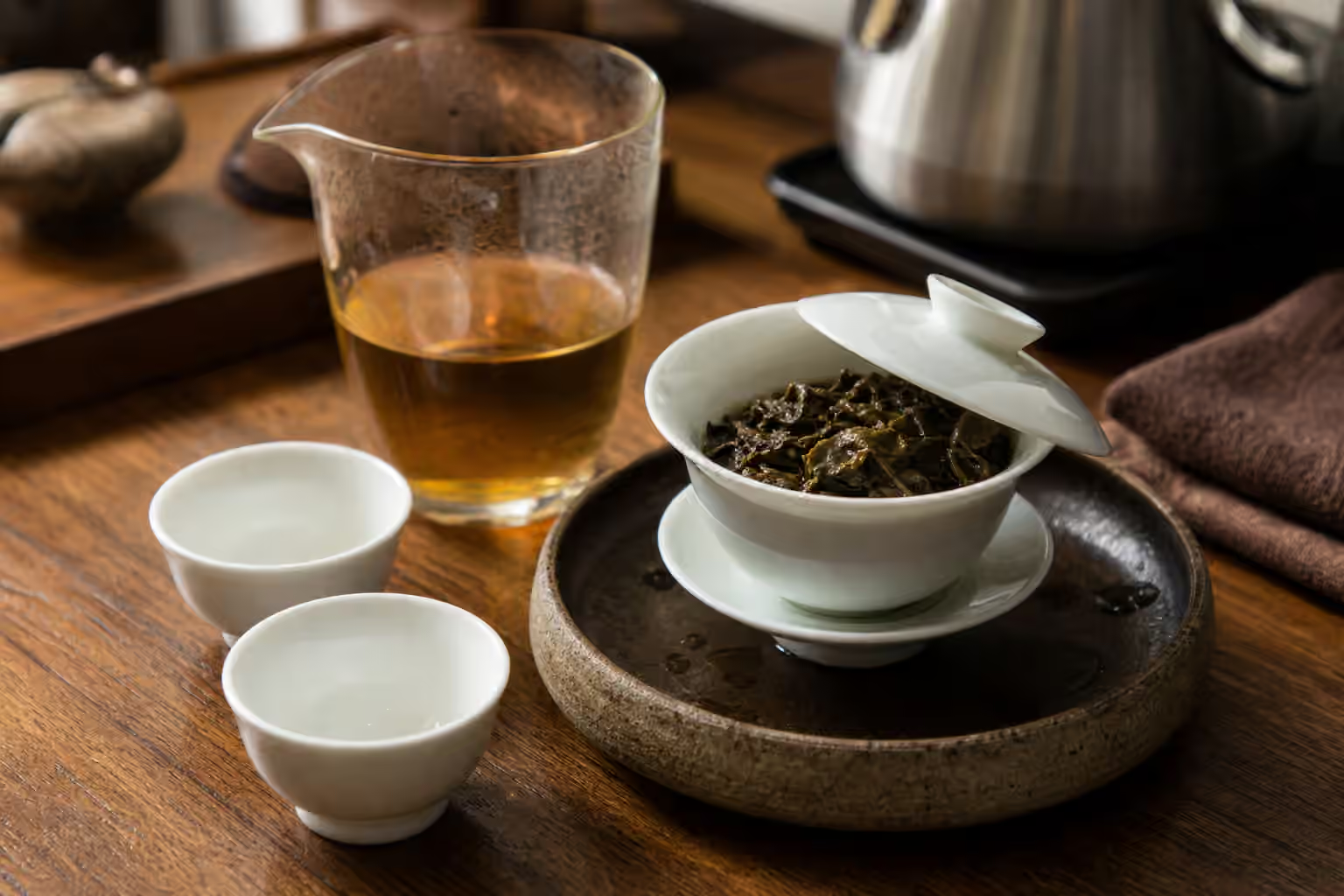
Start with what the leaf is for
Before you touch the kettle, it helps to decide what you actually want this cup to do, because the “right” brew depends entirely on the goal. A brisk black tea meant to wake you up on a Tuesday morning wants a different treatment than a delicate green you are sipping slowly on a weekend. A tea that has to survive a splash of milk needs to be brewed strong enough to still taste like itself underneath the dairy. A tea you are steeping to sit quietly with wants to stay gentle. When you buy a tea, read past the romantic name on the tin and ask a plainer question: when, realistically, am I going to drink this, and in what mug? A beautiful rare leaf that never fits your actual mornings will sit on the shelf going stale while you reach for a tea bag anyway.
Water is half the cup
New drinkers spend a lot of energy chasing expensive leaves and almost none thinking about water, which is backwards, because water is most of what is in your cup. If your tap water smells even faintly of chlorine, that smell will ride straight into the tea and flatten it. Heavily softened or heavily mineralized water changes the taste too. You do not need anything exotic; filtered water that tastes clean on its own is usually enough, and it is the single cheapest upgrade most beginners can make. The habit worth borrowing from careful coffee people is simply noticing the water first, which is exactly what the Coffee Mastery water guide trains, and the payoff shows up in tea just as clearly.
Heat and time do most of the talking
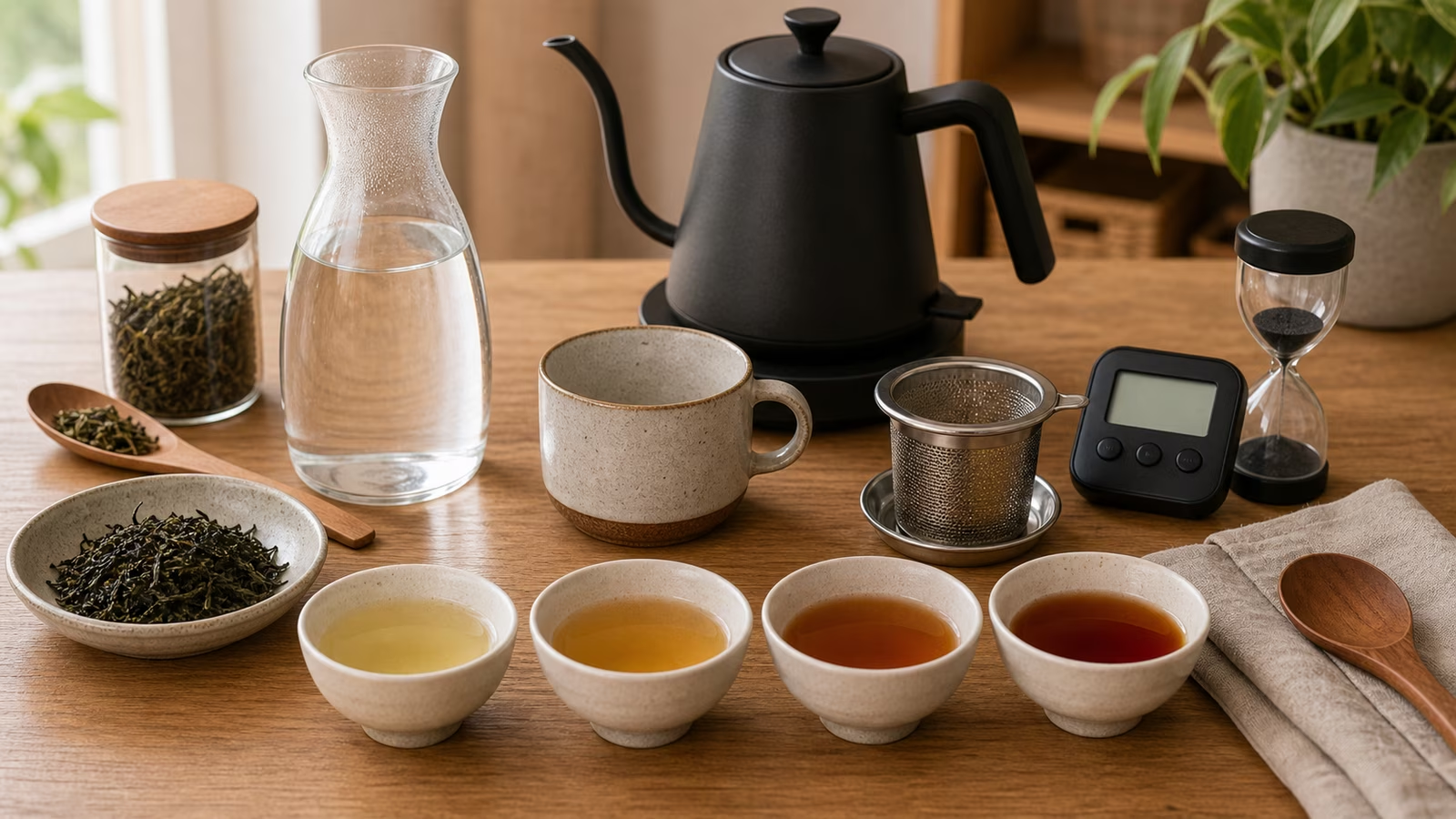
Heat and time are the two dials you will actually turn. As a rough mental model, hotter water and longer steeping pull more of everything out of the leaf, including the bitterness that lives deeper in it. Robust black teas and most herbal infusions are happy with fully boiling water and a few full minutes. Green and white teas are more fragile; water that is too hot scalds them and the cup turns harsh and vegetal in a bad way, so they prefer cooler water and shorter times. You do not have to memorize a chart to start. Pull your kettle off the boil and let it rest a moment for greens, use it fresh off the boil for blacks, and steep for the time on the package as a first draft. The full logic of matching temperature to leaf is worth reading once you have a few cups under your belt, and the brewing temperature and time guide lays it out without turning it into homework.
Taste it like a person, not a critic
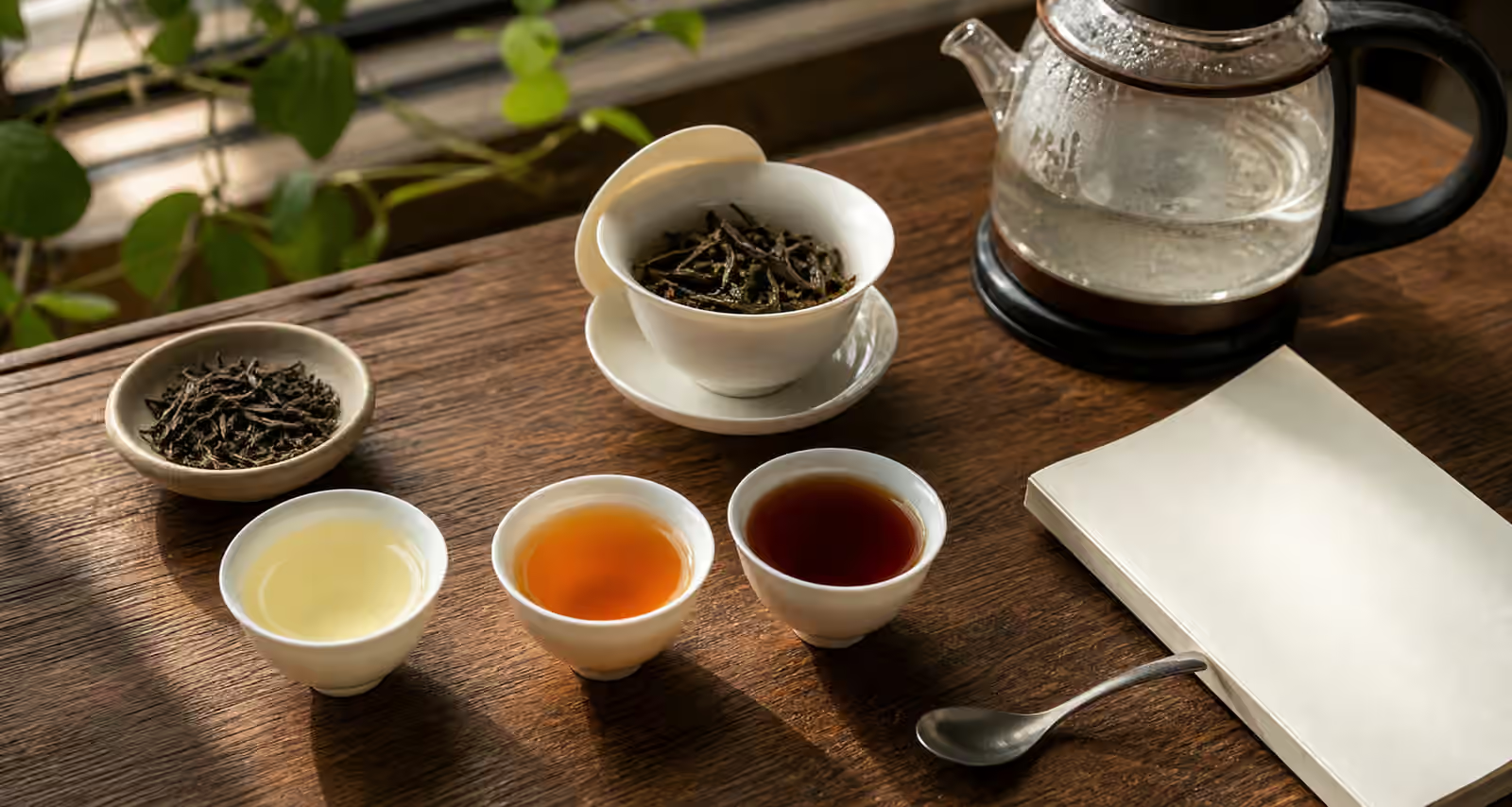
When the tea is in front of you, resist the urge to reach for fancy vocabulary. You only need to notice a handful of plain things: does it smell alive or dull, does it feel thick or watery in the mouth, is there any natural sweetness, does it dry your tongue and cheeks, and does the flavor linger or vanish. “Grassy and a bit sharp,” “malty and round,” “floral but thin,” “spiced but muddy” are all perfectly useful notes. That last habit of naming what you taste is the whole skill, and if it appeals to you the tasting-without-pretension guide goes deeper. The reason to bother is entirely practical: a plain note tells you what to change next time.
Change one thing at a time
The most common beginner mistake is not any single wrong setting. It is changing three settings at once. You use more leaf, hotter water, and a longer steep to fix a weak cup, the next cup comes out harsh, and now you have no idea which move did it. Treat each cup as one small experiment. If the tea tastes harsh, do exactly one thing: lower the heat, or shorten the steep, or use a little less leaf, and see what happened. If the tea tastes flat and lifeless, suspect old leaves or dull water first, then reach for slightly more leaf or slightly more time. And it is worth learning to tell these problems apart, because bitter, flat, stale, and simply weak are four different failures that ask for four different fixes, even though they can all read as “bad tea” to a tired palate.
Write the first recipe down
The habit that separates people who improve from people who keep guessing is almost embarrassingly simple: write the first recipe down. Leaf amount, water, temperature, time, the mug you used, and one honest sentence about how it tasted. That is your baseline. Without it, every cup is a fresh guess and you never build memory. With it, you can return to the same leaf on a different day, change a single variable, and actually learn something. Keep the notebook light. “Sweeter on the second steep” is a complete and valuable entry. Over a few weeks these scraps turn into real intuition, and you will find yourself adjusting a brew mid-pour because your hands remember what your notes taught them.
Buy small, set up simply
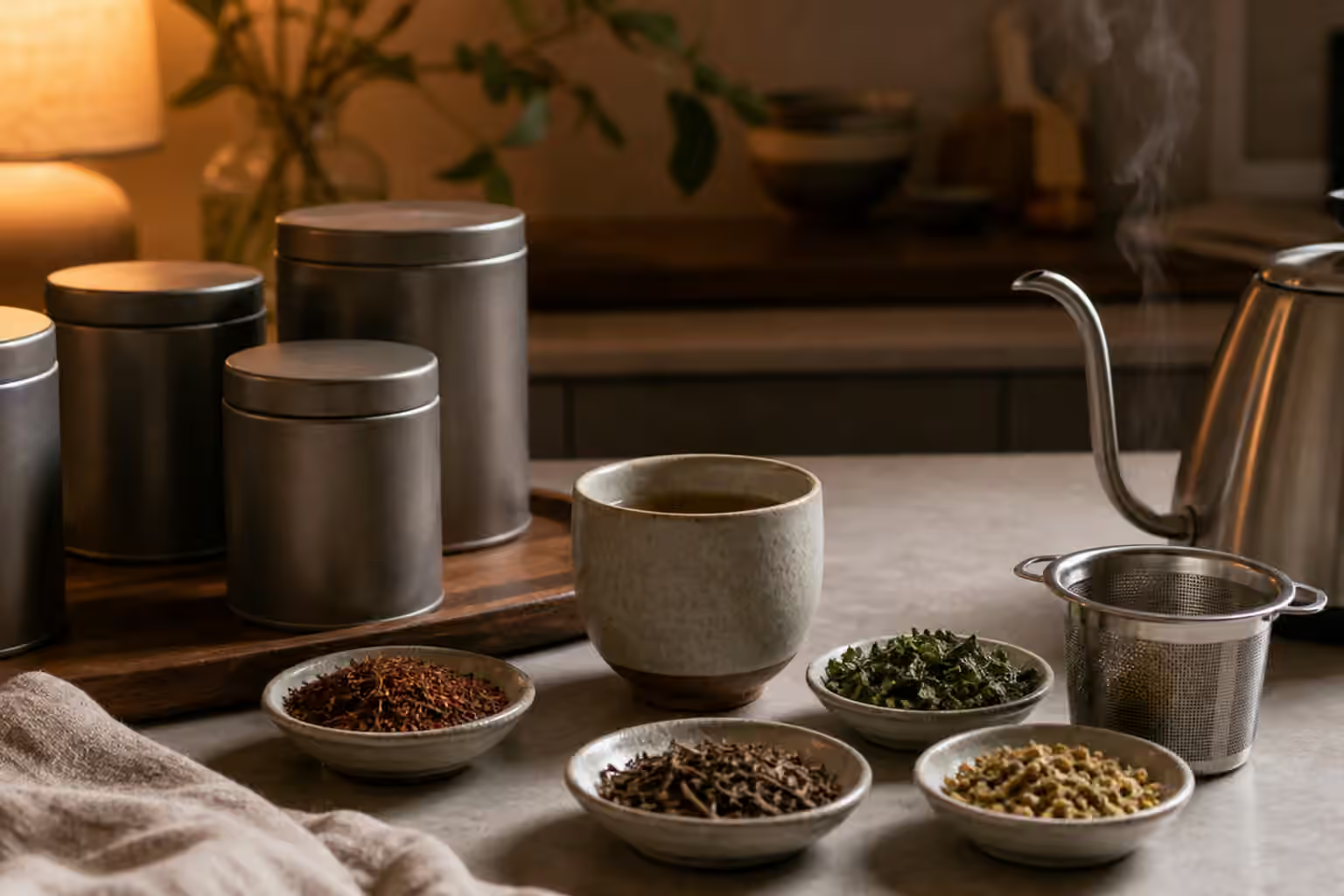
You do not need a cabinet of teaware to start well. A kettle with predictable heat, one reliable infuser or small pot, an airtight container to keep leaves away from air and light, and a few small samples of tea will take you a very long way. Buying by the job rather than by romance keeps your shelf honest: smaller amounts you will actually finish while they are fresh beat a giant tin of something you bought because it sounded impressive. When you are ready to build out a modest, deliberate collection, the beginner tea shelf guide is a sane place to plan it, and the tea types overview helps you decide what belongs there.
One honest boundary is worth stating plainly, because tea gets wrapped in a lot of wellness talk. This is a guide to making tea taste good, not health advice. If caffeine sensitivity, pregnancy, medication interactions, or any medical condition is part of your decision about what and how much to drink, that is a conversation for a qualified clinician who knows your situation, not for a brewing guide. Kept in its lane, tea is a small daily craft, and the pleasure of it comes from exactly the thing beginners tend to skip: paying gentle, repeatable attention to one cup, so the next one comes out a little better than the last.