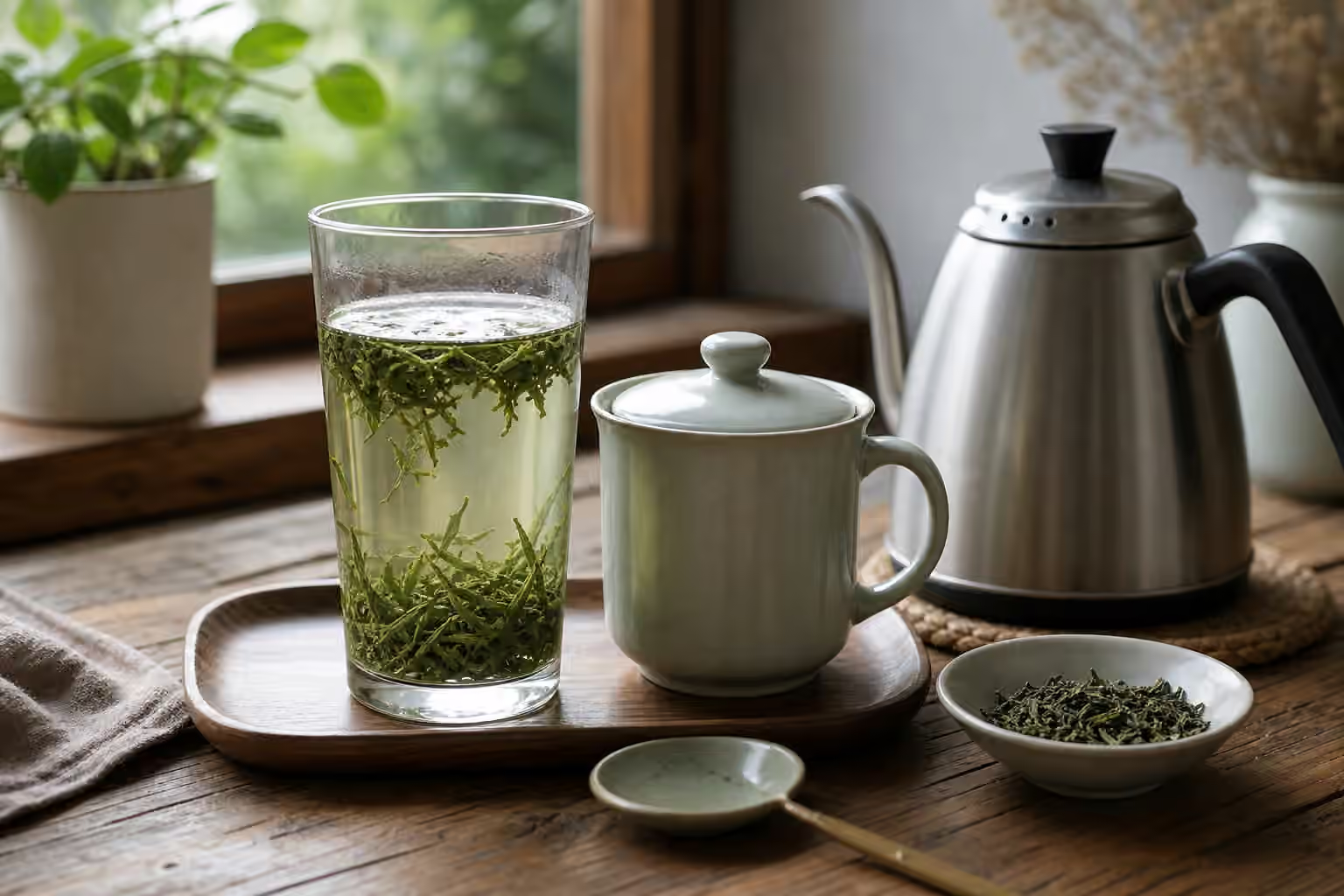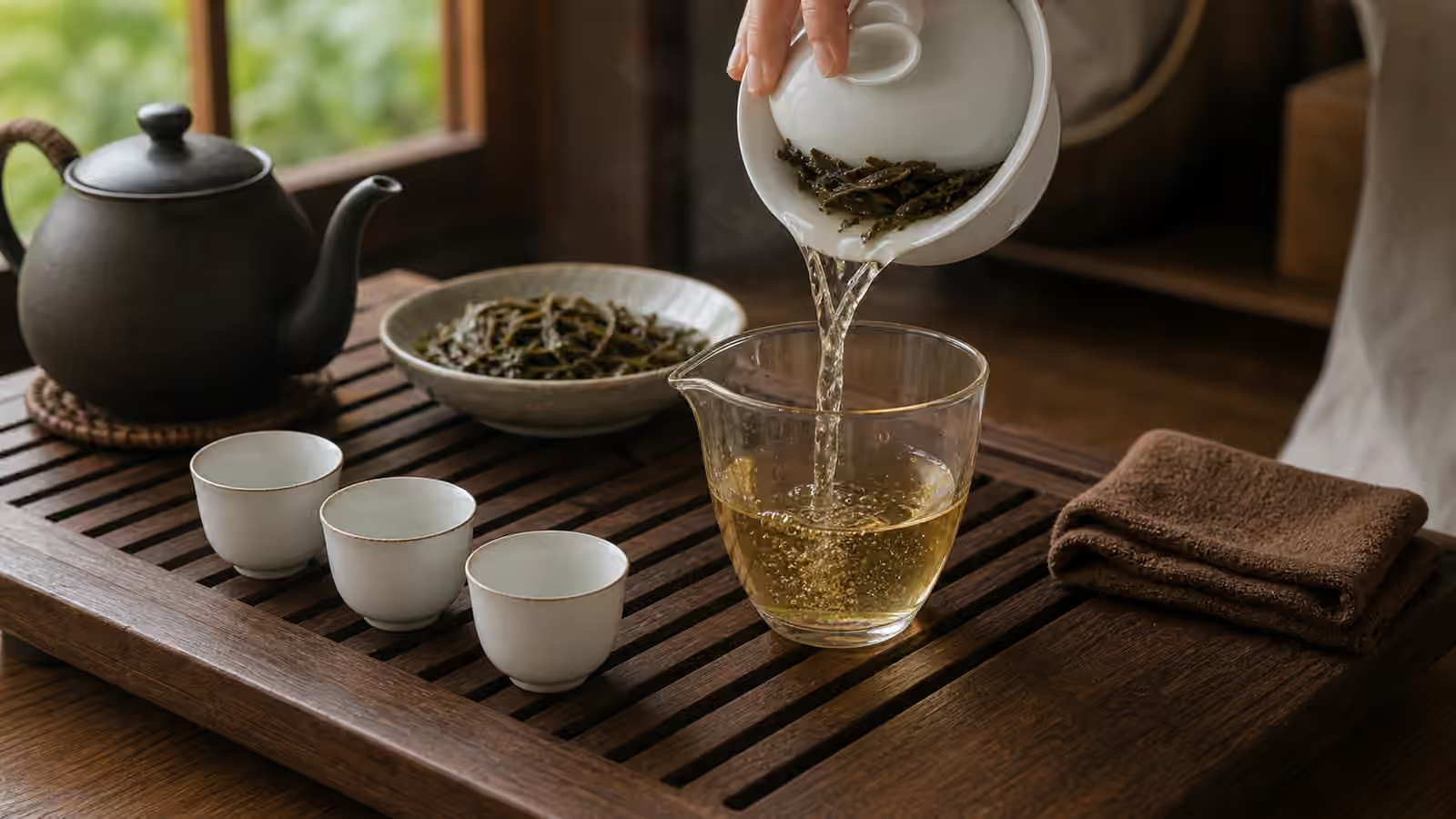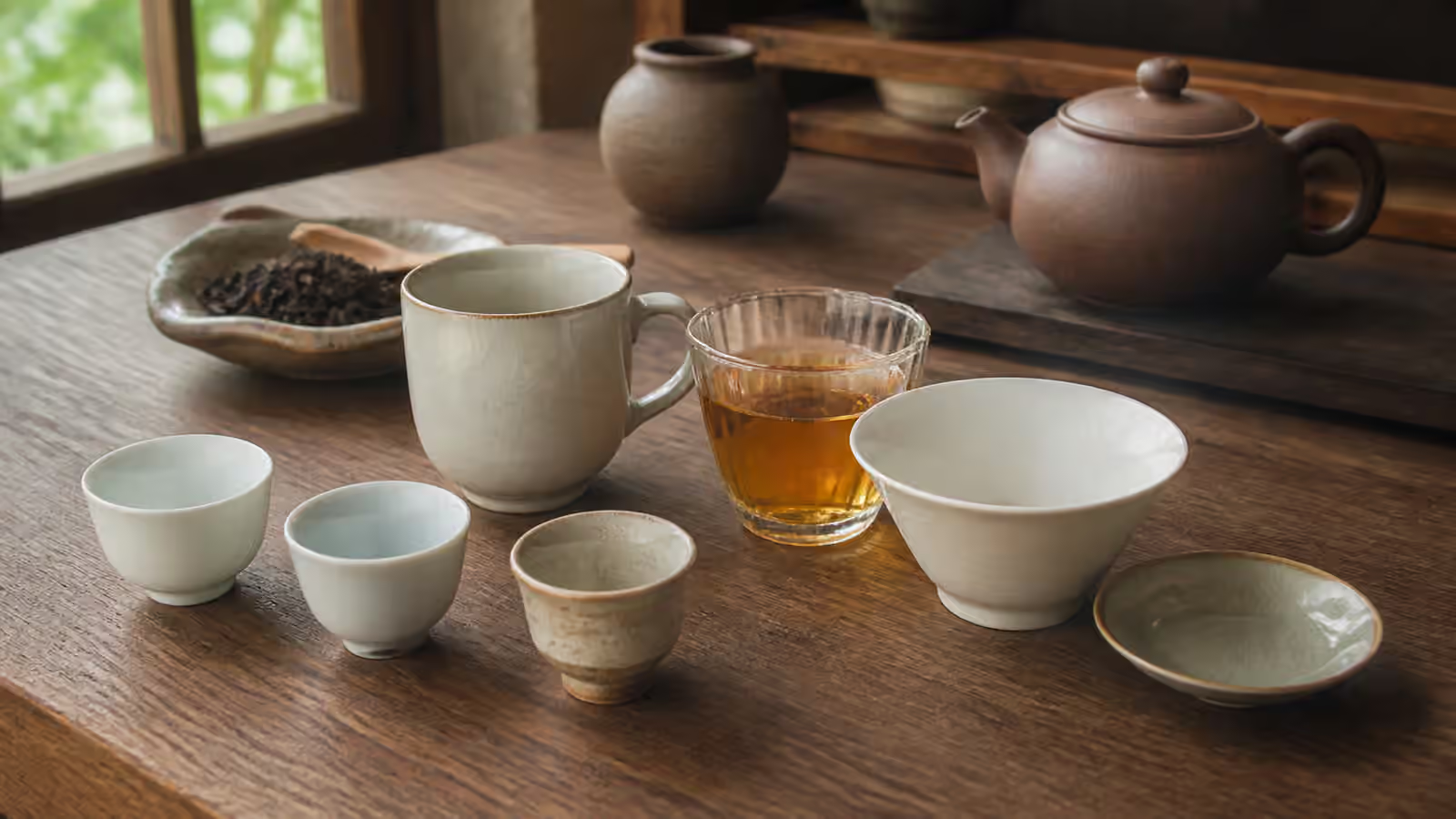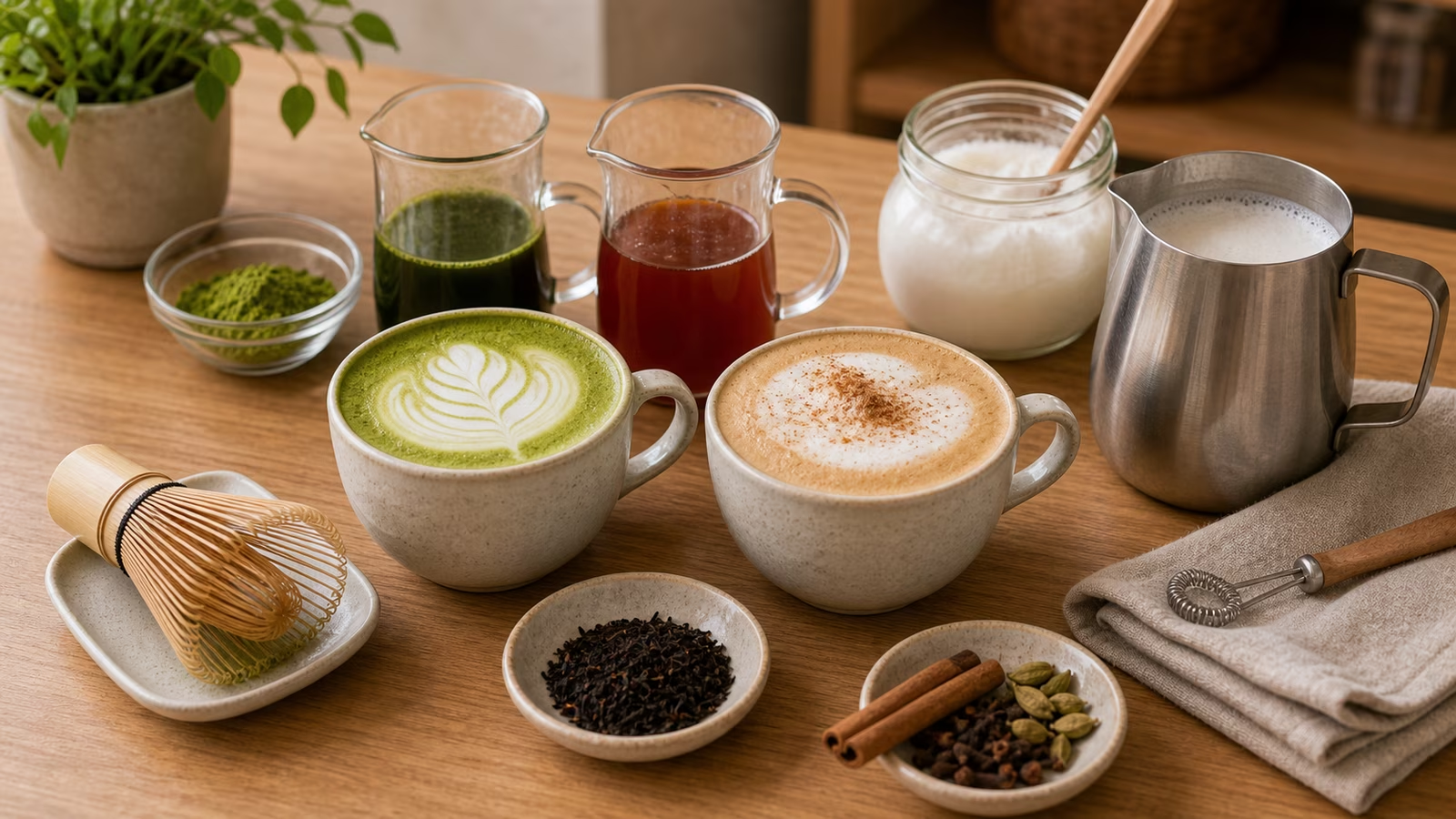
The disappointing tea latte is a specific and familiar thing: it looks gorgeous, it smells like warm milk, and it tastes like almost nothing. You get a pale beige cup that is sweet and creamy and completely missing the tea. This happens for one simple reason that almost nobody tells beginners. Milk is not a neutral background. It is a thick, fatty, sweet liquid that coats your tongue and muffles delicate flavors, and it will happily drown a normal cup of tea. So the entire craft of a good tea latte is really one idea repeated in different forms: brew the tea far stronger than you would ever drink it plain, so that it still tastes like itself after the milk arrives.
Brew a concentrate, not a cup
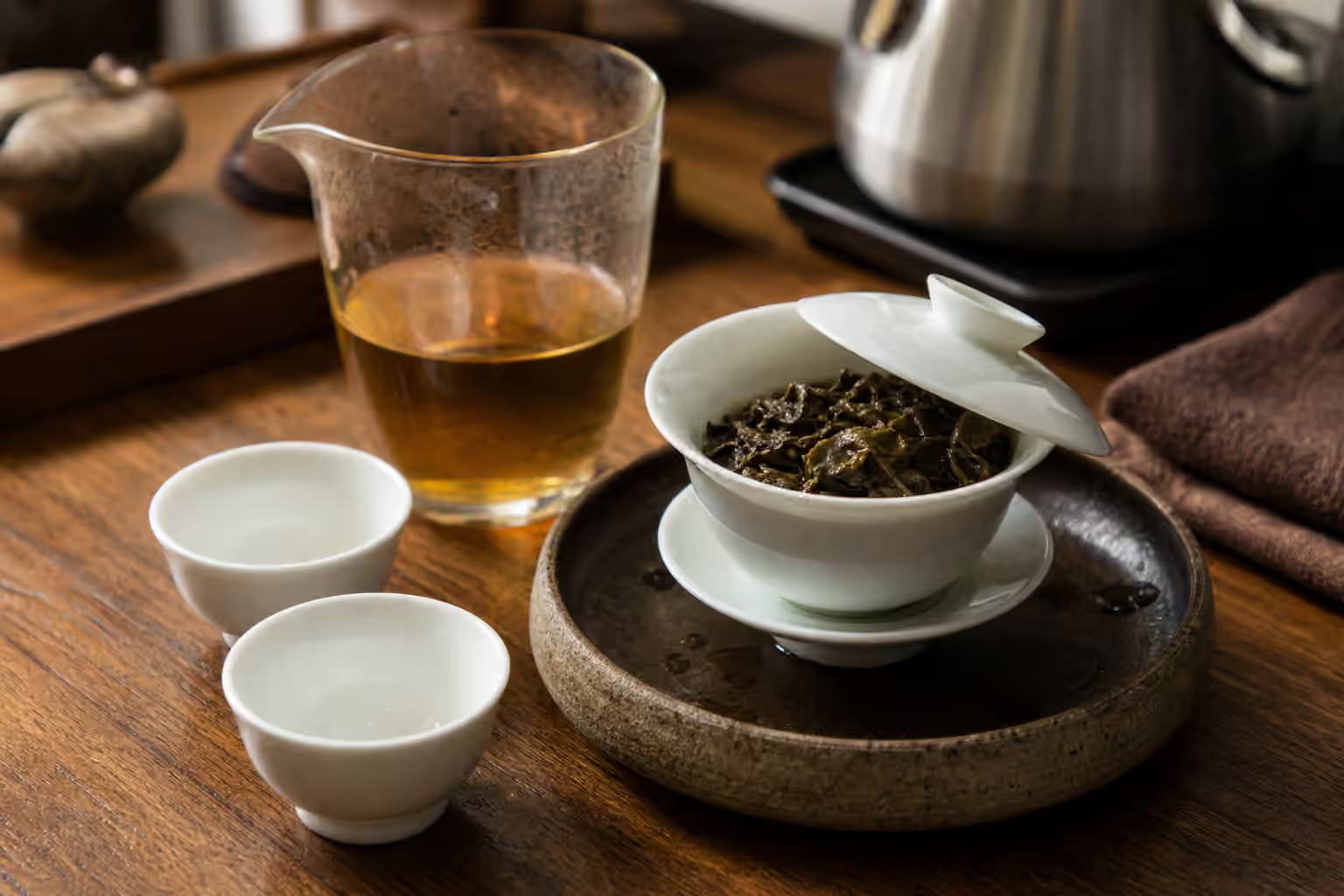
The mental shift that fixes most muddy lattes is to stop thinking about brewing a cup of tea and start thinking about brewing a base. You want a small volume of intense, concentrated tea that the milk will stretch back out to drinking strength. In practice that means using noticeably more leaf than usual and steeping it in less water. Because you are going to soften it with milk and often sweeten it too, you can push this base past the point where it would be unpleasantly strong or a little bitter on its own; the milk and sweetness round off the edges that would bother you in a plain cup. Robust black teas made for milk are the natural choice here, and it is worth reading how the black tea families differ, because an Assam built for strength behaves very differently in milk than a delicate Darjeeling that gets lost.
Matcha plays by different rules
Matcha is the exception that proves the point, and it deserves its own paragraph because so many people meet lattes through it. Matcha is not steeped at all; it is powdered whole leaf that you whisk into suspension, which is exactly why it stands up to milk so well. The whole leaf is in the cup, not just what water could pull out of it. The two things that ruin a matcha latte are clumping and grittiness, and both come from skipping the same step. Sift the powder first to break up the lumps, then whisk it with a small amount of hot water into a smooth, lump-free paste before the milk goes anywhere near it. Whisking briskly rather than stirring is what builds that fine, even texture. If you are new to the powder entirely, the matcha for beginners guide walks through grades and whisking before you start layering dairy on top.
Chai wants spice and time, not just tea
Chai is a third animal again, because a real chai latte is not tea with cinnamon dusted on top. The spices need heat and time to release their oils, which is why traditional preparations simmer the spices and tea together in a mix of water and milk rather than steeping them briefly. A quick steep leaves the spices tasting flat and dusty; a gentle simmer pulls out the warmth in the cardamom, ginger, and pepper and marries them to the tea. Sweetness matters more in chai than in most drinks too, because a little sugar is what lifts the spice from harsh to fragrant. If you want to build one properly from whole spices rather than a syrup, the chai at home guide covers the ratios and the simmer.
Milk texture is a real ingredient
Once the tea base is right, the milk itself becomes something you can control rather than just pour. Warm, gently frothed milk feels rounder and sweeter than milk poured cold, because heat and a little air change how it sits on the tongue. You do not need a professional espresso machine to get there; a handheld frother, a French press pumped up and down, or even a jar you shake and then microwave will build a soft foam. The habit is the same one that coffee drinkers learn when they practice milk steaming and microfoam : you are aiming for fine, even bubbles and a glossy texture, not a stiff cap of dry foam. Plant milks behave differently from dairy, some splitting or staying thin, so treat the first cup with any new milk as an experiment rather than a finished recipe.
Sweetness is a dial, not a default
Sweetness deserves honesty because it hides so much. A latte that is genuinely well made needs less sugar than a muddy one, because you are actually tasting the tea instead of chasing flavor that was never there. Add sweetness deliberately and taste as you go rather than dumping in a fixed amount out of habit. A small amount of sugar or honey often does something more interesting than making the drink sweet: it lifts the aromatics and makes the spice or the malt read more clearly. If you find you need a lot of sweetener to make a latte drinkable, that is usually a sign the tea base was too weak, not that the drink needed more sugar.
Learn it by making the same latte twice
The fastest way to get good at this is unglamorous. Pick one latte, make it, and write down what you did: how much leaf, how much water, how long, how much milk, how much sweetener, and one plain note about how it came out. Then make the same latte again the next day and change exactly one thing, usually the tea strength, since that is the variable that fixes the muddiness problem. Two or three careful repetitions will teach you more than a dozen different recipes made once each, because you finally see cause and effect instead of a blur of variables. Keep the notes light and specific. “Still washed out, double the leaf” is a perfect entry, and it is the difference between improving and guessing.
There is one boundary worth keeping in plain view, since lattes are where caffeine and add-ins stack up quickly. This is a guide to flavor and texture, not to health. If caffeine sensitivity, pregnancy, medication interactions, or any medical condition shapes how much tea or which ingredients are right for you, that is a question for a qualified clinician who knows your circumstances, not for a recipe. Within those limits, a good tea latte is one of the easier small pleasures to get right once you accept the core trick: make the tea strong enough to be heard, and let the milk carry it rather than bury it. If you want to keep building your latte range, the tea types overview is a useful map of which leaves reward the treatment.