Most tea does not spoil in any dramatic way. It fades. A leaf that smelled bright and complex the week you bought it slowly goes quiet, its aroma thinning and its flavor turning flat and papery, until one day you realize the cup you are making is a shadow of the one that convinced you to buy the tea. This slow fade is not bad luck, and it is not the tea’s fault. It is the predictable result of four ordinary things in a kitchen doing exactly what they always do to dried leaves: air, light, heat, and moisture. Add a fifth, less obvious enemy, stray odors, and you have the complete list of what storage is actually protecting against. Understand those five, and good storage stops being a set of rules and becomes obvious.
Air is the slow thief
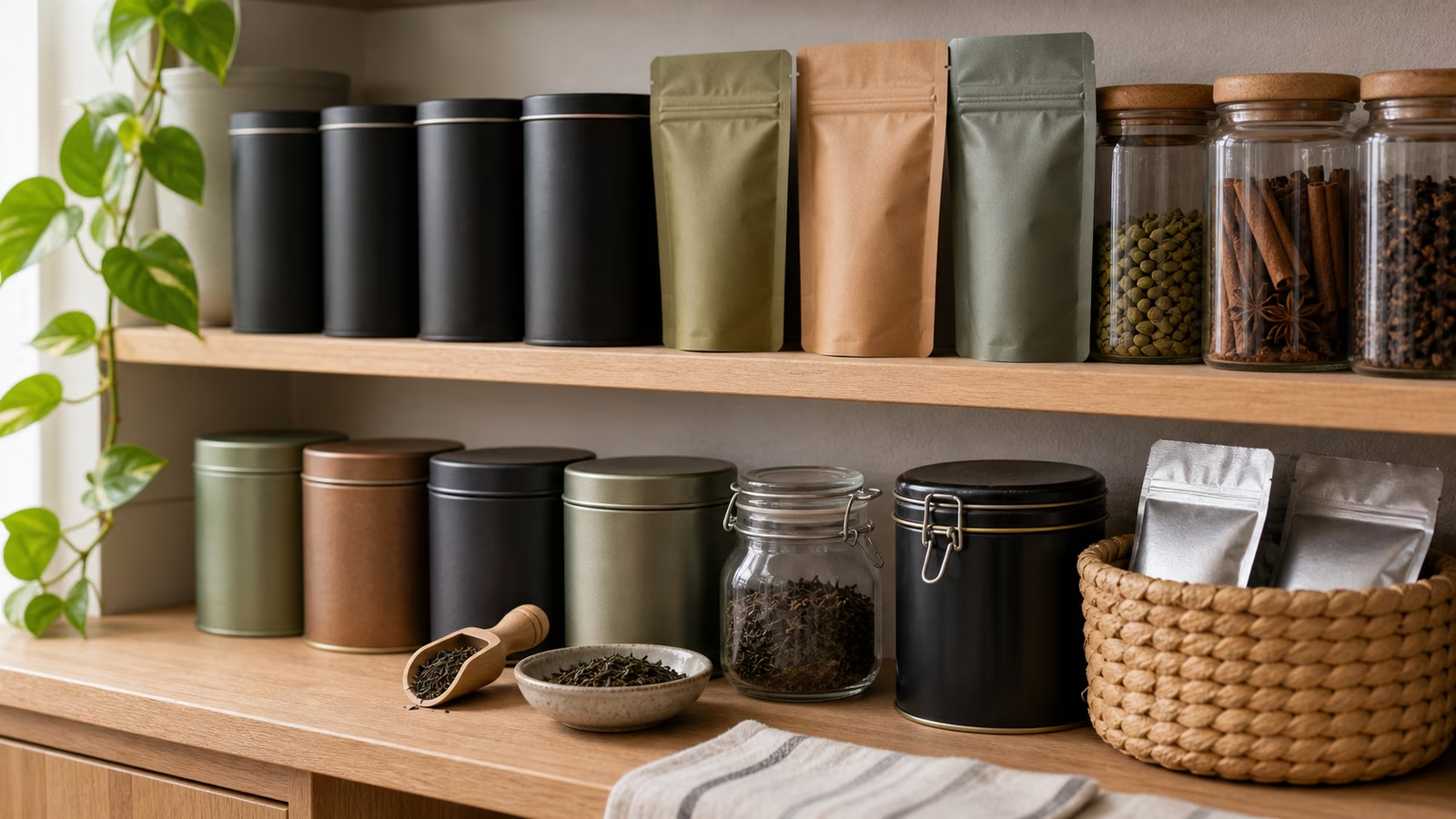
The main thing stealing your tea’s flavor is oxygen. The volatile aromatic compounds that make a fresh leaf smell alive are exactly the ones that react with air and drift away, which is why the first casualty of poor storage is always aroma, and aroma is most of what we experience as flavor. This is the case for an airtight container above almost any other consideration. A tin or jar that actually seals, opened only when you need leaves and closed promptly, keeps the headspace of air small and the exchange slow. A bag rolled shut with a clip is better than nothing but still lets air work; a properly sealing container is the real upgrade. It also matters how much air is trapped alongside the tea, so a small amount of leaf rattling around in a large tin will stale faster than the same leaf packed into a container it nearly fills.
Light quietly bleaches flavor
Light, and sunlight in particular, degrades tea in a way you cannot see happening until the cup tells you. Those pretty clear glass jars of tea lined up on a sunny windowsill are one of the most common and most avoidable mistakes, because the light steadily breaks down the compounds that give the leaf its character. The fix is simple: store tea in opaque containers, or keep clear ones inside a cupboard where light cannot reach them. If you love the look of glass jars, use them for display of teas you will drink quickly and keep your real reserve in the dark. Green and lightly processed teas, which are the most delicate to begin with, suffer from light fastest, which is worth remembering when you read how the green tea styles are built to be drunk fresh.
Heat, moisture, and the freezer question
Heat speeds up every kind of staling, so the worst possible spot for tea is exactly where many people keep it: on a shelf above or beside the stove, in the warmest, most humid air in the house. A cool, stable cupboard away from appliances is far better. Moisture is heat’s partner in crime, because dried leaves are thirsty and will pull humidity out of the air, and damp leaves both stale faster and, in the worst cases, grow musty. This is why steam is such a threat and why you should never scoop tea with a wet spoon or store it near a kettle’s plume. The freezer question comes up often, and the honest answer for most drinkers is to leave it alone: freezing can help long-term storage of certain sealed teas, but every time you take a container out, condensation forms on the cold leaves as they meet warm air, and that moisture does real harm. For everyday tea, a cool dark cupboard beats a freezer you keep opening.
Odors move in when you are not looking
The subtle enemy is smell. Tea leaves are quietly absorbent and will take on the aromas around them, which is a feature when someone is deliberately scenting a jasmine tea and a bug the rest of the time. Store tea next to coffee, ground spices, or anything strongly fragrant and you may find your delicate green has picked up a faint note of whatever it was neighbors with. Keep tea in sealed containers partly for this reason, and keep those containers away from the loudest smells in the kitchen. This is also a small argument for not decanting tea into a container that previously held something aromatic without washing and thoroughly drying it first, since the residue transfers.
Different teas keep differently
Not all tea is equally fragile, and knowing the difference changes how you shop and store. Delicate, lightly processed teas, greens and whites especially, are at their best soon after they are made and fade fastest, so buy them in smaller amounts you will finish while they are lively. More robust and roasted teas hold up longer. And a whole category of teas, the aged and fermented dark styles, are the exception that rewrite the rules entirely: they are meant to change slowly over years, and some are prized precisely for how they develop, which the pu-erh and dark tea guide explains in its own terms. For those, the storage goal shifts from freezing time to allowing slow, clean aging. For everything else, the goal is simply to slow the fade.
Small habits that keep a shelf honest
The practical routine is undramatic and worth building anyway. Move any vulnerable tea out of the light, heat, and moisture today rather than someday, and give the most fragile leaves the best-sealing containers you own. Label each container with the tea’s name and the month you opened it, because memory is a poor guide to freshness and a date on the lid tells you honestly whether you are drinking a tea in its prime or its decline. Resist the urge to hoard tiny leftovers so long that stale tea quietly becomes your default cup; a tea you are not enjoying is not worth the shelf space, and finishing or retiring it makes room for one you will. Buying in sensible amounts is half of good storage, which is why the tea buying guide and this one belong together, and why a thoughtfully small beginner tea shelf usually tastes fresher than a sprawling one.
One boundary is worth stating plainly. This is a guide to keeping tea tasting good, not a food-safety or health authority. If caffeine, pregnancy, medication interactions, or any medical condition shapes your choices about tea, that belongs with a qualified clinician who knows your situation rather than a storage note. Within that frame, storage is one of the most rewarding small disciplines in tea, because it is nearly free and it protects everything else you do. Every careful brew starts from a leaf that was kept well, and a well-kept leaf is simply one you protected from air, light, heat, moisture, and stray smells before it ever met the water.