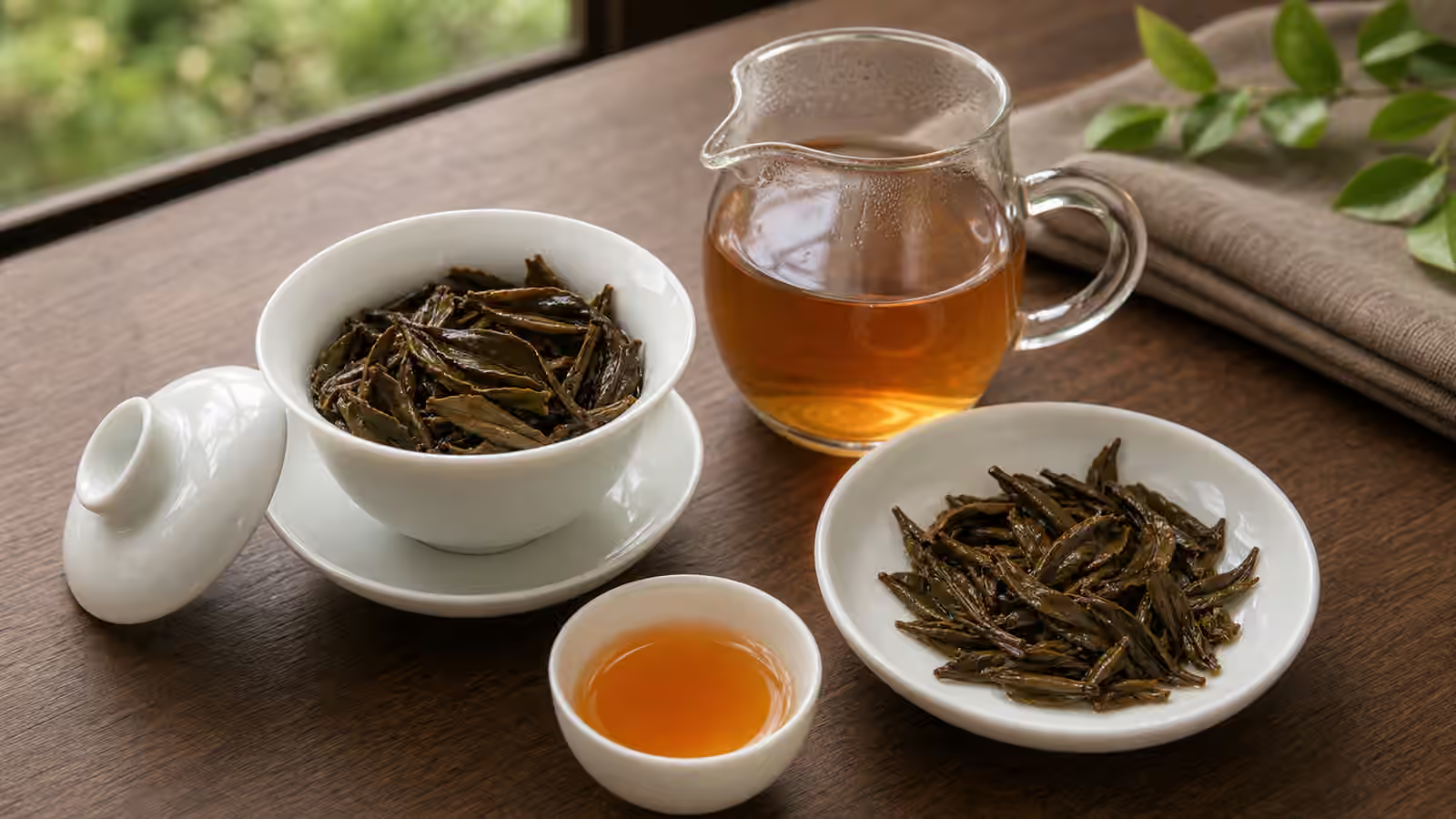
There is a version of tea tasting that is genuinely off-putting, all swirled cups and confident pronouncements about wet stone and honeysuckle, and it scares a lot of people away from a skill that is actually simple and quietly satisfying. Tasting tea is not a performance for an audience, and it does not require a vocabulary you have to study. At its heart it is just paying attention to a cup on purpose instead of drinking it on autopilot. The whole point is not to sound impressive. It is to notice what a tea is doing clearly enough that you can remember it, compare it to the next one, and brew a better cup tomorrow. Everything worthwhile about tasting fits into a handful of plain sensations, and you already have all the equipment you need.
Smell first, and smell more than once
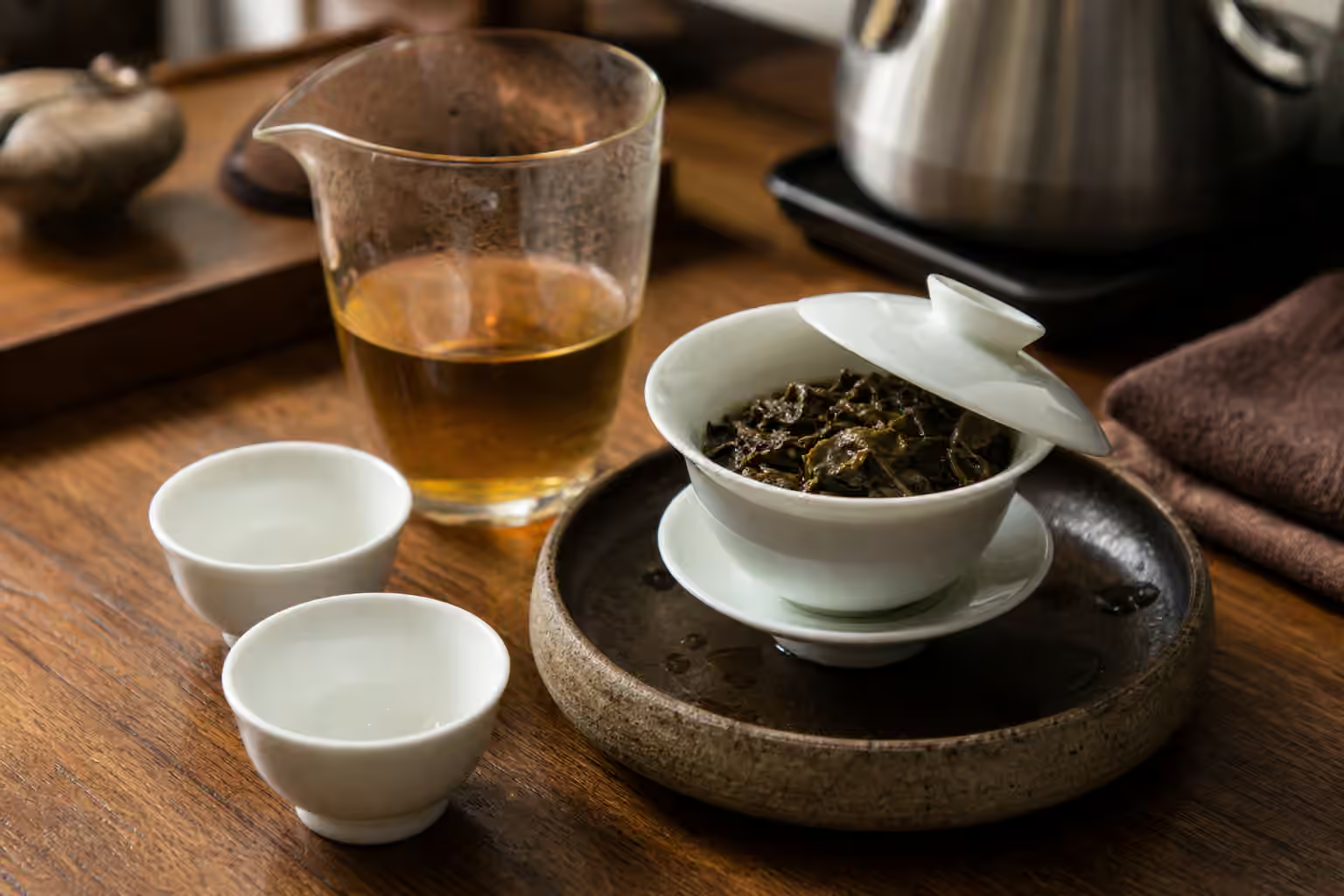
Most of what you think you taste, you actually smell. The tongue registers a surprisingly short list, but the nose registers hundreds of aromatic notes, so aroma is where most of a tea’s character lives. This is why it pays to smell a tea more than once and at more than one stage. Smell the dry leaf before it ever touches water; some teas announce themselves immediately, floral or malty or smoky, and that first impression tells you what to expect. Smell the warmed, empty vessel after you pour the tea out, where lingering aromas often show up more clearly than in the cup. And smell the hot liquid before you sip. If you learn nothing else about tasting, learning to pause and actually inhale before drinking will change how much you get from every cup.
The plain vocabulary that actually helps
When you do sip, you only need to notice a small set of honest things, and none of them require fancy words. Notice the body, which is how the tea feels in weight and thickness, from watery and light to full and almost silky. Notice whether there is any natural sweetness, which many good teas have without any sugar added. Notice bitterness, a sharp taste that usually means the tea was pushed too hard with heat or time. Notice astringency, which is not a taste but a feeling, the dry, puckering grip on your tongue and cheeks that tannins produce; a little gives a tea structure, too much makes it harsh. And notice the finish, meaning what happens after you swallow, whether the flavor lingers pleasantly or vanishes instantly. Those five, body, sweetness, bitterness, astringency, and finish, cover almost everything you need, and you can describe any tea usefully with words as plain as “thin and grassy” or “round, sweet, long finish.”
Bitterness and astringency are not the same thing
The single most useful distinction a beginner can learn is that bitterness and astringency are different, because confusing them leads to the wrong fix. Bitterness is a taste on the back of the tongue, and it usually signals over-extraction: water too hot, steep too long, or too much leaf. Astringency is a physical drying sensation on the surfaces of your mouth, produced by tannins, and a moderate amount is a normal and even desirable part of many teas, especially blacks. When a cup feels unpleasant, pausing to ask whether it is bitter or astringent points you straight at the cause. Bitter usually means cool the water or shorten the steep; excessive astringency often means the same, but a gently astringent tea may simply be doing what it is supposed to. Learning to feel the difference is what lets you adjust a brew instead of just declaring it bad, which is exactly the loop the beginner brewing guide is built around.
Slow down and use contrast
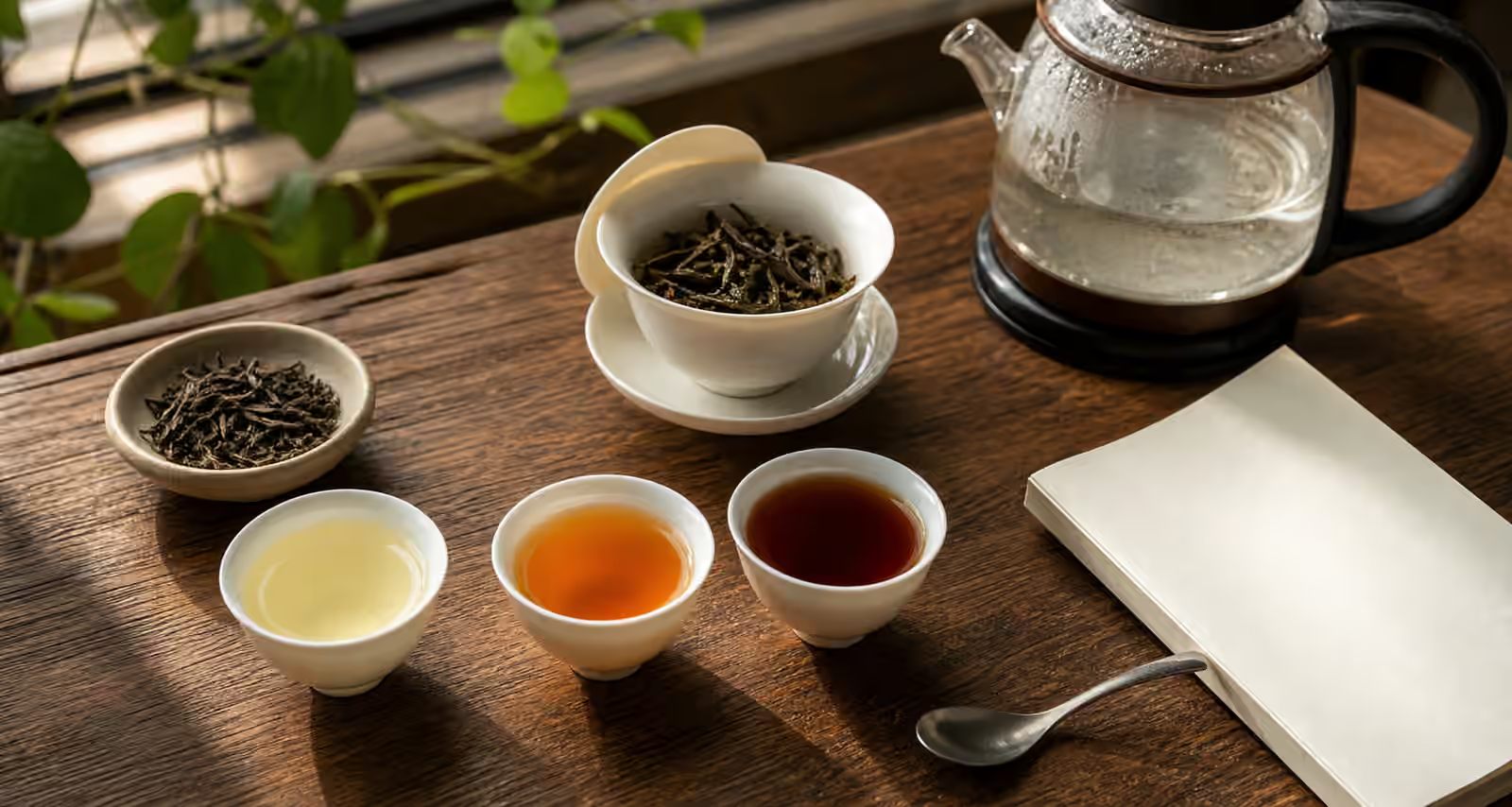
Two simple tricks sharpen your palate faster than anything else. The first is to slow down. A tea tasted in three unhurried sips reveals far more than the same tea gulped, because flavor unfolds over time and the finish only exists if you wait for it. The second is to taste teas side by side. Almost nobody can describe a flavor from memory in a vacuum, but nearly everybody can tell that one cup is sweeter, or thicker, or more astringent than the cup right next to it. Contrast turns vague impressions into clear observations. Brew two related teas at once, or the same tea steeped two different ways, and taste back and forth; the differences you notice are the beginning of real tasting skill. This is the whole engine behind hosting a tea tasting at home , where several cups side by side teach more in an evening than weeks of solitary sipping.
Write it down, keep it light
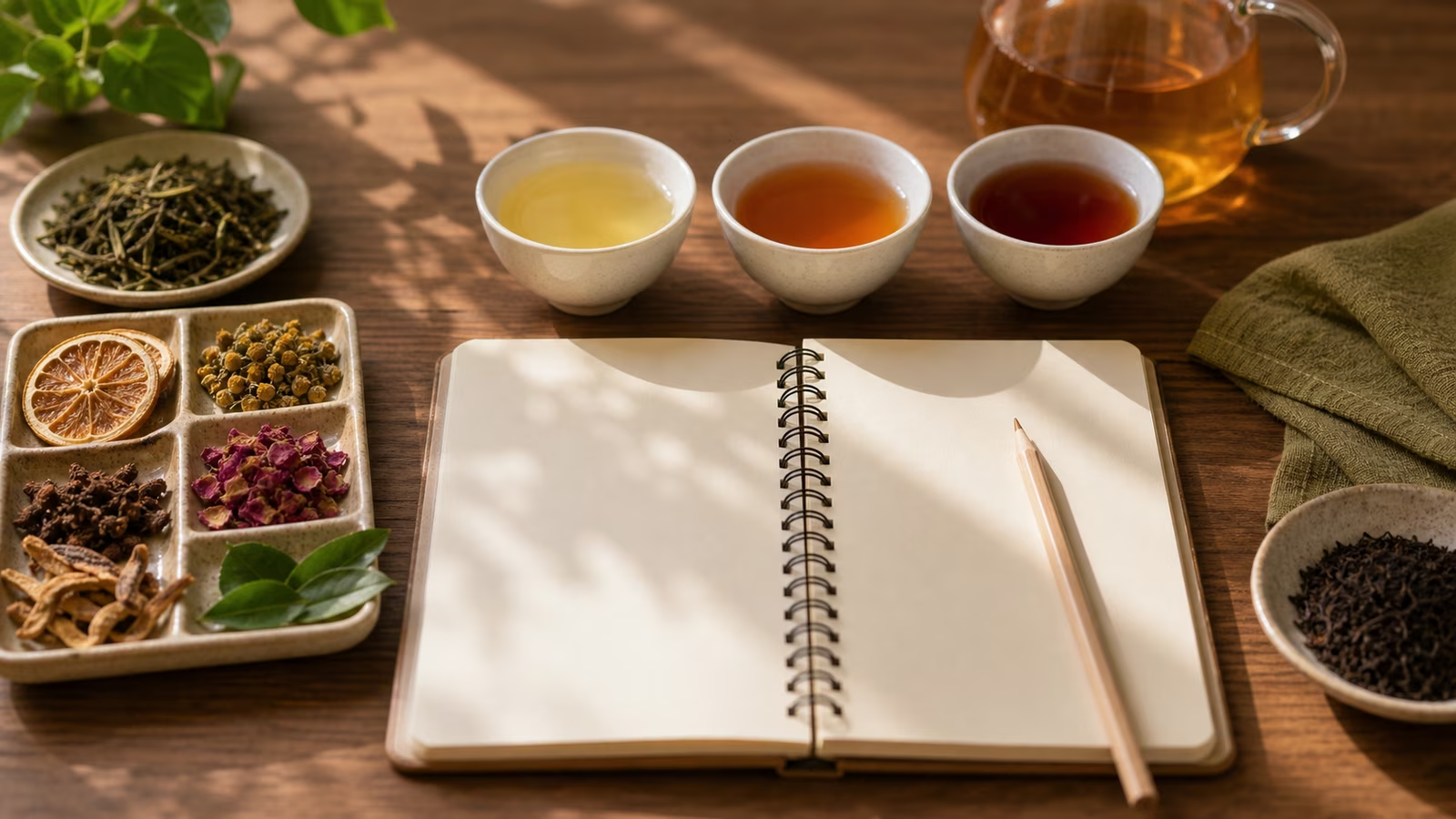
A tasting note is only useful if it survives past the last sip, so write something down, but keep it almost embarrassingly light. You do not need paragraphs. The tea, the water, how much leaf, the temperature, the time, and one honest sentence about how it tasted is a complete and valuable entry. “Sweeter on the second steep.” “Too astringent, cool the water next time.” “Smells amazing, tastes thin, use more leaf.” These scraps do two things at once: they record what a tea is like, and they record what to change. Over a few weeks a light notebook becomes a personal map of your own palate, showing you which teas you keep reaching for and why, and turning what felt like guesswork into memory you can trust. The habit matters far more than the format; a note on your phone works as well as a beautiful journal.
Your palate is yours
The most freeing thing to understand about tasting is that there is no answer key. If a description says a tea tastes of orchids and you get something more like warm hay, you are not wrong; you are tasting honestly, and your words are the ones that will help you. Palates genuinely differ, and the language people reach for is personal. Borrow the standard terms if they are useful and ignore them when they are not. The habit of attention, of smelling before sipping, tasting slowly, comparing side by side, and writing a plain note, transfers to everything else you drink and even to how you notice aroma in the wider world, which is why the same instincts show up in the Fragrance Studio scent families guide and the Coffee Mastery water guide . Once trained, this attention does not switch off.
One honest boundary belongs here. This is a guide to noticing flavor, not to health. If caffeine, pregnancy, medication interactions, or any medical condition affects your choices about tea, that is a conversation for a qualified clinician who knows you, not for a tasting note. Kept in that frame, tasting is the most rewarding habit in tea and the least demanding, because it costs nothing but a moment of attention and it makes every future cup a little better. You do not need to sound like an expert. You only need to notice, plainly and a little more slowly than usual, what the tea in front of you is actually doing.