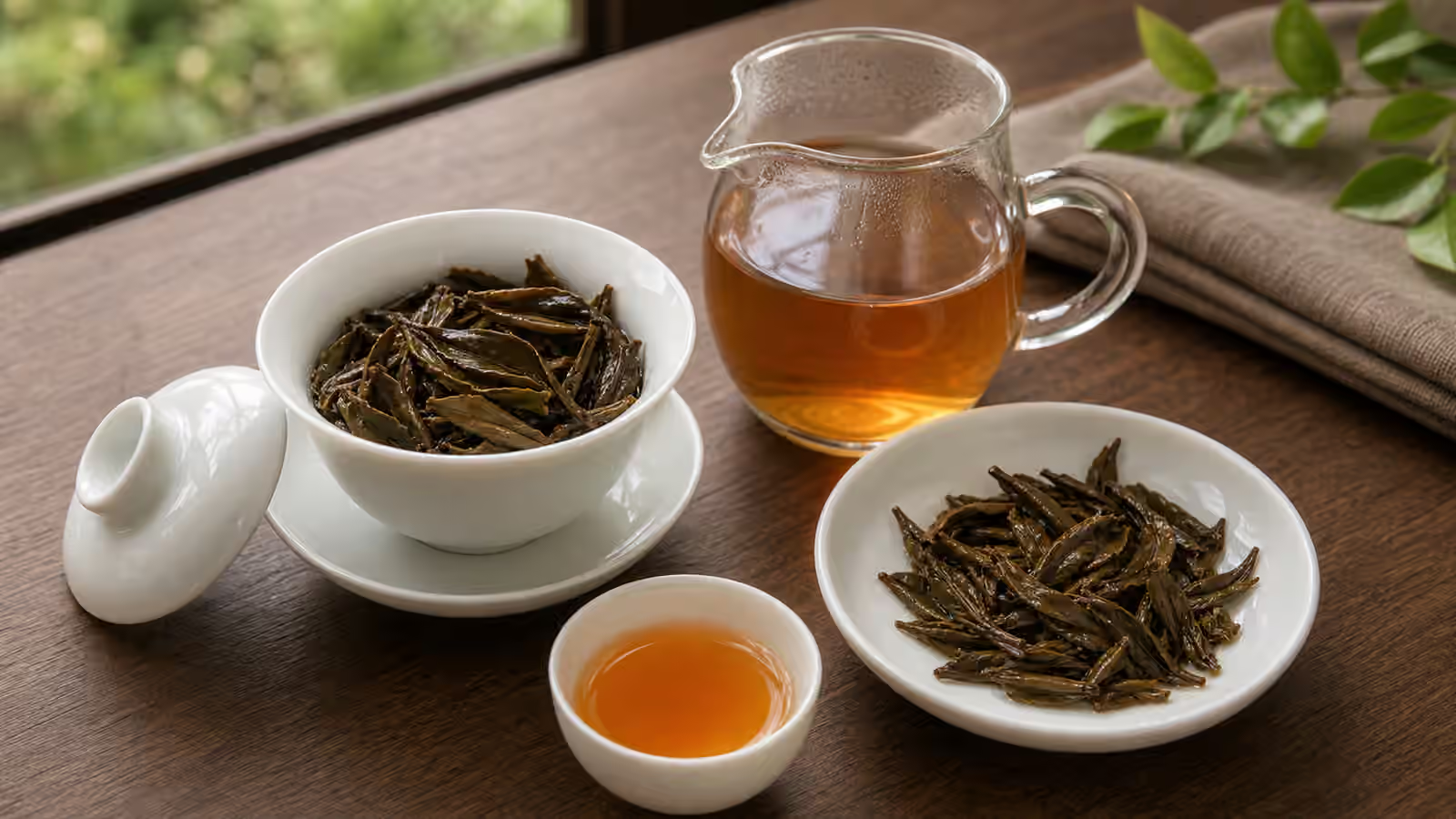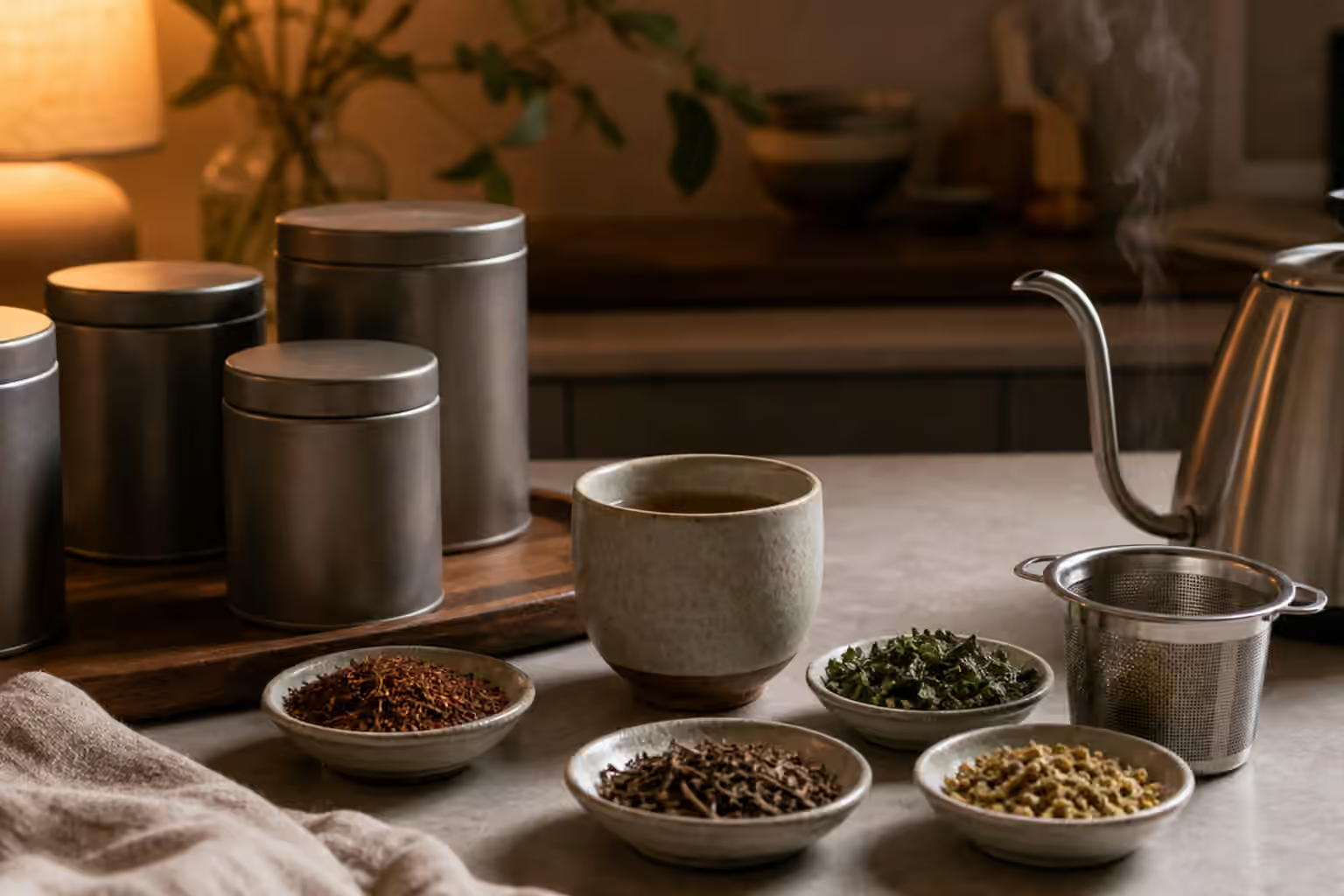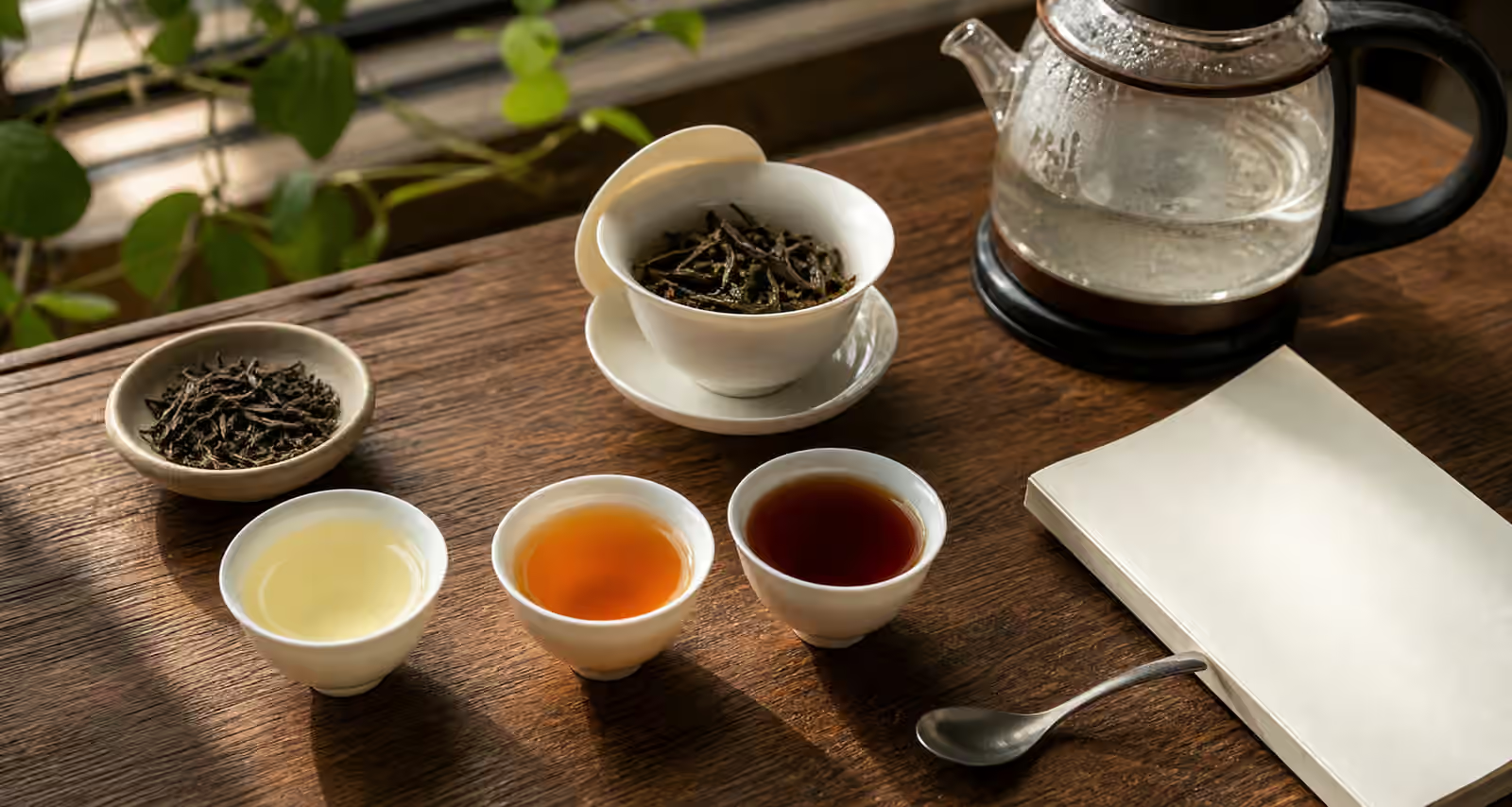
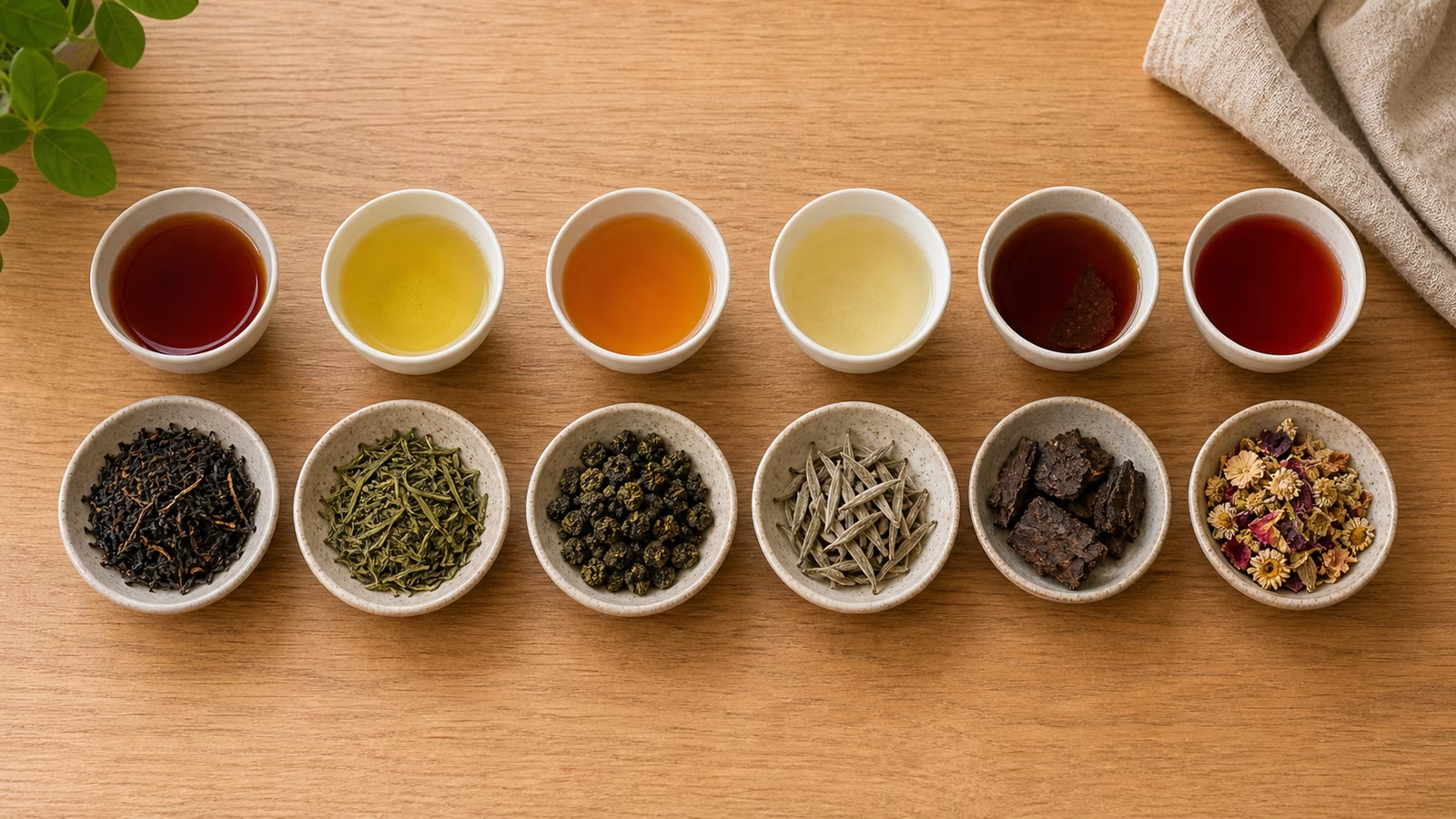
Here is the fact that reorganizes everything and that almost no beginner is told plainly: black tea, green tea, oolong, white tea, and pu-erh all come from the same plant. There is one tea shrub, Camellia sinensis, and the enormous range of flavor between a malty breakfast black and a grassy green does not come from different plants but from what people do to the leaves after picking them. Once you understand that the “types” of tea are really stages and styles of processing the same leaf, the whole subject stops feeling like a list to memorize and starts feeling like a story you can follow. The single most important process in that story is oxidation, and if you understand oxidation, the families arrange themselves in your mind almost automatically.
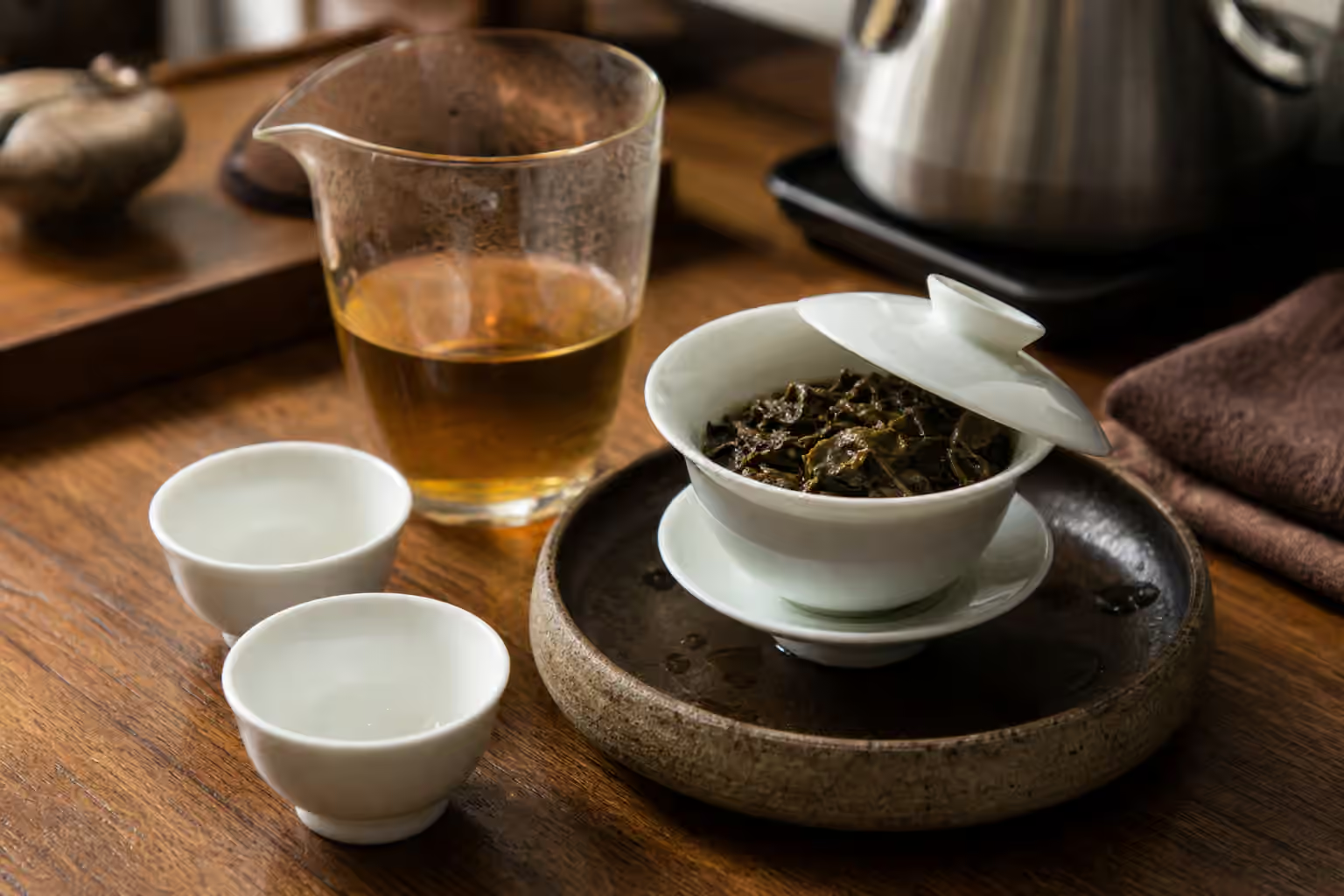
Oxidation is the master dial
When a tea leaf is picked and its cells are broken, it begins to react with oxygen and change, darkening and developing deeper, richer flavors, in much the way a cut apple browns on the counter. Tea makers control this reaction with exquisite care, and where they choose to stop it is what defines each family. Halt oxidation almost immediately with heat and you preserve the fresh, green character of the leaf. Let it run to completion and you get the dark, robust character of black tea. Stop it somewhere in the middle and you land in the vast, fascinating territory of oolong. That is the entire spine of the subject. Every family below is really just an answer to the question of how much the leaf was allowed to oxidize, plus a few special techniques layered on top.
Green tea: the leaf kept fresh
Green tea is the leaf caught early. Soon after picking, the leaves are heated, by steaming or pan-firing depending on the tradition, to stop oxidation and lock in their fresh green quality. The result is a tea that tastes bright, sometimes grassy or vegetal, sometimes nutty or marine, and that carries a light body rather than a heavy one. Because those delicate flavors are easily scorched, green tea is the family that most rewards cooler water and shorter steeping; boiling water tends to make it harsh and bitter, which is the single most common reason beginners think they dislike green tea when they really just brewed it too hot. It is also usually best drunk fresh, since its delicacy fades with age. The range within the family is wide, from steamed Japanese styles to pan-fired Chinese ones, and the green tea guide walks through them.
Black tea: fully oxidized and forgiving
Black tea sits at the other end, fully oxidized, and it is the family most Western drinkers meet first for good reason. Full oxidation gives it dark color, fuller body, and bold, malty, sometimes fruity or brisk flavors that hold up well to milk and to strong food. It is also the most forgiving family to brew, happy with fully boiling water and a straightforward few minutes of steeping, which makes it a comfortable starting point for anyone nervous about getting the process wrong. Within black tea the differences of origin come through clearly, from the malt of an Assam to the muscatel lift of a Darjeeling, and the black tea guide covers those regional characters. Because it is robust and stores reasonably well, black tea is often the backbone of a beginner’s shelf.
Oolong: the vast middle
Oolong is the most exciting family precisely because it is the least fixed. Partially oxidized, it can sit anywhere on the spectrum from barely oxidized and floral, tasting almost like a rich green, to heavily oxidized and roasted, tasting closer to a black tea with toasty, honeyed depth. Add the roasting and rolling techniques oolong makers use and you get a category so broad that two oolongs can taste like completely different beverages. This range is exactly why oolong is so rewarding to explore once the basics feel comfortable, and why many of these teas are prized for standing up to multiple steepings, each infusion revealing something new. It asks a little more attention than black tea but repays it generously, and the oolong guide is the place to start mapping its light-to-roasted spectrum.
White tea and pu-erh: the gentle and the aged
Two more families round out the true teas, and they sit at interesting extremes. White tea is the least processed of all, made from young leaves and buds that are simply withered and dried with minimal handling, which gives it a soft, subtle, gently sweet character that can be easy to miss if you are used to bold cups. Its delicacy makes it lovely for quiet moments but easy to under-appreciate at first. Pu-erh, and the broader category of dark, fermented teas, goes the opposite direction into deliberately aged and microbially fermented leaves that develop deep, earthy, mellow flavors over years. These are the teas that break the “drink it fresh” rule entirely, since age is part of the point, and they behave differently enough that the pu-erh and dark tea guide treats them on their own terms.
Herbal “teas” are a different world
It is worth being precise about one thing, because the language causes real confusion. Herbal teas, chamomile, peppermint, rooibos, ginger, hibiscus, and the rest, are not tea at all in the strict sense, because they contain no Camellia sinensis. They are infusions of other plants, which is why the more careful name is tisane. This distinction matters practically as well as pedantically: because they are not made from the tea plant, most herbals are naturally caffeine-free, which makes them the natural choice for the evening or for anyone avoiding caffeine. They also tend to be forgiving to brew, usually happy with boiling water and a longer steep, since there are no delicate tea tannins to scorch. They are their own broad and pleasant world, overlapping with the true teas mainly in the ritual of a warm cup.
Caffeine, and where to begin
A word on caffeine, since it drives many choices. All true teas contain caffeine because they all come from the same caffeinated plant, and while there are rough tendencies, the popular idea that you can read a tea’s caffeine precisely from its color is unreliable, because brewing strength, leaf amount, and steep time affect it as much as type. If caffeine genuinely matters for you, herbal tisanes are the dependable caffeine-free path, and beyond that it is wiser to notice how a given tea affects you than to trust a tidy chart. As for where to begin, black tea’s boldness and forgiving brewing make it a comfortable first family, herbal tisanes are effortless and caffeine-free, and green and oolong reward you as your attention grows. From here the natural next step is simply to brew one, which the beginner brewing guide covers, and then to taste it carefully with the tasting guide .
One boundary belongs here plainly. This is a guide to understanding and enjoying tea, not health or medical advice. If caffeine, pregnancy, medication interactions, or any medical condition shapes your choices, that is a conversation for a qualified clinician who knows your situation, not for a guide to tea families. Within that frame, the reassuring truth is that all of this variety grows from one plant and one master dial. Learn how oxidation shapes the leaf, and you will never again look at a shelf of unfamiliar names and feel lost; you will see a spectrum, and you will know roughly where each tea sits on it before you ever open the tin.